
Vehicle recalls have become an unavoidable part of the automotive industry. As vehicles have grown more advanced, manufacturers have had to manage increasingly complex systems involving electronics, software, safety equipment, powertrains, and emissions controls.
While many recalls address relatively minor concerns, some involve defects significant enough to affect millions of vehicles and generate headlines across the country.
The number of recalls associated with a particular model does not necessarily mean it is a bad vehicle. In many cases, high-volume models accumulate recalls simply because they are produced in enormous numbers and remain on sale for many years.
However, some vehicles have become closely associated with major safety campaigns involving airbags, ignition switches, braking systems, fuel systems, or electrical components.
Several of the vehicles on this list were involved in some of the largest recall actions ever conducted in the United States.
Their stories influenced government regulations, changed manufacturing practices, and led automakers to adopt stricter quality-control procedures. Some recalls cost manufacturers billions of dollars and damaged reputations that had taken decades to build.
The following vehicles rank among the most recalled cars and light-duty passenger vehicles in American automotive history. Each became the subject of multiple recall campaigns affecting millions of owners and leaving a lasting impact on the industry.
Also Read: 10 Cheap Cars With Better Build Quality Than Luxury Rivals
1. Ford F-150
The Ford F-150 has been America’s best-selling pickup for decades, but its massive production numbers have also made it one of the most frequently recalled vehicles in the country. Built across numerous generations and sold in huge volumes, even relatively minor defects have often resulted in recalls affecting hundreds of thousands of trucks.
Recall campaigns have addressed a wide range of issues, including transmission problems, electrical faults, seatbelt concerns, brake component failures, and software-related defects. Several F-150 model years were also impacted by the industry-wide Takata airbag crisis, which required the replacement of potentially dangerous inflators.
The truck’s enormous sales volume plays a major role in its recall statistics. When a vehicle sells hundreds of thousands of units each year, a defect affecting only a small percentage of production can still trigger one of the largest recalls in the industry.
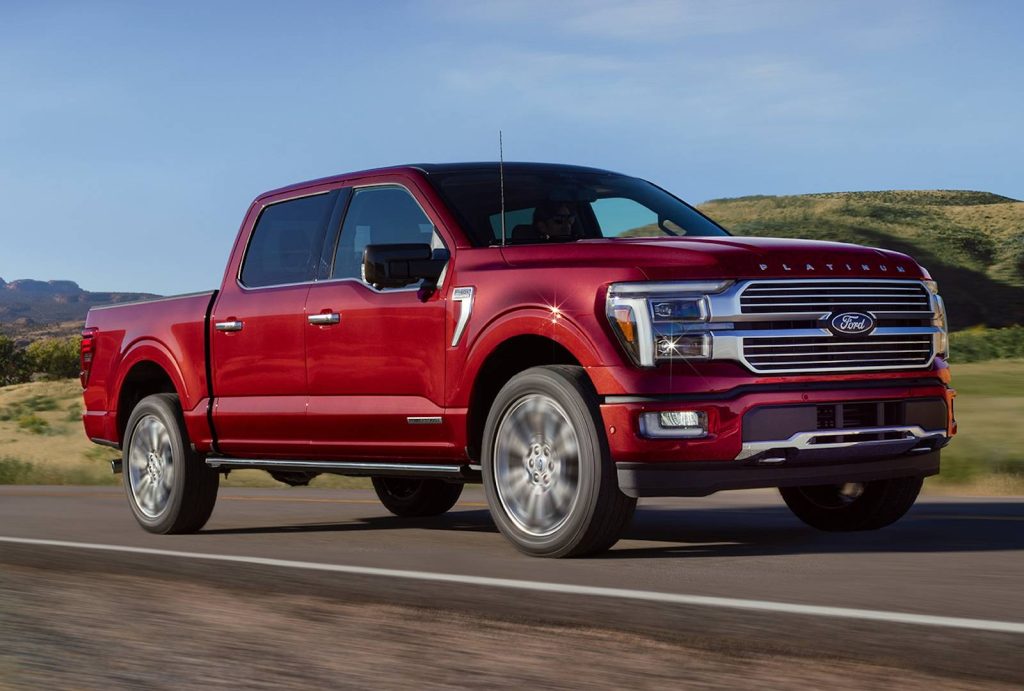
Ford has typically responded with repair programs and owner notifications through its dealership network, often resolving issues before they led to widespread incidents. Despite its extensive recall history, the F-150 remains the dominant full-size pickup in America.
Many recalls involved preventive measures rather than major failures, highlighting how modern safety systems identify and address potential problems before they become serious.
Specifications
- Engine: 3.5L EcoBoost V6
- Torque: 500 lb-ft
- Horsepower: 400 hp
- Length/Width: 231.7 in / 79.9 in
2. Chevrolet Silverado 1500
The Chevrolet Silverado 1500 has long been one of America’s top-selling pickups, but its popularity has also contributed to a significant recall history.
Over multiple generations, General Motors has issued recall campaigns covering a wide variety of concerns, including braking systems, airbags, seatbelts, steering components, fuel pumps, and software-related issues.
Unlike some vehicles known for a single recurring defect, the Silverado’s recalls have spanned numerous systems, reflecting the complexity of modern trucks and the importance of ensuring every safety-related component functions properly.
Because millions of Silverados have been sold across the United States, even defects affecting a relatively small number of vehicles can result in large-scale recall actions.
Some recalls were preventive measures aimed at correcting parts that showed the potential for failure, while others followed field reports that identified safety risks requiring immediate attention.
General Motors has generally addressed these issues through dealer repair programs and owner notification campaigns, allowing many repairs to be completed quickly and efficiently.
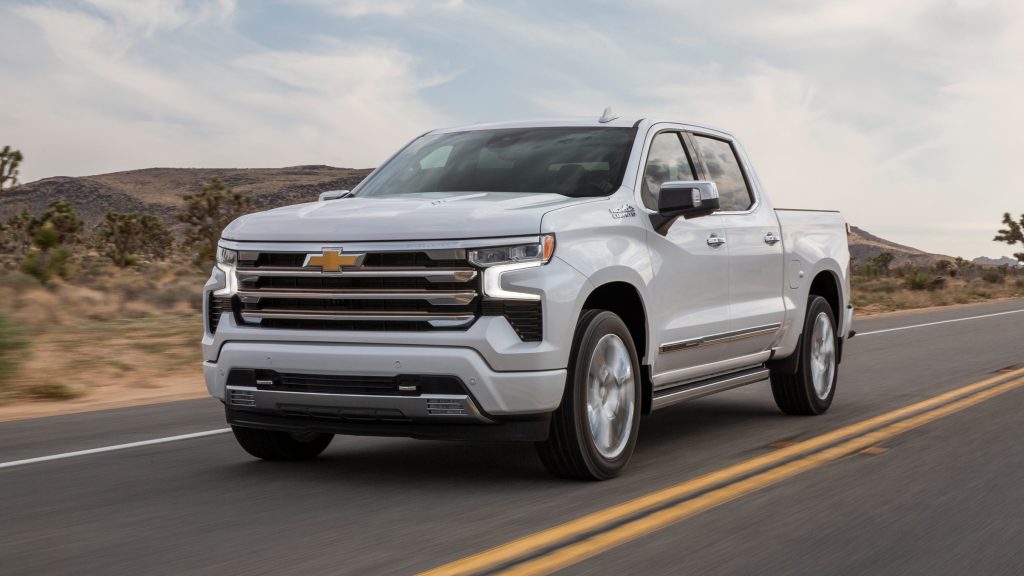
The Silverado’s recall history illustrates a common reality for high-volume vehicles: larger sales often lead to larger recall totals.
Despite numerous campaigns over the years, the Silverado remains one of the most trusted and widely purchased pickups in America, proving that prompt and transparent responses to defects can help preserve consumer confidence.
Specifications
- Engine: 5.3L V8
- Torque: 383 lb-ft
- Horsepower: 355 hp
- Length/Width: 231.9 in / 81.2 in
3. Toyota Camry
The Toyota Camry has earned a reputation as one of America’s most dependable family sedans, yet its long production history and massive sales numbers have also resulted in numerous recalls. Over the years, various Camry generations have been affected by issues involving airbags, power window switches, fuel system components, steering systems, brakes, and electronic controls.
One of the most widely discussed periods in Toyota’s history involved unintended-acceleration concerns that attracted significant regulatory and media attention. While later investigations revealed a more complex situation than initially reported, the controversy led to major recall activity and increased scrutiny of vehicle safety.
Because the Camry consistently ranks among the best-selling passenger cars in the United States, even relatively small defects can affect hundreds of thousands of vehicles. This naturally increases its presence in recall databases.
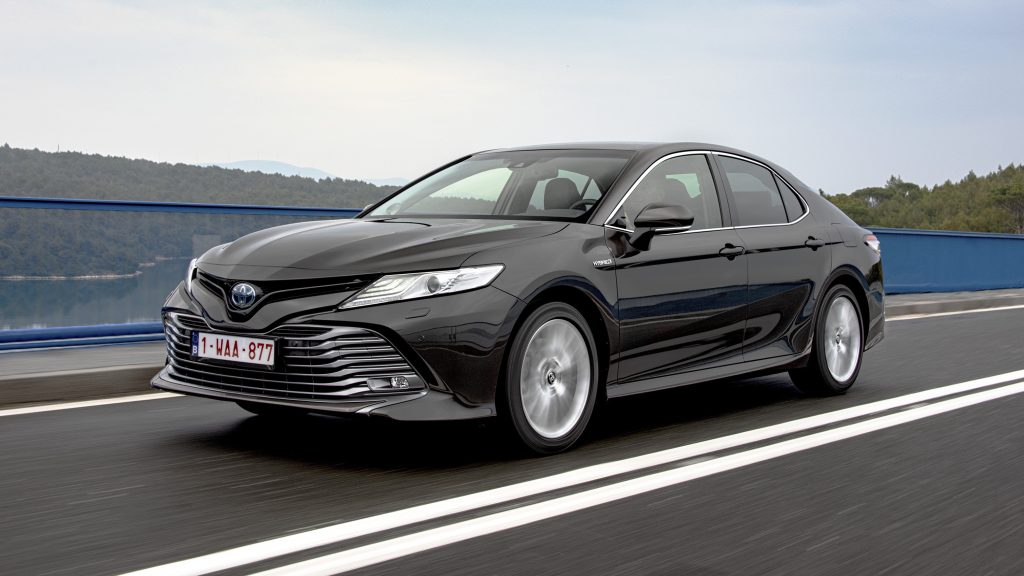
Toyota has typically addressed identified problems through dealer repair programs and owner notifications, often as preventive measures. Despite its extensive recall history, the Camry remains one of the most respected and trusted sedans ever built, demonstrating that popularity and recalls often go hand in hand.
Specifications
- Engine: 2.5L Inline-4
- Torque: 184 lb-ft
- Horsepower: 203 hp
- Length/Width: 193.5 in / 72.4 in
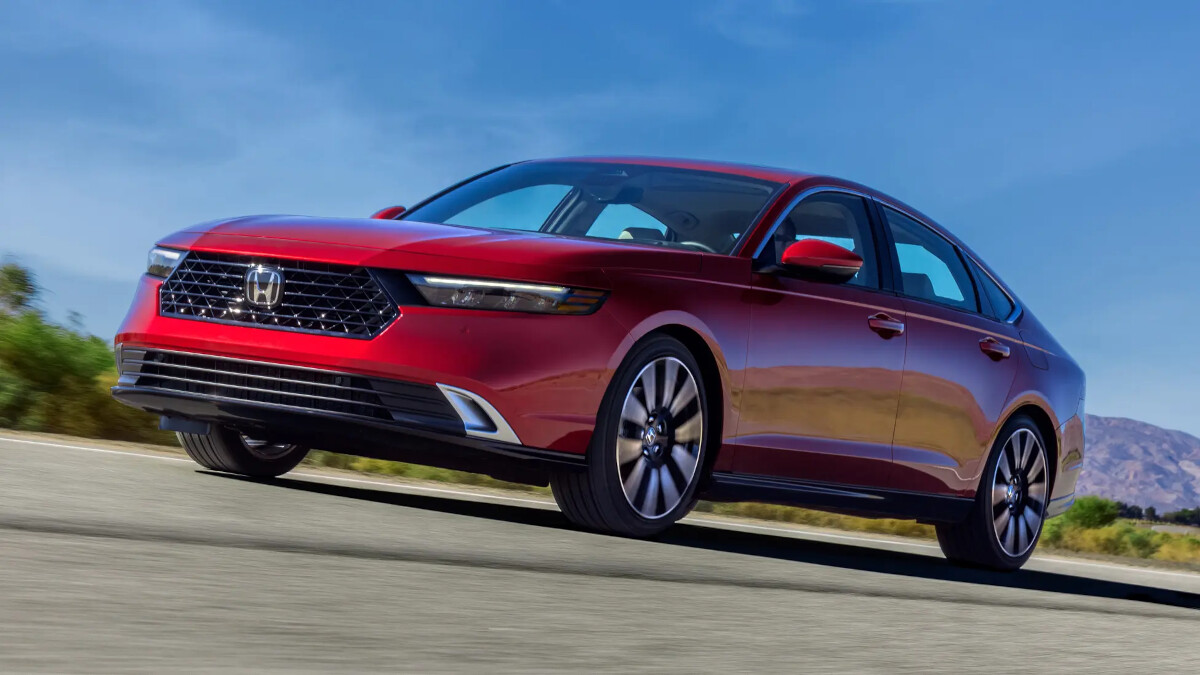
4. Honda Accord
The Honda Accord has been one of America’s most successful midsize sedans for decades, earning a reputation for reliability, practicality, and long-term value. However, its long production run and high sales volume have also contributed to an extensive recall history.
Over the years, recall campaigns have addressed a variety of issues, including Takata airbag inflators, fuel pumps, electrical systems, driveshafts, battery cables, brake components, and software-related concerns.
As vehicles have become more technologically advanced, the number of systems potentially subject to recalls has naturally increased.
The Accord’s lengthy production history is a key factor behind its recall totals. A model that has remained popular across multiple generations inevitably accumulates more recall campaigns than vehicles with shorter lifespans.
Honda has generally responded with proactive recall programs, completing millions of repairs through its dealer network, often before widespread failures occurred.
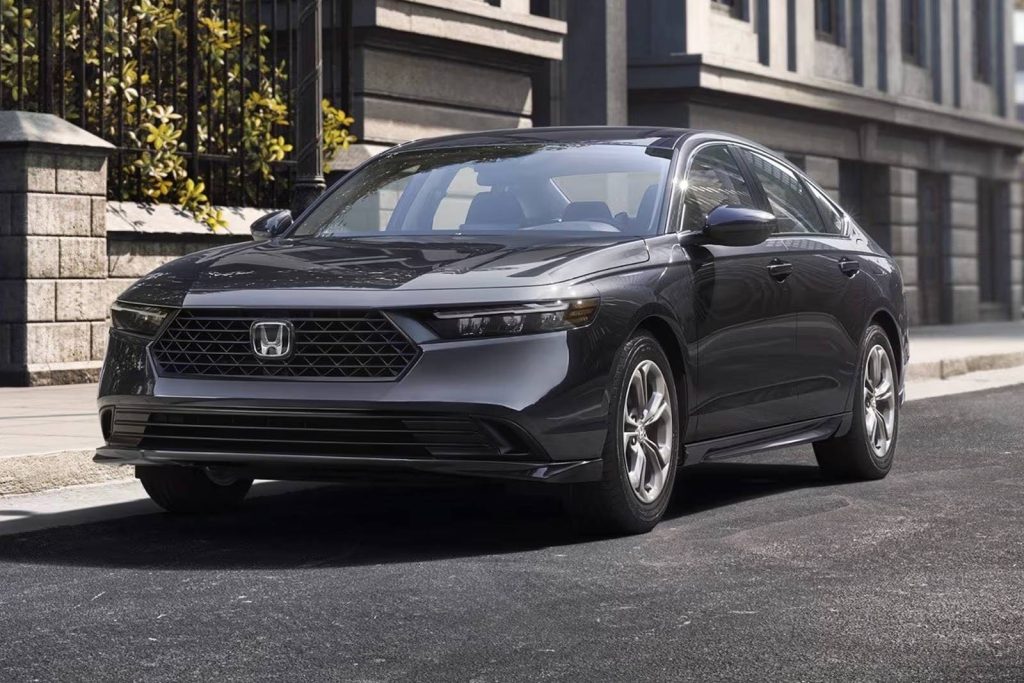
Despite numerous recalls, the Accord remains one of the most trusted sedans in the United States. Its continued popularity shows that strong reliability, efficiency, and owner satisfaction can outweigh recall statistics when issues are addressed effectively.
Specifications
- Engine: 1.5L Turbocharged Inline-4
- Torque: 192 lb-ft
- Horsepower: 192 hp
- Length/Width: 195.7 in / 73.3 in
5. Ford Explorer
The Ford Explorer helped define the modern SUV market after its debut in 1991, becoming one of America’s most popular family vehicles. Its long history and strong sales, however, have also resulted in a substantial recall record.
One of the most notable chapters involved the late-1990s Firestone tire controversy, when tire failures linked to certain Explorers triggered investigations, lawsuits, and major recall campaigns. The issue drew national attention and sparked broader discussions about vehicle safety and tire standards.
Beyond that episode, the Explorer has been recalled for a variety of concerns, including steering, suspension, fuel systems, seatbelts, electrical components, and powertrain-related issues. As newer generations added advanced technology, software and electronic systems also became subjects of recall actions.
The Explorer’s popularity has amplified recall numbers, as even limited defects could affect hundreds of thousands of vehicles. Ford has typically addressed these concerns through inspections, software updates, and component replacements performed by dealerships.
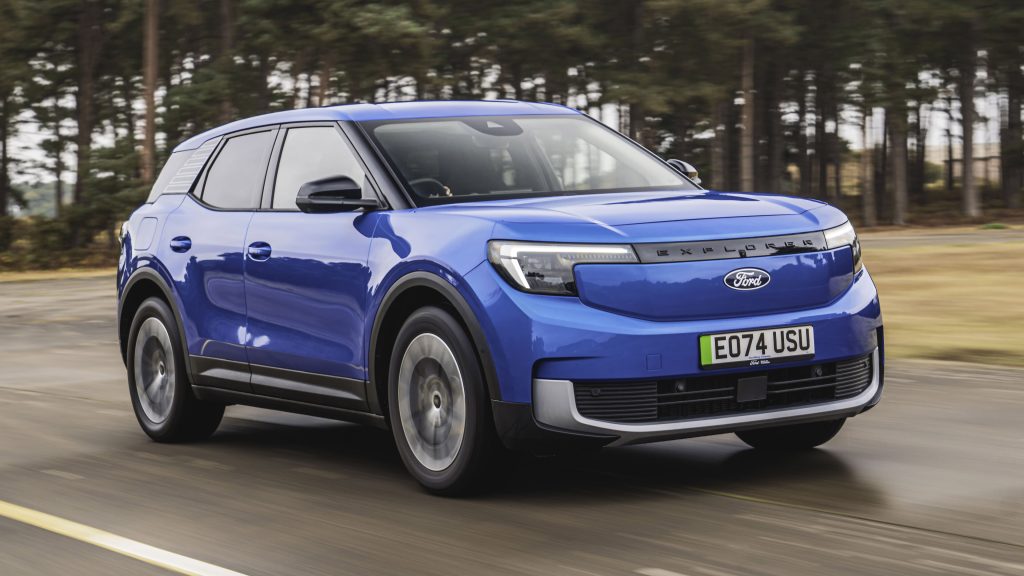
Despite numerous recalls over the years, the Explorer remains one of America’s best-known SUVs, valued for its practicality, versatility, and family-friendly appeal.
Specifications
- Engine: 2.3L EcoBoost Turbocharged Inline-4
- Torque: 310 lb-ft
- Horsepower: 300 hp
- Length/Width: 198.8 in / 78.9 in
6. Chevrolet Malibu
The Chevrolet Malibu has been a key player in the midsize sedan segment for decades, but its long production run has also resulted in a significant recall history. Across multiple generations, the model has been affected by issues involving power steering, brake lights, transmission controls, seatbelts, airbags, electrical wiring, and ignition components.
One of the most notable recalls involved electric power steering systems that could lose assist unexpectedly, making the vehicle more difficult to control. Other campaigns addressed brake light malfunctions and additional safety-related concerns identified through testing or consumer reports.
Because the Malibu has been sold in large numbers to families, commuters, rental fleets, and businesses, even relatively small defects often translated into recalls affecting hundreds of thousands of vehicles. General Motors typically responded through dealer repair programs, replacing faulty parts or updating systems at no cost to owners.
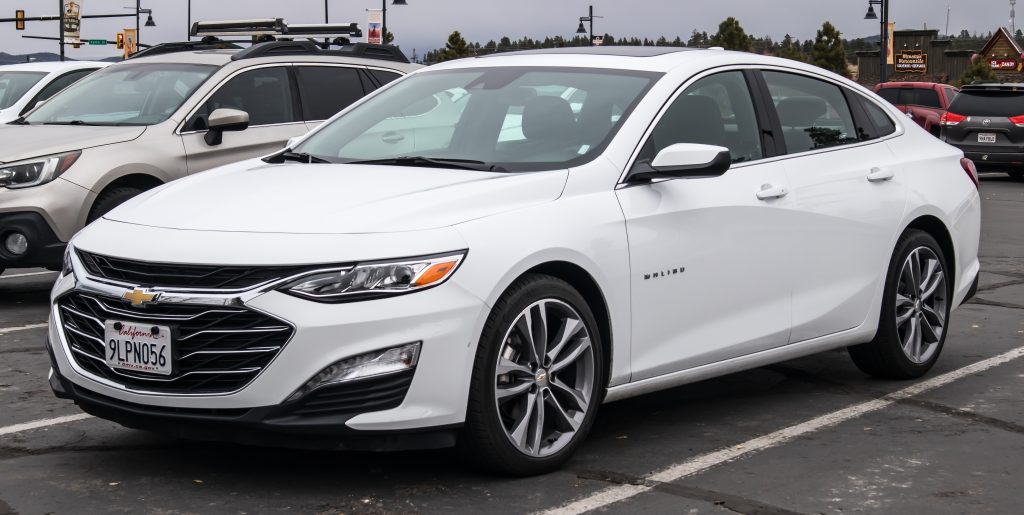
The Malibu’s recall record highlights how even mainstream family sedans can accumulate numerous recalls over time. Despite these campaigns, it remains one of General Motors’ most recognizable passenger cars and an important part of the company’s history.
Specifications
- Engine: 1.5L Turbocharged Inline-4
- Torque: 184 lb-ft
- Horsepower: 163 hp
- Length/Width: 194.2 in / 73.0 in
7. Jeep Grand Cherokee
The Jeep Grand Cherokee has been one of America’s most popular SUVs since the early 1990s, blending off-road capability with family-friendly comfort. Its long production history and strong sales have also contributed to an extensive recall record spanning multiple generations.
Over the years, recalls have addressed a variety of concerns, including braking systems, electrical faults, fuel system issues, airbags, suspension components, and software-related problems. One of the most publicized controversies involved rear-mounted fuel tanks in older models, which sparked safety debates and led to recall-related actions after concerns were raised about rear-impact collisions.
As the Grand Cherokee evolved, recalls increasingly focused on electronic systems such as infotainment features, driver-assistance technologies, and computerized controls. While these advancements improved convenience and capability, they also added complexity.
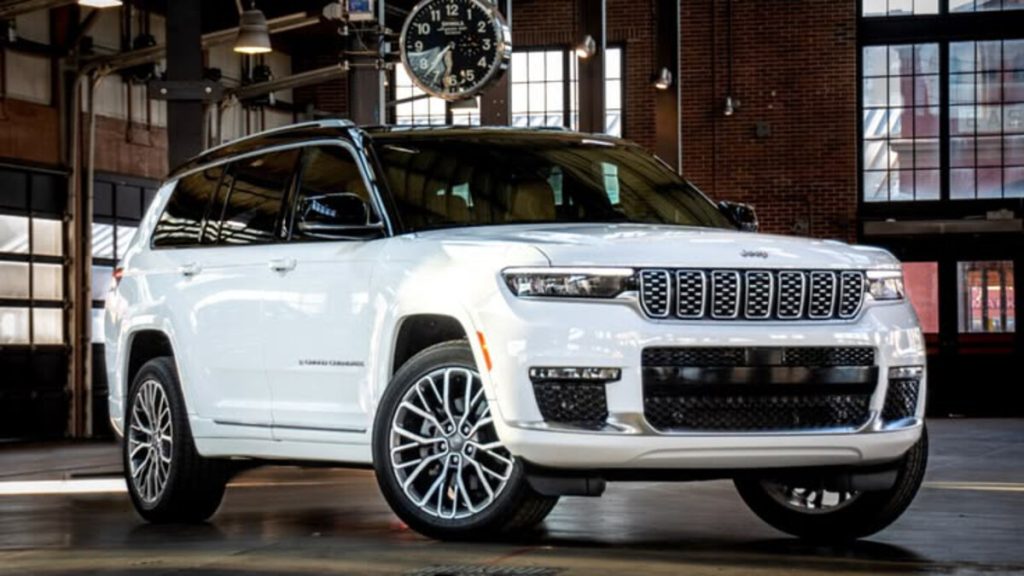
The SUV’s popularity has amplified recall numbers, as even limited defects could affect hundreds of thousands of vehicles. Despite its recall history, the Grand Cherokee remains one of Jeep’s most successful models, valued for its combination of comfort, premium features, and off-road performance.
Specifications
- Engine: 3.6L Pentastar V6
- Torque: 260 lb-ft
- Horsepower: 293 hp
- Length/Width: 193.5 in / 77.5 in
8. Nissan Altima
The Nissan Altima has spent decades competing in one of America’s toughest automotive segments. Midsize sedans face intense competition, yet the Altima consistently maintained strong sales through a combination of attractive pricing, comfortable interiors, and fuel-efficient powertrains. Over time, however, it also accumulated a notable recall history.
The Altima’s recalls have covered a broad spectrum of issues. Some campaigns involved hood latch assemblies, while others focused on fuel pumps, braking systems, steering components, backup cameras, and electrical equipment.
Like many modern vehicles, the Altima became increasingly dependent on electronic systems, creating new areas where defects could emerge.
A recurring theme in several recall campaigns involved components that could wear prematurely or fail unexpectedly.
In some cases, manufacturers initiated recalls before widespread incidents occurred, demonstrating the industry’s growing emphasis on preventative action rather than waiting for significant numbers of failures.
The model’s popularity played a major role in the scale of recall announcements. Nissan sold the Altima in large volumes across the United States for many years, making it one of the company’s most important products. Consequently, even limited production concerns often translated into large recall populations.
Consumer expectations also evolved during the Altima’s lifespan. Features once considered luxury equipment gradually became standard. As more technology entered the vehicle, manufacturers faced additional challenges in maintaining reliability across increasingly sophisticated systems.
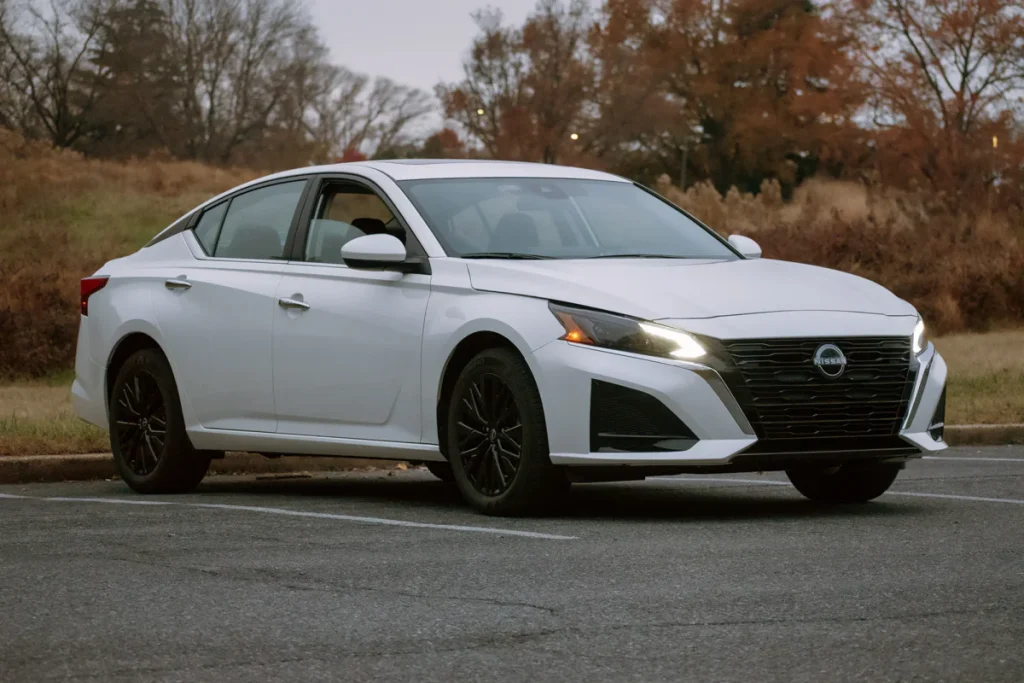
Nissan addressed most recall concerns through dealer inspections, software updates, or component replacements. These campaigns helped maintain vehicle safety while allowing owners to continue using their cars with minimal disruption.
The Altima remains one of the most recognizable midsize sedans in America. Its extensive recall history reflects both its popularity and the growing complexity of modern automobiles.
Specifications
- Engine: 2.5L Inline-4
- Torque: 180 lb-ft
- Horsepower: 188 hp
- Length/Width: 192.9 in / 72.9 in
9. Toyota Corolla
The Toyota Corolla is widely recognized as one of the most successful automobiles ever built. Its reputation for dependability helped it become a global bestseller, with millions of copies sold in the United States alone.
Yet even a vehicle celebrated for reliability can accumulate a lengthy recall history when produced in such enormous numbers over several decades.
The Corolla’s recalls have involved a variety of systems across different generations. Some campaigns focused on airbags connected to the industry-wide Takata crisis, while others addressed fuel pumps, power window switches, steering components, engine control software, and braking systems.
The vehicle’s long production run means it has experienced many technological transitions, each introducing new components that occasionally required corrective action.
One interesting aspect of the Corolla’s recall history is that many campaigns involved preventative repairs. Manufacturers increasingly rely on warranty data, consumer feedback, and internal testing to identify concerns before they become widespread safety problems.
As a result, some recalls were issued even though relatively few owners had experienced actual failures.
Because the Corolla has consistently ranked among America’s best-selling passenger cars, recall campaigns often involved very large numbers of vehicles. A defect affecting multiple model years could quickly reach into the millions, attracting national attention despite representing only a small percentage of total production.
Toyota’s dealer network played a significant role in completing repairs and communicating with owners. Many recall fixes involved software updates or component replacements that could be completed during routine service visits.
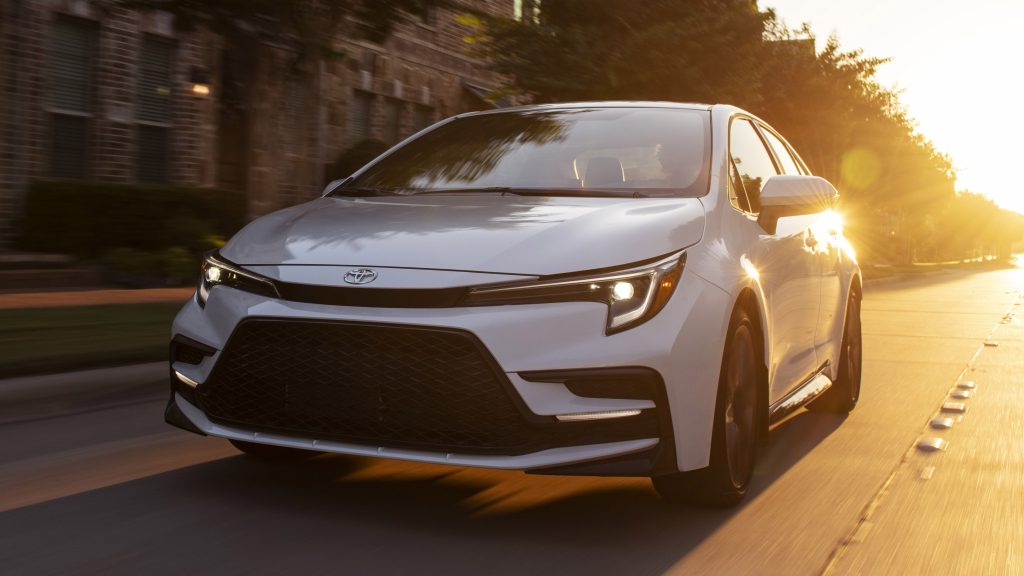
The Corolla’s position on this list is largely a consequence of its extraordinary sales success. Producing tens of millions of vehicles naturally increases exposure to recall activity. Despite numerous campaigns throughout its history, the Corolla remains one of the most trusted and widely purchased compact cars ever sold.
Specifications
- Engine: 2.0L Inline-4
- Torque: 151 lb-ft
- Horsepower: 169 hp
- Length/Width: 182.5 in / 70.1 in
10. Honda Civic
The Honda Civic has been a cornerstone of the compact-car segment since the early 1970s. Known for fuel efficiency, practicality, and strong resale values, it has attracted a loyal customer base across multiple generations.
Like many long-running high-volume vehicles, however, the Civic has accumulated an extensive recall record over the years.
Its recall history touches nearly every major automotive system. Various campaigns have involved airbags, driveshafts, parking brakes, fuel pumps, power steering components, electrical wiring, and software controls.
Some recalls addressed isolated manufacturing defects, while others were connected to industry-wide supplier issues that affected multiple brands simultaneously.
The Civic was among the many vehicles impacted by the Takata airbag crisis, one of the largest recall events in automotive history.
Millions of vehicles from numerous manufacturers required airbag inflator replacements after investigators discovered that certain inflators could rupture during deployment. This issue alone contributed significantly to recall statistics for many popular models.
Honda’s approach to recall management often emphasized rapid communication and widespread dealer support. Owners received notifications explaining the issue and outlining the repair process. In many cases, repairs were completed without significant inconvenience to customers.
The Civic’s enduring popularity also helps explain why it appears prominently in recall records. Vehicles sold in massive numbers inevitably generate larger recall populations when defects are discovered. A problem affecting a relatively small percentage of production can still involve hundreds of thousands of units.
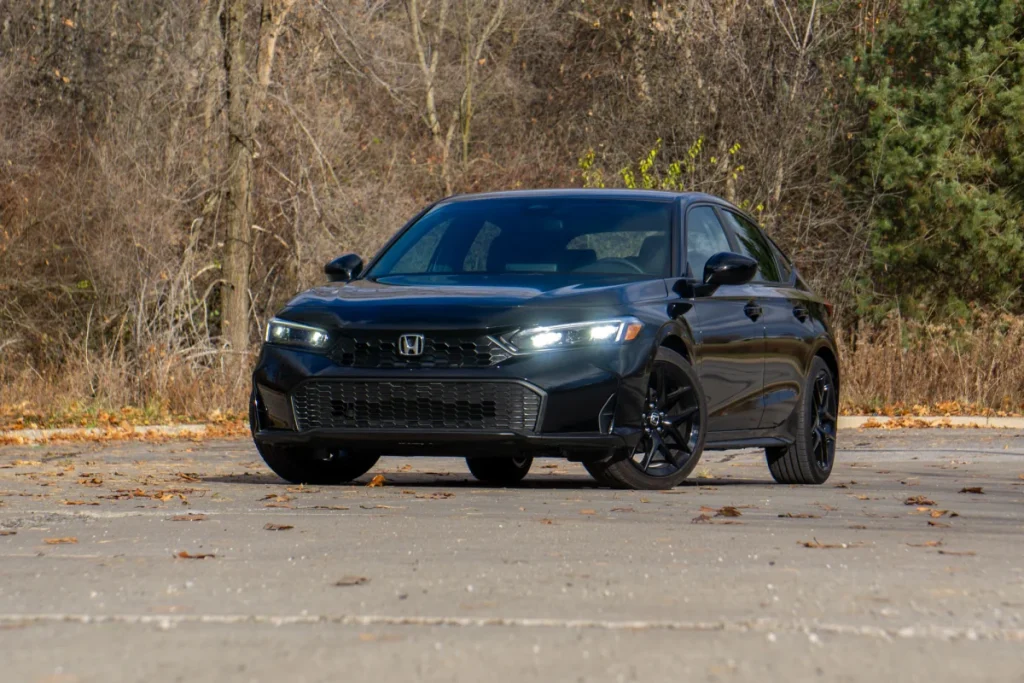
Even with its recall history, the Civic continues to enjoy a strong reputation among consumers. Decades of consistent performance, efficiency, and reliability have helped maintain its status as one of America’s most successful compact cars.
Specifications
- Engine: 2.0L Inline-4
- Torque: 133 lb-ft
- Horsepower: 150 hp
- Length/Width: 184.0 in / 70.9 in
11. Dodge Ram 1500
The Dodge Ram 1500 has been one of America’s most recognizable pickup trucks for decades, but its popularity has also resulted in a lengthy recall record. Sold in huge numbers across multiple generations, the truck has been affected by numerous safety campaigns involving a wide variety of components.
Because pickup trucks are often used for towing, hauling, and heavy-duty work, even relatively minor defects can attract significant attention from regulators and manufacturers.
Over the years, recalls have addressed issues involving airbags, steering systems, rear axle components, tailgate mechanisms, transmission controls, and electrical systems.
Some campaigns focused on mechanical parts that could wear prematurely, while others involved software updates designed to correct electronic malfunctions. As trucks became more advanced, the number of computer-controlled systems increased, creating additional opportunities for defects to emerge.
The Ram 1500’s strong sales figures played a major role in its recall totals. A defect affecting only a small percentage of production could still involve hundreds of thousands of vehicles. This is a common pattern among America’s best-selling vehicles.
Despite these recall campaigns, the Ram 1500 remains a highly successful truck known for its comfortable ride, capable powertrains, and competitive towing abilities.
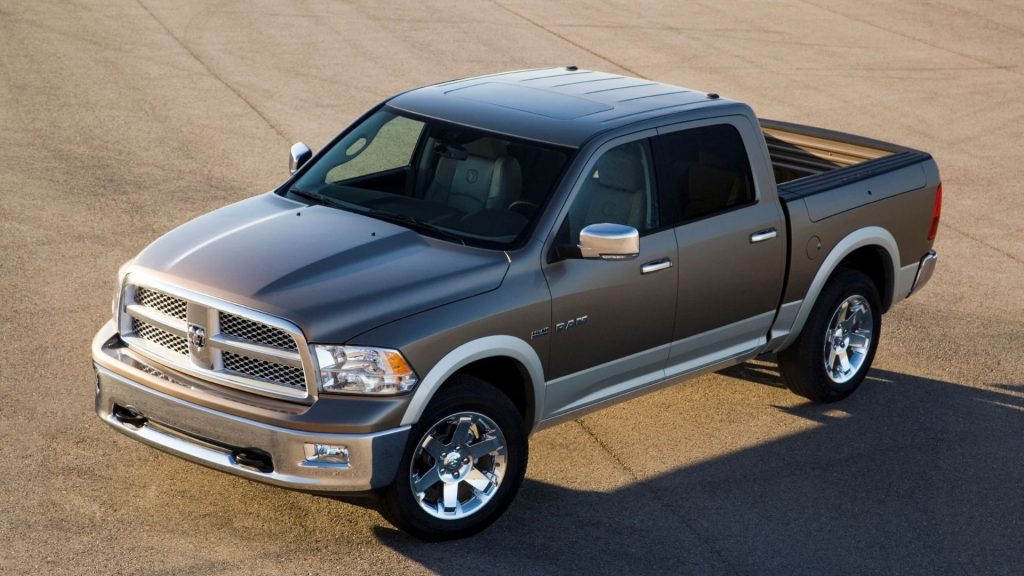
Manufacturers have typically addressed recall concerns through dealership repairs and component replacements, helping owners maintain confidence in the vehicle. Its recall history reflects both its massive popularity and the challenges of producing a modern pickup truck on such a large scale.
Specifications
- Engine: 3.6L Pentastar V6 eTorque
- Torque: 273 lb-ft
- Horsepower: 305 hp
- Length/Width: 232.9 in / 82.1 in
12. Chevrolet Equinox
The Chevrolet Equinox became one of General Motors’ most important crossover vehicles after its introduction in 2005.
As consumer preferences shifted away from traditional sedans and toward crossovers, the Equinox gained a large customer base, eventually becoming one of Chevrolet’s highest-volume models. With that success came a substantial number of recall campaigns affecting different generations.
The Equinox has been recalled for concerns involving fuel pumps, braking systems, windshield wipers, seatbelt assemblies, electrical components, and various software-controlled systems.
Many of these recalls reflected the growing complexity of modern vehicles, where safety and convenience features depend heavily on electronic modules and sensors functioning correctly.
Its popularity significantly increased the scale of recall actions. Since hundreds of thousands of Equinox models were sold annually during peak years, even limited manufacturing issues often translated into large recall populations. This helped place the crossover among the most recalled vehicles in American automotive history.
General Motors typically addressed identified concerns through dealer repair programs that included inspections, software updates, and replacement parts. Many campaigns were initiated proactively to prevent potential safety risks before widespread failures occurred.
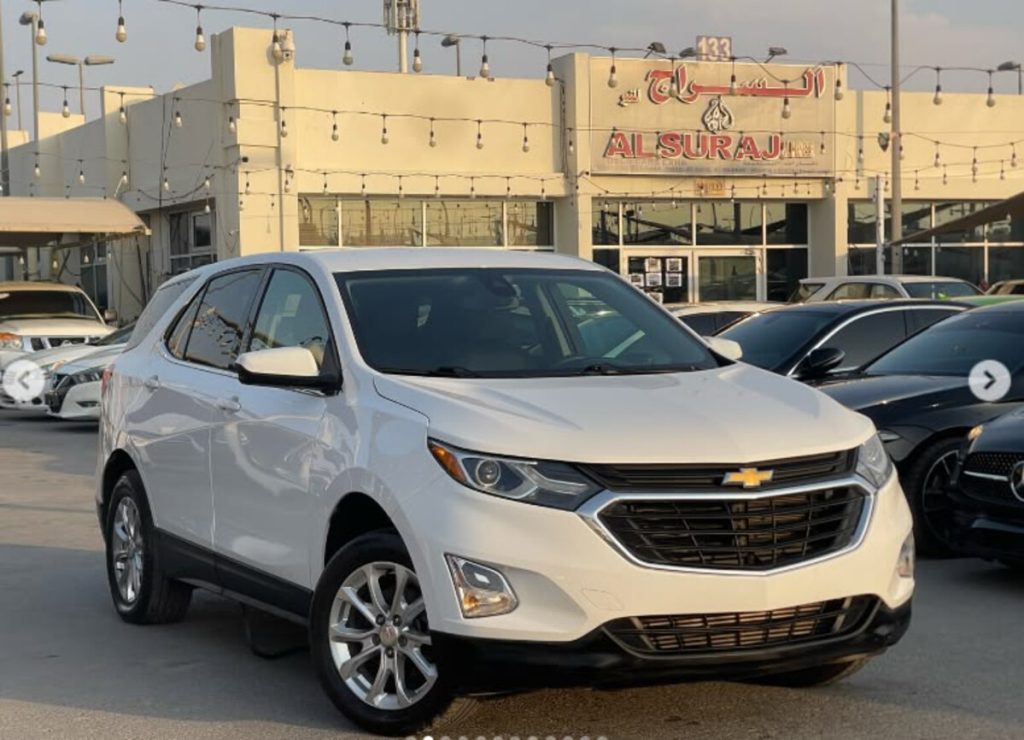
Although recalls have been a recurring part of the Equinox’s history, the vehicle remains one of Chevrolet’s most successful crossover models.
Buyers continue to value its practicality, comfortable ride, and family-friendly design. Its recall record illustrates how high production numbers and increasingly advanced technology can combine to create significant recall activity over a vehicle’s lifespan.
Specifications
- Engine: 1.5L Turbocharged Inline-4
- Torque: 203 lb-ft
- Horsepower: 175 hp
- Length/Width: 183.1 in / 72.6 in
Also Read: 10 Diesel Trucks That Routinely Pass 500,000 Miles
