Modern vehicles are equipped with Event Data Recorders (EDRs), commonly called “black boxes,” which capture key vehicle data during serious collisions. Standardized under NHTSA regulations in 49 CFR Part 563, these systems record a brief snapshot of information before, during, and after a crash rather than continuously monitoring drivers.
Depending on the manufacturer and model, an EDR may store details such as vehicle speed, engine RPM, throttle position, brake use, steering input, seat belt status, airbag deployment, and changes in vehicle velocity.
The recorded data helps engineers improve vehicle safety, supports crash investigators in reconstructing accidents, and can serve as important evidence in insurance claims and legal cases. Because many EDRs capture vehicle speed in the moments leading up to an impact, they provide valuable insight into the circumstances of a collision while focusing only on crash-related events instead of everyday driving.
1. Tesla Model Y
The Tesla Model Y is one of the most technologically advanced vehicles on the road, relying heavily on software, onboard sensors, and continuous data collection to support its driver-assistance systems. Like many modern passenger vehicles sold in the United States, the Model Y includes an Event Data Recorder (EDR) that stores information surrounding qualifying crash events.
Tesla also incorporates additional diagnostic logging systems that support vehicle servicing and engineering analysis, although these are separate from the federally regulated EDR.
When a qualifying collision occurs, the Model Y’s EDR may record vehicle speed, accelerator pedal position, brake application, steering inputs, seat belt usage, airbag deployment timing, and changes in velocity immediately before and during the crash.
This information is stored only when triggering conditions are met, such as significant airbag deployment or other qualifying crash events. The recorded data typically covers only a few seconds before impact rather than continuously recording every trip.
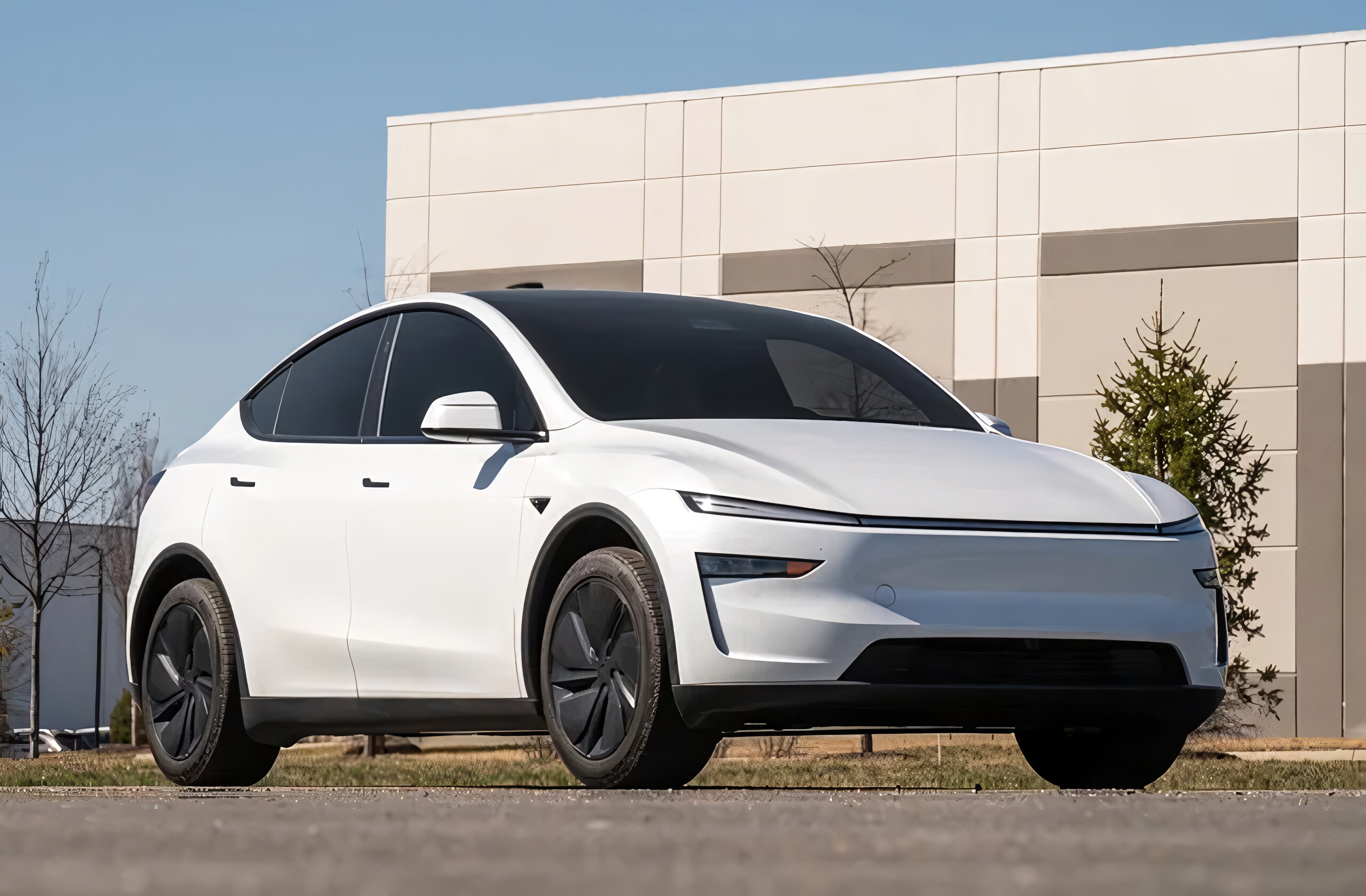
Tesla’s sophisticated sensor suite, including cameras, radar on earlier models, ultrasonic sensors on some production years, and numerous electronic control modules, provides additional operational data that can assist technicians in diagnosing vehicle behavior.
However, crash investigators primarily rely on EDR data retrieved using specialized forensic equipment approved for compatible Tesla vehicles. Depending on the jurisdiction, access to this information may require owner consent, a court order, or legal authority following a serious collision.
For owners, the Model Y demonstrates how modern vehicles increasingly function as rolling computers. While the EDR’s primary purpose is improving safety and supporting crash investigations, it also illustrates the growing importance of data in today’s automotive industry.
Drivers should understand that information recorded during a qualifying collision may become part of insurance investigations or legal proceedings, making safe driving habits more important than ever.
- Engine Type: Dual Permanent Magnet Electric Motors (Long Range AWD)
- Horsepower: Approximately 384 hp
- Torque: Approximately 376 lb-ft
- Length: 187.0 inches
- Width: 75.6 inches
2. Ford F-150
The Ford F-150 has consistently ranked among America’s best-selling vehicles, serving everyone from construction crews and farmers to families and recreational users. Beyond its towing capability and versatile engine lineup, the F-150 incorporates numerous electronic safety systems that rely on extensive sensor networks. Like other modern Ford vehicles, the F-150 includes an Event Data Recorder that captures critical information during qualifying crash events.
Depending on model year and equipment, the F-150’s EDR can record vehicle speed, engine speed (RPM), throttle position, brake pedal application, steering inputs, seat belt usage, airbag deployment timing, and changes in vehicle velocity.
Some models may also record information related to stability control activation and other safety systems. This information is stored only during qualifying events and is intended to assist engineers, investigators, and safety researchers rather than monitor everyday driving behavior.
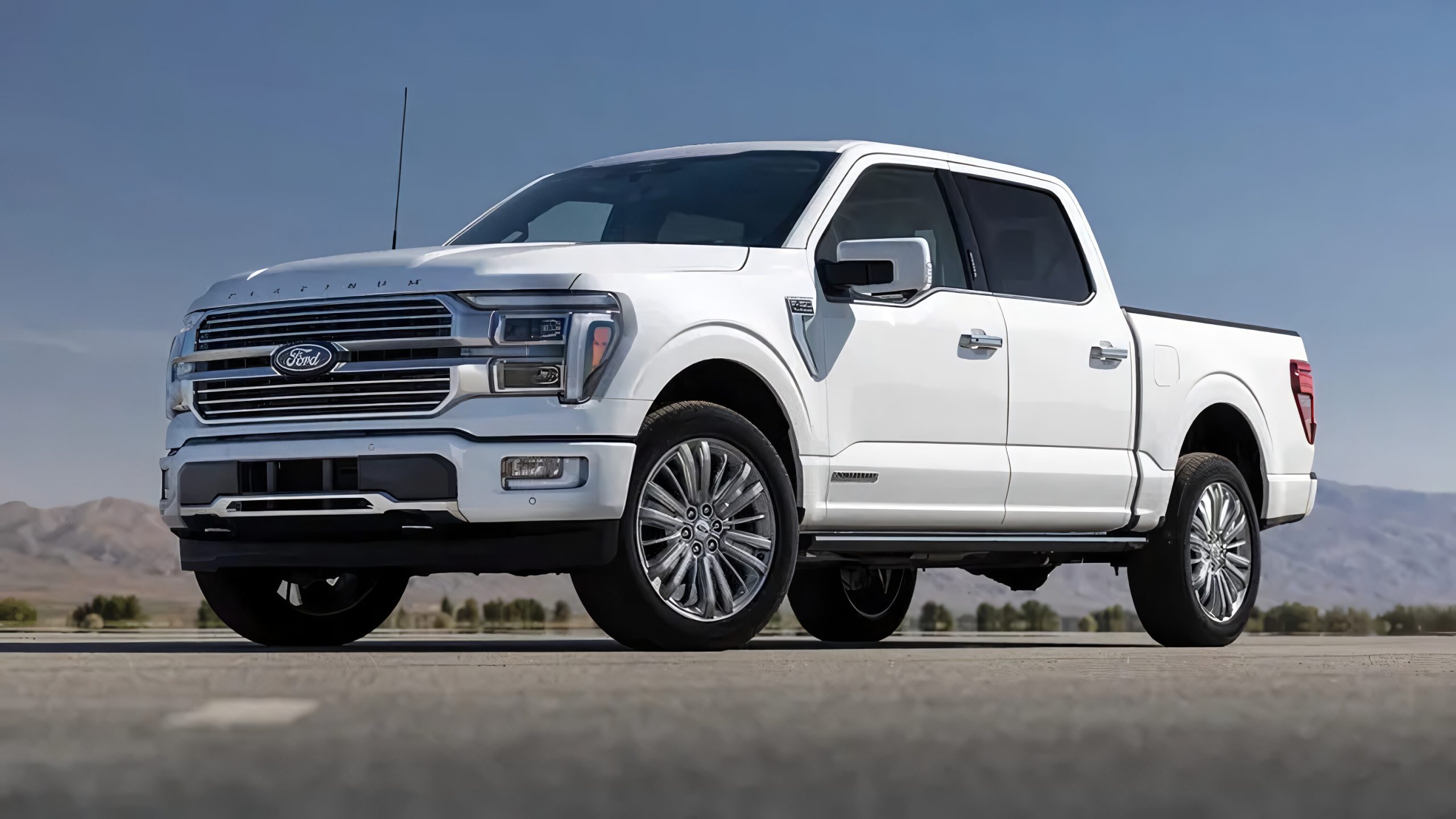
Following a serious collision, investigators can retrieve EDR data using manufacturer-compatible crash data retrieval equipment. The information often plays an important role in reconstructing accident sequences by showing whether the driver applied the brakes, how fast the vehicle was traveling, and whether occupants were wearing seat belts. Insurance companies and law enforcement agencies may use this information when authorized under applicable laws.
The F-150’s EDR also contributes to Ford’s long-term safety development efforts. Engineers analyze anonymized crash information to improve airbag deployment algorithms, crash structure design, occupant protection systems, and electronic safety technologies in future vehicles.
Although many owners rarely think about the EDR hidden inside their truck, it quietly serves as one of the vehicle’s most valuable safety tools whenever a serious collision occurs.
- Engine Type: 3.5-liter EcoBoost Twin-Turbocharged V6
- Horsepower: 400 hp
- Torque: 500 lb-ft
- Length: 232.7 inches (SuperCrew 5.5-ft bed)
- Width: 79.9 inches
3. Chevrolet Silverado 1500
The Chevrolet Silverado 1500 combines traditional truck capability with advanced electronic safety systems that continuously monitor vehicle operation. As with most General Motors vehicles sold in the United States, the Silverado includes an Event Data Recorder designed to capture a brief snapshot of information before and during qualifying crash events.
This data helps engineers refine future safety systems while providing investigators with valuable evidence following serious accidents.
When triggered by a qualifying event, the Silverado’s EDR may record vehicle speed, engine RPM, throttle position, brake pedal status, seat belt usage, steering input, airbag deployment timing, and Delta-V, the change in vehicle speed during the collision.
Depending on the vehicle configuration and available safety technologies, additional parameters may also be stored. Importantly, the EDR does not continuously record every second the vehicle is driven. Instead, it preserves only a short window of information immediately surrounding a significant crash.
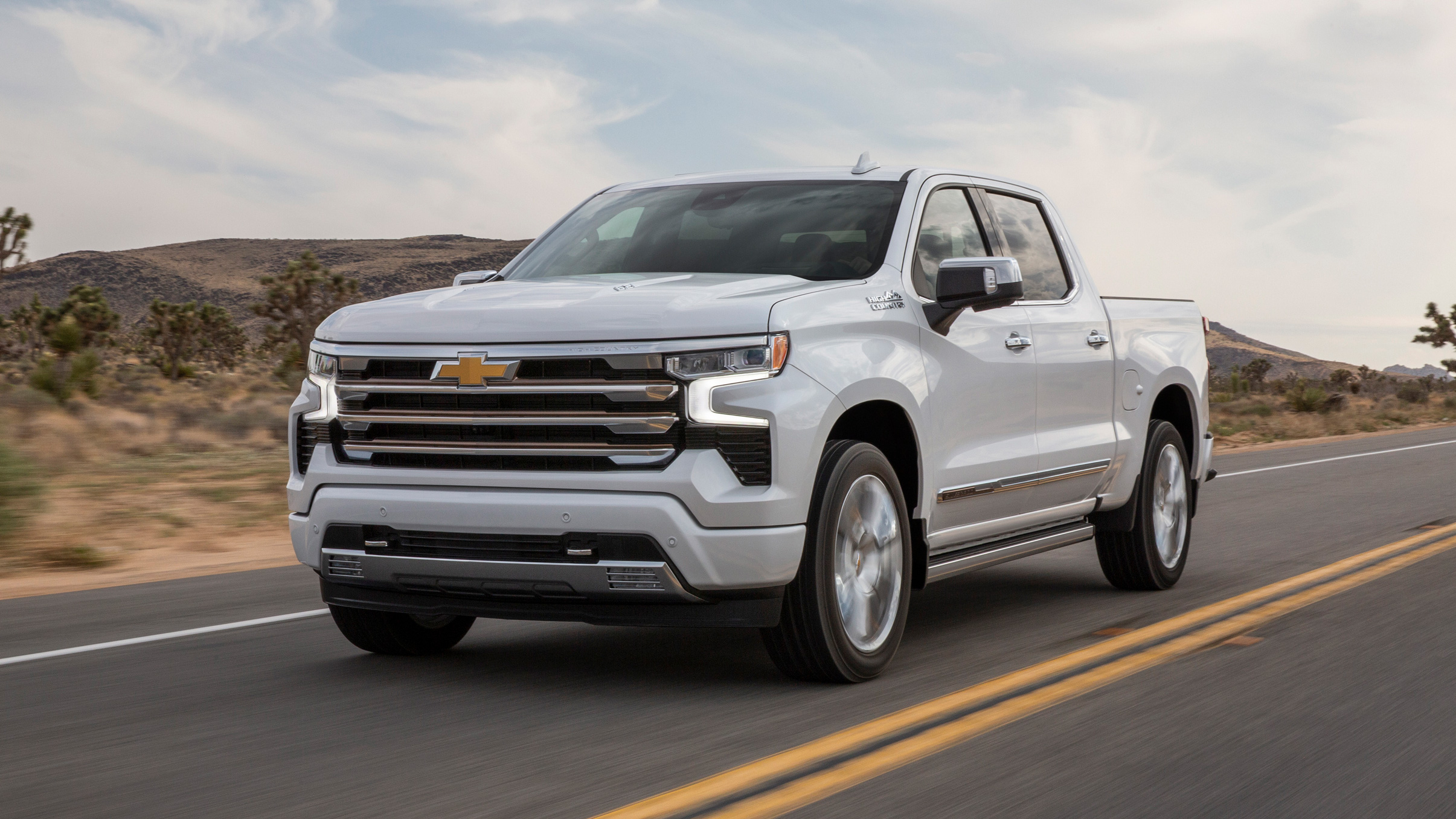
Crash investigators frequently rely on this information to reconstruct accident sequences. For example, EDR data can help determine whether the driver attempted emergency braking, whether cruise control was active, or how quickly the vehicle decelerated after impact.
Combined with physical evidence from the crash scene, these electronic records often provide a much clearer understanding of how an accident unfolded than witness testimony alone.
General Motors also uses EDR information to improve future vehicle designs. By studying real-world crash data, engineers can evaluate airbag performance, seat belt effectiveness, structural crash protection, and occupant injury patterns.
Although many Silverado owners never realize the truck contains a sophisticated crash recording system, the EDR plays an important role in both accident investigation and the ongoing development of safer vehicles.
- Engine Type: 5.3-liter EcoTec3 Naturally Aspirated V8
- Horsepower: 355 hp
- Torque: 383 lb-ft
- Length: 231.9 inches (Crew Cab Standard Bed)
- Width: 81.2 inches
4. Toyota Camry
The Toyota Camry has long been recognized for its reliability, but modern generations are equally notable for their advanced safety technology. Alongside Toyota Safety Sense, multiple airbags, and electronic stability control, the Camry is equipped with an Event Data Recorder (EDR) designed to capture key information immediately before and during qualifying crash events.
The EDR operates independently from the vehicle’s infotainment or navigation systems and is intended solely to assist with crash analysis.
When a significant collision occurs, the Camry’s EDR can record information such as vehicle speed, engine speed (RPM), accelerator pedal position, brake application, seat belt usage, airbag deployment timing, and changes in vehicle velocity (Delta-V).
Depending on the model year and vehicle configuration, additional information related to stability control or other safety systems may also be stored. However, the recorder captures only a brief period surrounding the event rather than continuously monitoring every drive.
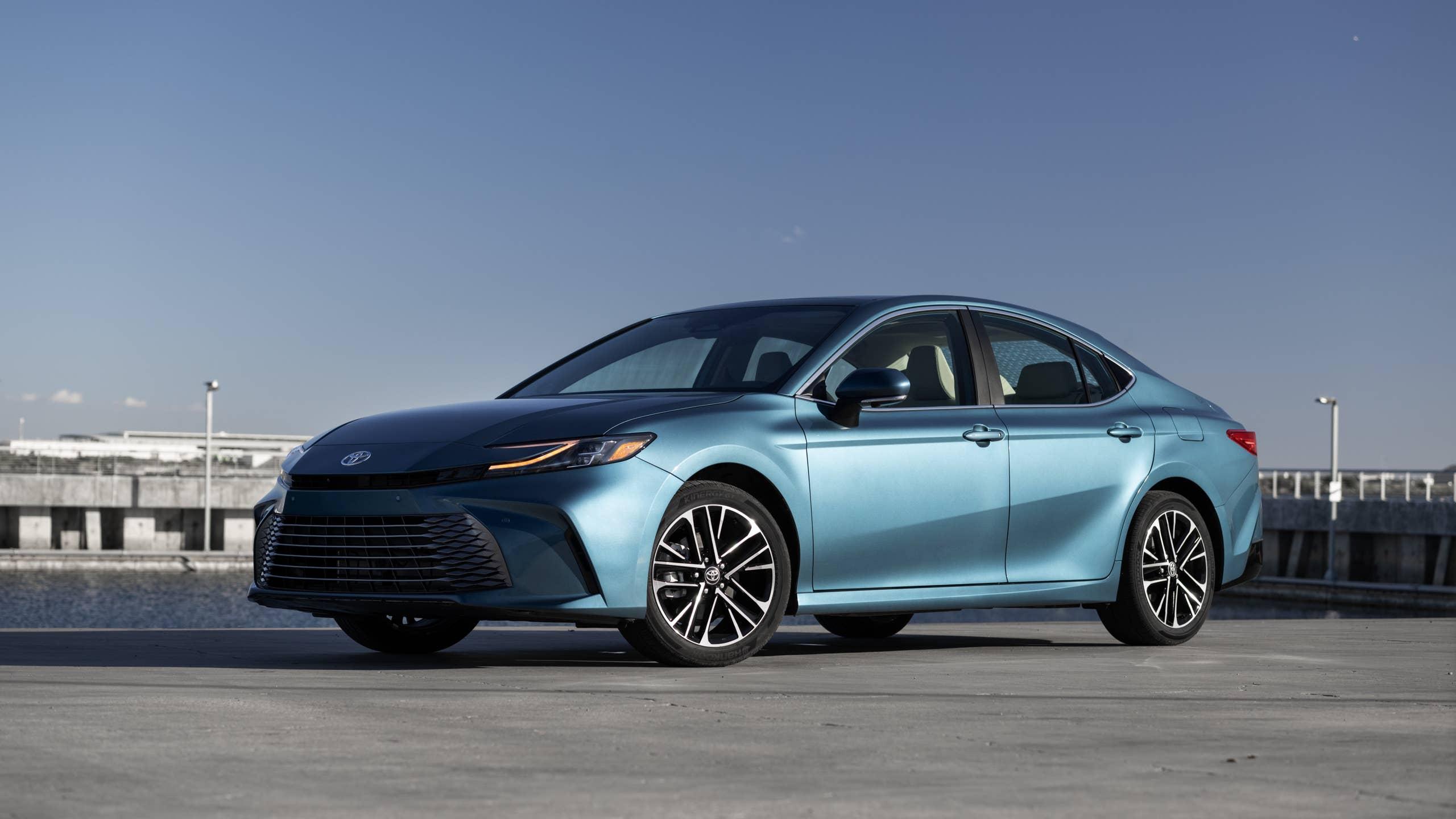
Toyota states in its owner documentation that EDR information is primarily used to improve vehicle safety and assist engineers in understanding how safety systems perform during real-world crashes. When legally authorized, the information may also be accessed by crash investigators, law enforcement agencies, or insurance companies. Specialized crash data retrieval equipment is typically required to extract the stored information from the vehicle.
For buyers, the Camry demonstrates how mainstream family sedans now include sophisticated crash-recording capabilities once reserved for specialized testing.
Although drivers rarely notice the EDR during normal operation, it becomes an important source of objective evidence following a serious collision. This data not only helps determine what happened during an accident but also contributes to future improvements in occupant protection and vehicle design.
- Engine Type: 2.5-liter Hybrid Inline-4
- Horsepower: 225 hp (FWD) / 232 hp (AWD)
- Torque: 163 lb-ft (gas engine; combined system torque not officially published)
- Length: 193.5 inches
- Width: 72.4 inches
Also read: 8 Cars With Engines Mounted Backwards for a Reason
5. Honda Accord
The Honda Accord has consistently ranked among America’s best-selling midsize sedans thanks to its blend of efficiency, comfort, and reliability. Modern Accord models also feature an Event Data Recorder that captures critical information surrounding qualifying crash events.
Like similar systems used throughout the automotive industry, Honda’s EDR exists primarily to support crash investigations and improve future vehicle safety rather than monitor driver behavior during everyday use.
During a qualifying collision, the Accord’s EDR may record vehicle speed, engine RPM, throttle position, brake pedal status, steering information, seat belt usage, airbag deployment timing, and vehicle acceleration or deceleration data.
The exact parameters vary slightly depending on model year and equipment level, but the recorder generally stores only a few seconds of information before and during the crash. This limited recording window helps engineers reconstruct accident sequences while minimizing unnecessary data collection.
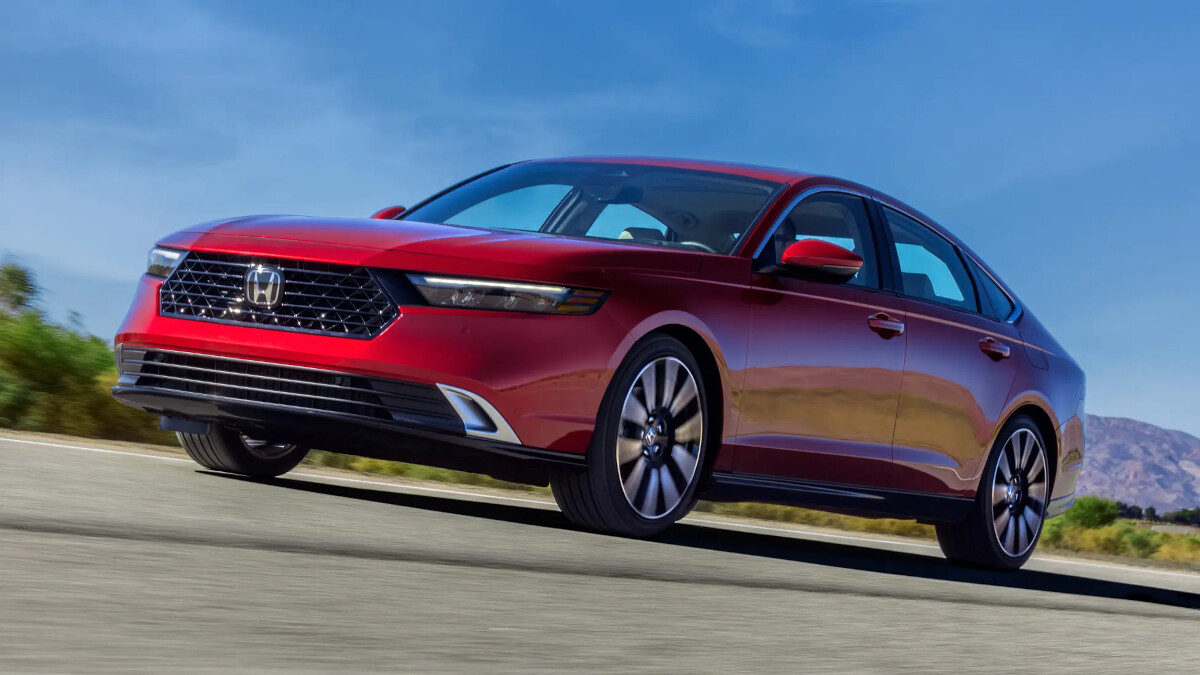
Honda emphasizes that EDR information is intended to evaluate how safety systems perform under real-world conditions. Engineers analyze anonymized crash information to improve airbags, seat belts, body structures, and electronic safety technologies in future vehicles. Crash investigators may also use the data, when permitted by law, to compare electronic records with physical evidence collected at the accident scene.
The Accord’s combination of advanced driver-assistance technologies and detailed crash recording makes it one of the most technologically sophisticated family sedans available.
While owners may never interact directly with the EDR, the information it stores can play an important role in determining how a crash unfolded. As electronic safety systems continue evolving, the EDR remains an essential component of Honda’s broader commitment to improving occupant protection.
- Engine Type: 2.0-liter Hybrid Inline-4
- Horsepower: 204 hp
- Torque: 247 lb-ft
- Length: 195.7 inches
- Width: 73.3 inches
6. BMW 5 Series
The BMW 5 Series combines luxury, performance, and advanced electronics, making it one of the most technologically sophisticated executive sedans on the market. Beneath its premium interior lies an extensive network of sensors and control modules that monitor virtually every aspect of vehicle operation.
Among these systems is an Event Data Recorder, which captures critical crash information when specific impact thresholds or airbag deployment events occur.
Like other federally compliant EDR systems, BMW’s recorder may capture vehicle speed, engine speed, accelerator position, brake application, steering inputs, seat belt usage, airbag deployment timing, and changes in vehicle velocity.
These records typically cover only the seconds immediately before and during a qualifying collision rather than providing continuous trip recording. The information helps engineers understand how safety systems function during real-world crashes and supports accident reconstruction when necessary.
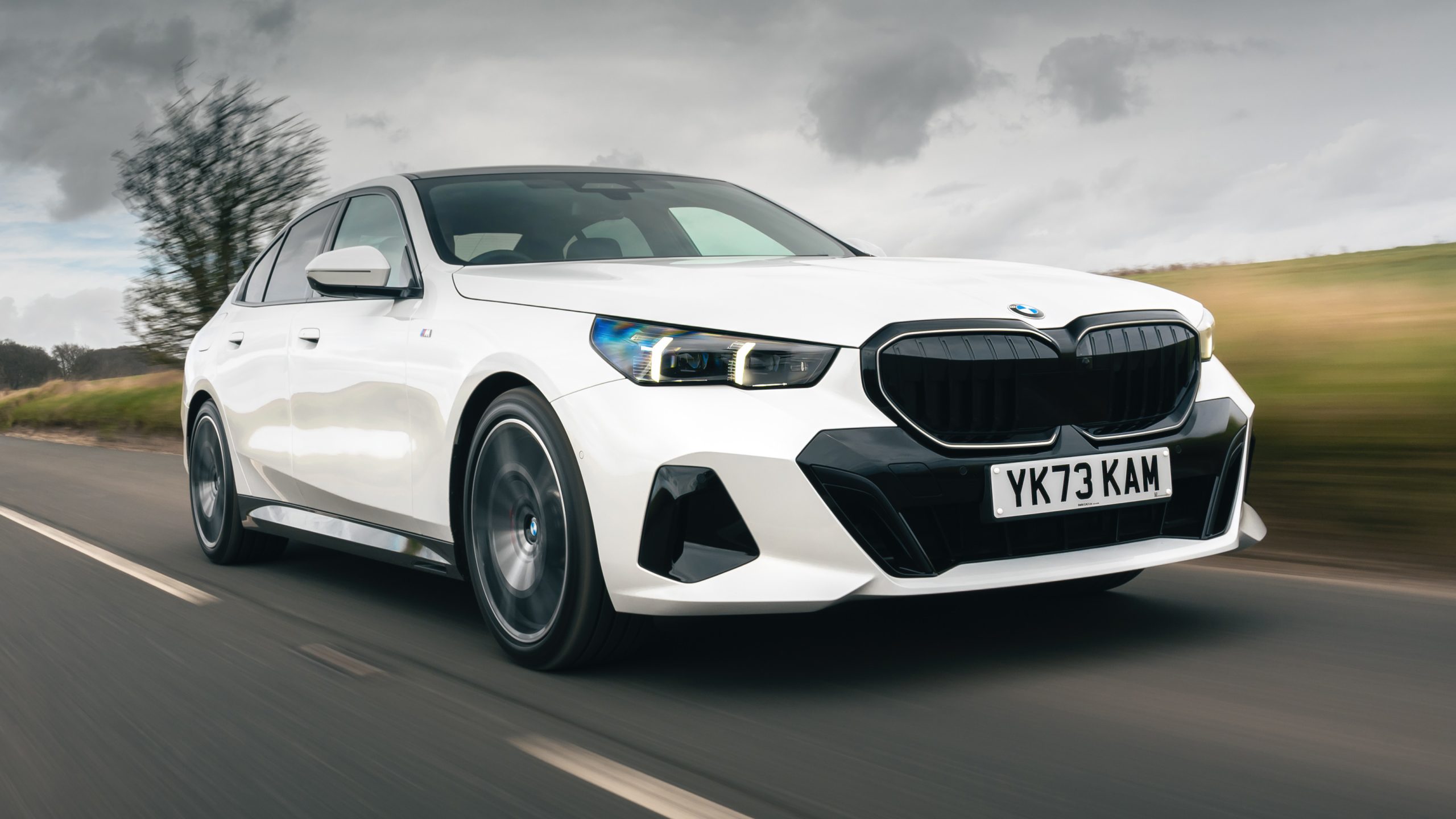
BMW also equips the 5 Series with advanced safety technologies such as collision warning, automatic emergency braking, lane-keeping assistance, adaptive cruise control, and sophisticated occupant protection systems.
When a crash occurs, investigators may compare EDR information with data from these systems to develop a more complete understanding of the sequence of events. Retrieval generally requires specialized forensic equipment compatible with BMW’s electronic architecture.
Privacy remains an important consideration. Access to EDR information is governed by applicable laws and may require owner consent, a court order, or other legal authority depending on the circumstances. Although many drivers are unaware that the vehicle stores crash information, the EDR is designed specifically to improve vehicle safety rather than serve as a general surveillance device.
For luxury sedan buyers, the BMW 5 Series demonstrates how modern automobiles increasingly combine mechanical engineering with sophisticated electronic data systems. Its EDR quietly records objective crash information that can assist investigators, improve future vehicle development, and ultimately contribute to safer roads for everyone.
- Engine Type: 2.0-liter Turbocharged Inline-4 (530i)
- Horsepower: 255 hp
- Torque: 295 lb-ft
- Length: 199.2 inches
- Width: 74.8 inches
7. Mercedes-Benz E-Class
The Mercedes-Benz E-Class has long been regarded as a benchmark for automotive safety, often introducing technologies that later become standard across the industry. In addition to features such as adaptive cruise control, active lane-keeping assist, blind-spot monitoring, and PRE-SAFE occupant protection, modern E-Class models include an Event Data Recorder (EDR) that stores crash-related information during qualifying collision events.
When activated by a significant impact, the EDR may record vehicle speed, engine speed (RPM), accelerator pedal position, brake application, seat belt status, airbag deployment timing, and changes in vehicle velocity immediately before and during the crash.
Depending on the model year and electronic architecture, additional information relating to stability control or other safety systems may also be available for diagnostic purposes. The recorder stores only a limited window of crash information rather than continuously tracking every trip.
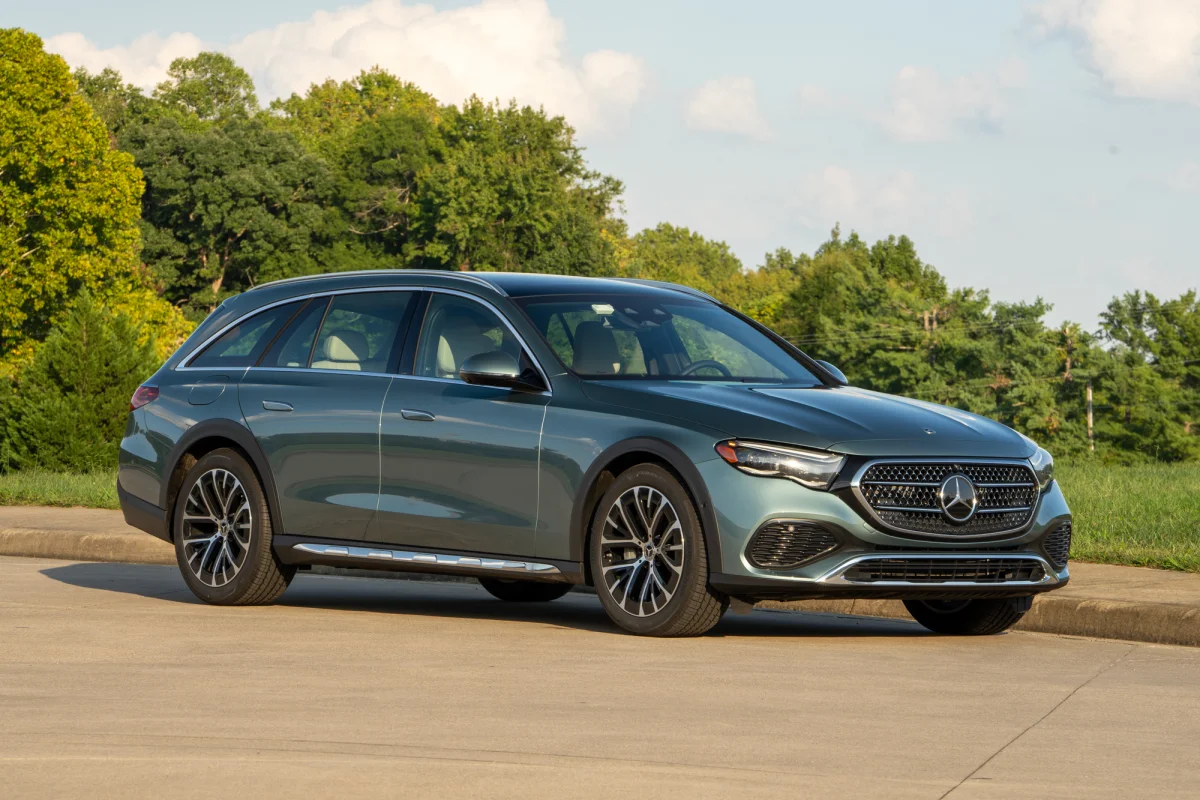
Mercedes-Benz engineers rely on EDR data to evaluate how restraint systems perform during real-world accidents. By comparing recorded information with crash damage and occupant injuries, they can refine future airbag algorithms, improve seat belt pretensioners, and strengthen body structures. This continuous analysis has helped Mercedes maintain its reputation as a leader in vehicle safety innovation.
For investigators, the EDR provides objective evidence that supplements witness statements and physical crash scene analysis. Data can indicate whether the driver applied the brakes, how quickly the vehicle was traveling before impact, and how rapidly it decelerated during the collision. Retrieval typically requires specialized equipment and is generally performed only when legally authorized or with owner consent.
Although the E-Class contains an impressive array of electronic systems, the EDR remains focused on safety rather than surveillance. Its primary purpose is to improve crash understanding and contribute to safer vehicle designs, ensuring that future generations benefit from lessons learned during real-world accidents.
- Engine Type: 2.0-liter Turbocharged Inline-4 with Mild Hybrid (E 350)
- Horsepower: 255 hp
- Torque: 295 lb-ft
- Length: 194.9 inches
- Width: 74.8 inches
8. Hyundai Tucson
The Hyundai Tucson has become one of America’s most popular compact SUVs by combining practicality, advanced technology, and an extensive list of standard safety features.
Alongside Hyundai SmartSense driver-assistance systems, modern Tucson models include an Event Data Recorder designed to capture critical vehicle information surrounding qualifying crash events. Like similar systems used throughout the automotive industry, the EDR operates automatically without requiring driver interaction.
During a qualifying collision, the Tucson’s EDR may record vehicle speed, engine RPM, throttle position, brake pedal application, seat belt usage, airbag deployment timing, and vehicle acceleration or deceleration. Depending on the specific model year and equipment, additional crash-related parameters may also be stored.
The recording generally covers only the seconds immediately before and during the impact, preserving information most useful for accident reconstruction while avoiding continuous long-term recording.

Hyundai uses EDR information to evaluate the effectiveness of airbags, seat belts, structural crash protection, and electronic safety technologies. Engineers analyze anonymized crash data to improve future vehicle designs and refine the performance of active safety systems. This ongoing development helps ensure that each new Tucson generation offers improved occupant protection compared with its predecessor.
When serious collisions occur, authorized investigators may retrieve EDR data using compatible crash data retrieval equipment. Combined with physical evidence from the crash scene, the electronic records can help determine factors such as pre-impact speed, braking activity, and occupant restraint usage.
This information may assist law enforcement, insurance companies, and accident reconstruction specialists in understanding how the collision unfolded.
For owners, the Tucson illustrates how even affordable compact SUVs now incorporate sophisticated electronic safety technologies once found primarily in premium vehicles. While most drivers never think about the EDR hidden within their SUV, it serves an important role in improving vehicle safety and providing objective crash information when it matters most.
- Engine Type: 2.5-liter Naturally Aspirated Inline-4
- Horsepower: 187 hp
- Torque: 178 lb-ft
- Length: 182.7 inches
- Width: 73.4 inches
Also read: 7 Cars Where the Cheapest Trim Costs the Least to Own Over Five Years