
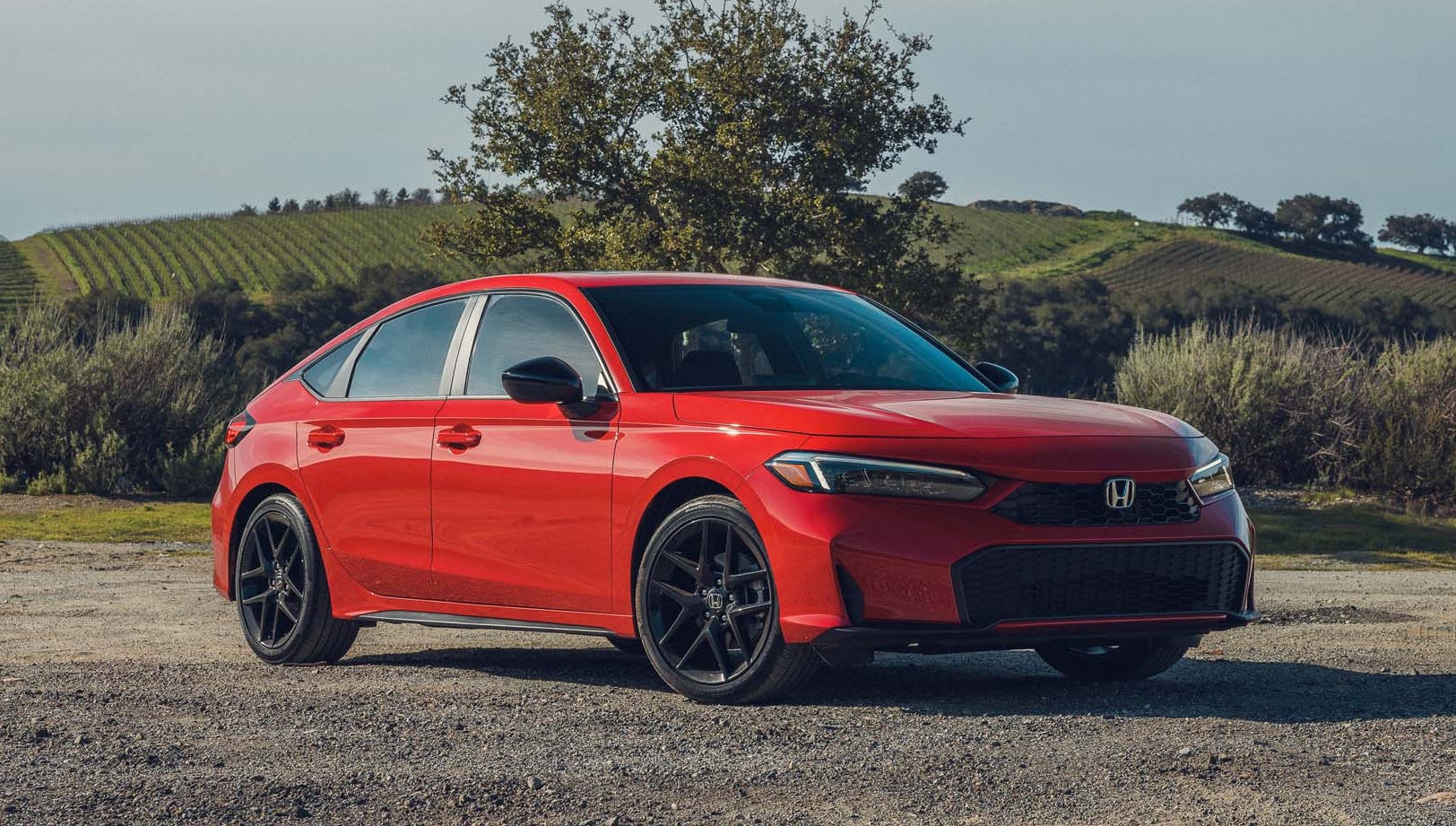
When people shop for a new car, the focus usually lands on the sticker price. The cheapest trim often looks like the smartest financial choice because it requires the least money upfront. But long-term ownership is rarely that simple. The real cost of a vehicle over time includes depreciation, fuel, insurance, maintenance, and repairs.
This is where many buyers end up surprised. A slightly more expensive trim can sometimes cost less over five years than the base model, while in other cases the cheapest trim genuinely remains the most economical choice.
Understanding the total cost of ownership is essential because cars are long-term financial commitments. A vehicle that seems affordable at the dealership can become expensive after factoring in insurance rates, fuel efficiency differences, and repair frequency.
Manufacturers also design trims differently, sometimes equipping higher trims with more reliable components or more efficient powertrains. On the other hand, base trims often have fewer features, which can reduce repair costs and insurance premiums. This creates a complex balance between simplicity and value.
Some base trims hold their value better because they are more widely in demand in the used car market. Buyers often prefer simpler, cheaper models when purchasing used vehicles, especially for daily commuting. This demand can reduce long-term depreciation losses, making the cheapest trims surprisingly cost-effective over five years.
Fuel efficiency also plays a major role. In many cases, base trims come with smaller engines or fewer performance upgrades, which can translate into better mileage.
Over thousands of kilometers of driving, this difference becomes a major cost saver. Combined with lower insurance premiums and fewer high-end components that might require expensive repairs, the cheapest trims of certain cars consistently outperform higher trims in total cost of ownership.
However, not all vehicles behave the same way. Some models are engineered in such a way that the entry-level version is not only the most affordable upfront but also the most economical over time.
These are the cars we will explore in this article. Each of them stands out because the base trim avoids unnecessary complexity, keeps running costs low, and maintains strong reliability over a five-year ownership period. These vehicles are ideal for practical buyers who prioritize long-term savings over luxury features or performance upgrades.
We will look at eight such cars where the cheapest trim truly proves to be the most cost-effective option over five years.
These selections are based on factors like depreciation trends, fuel economy, maintenance costs, insurance affordability, and real-world reliability patterns that consistently favor the base models. Each example will show why sometimes, simplicity is not just cheaper at purchase but smarter for long-term ownership as well.
Also Read: 5 Best and Worst Years for the Honda Civic
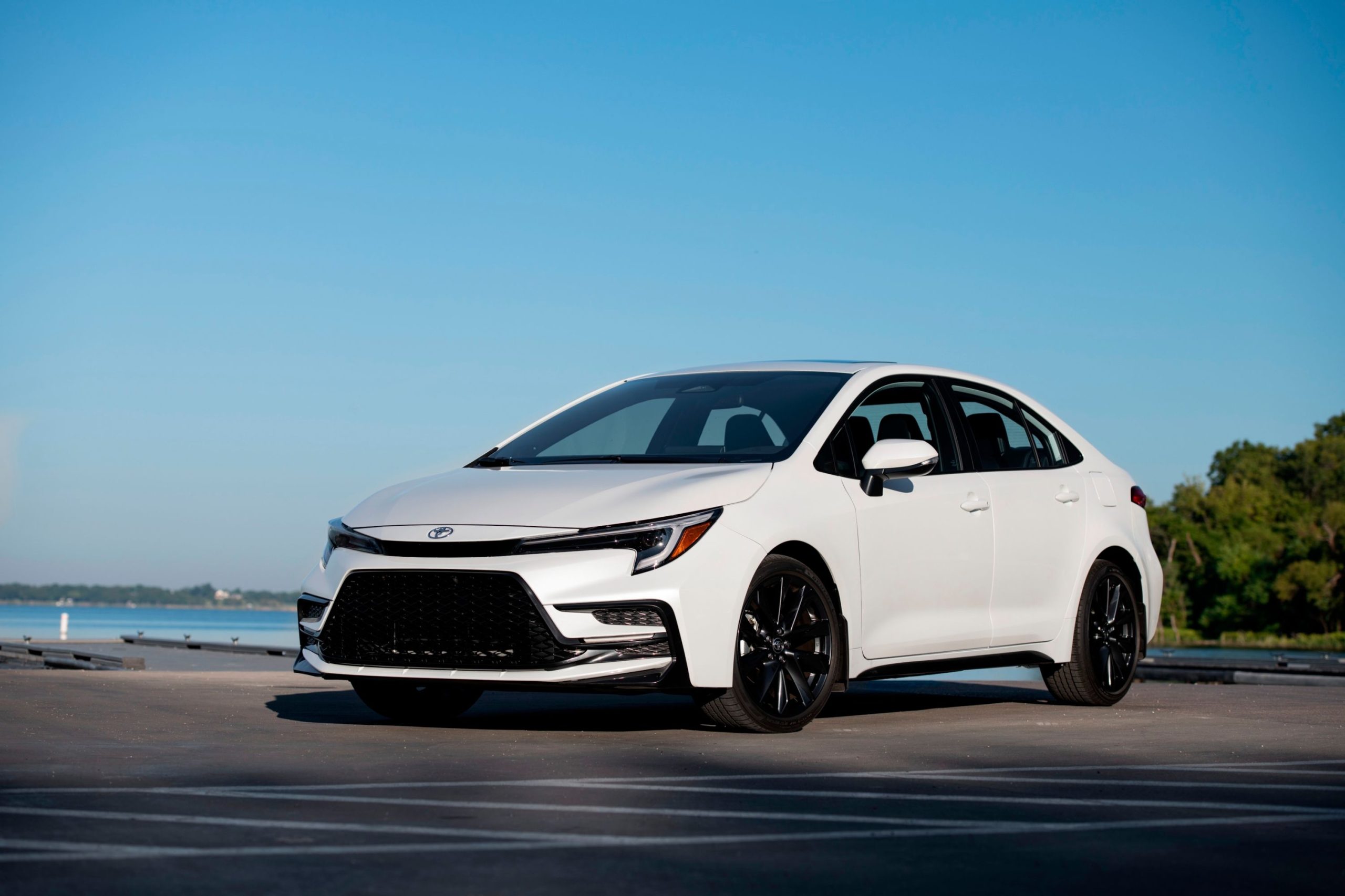
- Engine: 2.0-liter naturally aspirated inline 4-cylinder
- Horsepower: 169 hp
- Torque: 151 lb ft (205 Nm)
- Length: 182.5 inches (4,636 mm)
- Width: 70.1 inches (1,780 mm)
1. Toyota Corolla
The Toyota Corolla has long been one of the most practical cars in the world, and its base trim consistently ranks among the lowest-cost vehicles to own over five years. One of the biggest reasons is its reputation for reliability.
The entry-level Corolla avoids complex systems that can add long-term maintenance costs, keeping repairs predictable and inexpensive. This simplicity is a major advantage for owners who want stability rather than performance upgrades.
The cheapest Corolla trim typically comes with a smaller, more efficient engine compared to higher trims that may include additional performance tuning or heavier features. Over five years of daily commuting, the fuel savings add up significantly, especially in high-mileage usage scenarios. This makes the base trim more economical in real-world driving than more expensive variants.
Insurance costs also play a role. Since the base trim lacks premium features such as large alloy wheels, advanced infotainment systems, or expensive sensors, insurers often classify it as lower risk. This reduces annual insurance premiums, which contribute to lower total ownership cost over time. Even small differences in insurance rates compound over a five-year period.
The Corolla maintains high resale value globally, but the base trim often appeals more to used car buyers looking for affordable and reliable transportation. This demand helps it retain value better than some higher trims, reducing the cost of ownership. A strong resale market ensures that owners recover more of their initial investment when selling the car.
Maintenance costs for the base Corolla remain low because Toyota designs it with long-term durability in mind. Routine servicing is affordable, and parts are widely available.
Since the cheapest trim avoids advanced or luxury features, there are fewer components that can fail or require expensive repairs. Over five years, this reliability makes the base Corolla one of the most cost-efficient cars to own.
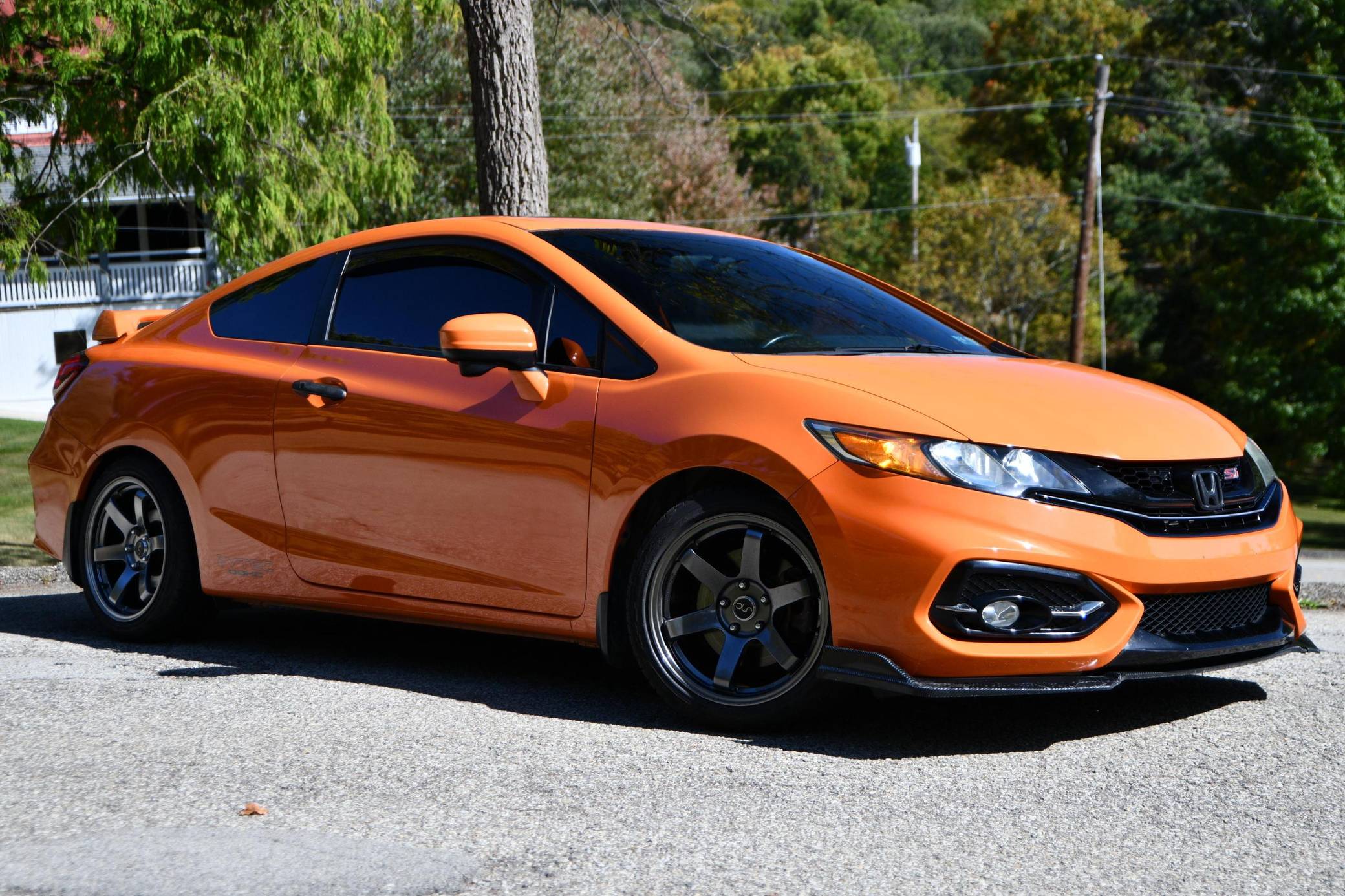
- Engine: 2.0-liter naturally aspirated inline 4-cylinder
- Horsepower: 150 hp
- Torque: 133 lb ft (180 Nm)
- Length: 184.0 inches (4,674 mm)
- Width: 70.9 inches (1,801 mm)
2. Honda Civic
The Honda Civic is a vehicle in which the base trim often delivers the lowest total cost of ownership over five years. Known for its engineering balance and reliability, the Civic’s entry-level model avoids unnecessary complexity while still offering excellent durability. This makes it a strong choice for cost-conscious buyers who want a dependable, long-term vehicle.
Fuel economy is a major advantage of the base Civic. It typically features a smaller engine tuned for efficiency rather than performance. While higher trims may offer turbocharged or sport-focused options, the base version prioritizes consistent mileage. Over time, this results in substantial fuel savings, especially for drivers with long daily commutes.
Insurance costs for the base Civic are generally lower because it lacks high-value performance features and expensive add-ons. Insurance providers consider it a lower-risk vehicle, which helps reduce annual premiums. Over a five-year ownership period, this difference becomes a meaningful financial advantage compared to higher trims.
Maintenance and repair costs remain predictable for the base Civic. Honda has a strong reputation for long-lasting engines and transmissions, and the simplest trims reduce the number of electronic systems that might fail over time. This makes ownership easier to manage financially, with fewer unexpected repair expenses.
Depreciation also favors the base trim in many markets. The Civic is highly popular in the used car market, and buyers often prefer simple, fuel-efficient versions. This demand helps the base trim retain its value well, making it a smart long-term investment for budget-focused drivers.
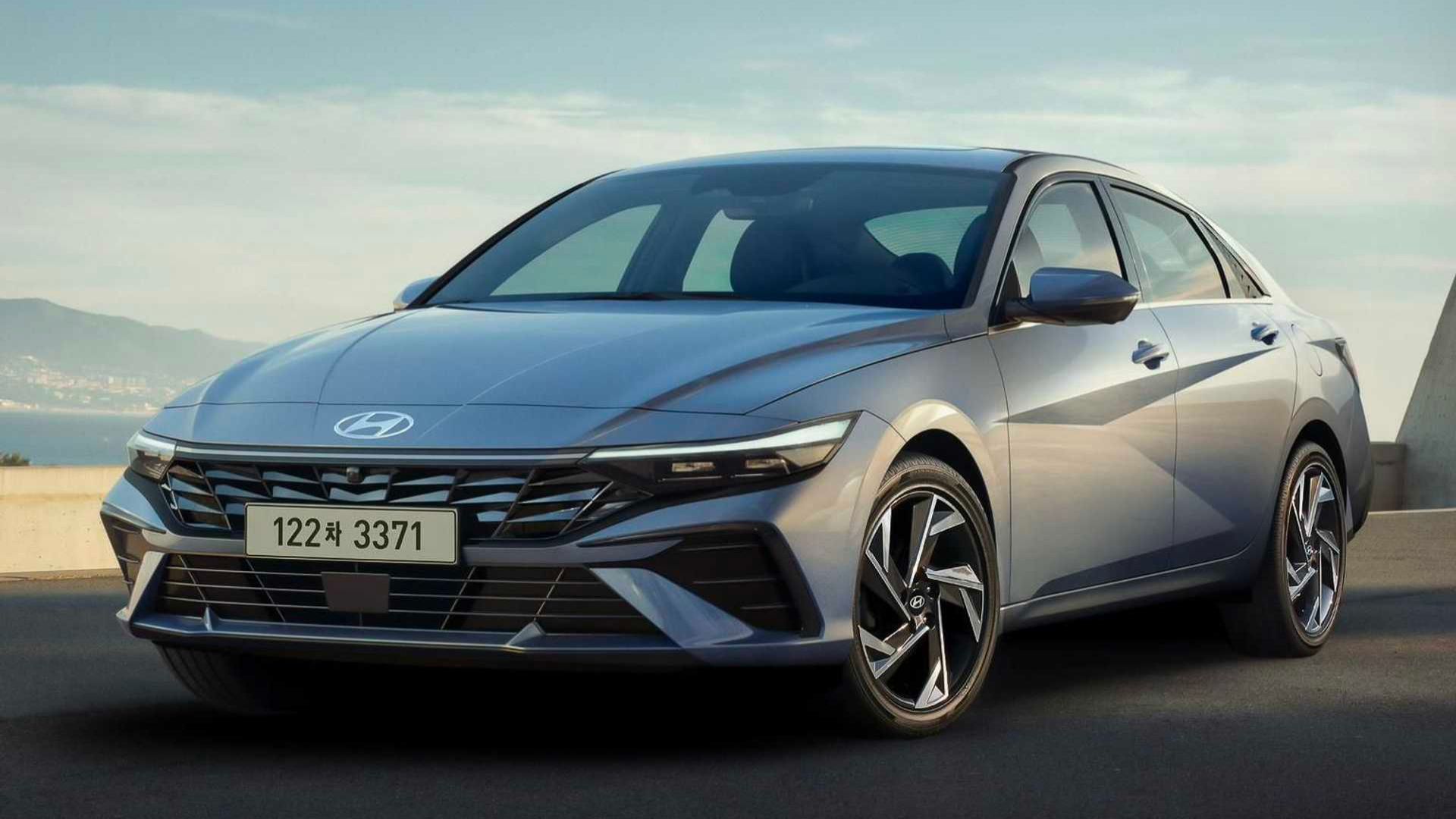
- Engine: 2.0-liter naturally aspirated inline 4-cylinder
- Horsepower: 147 hp
- Torque: 132 lb ft (179 Nm)
- Length: 184.1 inches (4,680 mm)
- Width: 71.9 inches (1,825 mm)
3. Hyundai Elantra
The Hyundai Elantra has steadily built a reputation as one of the best value compact sedans on the market, and the entry-level trim demonstrates why affordability does not have to come with significant compromises.
Buyers who choose the base model benefit from a straightforward package that includes the essential comfort, safety, and convenience features needed for everyday driving without paying extra for luxury upgrades that increase both the purchase price and long-term ownership expenses.
Hyundai has also invested heavily in improving the durability and quality of its vehicles over the past decade, allowing the Elantra to compete with long-established rivals while maintaining competitive maintenance costs. For drivers who simply need dependable transportation for commuting, errands, and family use, the base trim delivers a balanced ownership experience that remains financially attractive throughout a five-year period.
Fuel efficiency is one of the strongest reasons why the cheapest Elantra trim costs so little to own over time. The standard naturally aspirated engine is designed with economy in mind, delivering consistent mileage in city traffic as well as on highways.
Drivers who accumulate thousands of miles every year can save a substantial amount on fuel compared to larger sedans or compact cars equipped with more powerful turbocharged engines. While performance-oriented trims may provide quicker acceleration and additional driving excitement, they also tend to consume more fuel, especially during spirited driving.
The base trim avoids this trade-off by focusing on everyday efficiency, making it an ideal choice for budget-conscious owners who value predictable running costs above outright speed.
Maintenance expenses also remain comfortably low throughout the first five years of ownership. Routine services such as oil changes, air filter replacements, brake inspections, and tire rotations are relatively affordable, and Hyundai’s expanding dealership and service network makes scheduled maintenance accessible in many regions.
The simpler mechanical layout of the entry-level trim also means there are fewer premium components that may require expensive repairs later.
Owners are less likely to face replacement costs associated with advanced suspension systems, larger wheels with costly tires, or luxury electronic features that become increasingly expensive once the factory warranty expires. This mechanical simplicity contributes significantly to the Elantra’s low total ownership cost.
Insurance companies generally view the base Hyundai Elantra as a practical family sedan rather than a performance vehicle, which often translates into lower insurance premiums. Since the entry-level model lacks many of the expensive cosmetic and performance upgrades found on higher trims, repair costs after minor accidents are typically lower.
Replacement parts for smaller wheels, standard bumpers, and conventional lighting systems usually cost less than premium components found on upscale variants. Lower repair estimates can help keep insurance claims less expensive, benefiting owners through reduced premiums over the course of several years.
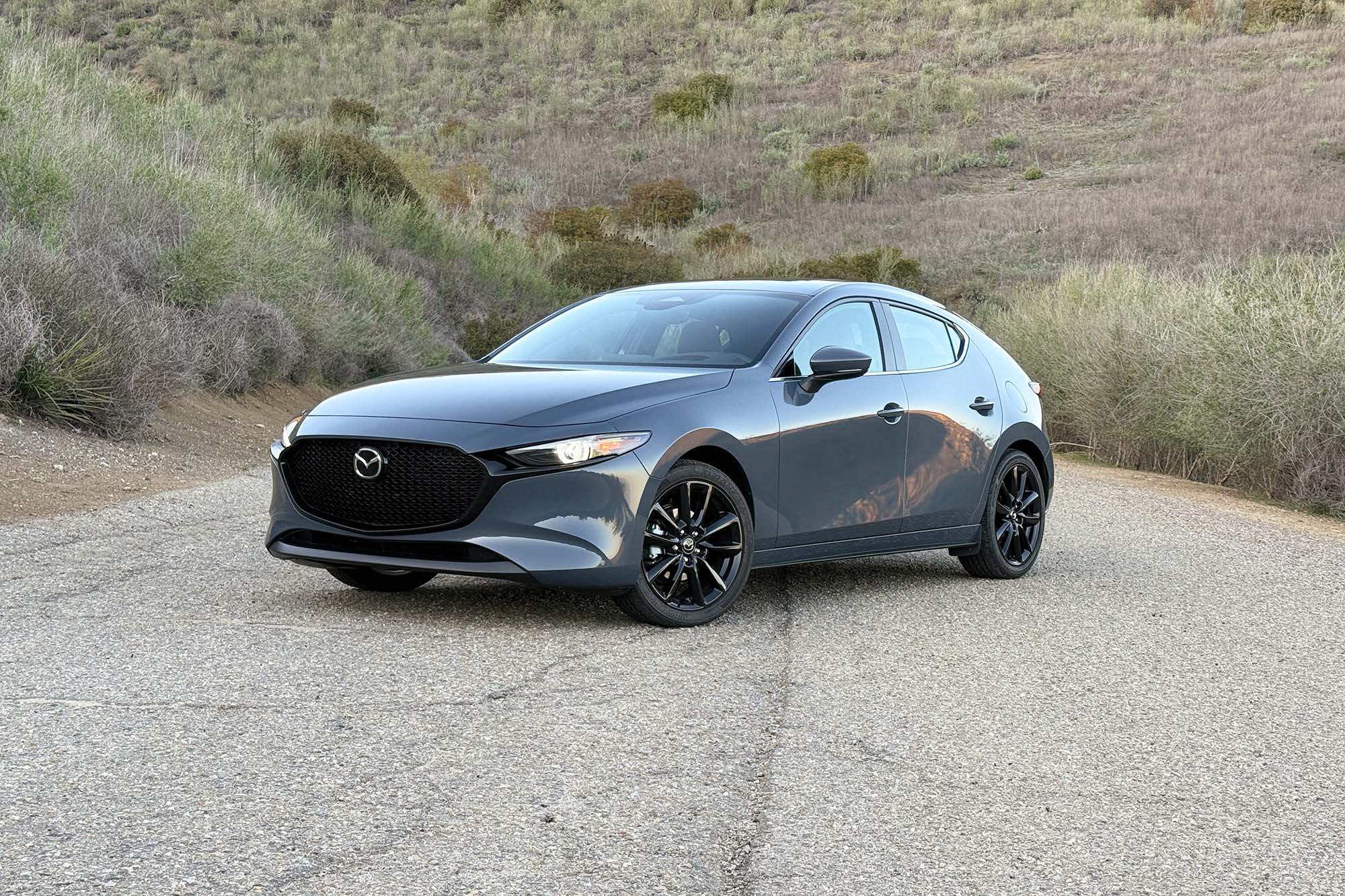
- Engine: 2.5 liter naturally aspirated inline 4-cylinder
- Horsepower: 191 hp
- Torque: 186 lb ft (252 Nm)
- Length: 183.5 inches (4,661 mm)
- Width: 70.7 inches (1,796 mm)
4. Mazda3
The Mazda3 has earned praise for offering an engaging driving experience without sacrificing reliability or everyday practicality. Although many buyers are drawn to its higher trims with premium interiors, turbocharged engines, and luxury features, the base trim often delivers the lowest ownership costs over five years.
Mazda designed the entry-level model to provide the same solid engineering foundation as the rest of the lineup while avoiding unnecessary equipment that increases both purchase price and long-term maintenance expenses. This combination allows buyers to enjoy a refined compact car without stretching their budget during ownership.
One of the biggest strengths of the base Mazda3 is its naturally aspirated engine, which has developed a reputation for durability and consistent performance. Unlike more complicated turbocharged powertrains that may require additional maintenance over time, the standard engine emphasizes smooth operation, dependable reliability, and efficient fuel consumption.
Owners benefit from predictable performance during daily commuting while avoiding the potential long-term costs associated with more complex engine technologies. The result is a vehicle that remains enjoyable to drive while keeping routine ownership expenses under control.
Fuel economy plays an equally important role in the Mazda3’s low ownership costs. The lighter weight of the base trim, combined with its efficient engine and well-calibrated transmission, helps maximize mileage in a variety of driving conditions.
Maintenance requirements remain manageable thanks to Mazda’s focus on engineering quality and mechanical simplicity. Routine services are straightforward, replacement parts are generally reasonably priced, and the absence of premium technology found in higher trims reduces the likelihood of expensive electronic repairs later in the vehicle’s life.
Standard wheels, conventional suspension components, and simpler interior equipment all contribute to lower repair bills while preserving the refined driving experience that has become a hallmark of the Mazda3. Owners often appreciate that they can enjoy an upscale feeling behind the wheel without facing luxury-level maintenance costs.
Also Read: 10 Hidden Features In The Honda Pilot
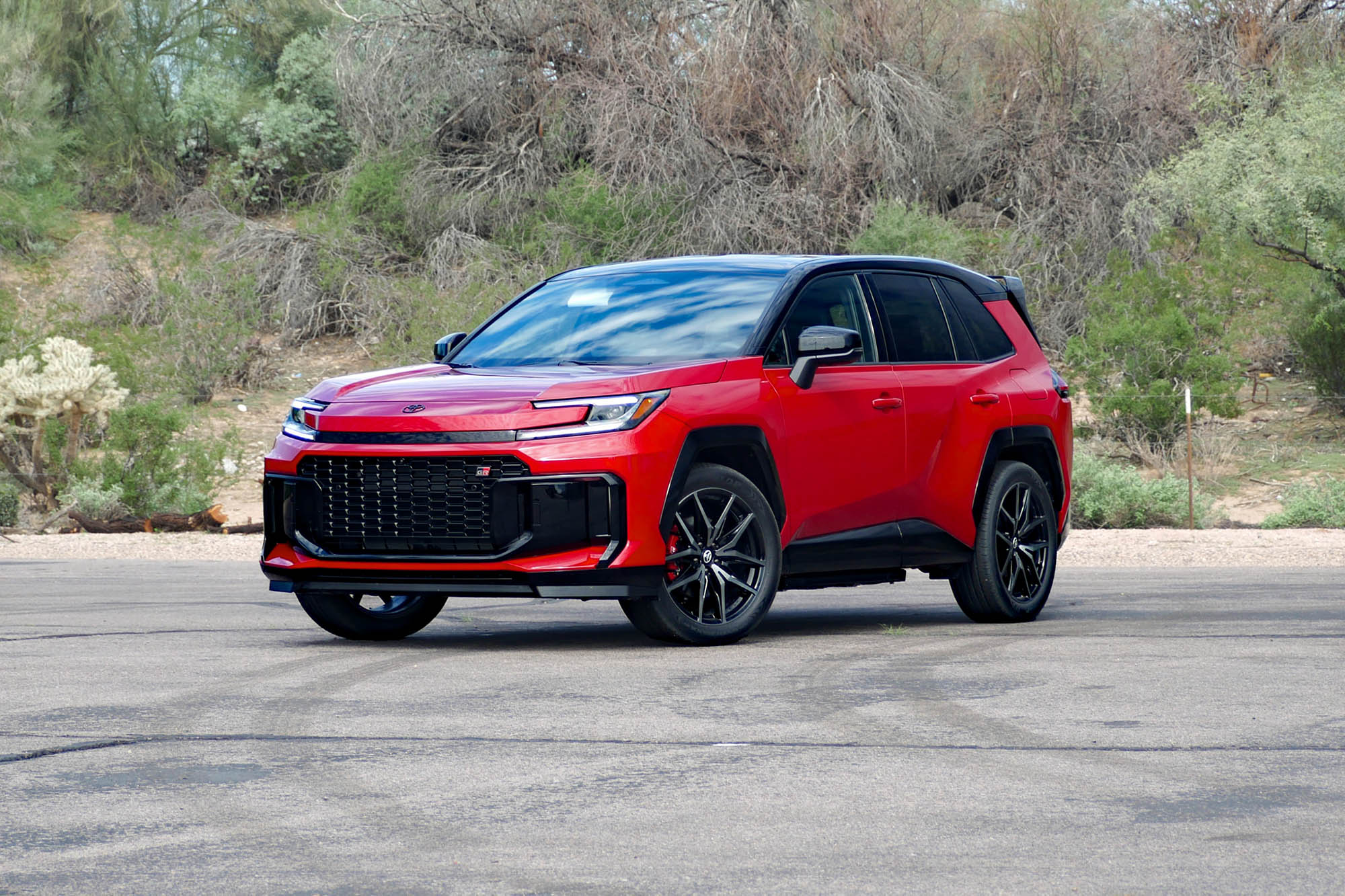
- Engine: 2.5 liter naturally aspirated inline 4-cylinder
- Horsepower: 203 hp
- Torque: 184 lb ft (249 Nm)
- Length: 180.9 inches (4,595 mm)
- Width: 73.0 inches (1,854 mm)
5. Toyota RAV4
The Toyota RAV4 has become one of the world’s most popular compact SUVs because it successfully blends practicality, reliability, fuel efficiency, and long-term value into a single package. While higher trims offer premium interiors, larger infotainment screens, panoramic sunroofs, and additional convenience features, the entry-level trim is often the smartest financial choice for buyers focused on keeping ownership costs low.
It provides the same dependable engineering, spacious cabin, and strong safety credentials as the more expensive versions while avoiding features that can increase both the purchase price and long-term maintenance expenses. For families, commuters, and outdoor enthusiasts who need a versatile SUV without unnecessary extras, the base RAV4 delivers outstanding value over a five-year ownership period.
Fuel economy is one of the biggest contributors to the RAV4’s low ownership costs. The standard engine is engineered to balance performance with efficiency, allowing drivers to enjoy responsive acceleration without sacrificing mileage during everyday driving.
Whether driving through city streets, commuting on highways, or taking occasional road trips, the base trim consistently achieves competitive fuel economy for its class. Over five years, these fuel savings can add up to a meaningful reduction in operating costs, especially for drivers with high annual mileage.
Since fuel is one of the largest recurring costs associated with vehicle ownership, the RAV4’s efficient powertrain helps strengthen its reputation as an economical long-term investment.
Routine maintenance further enhances the affordability of the base RAV4. Toyota has built its reputation on producing vehicles that require relatively few unexpected repairs, and the RAV4 continues that tradition. Regular maintenance tasks such as oil changes, brake servicing, tire rotations, and filter replacements are straightforward and generally affordable.
Because the entry-level trim avoids premium electronic features and luxury equipment found in higher grades, owners are less likely to encounter expensive repair bills once the vehicle begins to age. The widespread availability of replacement parts and Toyota’s extensive dealer and service network also help keep maintenance convenient and reasonably priced throughout the ownership experience.
The absence of costly exterior upgrades, premium lighting systems, oversized alloy wheels, and luxury interior components means repair costs after minor collisions are often lower than those associated with upscale trims.
These lower repair estimates can help reduce insurance premiums over time, allowing owners to enjoy additional savings throughout the five-year ownership period. Combined with Toyota’s strong record for safety, this makes the base trim an appealing option for drivers seeking financial predictability.
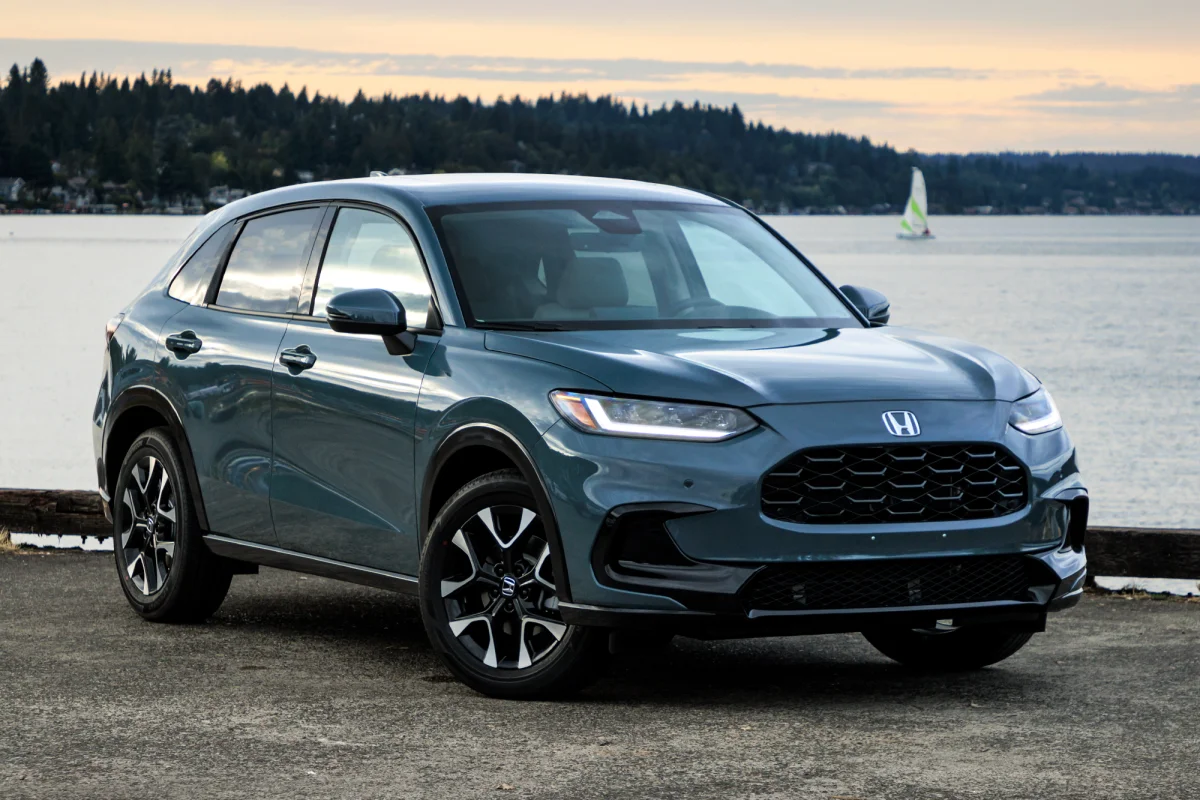
- Engine: 2.0-liter naturally aspirated inline 4-cylinder
- Horsepower: 158 hp
- Torque: 138 lb ft (187 Nm)
- Length: 179.8 inches (4,567 mm)
- Width: 72.4 inches (1,839 mm)
6. Honda HR-V
The Honda HR-V has become a popular choice among buyers who want the versatility of an SUV while maintaining the efficiency and affordability typically associated with compact cars. The base trim offers everything most drivers need for daily transportation, including a comfortable cabin, flexible cargo space, modern safety features, and Honda’s well-known engineering quality.
Although higher trims introduce premium upholstery, larger wheels, advanced technology, and additional comfort features, the entry-level version focuses on delivering practical value without significantly increasing ownership costs. This makes it particularly attractive to first-time buyers, young families, and commuters looking for dependable transportation over the long term.
One of the primary reasons the base HR-V remains inexpensive to own is its efficient powertrain. Honda has tuned the standard engine to deliver smooth performance while prioritizing fuel economy in everyday driving conditions. City commuting, suburban errands, and highway travel can all be handled comfortably without excessive fuel consumption.
While some competing SUVs sacrifice efficiency in favor of stronger acceleration, the HR-V maintains a balanced approach that benefits owners every time they visit the fuel station. Across five years of ownership, consistent fuel savings contribute substantially to the vehicle’s low total operating expenses.
Maintenance requirements also remain relatively modest throughout the ownership period. Honda has earned a reputation for building durable engines and transmissions capable of lasting for many years when properly maintained. The base trim benefits from this proven engineering while avoiding some of the additional components found in higher trims that may require costly repairs later.
Routine services such as fluid changes, brake maintenance, tire replacement, and scheduled inspections are generally straightforward and competitively priced. Because the HR-V shares many components with other Honda models, replacement parts are widely available, helping owners manage repair costs without difficulty.
Insurance affordability adds a financial advantage to the base HR-V. Since it is designed as a practical crossover rather than a luxury or performance vehicle, insurance companies often assign competitive premium rates. Standard equipment is generally less expensive to repair or replace after minor accidents compared to premium trim components.
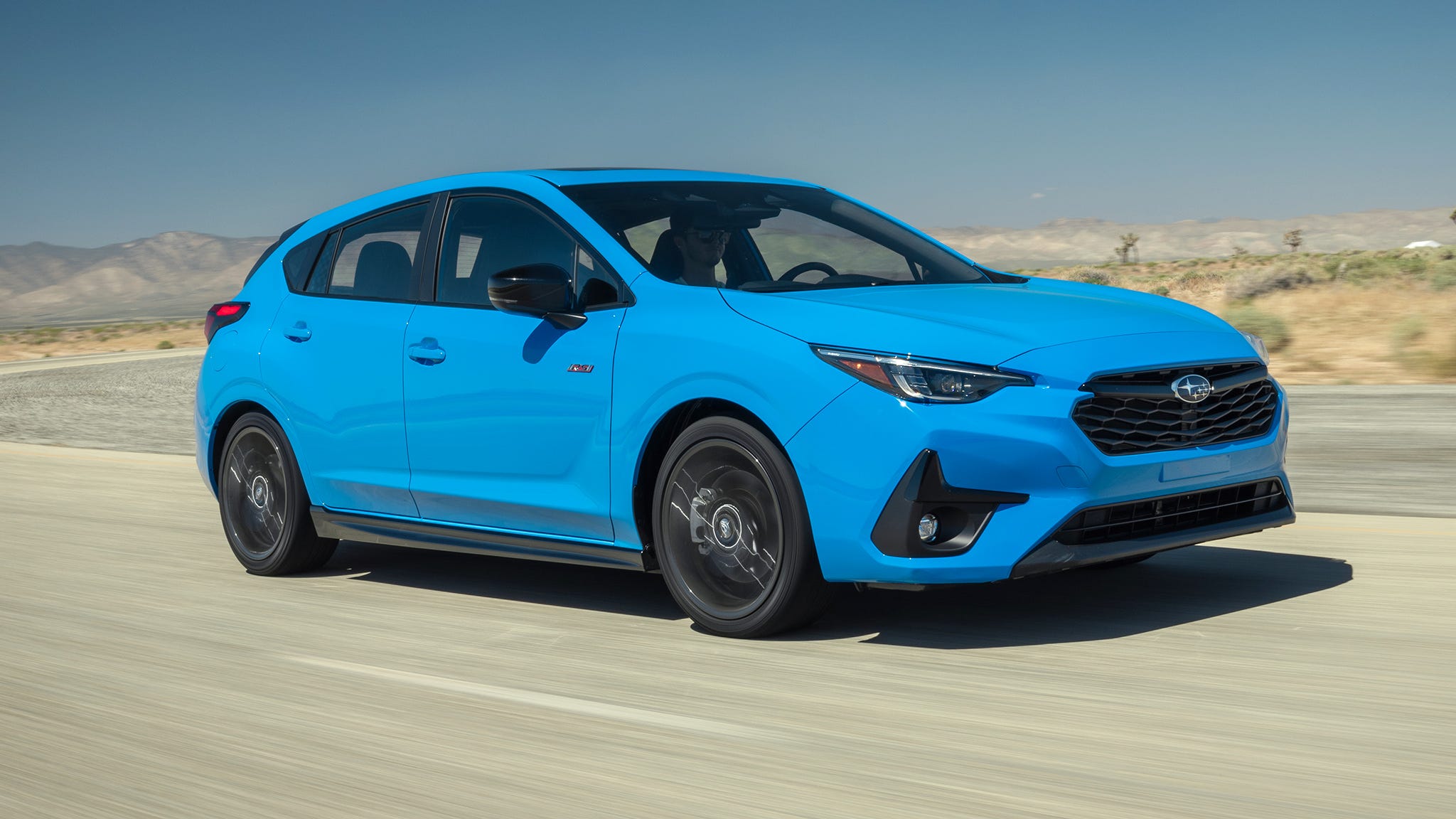
- Engine: 2.0-liter BOXER 4-cylinder
- Horsepower: 152 hp
- Torque: 145 lb ft (197 Nm)
- Length: 176.2 inches (4,475 mm)
- Width: 70.1 inches (1,780 mm)
7. Subaru Impreza
The Subaru Impreza distinguishes itself from many competitors by offering standard All Wheel Drive across its lineup, including the entry-level trim. While All Wheel Drive often increases purchase prices in competing vehicles, Subaru has made it a core feature without dramatically raising ownership costs.
The base Impreza combines year-round capability with practical design, dependable engineering, and impressive value, making it an appealing option for drivers living in regions with frequent rain, snow, or changing road conditions. Despite offering additional traction compared to many Front Wheel Drive competitors, the entry-level Impreza remains surprisingly affordable to own over five years.
The standard engine emphasizes reliability and balanced performance rather than outright speed. This approach benefits owners by delivering consistent fuel efficiency while reducing long-term mechanical complexity.
Although some buyers may be tempted by more powerful performance-focused vehicles, the naturally aspirated engine in the base Impreza has earned a reputation for dependable everyday operation.
Drivers can comfortably handle commuting, shopping, family transportation, and weekend travel without incurring the higher fuel costs associated with larger or turbocharged engines. Over five years, these fuel savings become a meaningful part of the vehicle’s low total ownership cost.
Routine maintenance for the Subaru Impreza is generally predictable when owners follow the recommended service schedule. Regular oil changes, tire maintenance, brake inspections, and fluid replacements help preserve the vehicle’s reliability while keeping repair expenses manageable.
Because the base trim avoids luxury upgrades and advanced electronic equipment available in premium versions, there are fewer costly systems that may require attention as the vehicle ages. Subaru has also continued improving long-term durability across its lineup, giving owners greater confidence that the Impreza can provide dependable transportation with relatively modest maintenance expenses.
Insurance costs remain competitive despite the inclusion of standard All Wheel Drive. Insurance providers often recognize the Impreza as a practical compact car designed for everyday use rather than high-performance driving. The base trim’s simpler equipment, standard wheel sizes, and conventional exterior components can help reduce repair costs following minor accidents.
Combined with Subaru’s strong emphasis on safety engineering, these characteristics contribute to insurance premiums that remain reasonable for many drivers throughout the ownership period. Lower annual insurance expenses further strengthen the Impreza’s reputation as an economical long-term choice.
