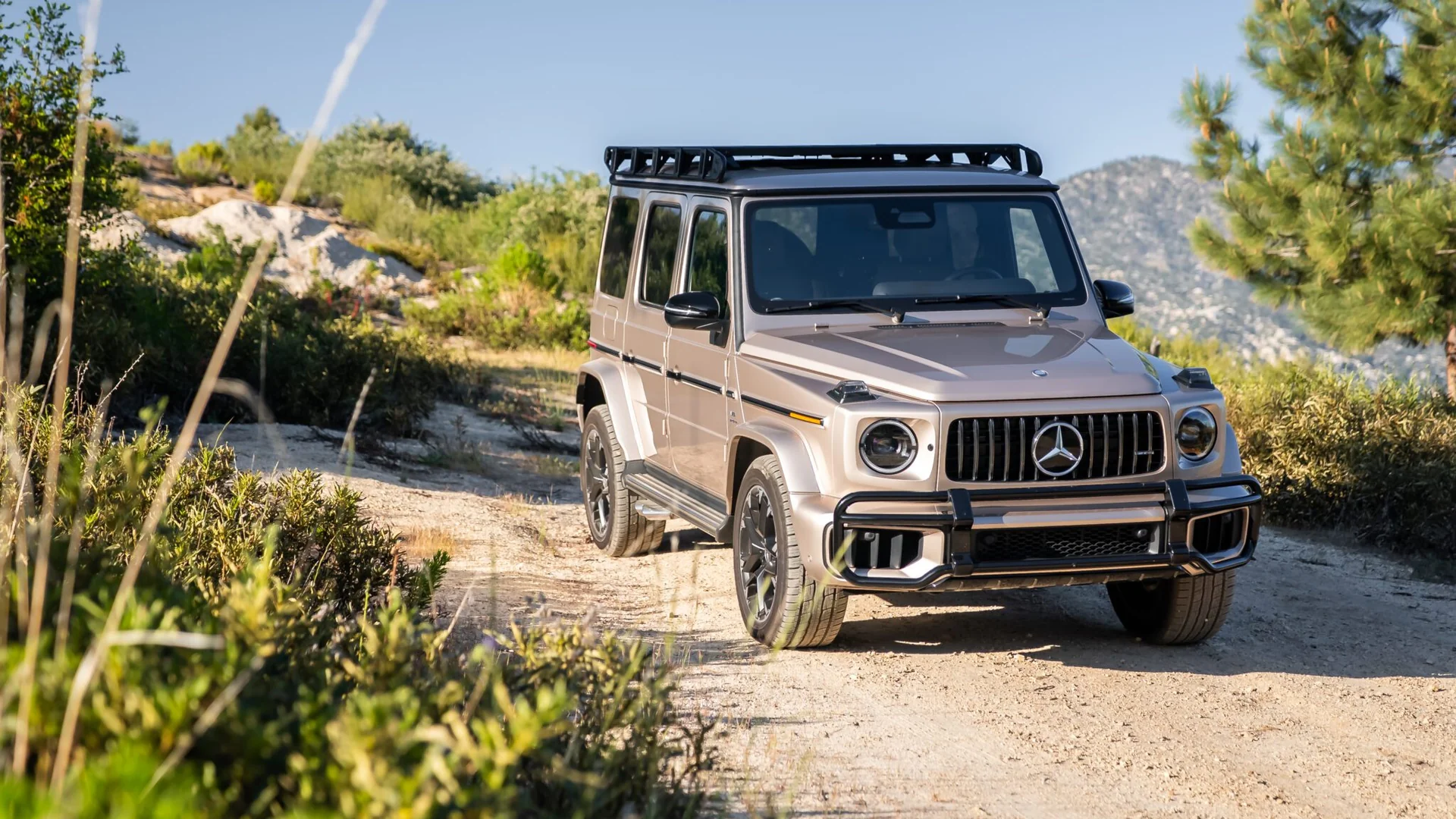
Buying an SUV is a major financial decision because the value of a vehicle changes significantly after purchase. Depreciation affects ownership costs, resale opportunities, and long-term affordability.
Many buyers assume that premium off-road models such as the Toyota Land Cruiser automatically provide the strongest value retention, but market data shows that several SUVs can preserve an even higher percentage of their original price after five years.
According to iSeeCars’ five-year depreciation analysis, certain SUVs benefit from strong demand, reliability, brand reputation, and limited supply, allowing them to outperform expectations. These vehicles combine practicality, performance, and lasting appeal, making them attractive choices for buyers focused on long-term value.
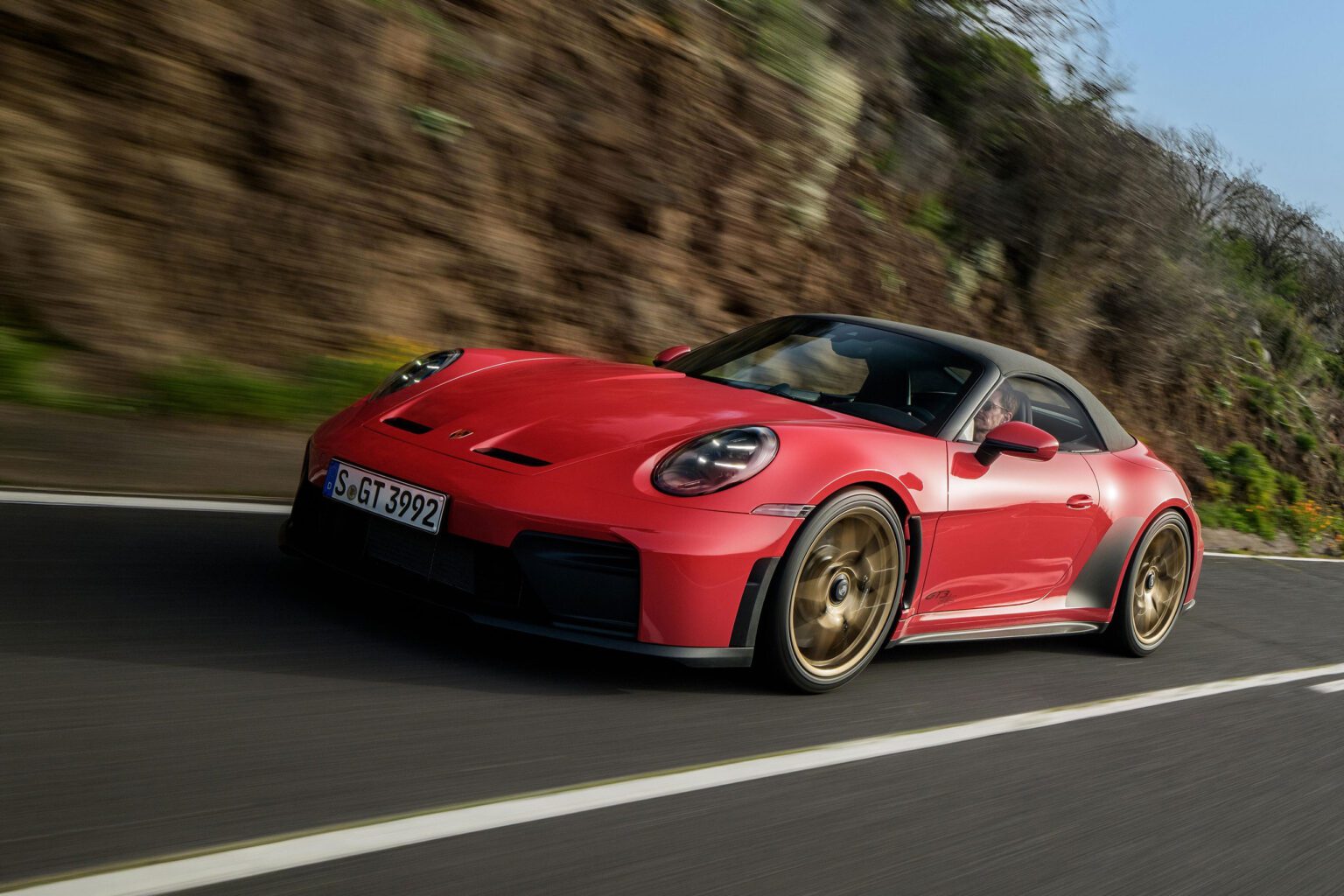
- Engine: 2.0-liter turbocharged four-cylinder petrol engine (base model)
- Horsepower: 261 hp
- Torque: 295 lb-ft (400 Nm)
- Length: 186.1 inches (4,726 mm)
- Width: 76.1 inches (1,934 mm)
1. Porsche 911 (SUV Alternative Performance Influence)
While the Porsche 911 is not an SUV, Porsche’s strong resale reputation influences the value performance of its SUV models, especially the Porsche Macan. Porsche vehicles traditionally maintain strong demand because of their engineering quality, driving experience, and premium image.
The company’s ability to maintain exclusivity helps reduce depreciation compared with many competitors. Buyers who choose Porsche SUVs often benefit from a combination of luxury features, performance capability, and strong market interest when reselling.
The Porsche Macan has become a popular choice among drivers who want sports car characteristics combined with SUV practicality. Its handling, interior quality, and performance-focused design have helped it maintain appeal in the used market.
Unlike some luxury SUVs that lose value quickly due to expensive maintenance concerns or rapid model updates, the Macan continues attracting buyers who appreciate Porsche engineering.
A major factor behind Porsche’s resale strength is brand loyalty. Many owners return to Porsche because they trust the company’s reputation for producing engaging vehicles.
This customer confidence creates consistent demand for used models. When demand remains high, vehicles typically experience slower depreciation because buyers are willing to pay competitive prices for pre-owned examples.
The Macan also benefits from offering a balance between daily usability and premium performance. It provides enough space for families while maintaining the sporty character expected from Porsche.
This combination allows it to appeal to a wider audience than traditional performance vehicles. The result is a stronger resale market compared with many luxury SUVs that focus mainly on comfort and technology.
The success of Porsche SUVs demonstrates that value retention depends on more than size or off-road capability. A vehicle’s reputation, emotional appeal, and ownership experience can influence resale strength.
Porsche’s approach shows how strong brand positioning and consistent product quality can help certain SUVs compete with legendary models such as the Land Cruiser in long-term value.
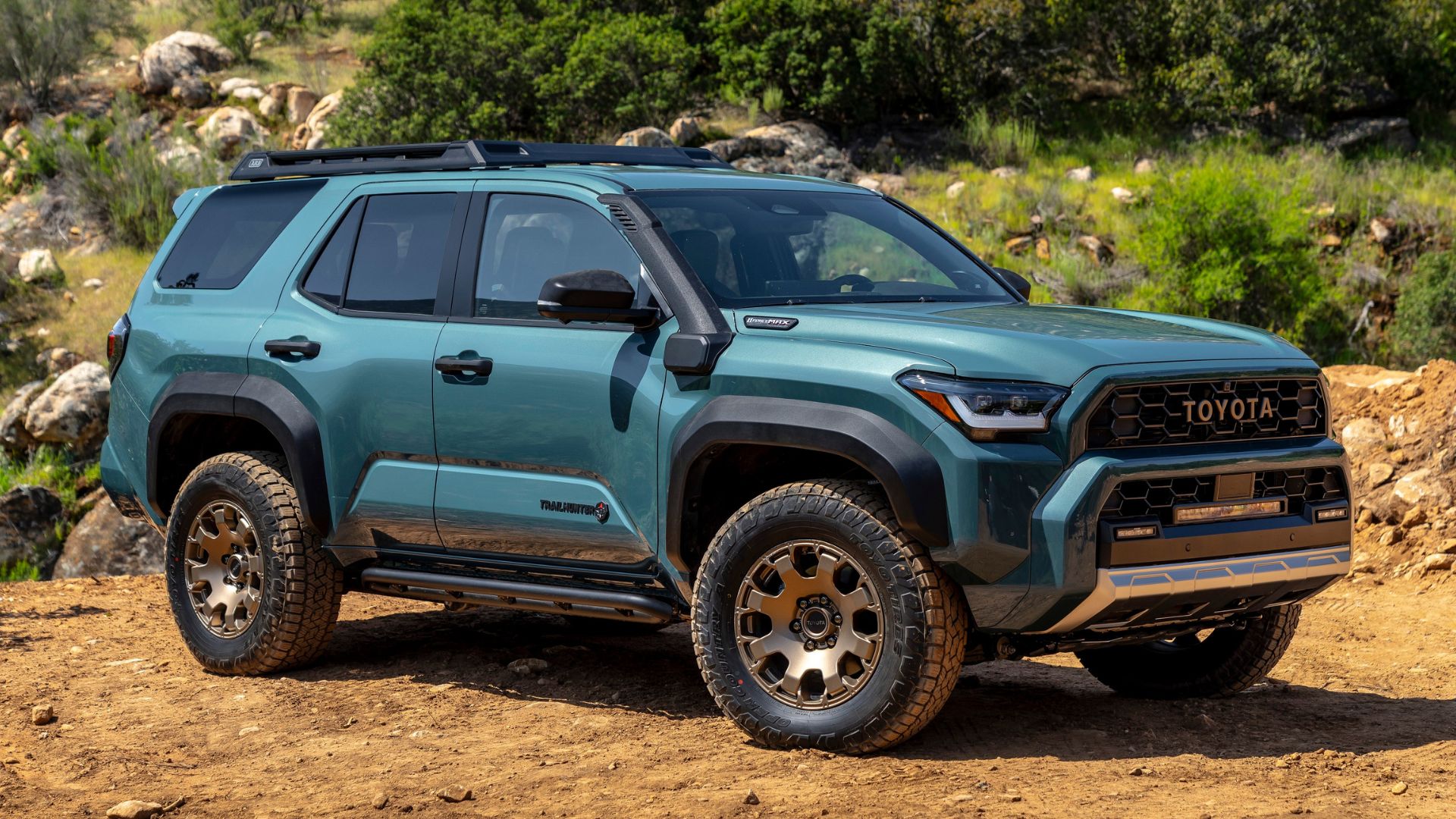
- Engine: 4.0-liter V6 petrol engine
- Horsepower: 270 hp
- Torque: 278 lb-ft (377 Nm)
- Length: 191.3 inches (4,859 mm)
- Width: 75.8 inches (1,925 mm)
2. Toyota 4Runner
The Toyota 4Runner is one of the strongest examples of an SUV that maintains exceptional resale value. Built on a rugged platform with traditional body-on-frame construction, the 4Runner appeals to buyers who prioritize durability, reliability, and outdoor capability. Its reputation for lasting hundreds of thousands of miles has created strong demand in both new and used markets.
Many 4Runner owners value the SUV because it combines everyday transportation with serious off-road ability. Features such as available four-wheel drive, strong suspension components, and durable mechanical systems make it attractive to adventure enthusiasts.
Used buyers often search specifically for well-maintained 4Runner models because they expect these vehicles to remain dependable for many years.
Toyota’s reputation for reliability plays a major role in the 4Runner’s resale performance. The company has built consumer trust through decades of producing long-lasting vehicles. Buyers looking at used SUVs often consider reliability history before making a purchase, and Toyota consistently benefits from this perception.
Another factor supporting the 4Runner’s value is its limited competition within the market. Many modern SUVs have shifted toward car-based designs focused on comfort and fuel efficiency.
The 4Runner continues serving customers who want a traditional SUV with strong off-road characteristics. This unique position helps maintain demand among specific groups of buyers.
The 4Runner represents the idea that durability remains valuable even as vehicle technology changes. Its design may prioritize toughness over luxury features, but that simplicity contributes to its long-term appeal. For buyers seeking an SUV with strong resale potential, the 4Runner remains a respected choice and a major competitor in value retention discussions.
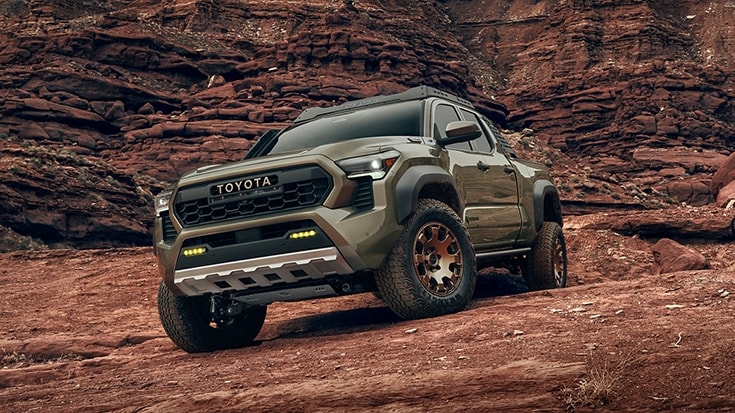
- Engine: 2.4-liter turbocharged four-cylinder i-FORCE petrol engine
- Horsepower: 228 hp (base output) to 278 hp (with premium fuel, automatic transmission)
- Torque: 243 lb-ft (329 Nm) to 317 lb-ft (430 Nm)
- Length: 213.0 inches (5,410 mm) approximately, depending on cab and bed configuration
- Width: 76.9 inches (1,954 mm)
3. Toyota Tacoma-Based SUVs and the Strength of Toyota Reliability
Toyota’s reputation for building durable vehicles extends beyond individual models and contributes to strong resale performance across its SUV lineup.
Vehicles based on proven Toyota engineering platforms benefit from consumer confidence, which directly affects used market demand. Buyers searching for a dependable SUV often prioritize models with a history of reliability, affordable ownership, and strong mechanical performance. This reputation helps several Toyota vehicles maintain value at impressive levels.
The Toyota Land Cruiser has traditionally represented the company’s premium approach to durability, but other Toyota SUVs have gained similar recognition among buyers.
Models connected to Toyota’s truck-based engineering philosophy often attract customers who need vehicles capable of handling difficult conditions. This demand supports resale values because used buyers continue seeking SUVs that can provide years of dependable service.
Toyota’s approach to vehicle development focuses heavily on long-term ownership. Instead of changing designs every few years, the company often builds a reputation around proven platforms and gradual improvements.
This strategy creates confidence among buyers who prefer predictable maintenance costs and dependable performance. Strong consumer trust plays a significant role in helping Toyota SUVs remain valuable after several years.
The used market rewards vehicles that have a reputation for surviving demanding environments. SUVs designed for outdoor activities, towing, and rough road conditions often maintain value because buyers know they can handle various situations. Toyota’s history in this area gives its SUVs an advantage over many competitors that focus primarily on comfort, technology, or styling.
Value retention is also influenced by community support. Toyota SUV owners often share maintenance knowledge, modification ideas, and ownership experiences, creating strong enthusiasm around certain models.
This type of loyalty keeps demand consistent and helps protect resale prices. A vehicle with an active owner community often remains desirable even after newer models enter the market.
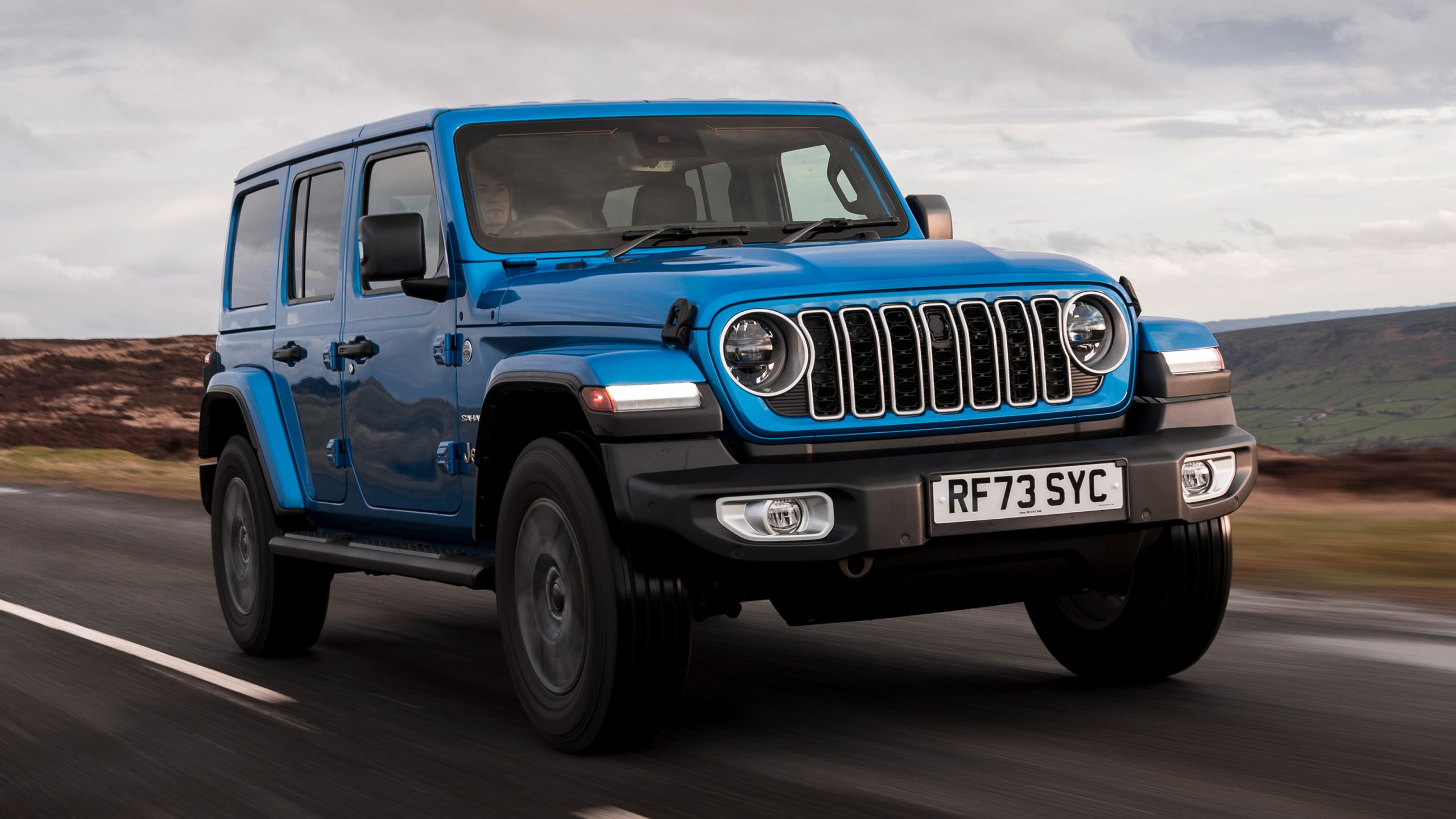
- Engine: 3.6-liter Pentastar V6 petrol engine (standard option)
- Horsepower: 285 hp
- Torque: 260 lb-ft (353 Nm)
- Length: 166.8 inches (4,237 mm) for 2-door model
- Width: 73.8 inches (1,875 mm)
4. Jeep Wrangler
The Jeep Wrangler has maintained a unique position in the SUV market for decades. Its recognizable design, removable roof options, and legendary off-road ability have created a loyal customer base.
While many SUVs focus on smooth highway performance and advanced technology, the Wrangler continues attracting buyers who want adventure capability and a distinctive driving experience.
A major reason behind the Wrangler’s strong resale performance is its identity. The vehicle represents a lifestyle choice rather than simply a method of transportation. Many owners purchase Wranglers because they enjoy outdoor activities, customization, and off-road experiences. This emotional connection helps maintain demand in the used market.
The Wrangler benefits from extensive aftermarket support. Owners can customize their vehicles with different wheels, suspension systems, protective equipment, and accessories.
This flexibility increases the appeal of used models because buyers often search for vehicles that already include desirable upgrades. The ability to personalize the Wrangler contributes to its long-term popularity.
Another important factor is the Wrangler’s limited direct competition. Many SUVs offer all-wheel drive systems and off-road features, but few provide the same traditional experience.
The Wrangler’s body style, removable panels, and rugged construction separate it from more conventional SUVs. This uniqueness helps it maintain a strong position among enthusiasts.
The Wrangler proves that resale value is influenced by emotional appeal as much as practical benefits. Buyers are often willing to pay higher prices for vehicles that represent a specific lifestyle or community. Its combination of heritage, capability, and customization options allows it to remain competitive among SUVs with excellent five-year retention.
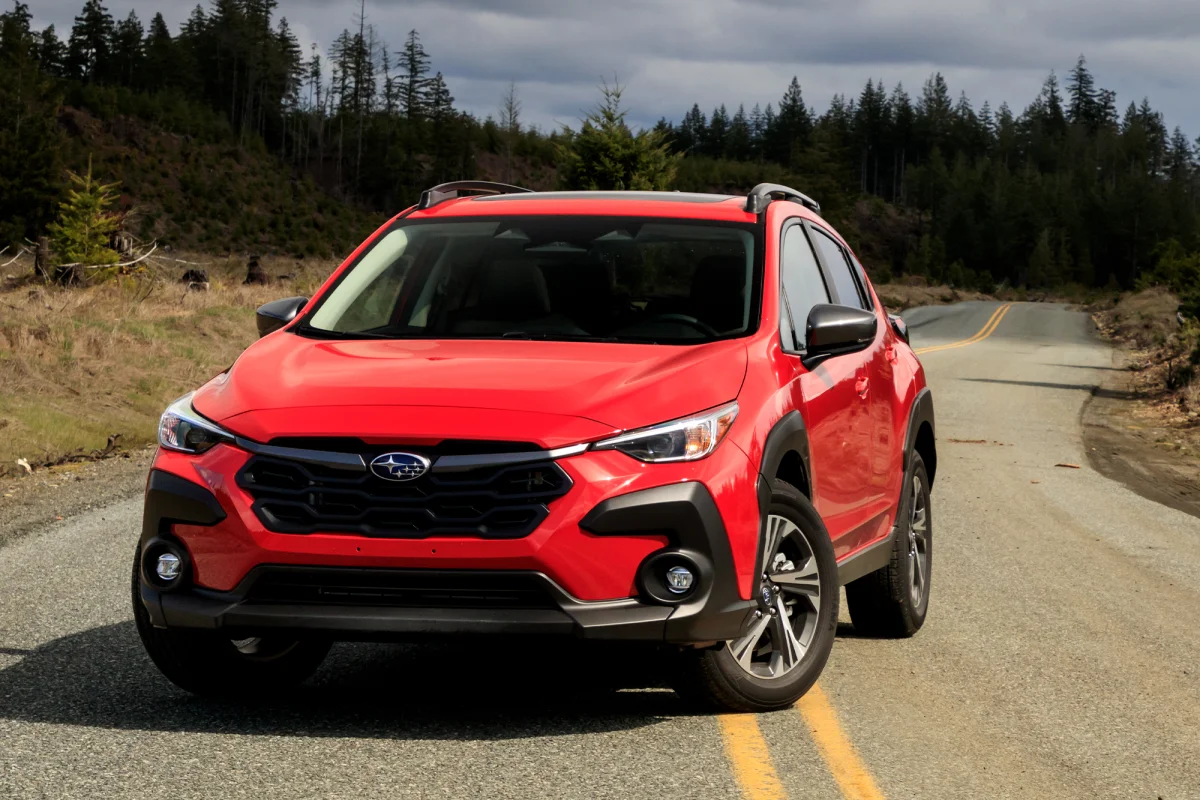
- Engine: 2.5-liter four-cylinder petrol engine
- Horsepower: 182 hp
- Torque: 178 lb-ft (241 Nm)
- Length: 176.4 inches (4,481 mm)
- Width: 71.0 inches (1,803 mm)
5. Subaru Crosstrek
The Subaru Crosstrek has become a popular choice among buyers who want an affordable SUV with dependable performance and outdoor capability.
Its strong resale value comes from Subaru’s reputation among customers who appreciate reliability, practicality, and all-weather performance. The model appeals to drivers who want a compact vehicle that can handle daily transportation as well as weekend activities.
Subaru has developed a loyal customer base through vehicles that focus on safety, practicality, and adventure-friendly features.
The Crosstrek benefits from standard all-wheel-drive capability, which makes it attractive in areas where drivers experience challenging weather conditions. This feature creates additional demand among used vehicle buyers who want confidence in different driving environments.
The Crosstrek’s efficient size also supports its value retention. Many buyers prefer smaller SUVs because they provide easier handling, better fuel economy, and enough interior space for daily needs. As fuel prices and ownership costs influence purchasing decisions, compact SUVs with practical designs continue to maintain strong demand.
Another advantage is Subaru’s reputation for building vehicles suited for outdoor lifestyles. The Crosstrek attracts customers interested in camping, hiking, and road trips.
Its design supports this audience through useful cargo space and durable construction. A strong connection between the vehicle and its target customers helps maintain resale interest.
The Crosstrek demonstrates that high value retention is not limited to large luxury SUVs or expensive off-road models. A vehicle’s ability to meet the needs of a specific audience can protect its market value. Subaru’s focus on practicality and adventure has helped the Crosstrek become a strong performer in long-term ownership value.
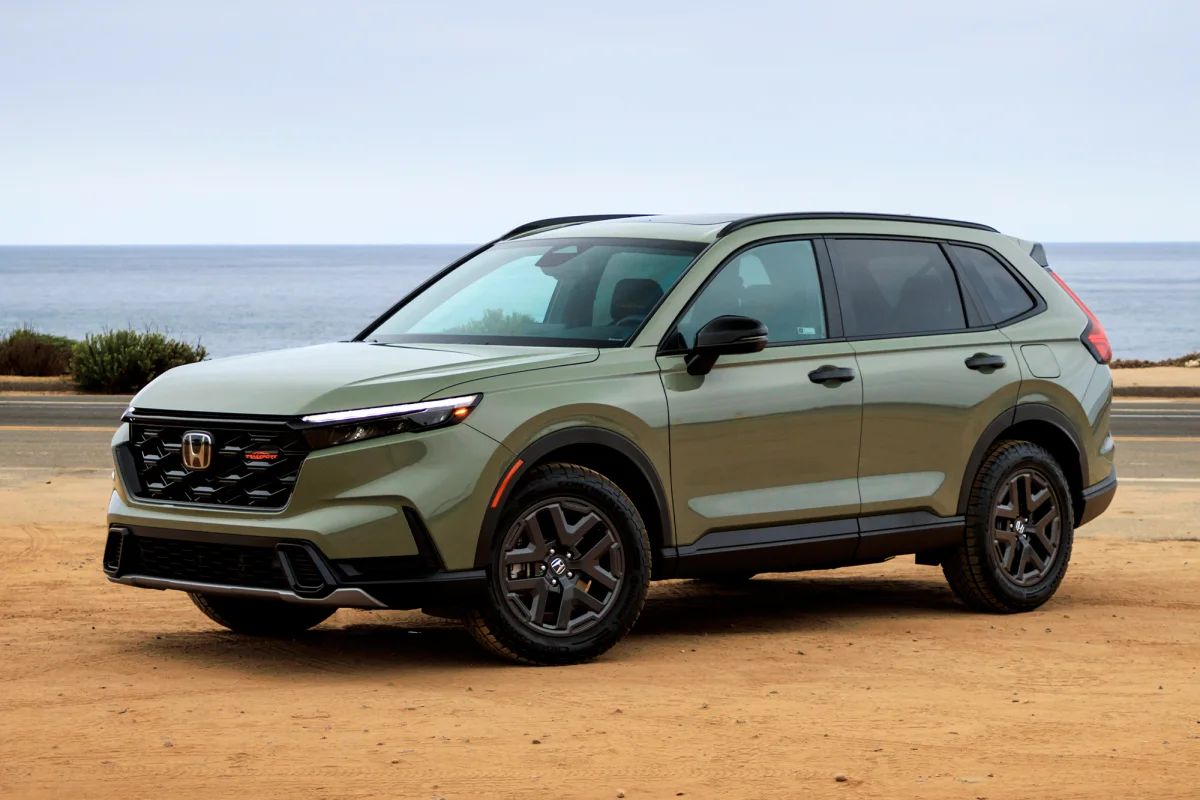
- Engine: 1.5-liter turbocharged four-cylinder petrol engine
- Horsepower: 190 hp
- Torque: 179 lb-ft (243 Nm)
- Length: 184.8 inches (4,694 mm)
- Width: 73.5 inches (1,867 mm)
6. Honda CR-V
The Honda CR-V has consistently been recognized as a practical SUV with strong reliability and broad customer appeal. Its success comes from a combination of efficient engines, comfortable interiors, useful cargo space, and dependable ownership experience. These qualities make it attractive to families, commuters, and individuals looking for a sensible long-term vehicle.
Honda’s reputation for producing reliable vehicles has played an important role in the CR-V’s resale strength. Many buyers consider Honda models because they expect fewer ownership problems and strong durability.
This confidence increases demand for used CR-V models, helping them maintain competitive resale prices.
The CR-V also benefits from being positioned in one of the most popular segments of the automotive market. Compact SUVs have become preferred choices for many drivers because they provide a balance between passenger space, efficiency, and everyday convenience. Strong demand within this category supports vehicles that offer proven quality.
Practical design has always been a major strength of the CR-V. The vehicle provides flexible seating arrangements, useful storage areas, and comfortable driving characteristics. These features remain valuable even after several years because they continue meeting the needs of used vehicle buyers.
The Honda CR-V shows how consistent quality can influence depreciation. It does not rely on extreme performance or luxury features to maintain value. Instead, it succeeds through reliability, practicality, and customer trust. These qualities have helped it compete with higher-priced SUVs in long-term value discussions.
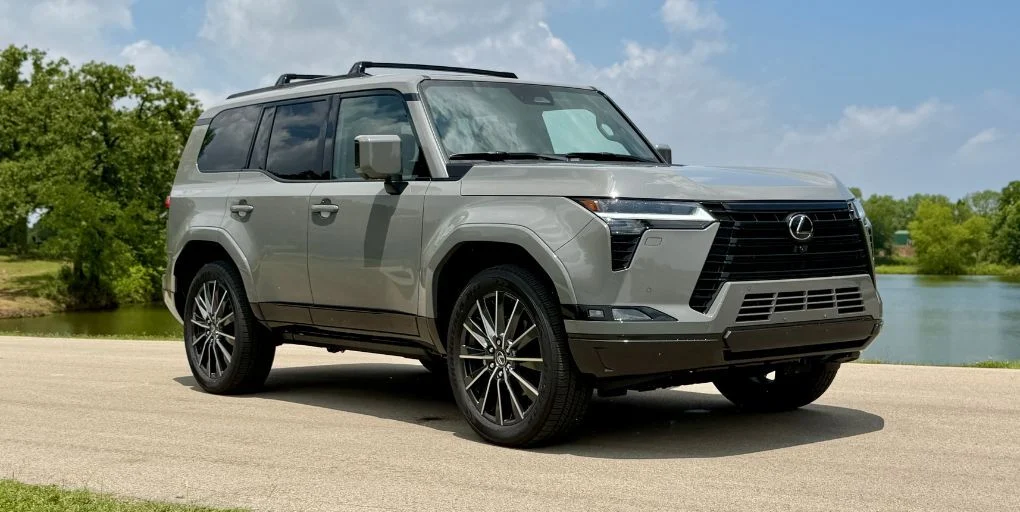
- Engine: 3.4-liter twin-turbocharged V6 petrol engine (GX 550)
- Horsepower: 349 hp
- Torque: 479 lb-ft (649 Nm)
- Length: 197.0 inches (5,004 mm)
- Width: 78.0 inches (1,981 mm)
7. Lexus GX
The Lexus GX has built a strong reputation as a luxury SUV that combines premium comfort with traditional off-road capability.
Sharing engineering roots with Toyota’s proven SUV platforms, the GX benefits from the same durability reputation that has helped several Toyota models maintain excellent resale performance. Buyers looking for a high-end SUV often appreciate the GX because it offers refinement without sacrificing rugged ability.
A major strength of the Lexus GX is its long-term reliability record. Luxury vehicles sometimes experience faster depreciation because of expensive repairs, advanced technology, and high maintenance costs.
The GX avoids many of these concerns because of its Toyota-based engineering approach. This reliability gives used buyers confidence and supports stronger resale values.
The GX also attracts customers who want a traditional SUV experience. While many luxury SUVs have moved toward lighter construction and car-based platforms, the GX maintains a body-on-frame design. This provides strength for towing, off-road driving, and demanding conditions. Buyers who need these capabilities often seek out used GX models.
Lexus ownership also contributes to the vehicle’s value retention. The brand has developed a reputation for comfort, customer service, and dependability. Many Lexus owners remain loyal because they appreciate the combination of luxury features and low ownership concerns. This positive reputation helps maintain demand in the used market.
The Lexus GX shows that premium vehicles can retain value when they offer a unique combination of features. Its durability, luxury appeal, and off-road capability create a strong position among SUVs with excellent resale performance. For buyers who want a vehicle that feels upscale but remains practical, the GX remains a respected option.
- Engine: 2.5-liter four-cylinder petrol engine
- Horsepower: 203 hp
- Torque: 184 lb-ft (249 Nm)
- Length: 180.9 inches (4,596 mm)
- Width: 73.4 inches (1,864 mm)
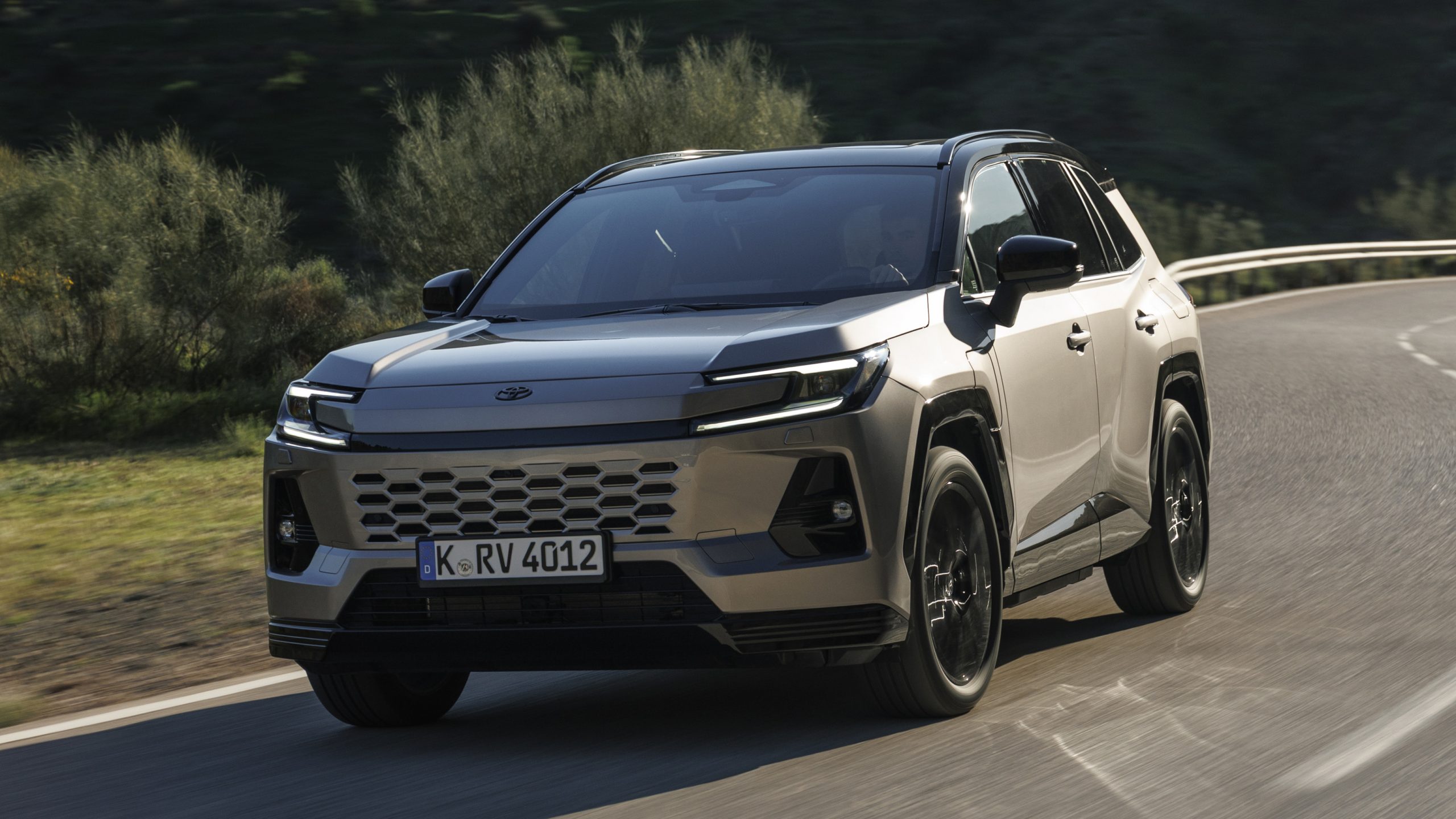
8. Toyota RAV4
The Toyota RAV4 has become one of the most successful SUVs in the automotive market because it meets the needs of a wide range of drivers.
Its combination of reliability, efficiency, comfort, and practicality has made it a preferred choice for families, professionals, and everyday commuters. These qualities also contribute to its ability to maintain strong resale value.
Toyota’s reputation for dependable vehicles plays a major role in the RAV4’s market performance. Buyers searching for used SUVs often consider Toyota models because they expect long service life and fewer ownership issues. This confidence allows the RAV4 to remain highly desirable even after several years of use.
The popularity of compact SUVs has also supported the RAV4’s value retention. Many customers have moved away from sedans and traditional passenger cars because SUVs provide better visibility, flexible cargo space, and easier daily usability. The RAV4 benefits from being among the most recognized and trusted models in this category.
Hybrid availability has added another advantage for the RAV4. As more buyers consider fuel efficiency and operating costs, hybrid SUVs have gained attention in the used market. The RAV4 Hybrid provides improved efficiency while maintaining the practicality expected from the model, creating additional demand among environmentally conscious buyers.
The RAV4 proves that strong resale value often comes from meeting everyday needs effectively. It does not depend on extreme off-road performance or luxury features. Instead, its success comes from reliability, efficiency, and broad appeal. These qualities allow it to compete with more specialized SUVs when measuring long-term value.
- Engine: 2.7-liter EcoBoost twin-turbo V6 petrol engine
- Horsepower: 330 hp
- Torque: 415 lb-ft (563 Nm)
- Length: 189.4 inches (4,811 mm)
- Width: 75.9 inches (1,928 mm)
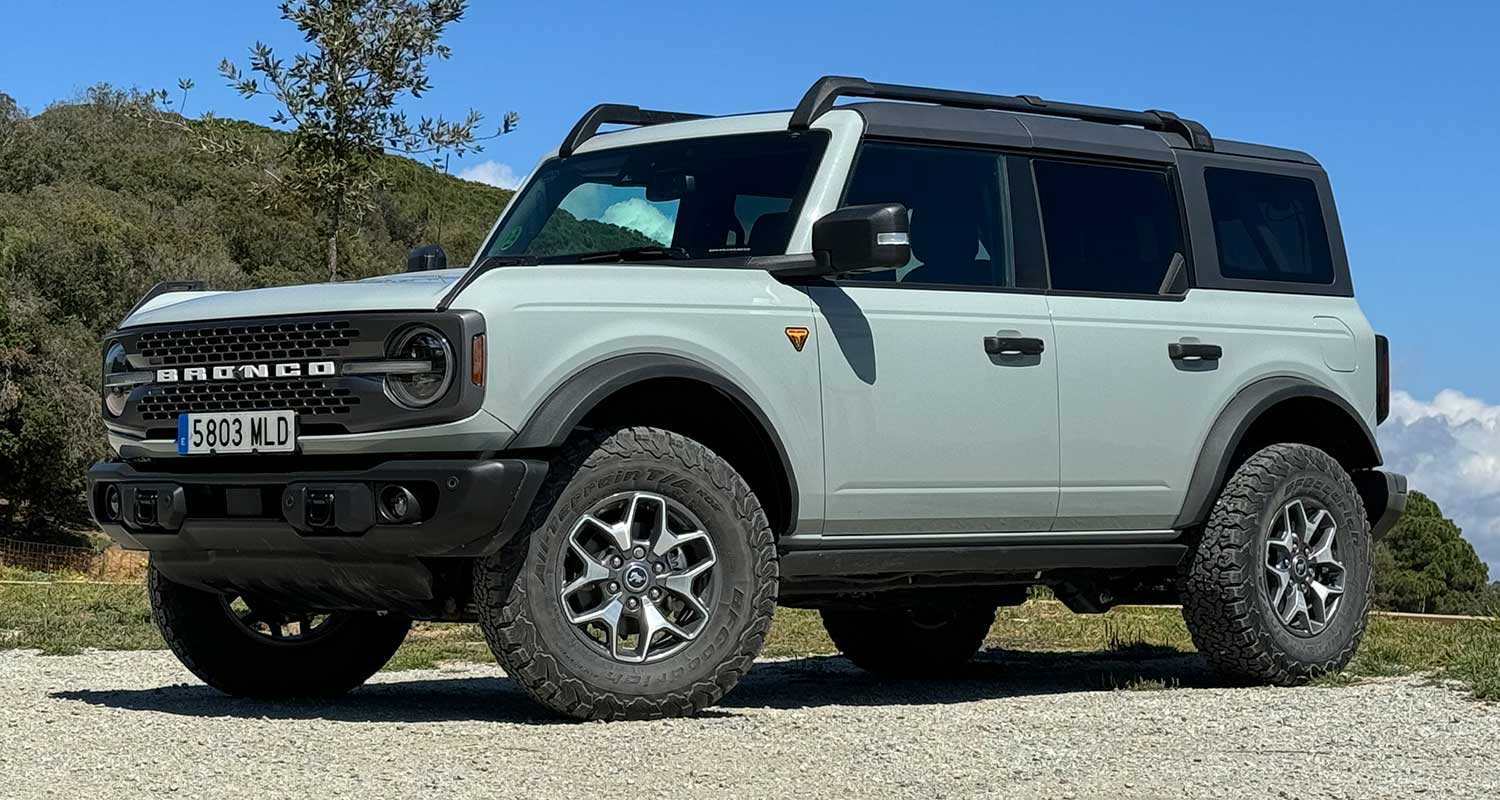
9. Ford Bronco
The Ford Bronco returned to the SUV market with a design focused on adventure, off-road capability, and heritage. Its introduction created significant interest among buyers who wanted an alternative to traditional off-road vehicles. Strong demand and limited availability during its early years helped support its resale performance.
The Bronco benefits from its connection to a historic name. Many automotive brands have models with strong recognition, but few vehicles create the same level of enthusiasm among adventure-focused drivers.
The Bronco’s return attracted both longtime fans and new customers interested in outdoor-focused SUVs.
Its design choices also contribute to market demand. Features such as removable roof panels, removable doors, and advanced off-road equipment provide a unique ownership experience. These characteristics separate the Bronco from many conventional SUVs and create a strong appeal among buyers seeking something different.
Ford also offers multiple Bronco versions designed for different types of drivers. Some focus on everyday usability, while others provide enhanced off-road equipment. This variety allows the model to attract a larger audience and supports continued interest in the used market.
The Bronco demonstrates how brand history and emotional connection can influence resale value.
Buyers are often willing to pay more for vehicles that provide personality and capability. Its combination of heritage, design, and performance has helped the Bronco become a strong competitor among SUVs with impressive value retention.
- Engine: 4.0-liter twin-turbocharged V8 petrol engine (G 63 AMG)
- Horsepower: 577 hp
- Torque: 627 lb-ft (850 Nm)
- Length: 193.8 inches (4,925 mm)
- Width: 76.0 inches (1,931 mm)
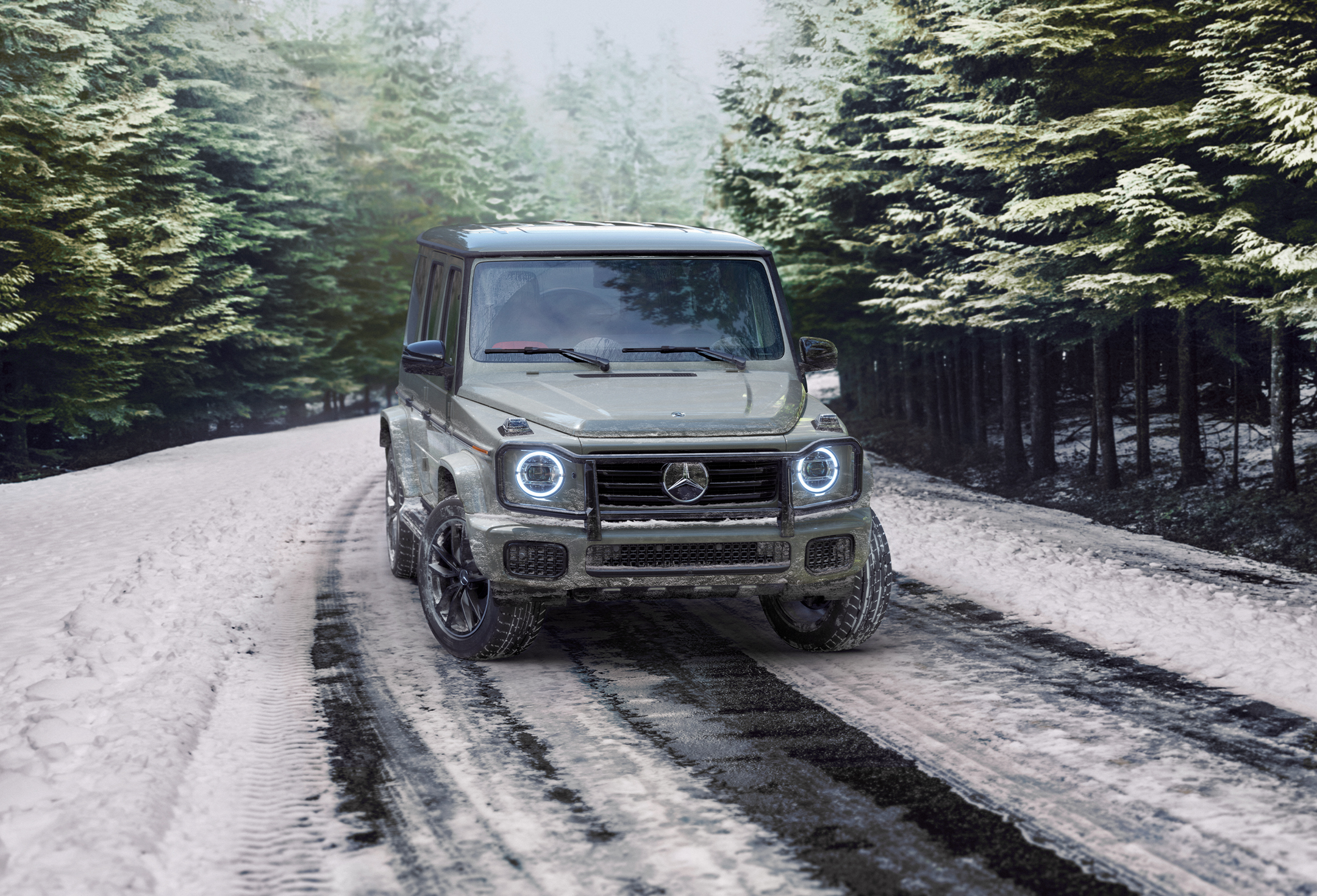
10. Mercedes-Benz G-Class
The Mercedes-Benz G-Class represents a different approach to SUV value retention. It combines luxury, exclusivity, and serious off-road engineering in a package that has remained recognizable for decades.
Although it carries a high purchase price, its limited availability and strong demand contribute to exceptional resale performance.
The G-Class has maintained a distinctive identity that separates it from many luxury SUVs. Its boxy design, premium interior, and powerful performance create a unique ownership experience. Many buyers choose the model because it represents status, craftsmanship, and individuality.
Exclusivity plays an important role in the G-Class’s value retention. Luxury vehicles often experience significant depreciation because they compete in crowded markets.
The G-Class benefits from strong brand recognition and limited supply, which helps preserve demand among buyers searching for a used example.
The vehicle’s off-road heritage also strengthens its reputation. Although many owners primarily use the G-Class in urban environments, its engineering was originally developed for demanding conditions. This combination of rugged capability and luxury appeal gives it a rare position in the SUV market.
The Mercedes-Benz G-Class highlights how emotional appeal, exclusivity, and reputation can influence resale values. Buyers are not only purchasing transportation but also a vehicle with a recognizable identity. This factor allows it to maintain value at levels that compete with some of the strongest-performing SUVs available.
Also read: 7 Cars Where the Cheapest Trim Costs the Least to Own Over Five Years