
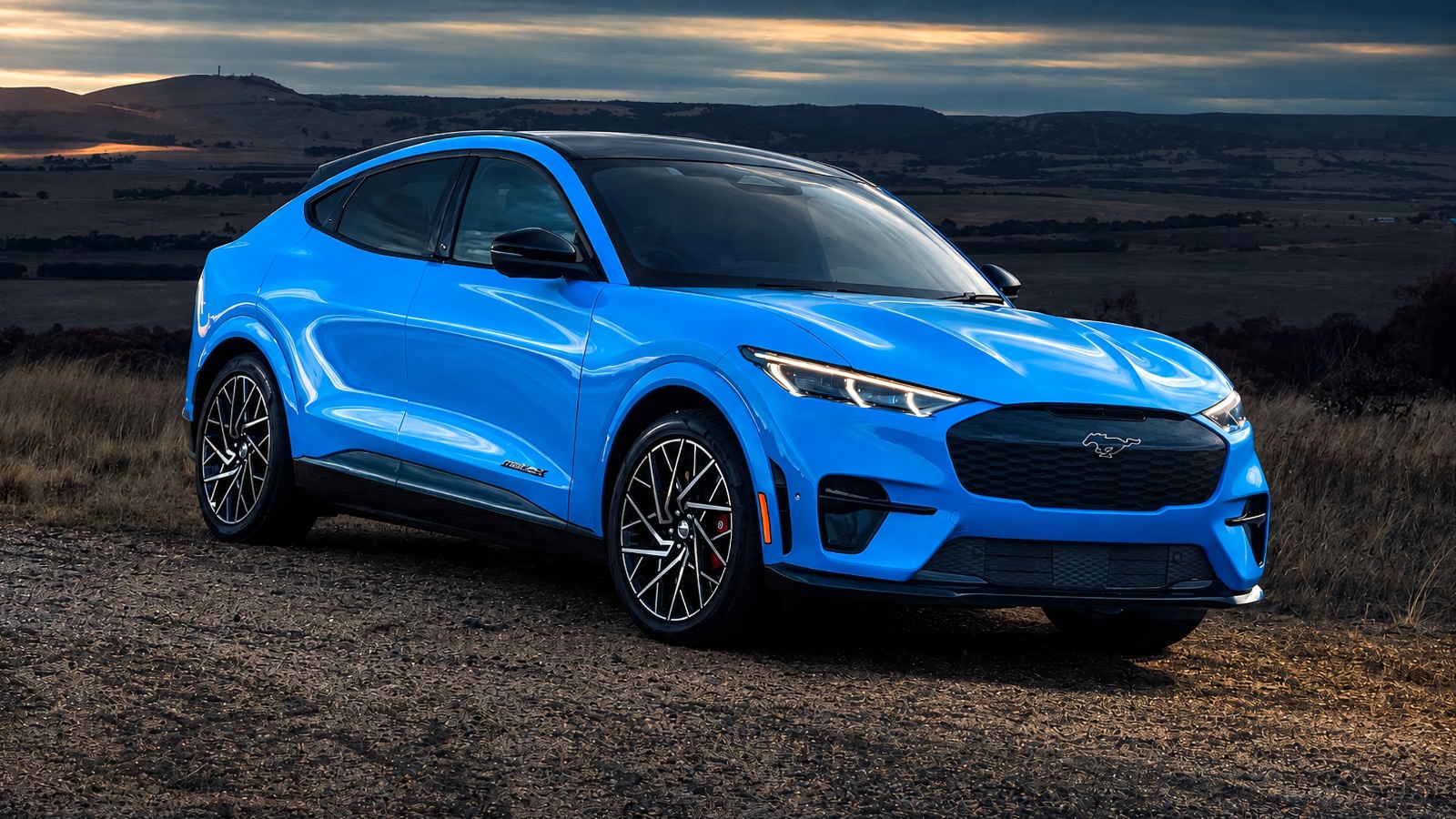
Ford Motor Company has announced two separate safety recalls affecting more than 110,000 vehicles in the United States, addressing potential windshield wiper failures in the Mustang Mach-E and a driveline defect involving certain Mustang models.
The recalls, filed with the National Highway Traffic Safety Administration (NHTSA), are part of Ford’s ongoing efforts to identify and correct safety-related issues before they lead to crashes or injuries.
The latest action comes as Ford continues placing greater emphasis on improving vehicle quality and reducing warranty costs, an initiative that CEO Jim Farley has repeatedly described as one of the company’s highest priorities.
While recalls are a routine part of the automotive industry and often represent manufacturers acting proactively to address potential defects, they also highlight the increasing complexity of modern vehicles, where mechanical components, electronics, and software must operate together with exceptional reliability.
According to Reuters and documents filed with the National Highway Traffic Safety Administration (NHTSA), the recalls involve separate issues affecting different vehicle populations.
One recall addresses windshield wiper motor performance in certain Mustang Mach-E electric SUVs, while the second involves a potential failure of the rear differential pinion shaft in specific Ford Mustang models. Combined, the two campaigns affect more than 110,000 vehicles sold in the U.S.
Ford said it is notifying owners and will perform the necessary repairs free of charge through its dealer network.
Also Read: 10 Repairs That Now Require an ADAS Sensor Recalibration
Two Different Safety Issues Prompt Separate Recall Campaigns
Although announced together, the recalls involve unrelated mechanical systems and different vehicle models.
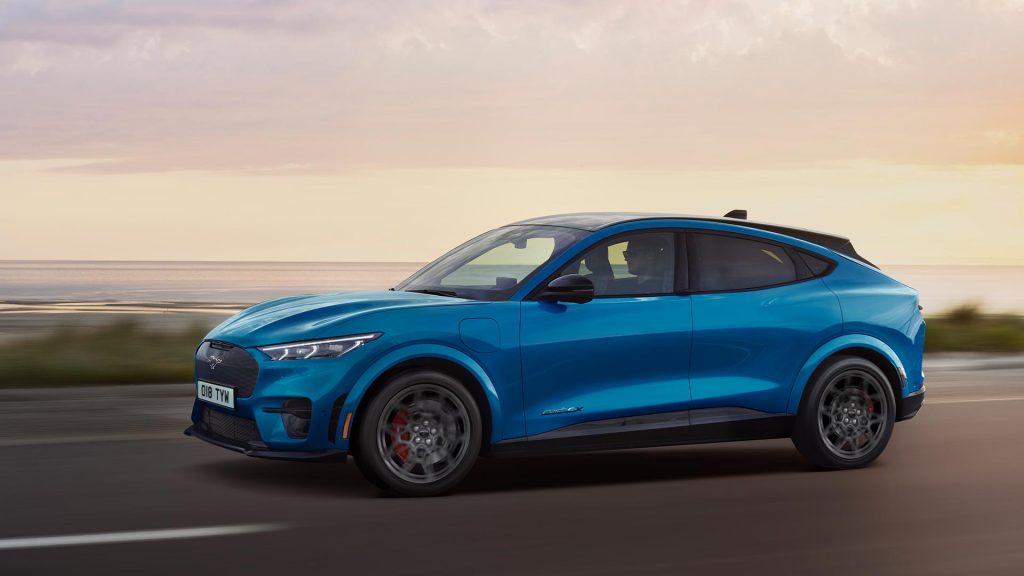
The larger of the two recalls affects certain Mustang Mach-E electric vehicles equipped with windshield wiper systems that may not operate as intended.
According to documents submitted to NHTSA, the issue involves the possibility that the windshield wiper motor could fail, reducing or eliminating the driver’s ability to clear rain, snow, or road spray from the windshield.
Loss of windshield visibility is considered a significant safety concern because it can substantially increase crash risk during adverse weather conditions. NHTSA notes that clear forward visibility is essential for safe vehicle operation, particularly during heavy rainfall or snowstorms.
According to Ford, dealers will inspect the affected vehicles and replace or repair the necessary components to eliminate the defect. Owner notification letters are expected to be mailed according to the recall schedule submitted to federal regulators.
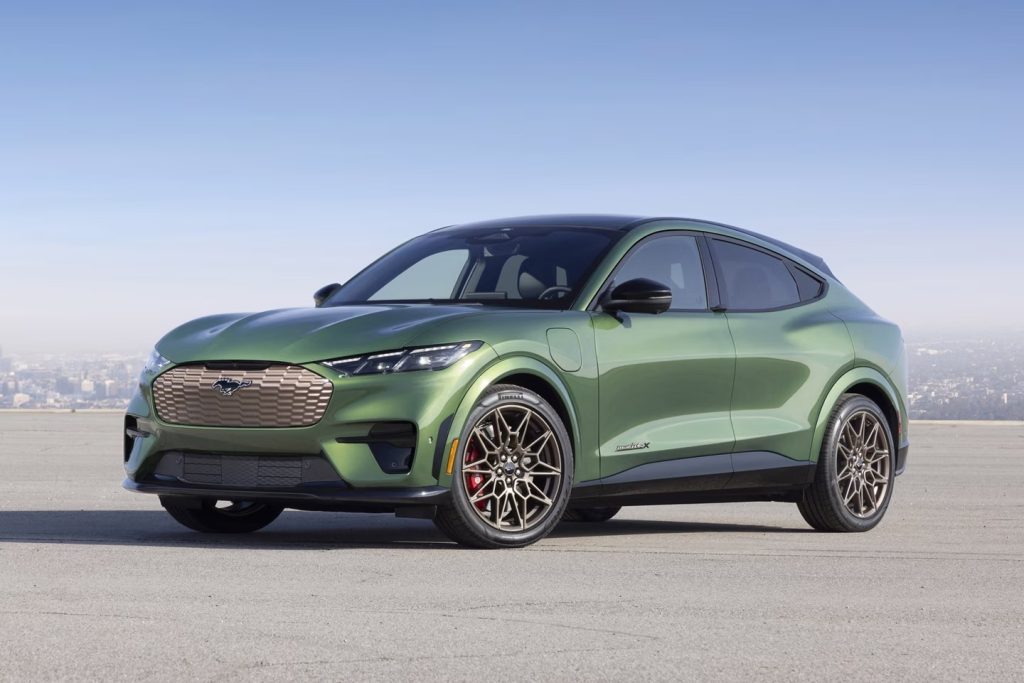
The second recall affects certain gasoline-powered Ford Mustang models equipped with rear differentials that may experience a pinion shaft-related failure.
According to Reuters and NHTSA filings, the concern involves the potential for the rear differential pinion shaft to fracture under certain operating conditions. If the component fails, the vehicle could lose motive power or, in some situations, experience damage affecting driveline operation.
Although Ford said it is not aware of widespread incidents beyond those identified during its investigation, the company initiated the recall because the defect could increase crash risk if it occurs while the vehicle is in motion.
Owners of affected Mustangs will receive instructions regarding inspections and repairs, which will also be performed at no cost.
Why Recalls Continue to Play a Critical Role in Vehicle Safety
Vehicle recalls are one of the most important mechanisms used to protect consumers after vehicles have entered the market.
Under U.S. federal law, manufacturers are required to notify NHTSA whenever they identify a safety-related defect or determine that a vehicle does not comply with applicable Federal Motor Vehicle Safety Standards. Once a recall is initiated, automakers must provide repairs free of charge regardless of whether the vehicle remains within its original warranty period.
According to NHTSA, recalls may result from manufacturer testing, supplier investigations, warranty claims, dealership reports, customer complaints, or federal defect investigations. In many cases, companies voluntarily initiate recalls before regulators complete formal investigations, allowing potential safety concerns to be addressed more quickly.
Reuters reported that Ford’s latest recalls were submitted through this established regulatory process and include detailed technical documentation explaining the affected components, potential safety risks, and proposed repair procedures.
The increasing technological complexity of modern vehicles has also contributed to the growing number of recalls across the automotive industry. Today’s vehicles contain thousands of electronic and mechanical components, advanced driver-assistance systems, software-controlled modules, and sophisticated powertrain technologies.
While these innovations improve safety, efficiency, and convenience, they also create more potential points where manufacturing defects or supplier issues may emerge.
Ford has acknowledged in recent years that improving product quality remains one of its highest operational priorities. CEO Jim Farley has repeatedly stated, including in interviews reported by Automotive News, that reducing recalls and lowering warranty costs are essential to improving customer satisfaction and strengthening the company’s financial performance.
Industry analysts note that every recall carries high costs beyond the repair itself. Manufacturers must pay for replacement parts, dealership labor, logistics, owner notifications, and administrative expenses while also managing the potential impact on brand reputation.
As a result, automakers continue investing heavily in quality control, supplier oversight, durability testing, and manufacturing improvements designed to identify defects before vehicles reach customers.
For owners of affected vehicles, the most important step is verifying whether their vehicle is included in either recall campaign.
According to NHTSA, owners can check their Vehicle Identification Number (VIN) using the agency’s online recall lookup tool or contact an authorized Ford dealership for confirmation. If a vehicle is included, the required repairs will be completed free of charge.
Ford also encourages customers to respond promptly to recall notices rather than delaying repairs, particularly when the defect involves systems affecting vehicle control or visibility. Windshield wiper performance and driveline integrity are both considered critical safety functions, making timely repairs especially important.
The latest recalls serve as another reminder that while today’s vehicles continue advancing in performance, connectivity, and safety technology, maintaining quality across millions of components remains one of the automotive industry’s greatest engineering challenges.
According to Reuters and the National Highway Traffic Safety Administration, Ford’s decision to recall more than 110,000 vehicles reflects the company’s responsibility to correct potential safety defects before they result in more serious incidents.
As Ford continues pursuing its broader quality improvement strategy, reducing the frequency of recalls while strengthening manufacturing consistency will remain central to the company’s long-term goals.
For consumers, prompt attention to recall notices and regular monitoring of NHTSA safety updates remain among the most effective ways to ensure their vehicles continue operating safely throughout their ownership experience.
