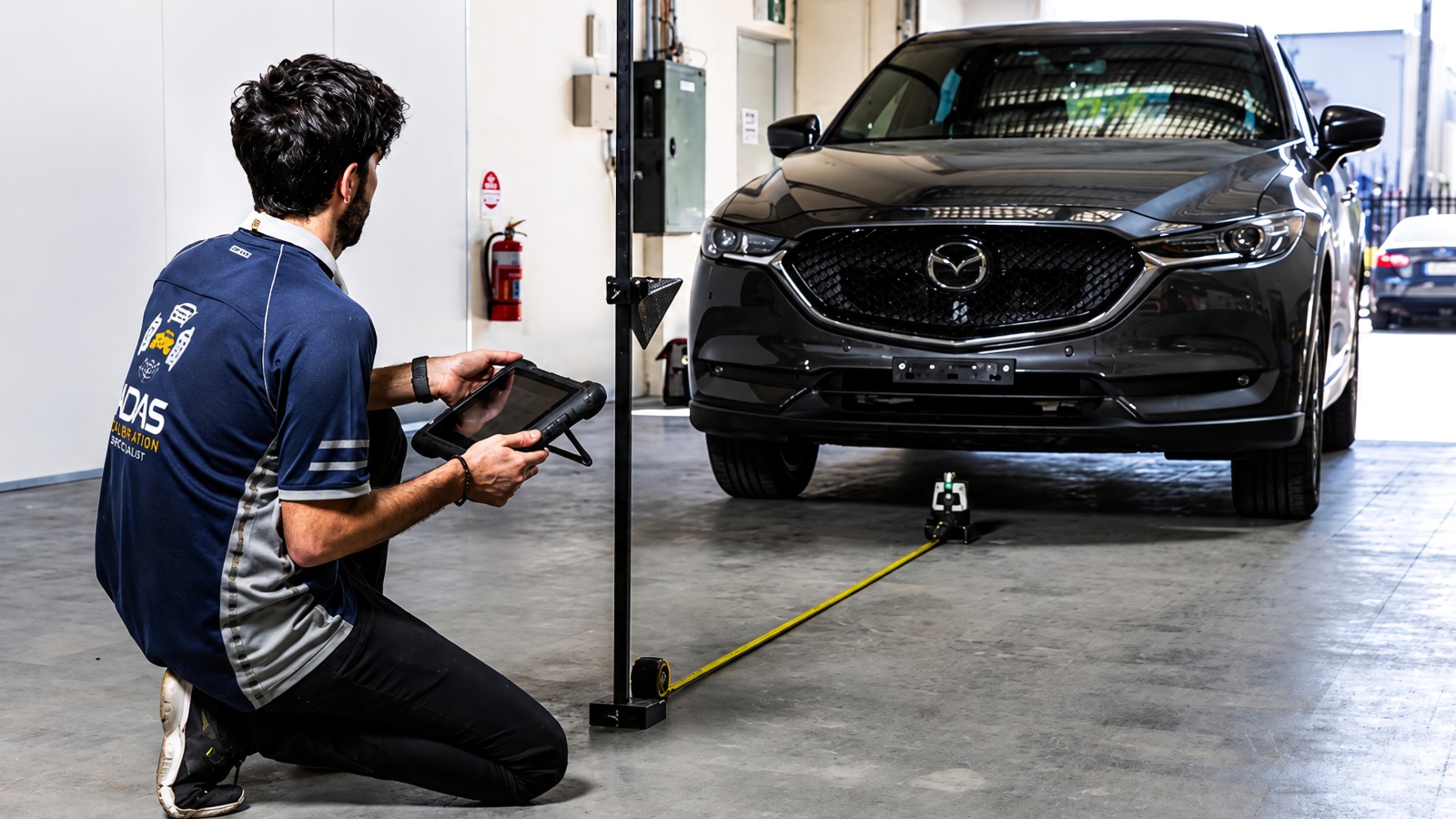
Collision repair has quietly transformed over the past decade. What once ended with paint and body work now often ends with a laptop and a set of calibration targets.
CCC Intelligent Solutions data shows calibration appeared on 28.3 percent of all repairable estimates in Q4 2025. That is up from 21.8 percent just a year earlier.
That is a jump of 6.5 percentage points in twelve months. On DRP-specific estimates, the share climbed even higher, past 35 percent. Each calibration event typically adds $350 to $500 to a repair bill. On more complex vehicles, multiple calibrations can stack on a single estimate.
This is not a niche issue anymore. Cameras, radar, and ultrasonic sensors are now woven into bumpers, mirrors, glass, and grilles. Any repair that touches these components, or even shifts the vehicle’s geometry slightly, can throw a sensor out of alignment. The vehicle will not always warn the driver.
A misaligned camera can still power the dashboard display. But it may feed slightly wrong data to automatic braking or lane keeping. Below are ten repairs that now routinely trigger a calibration. Each one reflects a system that depends on precise sensor positioning to function safely.
1. Windshield Replacement
This is the single most common calibration trigger in the industry. Most windshields today carry a forward-facing camera mounted near the rearview mirror.
That camera powers lane departure warning, automatic emergency braking, and traffic sign recognition. Removing and replacing the glass moves the camera’s exact position, even slightly.
A shift of just a few millimeters can throw off distance and angle readings. That is enough to affect braking timing at highway speed. Manufacturers require either static or dynamic recalibration after glass work. Static uses printed targets set at exact distances inside the shop.
Dynamic calibration requires driving the vehicle on marked roads at set speeds. Some vehicles, including many Subaru and Honda models, need both procedures done in sequence.
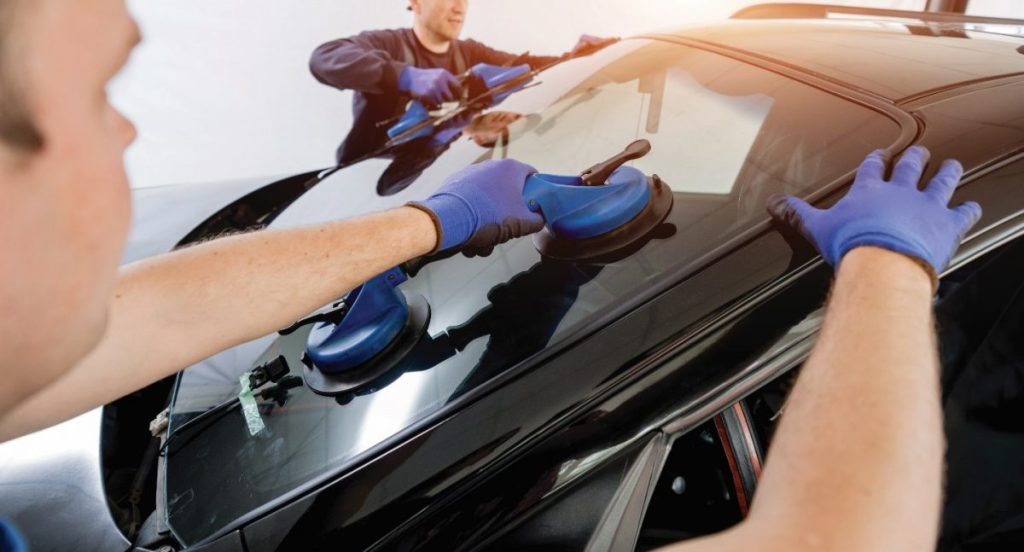
Non-OEM glass adds another layer of risk here. Slight differences in curvature or tint can prevent the camera from calibrating correctly at all. Shops now budget roughly an hour or more just for the calibration step. That is separate from the glass installation itself.
Insurers have caught up to this reality in their estimating software. Windshield line items now almost automatically flag a calibration operation. This is why glass claims, once considered simple, now carry higher average costs.
The $350 to $500 calibration fee often exceeds the glass itself. Skipping this step is not a minor oversight. It can void warranty coverage and create real safety exposure for the driver.
2. Front Bumper Cover Repair or Replacement
Front bumpers house more electronics than most drivers realize. Radar units for adaptive cruise control typically sit behind the bumper fascia or grille badge.
Parking sensors and forward collision warning sensors are frequently mounted in the same area. Even a bumper repair that leaves the radar untouched can still disturb its aim.
Removing the bumper cover to access underlying damage requires unbolting the radar bracket in many vehicles. Reinstalling it rarely returns it to the exact original angle. Radar calibration is unusually sensitive to angle. A deviation of even one or two degrees can misjudge the distance to a vehicle ahead.
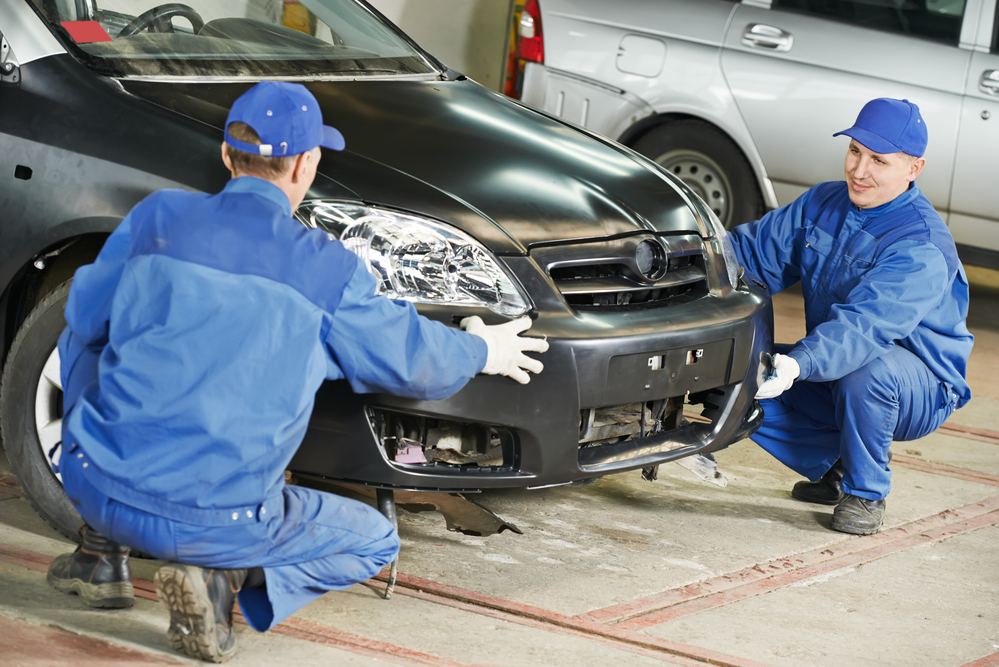
Static calibration for front radar often uses a reflector or target plate. It gets placed at a manufacturer-specified distance and height from the bumper.
Some radar systems also require a functioning static calibration paired with a road test. This confirms the sensor tracks moving objects correctly in real conditions.
Front-end collisions are among the most frequent insurance claims filed. That makes bumper-related calibration one of the most common line items shops now see.
Technicians increasingly flag this early during estimating. Waiting until teardown to discover a radar bracket was disturbed causes delays and supplement paperwork.
CCC’s data notes that most calibrations appear on supplements rather than initial estimates. Front bumper radar work is a major contributor to that pattern.
Getting this wrong affects more than comfort features. Adaptive cruise control and forward collision warning both depend directly on this sensor’s accuracy.
3. Rear Bumper Repair or Replacement
Rear-end damage is common in daily driving, especially in stop-and-go traffic. It is also a frequent trigger for sensor recalibration. Many vehicles now mount rear cross-traffic alert radar behind the rear bumper cover. This system watches for vehicles approaching from the sides while reversing.
Rear parking sensors are embedded directly in the bumper skin itself. Replacing the bumper means removing and refitting each sensor individually.
Even when sensors are not physically damaged, unbolting the bumper reinforcement bar can shift their reference position. That is enough to require verification through calibration software.
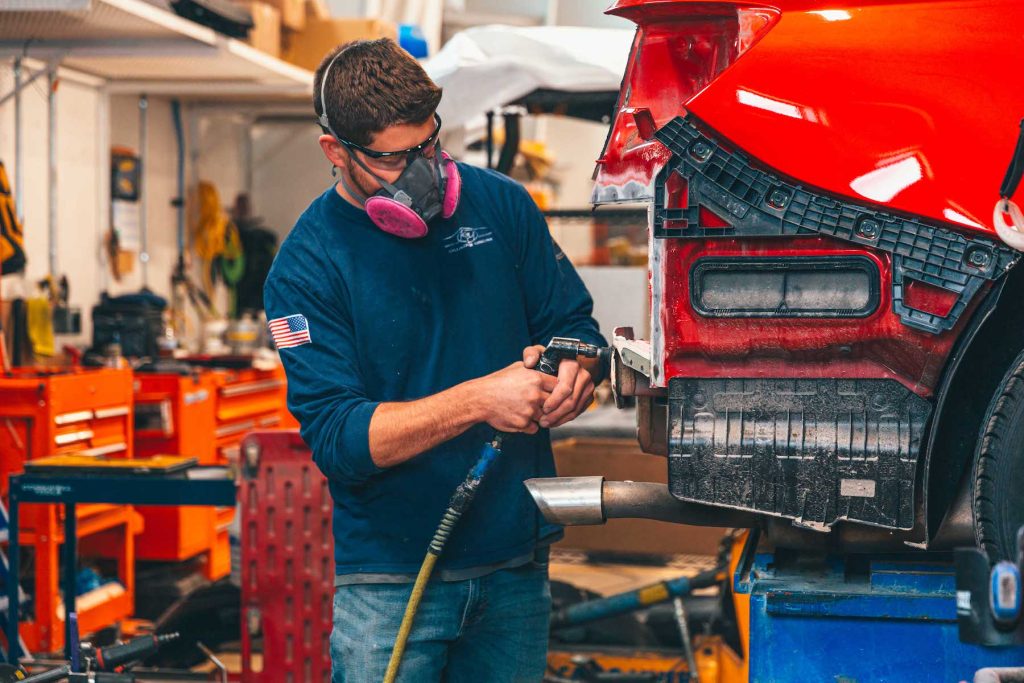
Backup cameras are often integrated into the same bumper or the trunk lid nearby. A camera reinstalled a few degrees off can distort the parking guideline overlay on the screen.
Static calibration for rear systems typically uses floor mats or target boards placed behind the vehicle. Precise measurements from the rear axle centerline are required.
Rear-end collisions used to be considered straightforward cosmetic repairs. That has changed considerably as more trim levels include rear ADAS as standard equipment.
Shops report that customers are often surprised by this add-on cost. Many still assume rear bumper work is purely a bodywork job. Insurance adjusters increasingly build calibration into initial rear bumper estimates. This reflects how standardized these sensors have become across mainstream trim levels.
Failing to recalibrate can cause false alerts or missed detections during reversing. Given how often reversing incidents involve pedestrians, this is a meaningful safety gap.
4. Wheel Alignment and Suspension Repair
This one surprises many vehicle owners. A wheel alignment sounds unrelated to cameras and radar, but it directly affects them. ADAS cameras and radar are calibrated relative to the vehicle’s thrust angle and ride height. Alignment work changes these reference points by design.
Suspension repairs after a collision often shift ride height slightly, even after parts are replaced correctly. That small change alters the field of view for forward cameras.
A camera calibrated at one ride height may aim slightly high or low after a suspension change. This affects how the system reads lane markings and following distance.
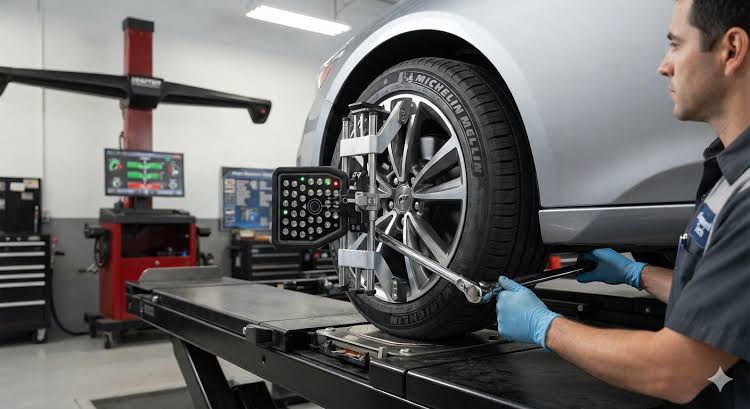
Steering angle sensors are also closely tied to alignment work. Many lane keeping and stability control systems rely on this sensor’s zero-point calibration.
After any alignment, technicians typically need to reset and recalibrate the steering angle sensor. Skipping this can cause lane keep assist to nudge the wheel incorrectly.
Struts, control arms, and springs replaced after a collision can also change suspension geometry subtly. Manufacturers increasingly specify calibration as a mandatory follow-up step.
This repair type is a good example of an indirect trigger. Nothing electronic was touched, yet the sensors still need reverification. Shops that skip this step risk a vehicle that drives straight but misreads its surroundings. That combination is difficult for a customer to notice on their own.
Insurance estimators are increasingly trained to flag calibration whenever alignment or suspension line items appear. This reflects lessons learned from earlier years of missed operations.
Also Read: 4 Full-Size SUVs Worth the Sticker vs 4 That Are Not
5. Side Mirror Replacement
Side mirrors do far more than show what is behind the vehicle now. Many house blind spot monitoring sensors and cameras for surround-view systems.
Blind spot radar units are frequently built into the mirror housing itself, not just the bumper. Replacing a mirror after a side-swipe means replacing that sensor too.
These systems are sensitive to exact mounting angle relative to the vehicle’s rear quarter panel. A slightly rotated mirror housing changes the entire detection zone.
Surround-view or 360-degree camera systems also rely on mirror-mounted cameras. All four cameras, including two in the mirrors, must calibrate together as one system.
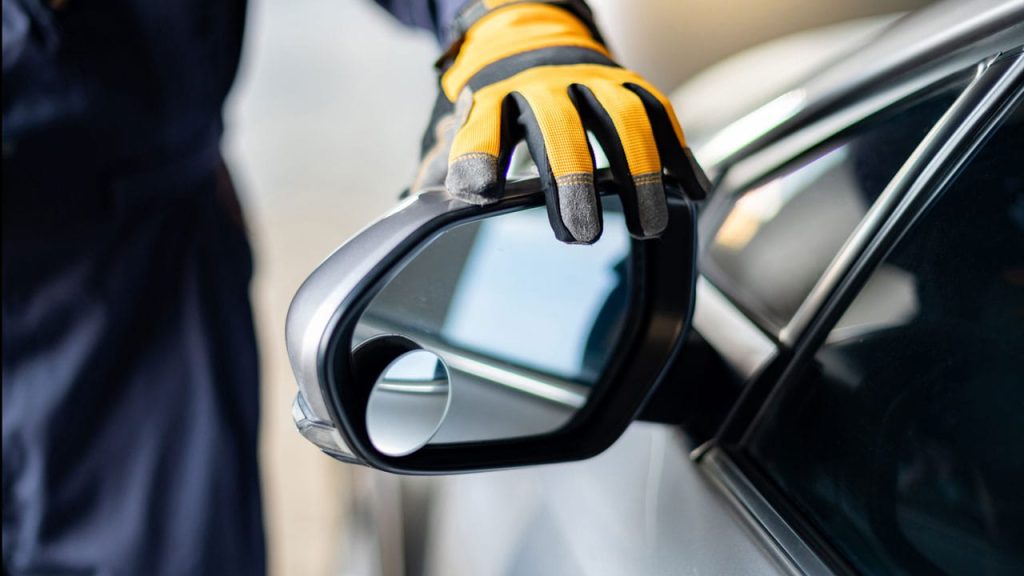
If only one mirror camera is replaced, the whole system often needs recalibration. The software stitches four separate feeds into a single overhead image.
Misalignment here does not just create a blurry picture. It can create phantom gaps or overlaps in the stitched view that hide real obstacles. Static calibration for mirror cameras usually requires targets placed on all four sides of the vehicle. This takes more shop floor space than single-camera calibrations.
Side mirror damage is extremely common in parking lot incidents and narrow road scrapes. That makes this one of the more frequent calibration triggers.
Many customers do not expect a mirror repair to involve electronic calibration at all. Clear communication from the shop is essential here. Blind spot failures are a known contributor to lane-change collisions. This makes mirror sensor accuracy a genuine safety concern, not a cosmetic one.
6. Headlamp Replacement
Adaptive headlights are now common on midrange and luxury trims. These systems adjust beam angle and intensity based on steering input and oncoming traffic.
Some headlamp units also house forward sensors that support automatic high beam control. These sensors detect oncoming headlights and adjust brightness automatically.
Replacing a headlamp assembly after front-end damage can change its mounting position slightly. This affects how the beam-leveling system references the road surface.
Beam leveling calibration is often required by law in several regions. It ensures headlights do not blind oncoming drivers after the assembly is disturbed.
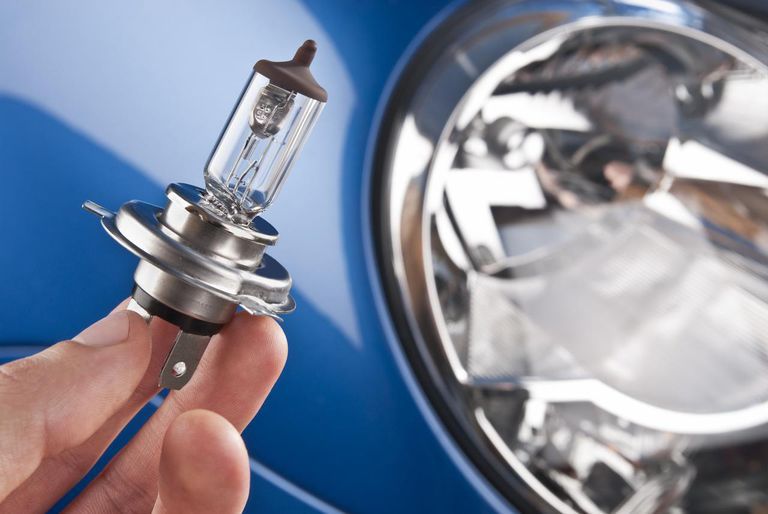
On vehicles with camera-based high beam assist, the camera itself may sit in the headlamp housing rather than the windshield. Replacement here directly requires recalibration.
Static calibration for headlamps typically involves aiming screens or laser tools in a darkened bay. Precise measurements from the vehicle’s centerline are required.
This step is frequently overlooked because headlamp work is seen as electrical, not ADAS-related. That assumption is increasingly outdated. Newer matrix LED and adaptive driving beam systems add further complexity. These systems segment the beam into zones to avoid blinding other drivers.
Improper calibration after headlamp replacement can result in beams that flare too high. This creates real glare risk for oncoming traffic at night. As adaptive lighting spreads to more mainstream vehicles, this calibration category is expected to grow. It already appears regularly on frontal collision estimates.
7. Grille Replacement
The grille might look purely decorative, but on many modern vehicles it hides critical sensors. Adaptive cruise control radar is frequently mounted directly behind it.
Some automakers integrate radar emblems into the grille badge itself. A cracked or bent grille after a frontal impact often means the radar mount shifted too.
Grille replacement requires removing and reinstalling the radar bracket in these designs. Even a precise reinstall rarely guarantees the original calibration angle survives.
Radar systems are extremely sensitive to obstruction and angle changes. A grille with slightly different plastic density or thickness can also distort radar signal transmission.
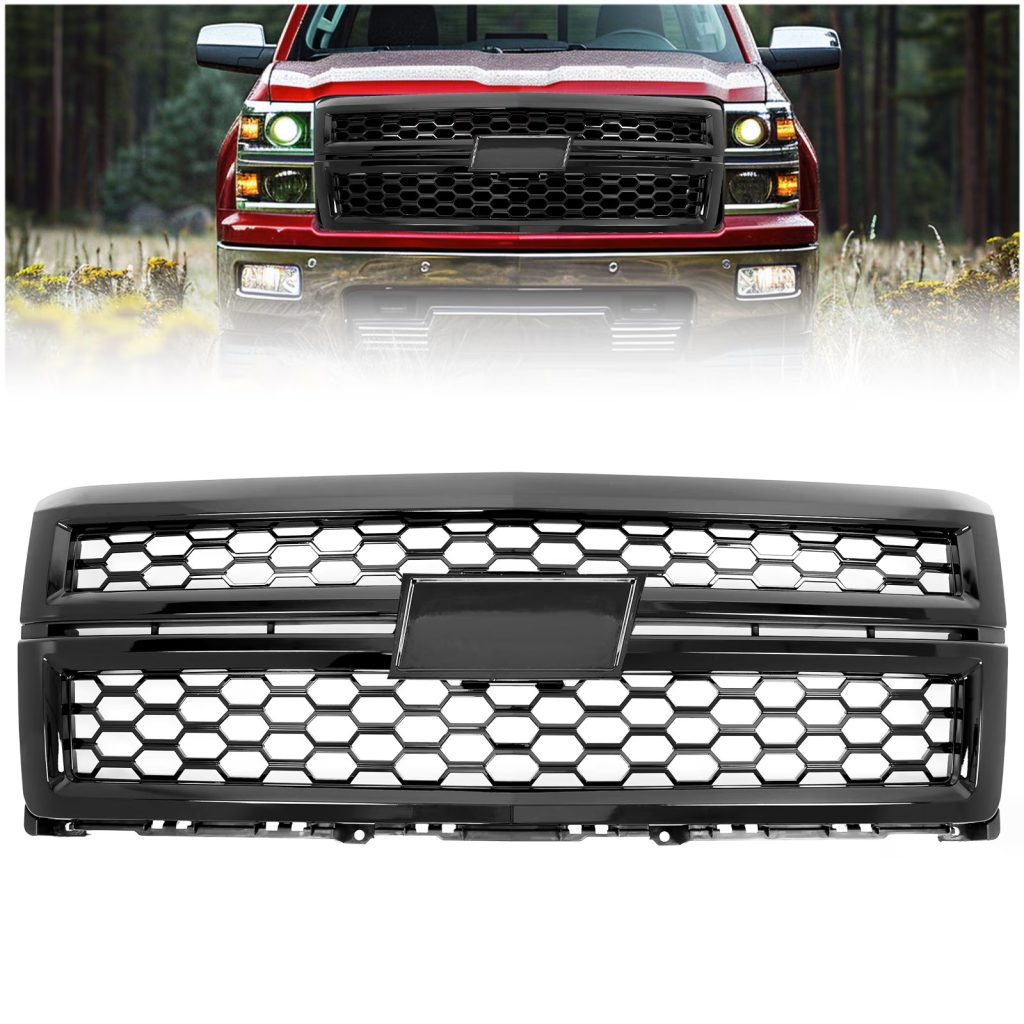
This is why manufacturers specify OEM grille parts for vehicles with integrated radar. Aftermarket grilles can interfere with radar accuracy even when correctly installed.
Calibration after grille work typically follows the same static procedure used for front bumper radar. A target plate gets positioned at a precise distance and height.
Front-end collisions frequently damage bumper and grille together. This means the two calibration triggers often appear on the same estimate. Shops need to check both components separately during teardown. A grille that looks undamaged may still have shifted the radar bracket behind it.
Estimators sometimes miss this because grille damage looks purely cosmetic on the surface. Digging into OEM repair procedures is the only reliable way to catch it.
As radar-equipped grilles become standard on more trim levels, this trigger will keep expanding. It already contributes meaningfully to rising calibration frequency industry-wide.
8. Rear Camera or Backup Camera Replacement
Backup cameras are now required equipment on new vehicles sold in the United States. That mandate alone has made this one of the most universal calibration triggers.
Cameras are typically mounted near the license plate, trunk handle, or tailgate emblem. Rear-end impacts frequently damage this exact area. Replacing the camera itself, even with an identical part, requires recalibration to align its guideline overlay. The system needs to match the new camera’s exact position.
Guideline overlays show projected wheel paths and distance markers on the display screen. A miscalibrated camera can show these lines in the wrong place entirely.
This creates a genuine safety risk during reversing, particularly around children or low objects. Drivers trust these guidelines more than they check mirrors independently.
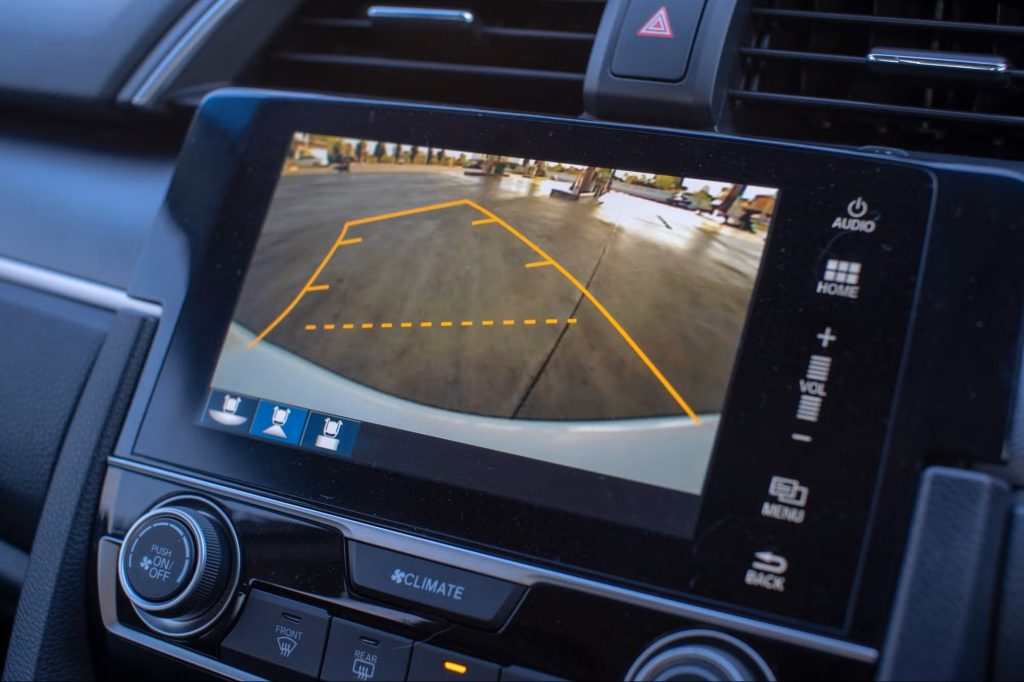
Static calibration for backup cameras uses floor targets placed at set distances behind the vehicle. The process confirms the image matches real-world measurements precisely.
Some vehicles also link the backup camera to surround-view systems, as mentioned with mirror sensors. In these cases, the whole system needs joint recalibration.
Tailgate and trunk lid repairs are common after rear-end collisions. This makes backup camera calibration one of the more frequently occurring items on rear damage claims.
Because backup cameras are federally mandated, nearly every vehicle on the road now carries one. This has pushed calibration frequency up steadily since 2018.
CCC’s historical data shows calibration inclusion rose from under one percent in 2017 to over 23 percent by 2025. Backup camera mandates are a major part of that trend.
9. Frame or Structural Straightening
Frame damage is more serious than surface panel damage, and it affects far more than fit and finish. It changes the vehicle’s entire geometric reference points.
ADAS sensors are calibrated against the vehicle’s factory centerline and reference points. Frame straightening, even when done correctly, can subtly shift these reference measurements.
This is why structural repairs almost always require a full calibration check afterward. Every camera and radar system needs to be reverified against the corrected frame.
Frame machines pull and measure the unibody back to factory specifications using laser or ultrasonic measuring systems. Even a small residual deviation can misalign multiple sensors at once.
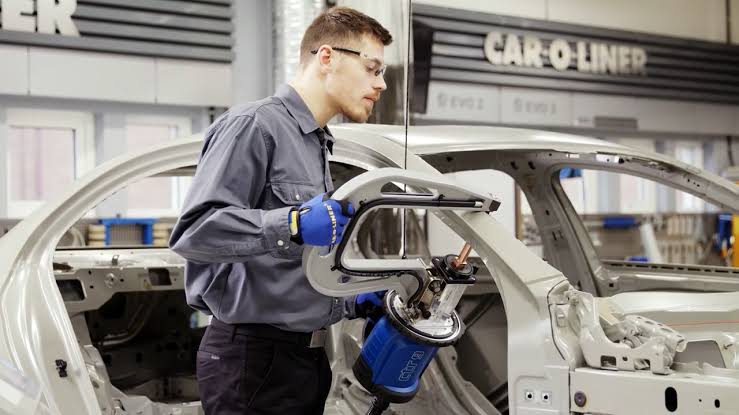
Because structural damage often accompanies bumper, grille, and headlamp damage, calibration needs tend to stack up here. A single frame repair can trigger four or five calibration operations.
This is one reason CCC’s report highlights variability as a growing challenge for shops. Structural repairs require more precise documentation and careful sequencing of each calibration step.
Technicians typically calibrate radar and camera systems only after confirming the frame measurements are within tolerance. Doing it earlier risks having to repeat the process.
Older, higher-mileage vehicles involved in more severe collisions are more likely to need frame work. This connects to the aging vehicle fleet trend noted in recent industry reports.
Structural repairs are also more likely to end in a total loss determination. Total loss frequency reached 23.1 percent of all claims in 2025, a record high.
When a vehicle with frame damage is repaired rather than totaled, calibration accuracy becomes a major liability concern for the shop performing the work.
10. Airbag and Seat Sensor Replacement
Occupant classification sensors sit inside the front passenger seat on most modern vehicles. They determine whether airbags should deploy and at what force.
These sensors work alongside seatbelt pretensioners and impact sensors as part of the broader restraint system. Replacement after airbag deployment requires careful recalibration of the whole system.
While not a camera or radar system in the traditional ADAS sense, occupant sensors are now grouped into calibration requirements by most manufacturers. They demand precise reinstallation and software reset.
Seat sensors must be calibrated to recognize weight distribution accurately. A miscalibrated sensor might fail to detect a child seat or a smaller adult correctly.
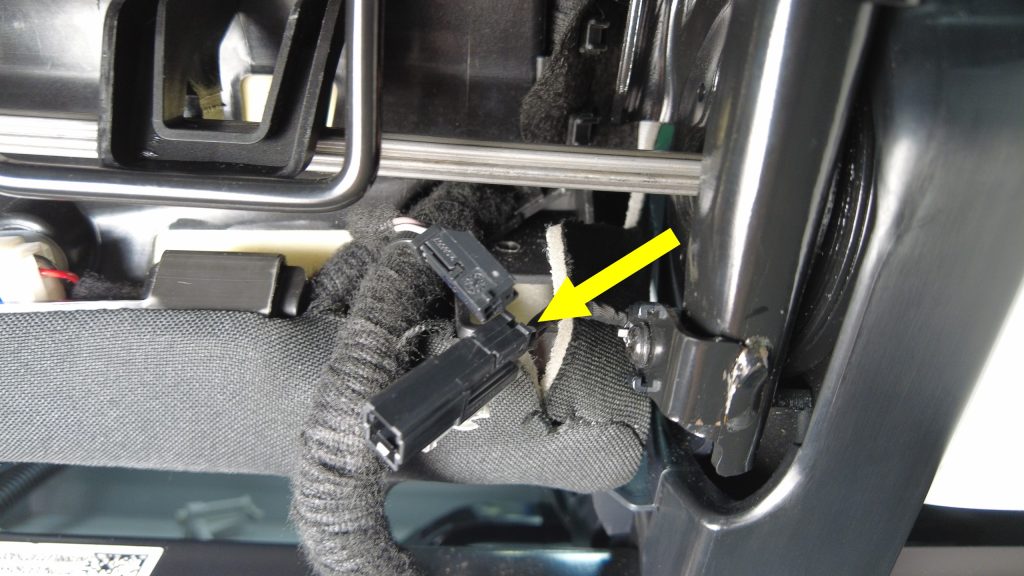
This affects whether airbags deploy at full force, reduced force, or not at all in a crash. Getting this wrong has serious consequences for occupant safety.
Steering wheel airbag replacement also often requires resetting the clock spring and steering angle sensor together. These two systems are more connected than most drivers assume.
Crash sensors mounted in the bumper and pillars require verification after any airbag deployment. Technicians confirm sensor resistance values match manufacturer specifications precisely.
This category of calibration is less visible to customers than camera-based systems. There is no dashboard display showing the result directly. Yet it remains one of the most safety-critical calibration categories on any estimate. Restraint system errors can be catastrophic in a subsequent collision.
As airbag and seat sensor complexity grows, this calibration category is increasingly bundled into standard post-deployment repair procedures across nearly all manufacturers.
Also Read: 5 Compact Trucks Worth Buying vs 5 to Skip