Renault has announced another major investment in its European battery manufacturing operations, reinforcing its long-term commitment to electric vehicles as competition in the global EV market continues to intensify.
The expansion is designed to strengthen the company’s battery supply chain, increase production capacity for future electric models, and support Renault’s ambition to remain one of Europe’s leading manufacturers during the transition to zero-emission mobility.
The announcement comes at a time when battery production has become one of the most strategically important areas of the automotive industry.
As governments across Europe continue tightening emissions regulations and encouraging electrification, automakers are investing billions of dollars in localized battery manufacturing to reduce dependence on overseas suppliers, lower production costs, and improve supply chain resilience.
According to Automotive News Europe, Renault’s latest investment reflects growing confidence in long-term EV demand while positioning the company to meet increasing production requirements throughout the remainder of the decade.
The expansion also highlights a broader trend across the European automotive sector. Manufacturers are no longer focusing solely on launching new electric vehicles.
Instead, they are investing heavily in the infrastructure needed to support large-scale EV production, including battery factories, raw material sourcing, recycling facilities, and software development. For Renault, strengthening battery manufacturing has become just as important as developing new electric models.
Also Read: 10 Trucks With Suspensions That Sag Under a Load
Expanding Battery Production to Support Future Growth
According to Automotive News Europe, Renault’s latest investment is aimed at significantly increasing battery production capacity for future electric vehicles.
While the company has not disclosed every technical detail surrounding the expansion, executives indicated that the additional investment will improve manufacturing efficiency and ensure the company has sufficient battery supply as EV sales continue to increase across Europe.
Battery availability has become one of the biggest challenges facing the automotive industry. Unlike traditional gasoline vehicles, electric vehicles depend heavily on a reliable supply of lithium-ion battery cells, modules, and complete battery packs.
Any disruption in battery production can directly affect vehicle manufacturing, making localized production increasingly valuable.
Renault has spent the past several years building an integrated European EV ecosystem. The company’s ElectriCity manufacturing network in northern France has become the centerpiece of this strategy, bringing together vehicle assembly, battery production, engineering, and research facilities within a closely connected manufacturing hub.
According to Renault Group, concentrating these operations in one region improves efficiency while reducing transportation costs and production complexity.
Industry analysts believe localized battery production offers several important advantages beyond manufacturing efficiency. Producing batteries closer to vehicle assembly plants shortens supply chains, reduces exposure to global shipping disruptions, and allows manufacturers to respond more quickly to changes in market demand.
It also supports Europe’s broader goal of developing a competitive domestic battery industry capable of reducing dependence on imported battery technology.
Renault’s decision reflects the growing realization that battery production is no longer simply another supplier relationship. Instead, it has become a core strategic capability that directly influences profitability, vehicle pricing, and long-term competitiveness.
Strengthening Renault’s European EV Strategy
Battery manufacturing represents only one part of Renault’s broader electrification strategy, but it is among the most important.
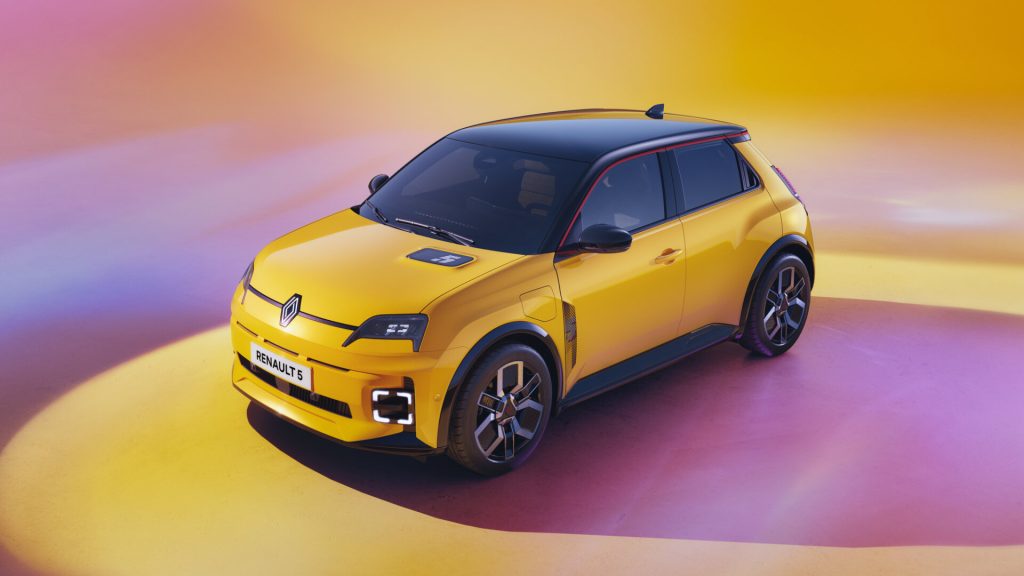
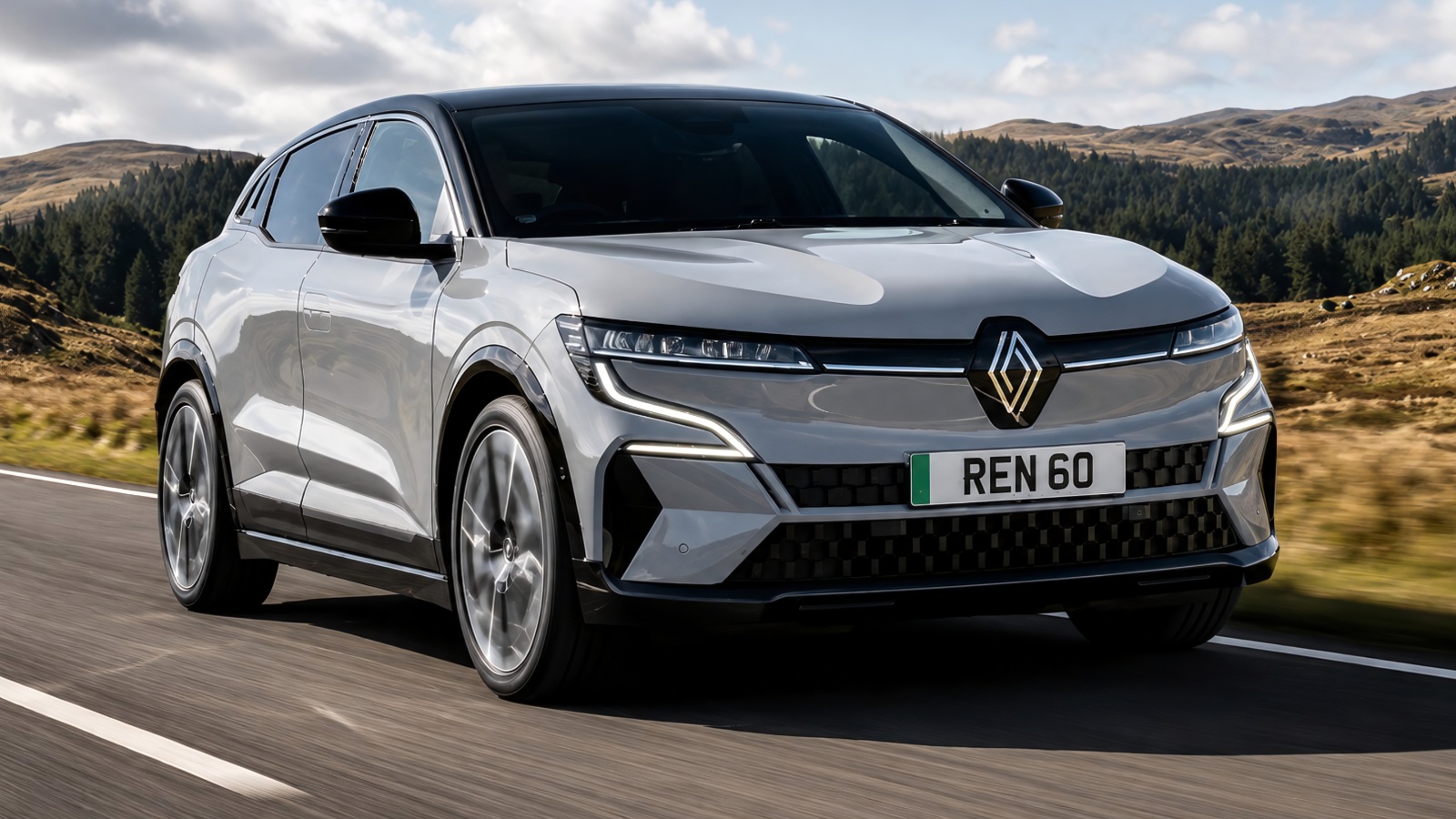
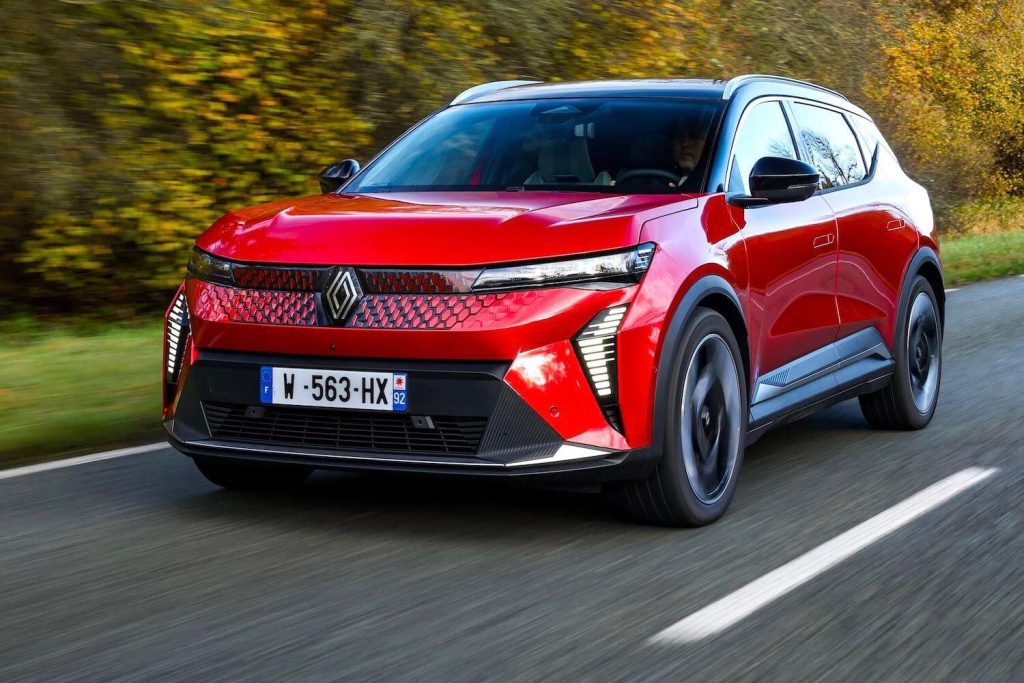
The company has steadily expanded its electric vehicle portfolio with models such as the Megane E-Tech Electric, Scenic E-Tech Electric, Renault 5 E-Tech Electric, and the upcoming Renault 4 E-Tech.
According to Renault Group, additional electric vehicles are scheduled to join the lineup over the next several years as the company works toward significantly increasing the share of battery-electric vehicles in its European sales mix.
Supporting that product expansion requires a dependable supply of advanced battery systems. According to Automotive News Europe, the latest investment will help Renault prepare for rising production volumes while improving long-term manufacturing flexibility.
The company has also emphasized sustainability throughout its battery strategy. Renault continues investing in lower-carbon manufacturing processes, improved battery recycling technologies, and greater use of recycled materials in future battery production.
Executives have repeatedly stated that reducing the environmental footprint of battery manufacturing is just as important as eliminating tailpipe emissions from electric vehicles.
Another important objective is cost reduction. Batteries remain the single most expensive component in most electric vehicles, accounting for a substantial portion of total production costs. Increasing manufacturing scale allows automakers to spread fixed investments across larger production volumes while improving manufacturing efficiency.
Industry experts expect battery prices to continue declining gradually over the coming years as production expands, manufacturing techniques improve, and new battery chemistries become commercially viable. Lower battery costs could make future electric vehicles more affordable while improving profit margins for manufacturers.
Renault’s investment also supports employment and industrial development within Europe. Governments throughout the region have encouraged battery manufacturing through financial incentives and industrial partnerships, recognizing the importance of maintaining a competitive automotive sector as electrification accelerates.
Competition Intensifies as Europe’s EV Market Evolves
Renault is far from alone in expanding battery production. Nearly every major automaker operating in Europe has announced large-scale battery investments over the past several years.
Volkswagen continues developing multiple battery gigafactories across Europe through its PowerCo division, while Stellantis has invested heavily in battery manufacturing through its ACC joint venture.
Mercedes-Benz, BMW, Volvo, Hyundai, Ford, and Tesla have all announced additional European battery production projects designed to support future electric vehicle manufacturing.
This wave of investment reflects the growing importance of battery supply security as EV adoption continues expanding.
According to Automotive News Europe, manufacturers increasingly recognize that controlling battery production provides greater stability during periods of supply chain uncertainty while reducing dependence on external suppliers.
Competition is also intensifying in terms of battery technology itself. Automakers are pursuing improvements in energy density, charging speed, durability, thermal management, and manufacturing efficiency.
Several companies are also investing in next-generation technologies such as solid-state batteries, which promise higher energy density, faster charging, and improved safety compared with today’s lithium-ion designs.
For Renault, expanding battery production now provides flexibility to incorporate future battery technologies as they become commercially viable. Rather than treating battery manufacturing as a fixed investment, the company appears to be building a production network capable of evolving alongside rapidly advancing technology.
The investment also reflects Renault’s confidence that electric vehicles will continue gaining market share despite recent fluctuations in EV demand across some European markets.
While sales growth has moderated in certain countries following changes to government incentives, analysts generally expect long-term adoption to continue increasing as charging infrastructure expands, battery prices decline, and new vehicle choices become available across more price segments.
According to Automotive News Europe, Renault believes strengthening its battery manufacturing capabilities today will position the company for long-term success as Europe’s automotive industry undergoes one of the most significant technological transitions in its history.
The latest announcement demonstrates that Renault views battery production as a strategic foundation for its future rather than simply another manufacturing process.
By expanding domestic battery capacity, improving supply chain resilience, investing in sustainability, and supporting future electric vehicle production, the company is reinforcing its commitment to remaining one of Europe’s leading automotive manufacturers in the electric era.
As competition among global automakers increasingly shifts from engine development to battery technology, manufacturing efficiency, and software integration, investments such as Renault’s are becoming critical to long-term competitiveness.
While consumers often focus on new vehicle launches, the factories producing the batteries that power those vehicles may ultimately prove just as important in determining which manufacturers lead the next generation of the automotive industry.
Also Read: 10 Hidden Costs Buried Inside a Monthly Payment Quote