

Many car buyers hear the same question when they visit a dealership. The salesperson asks what monthly payment feels comfortable. It sounds like a simple way to find a budget, but it can end up costing much more. Once your attention is fixed on the monthly payment, the finance manager can add extra products and increase the payment by only $20 or $30. That small difference often goes unnoticed, even though it can raise the total cost of the loan by thousands of dollars.
This sales method is called payment packing. Instead of discussing the full vehicle price, interest rate, and optional extras, the conversation stays fixed on one monthly figure. That makes it easier for extra charges to slip into the loan without attracting attention. Here are ten hidden costs that are often included this way.
1. Marked-Up Extended Service Contracts (Extended Warranties)
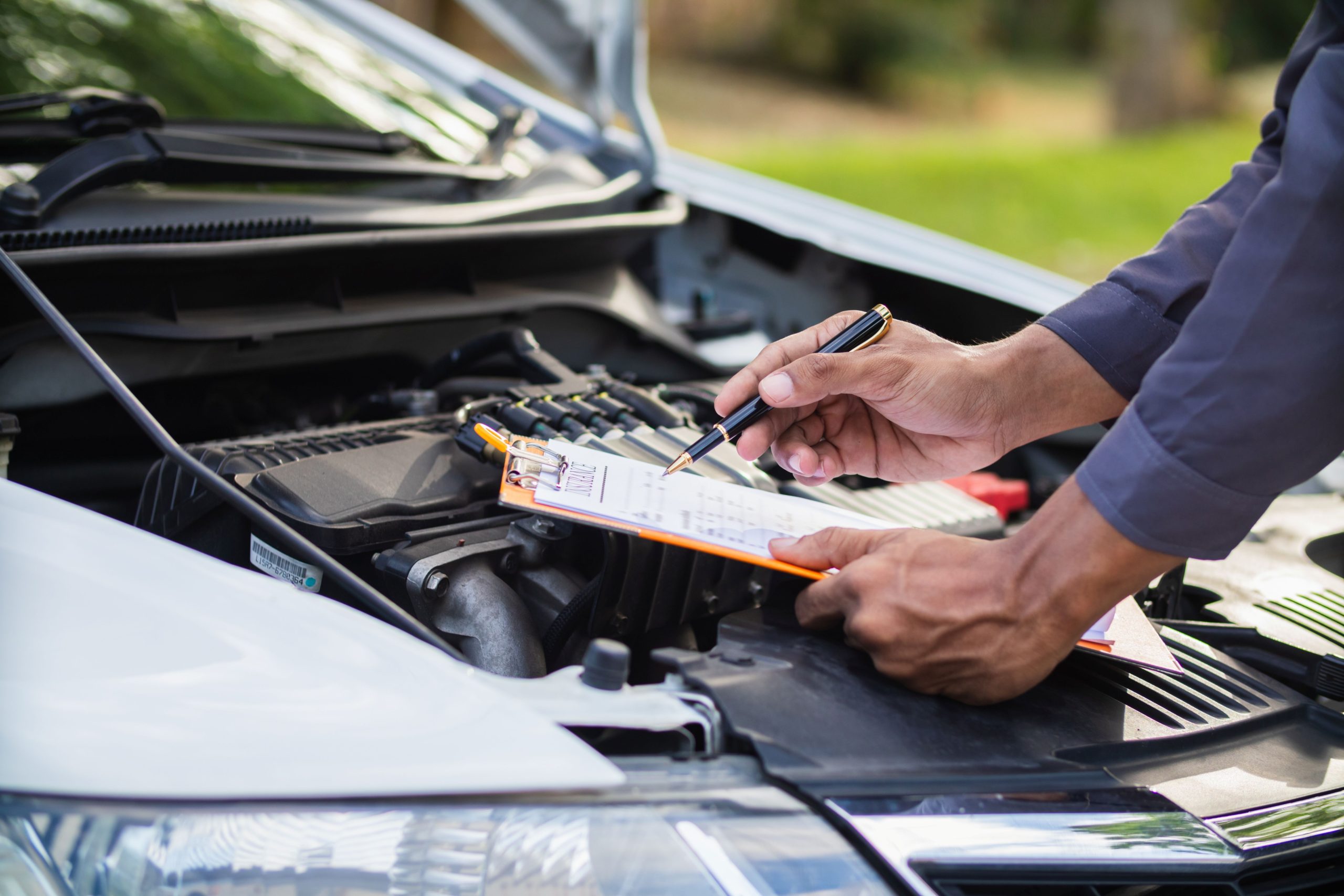
An extended warranty can be a good purchase for some vehicle owners, especially if they plan to keep the car long after the factory warranty expires. It can help reduce repair costs when expensive parts fail. The issue is not the warranty itself but the way some dealerships include it during the financing process.
Instead of showing you the actual price, the finance manager may simply say, “It will only add about $40 to your monthly payment.” That small increase sounds affordable, so many buyers agree without asking what the warranty really costs.
Looking at the figures tells a different story. Adding $40 per month to a 72-month loan totals $2,880 before interest is even included. Since the warranty is included in the financed amount, you also pay interest on it throughout the loan. In some cases, the total cost ends up much higher than expected.
Many buyers only realize they purchased an extended warranty after reading through their paperwork days or even weeks later. That does not mean you should reject every extended warranty. Some plans offer good value, especially for vehicles with costly repair bills. The smart move is to ask for the full price in writing before agreeing to anything.
Compare that amount with similar plans from other warranty providers and decide whether the coverage is worth the money. Treat the warranty as a separate purchase instead of allowing it to disappear into the monthly payment, where its true cost is much easier to miss.

2. Overpriced GAP Insurance
Picture totaling a car that’s still worth less than what you owe on the loan. That gap between insurance payout and remaining balance is exactly what GAP insurance exists to cover, and it’s a legitimately useful product for buyers making small down payments or financing over long terms.
Where things get murky is pricing. Credit unions and banks frequently offer this same coverage for $300 to $500, a fair price reflecting its actual cost and risk. Dealerships, meanwhile, often charge $900 to $1,500 for functionally identical protection.
That markup gets buried the same way everything else on this list does, through a modest-sounding monthly increase rather than a disclosed dollar figure. Fifteen to twenty-five extra dollars a month feels forgettable in the moment, especially in the midst of a stack of paperwork and a salesperson eager to move toward signatures.
Multiply that monthly bump across a loan term, though, and buyers routinely discover they’ve paid three times what a credit union would have charged for the exact same coverage. Smart shoppers call their bank or credit union before visiting a dealership and ask directly what GAP coverage costs through that institution.
Walking in with that number already in hand makes it far harder for a finance manager to quietly upsell a marked-up version without at least addressing the price difference directly.
Also Read: 7 Hidden Costs of Owning an EV Nobody Talks About
3. Credit Life and Disability Insurance
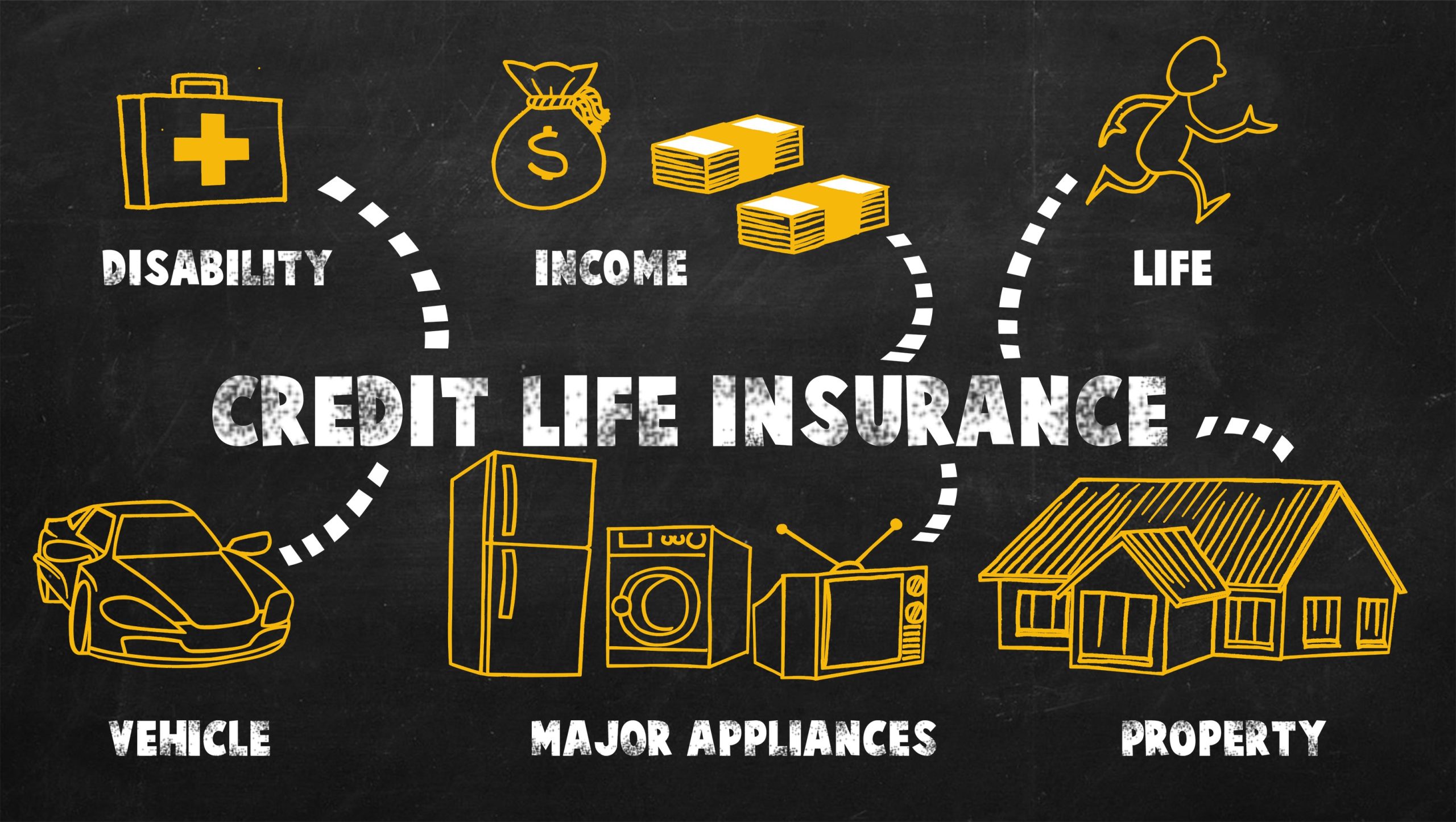
This particular product carries real emotional weight, which is precisely why it works so effectively as a packed add-on. Credit life and disability insurance promises to pay off or help cover an auto loan if the borrower dies or becomes disabled during the loan term.
Framed that way, declining the coverage can feel uncomfortable, almost like betting against your own family’s financial security. Some finance managers lean into that discomfort, presenting the insurance as though it’s a standard or even required part of financing, when in most cases, it remains entirely optional.
Cost and value rarely align well with this product. Compared to standalone life or disability insurance policies purchased independently, credit life and disability coverage sold through a dealership tends to carry a considerably higher price relative to the protection it actually provides.
Because the premium gets rolled into the loan rather than billed separately, it compounds with interest over the life of the loan, quietly increasing the total cost well beyond the sticker price attached to the coverage itself.
Buyers who feel genuinely interested in this type of protection are almost always better served comparing it against a term life policy or disability coverage through their own employer or an independent insurer first.
Asking directly, “Is this required, or optional?” during financing discussions is a simple question that dealerships are legally obligated to answer honestly.

4. Tire and Wheel Protection Packages
A rounded monthly payment may seem harmless, and many buyers do not think twice when a finance manager says the payment will be “$450 a month” instead of the actual $435. That small difference can easily hide the cost of a tire and wheel protection plan worth between $700 and $1,000.
Since the payment looks simple and easy to remember, many people never realize another product has been added to their loan. Tire and wheel protection can be useful for drivers who regularly travel on roads with potholes, broken pavement, or other hazards that can damage tires or rims.
Even so, buyers should have the chance to decide whether they want the coverage instead of having it quietly included in the financing. Many people only discover they paid for the plan after carefully reading their finance documents at home.
By then, removing the coverage may involve paperwork, cancellation requests, and waiting for any refund that applies. Before signing any agreement, ask for a detailed breakdown of every charge included in your monthly payment.
Every product, service, and fee should have its own listed price so you know exactly what you are paying for. If the finance manager avoids providing that information or struggles to explain the figures clearly, consider it a warning sign. Honest pricing should always be easy to understand before you agree to the deal.
5. Pre-Applied Chemical Packages (Paint and Fabric Protection)
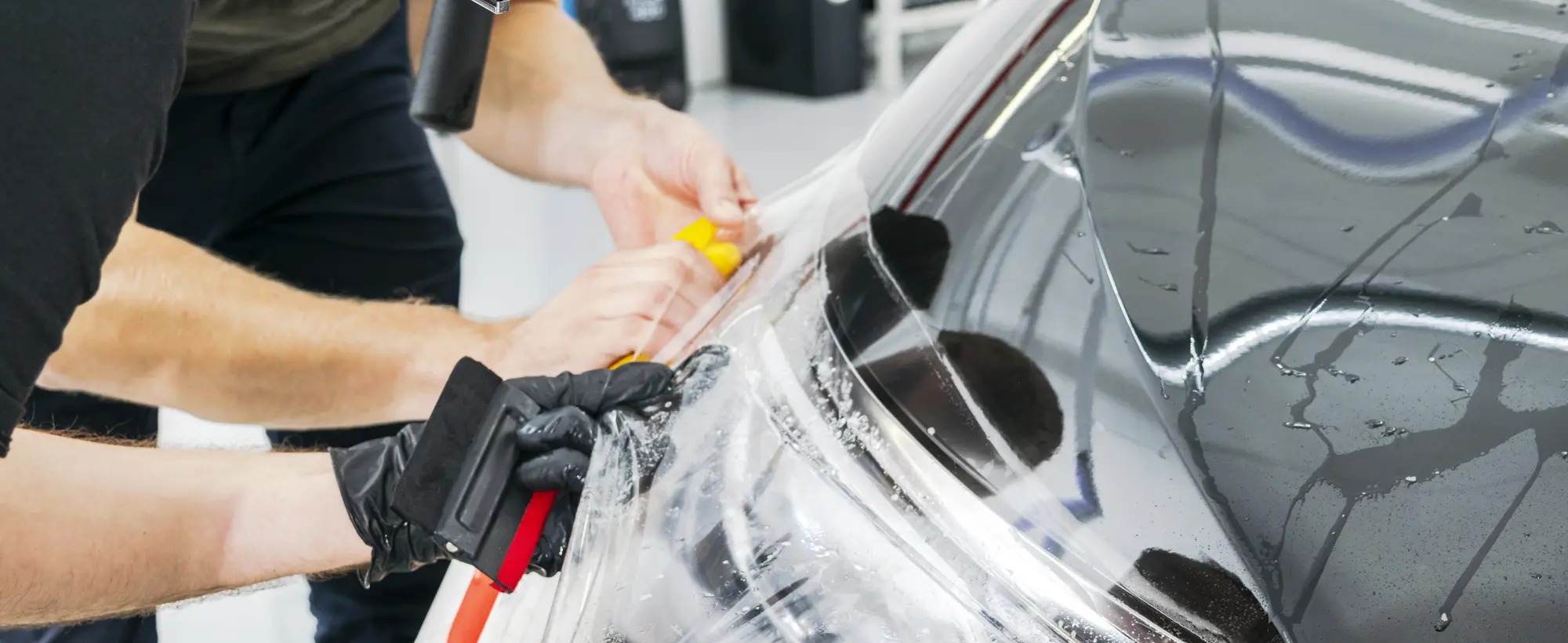
There’s a particular sales tactic that removes choice from the equation entirely: telling a buyer the treatment has already been applied. Paint sealant, fabric protection spray, undercoating- these chemical packages carry retail prices ranging anywhere from $500 to $2,000, and once a dealer claims the product is already on the vehicle, declining feels nearly impossible.
After all, how does a buyer refuse something that’s supposedly already been sprayed onto the paint or soaked into the upholstery? This approach flips the normal sales relationship on its head. Instead of asking permission to add a product, the dealer presents it as a completed action requiring only payment, financed quietly through a slightly higher monthly figure rather than disclosed as a distinct charge.
Independent detailing shops offer comparable, sometimes superior, paint and fabric protection for a fraction of dealership pricing, without requiring it to be bundled into a car loan and paid off with interest over five or six years.
Buyers facing this claim have every right to ask for documentation proving the treatment was actually applied, along with the exact retail cost of the product and labor. In many cases, that simple request alone opens the door to negotiating the charge down or removing it from the deal altogether.
6. Window Tint and Clear Bra Add-ons
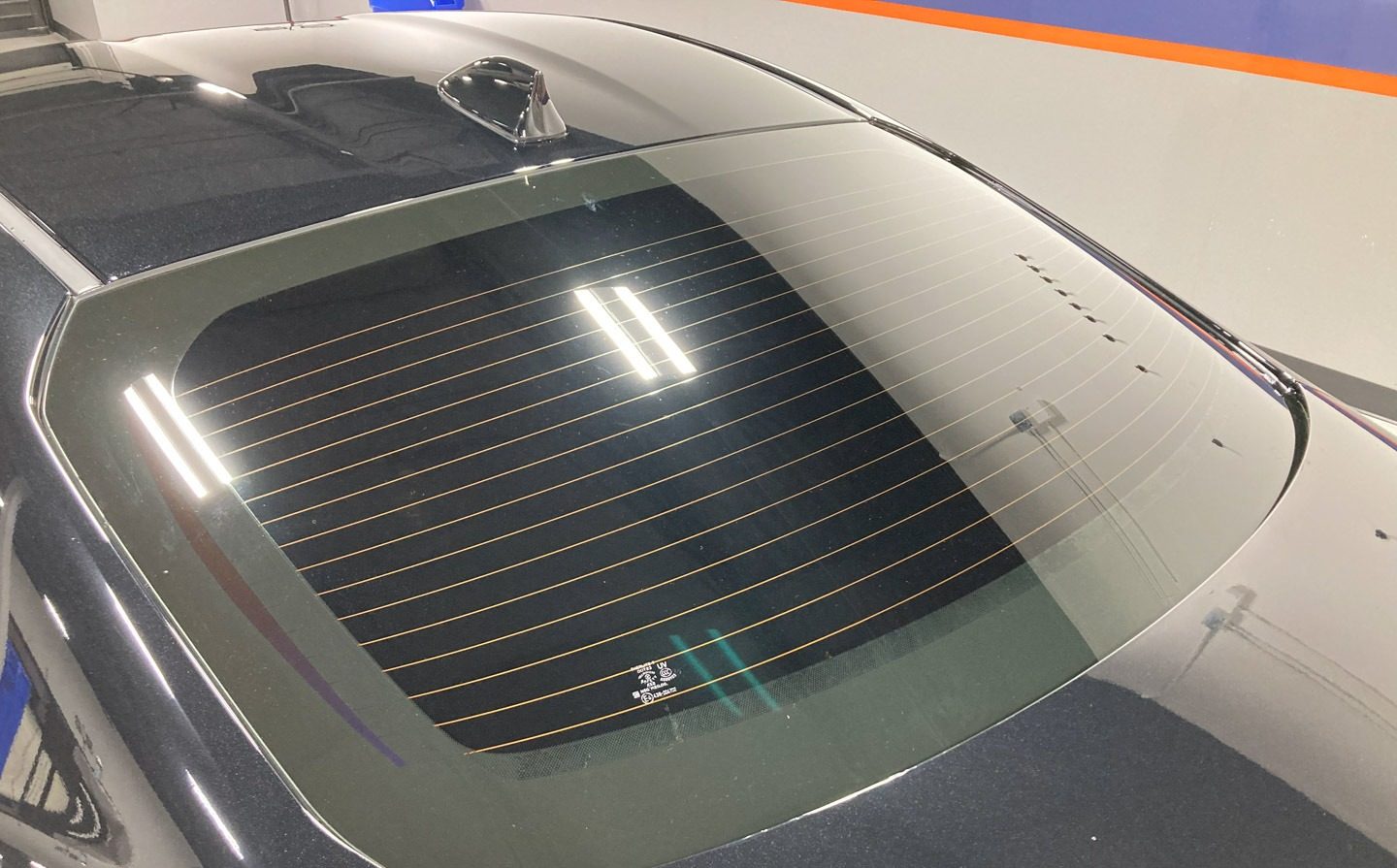
Many dealerships sell vehicles with window tint or paint protection film already installed. Because these additions are on the vehicle before purchase, buyers often assume they came from the factory. In many cases, the dealership installed them and added the cost to the selling price or financing without drawing much attention to it.
The price of these accessories varies depending on the materials and coverage. Quality window tint can cost several hundred dollars, while paint protection film may cost well over a thousand dollars. Instead of listing these charges separately, some dealerships include them in the loan, making the monthly payment only slightly higher and easier to overlook.
To avoid paying for accessories you did not request, ask whether the vehicle has dealer-installed extras and request a written breakdown of each charge. This allows you to decide if the additions are worth the cost before completing the purchase.
Many buyers choose independent installers for window tint or paint protection because prices are often lower while quality remains comparable. You should always have the option to accept or decline these extras rather than discovering later that they were included in your financing and increased the total amount you paid for the vehicle.

7. Maintenance and Oil Change Packages
“Your first few years of maintenance are included” sounds like a generous perk, the kind of phrase that makes a buyer feel like they’re getting something for nothing. In reality, that maintenance coverage usually isn’t a free gift at all. It’s a prepaid plan added directly to the loan amount, quietly increasing the monthly payment by roughly $10 to $15, spread out just thinly enough across the loan term to feel invisible.
Prepaid maintenance plans aren’t automatically a poor choice, particularly for buyers who know they’ll keep a vehicle serviced at that specific dealership regardless. The concern lies in transparency and framing.
Describing a paid product using the word “included” blurs the line between a genuine complimentary benefit and a financed add-on the buyer is paying interest on for years. A buyer who plans to change their own oil, or who prefers a local independent shop for routine service, may be paying for coverage they’ll never actually use.
Asking directly whether maintenance coverage is complimentary or financed, and requesting the specific dollar amount if it’s the latter, clears up the confusion immediately. That single question separates a genuine value-add from another quietly packed expense riding along inside an otherwise ordinary-looking payment.
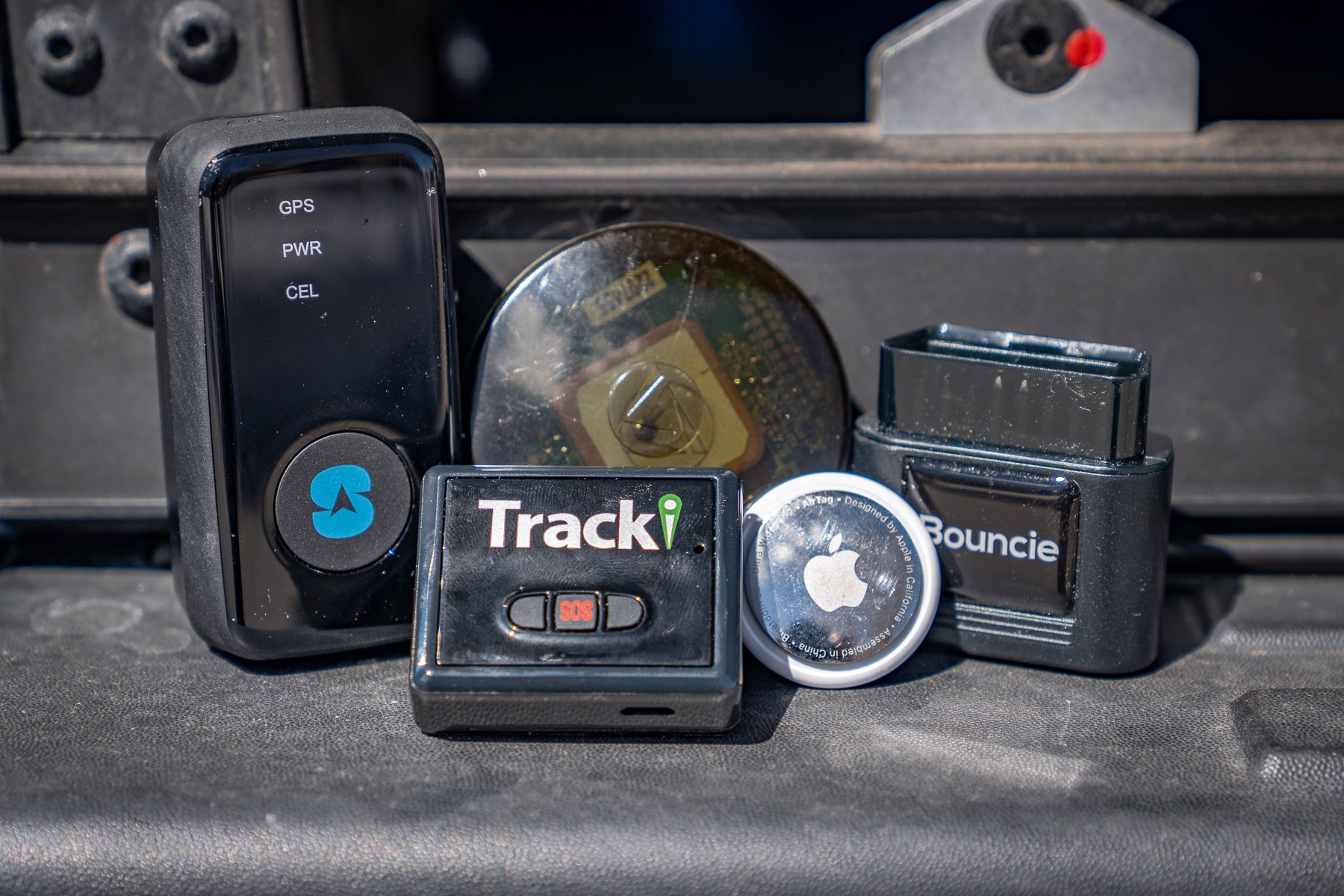
8. Anti-Theft GPS Trackers and Etching
VIN etching and GPS tracking devices can offer extra protection against vehicle theft, so they are not always bad products. Some buyers like the added security and feel more comfortable having them installed. The problem starts when a dealership presents these extras as though they are standard features that already come with the vehicle.
Instead of clearly explaining that they are optional, the finance manager may mention them briefly and move on without discussing the actual price. These products often cost between $400 and $800 at a dealership.
Rather than showing the amount as a separate charge, it is added to the loan and becomes part of the monthly payment. Since the increase is usually small, many buyers do not notice they are paying for something they never requested.
VIN etching is often available elsewhere at a much lower price. Some local police departments and community safety programs even provide the service at little or no cost. The same applies to GPS tracking devices. Many independent security companies sell reliable systems for less than what some dealerships charge, while offering similar or even better features.
Before signing any finance agreement, ask whether the vehicle includes any anti-theft products added by the dealership. If they are optional, request their individual prices and decide whether they are worth paying for. You should also ask if they can be removed from the deal before the paperwork is completed.
Taking a few extra minutes to ask these questions can save you hundreds of dollars and help you avoid paying for products you never planned to buy.
9. Inflated Proprietary Documentation Fees
Documentation fees exist in nearly every vehicle purchase, covering the administrative work involved in processing title transfers, registration paperwork, and related filings. Some states cap these fees at a reasonable, standardized amount.
Others leave dealerships free to charge whatever they choose, and in those unregulated states, documentation fees ranging from $500 to $900, occasionally higher, aren’t unusual at all.
Rather than presenting this fee as a distinct, clearly labeled charge that a buyer might question or push back against, many dealerships spread its cost across the financed total, letting it dissolve into the broader monthly payment where it becomes essentially invisible.
A buyer focused on whether their payment fits a comfortable monthly budget rarely stops to interrogate a few extra dollars buried somewhere inside that number, which is precisely the outcome dealerships count on. Researching a specific state’s documentation fee regulations before visiting a dealership gives buyers a factual benchmark to compare against whatever figure appears on their paperwork.
Asking directly, “What is your documentation fee, and is it negotiable?” during early deal discussions, rather than waiting until financing, puts this charge on the table where it belongs instead of letting it hide inside a rounded monthly number presented much later in the process.
Also Read: 8 Cars Where Coastal Florida Owners Pay Hidden Costs
10. Interest Rate Markup (“Dealer Reserve”)
Some hidden costs never appear as separate charges because they are built into the interest rate. For example, a lender may approve your auto loan at 5%, but the dealership could present it to you at 7%. That extra 2% is known as a dealer reserve, which is one way some dealerships earn additional compensation from the financing.
Many buyers never notice this because the discussion stays focused on the monthly payment instead of the interest rate. A slightly higher monthly payment may not seem like much, but paying a higher rate over five or six years can add thousands of dollars in extra interest.
One of the best ways to protect yourself is to ask what interest rate the lender actually approved before agreeing to the loan. Buyers who already have financing from their own bank or credit union are often in a stronger position because they know the rate they qualify for. The dealership must then offer a better deal or at least match it if they want your business.
Before signing any finance agreement, ask to see the lender’s approved interest rate and compare it with the rate shown in your loan documents. Taking this simple step can help you avoid paying far more than necessary over the life of your loan and make sure you understand exactly what you are financing.
