
Vehicle reliability has improved, but breakdowns remain common on American roads. AAA handled more than 27 million emergency roadside calls in 2024, with batteries, towing, tires, engines, and electrical systems among the major causes. About 13 million incidents required towing, while roughly seven million involved battery problems. Together, these services represented about three-quarters of AAA’s roadside calls.
The figures highlight that reliability involves more than achieving high mileage. A dependable vehicle should also start consistently and avoid unexpected failures. AAA does not publish a make-and-model ranking based on roadside calls, so the vehicles discussed should not be considered an official AAA ranking. Instead, the selection relies on recent Consumer Reports owner-reported reliability data, focusing on models with particularly low predicted reliability scores.
1. GMC Acadia
The GMC Acadia stands out for the wrong reason in recent Consumer Reports reliability results. With a predicted reliability score of only 14 out of 100, the three-row SUV ranked at or near the bottom of the vehicles evaluated.
That is significant because the newest Acadia is not an aging design with hundreds of thousands of miles behind it. It is a relatively fresh generation equipped with a modern turbocharged engine, extensive electronics, and a long list of driver-assistance and convenience technology.
Consumer Reports considers problems across numerous areas, including engines, transmissions, drive systems, electrical equipment, climate systems, body hardware, and electronics. More serious failures are weighted more heavily than relatively minor annoyances. For Acadia owners, that means the low rating cannot simply be dismissed as owners complaining about an infotainment screen.
AAA’s roadside statistics make electrical dependability particularly important. Battery-related problems alone generated around seven million service calls in 2024. Modern vehicles can also become immobilized when a control module, charging system, starter circuit, or drivetrain component fails.
An Acadia owner experiencing repeated warning lights, hard starting, unusual shifting, or electrical faults should have those symptoms investigated quickly rather than waiting for the vehicle to become undriveable.
Despite its reliability concerns, the Acadia remains attractive as a large family crossover. Its turbocharged engine provides strong output, while the latest generation delivers more passenger and cargo space than its predecessor. The issue is whether owners can depend on all of that technology consistently over time.
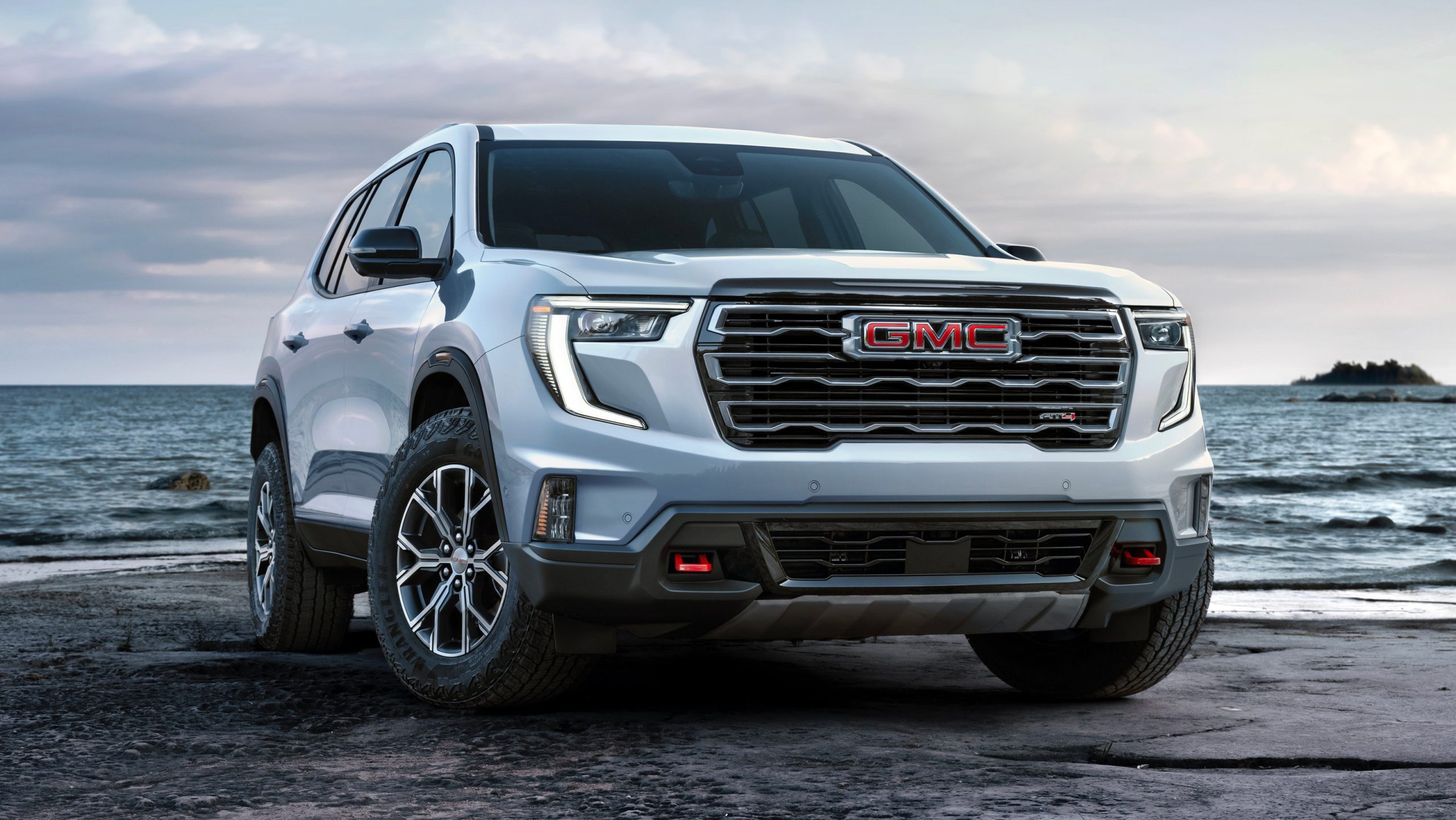
- Engine type: 2.5-liter turbocharged inline-four gasoline engine
- Torque: 326 lb-ft
- Horsepower: 328 hp
- Length: Approximately 204.0 inches
- Width: Approximately 79.6 inches
2. Rivian R1T
The Rivian R1T is one of the most innovative electric pickups on the market, but advanced technology has not automatically translated into outstanding dependability. Consumer Reports gives the R1T a predicted reliability score of about 18 out of 100, placing it among the lowest-rated current vehicles.
Rivian has also performed poorly in some brand-level reliability comparisons despite receiving praise for owner satisfaction, performance, off-road ability, and clever engineering.
Because the R1T is fully electric, it does not have a conventional gasoline or diesel engine. Instead, electric motors provide propulsion from a large lithium-ion battery pack. That eliminates components including spark plugs, fuel injectors, exhaust hardware, and a traditional multispeed automatic transmission, but it creates an entirely different set of possible trouble spots.
The R1T depends heavily on sophisticated power electronics, thermal-management equipment, suspension electronics, motor controllers, charging hardware, software, sensors, and low-voltage electrical systems. A failure involving one of these systems can sometimes require specialized diagnostics rather than an ordinary roadside repair.
AAA recorded approximately 215,000 electric-vehicle roadside calls in 2024. That represented a small percentage of its more than 27 million total service events, although EVs also represent a much smaller percentage of vehicles on American roads. Importantly, AAA does not say that Rivian generates more roadside calls than competing brands.
The R1T’s poor owner-reported reliability rating instead indicates that owners have experienced a relatively high frequency of problems. Its exceptional capability and performance remain major selling points, but prospective buyers should also consider service access, warranty protection, and the potential inconvenience of complicated electronic failures.
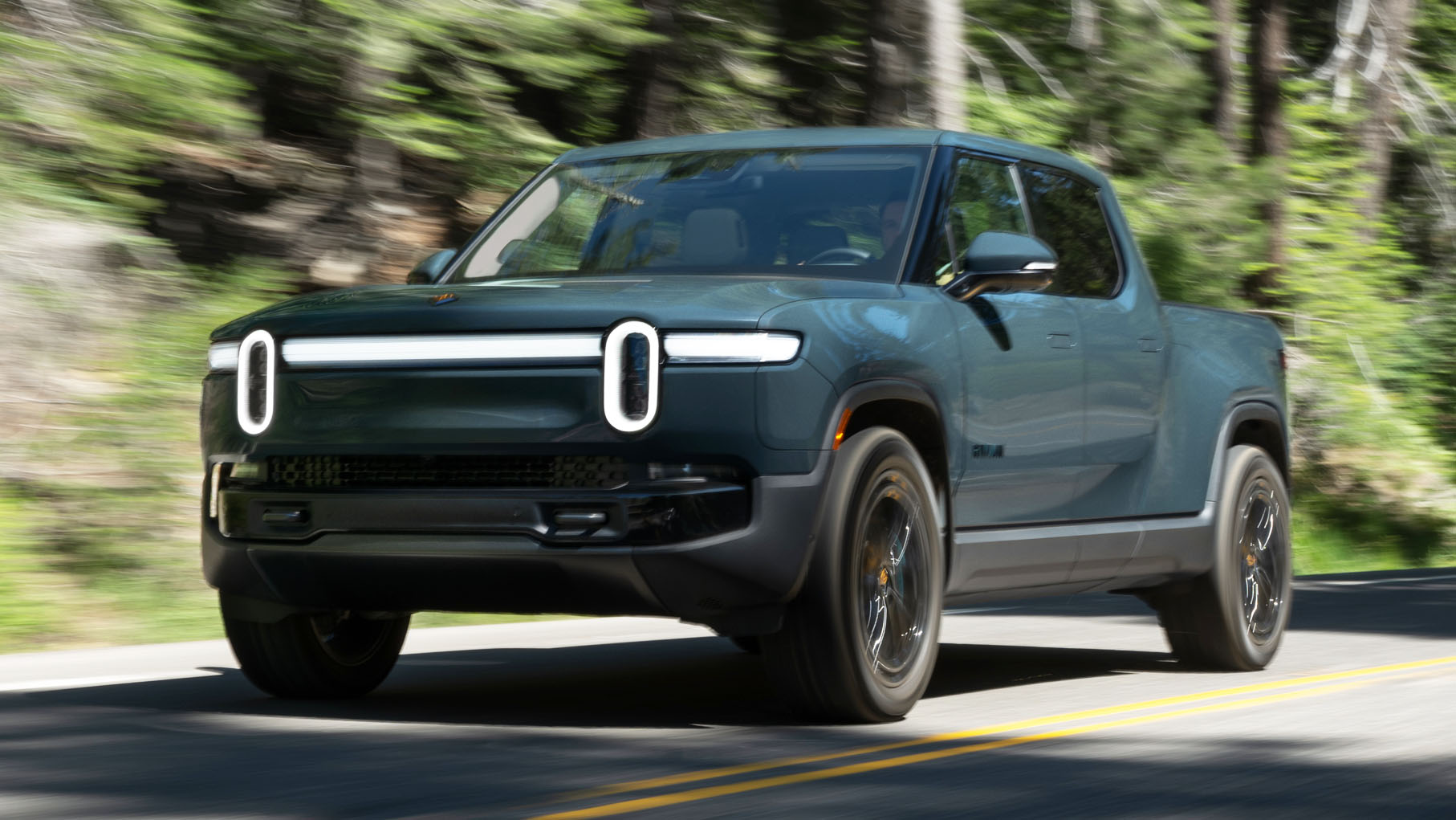
- Engine type: Battery-electric; no internal-combustion engine, using electric drive motors
- Torque: Approximately 610 lb-ft in a standard Dual-Motor configuration
- Horsepower: Approximately 533 hp in a standard Dual-Motor configuration
- Length: Approximately 217.1 inches
- Width: Approximately 82.0 inches without mirrors
3. Chevrolet Blazer EV
The Chevrolet Blazer EV combines eye-catching styling and strong electric performance with an owner-reported reliability record that has been much less impressive. Consumer Reports gives the model a predicted reliability score of roughly 19 out of 100, putting it near the bottom of the current vehicle market in that measure.
The Blazer EV is another example of why having fewer mechanical moving parts does not necessarily guarantee a problem-free ownership experience. There is no gasoline engine, exhaust system, fuel pump, or conventional transmission. Instead, virtually every important propulsion function depends on battery electronics, computer modules, charging equipment, sensors, software, and electric motors.
Early Blazer EVs became particularly well known for software and electronics difficulties. Problems involving displays, vehicle controls, warning messages, and charging systems can be especially frustrating because drivers may have little ability to troubleshoot them themselves. In serious cases, the vehicle may need to be transported to a dealer rather than repaired on the roadside.
That connects directly with AAA’s broader statistics. Roughly 13 million of AAA’s 2024 roadside calls resulted in towing. AAA does not publicly disclose how many of those tows were Chevrolet Blazer EVs, so it would be inaccurate to claim that the model is among AAA’s most frequently towed vehicles specifically.
Instead, its place on this list comes from owner reliability surveys showing unusually high problem rates. Chevrolet has issued updates and continued improving its EV software, meaning newer examples may perform better than early production vehicles. Still, anyone shopping for a used Blazer EV should verify that recalls, updates, and service campaigns have been completed.
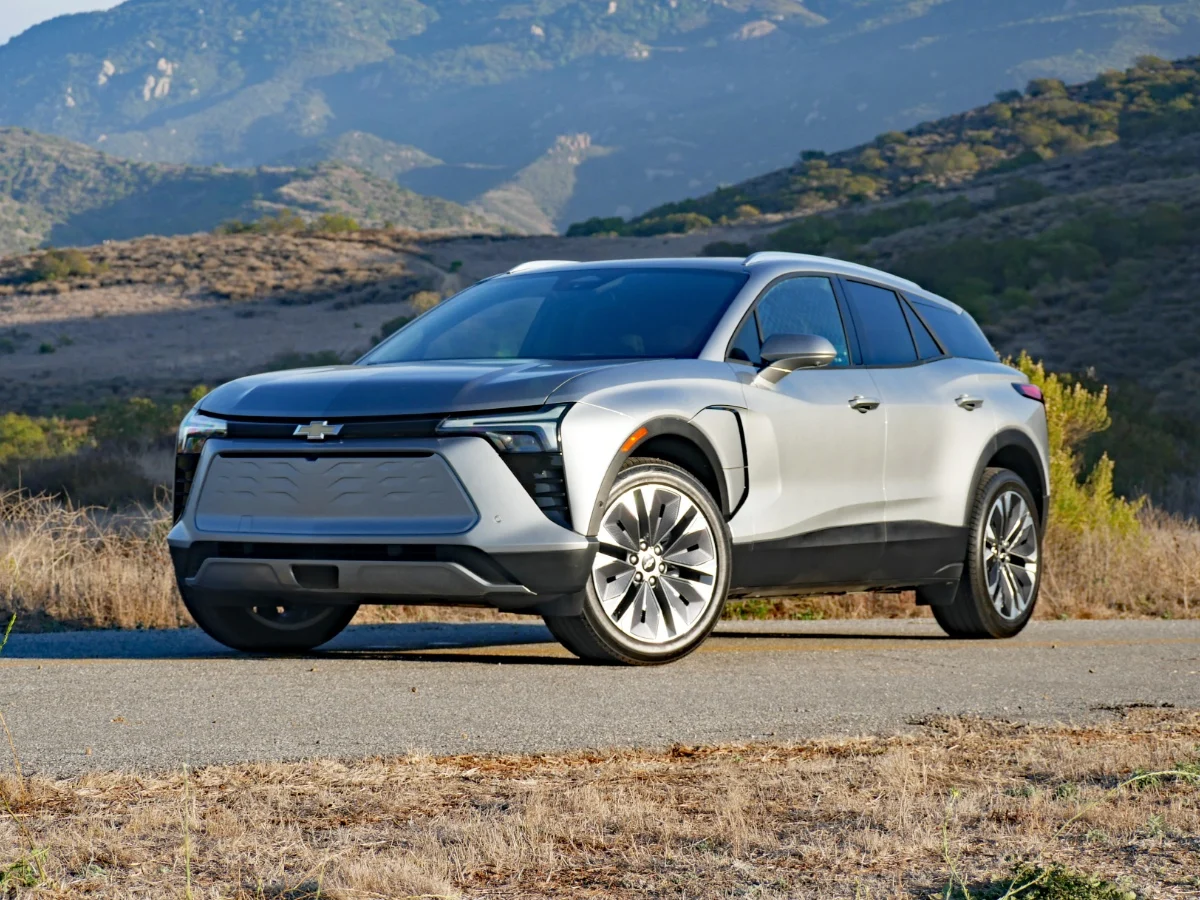
- Engine type: Battery-electric; no internal-combustion engine, with electric motor propulsion
- Torque: Up to 650 lb-ft in Blazer EV SS specification
- Horsepower: Up to 615 hp in Blazer EV SS specification
- Length: Approximately 192.2 inches
- Width: Approximately 78.0 inches
4. Mazda CX-90 Plug-In Hybrid
The Mazda CX-90 Plug-In Hybrid earns a predicted reliability score of approximately 20 out of 100 in Consumer Reports’ latest findings, placing it among the lowest-scoring vehicles in the survey. Its troubles highlight one potential disadvantage of plug-in hybrids: mechanical and electrical complexity.
Unlike a pure electric vehicle, the CX-90 PHEV retains a conventional internal-combustion engine. Under the hood is a naturally aspirated 2.5-liter four-cylinder gasoline engine that works together with an electric motor and a rechargeable high-voltage battery. The combination produces up to approximately 323 horsepower when premium fuel is used.
The advantage is flexibility. Owners can make shorter trips using electric energy while still having gasoline available for long-distance driving. The disadvantage is that a PHEV combines much of the hardware found in both a conventional vehicle and an electric one.
There is still an engine, cooling system, transmission, fuel system, and exhaust equipment. On top of those components, Mazda adds a traction battery, electric motor, inverter, charging hardware, high-voltage wiring, and associated control electronics. More equipment does not automatically guarantee more failures, but it does create more systems that must function together correctly.
AAA’s roadside numbers illustrate why both sides of that equation matter. Battery trouble remains one of its largest call categories, while mechanical failures can result in towing rather than a simple roadside fix.
The CX-90 PHEV remains an appealing family SUV thanks to its upscale cabin, useful electric capability, and strong combined output. Its low early reliability score, however, means owners should pay close attention to warning messages, unusual drivetrain behavior, recall notices, and software updates.
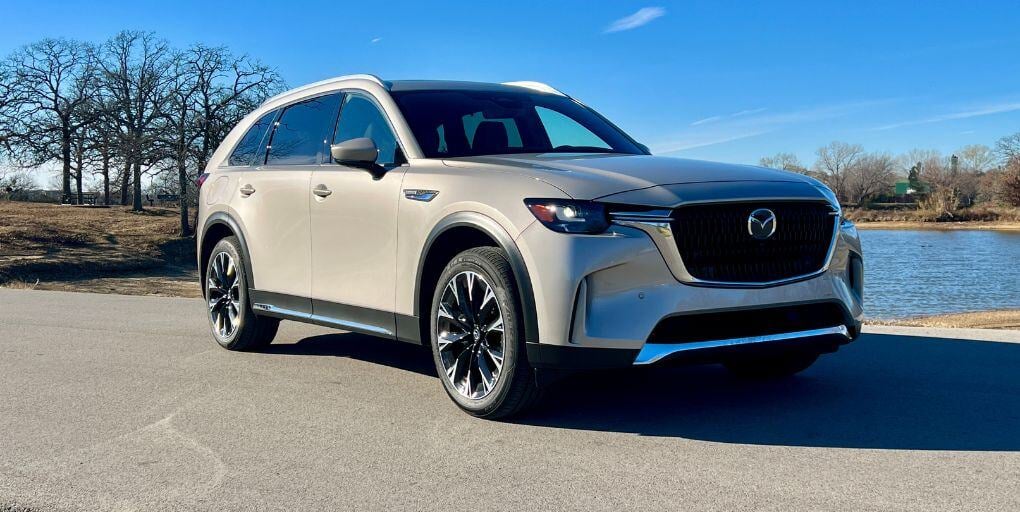
- Engine type: 2.5-liter naturally aspirated inline-four gasoline engine with plug-in-hybrid electric assist
- Torque: 369 lb-ft combined
- Horsepower: 323 hp combined on premium fuel
- Length: Approximately 200.8 inches
- Width: Approximately 78.5 inches
5. Genesis GV60
The Genesis GV60 brings luxury-car appointments to a compact electric crossover, but its reliability history has not been as polished as its cabin. Consumer Reports assigns it a predicted reliability score of around 21 out of 100, putting it among the weaker performers in its latest owner-based reliability analysis.
The GV60 has no gasoline engine. Its propulsion comes entirely from electric motors powered by a lithium-ion traction battery. Depending on configuration, buyers get either a single rear motor or electric motors at both axles. This setup produces smooth acceleration and removes many conventional engine maintenance requirements.
That does not mean owners have nothing to worry about mechanically or electronically. The GV60 relies on extensive software, high-speed charging electronics, battery-temperature management, power converters, sophisticated driver-assistance equipment, electronic door systems, digital displays, and numerous computer-controlled accessories.
Even something as simple as the 12-volt battery can cause problems in an electric vehicle. EVs use small low-voltage batteries to power computers and activate the systems that connect the large traction battery to the drivetrain. If the low-voltage electrical supply fails, a fully charged EV can sometimes still refuse to enter drive mode.
That is particularly relevant because AAA says battery-related incidents represented approximately seven million roadside calls in 2024. The figure includes the entire vehicle population rather than Genesis specifically, but it demonstrates how frequently electrical starting and power problems strand motorists.
The GV60 remains fast, refined, and impressively quiet. Owners should nevertheless keep software current and investigate persistent charging issues, electrical warnings, or unexplained battery drain before those problems become more disruptive.
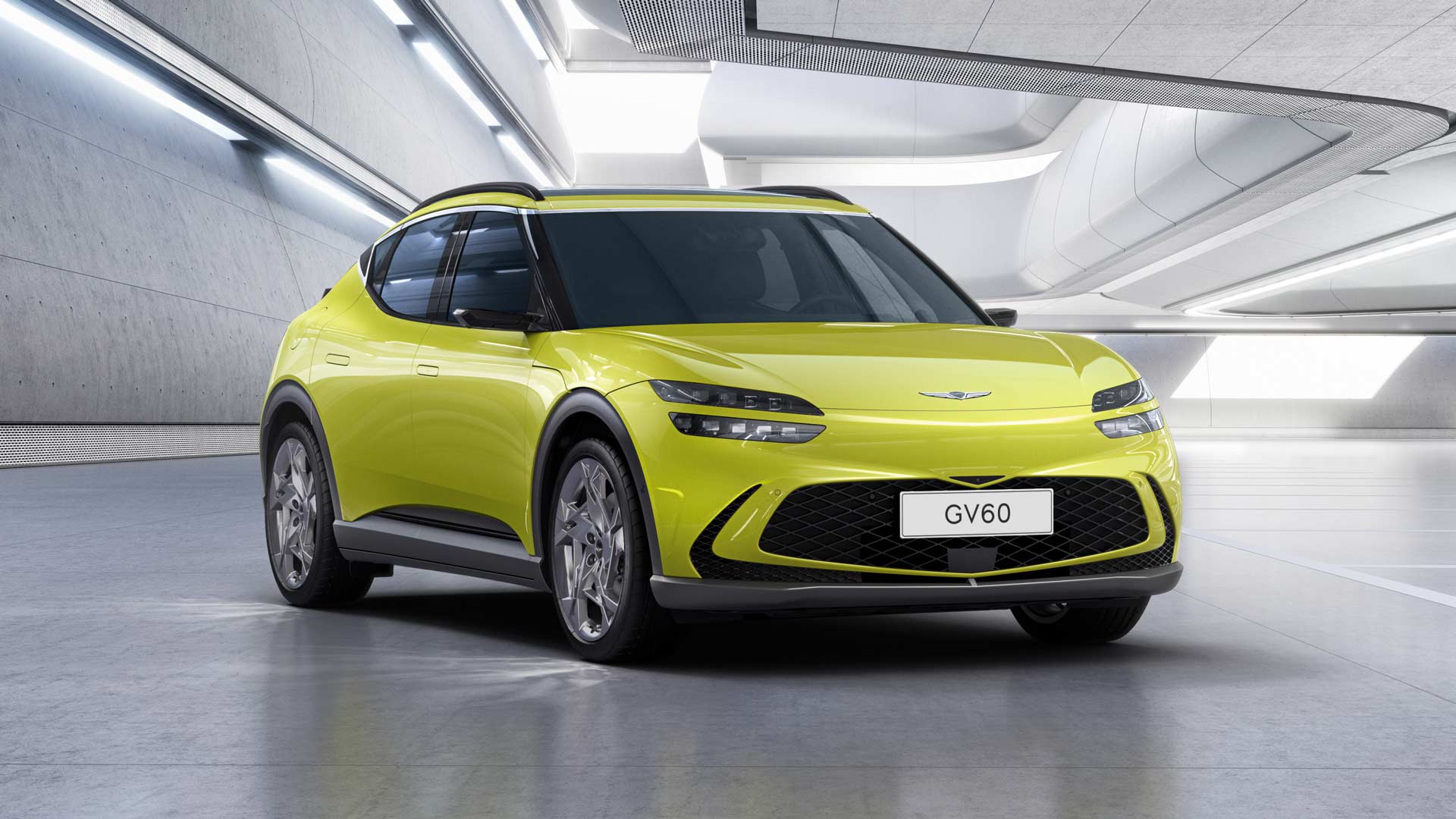
- Engine type: Battery-electric; no internal-combustion engine, using permanent-magnet electric motor propulsion
- Torque: Approximately 258 lb-ft in the base rear-wheel-drive version
- Horsepower: Approximately 225 hp in the base rear-wheel-drive version
- Length: Approximately 177.8 inches
- Width: Approximately 74.4 inches
Also read: 5 Cars With the Highest Theft Rates in New Mexico, 5 With the Lowest
6. Mazda CX-90
The regular Mazda CX-90 performs somewhat better than its plug-in-hybrid sibling, but its predicted reliability score of approximately 23 out of 100 still places it well below many competitors. Its appearance on a low-reliability list may be surprising because Mazda has built a generally favorable reputation for dependable vehicles over the past decade.
The CX-90, however, represents a major departure from the company’s previous three-row SUVs. Mazda developed a new longitudinal platform and paired it with a 3.3-liter turbocharged inline-six gasoline engine. The engine works with a 48-volt mild-hybrid system and an eight-speed automatic transmission.
This architecture is considerably different from the transverse four-cylinder and six-speed automatic combinations Mazda had refined for years. Introducing several major technologies at once inevitably creates more opportunities for early-production issues to appear once thousands of customers begin accumulating real-world mileage.
Owners should therefore watch for drivetrain warnings, unexpected electrical messages, unusual transmission behavior, fluid leakage, or repeated software faults. Ignoring an intermittent warning because the SUV still drives normally can be risky if the underlying problem later becomes severe enough to disable the vehicle.
AAA’s 2024 statistics show just how often breakdowns progress beyond something that can be fixed beside the road. Approximately 13 million emergency service events ultimately required towing.
That does not mean the CX-90 generated a large portion of those tows—AAA does not publish that information by individual model. Rather, the statistics highlight why owner-reported reliability problems deserve attention before they develop into full roadside failures.
When operating correctly, the CX-90 remains one of the more engaging three-row SUVs available. Its strong inline-six, premium cabin, and rear-biased architecture make it unusual in its segment, even if dependability has not yet matched its driving dynamics.
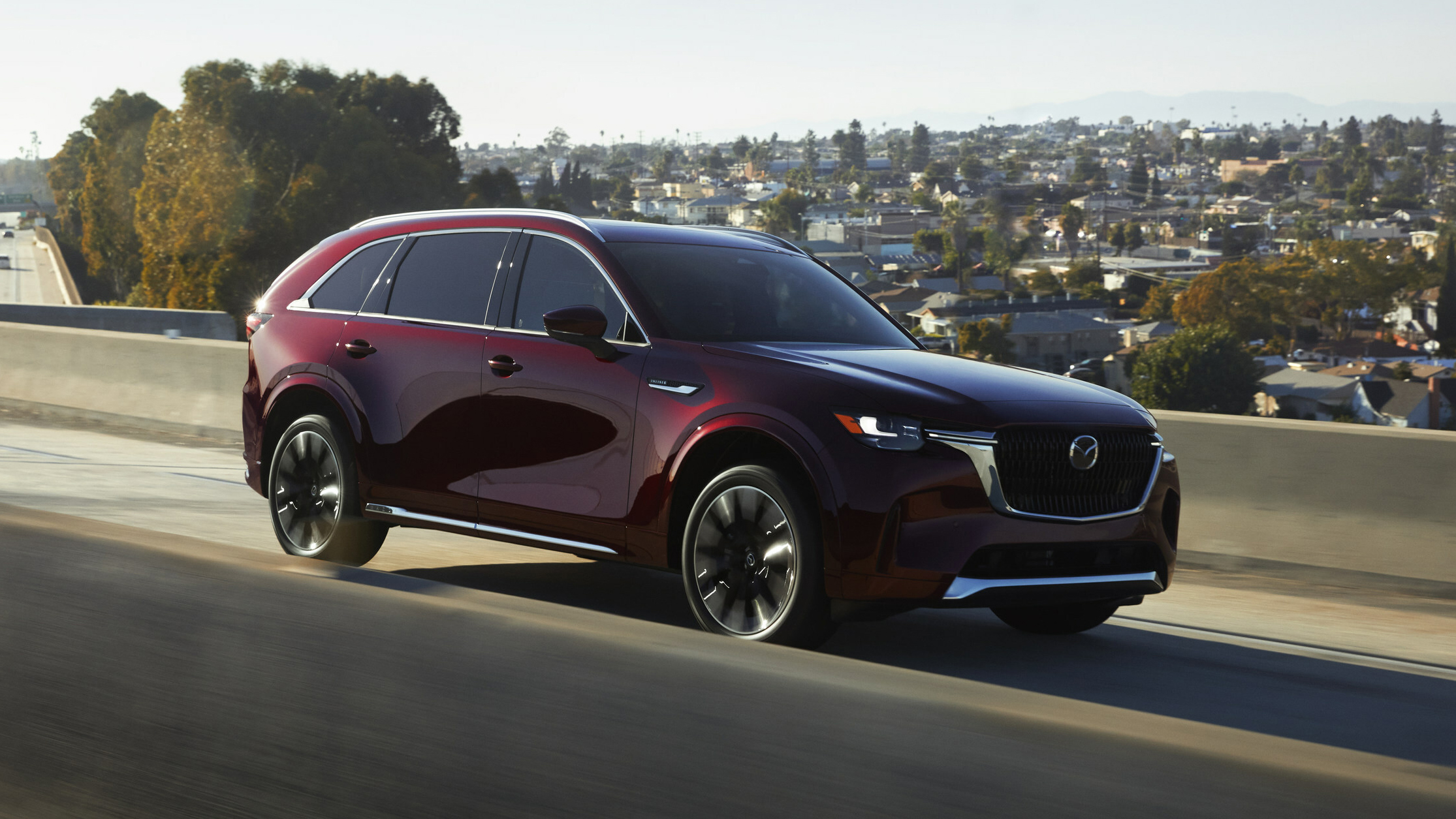
- Engine type: 3.3-liter turbocharged inline-six gasoline engine with 48-volt mild-hybrid assist
- Torque: Approximately 332 lb-ft in standard-output form
- Horsepower: Approximately 280 hp in standard-output form
- Length: Approximately 200.8 inches
- Width: Approximately 78.5 inches
7. Kia EV9
The Kia EV9 has filled an important gap in the electric-vehicle market by offering genuine three-row practicality in a relatively mainstream package. Unfortunately, early reliability results have not been equally impressive. Consumer Reports gives the EV9 a predicted reliability score of roughly 24 out of 100, placing it among the least reliable models in the current survey.
The EV9 has no conventional engine. It is entirely battery-electric and is offered with either a single electric motor or a dual-motor all-wheel-drive arrangement. In Wind AWD specification, the two motors combine for approximately 379 horsepower and 443 lb-ft of torque, enough to move the large SUV with surprising urgency.
Its electrical architecture is also highly sophisticated. Kia’s EV platform supports very rapid DC fast charging and powers an extensive collection of electronic comfort and driver-assistance systems. That convenience depends on numerous modules, sensors, controllers, and communication networks working correctly.
Problems in an EV do not necessarily originate from the traction battery itself. Charging equipment, low-voltage systems, software, sensors, inverters, or thermal controls can all cause trouble. Some faults can be corrected through software updates, while others require physical service or component replacement.
AAA reported approximately 215,000 electric-vehicle roadside service events in 2024. That figure is small compared with the organization’s more than 27 million total calls, largely because conventional vehicles still vastly outnumber EVs on American roads.
The EV9’s inclusion here therefore should not be interpreted as evidence that AAA specifically encounters large numbers of broken-down EV9s. Its ranking instead reflects Consumer Reports owner data indicating that early examples have produced more complaints than many competing vehicles.
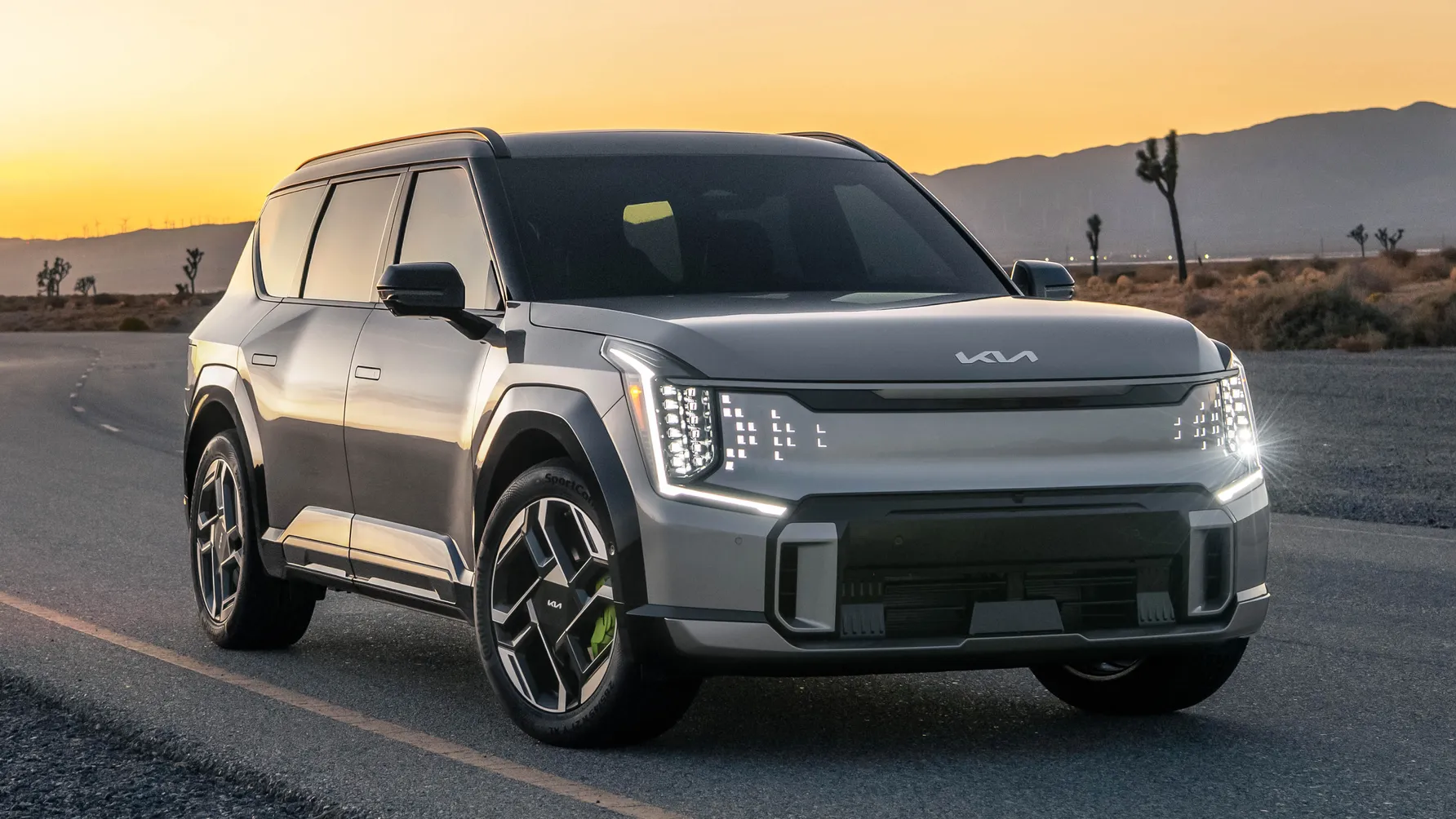
- Engine type: Battery-electric; no internal-combustion engine, using single- or dual-electric-motor propulsion
- Torque: Approximately 443 lb-ft in Wind AWD specification
- Horsepower: Approximately 379 hp in Wind AWD specification
- Length: Approximately 197.2 inches
- Width: Approximately 77.9 inches
8. Kia EV6
The Kia EV6 rounds out the list with a predicted reliability score of approximately 25 out of 100. That still puts it among the lowest-rated current vehicles in Consumer Reports’ reliability findings despite the EV6 receiving widespread praise in other areas.
The EV6 helped establish Kia as a serious electric-vehicle competitor by combining quick acceleration with an advanced high-voltage charging architecture. Certain versions can recharge extraordinarily quickly when connected to a sufficiently powerful DC fast charger, while all-wheel-drive variants provide strong performance.
Like the related EV9, the EV6 does not use a conventional engine. It relies entirely on one or more electric motors supplied by a large traction battery. A typical AWD version produces approximately 320 horsepower and 446 lb-ft of torque, while performance-oriented variants generate considerably more.
The relative simplicity of the propulsion motors themselves does not eliminate potential reliability concerns. An EV6 contains sophisticated charging electronics, high-voltage battery-management systems, cooling hardware, control modules, software, infotainment components, driver-assistance equipment, and a conventional 12-volt electrical system.
When one of those systems develops a serious problem, the driver may see warning messages, experience charging difficulties, or find that the vehicle cannot enter normal driving mode. Because specialized high-voltage repairs cannot normally be completed beside the highway, towing may be necessary in serious cases.
AAA recorded approximately 215,000 roadside calls involving EVs in 2024, confirming that electric vehicles are not immune to roadside problems. However, EV-related incidents represented less than one percent of AAA’s calls. That figure alone cannot determine whether EVs are more or less reliable because electric vehicles make up a much smaller share of the vehicles on the road.
For EV6 owners, maintaining the low-voltage battery, completing recalls, installing software updates, and responding promptly to charging or electrical warnings remain some of the best defenses against an unexpected roadside event.
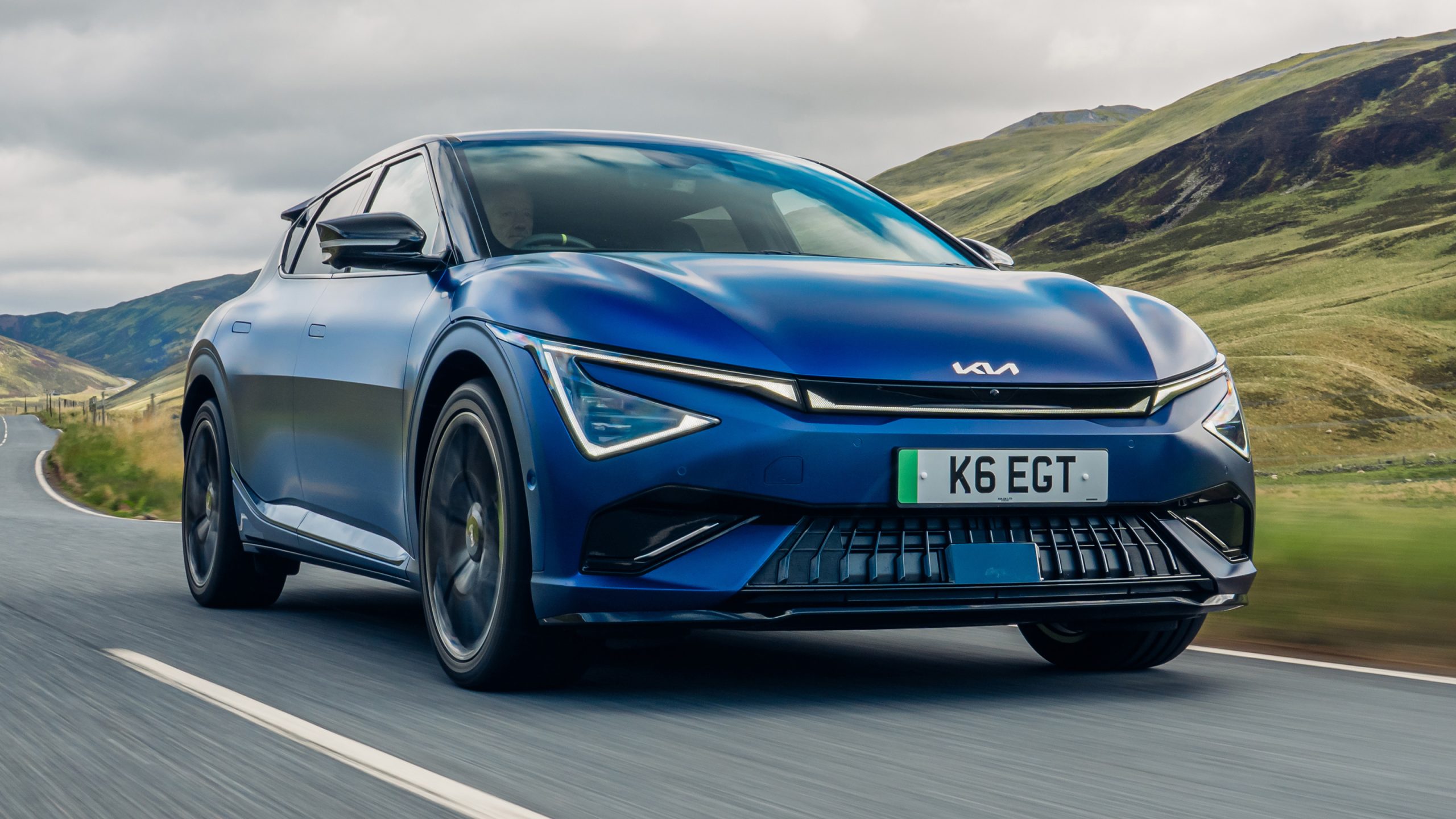
- Engine type: Battery-electric; no internal-combustion engine, using permanent-magnet synchronous electric motors
- Torque: Approximately 446 lb-ft in AWD specification
- Horsepower: Approximately 320 hp in AWD specification
- Length: Approximately 184.8 inches
- Width: Approximately 74.0 inches
Also read: 10 Cars That Need an Expensive Scan Tool for a Brake Job