
Modern vehicles have transformed brake repairs from simple mechanical tasks into advanced procedures requiring specialized technology. Many newer cars use electronic brake systems, integrated sensors, and computer-controlled safety features that demand professional diagnostic equipment.
A basic brake pad replacement may no longer be enough because technicians often need expensive scan tools to reset systems, activate components, or complete calibration procedures.
This article examines ten vehicles where brake jobs can become complicated without advanced tools. Understanding these repair challenges helps car owners prepare for maintenance costs and recognize why modern braking systems require specialized knowledge.
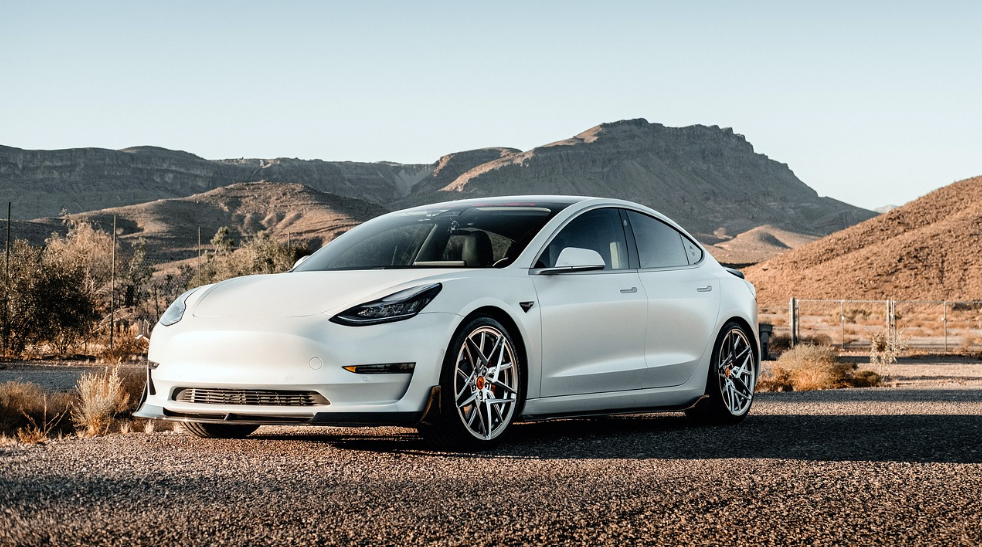
- Engine/Motor: Dual electric motors (AWD) with lithium-ion battery pack
- Horsepower: Approximately 670 hp (Long Range) to over 1,000 hp (Plaid)
- Torque: Approximately 713 lb-ft (Long Range) to over 1,050 lb-ft (Plaid)
- Length: 197.7 inches (5,020 mm)
- Width: 78.2 inches (1,987 mm)
1. Tesla Model S and Model 3: Brake Repairs Connected to Advanced Electronics
Tesla vehicles represent a major shift in automotive design because many functions traditionally handled by mechanical systems now involve software and electronic controls. The braking system combines traditional friction brakes with regenerative braking technology, which uses the electric motors to slow the vehicle while recovering energy.
Because of this integration, brake service procedures often require more than replacing pads and rotors. Technicians may need specialized diagnostic equipment to communicate with the vehicle’s onboard computers and ensure all systems operate correctly after repairs.
A common challenge with Tesla brake work involves electronic parking brakes and integrated vehicle controls. Unlike older cars with simple cable-operated parking brakes, many Tesla models use electronic parking brake systems controlled by computers.
When rear brake components require service, technicians may need to place the system into a service mode before removing parts. Without the correct scan equipment, forcing components manually can create damage or trigger warning messages.
Tesla vehicles also rely heavily on sensors that support safety features and driver assistance technology. After certain repairs, especially those involving wheel speed sensors or related components, diagnostic checks may be necessary.
A technician must confirm that the electronic systems recognize the repairs and that no faults remain stored in the vehicle computer. This adds time and equipment costs to what was once a straightforward brake replacement.
Another factor is Tesla’s limited traditional repair approach compared with older manufacturers. Many independent repair shops may not have complete access to factory-level tools or information.
While some aftermarket systems support Tesla diagnostics, professional equipment remains important for complex procedures. Owners should understand that brake maintenance costs may include technology-related labor, not just physical replacement parts.
The Tesla example shows how electric vehicles have changed expectations for automotive repairs. Brake systems are no longer isolated mechanical assemblies. They are connected to software, sensors, and vehicle computers. As electric vehicles become more common, expensive diagnostic tools will continue becoming a normal part of brake servicing.
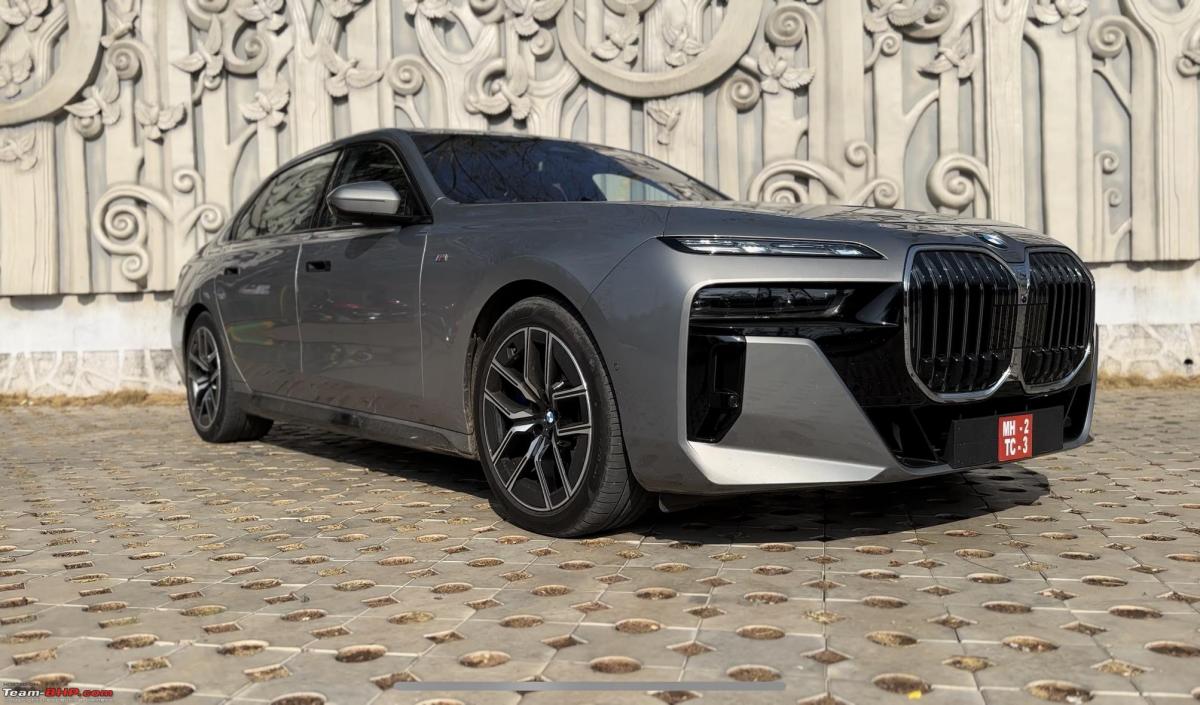
- Engine: 3.0-liter turbocharged inline-six or 4.4-liter twin-turbo V8 (depending on trim)
- Horsepower: Approximately 375 hp (740i) to 536 hp (760i xDrive)
- Torque: Approximately 369 lb-ft to 553 lb-ft
- Length: 212.2 inches (5,390 mm)
- Width: 76.8 inches (1,950 mm)
2. BMW 7 Series: Luxury Engineering Creates Complex Brake Service
The BMW 7 Series has long represented advanced automotive technology, and its braking system reflects that approach. Many models include electronic parking brakes, stability control systems, adaptive driving features, and advanced sensors. These components work together through multiple control modules, meaning brake repairs often require communication with the vehicle’s computer network.
Replacing brake pads on some BMW 7 Series models requires electronic service procedures before work begins. The electronic parking brake must often be retracted using diagnostic software.
If a technician attempts repairs without properly commanding the system, damage to brake components or the electronic actuator may occur. A professional scan tool helps place the vehicle into maintenance mode and complete the repair safely.
BMW also uses brake wear sensors that monitor pad condition and send information to the vehicle computer. After replacing worn components, the system may require a reset so the vehicle understands that new pads have been installed.
Without resetting the service information, warning messages may continue appearing on the dashboard even after the physical repair is complete.
Advanced safety features add another layer of complexity. Some BMW models include systems connected to braking assistance, collision prevention, and driver assistance technologies. If repairs involve sensors or related components, calibration may become necessary. Factory-level diagnostic equipment allows technicians to identify problems and confirm proper operation.
The BMW 7 Series demonstrates why luxury vehicles often require specialized repair equipment. Owners may expect a brake job to involve only replacing worn parts, but modern engineering creates additional steps. The cost of professional tools, training, and diagnostic procedures contributes to higher maintenance expenses.
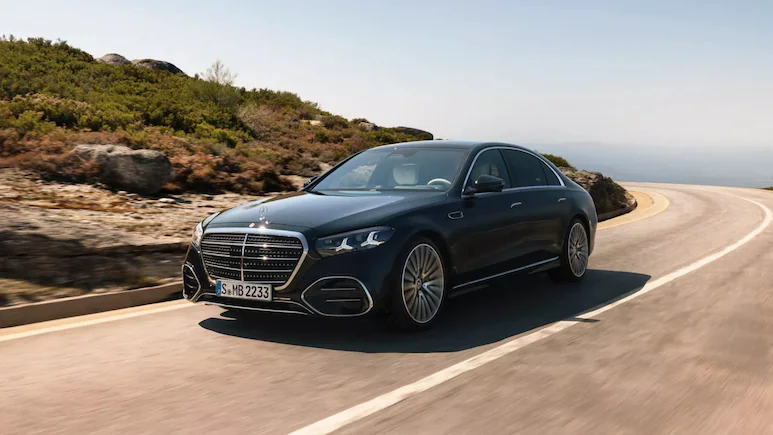
- Engine: 3.0-liter turbocharged inline-six or 4.0-liter twin-turbo V8 (depending on model)
- Horsepower: Approximately 429 hp (S 500) to 496 hp (S 580)
- Torque: Approximately 384 lb-ft to 516 lb-ft
- Length: 208.2 inches (5,289 mm)
- Width: 76.9 inches (1,954 mm)
3. Mercedes-Benz S-Class: Computer-Controlled Braking Technology
The Mercedes-Benz S-Class is known for introducing advanced automotive technology, and its braking systems include many electronic features. Models equipped with systems such as electronic parking brakes, advanced stability control, and driver assistance technology require technicians to interact with vehicle computers during service procedures.
Brake replacement on an S-Class may require a scan tool to release electronic components before maintenance. The parking brake system is controlled electronically rather than through a simple mechanical connection. Diagnostic equipment allows technicians to move components into the correct service position and prevent unnecessary damage.
Mercedes vehicles often include complex sensor networks that monitor braking behavior and safety systems. Wheel speed sensors, brake pressure sensors, and stability control modules communicate constantly. If a repair affects these systems, technicians need diagnostic equipment to identify faults and verify that everything works correctly after the repair.
Some S-Class models also feature advanced braking assistance systems that require calibration after certain repairs. These systems rely on cameras, radar sensors, and electronic modules to support safety features. Incorrect calibration can affect how the vehicle responds in emergency situations, making professional procedures essential.
The Mercedes-Benz S-Class highlights the connection between luxury technology and repair complexity. A brake job involves mechanical skill, electronic knowledge, and specialized diagnostic equipment. For owners, this means maintenance planning should include the possibility of higher labor costs compared with older vehicles.
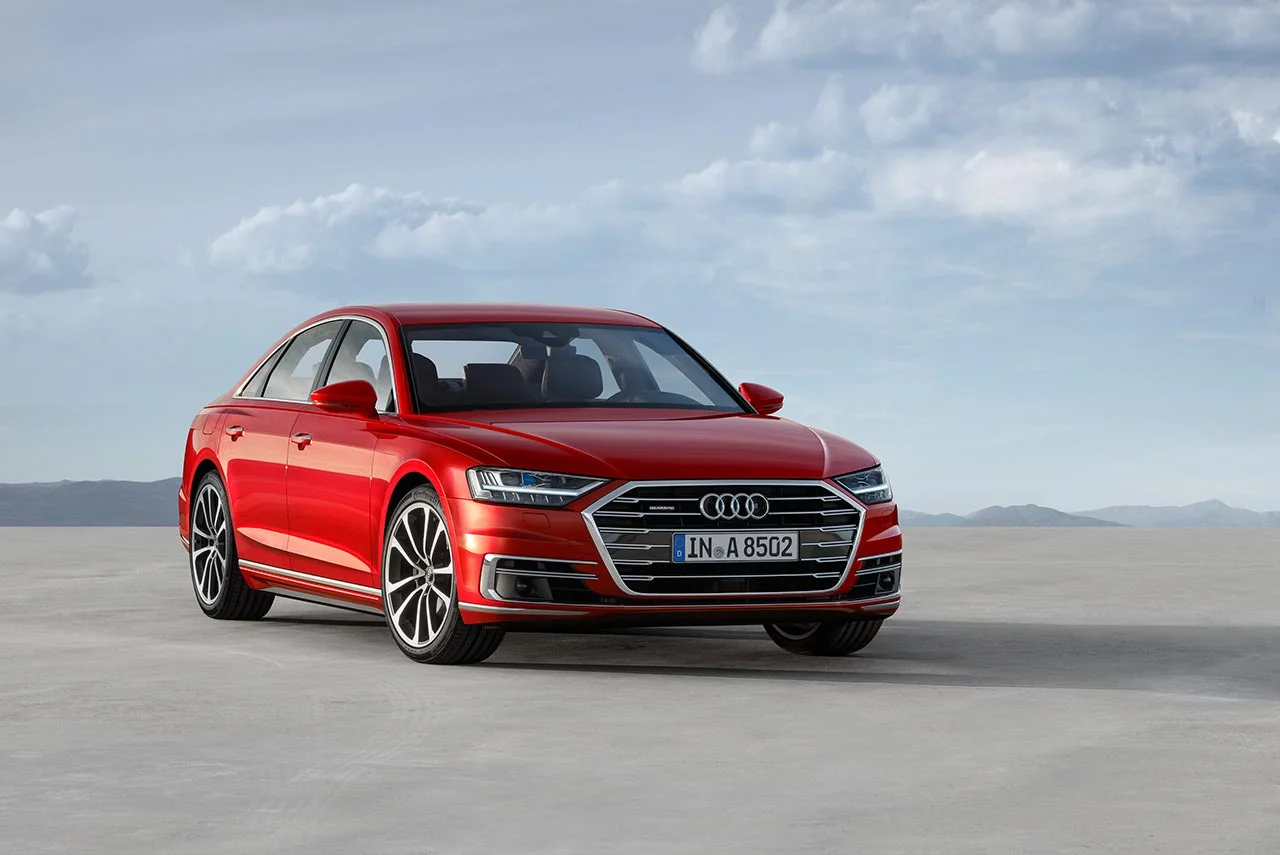
- Engine: 3.0-liter turbocharged V6 mild-hybrid engine
- Horsepower: Approximately 335 hp
- Torque: Approximately 369 lb-ft
- Length: 208.7 inches (5,301 mm)
- Width: 76.6 inches (1,945 mm)
4. Audi A8: Advanced Electronics Increase Brake Service Requirements
The Audi A8 uses sophisticated engineering that combines performance, comfort, and advanced electronics. Its braking system includes electronic controls that interact with multiple vehicle modules. This design improves performance and safety but creates additional challenges during repairs.
Many Audi A8 models use electronic parking brake systems that require diagnostic tools during brake replacement. The system must be placed into service mode before rear brake work begins. A technician without suitable equipment may struggle to complete the procedure correctly or may accidentally damage electronic components.
Audi vehicles also integrate braking systems with stability control and driver assistance technology. Brake-related sensors communicate with the vehicle’s central computers. When repairs are performed, technicians may need to scan for faults, clear stored codes, and confirm that all systems are functioning properly.
Performance versions of the A8 may include larger braking components and additional electronic monitoring systems. These features provide better driving performance but require more specialized service knowledge. Proper repairs depend on both mechanical expertise and access to diagnostic tools.
The Audi A8 represents the growing relationship between automotive electronics and routine maintenance. A brake job on a modern luxury sedan is no longer limited to replacing hardware. Computer communication has become a necessary part of many repair procedures.
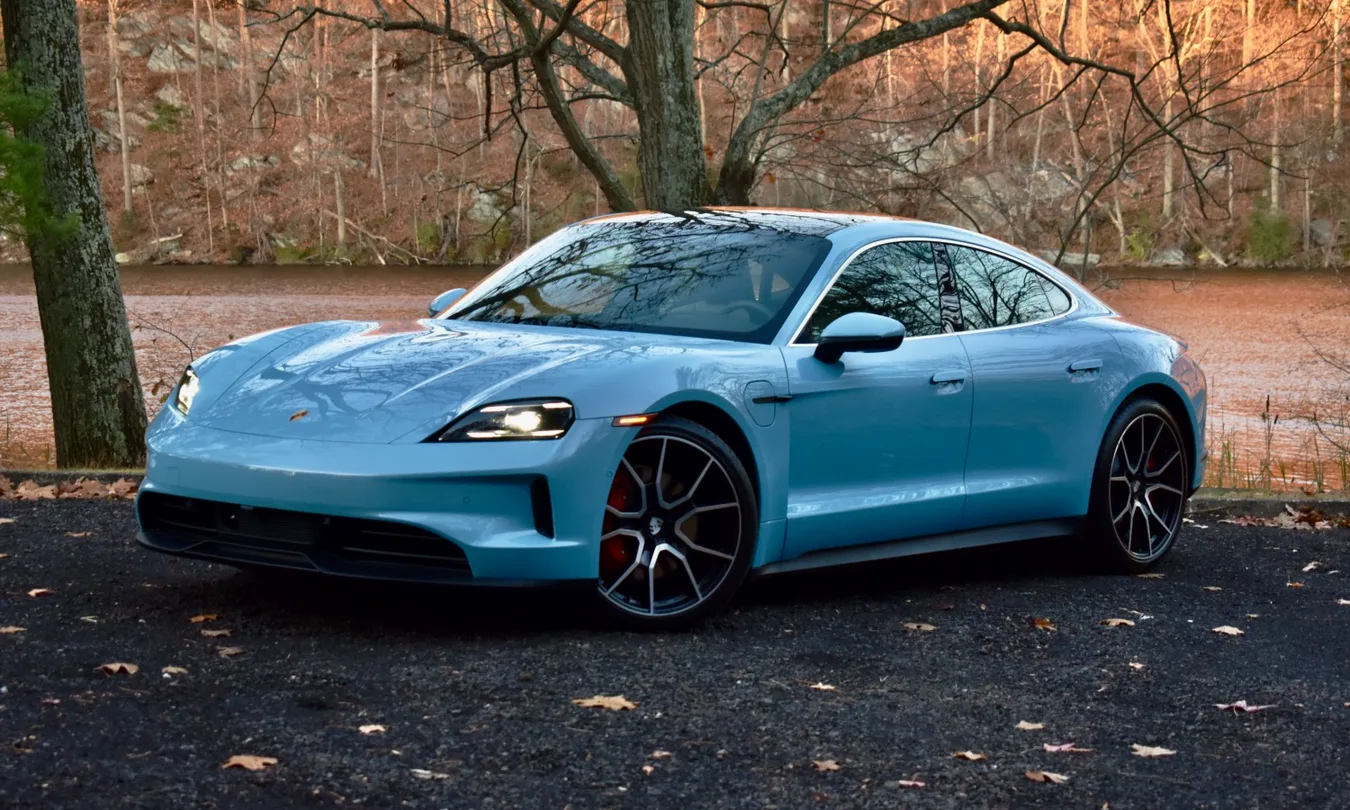
- Engine/Motor: Dual electric motors with lithium-ion battery pack
- Horsepower: Approximately 402 hp (base) to over 750 hp (Turbo S with launch control)
- Torque: Approximately 479 lb-ft to over 774 lb-ft
- Length: 195.4 inches (4,963 mm)
- Width: 77.4 inches (1,966 mm)
5. Porsche Taycan: Electric Performance Requires Specialized Equipment
The Porsche Taycan combines electric power with high-performance engineering. Its braking system works alongside regenerative braking, electronic controls, and advanced vehicle management systems. This combination creates unique repair requirements compared with traditional gasoline-powered sports cars.
Brake service on the Taycan may require diagnostic equipment to access electronic systems before repairs begin. The vehicle’s computers manage multiple functions related to braking performance, stability control, and energy recovery. Proper servicing requires communication with these systems.
The electronic parking brake is another area where scan tools become important. Technicians must ensure the system is safely adjusted and correctly recognized by the vehicle after maintenance. Incorrect procedures can lead to warning messages or operational issues.
The Taycan also uses advanced sensors connected to safety systems. When technicians work on brake-related components, they must verify that electronic systems remain accurate. Diagnostic tools help identify problems that cannot be detected through visual inspection alone.
As electric performance vehicles become more common, repair shops need new skills and equipment. The Porsche Taycan shows that high-performance braking now depends on both engineering precision and computer technology.

- Engine: 3.0-liter turbocharged inline-six mild hybrid or 4.4-liter twin-turbo V8
- Horsepower: Approximately 395 hp to 523 hp
- Torque: Approximately 406 lb-ft to 553 lb-ft
- Length: 207 inches (5,252 mm)
- Width: 80.6 inches (2,047 mm)
6. Range Rover: Luxury SUVs With Complex Brake Systems
Range Rover models combine luxury features with advanced off-road technology. Their braking systems are connected to electronic suspension, stability control, and multiple vehicle computers. These connections make brake repairs more complicated than traditional SUV maintenance.
Many Range Rover models use electronic parking brakes that require diagnostic procedures before service. Technicians need scan tools to activate maintenance modes and safely complete repairs. Attempting manual methods can cause damage to expensive electronic components.
The vehicle’s stability systems rely on accurate information from wheel sensors and braking components. After repairs, diagnostic checks help confirm that communication between modules remains correct. This is especially important because Range Rover vehicles include many systems designed to improve handling in different driving conditions.
Advanced driver assistance technology also contributes to repair complexity. Some models require calibration procedures after work involving certain sensors. Professional equipment helps technicians identify whether additional adjustments are needed.
Range Rover brake repairs demonstrate how modern SUVs have become highly computerized machines. Owners should consider diagnostic requirements when estimating maintenance costs.
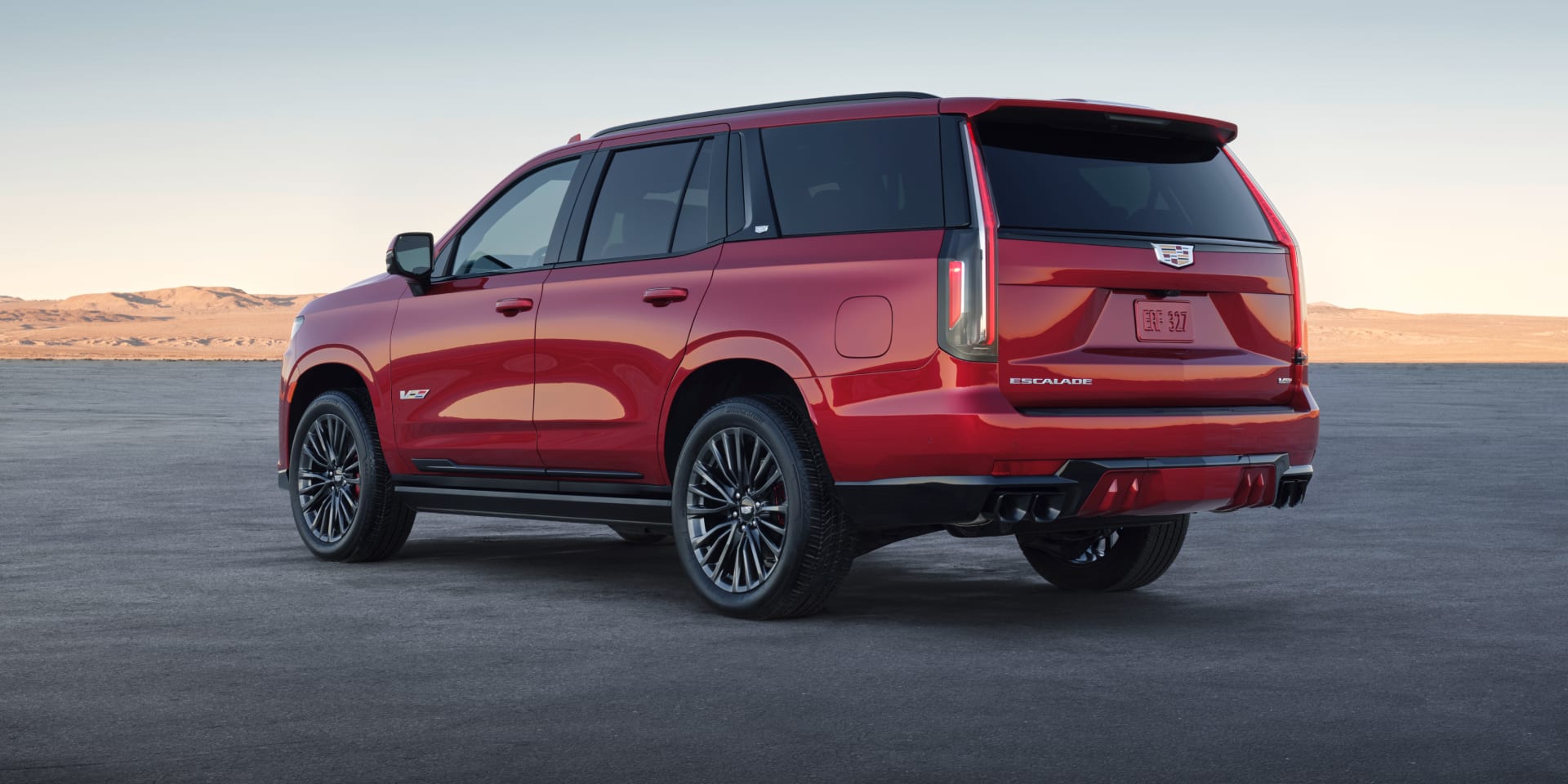
- Engine: 6.2-liter naturally aspirated V8 or 3.0-liter turbo-diesel inline-six
- Horsepower: Approximately 277 hp (diesel) to 420 hp (V8)
- Torque: Approximately 460 lb-ft to 460 lb-ft
- Length: 211.9 inches (5,384 mm)
- Width: 81.1 inches (2,060 mm)
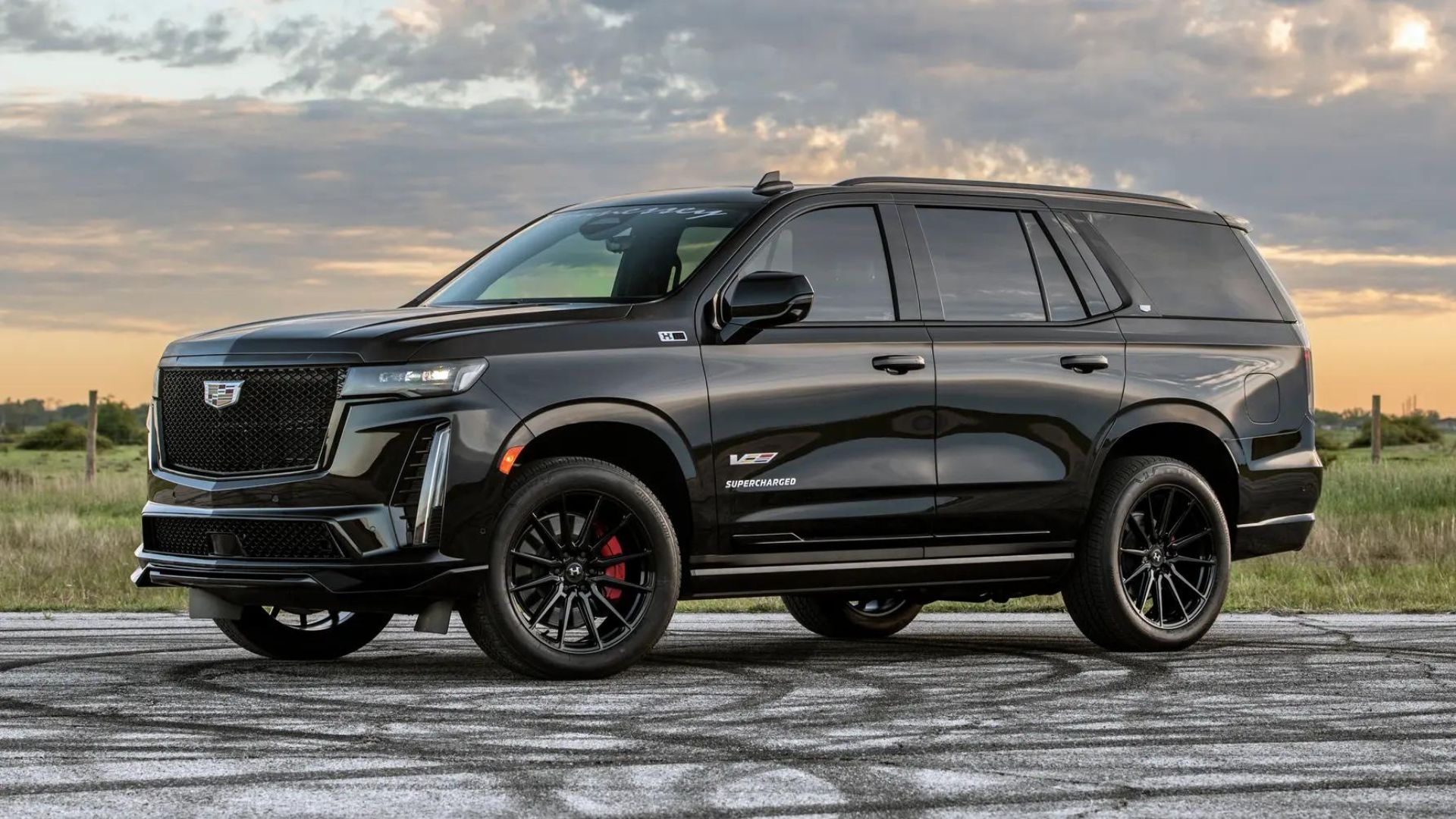
7. Cadillac Escalade: Technology-Heavy SUV Maintenance Challenges
The Cadillac Escalade includes advanced features designed for comfort, safety, and performance. Modern versions use electronic braking systems, driver assistance technology, and multiple computer modules that affect repair procedures.
Brake jobs may require scan tools to access electronic parking brake functions and reset service information. The vehicle computer must recognize replaced components and confirm that systems are working correctly.
The Escalade’s safety systems rely on sensors that interact with braking functions. Features such as automatic emergency braking depend on accurate electronic communication. Technicians must ensure repairs do not interfere with these systems.
Large luxury SUVs also use heavier braking components due to their size and weight. Combining large mechanical parts with advanced electronics increases repair complexity. Specialized equipment helps technicians diagnose problems efficiently.
The Cadillac Escalade shows that expensive vehicles are not only costly because of parts. Their technology requires additional tools, training, and diagnostic time.
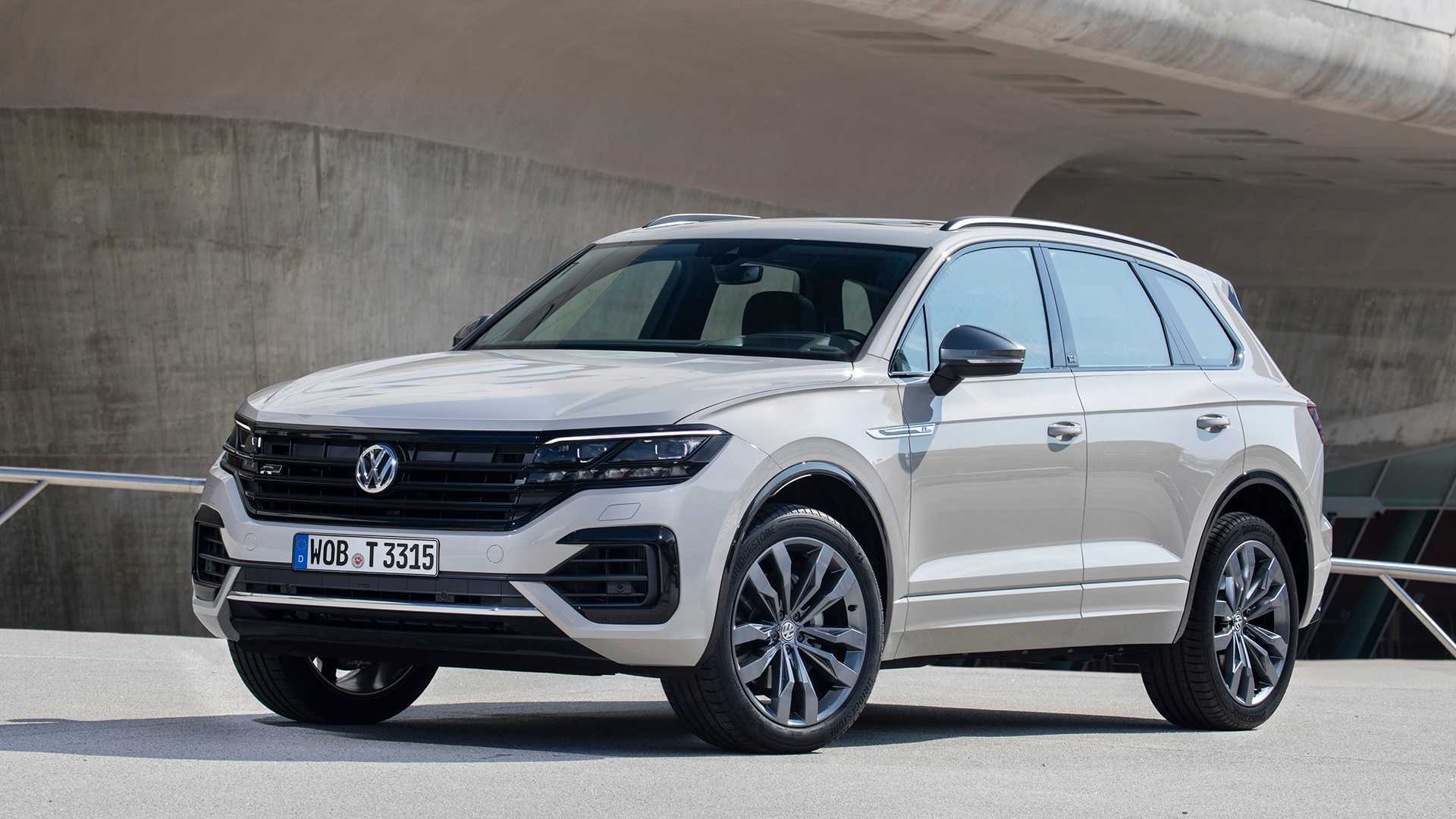
- Engine: 3.0-liter turbocharged V6 gasoline or diesel (market dependent)
- Horsepower: Approximately 335 hp (gasoline) to 282 hp (diesel)
- Torque: Approximately 332 lb-ft to 443 lb-ft
- Length: 193.6 inches (4,902 mm)
- Width: 78.1 inches (1,984 mm)
8. Volkswagen Touareg: European Engineering and Electronic Systems
The Volkswagen Touareg includes advanced European engineering with many electronic systems controlling vehicle functions. Brake repairs often require diagnostic equipment because several components communicate through the vehicle network.
Electronic parking brakes are common on many Touareg models. These systems require software commands during maintenance procedures. A scan tool allows technicians to safely retract and reset components.
Brake wear sensors and stability systems add additional requirements. After replacement work, technicians may need to clear fault codes and confirm proper operation.
The Touareg shares technology with other premium European vehicles, meaning repair procedures often require specialized knowledge. Independent shops without suitable tools may face limitations.
This SUV demonstrates how electronic integration has changed routine maintenance. Modern brake repairs frequently require computer interaction before a vehicle can return to normal operation.
Also read: 10 Cars With the Biggest Heat-Related Reliability Issues
