
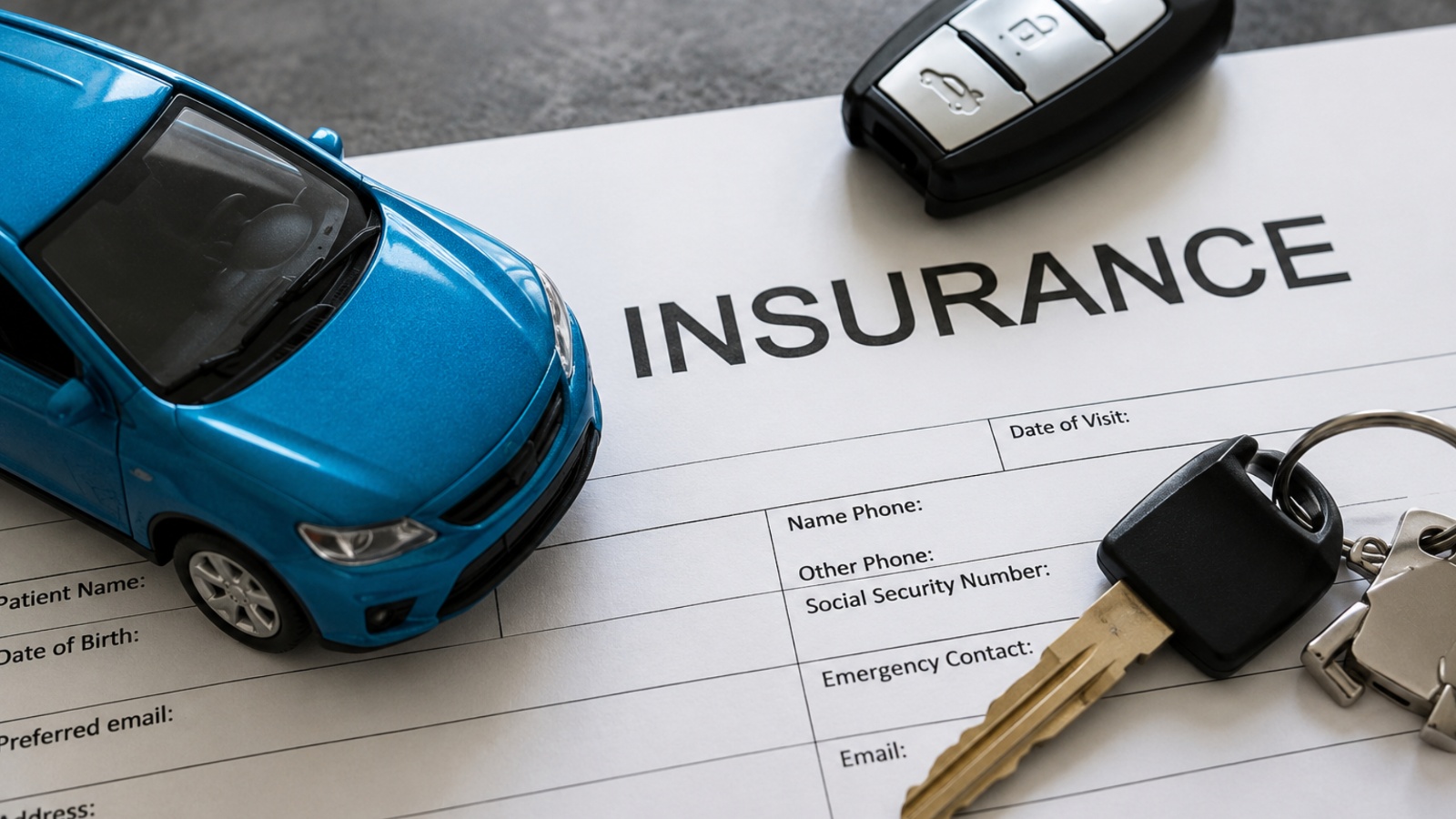
Buying a car involves more than choosing a model, arranging finance, and negotiating the showroom price. Car insurance can also affect your total ownership cost, yet many buyers accept the first premium quote without asking whether they qualify for additional savings.
Insurers may have discounts or premium reductions linked to safe driving, security features, voluntary deductibles, claim history, bundled policies, or other eligibility factors. These benefits are not always highlighted during the buying process.
Asking the right questions before purchasing a policy can help you understand your options and avoid paying more than necessary. Here are eight discounts worth asking about when buying car insurance.

1. No Claim Bonus Discount
A No Claim Bonus, commonly called NCB, can reduce the cost of your car insurance renewal when you have not made an eligible claim during the previous policy period. It is generally designed to reward policyholders who maintain a claim-free record.
The exact percentage, maximum benefit, and qualifying conditions depend on the insurer and the applicable insurance rules. When buying a new car, people who are replacing an existing vehicle may overlook this benefit because they assume their previous insurance history cannot help them.
That assumption can lead to missed savings, especially when the buyer has maintained a clean claim record for several years.
If you are selling your old car and purchasing a new one, ask the insurer whether your accumulated NCB can be transferred or retained under the applicable rules. NCB is generally associated with the policyholder rather than simply being attached permanently to a particular vehicle.
Documentation may be required to establish your previous claim-free history. The process can differ when changing insurers, replacing a vehicle, or changing the type of policy. Asking before the new policy is issued gives you a better chance of making sure your eligible NCB is correctly considered.
A common mistake is to assume that the showroom executive or insurance representative will automatically identify every possible saving. Sometimes the insurance quote is generated quickly as part of the vehicle purchase process, and the buyer may focus on getting the car delivered rather than checking each component of the premium.
Your previous policy details can be particularly important in this situation. Keep your old insurance documents, renewal information, and NCB details available when purchasing the replacement vehicle. Tell the representative that you have a claim-free history and ask specifically whether it can reduce your new premium.
It is also important to understand that making a claim can affect your NCB at renewal, subject to the terms of your policy. Some policies may offer features designed to protect the accumulated bonus under specified circumstances, but such protection is not universal and may have additional conditions or costs.
Therefore, do not assume that a small claim will have no financial effect in the future. When comparing policies, look beyond the headline premium and check how NCB works, what happens after a claim, and whether any NCB protection feature is available.
Before completing your car insurance purchase, ask a simple question: “Do I qualify for any NCB based on my previous vehicle insurance?” If you have sold or are replacing a vehicle, also ask what documents are needed to carry the benefit forward. This conversation can take only a few minutes but may make a meaningful difference to the premium.
The important point is to raise the issue yourself rather than assuming it has already been included. Insurance discounts are often governed by specific eligibility rules, so confirm the applicable conditions before relying on the quoted saving.
2. Voluntary Deductible Discount
A voluntary deductible is an amount you agree to pay toward an eligible claim before the insurer pays its portion, subject to the policy terms. Choosing a higher voluntary deductible can sometimes reduce your insurance premium because you are accepting a greater share of the financial risk.
This option may suit experienced drivers who have enough savings to handle a smaller repair bill themselves. However, it should not be selected simply because it produces a cheaper quote. The amount should be affordable and appropriate for your circumstances.
Many buyers focus on the total premium and overlook the deductible section of the quotation. If the insurance representative presents several premium options, ask whether changing the voluntary deductible would affect the price. You may find that the insurer offers different premium levels based on the amount you are willing to contribute during a claim.
The potential saving should then be weighed against the additional amount you may have to pay if an accident occurs. A lower premium is not automatically a better deal if the deductible becomes difficult to manage.
The compulsory deductible, where applicable, is different from a voluntary deductible. The compulsory portion is generally determined by the applicable rules and vehicle characteristics, while the voluntary amount is an additional contribution chosen by the policyholder.
You should ask the insurer to explain both figures before purchasing coverage. This is particularly important because buyers sometimes see a lower premium and fail to notice that their out-of-pocket contribution has increased. Understanding the difference helps you compare policies on a like-for-like basis.
A voluntary deductible may be more suitable for someone who rarely makes small claims and prefers to pay minor repair costs independently. It may be less attractive for someone who would struggle to cover a substantial unexpected expense. Your driving habits, vehicle value, financial position, and willingness to accept risk all matter.
The insurer should provide the applicable terms so you can understand exactly when the deductible applies. Do not choose a figure solely because a salesperson says it will make the policy cheaper.
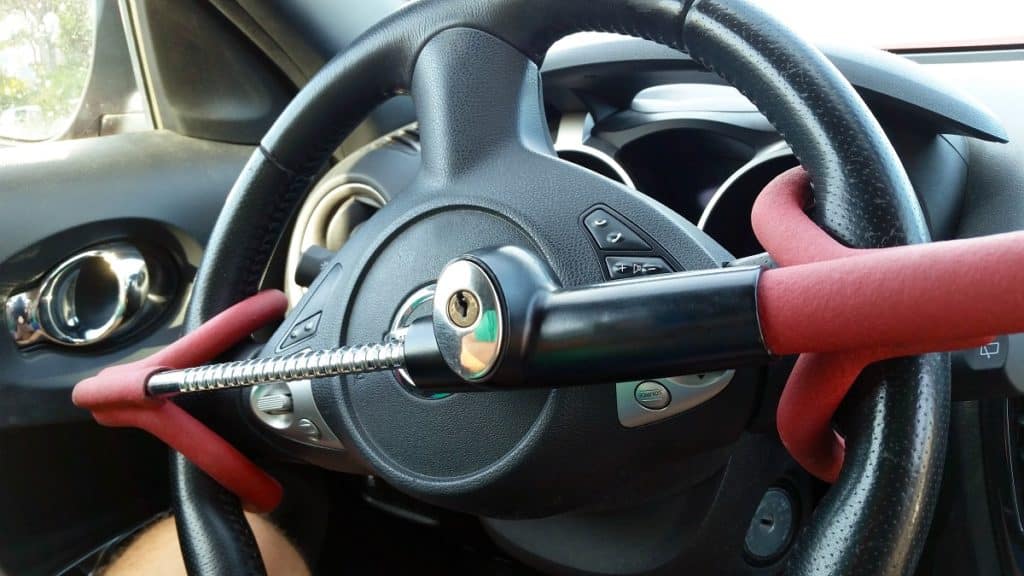
3. Anti-Theft Device Discount
Vehicle security equipment can sometimes qualify a car owner for a premium reduction, depending on the insurer and the type of device installed. Approved anti-theft devices can make a vehicle harder to steal, which may affect how an insurer assesses risk.
Buyers often miss this possibility because the insurance conversation tends to focus on the car’s make, model, engine, registration details, and selected coverage. If your vehicle has an eligible security system, it is worth asking whether the insurer recognizes it for premium purposes.
Not every security accessory will automatically qualify. Insurers may require the device to meet specific standards or be certified by a recognized organization.
An ordinary aftermarket alarm or tracking device may not receive the same treatment as an approved security system. The insurer can explain which devices qualify and what documentation is needed. This is why it is better to ask before purchasing or installing an accessory rather than assuming that any anti-theft product will produce an insurance saving.
New cars can already come with security features as standard equipment. Depending on the insurer’s rules, some built-in features may or may not affect the premium. If you are purchasing a vehicle with an advanced alarm, immobilizer, tracking system, or other security technology, mention those features while requesting the insurance quote.
Ask whether they are recognized under the insurer’s discount structure. The answer may vary between providers, so this question can also be useful when comparing quotations from different companies.
Buyers should also keep proof of installation or certification when required. If an insurer asks for documentation and you cannot provide it, the discount may not be applied. The same principle applies when an eligible device is removed, becomes inactive, or no longer meets the insurer’s requirements.
Insurance pricing depends on the information provided to the insurer, so accurate disclosure is important. A discount should never be claimed for equipment that is not actually installed or does not meet the stated eligibility criteria.
The best time to ask about an anti-theft discount is before finalizing the policy. Tell the representative exactly which security equipment the car has and ask whether it qualifies for a premium reduction.
If the vehicle does not have an eligible device, do not buy expensive equipment solely for the promise of a small insurance saving without calculating the full cost. The potential insurance benefit needs to make financial sense. A security feature can still be valuable for safety and theft prevention, but its insurance impact should be considered separately.
4. Automobile Association or Recognized Membership Discount
Some insurers offer premium benefits to members of recognized automobile associations or similar organizations, depending on the market and policy rules. Buyers who belong to an eligible association may not receive the benefit automatically because the insurer needs to know about the membership.
This is an easy area to overlook when insurance is purchased alongside a new car. The buyer may provide driving and vehicle information but never mention memberships that could potentially affect the premium.
If you belong to an eligible automobile association, ask the insurer whether your membership qualifies for a discount. You may need to provide a membership number, card, certificate, or other proof.
Eligibility can depend on the organization, the insurer, the type of membership, and the policy being purchased. Never assume that membership in any motoring organization automatically produces a lower premium. Confirm the exact requirements before the policy is issued.
This type of discount is particularly easy to miss because it has nothing to do with the vehicle itself. Two people buying the same model could potentially receive different premiums because their personal eligibility factors differ.
Insurance pricing can consider several variables, and association membership may form part of a specific discount structure where available. Asking a direct question is therefore more effective than waiting for the insurer to identify the benefit during a standard sales conversation.
Keep your membership documents available when obtaining quotations. If the insurer requests evidence, you can provide it without delaying the policy process. If you have more than one relevant membership, mention each one and ask which, if any, is recognized.
The insurer should tell you whether the memberships can be combined with other discounts. In many cases, discounts cannot simply be stacked without limits, so the final premium should be checked carefully.

5. Multi-Policy or Bundling Discount
Customers who hold more than one insurance policy with the same provider may sometimes qualify for a multi-policy discount or other pricing benefit.
This can apply when a person combines eligible motor insurance with other forms of insurance offered by the same company. The availability and structure of such savings vary significantly between insurers. Some providers may offer a direct discount, while others may use different pricing arrangements or customer benefits.
When buying a car, think about the insurance policies you already have. If you have another policy with the same insurer, mention it while requesting the vehicle insurance quotation.
The representative may be able to determine whether your existing relationship qualifies you for a lower premium. Even if you do not currently have coverage with that insurer, ask whether bundling eligible policies could reduce your costs. This can be especially helpful for households with multiple insurance needs.
Bundling should not be judged by the motor premium alone. A lower car insurance price may not represent a genuine saving if the other policy becomes more expensive or provides less suitable coverage.
Compare the combined cost, coverage, exclusions, deductibles, limits, and renewal terms. The goal should be to find a financially sensible arrangement rather than simply collecting the largest advertised discount.
Policy bundling can also simplify administration. Having several policies with one insurer may mean fewer accounts, renewal dates, and payment arrangements to manage. However, convenience should not replace comparison.
Insurers can price similar coverage differently, and the best arrangement for one household may not be the best arrangement for another. Ask for the individual prices as well as the combined price so you can see exactly how much the bundle changes your total cost.
6. Low-Mileage or Limited-Use Discount
The number of kilometres or miles a vehicle travels can affect insurance risk in some markets and under certain insurance programs. Drivers who use their cars less frequently may have access to usage-based or low-mileage pricing arrangements.
These programs are not available everywhere, and they may operate differently depending on the insurer. Some may require declarations about expected annual mileage, while others may use telematics or other methods to assess actual usage.
This discount is easy to overlook for people who buy a car primarily for weekend trips, occasional family journeys, or short local travel. A buyer may automatically select a standard policy without asking whether the insurer has a lower-use option.
If you expect to drive significantly less than a typical private motorist, mention your estimated usage when requesting a quote. The insurer can then explain whether any applicable pricing option is available.
Accuracy matters when discussing mileage. Do not deliberately underestimate your expected use simply to obtain a cheaper premium. If your actual driving pattern changes substantially, tell the insurer when required by the policy conditions.
Misrepresenting important information can create complications during a claim. A legitimate low-mileage discount is based on truthful information about how the vehicle is expected to be used.
Usage-based insurance may involve additional conditions. Some programs use telematics devices or mobile technology to monitor driving behavior, distance, time of travel, or other information. Others may simply use declared mileage.
Read the privacy terms, data requirements, eligibility conditions, and pricing rules before enrolling. A lower initial premium may not be the only factor worth considering if the program involves additional monitoring.

7. Safe Driver or Telematics-Based Discount
Some insurers provide discounts or premium adjustments based on demonstrated driving behavior. These programs can use telematics technology, such as an installed device or mobile application, to measure selected driving characteristics.
Depending on the program, factors may include braking patterns, acceleration, speed, mileage, time of driving, or other permitted information. The purpose is to create a price that reflects observed driving behavior rather than relying solely on general risk categories.
A safe-driving program can be particularly useful for drivers who believe their driving habits are better than the assumptions built into a standard quote. However, the program’s rules need to be understood before enrollment.
Not every telematics plan rewards the same behaviors, and some programs may use the collected information to adjust pricing in different ways. Ask whether the program guarantees a discount, offers a potential reduction, or can affect the premium based on the measured results.
Technology-based insurance also raises practical questions about data. Before agreeing to a telematics program, check what information is collected, how it is used, who can access it, and how long it is retained.
You should also understand what happens if the application cannot collect data because of a technical problem. These details are part of the value proposition and should be considered alongside the potential premium saving.
A safe-driver discount may also be subject to eligibility criteria. The insurer might limit the program to certain vehicles, drivers, policy types, or geographical areas.
New drivers and experienced motorists may receive different treatment. Some programs may have a trial period before the insurer calculates a revised price. Ask for the exact process rather than relying on a general statement that “safe drivers pay less.”
8. Discounts for Safety Features and Eligible Vehicle Equipment
Modern cars can contain a wide range of safety technology, including airbags, electronic stability systems, driver assistance features, parking sensors, cameras, and other equipment.
Depending on the insurer and local pricing rules, certain safety features may influence insurance costs. However, not every feature automatically produces a discount. Buyers often assume that a car packed with safety technology will receive a lower insurance premium, but insurers use their own rating methods and eligibility rules.
When you receive an insurance quotation for a new vehicle, ask the representative whether the insurer recognizes any safety features for pricing purposes.
Provide accurate information about the exact variant you are buying because equipment can differ between trims. A base version and a higher specification version of the same model may have different safety equipment. The insurer may need the precise variant, registration information, or vehicle identification details to determine the applicable premium.
It is also important to distinguish between safety features and accessories. A feature designed to reduce injury risk may be considered differently from an accessory added for convenience or appearance.
Likewise, an advanced driver assistance system may affect the cost of repairing the vehicle even if it has safety benefits. Insurance pricing can therefore involve competing factors. A safety feature does not guarantee a lower premium simply because it sounds beneficial.
The same principle applies to modifications and aftermarket equipment. Always tell the insurer about relevant modifications when required. An undeclared modification can create problems if it changes the vehicle’s characteristics or affects the terms of the policy.
If a particular safety device has been professionally installed, ask whether the insurer requires proof of installation or certification. Clear documentation helps avoid confusion when the policy is issued.
Also read: 5 Cars With the Highest Theft Rates in New Mexico, 5 With the Lowest
