
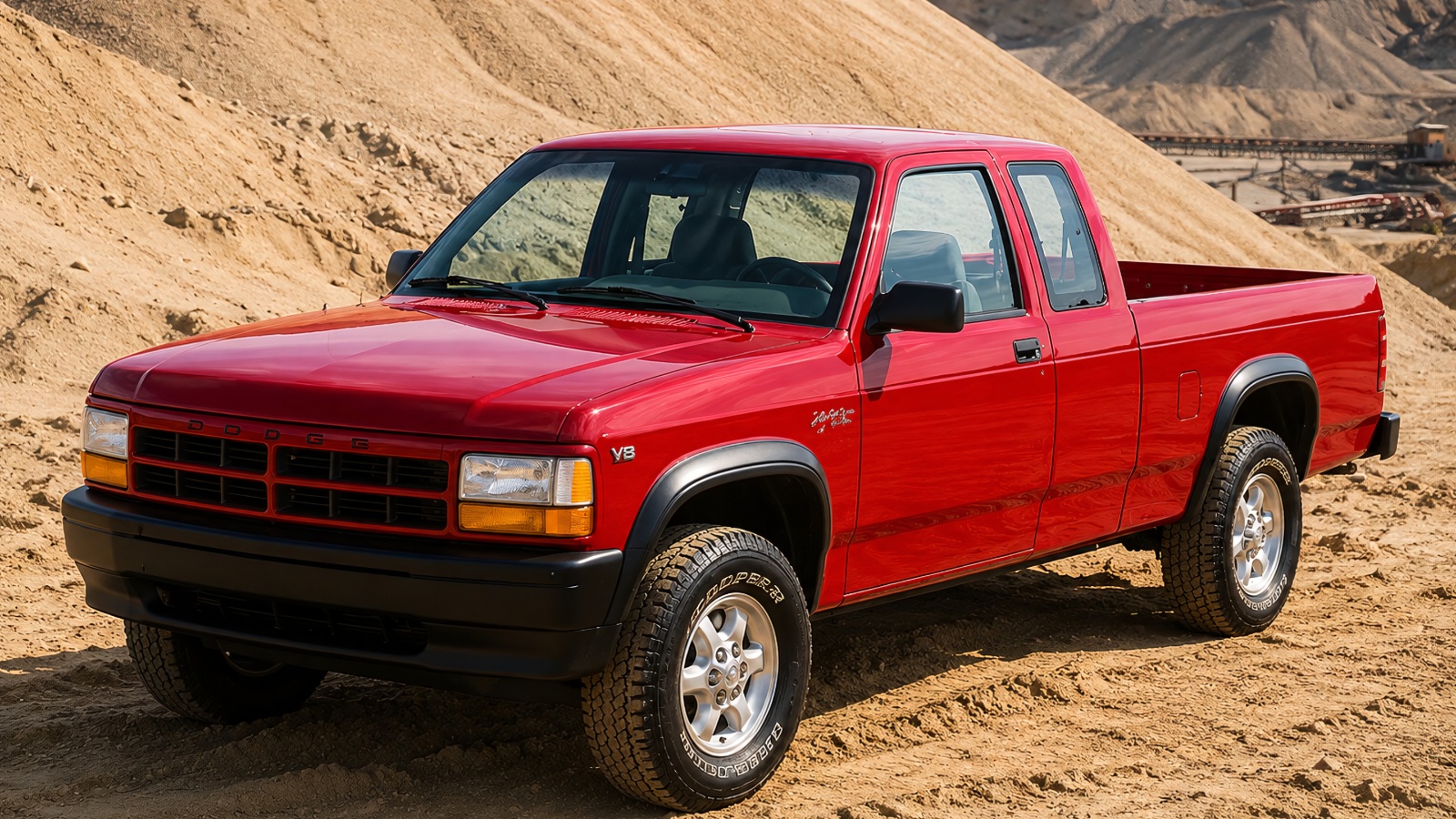
Several older vehicles remain subject to urgent do-not-drive warnings tied to unrepaired Takata airbag recalls. The National Highway Traffic Safety Administration and vehicle manufacturers continue urging owners to keep affected vehicles off public roads until the defective inflators are replaced.
The danger is linked to aging airbag inflators that can rupture violently during a crash and send metal fragments into the passenger compartment.
This article covers eight vehicle lines included in the current FCA warning and explains the recall risk, affected model years, what owners should do, and why checking the vehicle identification number remains essential before driving any recalled vehicle on the road.
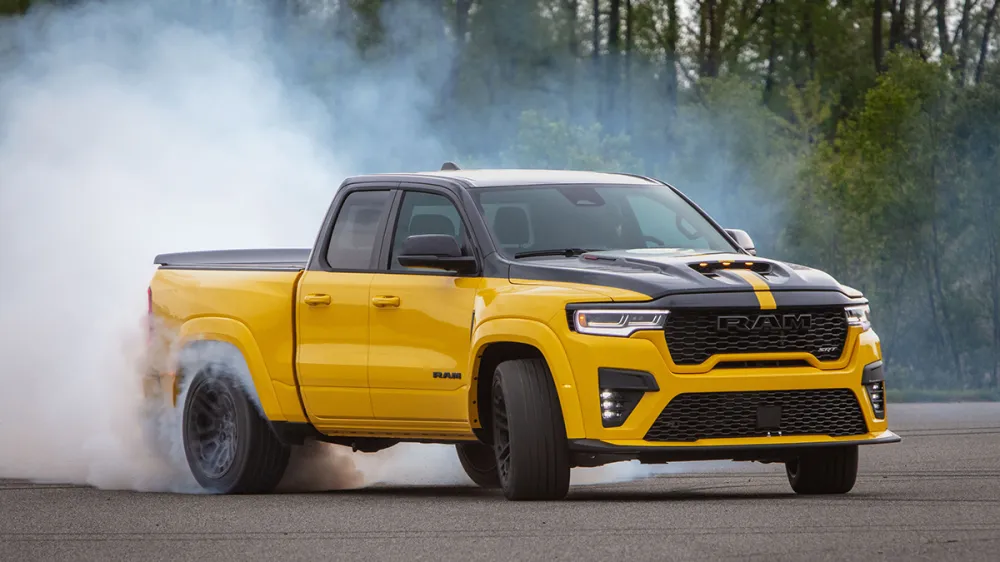
- Engine: 5.7L HEMI V8
- Horsepower: 345 hp
- Torque: 375 lb-ft
- Length: Approximately 209 in
- Width: Approximately 79.9 in
1. Dodge Ram
The Dodge Ram is among the vehicles covered by the current FCA do-not-drive warning for unrepaired Takata airbag recalls. The affected group includes 2003 through 2010 Dodge Ram vehicles covered by recall campaigns including 15V312, 15V313, 16V352, 16V947, 18V021 and 19V018.
The warning applies to vehicles with an open, unrepaired recall, not automatically to every Ram built during those years. Owners need to confirm the status through the vehicle identification number before assuming their truck is safe.
The central concern is the Takata airbag inflator. These inflators can deteriorate over time, particularly when exposed to heat and humidity. During a collision that causes the airbag to deploy, an affected inflator can rupture rather than function normally.
A rupture can propel metal fragments toward people inside the vehicle, turning a safety device into a serious source of injury. NHTSA has documented fatalities and hundreds of reported injuries associated with defective Takata inflators.
Age makes this warning particularly important for owners of older Ram trucks. A vehicle may appear mechanically sound, start normally, pass a routine inspection and still have an unsafe airbag inflator.
The defect does not necessarily produce a dashboard warning or a noticeable driving symptom. That means normal operation cannot be used as evidence that the recall has been completed. The recall status must be confirmed through the VIN and the manufacturer’s records.
Owners who discover an unrepaired recall should not drive the truck to a dealership. NHTSA advises owners of vehicles covered by the do-not-drive warning to contact the manufacturer or dealer and arrange the repair.
Recall repairs are provided without charge by the manufacturer. FCA has also provided customer assistance for affected Takata vehicles, making it important to ask about available towing or other arrangements when scheduling service.
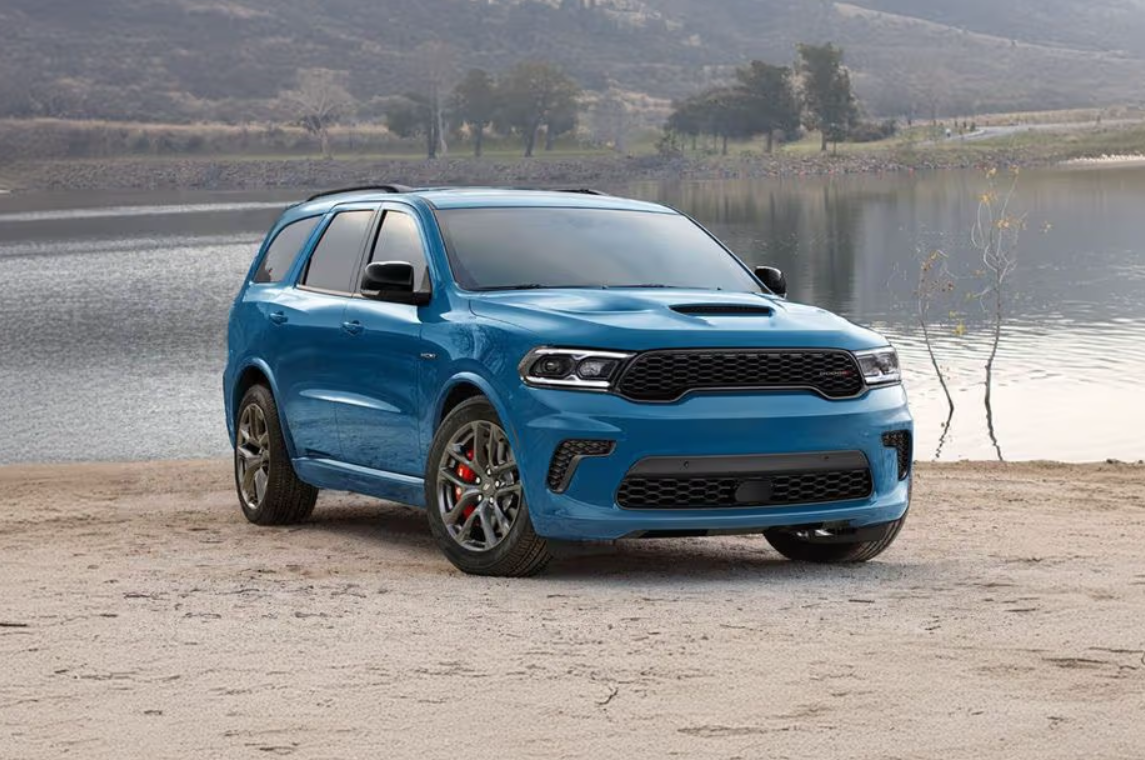
- Engine: 5.7L HEMI V8
- Horsepower: 335 hp
- Torque: 370 lb-ft
- Length: Approximately 200.8 in
- Width: Approximately 75.7 in
2. Dodge Durango
Certain Dodge Durango vehicles from the 2004 through 2009 model years remain included in the FCA do-not-drive warning when they have an open and unrepaired Takata airbag recall. The applicable campaigns listed by NHTSA include 15V313, 16V352, 16V947 and 18V021.
This does not mean every Durango from those years is currently unsafe to drive. The critical question is whether a particular vehicle still has the recalled component installed.
The Takata problem concerns the inflator that creates the gas needed to inflate the airbag. As the inflator ages, deterioration can increase the possibility of an abnormal deployment.
In the most dangerous failures, the inflator housing can rupture when activated. Metal pieces can then enter the passenger compartment at high speed. NHTSA has repeatedly emphasized that an unrepaired affected vehicle should not be driven because a crash could trigger the defective component.
A common mistake is assuming that the warning only matters when a driver frequently travels at high speed. The hazard can arise during a collision at comparatively low speeds because airbags can deploy in crashes that do not involve highway travel.
A vehicle used mainly for short trips is therefore not automatically safe. The safest response to an open do-not-drive recall is to leave the vehicle parked until the required repair has been completed.
Durango owners should locate the VIN and check the vehicle’s recall record. If the result identifies an unrepaired Takata campaign covered by the warning, the owner should contact a Dodge dealer rather than driving the vehicle there.
Ask about towing arrangements and the availability of replacement parts. Recall repairs for safety defects are generally completed without charge, and NHTSA specifically advises owners to arrange repairs promptly.
Used-car buyers should treat an unresolved Takata recall as a serious purchasing issue. The seller’s assurance that the vehicle has never experienced an airbag problem is not enough.
The relevant question is whether the specific VIN has an open campaign. NHTSA provides a recall lookup service for this purpose, and its Takata guidance recommends checking recall status periodically. A documented repair provides far stronger evidence than a verbal claim that the vehicle is safe.
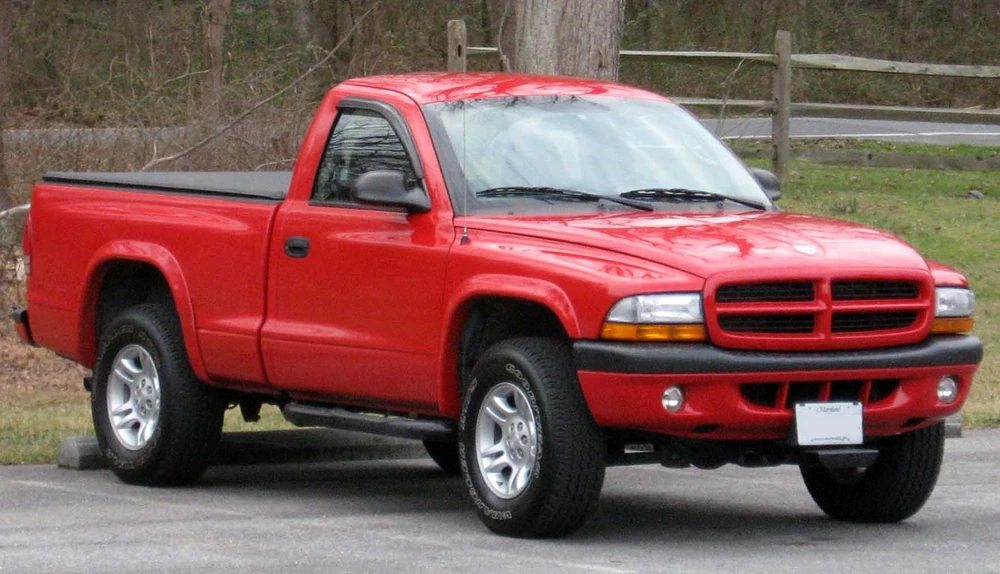
- Engine: 4.7L V8
- Horsepower: 302 hp
- Torque: 329 lb-ft
- Length: Approximately 218.5 in
- Width: Approximately 71.7 in
3. Dodge Dakota
The 2005 through 2011 Dodge Dakota is another vehicle line included in FCA’s current warning for unrepaired Takata recalls. NHTSA lists campaigns 15V313, 16V352, 18V021 and 19V018 among the campaigns associated with the affected Dakota vehicles.
Owners should understand that model-year information is only a starting point. The VIN determines whether a particular truck has an open recall and whether the required remedy has been recorded.
The seriousness of the Dakota warning comes from the nature of the airbag defect. Takata inflators can become unstable as they age. When an affected unit is commanded to deploy, excessive internal pressure can cause the inflator to rupture.
The resulting fragments may strike occupants with considerable force. NHTSA has linked defective Takata inflators to deaths and injuries in the United States, making an unrepaired campaign far more significant than a routine maintenance item.
Drivers may be tempted to continue using an older pickup because the truck feels dependable. Mechanical reliability does not remove the airbag risk. The vehicle can operate normally for years while retaining an unsafe inflator.
The warning concerns what could happen during a crash, rather than how the truck behaves during ordinary driving. This distinction is important for owners who have never noticed a problem with their Dakota.
If an owner confirms an open recall covered by the do-not-drive warning, the vehicle should remain parked. Contacting an authorized Dodge dealer is the appropriate next step.
Owners can explain that the truck is subject to a do-not-drive warning and ask how the dealership will handle transportation. NHTSA states that recalled vehicles should be repaired free of charge through the manufacturer, while specific towing arrangements can vary by manufacturer and situation.
People considering a used Dakota should also check recall records before driving the truck home. This is especially important when purchasing an older vehicle from a private seller, where service paperwork may be incomplete.
A VIN search can reveal whether a recall remains open. NHTSA also encourages owners to check recall information periodically and use its alert services so future safety campaigns are easier to identify.
- Engine: 5.7L HEMI V8
- Horsepower: 340 hp
- Torque: 390 lb-ft
- Length: Approximately 197.7 in
- Width: Approximately 74.1 in
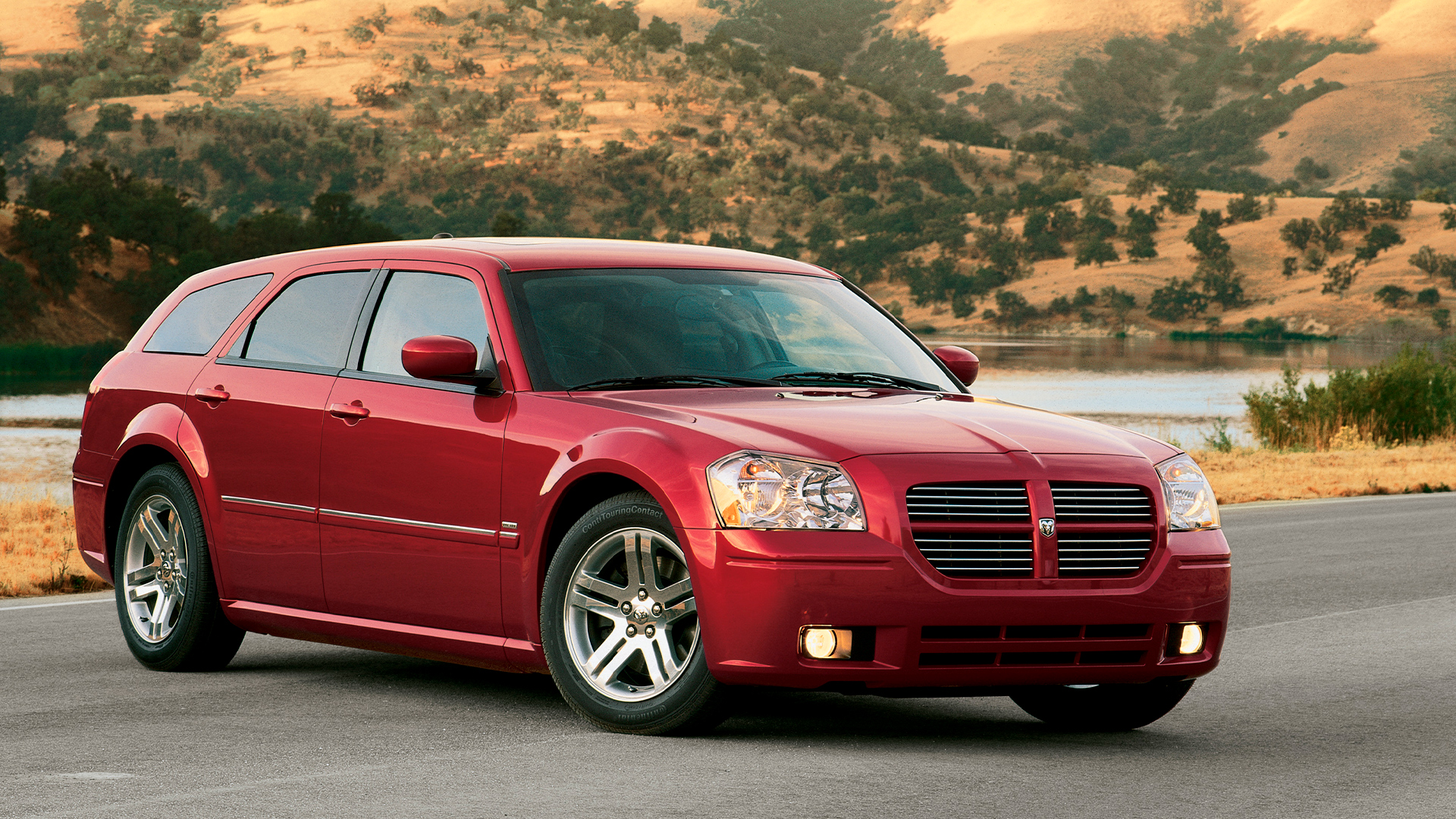
4. Dodge Magnum
The Dodge Magnum from the 2005 through 2008 model years appears in FCA’s current do-not-drive warning when affected Takata recall repairs remain outstanding.
NHTSA identifies recall campaigns 15V313 and 16V352 for the applicable Magnum vehicles. The warning is directed at vehicles with open and unrepaired recalls, so owners should verify their specific vehicle rather than relying solely on its model year.
The Magnum’s recall issue involves a Takata airbag inflator that can rupture when the airbag deploys. An airbag is designed to protect an occupant during a crash, but an inflator failure can produce a dangerous outcome.
NHTSA says defective Takata inflators have caused fatalities and injuries, and its current guidance tells owners of affected unrepaired vehicles not to drive them until the repair is completed.
The risk deserves attention because these vehicles are now considerably older than when the recalls were first issued. Inflator age is an important part of the Takata problem. Environmental exposure can contribute to deterioration, and the risk profile has been especially concerning for older vehicles in certain regions. A Magnum that has received regular engine, transmission and brake maintenance may still require immediate airbag service.
Owners should begin with the VIN rather than the vehicle’s appearance or dashboard condition. If the VIN search identifies an applicable open Takata recall, the Magnum should remain parked. Contact a Dodge dealer and explain that the vehicle is subject to a do-not-drive warning.
The dealership can provide information about the recall remedy and the safest way to transport the vehicle for service. Recall repairs are provided at no cost to the vehicle owner.
A used Magnum can be appealing to collectors and enthusiasts, but safety records should be part of the buying process. Before purchasing, check the VIN through NHTSA and request recall completion records from the seller.
If an open Takata campaign appears, the buyer should understand that the vehicle should not be driven until the repair is completed. NHTSA’s recall database is a useful first check, while the manufacturer or dealer can confirm the repair status.
- Engine: 5.7L HEMI V8
- Horsepower: 370 hp
- Torque: 395 lb-ft
- Length: Approximately 200.1 in
- Width: Approximately 74.5 in
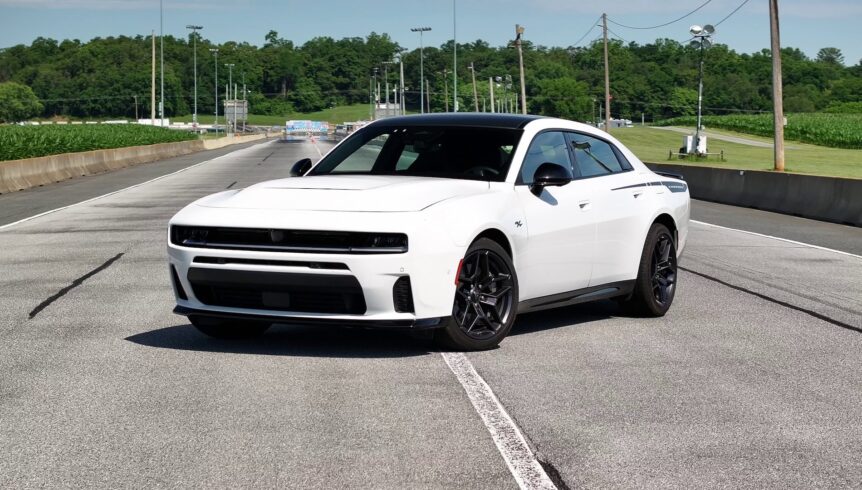
5. Dodge Charger
Certain Dodge Charger vehicles from the 2006 through 2015 model years are included in the FCA do-not-drive warning when they have an open Takata airbag recall.
NHTSA lists campaigns 15V313, 16V352, 18V021 and 19V018 for affected Chargers. The warning therefore covers a substantial range of model years, but only vehicles that still have the relevant unrepaired recall require immediate action under this warning.
The underlying hazard is the possibility of a defective Takata inflator rupturing during airbag deployment. NHTSA has reported deaths connected to ruptured Takata inflators, including a 2022 case involving a 2006 Ford Ranger that was already subject to a do-not-drive warning. The agency has repeatedly urged owners to act quickly when an open Takata recall is identified.
The Charger illustrates why vehicle age and recall status should be considered together. A vehicle can remain attractive, powerful and mechanically capable while carrying an unresolved safety defect.
Owners should not assume that a lack of warning lights means the airbag system is safe. The recall concerns a component that may only reveal its dangerous behavior when the airbag is needed during a crash.
If the Charger has an applicable open recall, owners should not drive it to a dealership. The recommended course is to contact a Dodge dealer and arrange the repair.
FCA’s 2026 warning specifically tells owners not to drive affected vehicles until the defective airbag has been replaced. The repair is free at the manufacturer’s dealership, removing the financial barrier that might otherwise cause an owner to delay the work.
Owners who sold or purchased a Charger should also make sure recall records follow the vehicle. NHTSA’s VIN lookup tool can identify open recalls, while manufacturer records can confirm completed repairs.
This is especially valuable with older Chargers that may have changed hands several times. Checking the recall record before driving, selling, or purchasing the vehicle can prevent an unresolved safety defect from being overlooked.
- Engine: 5.7L HEMI V8
- Horsepower: 335 hp
- Torque: 370 lb-ft
- Length: Approximately 200.8 in
- Width: Approximately 76.0 in
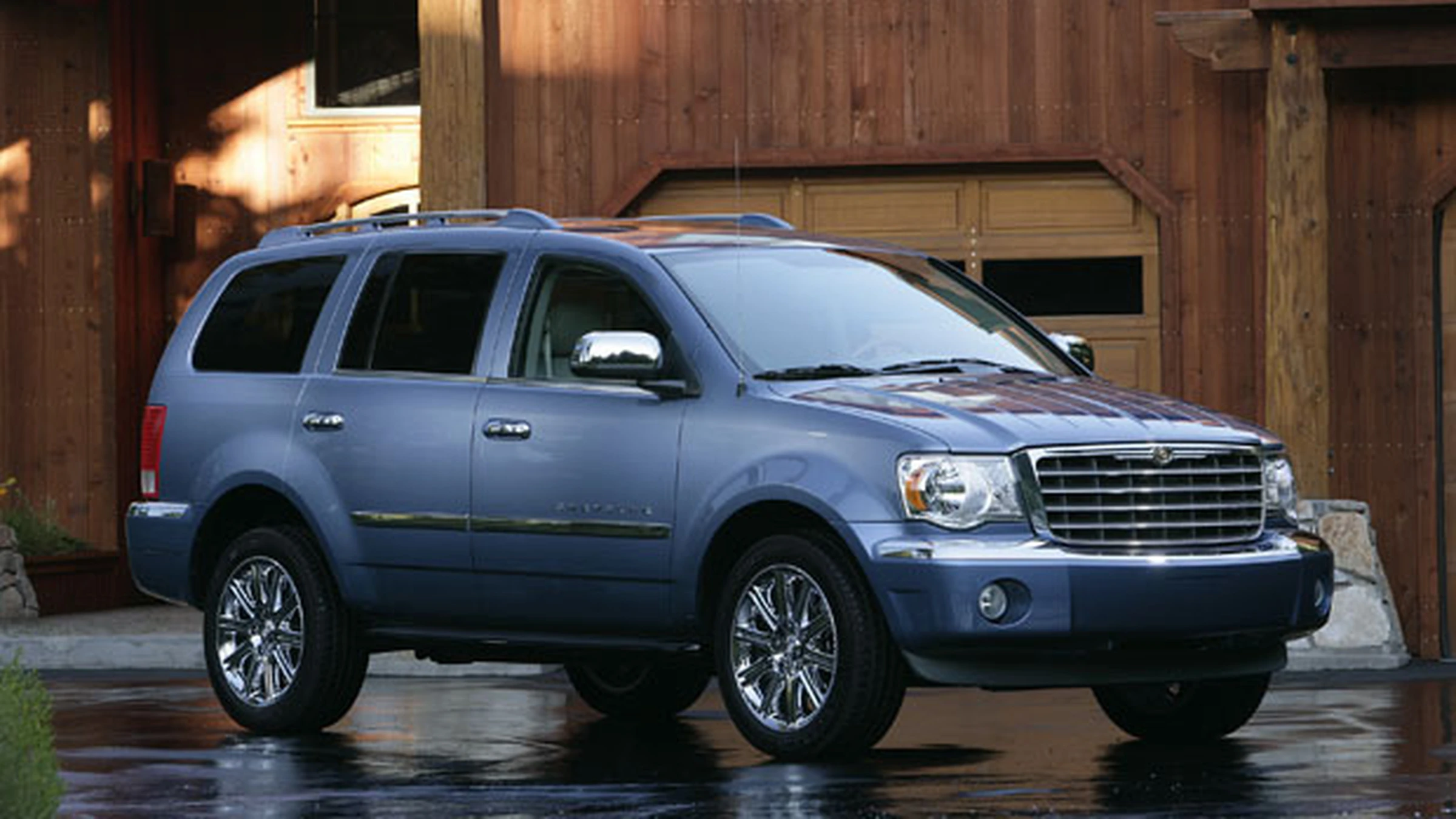
6. Chrysler Aspen
The 2007 through 2009 Chrysler Aspen is included in the current FCA do-not-drive warning for specific unrepaired Takata airbag recalls.
NHTSA lists campaigns 15V313, 16V352, 16V947 and 18V021 for affected vehicles. Owners should use the VIN to determine whether their particular Aspen remains subject to an open recall rather than assuming that every Aspen from the listed years has the same status.
The airbag issue can be difficult for owners to recognize because it does not necessarily affect ordinary vehicle operation. The engine can run properly, the transmission can shift normally, and the vehicle can appear completely roadworthy.
The danger exists if the affected inflator is required to deploy. A rupture can send fragments into the cabin, creating a serious injury hazard for the driver or passengers.
NHTSA’s broader Takata guidance explains why these recalls remain important years after the original campaigns began.
Approximately 67 million Takata airbags were recalled in the United States, and the agency continues to maintain a dedicated Takata recall program. Certain vehicles carry particularly urgent do-not-drive warnings because testing has shown a higher risk of dangerous inflator rupture.
An Aspen owner who finds an open campaign should keep the vehicle parked and contact an authorized Chrysler or Dodge service outlet for instructions. Tell the dealer that the vehicle is subject to an urgent Takata do-not-drive warning.
Ask about towing and repair arrangements before moving the vehicle. NHTSA says recalled vehicles should receive the required safety repair without charge through the manufacturer.
For buyers, the Aspen’s age makes a VIN check particularly important. Older vehicles can have incomplete service histories, especially when they have moved between multiple owners.
A vehicle may have received many routine repairs while still missing a safety recall. Checking NHTSA’s database and obtaining manufacturer confirmation before purchase provides a clearer picture of the vehicle’s safety status.
- Engine: 5.7L HEMI V8
- Horsepower: 372 hp
- Torque: 400 lb-ft
- Length: Approximately 197.7 in
- Width: Approximately 75.7 in
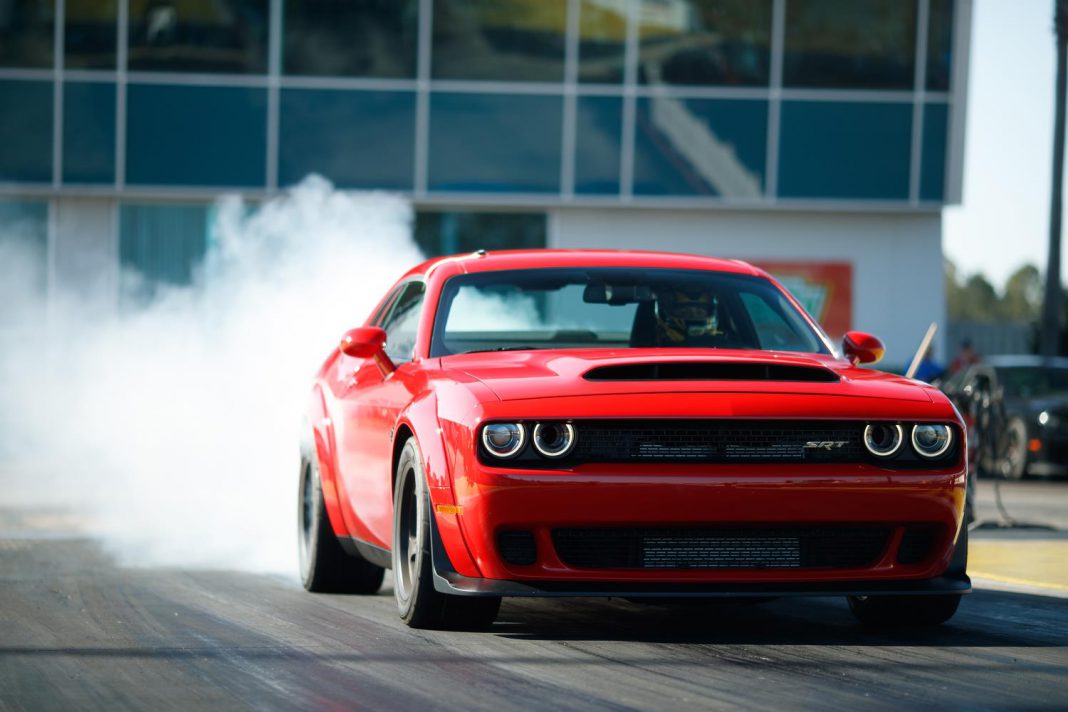
7. Dodge Challenger
The 2008 through 2014 Dodge Challenger is included in FCA’s February 2026 do-not-drive warning when an applicable Takata recall remains open and unrepaired.
NHTSA identifies campaigns 15V444, 16V352, 18V021 and 19V018 for affected vehicles. Owners should confirm the exact recall status through the VIN because not every vehicle within a broad model-year range necessarily has an outstanding campaign.
The safety concern again centers on the Takata inflator. When an affected airbag deploys, the inflator can rupture and release metal fragments.
This creates a particularly dangerous situation because the failure can occur during the very crash in which the airbag is supposed to protect the occupant. NHTSA’s Takata information states that certain affected vehicles have a substantially higher rupture risk and should not be driven until repaired.
Challenger owners may be especially reluctant to leave their vehicles parked because many examples have become enthusiast vehicles. That does not change the recall requirement.
A vehicle’s value, condition, mileage or collector appeal cannot make an unrepaired airbag inflator safe. Even a low-mileage vehicle can require immediate recall service if the VIN shows an open campaign covered by the warning.
The correct response is to contact a Dodge dealer and explain the open recall. Do not drive the Challenger to the dealership if it is covered by the do-not-drive warning. Ask the service department about towing and repair arrangements.
FCA’s current warning states that recalled vehicles should remain off the road until the defective airbag is replaced, while recall repairs are provided free of charge at the manufacturer’s dealership.
Anyone buying a used Challenger should make the recall check part of the transaction. The VIN can reveal an open safety campaign that may not appear in a seller’s maintenance records. Buyers should also confirm that any completed repair has been properly recorded.
NHTSA recommends checking recall status regularly, which is particularly useful for older vehicles that have changed ownership or may have spent years in storage.
- Engine: 5.7L HEMI V8
- Horsepower: 363 hp
- Torque: 394 lb-ft
- Length: Approximately 198.6 in
- Width: Approximately 75.0 in
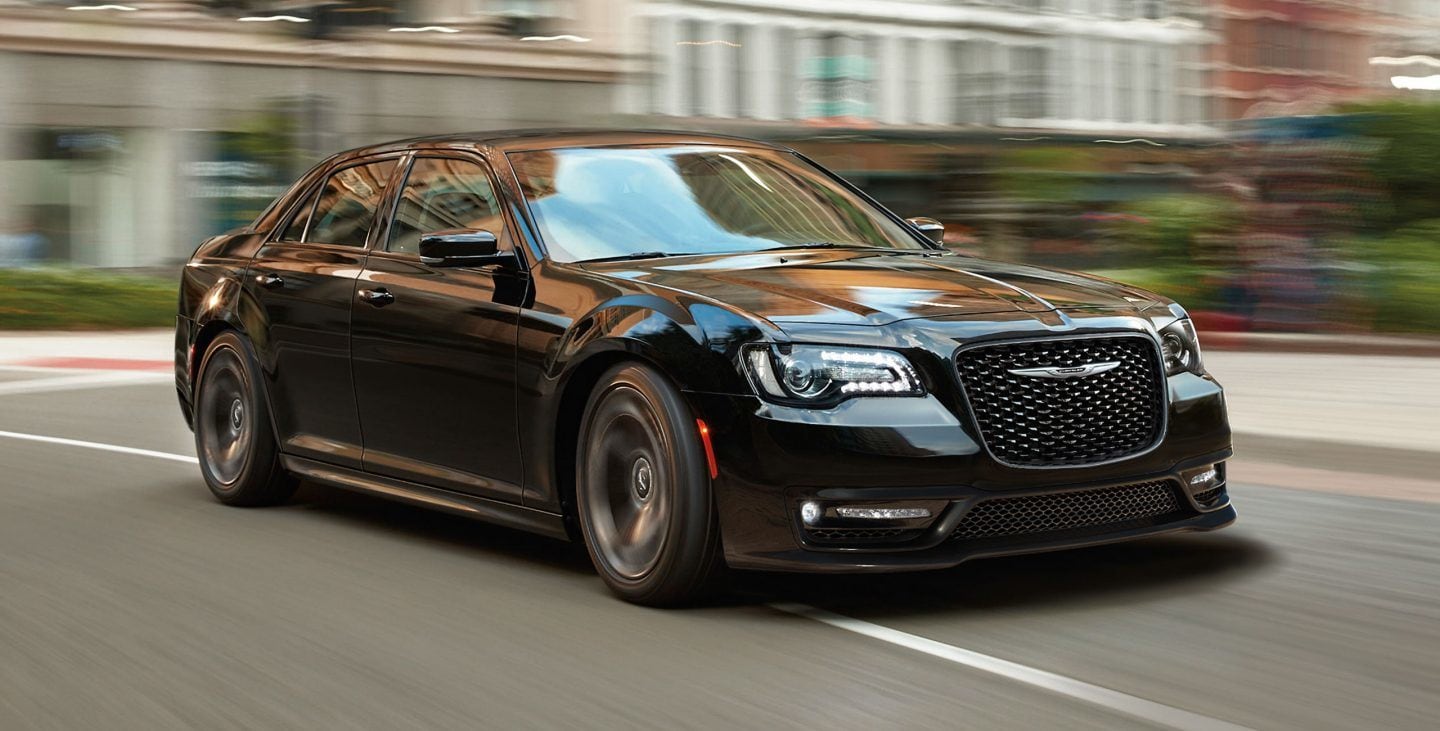
8. Chrysler 300
The 2005 through 2015 Chrysler 300 is included in FCA’s current do-not-drive warning for open and unrepaired Takata airbag recalls.
NHTSA lists campaigns 15V313, 16V352, 18V021 and 19V018 for the affected vehicles. As with the other models on this list, the warning does not mean every Chrysler 300 from those years has an unresolved defect. The VIN must be checked to establish the current recall status.
The reason for the warning is the potential failure of the Takata airbag inflator. An affected inflator can rupture during deployment, sending metal fragments into the passenger compartment.
NHTSA has confirmed multiple U.S. deaths associated with defective Takata airbags and reports hundreds of injuries. The agency continues to classify certain unrepaired vehicles as requiring an urgent do-not-drive response because of the elevated danger.
The Chrysler 300 range includes vehicles that may still be used every day, making awareness especially important. A driver might commute, take children to school or make local trips without experiencing any obvious problem.
The absence of symptoms does not reduce the airbag risk. The defect is associated with what happens when the inflator activates, meaning normal driving behavior cannot demonstrate that the component is safe.
If a Chrysler 300 has an open recall covered by the current warning, it should remain parked until repaired. Owners should contact an authorized dealer and explain the recall status before arranging transportation.
The manufacturer can provide information about the repair process and available assistance. NHTSA states that recall repairs are free, and FCA specifically tells owners of affected vehicles not to drive until the defective airbag has been replaced.
The most important step for any Chrysler 300 owner is therefore simple: check the VIN. NHTSA’s recall lookup tool can identify open safety recalls, while an authorized dealer can confirm whether the repair has already been completed.
NHTSA also recommends checking recall information at least twice a year and signing up for recall alerts. These steps are useful for current owners, used-car buyers and families sharing an older vehicle.
Also read: 5 Cars With the Highest Theft Rates in New Mexico, 5 With the Lowest
