
Factory options can transform an already expensive car into something far more exclusive, personalized, and costly. Luxury and performance manufacturers have offered extraordinary upgrades ranging from precious-metal accessories and hand-crafted interiors to exotic carbon-fiber finishes, precision timepieces, and racing-focused hardware.
Some options have cost more than a normal family car, while rare bespoke choices have reached six-figure territory.
The prices are especially striking because these additions are selected when the vehicle is ordered, meaning they are not simply aftermarket modifications. Here are seven remarkable factory options that show just how far manufacturers have pushed customization, craftsmanship, and exclusivity for wealthy buyers.
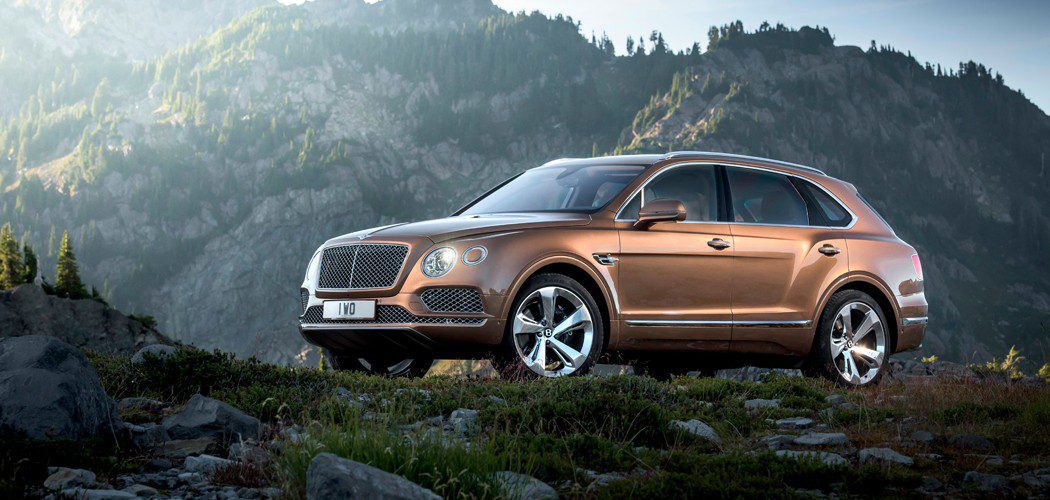
- Engine: 6.0-liter twin-turbocharged W12
- Torque: 900 Nm (664 lb-ft)
- Horsepower: 626 hp
- Length: 5,140 mm
- Width: 1,998 mm
1. Bentley Bentayga Mulliner Tourbillon by Breitling
The Bentley Bentayga made headlines for offering a factory-installed dashboard clock that cost around €150,000. The Mulliner Tourbillon by Breitling was created for buyers who wanted their luxury SUV to carry an object that could rival the vehicle itself in craftsmanship.
The clock was not a conventional automotive accessory. It was a mechanical timepiece built with the standards associated with high-end Swiss watchmaking, making its price extraordinary even beside the Bentayga’s already substantial purchase price. Contemporary reporting described it as the most expensive factory option available on a production vehicle at the time.
The centerpiece was a mechanical tourbillon movement, a complication traditionally associated with prestigious mechanical watches. The mechanism was housed in a specially designed dashboard assembly, giving the driver and passengers a piece of fine horology directly within the cabin.
Its design included a precious-metal construction, a mother-of-pearl dial, and diamond indexes. Those details explain why the option occupied an entirely different category from normal car extras such as upgraded audio systems, larger wheels, or premium leather.
What made the Bentayga clock particularly unusual was its presentation. Bentley designed the dashboard mechanism so the clock could rotate, allowing either the face or the reverse side to be displayed. The movement could also be wound automatically by a specially developed system.
That meant the owner was not merely purchasing an expensive decorative clock. The installation was engineered as an integral part of the vehicle and reflected the same obsession with mechanical detail found in luxury watches.
The price of approximately €150,000 was remarkable because it represented a major percentage of the cost of the SUV itself. Buyers could spend that amount on a complete high-performance vehicle from many manufacturers, yet Bentley offered the sum as an individual cabin option.
The extremely limited production of the watch also contributed to its exclusivity. Contemporary reports stated that Breitling could produce only a handful each year, which meant this was never intended to become a common sight in Bentayga interiors.
This option demonstrates an important principle behind ultra-luxury cars. At the highest level, manufacturers are not simply selling transportation. They are selling craftsmanship, rarity, and personal expression.
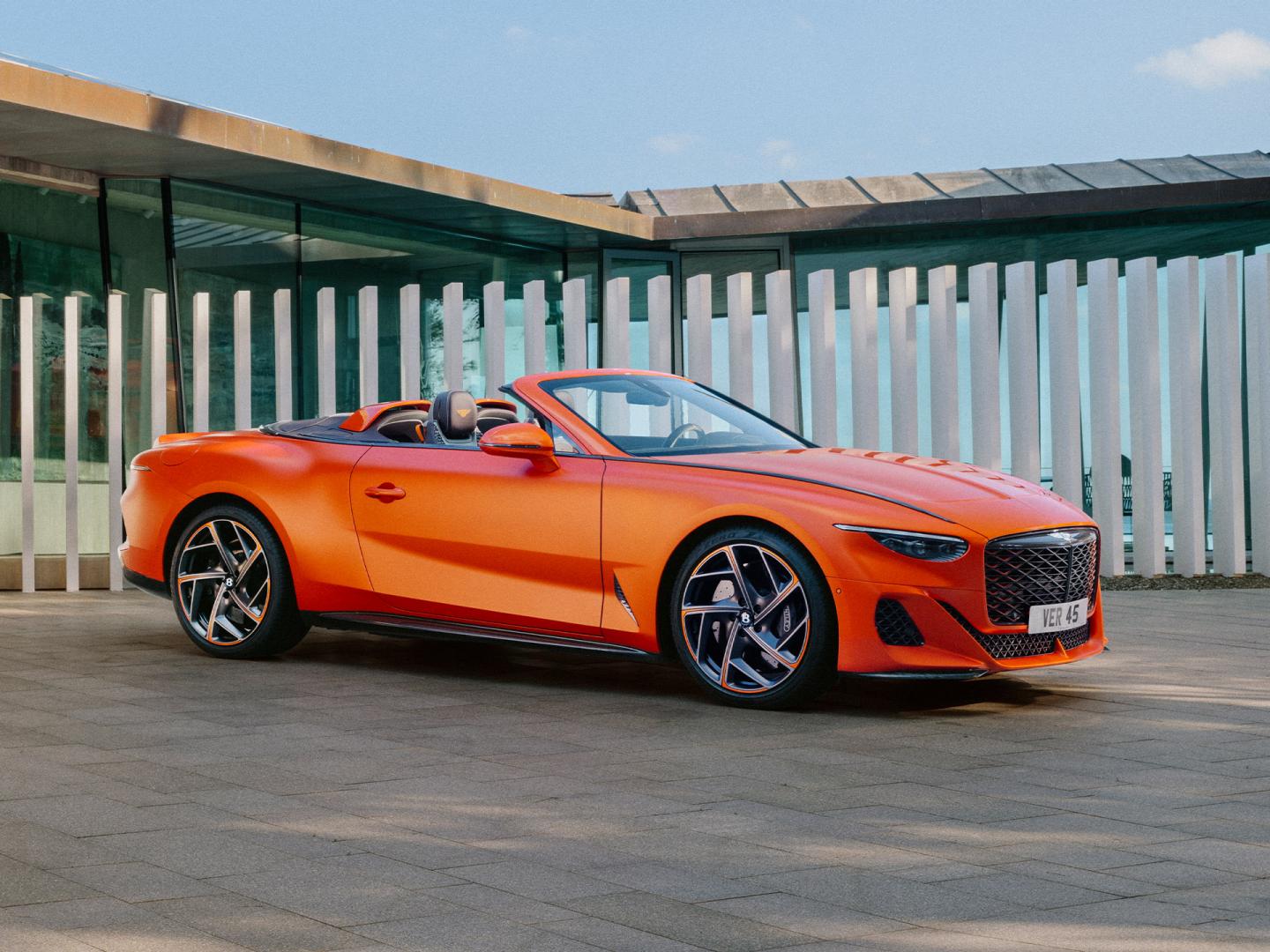
- Engine: 4.0-liter twin-turbocharged V8 plug-in hybrid
- Torque: 1,000 Nm (738 lb-ft) combined
- Horsepower: 771 hp
- Length: 4,895 mm
- Width: 2,187 mm across mirrors
2. Bentley Mulliner Bespoke Options
Bentley has developed its Mulliner division into a major part of the company’s personalization strategy. Customers can request distinctive paint colors, veneers, leather combinations, embroidery, exterior details, and other specialized finishes.
Like Rolls-Royce, Bentley does not publish a simple fixed price for every bespoke request, so the final cost can vary significantly according to the complexity of the commission.
The Mulliner approach is particularly interesting because Bentley sits between traditional luxury and high-performance motoring.
A customer can create a sophisticated touring car with subtle materials or choose a far more dramatic specification involving contrasting colors, special carbon-fiber components, and unusual interior finishes. The company can accommodate requests that would be impossible through a normal mass-market configurator.
Bentley’s history supports this philosophy. The marque has long been associated with hand-finished vehicles and coachbuilding. Modern Mulliner products continue that tradition through individualized craftsmanship.
Even when the underlying vehicle is produced using modern manufacturing methods, specialist teams can devote additional attention to the surfaces and details that customers see and touch.
Some Bentley options can also combine functionality with personalization. Performance-focused equipment, special wheels, advanced audio systems, and luxury cabin features can be added alongside cosmetic changes. This allows customers to build a car that is not merely visually distinctive but also tailored to how they intend to drive and use it.
Mulliner therefore belongs in a discussion of the world’s most expensive factory options because its pricing model is fundamentally different from that of ordinary manufacturers. There is no practical ceiling created by a standard options sheet.
A customer requesting an elaborate combination of materials and craftsmanship can create a specification whose price depends on the work involved. That flexibility is a major part of Bentley’s appeal at the highest end of the market.
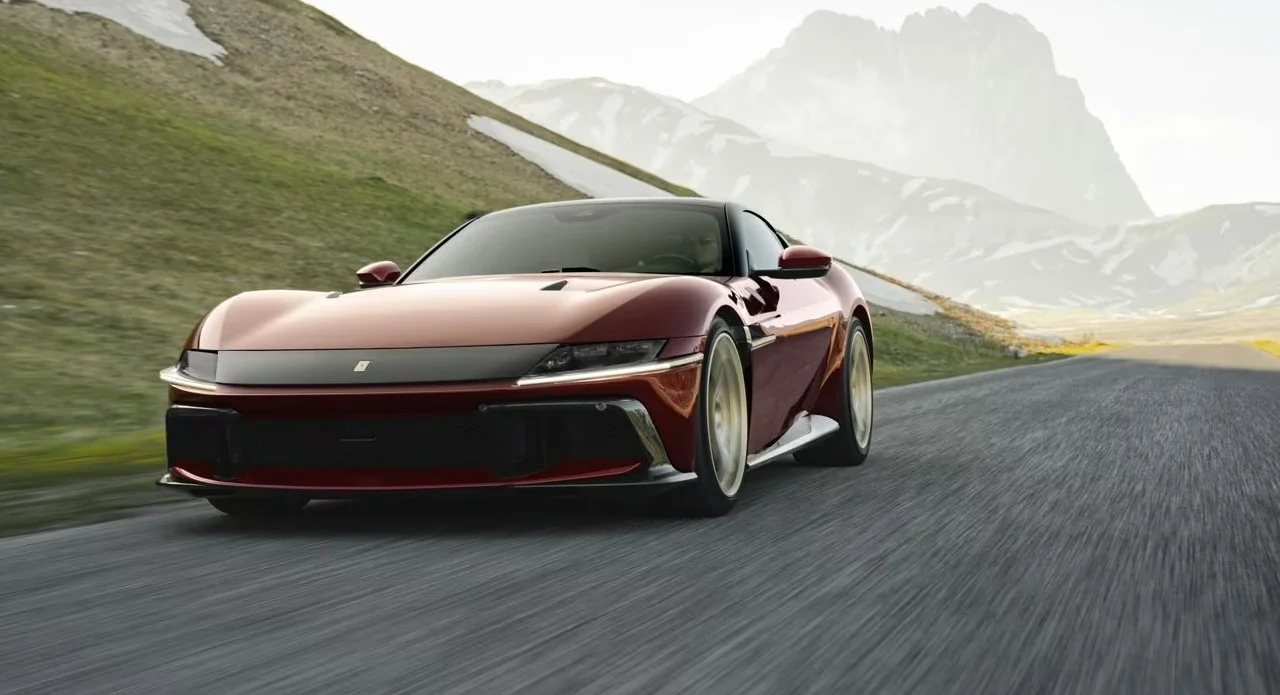
- Engine: 6.5-liter naturally aspirated V12
- Torque: 678 Nm (500 lb-ft)
- Horsepower: 830 hp
- Length: 4,733 mm
- Width: 2,176 mm
3. Ferrari Tailor Made Customization
Ferrari’s Tailor Made program takes factory personalization in a performance-oriented direction. Customers can specify combinations of colors, materials, stitching, carbon-fiber details, finishes, and other design elements that are not necessarily available through a standard configurator.
Exact costs vary according to the car and specification, but particularly elaborate Ferrari commissions can become extremely expensive.
The significance of Ferrari’s program comes from the company’s heritage. Ferrari customers often want their cars to be immediately recognizable while still reflecting personal taste.
A unique color, carefully selected interior material, or special finish can distinguish a car from hundreds of otherwise similar examples. For collectors, that individuality can become part of the vehicle’s story.
Tailor Made also demonstrates that expensive options do not always need to be technically complex. A special paint finish may require extensive preparation, multiple layers, careful inspection, and additional labor.
An unusual leather treatment can require custom sourcing and testing. Carbon-fiber components may require precise finishing. The price therefore reflects the manufacturing process as much as the material itself.
Ferrari’s most exclusive customers can also work closely with designers to create a coherent specification rather than simply selecting unrelated options.
This can involve historical references, racing-inspired themes, or highly personal combinations. The finished car becomes a physical expression of the owner’s preferences while retaining the engineering and identity of the Ferrari model underneath.
The Ferrari example rounds out this list because it shows that the most expensive factory options are not restricted to luxury sedans and SUVs. Supercar manufacturers have turned personalization into a major part of their business.
From a $315,000 exposed-carbon Bugatti exterior to a €150,000 Bentley mechanical timepiece, these options reveal how far manufacturers can go when a customer is willing to pay for rarity, craftsmanship, performance, and individuality.
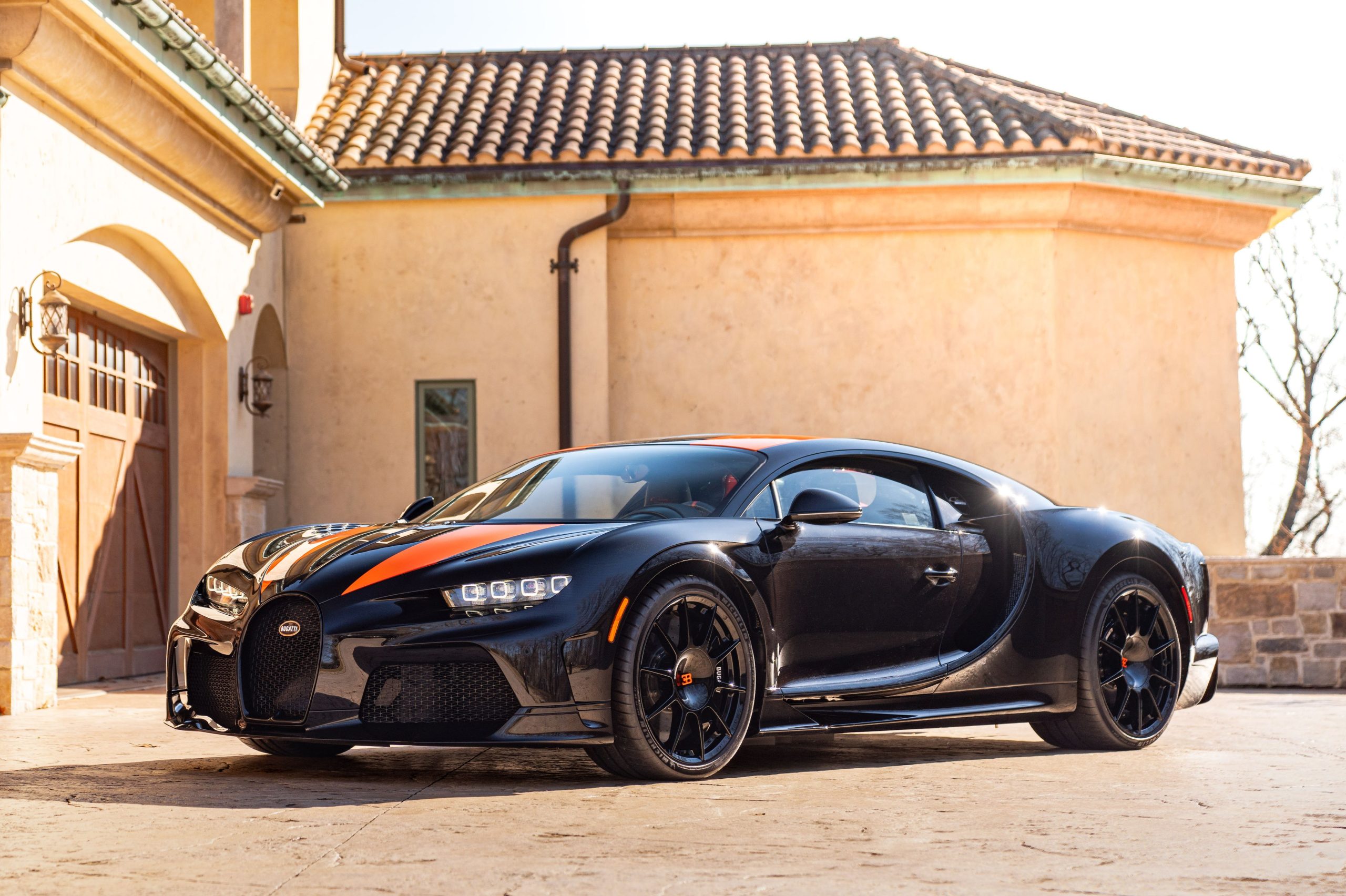
- Engine: 8.0-liter quad-turbocharged W16
- Torque: 1,600 Nm (1,180 lb-ft)
- Horsepower: 1,479 hp
- Length: 4,544 mm
- Width: 2,038 mm
4. Bugatti Chiron
Bugatti’s approach to wheels takes the concept of an optional upgrade to another level. A documented Chiron specification listed a set of Caractere wheels with a reported price of approximately $71,300.
For most vehicles, wheels costing tens of thousands of dollars would already seem extraordinary. On a Bugatti, however, the wheels are part of a much broader personalization process in which buyers can select finishes and designs intended to complement the rest of the car.
High-end wheels have several jobs beyond visual appeal. They must cope with enormous performance demands, provide precise fitment, withstand extreme forces, and complement sophisticated braking systems.
Manufacturing a wheel for a hypercar therefore involves strict requirements for strength, balance, weight, and durability. The materials and finishing processes can also be far more expensive than those used on ordinary production vehicles.
The Chiron’s wheel choices become even more significant when combined with its extreme performance. The car uses an 8.0-liter quad-turbocharged W16 engine and was engineered for extraordinary acceleration and high-speed capability.
That makes every component associated with the contact between the vehicle and the road important. Tires, brakes, suspension, and wheels must work together, meaning the wheel specification is not purely a cosmetic decision.
A $71,300 wheel option also illustrates the unusual economics of a hypercar. On a conventional vehicle, an expensive wheel package might represent a small fraction of the car’s value.
On a Chiron, buyers can spend more on wheels than many people spend on their homes or entire vehicle collections. The price reflects the low-volume nature of production, specialized engineering, exclusive designs, and the expectation that each component must meet Bugatti’s standards.
The Chiron example is particularly useful because a documented car shows how several expensive choices can accumulate. The same vehicle reportedly carried the $315,000 exposed-carbon exterior, approximately $71,300 wheels, a $62,000 premium leather and carbon package, and $31,000 comfort seats.
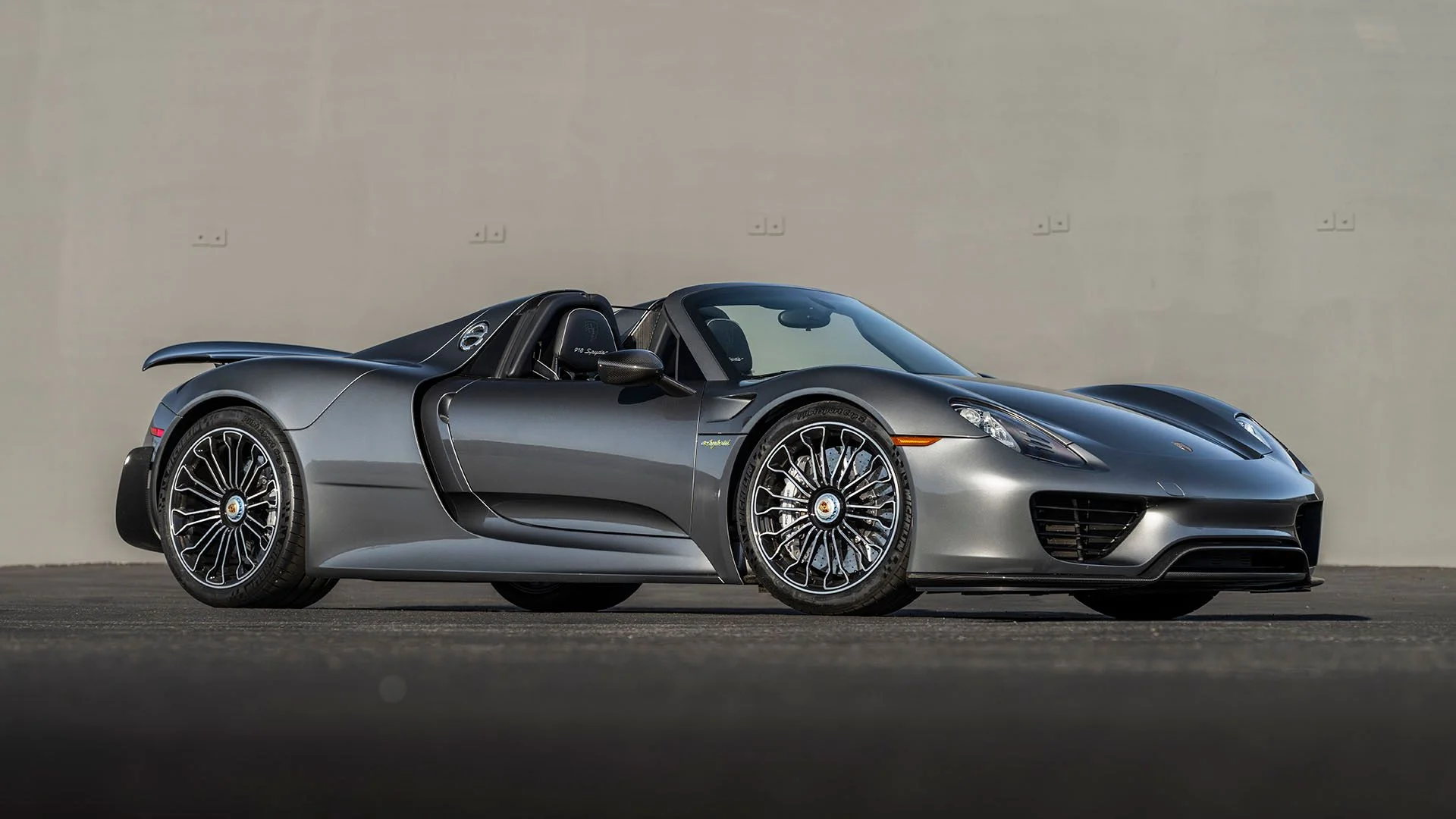
- Engine: 4.6-liter naturally aspirated V8 with two electric motors
- Torque: 1,280 Nm (944 lb-ft) system torque
- Horsepower: 887 hp
- Length: 4,643 mm
- Width: 1,940 mm
5. Porsche 918 Spyder Weissach Package
The Porsche 918 Spyder demonstrated a different philosophy of expensive factory options. Instead of concentrating purely on luxury, Porsche offered the Weissach Package to buyers seeking additional weight reduction and performance-focused equipment.
The package became famous because it could add a substantial amount to the price of an already extraordinary hybrid hypercar.
The Weissach specification used lightweight materials and performance-oriented components to reduce mass and sharpen the car’s dynamic character. Carbon-fiber elements, magnesium wheels, and other weight-saving measures helped create a more focused version of the 918 Spyder.
The philosophy was simple: removing weight can improve acceleration, braking, handling, and efficiency without requiring more engine power.
This is an important distinction between performance options and luxury options. A precious-metal clock adds craftsmanship and exclusivity, while a lightweight package aims to change how the vehicle behaves.
Buyers choosing the Weissach configuration were effectively spending more money to make their expensive car more focused and technically sophisticated.
The 918 Spyder was already an exceptional machine, combining a naturally aspirated V8 engine with electric motors and all-wheel drive. Its hybrid system allowed Porsche to pursue both extraordinary performance and advanced efficiency. The Weissach Package complemented that engineering philosophy by reducing unnecessary mass and emphasizing the car’s motorsport-inspired character.
The package remains significant because it shows that an expensive factory option does not need diamonds or gold to justify a high price. Advanced materials, engineering development, and specialized manufacturing can be just as costly.
For enthusiasts, a lightweight performance package may also be more meaningful than a cosmetic upgrade because it directly influences the driving experience.
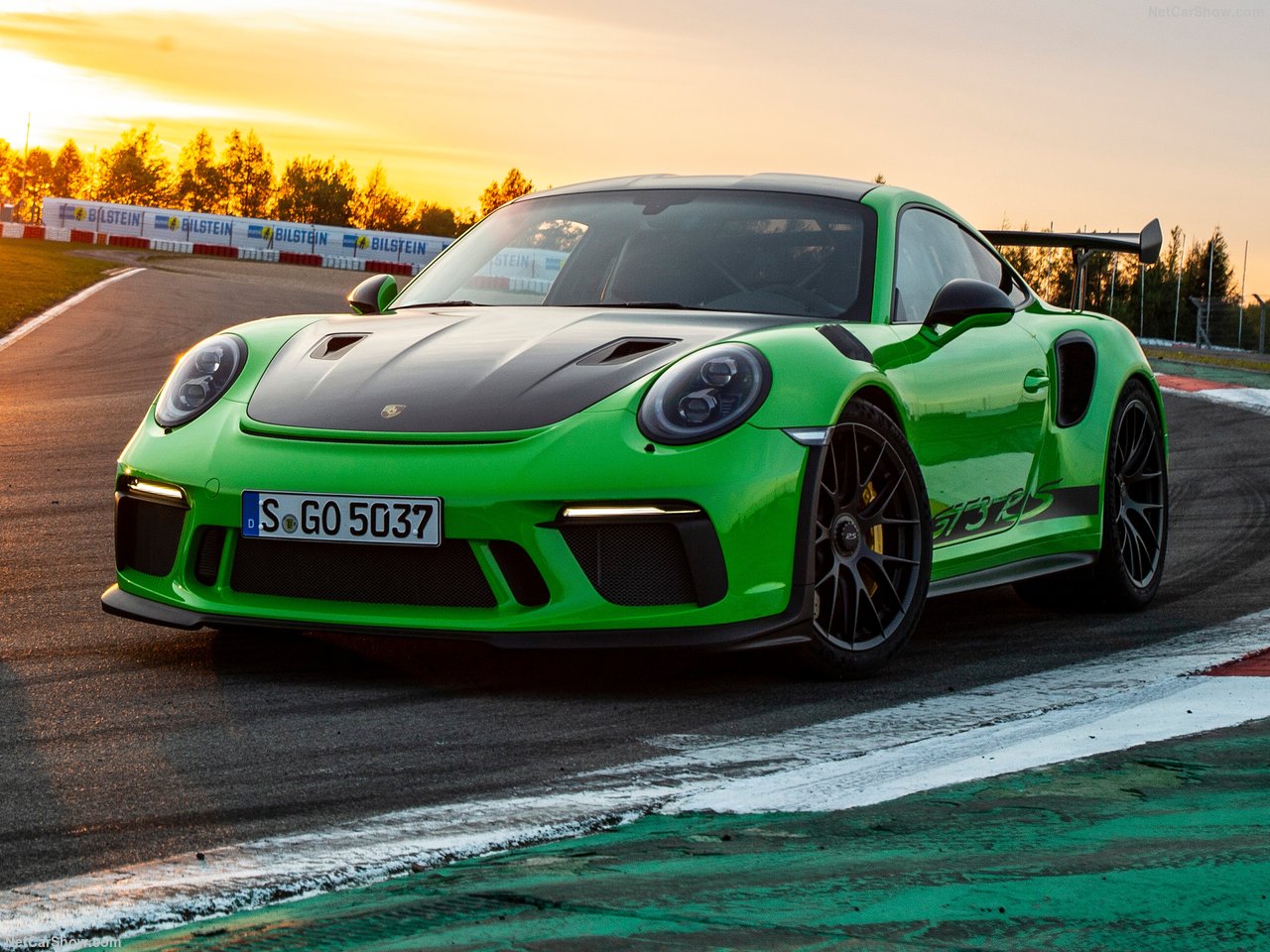
- Engine: 4.0-liter naturally aspirated flat-six
- Torque: 465 Nm (343 lb-ft)
- Horsepower: 518 hp
- Length: 4,572 mm
- Width: 1,900 mm
6. Porsche 911 GT3 RS Weissach Package
Porsche has repeatedly used its Weissach Package to offer customers a more focused version of its performance cars. The 911 GT3 RS is among the clearest examples.
Depending on the generation and market, the package has included extensive use of carbon fiber, lightweight components, special wheels, and other performance-focused equipment. Prices have varied considerably between generations and markets.
The philosophy behind the package is rooted in Porsche’s motorsport heritage. The goal is not simply to make the car look more aggressive.
Weight reduction can produce measurable benefits in acceleration, braking, steering response, and cornering. Carbon-fiber body components and lightweight wheels can contribute to that goal while giving the vehicle a distinctive appearance.
The GT3 RS itself occupies an unusual position within the 911 range. It is road legal, yet its engineering is heavily influenced by track driving.
Large aerodynamic elements, specialized suspension settings, powerful brakes, and high-performance tires make it very different from a standard 911. Adding a Weissach specification pushes the car further toward its competition-inspired character.
Owners selecting such packages often care about details that ordinary buyers may never notice. A few kilograms saved in the right place can influence vehicle dynamics.
Lower unsprung mass can affect suspension response, while aerodynamic changes can improve stability at high speeds. These benefits explain why performance enthusiasts can be willing to spend tens of thousands of dollars on components that might seem unnecessary to someone seeking only comfortable transportation.
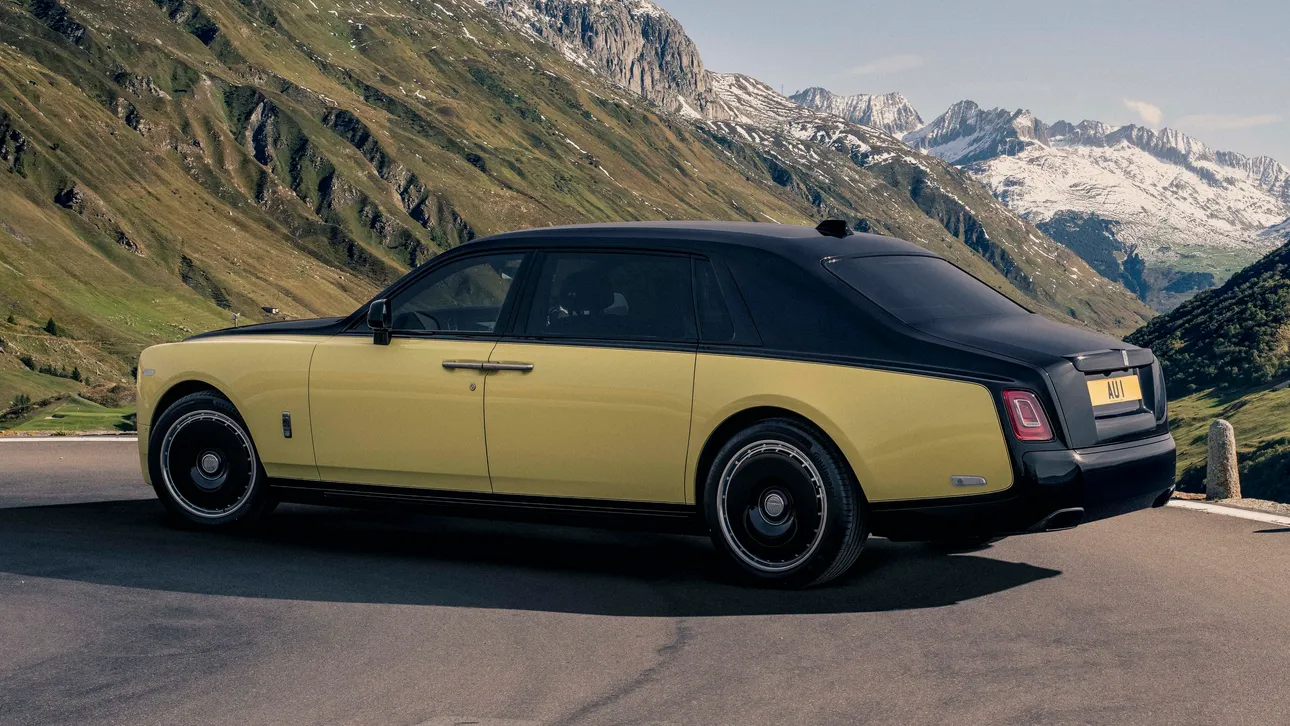
- Engine: 6.75-liter twin-turbocharged V12
- Torque: 850 Nm (627 lb-ft)
- Horsepower: 563 hp
- Length: 5,341 mm
- Width: 2,000 mm
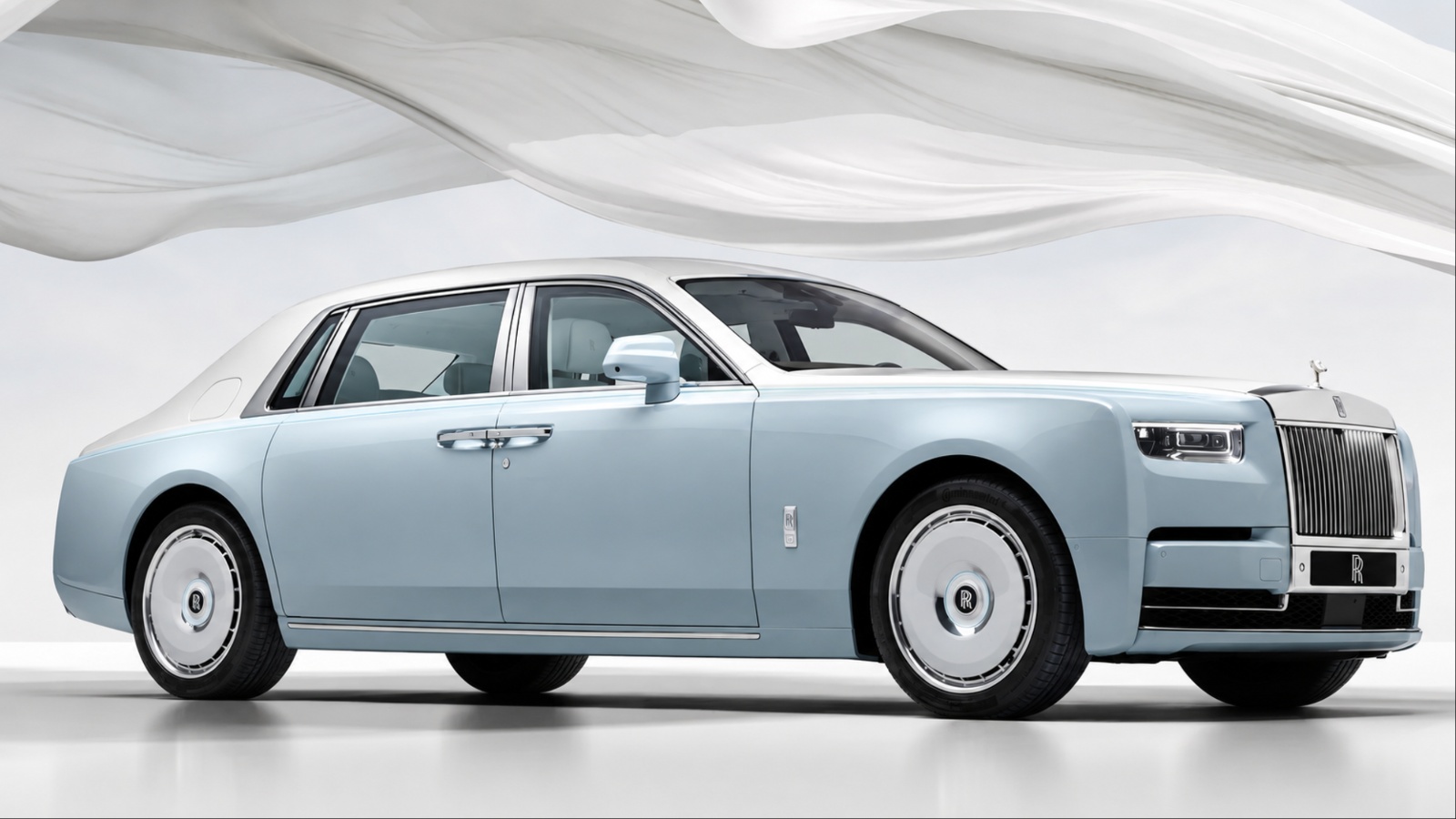
7. Rolls-Royce
Rolls-Royce occupies a unique position because its most expensive “options” are often not conventional options at all. Through its Bespoke programs, customers can request unusual materials, custom color combinations, personalized embroidery, intricate veneers, special headliners, and highly individualized cabin designs.
The exact prices for many commissions are not publicly listed, making it difficult to assign a single universal figure.
This approach differs from the traditional automotive options menu. A normal car may offer three leather colors, four wheel designs, and several technology packages.
Rolls-Royce customers can instead work with designers to create a specification that may be unique to their vehicle. Materials can be matched to personal preferences, while decorative elements can be designed around themes, interests, or existing collections.
The craftsmanship involved can make a bespoke interior extremely expensive. Wood veneer may require carefully selected pieces with matching grain. Leather can receive custom colors and stitching.
Metal components can receive special finishes, while embroidery and artwork may require significant manual work. The result is closer to a commissioned luxury product than a conventional factory trim level.
Historical Rolls-Royce cars also demonstrate how far customization can go. Coachbuilt vehicles were often created around individual customers, with specialist bodybuilders constructing bodies to specific requirements.
The tradition continues in modern form through the company’s bespoke and coachbuilt work. Modern Rolls-Royce models can therefore be treated as starting points for highly personalized creations rather than fixed products.
Because exact prices are frequently private, it would be misleading to claim a precise universal maximum for Rolls-Royce factory personalization. Still, the category deserves a place on any list of expensive factory options.
The defining feature is not a single publicly advertised price. It is the ability to commission a vehicle whose specification can require enormous amounts of design work and hand craftsmanship.
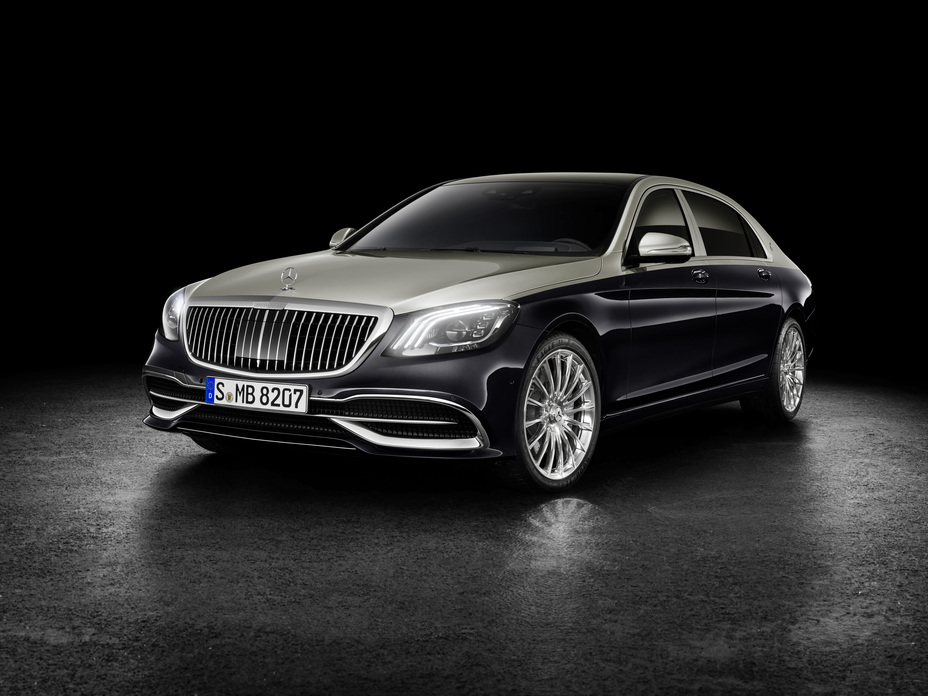
- Engine: 6.0-liter twin-turbocharged V12
- Horsepower: 621 hp
- Torque: 900 Nm
- Length: 5,469 mm
- Width: 1,921 mm without mirrors
8. Mercedes-Maybach S-Class Exclusive Customization
Mercedes-Maybach has developed a reputation for turning large luxury sedans into highly personalized vehicles. The S-Class platform already provides advanced comfort and technology, but Maybach customers can select extensive factory equipment and customization.
Two-tone paint, premium upholstery, special wheels, rear-seat comfort features, advanced entertainment systems, and personalized trim can increase the final price substantially. The focus is on creating a private environment for passengers rather than maximizing outright performance.
Two-tone paint is a particularly recognizable Maybach feature. The process requires precise separation between the two colors and an exceptionally clean finish. Hand finishing can become an important part of the production process because luxury customers expect the transition between shades to look perfect.
Special colors can be combined with carefully selected interior themes. When the exterior and cabin are designed as a single visual package, the result can look considerably more exclusive than a standard production specification.
Rear-seat equipment can also contribute heavily to the price. Maybach customers can specify reclining executive seats, massage functions, ventilation, heating, premium materials, folding tables, rear entertainment, and advanced climate control.
In some configurations, the rear compartment becomes the primary focus of the vehicle. Additional technology has to be integrated without compromising the cabin’s appearance.
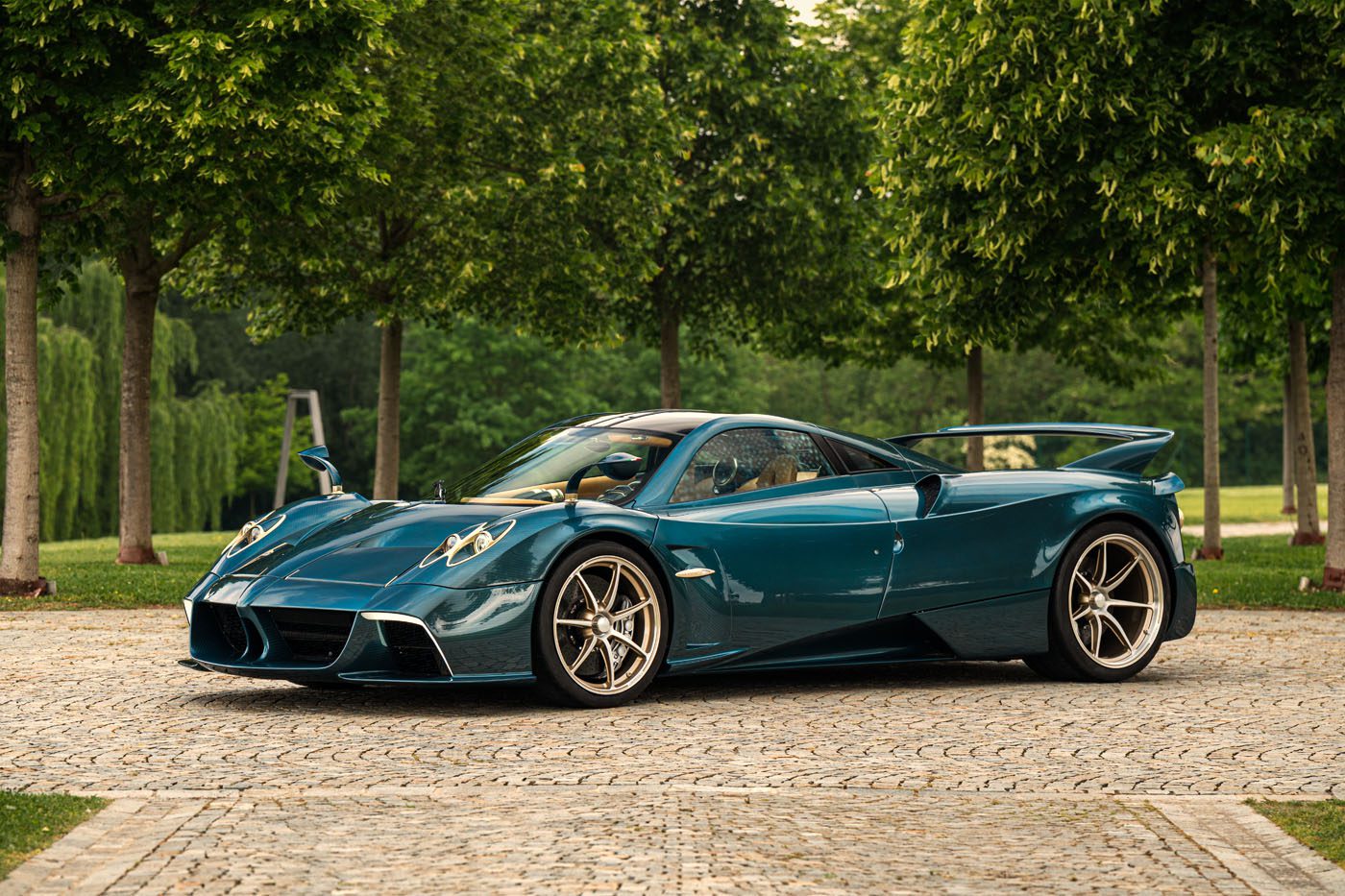
- Engine: 6.0-liter Mercedes-AMG twin-turbocharged V12
- Horsepower: 730 hp
- Torque: 1,000 Nm
- Length: 4,605 mm
- Width: 2,036 mm
9. Pagani Huayra Bespoke Options
Pagani takes personalization to an exceptionally detailed level. The Huayra has been produced in limited numbers, and its construction combines advanced materials with extensive hand craftsmanship. Customers can specify unusual combinations of carbon fiber, leather, metal, wood, and other finishes.
Pagani’s approach is particularly interesting because mechanical components are often treated as design features rather than hidden hardware. The result is a car where customization can affect almost every visible surface.
Carbon fiber is central to the Huayra’s identity. Pagani has used different carbon fiber finishes and composites throughout its cars, with careful attention paid to appearance. Exposed carbon fiber can be finished in ways that create distinctive colors and textures while preserving the visible weave.
Producing and finishing these components requires specialist knowledge. The material must be shaped accurately, cured correctly, and finished to a high standard. On a Pagani, the technical material is also part of the artistic presentation.
The interior can be equally intricate. Pagani has used beautifully finished metals, leather, carbon fiber, wood, and other materials in combinations that resemble bespoke furniture or luxury watches. Switchgear is often designed with mechanical detailing that gives it a tactile character.
The steering wheel, center console, gauges, and ventilation controls can all receive significant attention. A customer requesting a unique interior theme may therefore be paying for many individually finished components rather than a single expensive accessory.
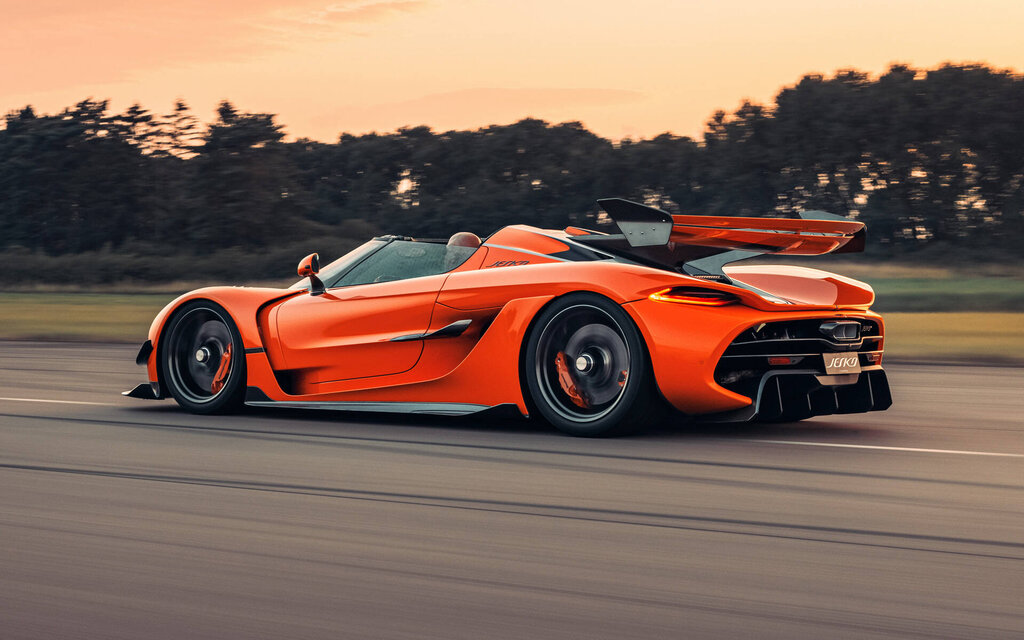
- Engine: 5.0-liter twin-turbocharged V8
- Horsepower: 1,280 hp on gasoline / 1,600 hp on E85
- Torque: 1,500 Nm maximum
- Length: 4,626 mm
- Width: 2,030 mm
10. Koenigsegg Jesko Naked Carbon Fiber Body
The Koenigsegg Jesko is already an ultra-exclusive hypercar, but customers could make their cars even more distinctive by selecting a fully exposed carbon fiber exterior. This was not simply a conventional paint deletion.
The carbon structure remained visible across the bodywork, turning the material itself into a major styling feature. Reports have placed the price of this option at approximately $443,400, making it extraordinarily expensive even by hypercar standards.
The cost comes from the complexity of producing carbon fiber panels that look perfect when left exposed. With painted bodywork, minor variations in the underlying material can remain hidden beneath layers of paint. Naked carbon removes that visual protection.
The weave, finish, alignment, and surface quality are all immediately visible. On a car such as the Jesko, the manufacturer has to maintain an extremely high standard across every panel, making the process much more demanding.
Koenigsegg’s use of carbon fiber also has an engineering purpose. The material provides a strong and lightweight construction that suits a hypercar designed around extreme performance.
The Jesko uses carbon fiber extensively in its structure and body, so an exposed-carbon specification allows the technical character of the vehicle to become part of its appearance. Buyers are therefore paying for both the material and the highly specialized manufacturing process required to present it as a finished exterior.
