A Vehicle Identification Number can reveal much more than a car’s basic identity. That 17-character code can help determine whether a vehicle has an unfinished safety recall, manufacturer service campaign, customer-satisfaction program, or another factory action that could provide a repair at no charge.
This matters especially with used vehicles, where recall letters and warranty-extension notices may have gone to a previous owner rather than the person currently driving the car.
The process is free, but checking only one database can miss important information. NHTSA’s VIN tool is the best starting point for U.S. safety recalls, yet NHTSA specifically says its VIN search does not display manufacturer customer-service campaigns and certain older or recently announced recalls.
Manufacturer websites and dealership systems can therefore reveal additional repair opportunities. Before approving an expensive repair, follow these eight steps to see whether the manufacturer may already have a program covering it.
1. Find the Correct 17-Character VIN
Everything starts with the correct 17-character Vehicle Identification Number. A VIN identifies one individual vehicle rather than simply describing a model. That distinction is critical because recalls and service campaigns frequently apply only to vehicles built during certain production periods, at particular factories, or with specific components.
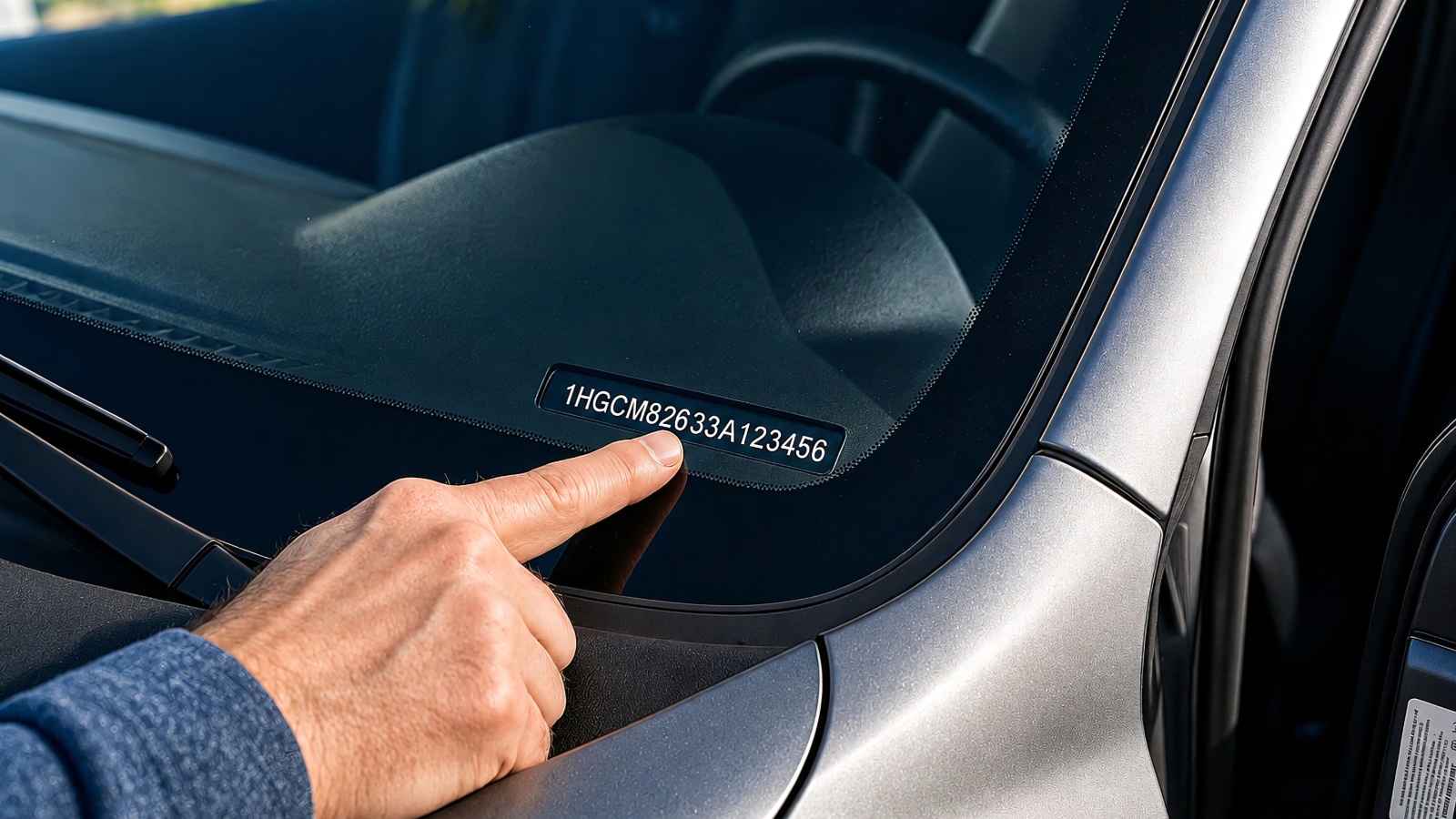
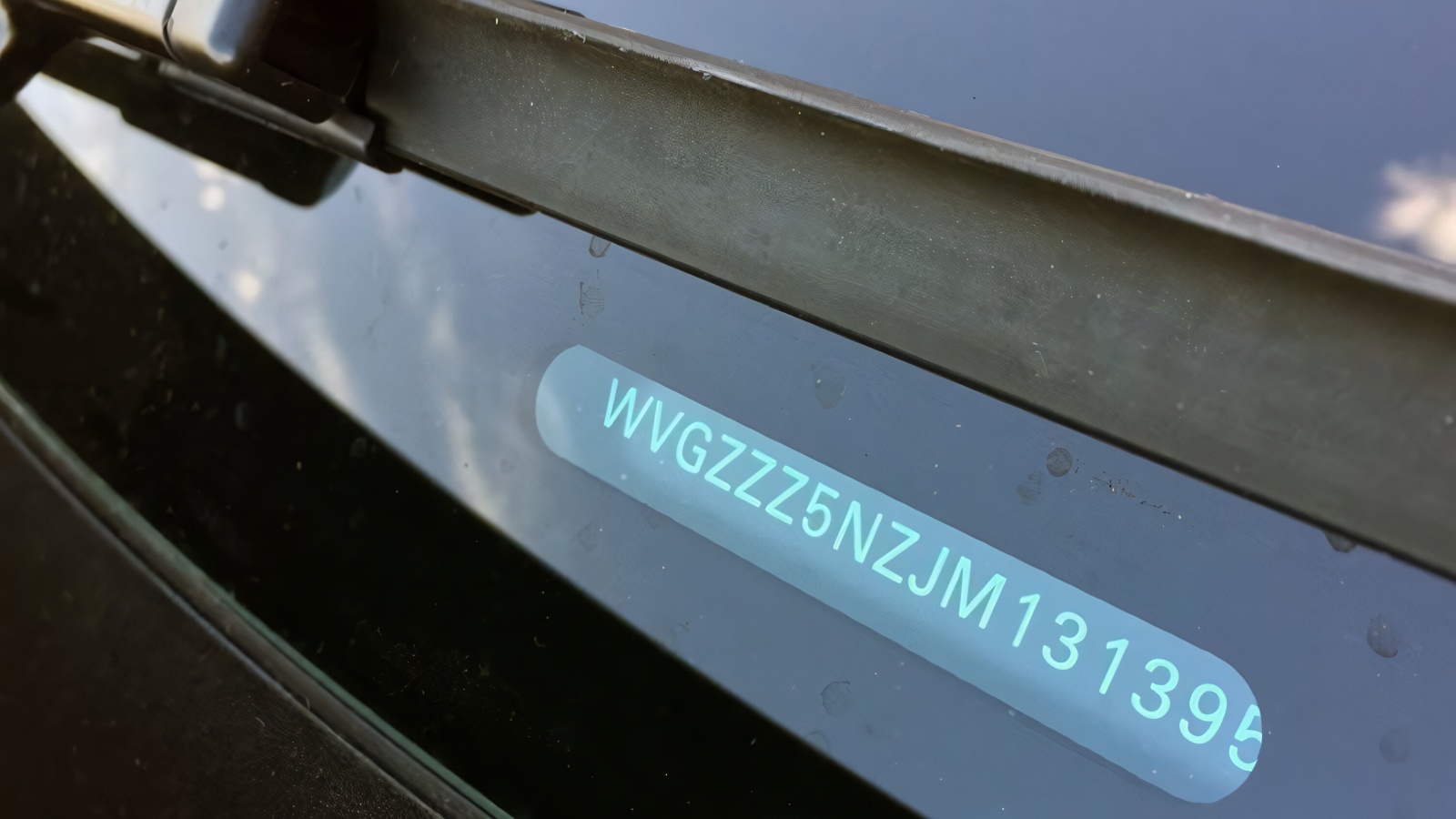
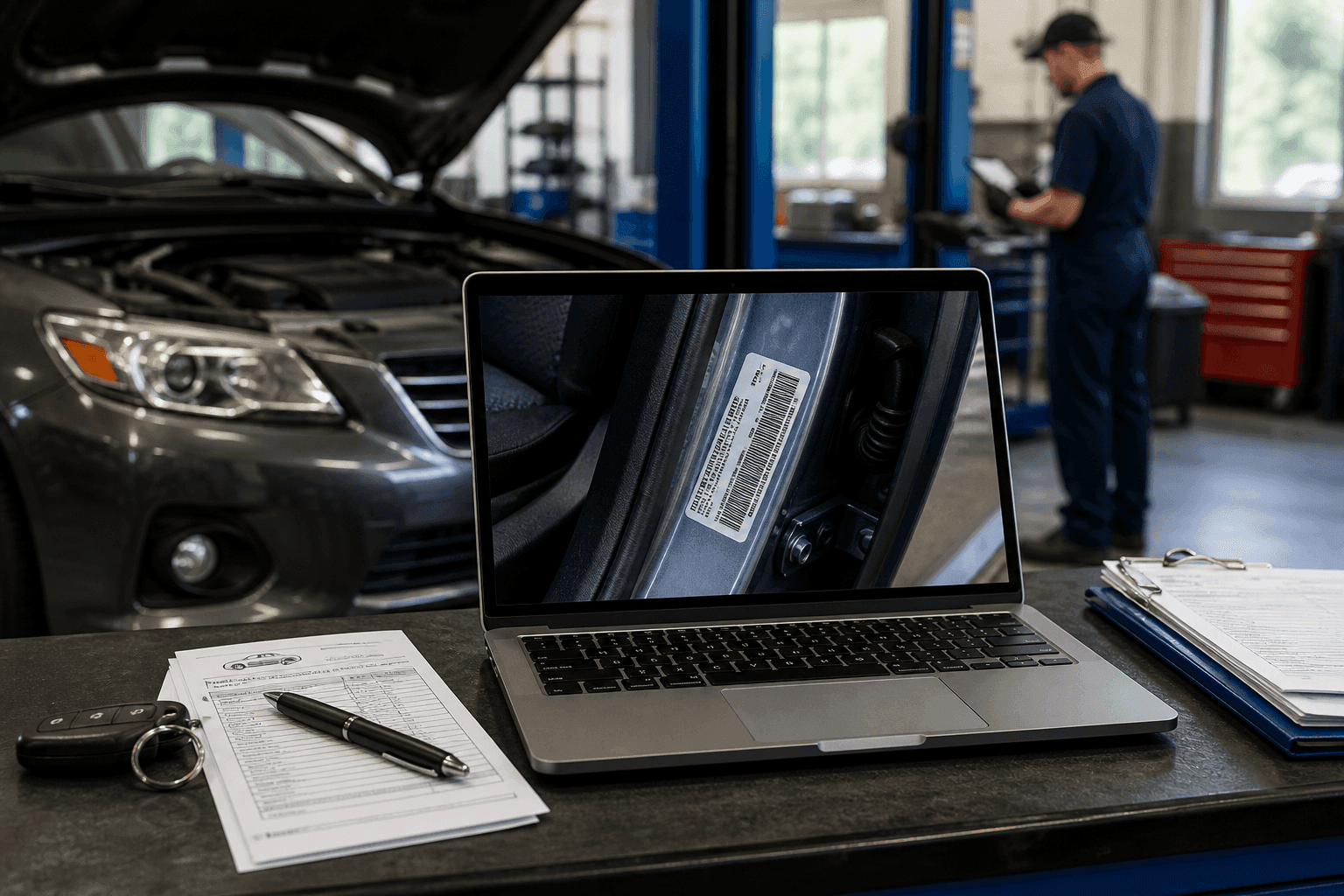
The easiest place to find the VIN is usually at the lower corner of the windshield on the driver’s side. It can also appear on the certification label inside the driver-side door jamb, registration paperwork, insurance documents, and title records. NHTSA specifically identifies the windshield and registration card as common VIN locations, while manufacturer resources also point owners toward the door jamb, insurance card, and title.
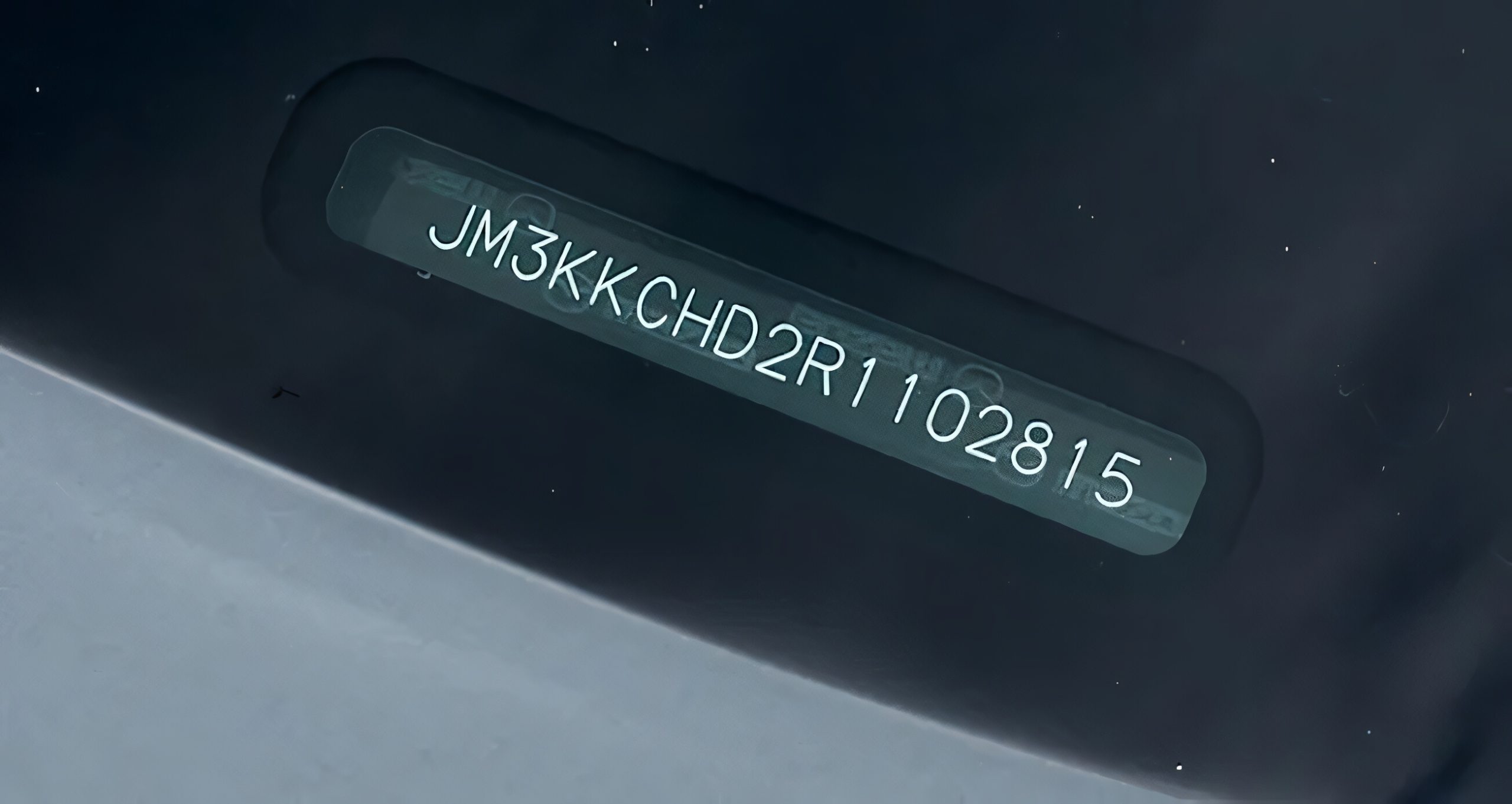
Do not rely solely on a VIN copied from an online used-car advertisement. Compare the number displayed on the vehicle with its registration or title. Even one incorrect character can return results for a different vehicle or no results at all.
This matters because recall eligibility is often VIN-specific. Two vehicles with the same year, make, model, engine, and trim may not both be included in the same campaign.
If you are checking a vehicle before buying it, photograph the windshield VIN and door-jamb label. That gives you a permanent record of the exact vehicle you researched.
Once the 17 characters are confirmed, copy the VIN digitally rather than repeatedly typing it by hand. You will use the same number across government databases, manufacturer websites, and potentially a dealership inquiry.
2. Run the VIN Through NHTSA’s Free Recall Lookup
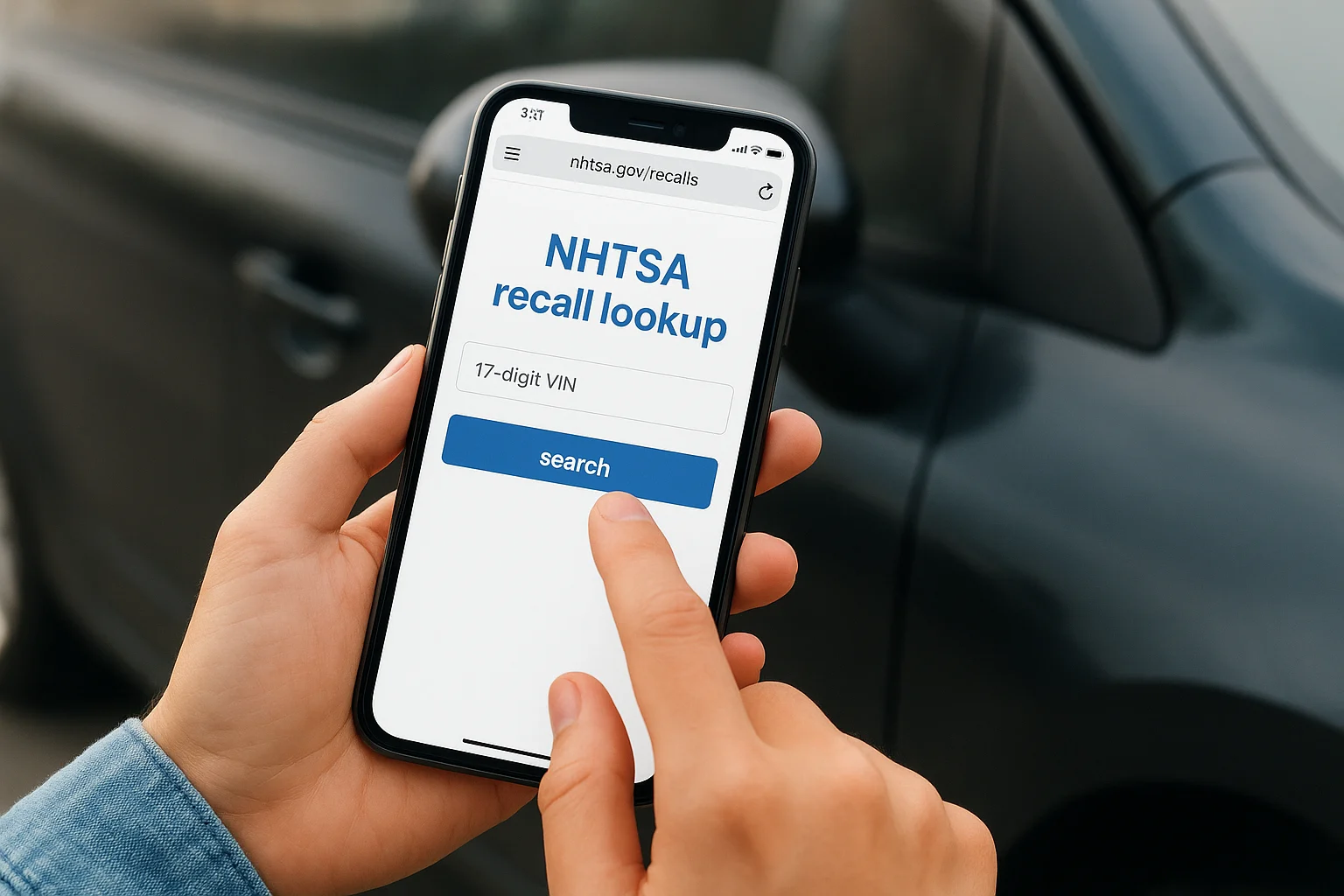
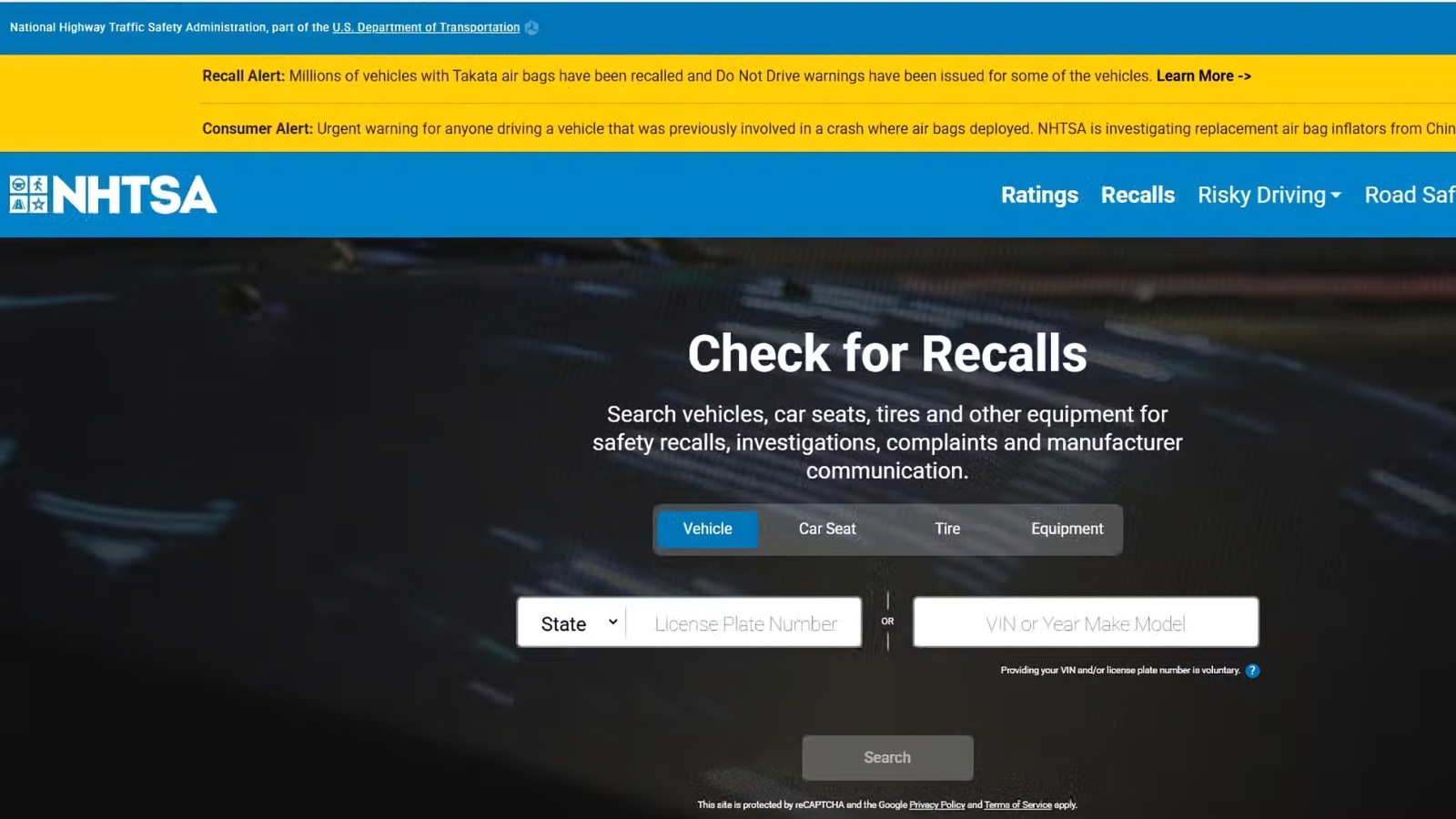
For a U.S.-market vehicle, the first major check should be the National Highway Traffic Safety Administration recall database. Entering the VIN into NHTSA’s recall lookup can show whether that specific vehicle currently has an unrepaired safety recall.
If an open recall appears, pay attention to the campaign number, affected component, safety risk, remedy description, and any special instructions. Some campaigns contain urgent warnings such as instructions to stop driving the vehicle or park it away from buildings until repairs are performed.
For qualifying safety recalls, manufacturers generally provide the required remedy without charging the owner. NHTSA says owners with an open recall should contact the manufacturer’s local dealership to arrange the recall repair.
The potential savings can be enormous. A recall might involve a software update that would normally cost little, but another could require an airbag module, fuel pump, steering component, engine part, battery assembly, or other expensive hardware.
Do not assume a used vehicle is clear simply because the seller says “all recalls were done.” Run the VIN yourself.
NHTSA’s tool is also useful after purchasing a vehicle because new recalls can be announced years after the vehicle was originally sold.
One important distinction: NHTSA’s VIN result is primarily an open-recall check, not a complete lifetime repair history. If the result says there are zero unrepaired recalls, that means no applicable open recalls were identified in the VIN database at that moment. It does not necessarily mean the vehicle has never been recalled or has no other factory repair programs.
3. Understand What a “0 Unrepaired Recalls” Result Does Not Mean
This is the step many owners skip. Seeing “0 unrepaired recalls associated with this VIN” can create the impression that there are no factory-paid repairs available. NHTSA explicitly warns that its VIN lookup has several limitations.
First, completed recalls do not appear as unrepaired recalls. If you need confirmation that an older campaign was already performed, the manufacturer or dealer may have additional service-history information.
Second, recently announced recalls may not immediately return every affected VIN because automakers can still be identifying the exact vehicles involved.
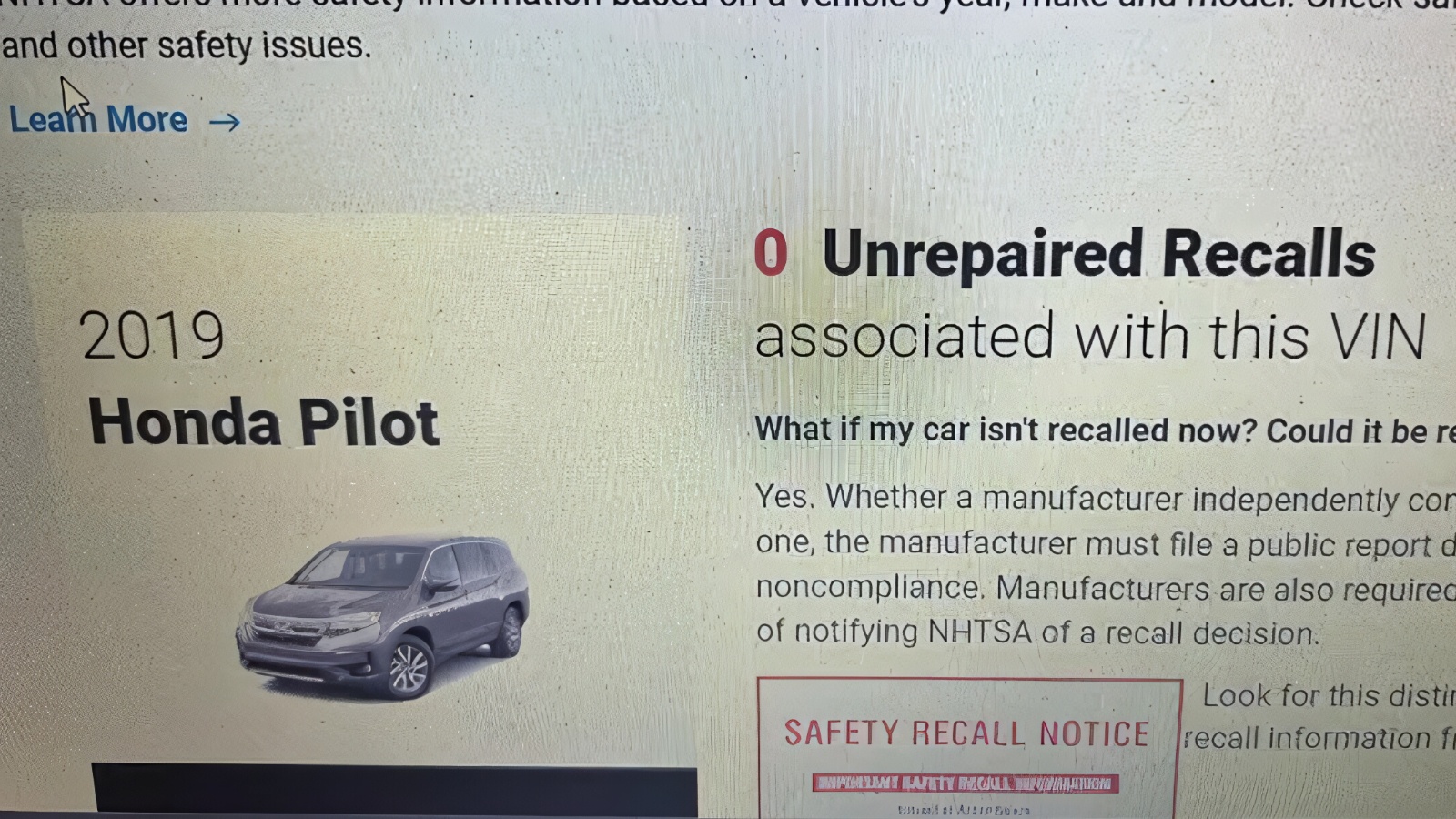
Third, the VIN tool generally does not display safety recalls more than 15 years old unless the manufacturer offers additional coverage. It may also omit certain recalls conducted by smaller manufacturers.
Most importantly for anyone searching for free repairs, NHTSA says the VIN lookup does not show manufacturer customer-service campaigns or other non-safety campaigns.
That last limitation can be worth thousands of dollars.
An automaker may decide that a component has a widespread problem but does not represent a safety defect requiring a federal recall. Instead, the company could launch a customer-satisfaction program, product-improvement campaign, special-service campaign, or warranty extension.
Those programs may cover expensive items such as transmissions, engines, electronics, cooling components, or emissions hardware, yet never appear as an open NHTSA safety recall.
NHTSA also states that once a vehicle has been recalled, the recall itself does not simply disappear, although federal requirements concerning free remedies can be affected by vehicle age. So treat the NHTSA result as Step One of the investigation, not the final answer.
4. Check the Automaker’s Own VIN Lookup
After checking NHTSA, go directly to the vehicle manufacturer’s official owner or recall website and run the VIN again.
This second search is important because automakers can display programs that do not appear in NHTSA’s VIN-only safety-recall results.
Toyota, for example, operates a VIN lookup covering both Safety Recalls and Service Campaigns. Toyota explains that its Special Service Campaigns are customer-satisfaction initiatives offering specified inspections or repairs at no charge, while Limited Service Campaigns provide free service during a defined eligibility period.
Hyundai’s official VIN tool similarly checks both Safety Recalls and Service Campaigns and states that an authorized Hyundai dealer will perform listed campaign repairs free of charge. Its database provides campaign information dating back decades.
Ford uses another terminology system. Its owner resources identify Customer Satisfaction Programs as VIN-specific programs that can provide upgrades or repairs to particular components, although time and mileage limitations may apply.
These examples illustrate why searching only the government recall database can miss legitimate factory programs.
Use the manufacturer’s U.S. website for a U.S.-specification car. Imported vehicles may have different campaigns depending on the country in which they were originally sold.
Take screenshots of any open campaigns and record their program numbers. If a program has an expiration date or mileage cap, write those down immediately.
A service campaign that is free today may not remain available forever. Toyota, for example, distinguishes between campaigns with no expiration and Limited Service Campaigns that must be completed within a specified period.
Also read: 5 Cars With Cheap Window Regulators and 5 Over $600
5. Search NHTSA by Year, Make and Model for Manufacturer Communications
The VIN lookup tells you whether an unrepaired safety recall is currently attached to a specific vehicle, but NHTSA has another useful research feature: searching by year, make, and model.
A model-level search can display recalls, investigations, complaints, and manufacturer communications, including technical service information submitted to NHTSA.
This can uncover clues about warranty extensions or special coverage that may not appear in the ordinary VIN recall result.
Look for documents containing phrases such as “warranty extension,” “special coverage,” “customer satisfaction program,” “service campaign,” “limited warranty extension,” “reimbursement,” or “extended coverage.” Finding a bulletin does not automatically mean your vehicle qualifies.
For example, a bulletin could say that a particular engine component receives extended coverage for 10 years or 120,000 miles, but only vehicles within a specific VIN range may be eligible. Some programs also depend on symptoms, diagnostic trouble codes, maintenance history, or previous campaign completion.
Think of these documents as evidence that a program exists, not final authorization for free work.
Manufacturer communications can be particularly valuable when researching a used car with a known expensive failure. If owners frequently report a $4,000 repair and you discover a factory bulletin extending that component’s warranty, you now know exactly what to ask the dealer.
NHTSA specifically provides public access to manufacturer communications and technical service information through its vehicle-search resources.
Record the bulletin number and affected component. Then take that information, along with your VIN and mileage, to an authorized dealer for eligibility verification.
6. Ask an Authorized Dealer to Run the VIN for Every Open Factory Program
The next step is to contact an authorized dealership for the manufacturer, give them the VIN and current mileage, and ask for more than simply “Does this car have any recalls?”
Use specific terminology.
Ask the service department to check for open safety recalls, service campaigns, customer satisfaction programs, field service actions, warranty extensions, special coverage adjustments, product-improvement campaigns, and other VIN-specific factory programs.
Different automakers use different names for essentially similar forms of special coverage.
Ford, for example, identifies Customer Satisfaction Programs as VIN-specific programs and notes that time and mileage limits can apply. Toyota distinguishes among Safety Recall Campaigns, Special Service Campaigns, and Limited Service Campaigns. Hyundai maintains a combined safety-recall and service-campaign VIN system.
Give the dealer the exact symptom if the vehicle already has a problem.
Instead of saying, “My engine is making noise,” tell them the fault codes, mileage, diagnosis, and component involved. Some warranty extensions only apply when a specific failure condition is confirmed.
Ask the service advisor to print or email the results if possible. Documentation can prevent confusion if another dealership later gives you a different answer.
Also ask whether a program is nearing expiration. A vehicle might qualify today but become ineligible after crossing a mileage threshold next month.
If the dealer says the car is not eligible despite a bulletin that appears to match it, ask them to confirm eligibility by VIN, not merely by model year.
A VIN check is ultimately more reliable than assuming that every vehicle sharing the same engine or transmission receives identical coverage.
7. Check Whether an Old Repair Can Be Reimbursed
Finding a campaign after you already paid for the repair does not necessarily mean you missed your opportunity completely.
Under certain conditions, owners who paid to repair a safety defect before a recall was announced can qualify for reimbursement. NHTSA states that manufacturers are required to reimburse certain costs incurred by owners who repaired a safety-defect condition before the recall, provided the applicable conditions are satisfied. Documentation of the costs is required.
Manufacturer service campaigns can offer reimbursement programs too.
Hyundai, for example, maintains a campaign-reimbursement process for customers who previously paid for repairs related to certain safety recalls or service campaigns. Its current process asks for documents including the complete repair order, proof of payment, proof of ownership, and potentially towing or rental expenses.
That is why old repair receipts can suddenly become valuable.
If your VIN now shows an open or historical campaign related to a repair you previously paid for, compare the failed component on your invoice with the campaign description.
Keep the complete repair order rather than just a credit-card receipt. The invoice should ideally show the VIN, mileage, date, diagnosis, failed part, replacement parts, labor performed, and amount paid.
Do not assume reimbursement is guaranteed. Eligibility windows, covered components, approved repair procedures, ownership status, and other conditions can matter.
Still, a five-minute VIN investigation could potentially recover hundreds or thousands of dollars for work already completed.
Contact the manufacturer’s customer-care department or dealer and specifically ask whether the campaign includes prior-repair reimbursement.
8. Set Recall Alerts and Recheck the VIN Regularly
A VIN search only tells you what is available at the time you perform the search. A vehicle with no open recalls today could receive one next week, next year, or several years from now.
NHTSA therefore recommends checking for recalls regularly and provides its free SaferCar app, which allows users to store vehicles and receive alerts when new recalls are identified. The agency also provides email recall alerts.
Add every vehicle in your household, including older ones.
This is particularly useful for used cars because manufacturers normally send recall notices using registered-owner information. If ownership records or mailing addresses are outdated, the letter may never reach you.
Also create an online owner account with the automaker and register the VIN. Manufacturer portals can provide recalls, campaigns, service records, warranty information, and vehicle-specific notifications depending on the brand.
Recheck immediately before paying for an unusually expensive repair.
If a transmission shop quotes $6,000 for a replacement, an engine suddenly develops a bearing problem, or a hybrid component fails, spend a few minutes checking the VIN and searching manufacturer communications before authorizing the work.
A campaign may have been announced since the last time you looked.
Finally, save screenshots or PDFs showing any active program, along with the repair order once the work is completed.
The best sequence is simple: NHTSA VIN lookup, manufacturer VIN lookup, model-level bulletin search, then dealer verification. Using all four gives you a much better chance of finding free factory repairs than relying on a recall letter or dashboard warning alone.
A VIN cannot guarantee that every repair will be free. Safety recalls, service campaigns, warranty extensions, and customer-satisfaction programs all have different eligibility rules. But checking the VIN costs nothing and can uncover coverage that a previous owner never used.
Before approving a major repair, especially on a used vehicle, spend a few minutes researching the VIN. The difference between “out of warranty” and “covered under a special factory program” can sometimes amount to thousands of dollars.
Also read: 10 Repairs That Now Require an ADAS Sensor Recalibration