
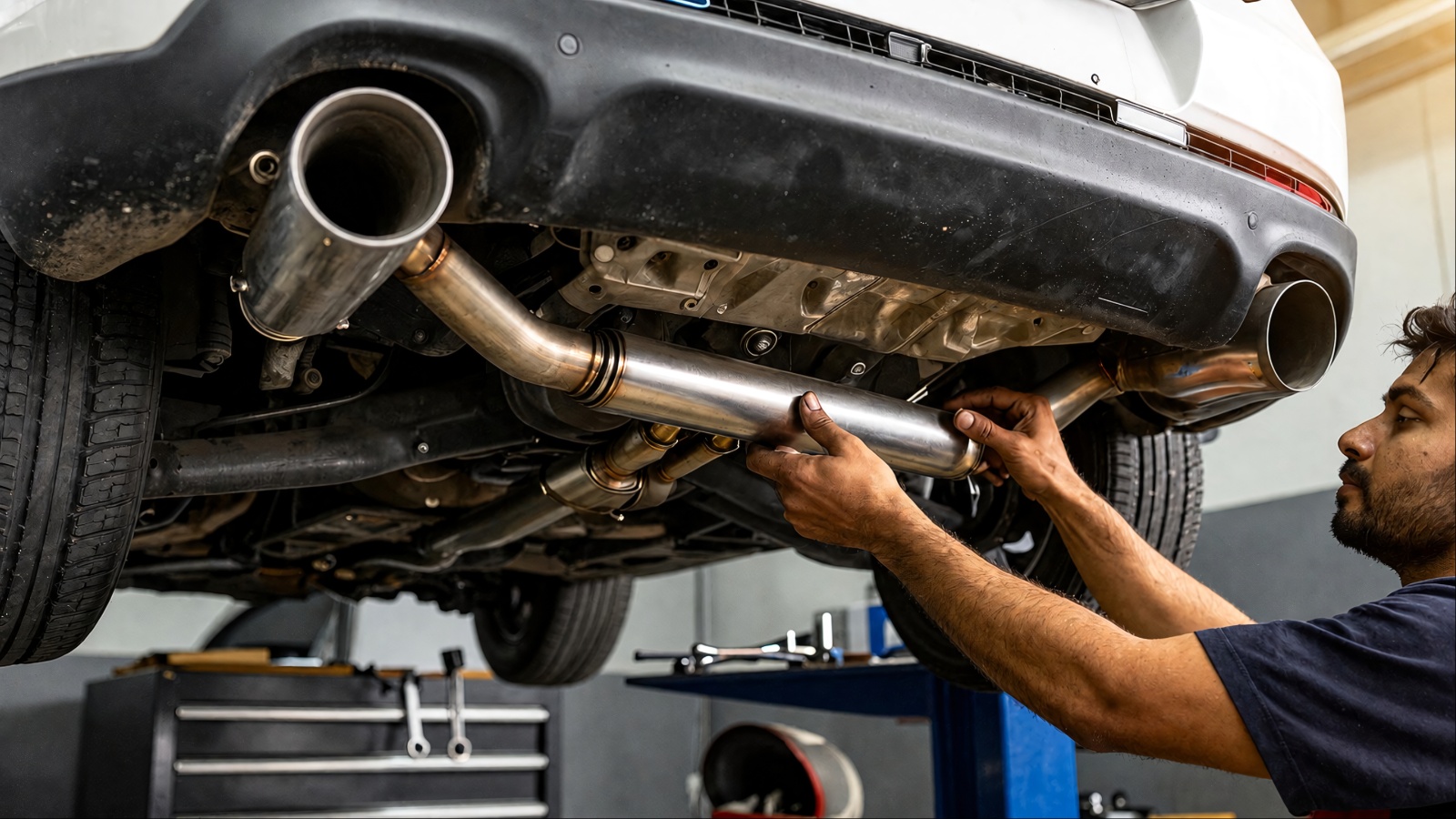
A car reaching its tenth birthday is a major maintenance milestone. Even a well-cared-for vehicle can begin showing age-related wear as rubber components harden, fluids degrade, seals weaken, and electrical parts become less dependable.
Some repairs are linked directly to mileage, while others come from years of heat, vibration, moisture, and repeated use. Knowing which problems commonly appear around this stage can help owners budget for repairs and avoid unexpected breakdowns.
The following ten repairs cover common areas that deserve attention when a vehicle reaches ten years old, helping drivers keep an older car safe, dependable, and practical.
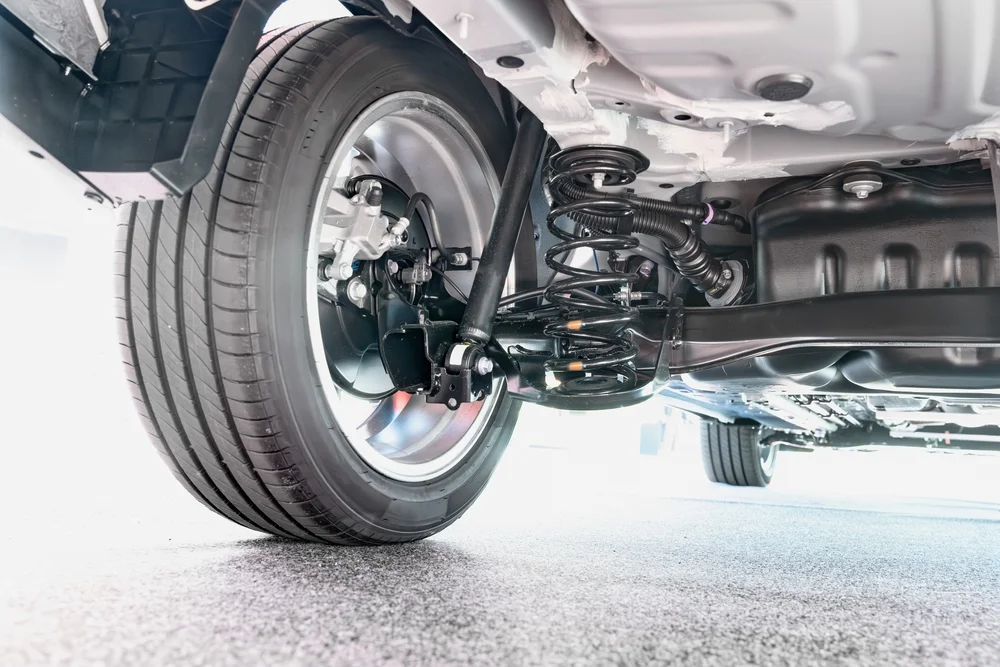
1. Suspension Components Start Showing Their Age
Aging suspension components are common concerns around the ten-year mark. Shock absorbers and struts work every time a vehicle travels over a bump, turns a corner, brakes, or carries passengers.
Over thousands of miles, their internal seals and valving can lose effectiveness. A vehicle may still drive normally when the wear begins, so owners sometimes overlook the problem until handling becomes noticeably less controlled. Symptoms can include excessive bouncing after bumps, a floating sensation at higher speeds, uneven tire wear, or a front end that dips sharply during braking.
Control arm bushings can also become troublesome after many years. These rubber components absorb movement and reduce vibration between suspension parts and the vehicle body.
Age, heat, road salt, oil exposure, and repeated flexing can cause the rubber to crack or become soft. Worn bushings may produce clunking sounds when driving over rough surfaces. Steering can also feel less precise, particularly when accelerating, braking, or changing direction.
Ball joints deserve attention as well. They allow suspension and steering components to move together while supporting the weight of the vehicle. Excessive wear can create looseness in the steering and suspension.
A clicking, knocking, or popping sound may appear when turning or traveling over uneven roads. Since a severely worn ball joint can affect wheel control, this is not a repair that should be postponed after a mechanic identifies significant play.
Sway bar links and bushings are smaller parts, but they can become noisy with age. Their job is to help control body movement during cornering. When the bushings deteriorate, or the links develop excessive play, drivers may hear knocking from underneath the vehicle. The car may still remain usable, but the noise is a warning that the suspension deserves inspection.
Replacing suspension parts does not necessarily mean rebuilding the entire system. A technician can inspect individual components and determine which pieces have actually worn out.
At ten years, an inspection becomes particularly useful because replacing only defective parts can control costs while restoring handling. If several components are worn at the same time, completing related work together may also reduce duplicated labor.
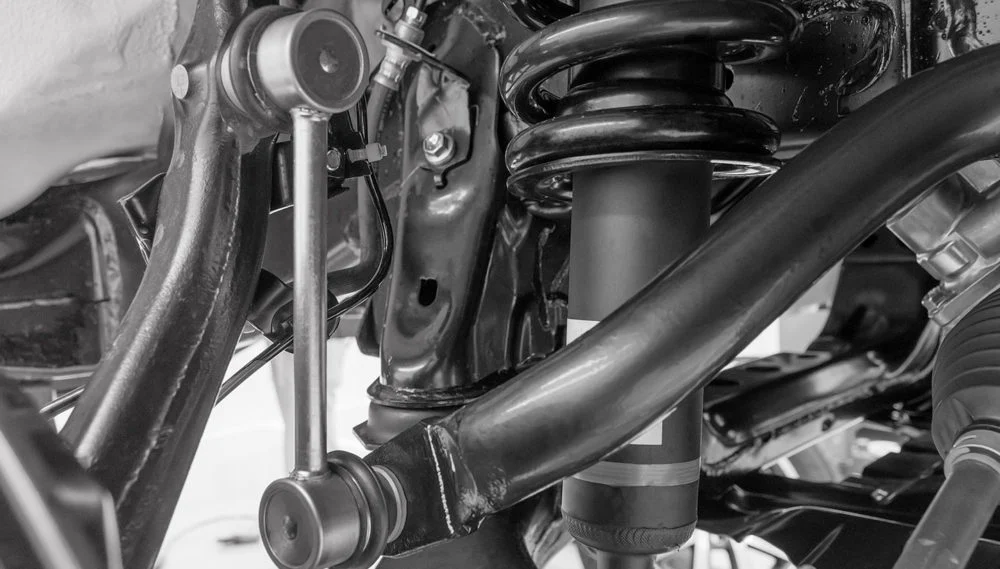
2. Engine Mounts and Other Rubber Mounts Can Fail
Engine mounts receive very little attention until they begin causing symptoms. These mounts hold the engine and transmission in position while reducing vibration transferred into the passenger compartment.
Many vehicles use rubber or rubber-like materials that gradually deteriorate with age. After ten years, cracking, hardening, or separation can become more likely, particularly in vehicles that have spent years in hot climates.
A failing engine mount can make the vehicle vibrate more than it used to. The vibration may be especially noticeable when the engine is idling, when the transmission is shifted into gear, or when the vehicle accelerates.
Some drivers describe a new shaking sensation through the steering wheel, floor, or seats. These symptoms can be mistaken for an engine problem when the underlying issue is actually a worn mount.
A broken or severely weakened mount can allow excessive engine movement. During acceleration, the engine may move more than intended as torque is applied. Drivers may hear a thump or feel a noticeable jolt when changing gears or moving between drive and reverse.
Continued operation with a badly damaged mount can place additional stress on exhaust components, hoses, wiring, and other nearby parts.
Transmission mounts can develop similar problems. Since the transmission is connected to the engine and drivetrain, damaged mounting material can affect how the vehicle feels during gear changes.
Automatic transmissions may produce harsher shifts when mounting components are worn, while manual vehicles can experience additional drivetrain movement during clutch engagement.
Mount replacement is generally less complicated than major engine work, but access can vary considerably between vehicles. Some cars have several mounts positioned in difficult locations.
A technician should inspect the entire mounting system rather than automatically replacing every mount. At the ten-year stage, checking these components during routine service can catch deterioration before it turns into a more disruptive problem.
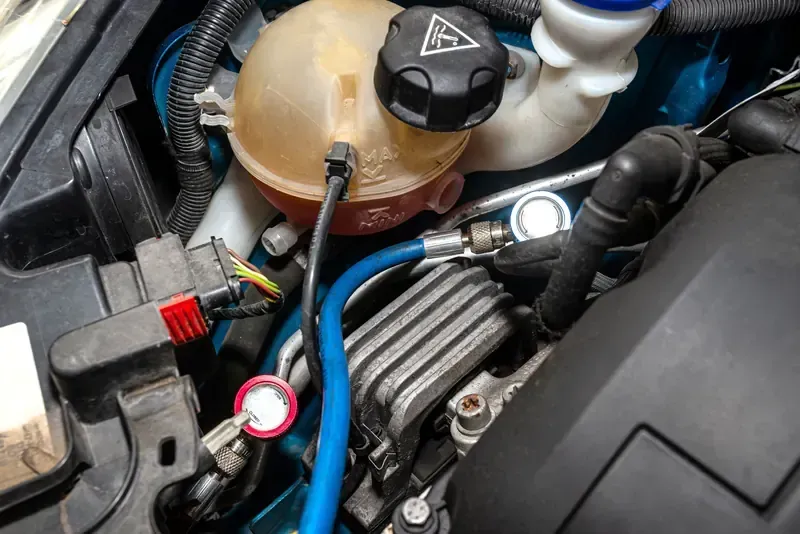
3. Cooling System Repairs Become More Likely
The cooling system works continuously to keep engine temperature within a safe operating range. Its major components include the radiator, water pump, thermostat, cooling fans, hoses, and coolant.
Ten years of temperature changes can place substantial stress on these parts. Plastic tanks and fittings can become brittle, rubber hoses can harden, and seals can eventually develop leaks.
Coolant itself also requires attention. Different vehicles have different coolant specifications and service intervals, so the manufacturer’s maintenance schedule should guide replacement.
Old or contaminated coolant may provide less effective corrosion protection. Mixing incompatible coolant types can also create problems, making it important to use the correct specification rather than choosing fluid based solely on color.
Radiator hoses are particularly vulnerable to age. A hose can appear acceptable on the outside while becoming weak internally. Cracks near connection points, soft sections, bulges, or visible deterioration are reasons for replacement.
A failed coolant hose can cause rapid coolant loss and leave a driver stranded. In severe cases, continued driving with an overheated engine can lead to expensive internal damage.
The water pump is another component worth checking, especially when the vehicle’s maintenance schedule recommends replacement at a particular mileage. Some water pumps are driven by the timing belt, while others are driven by an accessory belt or separate mechanism.
A failing pump may leak coolant, make unusual noises, or fail to circulate coolant properly. The exact repair strategy depends on the engine design.
Thermostats can also become unreliable with age. A thermostat that remains closed can cause overheating, while one that remains open may prevent the engine from reaching its intended operating temperature efficiently.
Cooling fans, fan motors, and related sensors can develop electrical or mechanical faults too. A complete cooling system inspection around the ten year point can help identify weak components before a minor leak becomes a major engine repair.
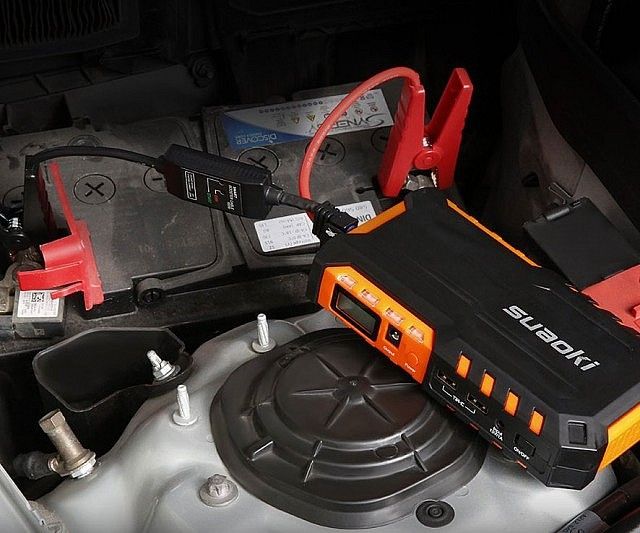
4. Alternators, Starters, and Battery Connections May Need Attention
Electrical starting problems become more common as vehicles accumulate years and mileage. The battery receives much of the attention, but the alternator and starter are equally important. The battery provides the initial electrical power required to start the engine, the starter turns the engine, and the alternator replenishes the battery while the engine is running.
A ten-year-old vehicle may already have gone through several batteries. Even a relatively new battery can struggle if the charging system is not functioning correctly.
Warning signs include slow cranking, dimming lights, repeated dead batteries, flickering electrical equipment, or a battery warning light on the dashboard. These symptoms should be diagnosed rather than solved by repeatedly installing replacement batteries.
Alternators contain bearings, brushes, electrical components, and internal connections that can wear with use. A failing alternator may produce unusual noises or fail to maintain adequate charging voltage.
If charging stops completely, the vehicle can eventually shut down once the battery’s stored energy is depleted. The repair may involve rebuilding or replacing the alternator, depending on the vehicle and the condition of the unit.
Starter motors can also wear after years of repeated use. A starter that turns slowly, clicks without cranking, or works intermittently may be approaching failure.
Electrical connections should be checked before replacing the starter because corrosion or a loose connection can create similar symptoms. Ground straps are particularly important because poor grounding can cause difficult starting and unusual electrical behavior.
Corrosion around battery terminals and cables can become an issue on older vehicles. Cleaning the terminals may solve a minor connection problem, but damaged cables or connectors may require replacement.
A proper electrical diagnosis should measure battery condition, charging performance, starter operation, and cable voltage drop. This approach helps prevent unnecessary parts replacement and can restore dependable starting performance.
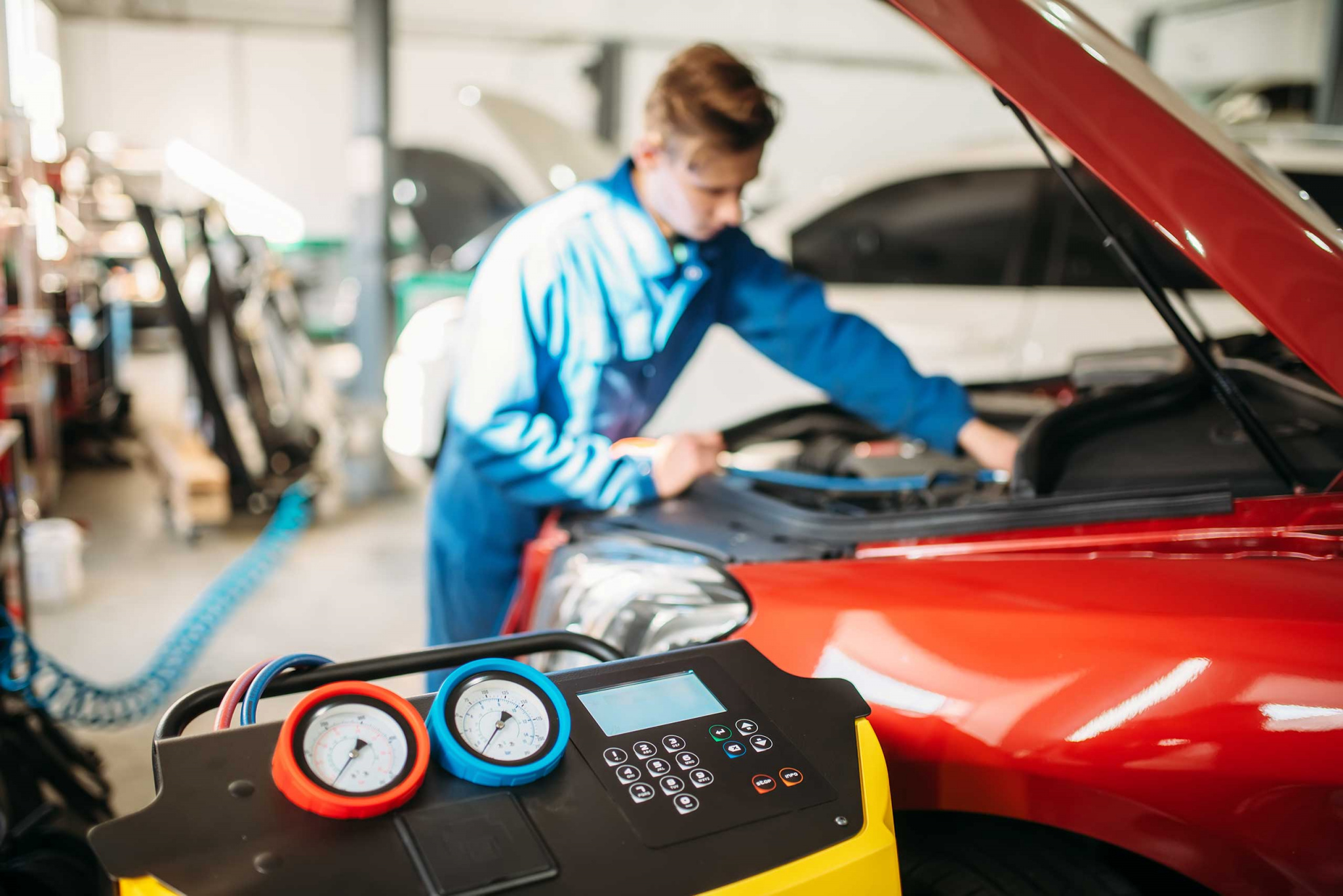
5. Air Conditioning Repairs Can Become Expensive
Air conditioning systems spend years cycling between high and low temperatures while operating under pressure. By the time a vehicle reaches ten years old, leaks, worn seals, compressor problems, and electrical faults may become more likely. A system that once produced very cold air may gradually lose performance, especially during hot weather.
Low refrigerant is a common cause of poor cooling, but refrigerant does not normally disappear simply because a car is old. A low charge usually indicates that refrigerant has escaped through a leak.
Adding refrigerant without finding the source can provide temporary improvement while leaving the underlying fault unresolved. Leak testing can help identify damaged hoses, seals, fittings, condensers, or other components.
The compressor is a major component of the air conditioning system. It circulates refrigerant and creates the pressure difference required for cooling.
Internal wear, bearing problems, clutch faults, or electrical issues can cause compressor failure. A noisy compressor, warm air from the vents, or repeated cycling may indicate a problem that requires professional diagnosis.
The condenser is located toward the front of the vehicle and is exposed to road debris, moisture, and corrosion. Physical damage can cause leaks.
Condenser fans can also fail, causing cooling performance to suffer, particularly when the vehicle is stationary or moving slowly. A technician should check airflow and fan operation before concluding that the compressor is at fault.
Cabin filters and blower components deserve attention as well. A clogged cabin filter can restrict airflow, while a worn blower motor can create squealing or grinding sounds.
A ten-year-old vehicle does not automatically need a major air conditioning repair, but owners should expect that age can increase the likelihood of individual components requiring service. Regular inspection can help separate simple airflow issues from expensive refrigerant or compressor problems.
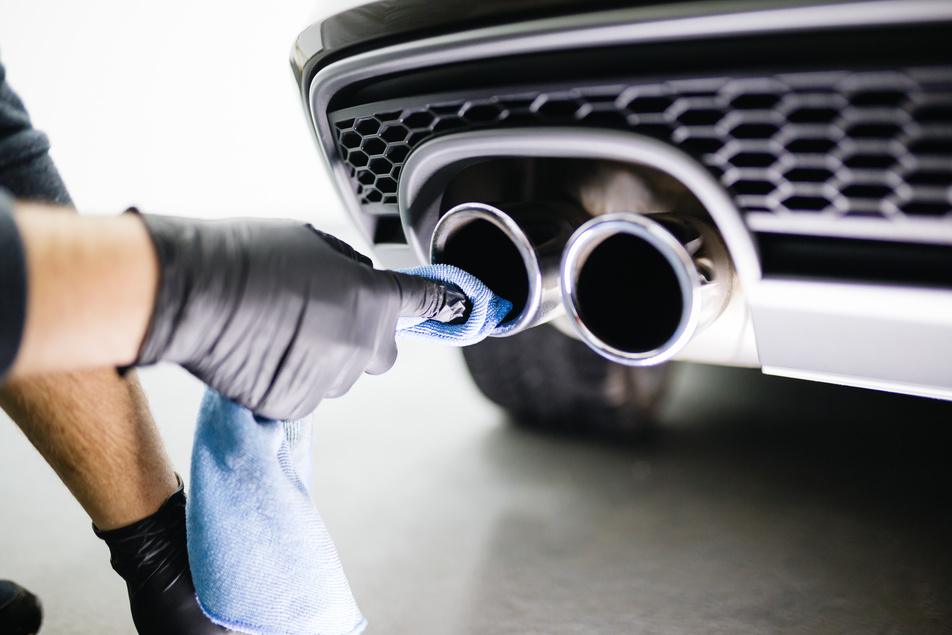
6. Exhaust System Repairs Can Appear After Years of Road Exposure
The exhaust system operates in a harsh environment. It handles hot gases while being exposed to water, mud, road salt, dirt, and temperature changes. Over ten years, corrosion can weaken exhaust pipes, mufflers, brackets, and heat shields. Vehicles operated in areas where roads are heavily salted can experience corrosion more quickly.
A damaged exhaust system often announces itself through sound. A deeper or louder exhaust note can indicate a leak or damaged muffler.
A rattling sound underneath the vehicle may come from a loose heat shield or internal material inside a failing catalytic converter or muffler. Not every rattle represents a serious mechanical problem, but unusual exhaust noises deserve inspection.
Exhaust leaks should not be ignored. Depending on their location, leaks can allow exhaust gases to enter areas where they should not be. Carbon monoxide is a dangerous gas because it is colorless and odorless.
A properly functioning exhaust system routes combustion gases safely away from the passenger compartment. Repairs should therefore address leaks rather than simply making the vehicle quieter.
Catalytic converters can also become problematic with age and mileage. Their job is to reduce harmful emissions before exhaust gases leave the vehicle. A failed converter may trigger a check engine light and cause the vehicle to fail an emissions test in locations where such testing is required.
Diagnosis should confirm the cause because oxygen sensor problems, engine misfires, or fuel system faults can sometimes produce similar warning codes.
Exhaust hangers and brackets are relatively inexpensive compared with major exhaust components, but they play an important role. Broken supports can allow pipes to move and strike the vehicle body. Heat shields can become loose and create irritating vibrations.
Inspecting the complete exhaust system at the ten-year stage can identify corrosion and loose hardware before a small issue develops into a larger repair.
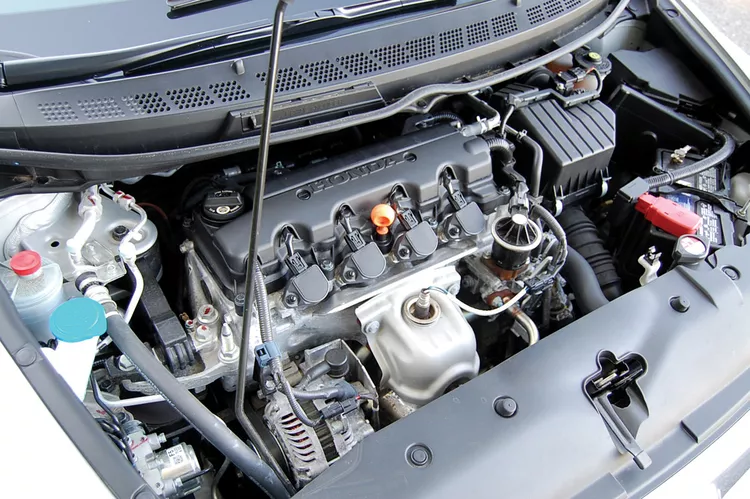
7. Fuel and Ignition System Components May Need Replacement
The engine’s fuel and ignition systems contain several parts that can deteriorate with age. Spark plugs are among the most routine service items, although replacement intervals differ considerably between engines and plug types.
Some modern spark plugs are designed to last for many years, but they still require inspection and replacement according to the manufacturer’s schedule.
Ignition coils can also fail after years of heat exposure. Many modern vehicles use an individual coil for each cylinder. When a coil becomes weak or fails, the engine may misfire, idle roughly, hesitate during acceleration, or trigger the check engine light. A diagnostic scan can help identify the affected cylinder, but additional testing may be necessary before replacing a coil.
Fuel injectors can accumulate deposits or develop electrical faults. Symptoms may include rough running, poor acceleration, reduced fuel economy, or difficult starting. Fuel quality and engine condition influence how quickly deposits form.
Cleaning may help in suitable cases, while a defective injector generally requires replacement. Diagnosis matters because similar symptoms can arise from ignition, compression, or air intake problems.
The fuel pump can also become less reliable with age and high mileage. A weakening pump may cause hard starting, loss of power under load, or intermittent stalling.
Since the pump is responsible for delivering fuel at the required pressure, testing fuel pressure can help determine whether it is functioning correctly. Replacing a pump without confirming the problem can lead to unnecessary expense.
Vacuum lines and other small rubber hoses around the engine can deteriorate after years of heat. Cracks can allow unwanted air into the intake system and contribute to unstable engine operation.
Some vehicles use plastic fittings and connectors that become brittle over time. During a ten-year service inspection, checking these smaller components can prevent frustrating drivability problems that might otherwise be difficult to trace.
8. Belts, Seals, and Fluid Leaks Become More Noticeable
Age has a significant effect on rubber belts and seals. Accessory belts drive components such as the alternator, air conditioning compressor, and sometimes the water pump. Over time, belts can develop cracks, glazing, frayed edges, or other signs of deterioration. A broken belt can disable important accessories and leave the vehicle unable to continue operating normally.
Timing belts require particular attention because their replacement is usually based on both mileage and age. Not every vehicle uses a timing belt, since many engines use timing chains instead.
If a vehicle has a timing belt, the manufacturer’s replacement interval should be followed carefully. Timing belt failure can cause severe engine damage on interference engines, making scheduled replacement far less costly than waiting for a failure.
Timing chains are not necessarily maintenance-free. They can stretch or develop problems with guides, tensioners, or related components. Warning signs can include unusual rattling during startup, engine timing faults, or diagnostic trouble codes.
Chain service is highly dependent on engine design, oil maintenance, and mileage, so diagnosis should be based on the vehicle’s specific symptoms and service information.
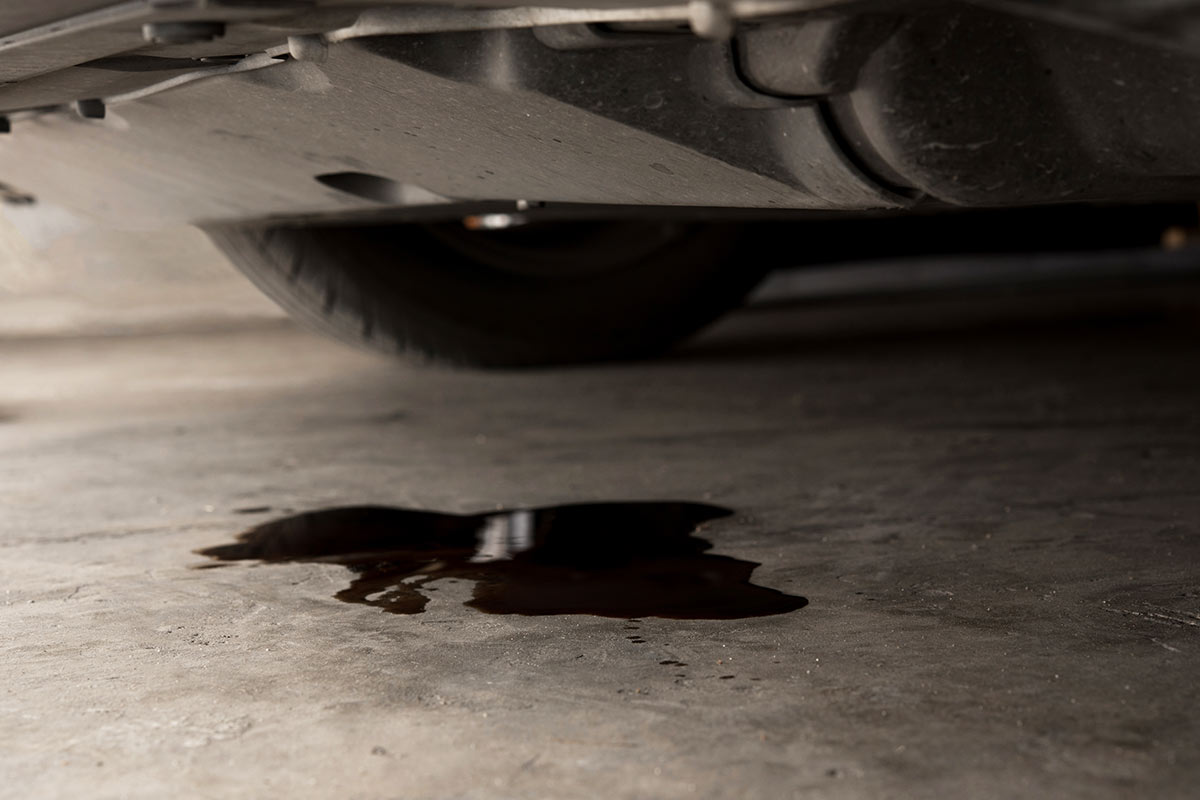
Fluid leaks can become more common as seals and gaskets age. Engine oil, transmission fluid, coolant, brake fluid, power steering fluid, and differential fluid may leak from different areas depending on the vehicle. A few drops on the ground should not automatically be dismissed as normal aging. Identifying the fluid and source early can prevent low fluid levels and secondary damage.
A ten-year-old vehicle benefits from a careful inspection of its underside and engine bay. Mechanics can check for damp areas, deteriorated seals, worn belts, damaged hoses, and fluid residue.
Some leaks can be handled with a relatively simple gasket or seal replacement, while others require significant labor because the affected component is difficult to access. Catching the issue early gives owners more repair options and makes budgeting easier.
9. Timing Belt or Timing Chain Repairs May Come Due
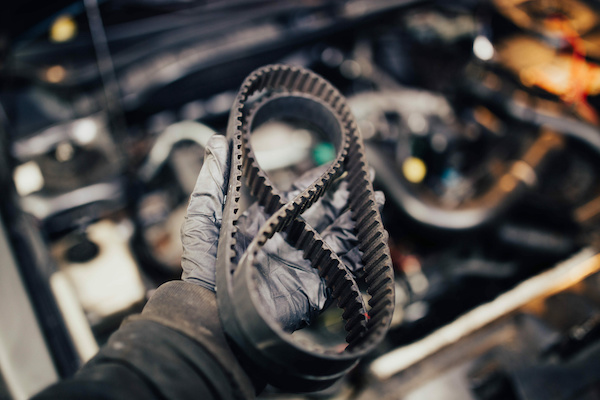
The timing system keeps the engine’s internal components operating in the correct sequence. Some vehicles use timing belts, while others use timing chains. This distinction matters because their maintenance requirements are different.
Timing belts are generally replaced according to a specified age or mileage interval. For a vehicle approaching ten years, this service may be due even when the odometer reading is relatively modest.
Timing belt replacement can be a substantial repair because access to the belt may require removing several surrounding components. The belt itself may not show obvious external damage before failure.
Manufacturers therefore establish replacement intervals based on expected service life. A broken timing belt can cause severe internal engine damage on many interference engines because pistons and valves may occupy the same physical space at different points in the combustion cycle.
When replacing a timing belt, technicians may recommend replacing related components at the same time. These can include tensioners, idler pulleys, seals, and, on some engines, the water pump.
The exact service package should follow the vehicle manufacturer’s repair procedure. Replacing related parts during the same job can prevent paying labor twice when those components are already accessible.
10. Exhaust and Emissions Components Can Deteriorate
The exhaust system operates in a demanding environment. It experiences high temperatures, moisture, vibration, and exposure to road contaminants.
Over several years, components such as exhaust pipes, mufflers, catalytic converters, oxygen sensors, and mounting hardware can develop faults. Corrosion is especially common in areas where vehicles encounter road salt or persistent moisture.
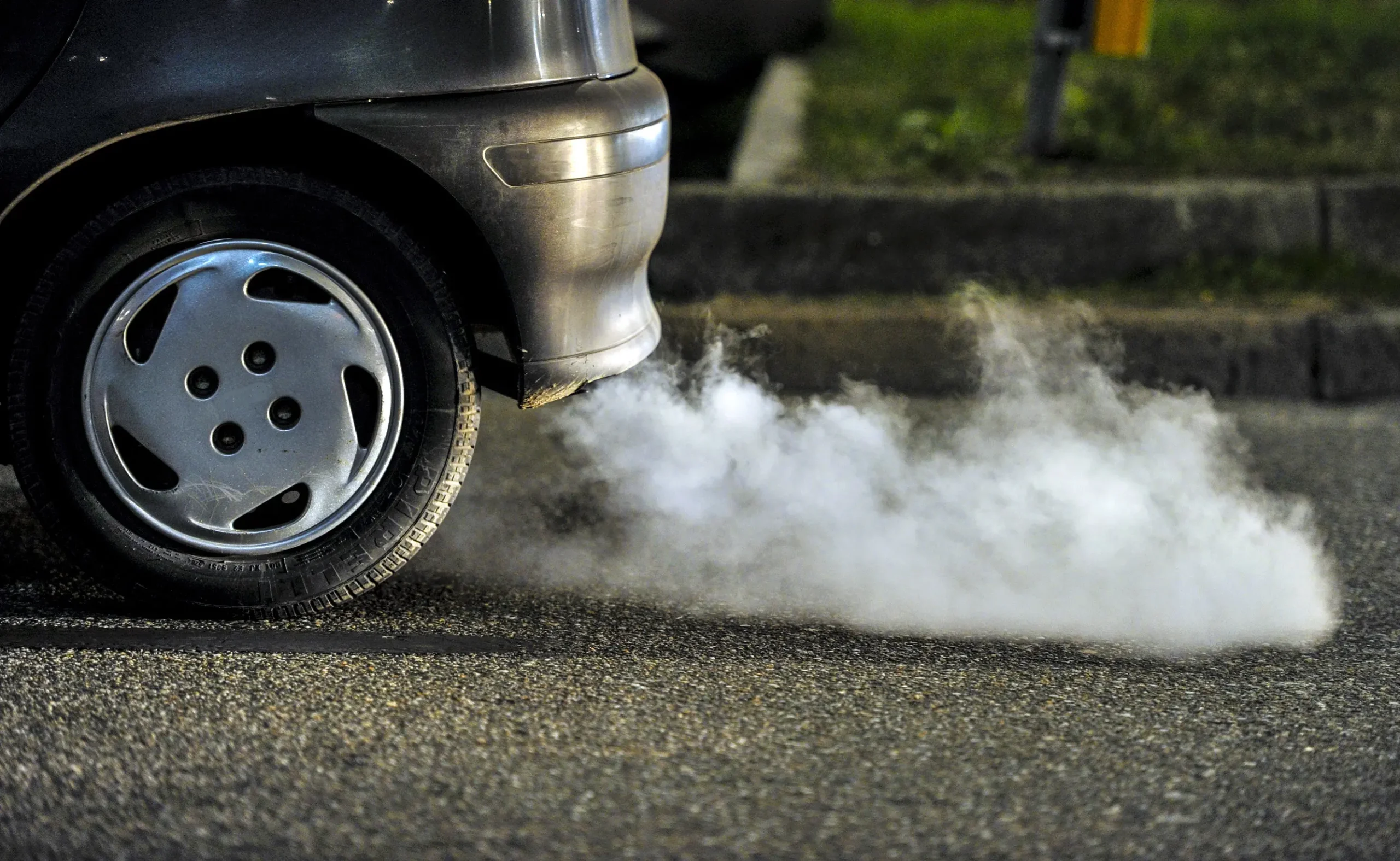
A damaged exhaust system may produce a louder engine sound, rattling, or a noticeable exhaust odor. A small hole in an exhaust pipe can grow over time as corrosion continues.
Exhaust leaks near the engine or passenger compartment deserve immediate attention because exhaust gases can contain harmful substances. A technician can inspect the system for holes, loose connections, damaged hangers, and signs of corrosion.
Oxygen sensors may also fail as mileage accumulates. These sensors measure oxygen levels in the exhaust and help the engine control system adjust fuel delivery.
A failed sensor can trigger a check engine light and may affect fuel economy or emissions performance. Modern vehicles can have several oxygen or air-fuel sensors, and diagnostic testing is important because a fault code does not always mean the sensor itself is defective.
