
Reaching 120,000 miles is a significant point in a vehicle’s life, and several repairs often begin appearing around this mileage. Cars that have received regular maintenance may continue running reliably, but age, heat cycles, road conditions, and accumulated wear can make certain components more likely to need attention.
Common concerns include timing belts, water pumps, suspension parts, brakes, hoses, belts, wheel bearings, spark plugs, and fluid-related services. Understanding these potential repairs can help owners plan ahead rather than react to unexpected breakdowns.
This guide explains ten repairs that commonly cluster around 120,000 miles and what drivers should know before approving the work.
1. Timing Belt Replacement
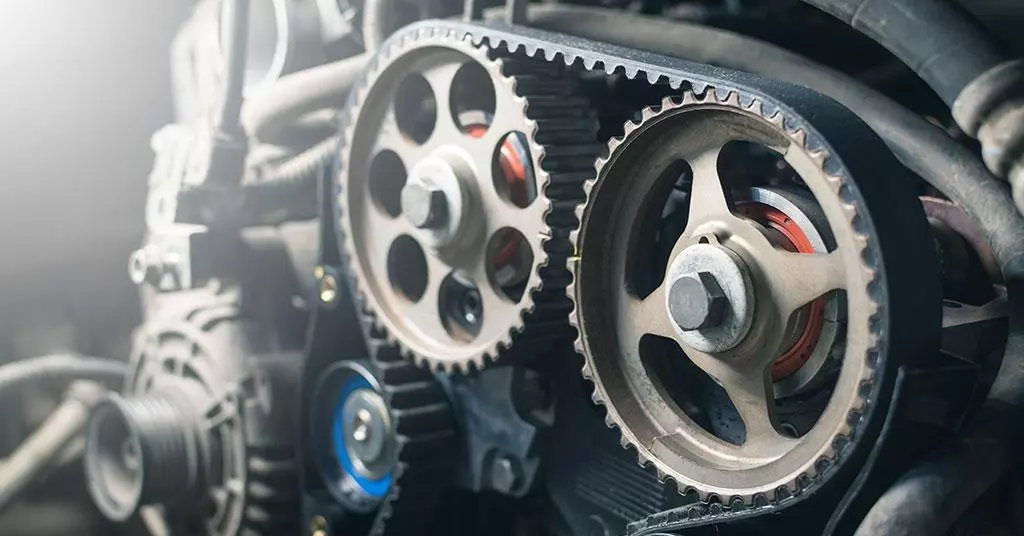
A timing belt replacement can become a major maintenance item around 120,000 miles, depending on the vehicle manufacturer’s recommended service interval. Many engines use timing belts to synchronize the crankshaft and camshaft so that the valves open and close at precisely the right time.
Belt materials gradually age from heat, tension, friction, and repeated engine operation. A belt can look acceptable during a basic inspection while still approaching the end of its expected service life. For vehicles equipped with timing belts, checking the owner’s manual or manufacturer service schedule is important before deciding whether replacement is due.
Timing belt intervals vary considerably between vehicles. Some manufacturers specify replacement around 60,000 miles, while others may recommend intervals closer to 90,000 or 105,000 miles. Certain newer vehicles have longer intervals. That means 120,000 miles should not automatically be treated as the correct replacement mileage for every car.
If the service history is unknown, however, confirming whether the belt has already been replaced becomes particularly important. A missing maintenance record can make it difficult to determine how much useful life remains.
A broken timing belt can cause the engine to stop suddenly. On some engines, the pistons and valves can occupy overlapping areas inside the combustion chamber. These are commonly called interference engines.
If the timing belt breaks while the engine is running, the pistons and valves can collide, potentially causing substantial internal engine damage. Other engines are designed with enough clearance to avoid that type of contact. Knowing which design applies to a particular vehicle helps explain why preventive belt replacement can be worthwhile.
Technicians often recommend replacing related components during the same service. The water pump may be driven by the timing belt on certain engines, while tensioners and idler pulleys also play important roles in maintaining proper belt tension.
2. Water Pump and Cooling System Repairs
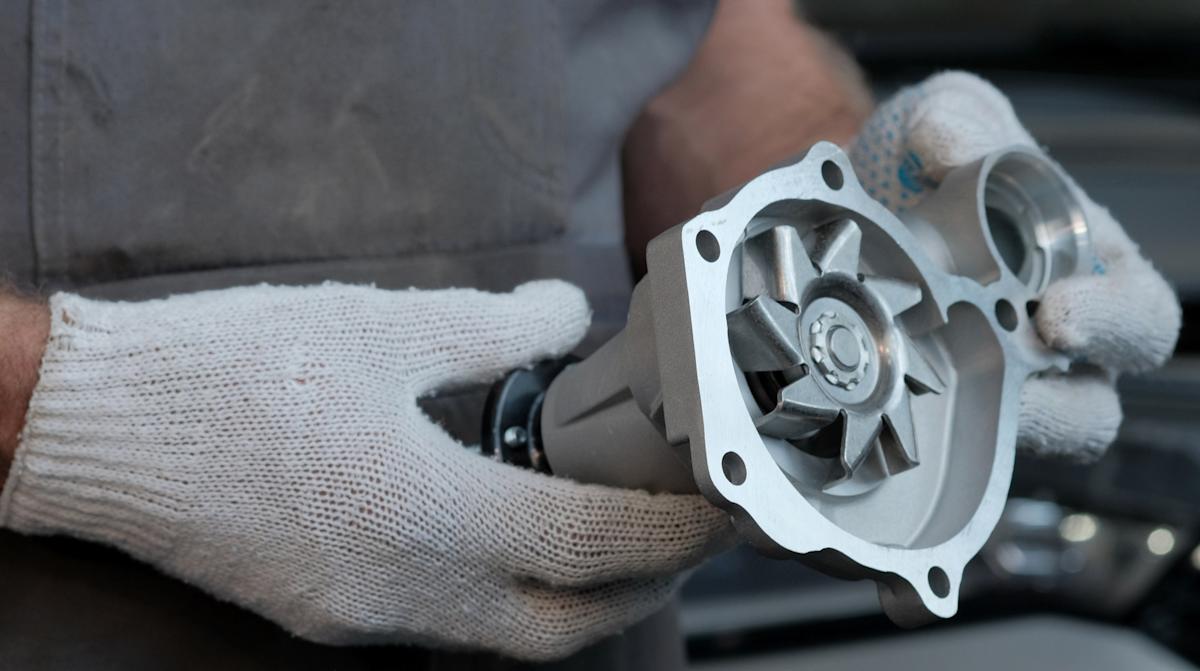
Water pumps can begin requiring attention as vehicles accumulate mileage. The pump circulates coolant through the engine and radiator, helping control operating temperature. Internal bearings, seals, and impellers experience constant use whenever the engine operates.
Over many years and thousands of miles, these components can wear. A failing water pump may develop a coolant leak, produce unusual noise, or lose its ability to circulate coolant effectively. In some cases, the first noticeable symptom is an engine temperature that starts rising above its normal range.
The relationship between water pumps and timing belts makes this repair particularly relevant for some vehicles at higher mileage. If the water pump is located behind the timing belt, technicians may recommend replacing it while the timing belt is already removed.
This approach can make financial sense because accessing the pump may involve much of the same labor required for timing belt replacement. Vehicles with external or accessory-driven water pumps have different service requirements, so the repair strategy depends heavily on engine design.
Cooling system hoses and the thermostat may also become concerns at this stage. Rubber hoses gradually lose flexibility and can develop cracks, swelling, soft spots, or hardened areas. A thermostat can become stuck open or closed, affecting engine temperature regulation.
These parts are generally less expensive than major engine components, but a failed hose or thermostat can still leave a vehicle undriveable. A cooling system inspection during scheduled service can identify visible problems before they turn into roadside emergencies.
Coolant condition matters too. Coolant contains additives that help protect against corrosion and maintain proper heat transfer. Over time, those additives become depleted. Using the wrong coolant type or mixing incompatible products can also create problems.
Manufacturers specify coolant types and replacement intervals, so owners should follow the vehicle’s service information rather than assuming every coolant product is interchangeable. A proper cooling system service may include inspection, testing, flushing when required, and refilling with the specified coolant.
Ignoring cooling system symptoms can lead to expensive consequences. An overheating engine can suffer damage to gaskets, cylinder heads, or other components. Warning signs such as coolant loss, temperature fluctuations, a sweet coolant smell, visible leaks, or persistent overheating deserve prompt attention.
At 120,000 miles, a cooling system inspection is sensible even when the vehicle appears to be operating normally. Preventing a cooling failure is generally much easier than repairing an engine damaged by repeated overheating.
3. Suspension and Steering Component Replacement
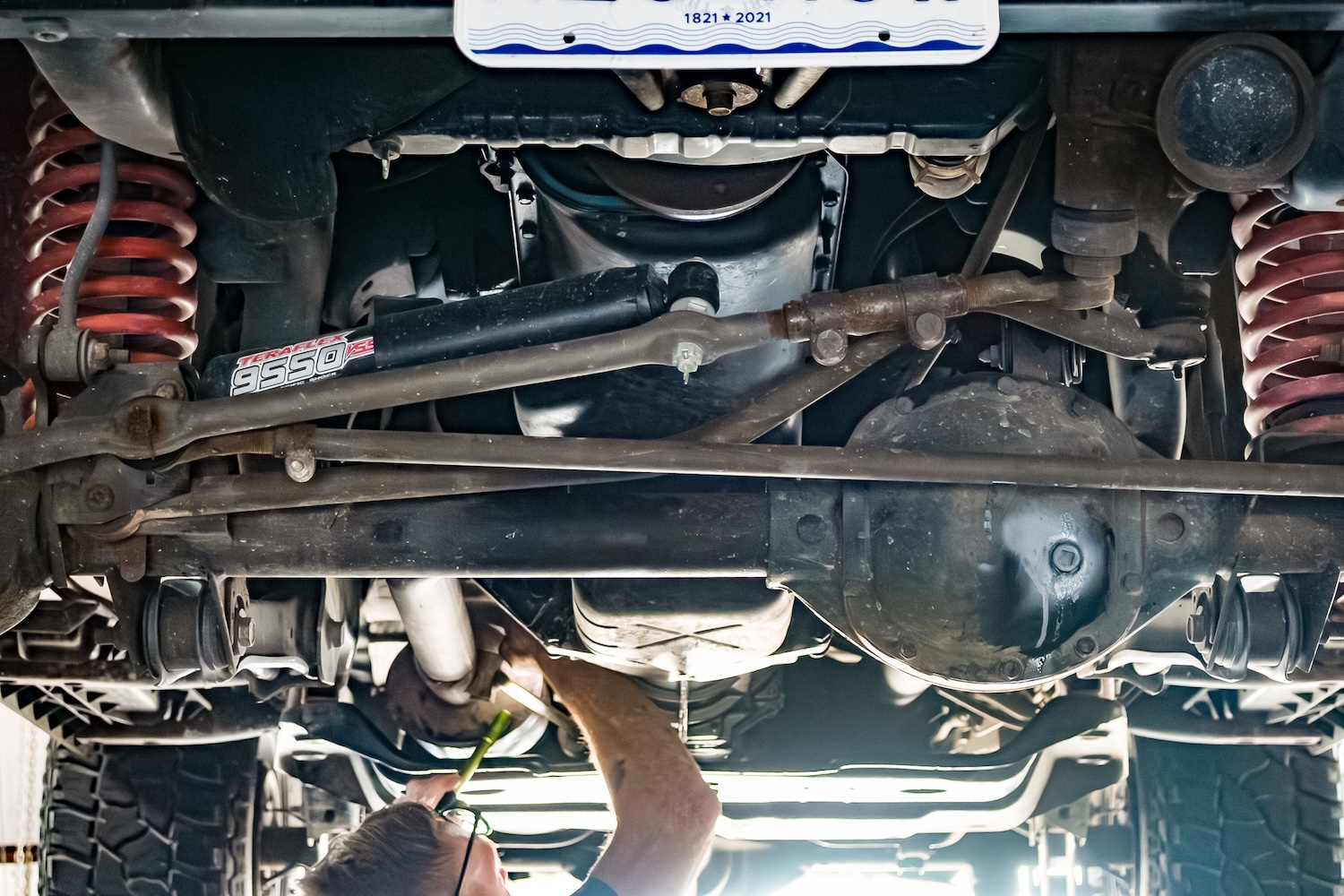
Suspension components experience thousands of impacts over the course of a vehicle’s life. Every pothole, speed bump, rough road, and uneven surface places stress on components such as control arm bushings, ball joints, tie rod ends, sway bar links, and shock absorbers or struts.
By 120,000 miles, some vehicles have accumulated enough wear for several suspension components to require replacement. Driving conditions make a major difference, so a car used mostly on smooth highways may experience less wear than one regularly driven over rough roads.
Shock absorbers and struts are particularly important because they control how the vehicle responds to road movement. Worn units may allow excessive bouncing, increase body movement during braking, or reduce stability when cornering. Drivers may notice that the car feels less composed than it did when newer.
Tire wear can also become uneven when suspension components are no longer controlling wheel movement effectively. A visual inspection may reveal fluid leakage from a shock absorber, but not every worn component shows an obvious external symptom.
Control arm bushings can deteriorate gradually. These rubber or rubber-like components isolate vibration while allowing controlled suspension movement. As they age, they can crack, separate, or become excessively flexible.
Worn bushings may contribute to vague steering, clunking noises, uneven tire wear, or changes in wheel alignment. Replacing a complete control arm may sometimes be more practical than replacing individual bushings, but the appropriate repair depends on the vehicle and the condition of the parts.
Ball joints and tie rod ends deserve careful inspection because they influence steering and wheel control. Excessive play in these components can affect vehicle stability and alignment. A worn joint may produce a knocking sound or create steering looseness, but symptoms are not always obvious to the driver.
Professional inspection is important because technicians can check for movement and wear that may not be visible during casual inspection. Safety-related suspension concerns should not be postponed simply because the vehicle still drives.
4. Brake System Repairs
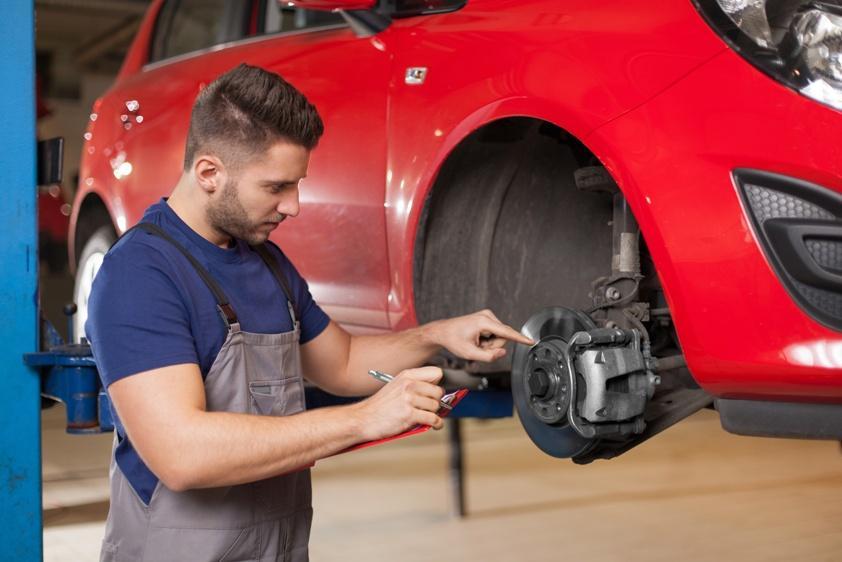
Brake components naturally wear with use, making brake service common during higher mileage ownership. Brake pads and rotors may have already been replaced several times by the time a vehicle reaches 120,000 miles.
The exact lifespan varies based on driving style, traffic, vehicle weight, terrain, and brake component design. Frequent city driving can produce considerably more brake wear than steady highway travel. As a result, there is no universal mileage at which brake pads or rotors should be replaced.
Brake pads become thinner as friction material is consumed. Many vehicles have wear indicators designed to produce a noticeable sound when the pads approach replacement thickness. Some cars also have electronic wear sensors or dashboard warnings.
Waiting until a warning appears is not ideal, since regular inspections can identify wear earlier. If brake pads become excessively thin, the backing plate can eventually contact the rotor, potentially causing serious damage and reducing braking performance.
Rotors can also require replacement as mileage accumulates. Repeated heating and cooling can contribute to surface wear, corrosion, cracking in severe circumstances, or thickness variations. A rotor that has become too thin may not safely dissipate heat.
Drivers may notice steering wheel vibration or brake pedal pulsation during braking, though these symptoms can have multiple causes. Technicians measure rotor thickness and compare it with the manufacturer’s minimum specification before determining whether replacement is necessary.
Brake fluid is another consideration at higher mileage. Brake fluid absorbs moisture over time, which can affect its boiling point and contribute to internal corrosion within the hydraulic system. Manufacturers provide recommended replacement intervals for many vehicles.
5. Serpentine Belt, Tensioner, and Pulley Repairs
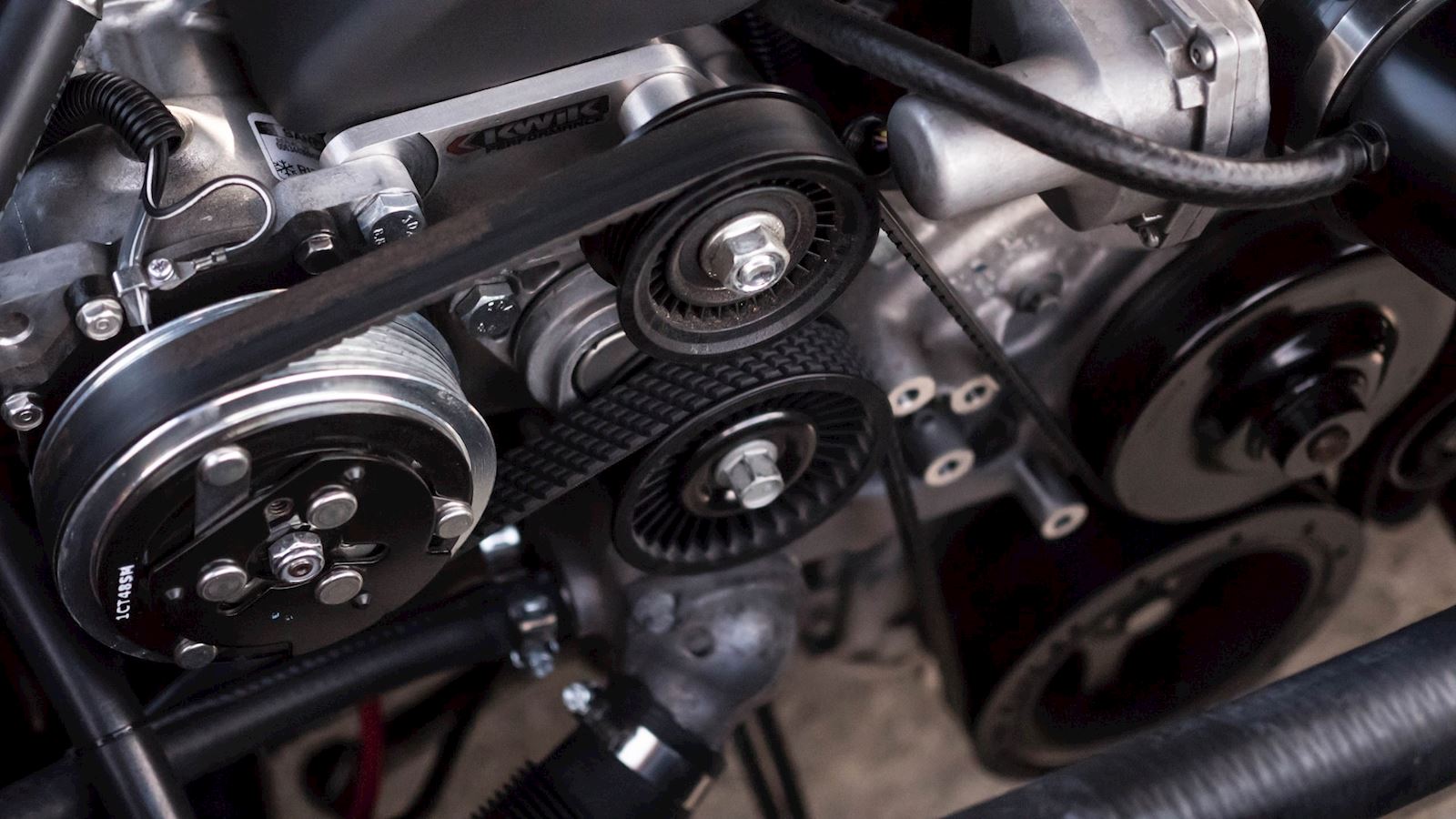
The serpentine belt transfers engine power to accessories such as the alternator, air conditioning compressor, power steering system on applicable vehicles, and other components.
It operates in a hot environment and is exposed to continuous bending and tension. Over time, the rubber compound can become hardened, cracked, glazed, or stretched. Many modern belts are designed for long service intervals, but reaching 120,000 miles makes their condition worth checking closely.
A damaged belt can create problems quickly. If it breaks, accessories driven by the belt may stop functioning. Depending on the vehicle, the alternator may stop charging the battery, the air conditioning system may stop operating, or the water pump may stop circulating coolant.
A belt failure can therefore become more than a simple inconvenience. Some vehicles use separate belts for different accessories, while others rely on a single serpentine belt for several functions.
The tensioner and idler pulleys are equally important. The tensioner maintains the correct amount of pressure against the belt, while idler pulleys guide its path. Bearings inside these pulleys can wear and develop roughness or noise.
A weak tensioner can allow belt vibration or slipping, while a worn pulley bearing can create a humming, grinding, or chirping sound. Installing a new belt while leaving a severely worn tensioner in place may shorten the new belt’s service life.
Inspection is usually straightforward. A technician can examine the belt for visible deterioration and check the tensioner and pulleys for abnormal movement or noise. Some belt damage is easy to spot, but not every problem can be identified by looking at the belt alone.
The entire accessory drive system should be assessed if there is persistent squealing or unusual noise. Fluid contamination can also damage belt material, so identifying and fixing an oil or coolant leak may be necessary before installing a replacement belt.
6. Spark Plugs and Ignition System Service
Spark plugs are another maintenance item that can come due around the 120,000-mile mark. Modern spark plugs often last much longer than older designs, with some platinum and iridium plugs offering extended service intervals. The actual interval depends on the engine and the plug specified by the manufacturer.
Spark plugs gradually wear as the center and ground electrodes experience repeated electrical discharge and combustion heat. The gap can increase over time, requiring the ignition system to work harder to produce a reliable spark.
Worn spark plugs can contribute to rough idling, reduced acceleration, poor fuel economy, hesitation, or difficult starting. In some cases, the vehicle’s computer may detect a misfire and illuminate the check engine light.
A misfire should be investigated rather than automatically blamed on spark plugs. Ignition coils, fuel injectors, vacuum leaks, compression problems, and other issues can produce similar symptoms. Proper diagnosis helps prevent unnecessary parts replacement.
Spark plug replacement can also provide an opportunity to inspect ignition coils and related components. Coil failures are not guaranteed at 120,000 miles, but older coils may experience increased stress as plugs become worn.
If a vehicle has a known pattern of coil failures, a technician may pay closer attention to them during service. Still, replacing functioning ignition coils simply because the odometer reached a certain number is usually unnecessary unless the manufacturer recommends it.
Using the correct spark plug is essential. Heat range, electrode material, thread dimensions, and gap specifications are designed for a particular engine. A plug that physically fits may still be inappropriate for the application.
Manufacturers provide specifications that should be followed during replacement. Correct installation torque also matters because over-tightening or under-tightening can create problems with the plug or cylinder head.
A 120,000-mile service can therefore be a useful time to confirm whether spark plugs have already been replaced. If the service interval has been reached, replacement can help maintain smooth engine operation and proper combustion.
7. Wheel Bearings and Hub Assemblies
Wheel bearings support the vehicle’s weight while allowing the wheels to rotate smoothly. They experience constant loads from acceleration, braking, cornering, road impacts, and vehicle weight.
Some bearings last far beyond 120,000 miles, while others develop problems earlier. Road conditions, water exposure, heavy loads, wheel impacts, and manufacturing differences can affect service life. For that reason, wheel bearings are best treated as inspection items rather than guaranteed mileage replacements.
A failing wheel bearing may produce a humming, growling, or rumbling noise that changes with vehicle speed. The sound can sometimes become more noticeable while turning in a particular direction.
However, diagnosing bearing noise can be difficult because tire tread noise and other drivetrain sounds can resemble a worn bearing.
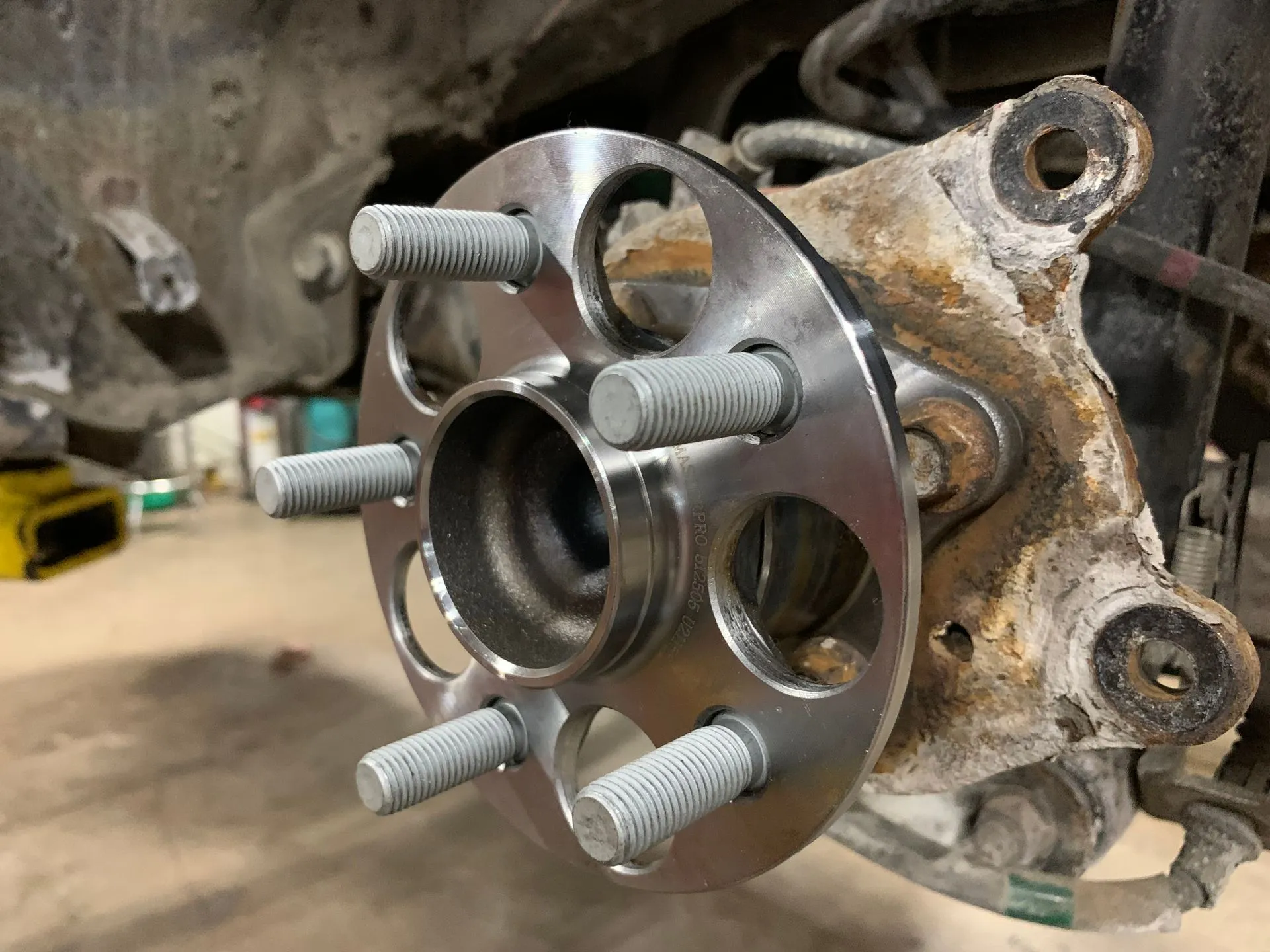
A technician can raise the vehicle, check for excessive play, rotate the wheel, and listen for abnormal noise. Some modern vehicles use integrated hub assemblies, meaning the bearing and hub are replaced together.
Ignoring a clearly damaged wheel bearing is not advisable. Excessive bearing wear can affect wheel control and may eventually create dangerous levels of looseness. Modern wheel hubs may also incorporate sensors used by anti-lock braking and stability control systems.
A damaged hub can therefore cause warning lights or interfere with vehicle systems. The specific consequences depend on the vehicle’s design and the severity of the bearing problem.
Tire condition should be considered during the same inspection. Uneven tire wear can sometimes point toward alignment or suspension problems rather than a wheel bearing.
A tire that has developed unusual tread wear may also generate noises that resemble bearing problems. Checking tires, suspension, alignment, and bearings together can produce a more accurate diagnosis. This prevents replacing an expensive hub assembly when the actual source of the noise is a worn tire.
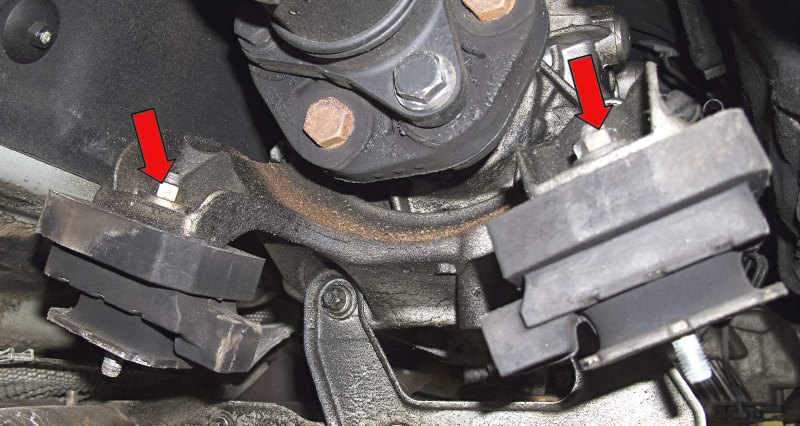
8. Engine and Transmission Mount Replacement
Engine and transmission mounts secure the powertrain to the vehicle while reducing vibration transmitted into the cabin. Mounts commonly use rubber, hydraulic materials, or electronically controlled designs.
Constant engine movement, heat exposure, and drivetrain loads can cause these materials to deteriorate. Around 120,000 miles, worn mounts can become noticeable, particularly if the vehicle has spent years in demanding traffic or experienced frequent acceleration and braking.
A damaged engine mount may cause excessive vibration while idling or a noticeable thump when shifting between drive and reverse. Drivers may also feel movement during acceleration or deceleration.
Some mounts fail gradually, making symptoms easy to dismiss. A vehicle can continue operating with a weakened mount, but excessive movement can place additional stress on exhaust components, hoses, wiring, and other drivetrain connections.
Hydraulic mounts can develop leaks when their internal fluid escapes. Traditional rubber mounts may crack, collapse, or separate. The exact failure pattern depends on the design. Technicians generally inspect mount condition and drivetrain movement rather than replacing mounts simply because the vehicle has reached a particular mileage.

9. Fuel and Air System Maintenance
The engine depends on clean air and a properly controlled fuel supply, and high mileage can bring attention to components within both systems.
Air filters require periodic replacement, while throttle bodies, mass airflow sensors, fuel injectors, and fuel system components can accumulate deposits or experience wear. Maintenance requirements differ substantially between vehicles, so there is no universal 120,000-mile fuel-system repair.
A dirty air filter can restrict airflow and reduce engine efficiency, though modern engines can compensate for moderate restriction. A clogged filter can also increase intake resistance. Replacement is generally straightforward and should follow the manufacturer’s service schedule. Drivers who regularly travel through dusty environments may need more frequent filter service.
Throttle body deposits can contribute to rough idle, inconsistent throttle response, or unstable engine speed in certain vehicles. Modern electronic throttle systems can be sensitive to contamination, but cleaning procedures vary by design.
Improper cleaning can damage sensitive components or create new problems, so technicians should follow appropriate procedures for the specific vehicle.
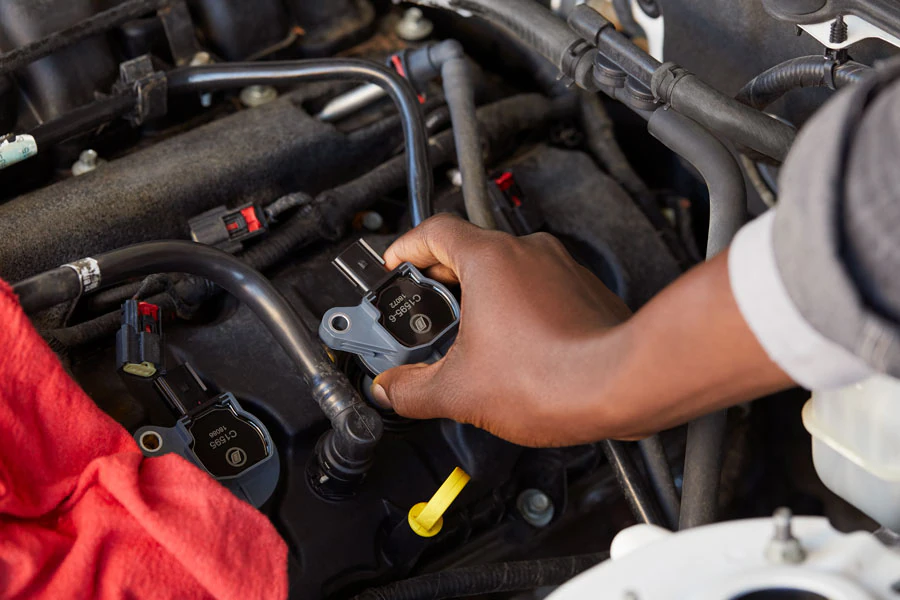
10. Transmission and Differential Service
Transmission maintenance becomes increasingly important as mileage rises, particularly when the vehicle has experienced towing, heavy traffic, frequent short trips, or severe operating conditions.
Automatic, manual, continuously variable, and dual-clutch transmissions have different fluid requirements and service procedures. Some manufacturers specify fluid replacement intervals, while others describe certain fluids as long-life or maintenance-free under normal conditions. That does not mean every transmission will remain trouble-free indefinitely.
Transmission fluid performs several jobs, including lubrication, cooling, hydraulic control, and protection against wear. As fluid ages, its properties can change.
Contamination from clutch material and other wear particles can also accumulate. Using the wrong fluid can cause shifting problems or damage in systems with specialized requirements, so the exact specification matters.
Symptoms of transmission trouble can include delayed engagement, slipping, harsh shifts, unusual noises, fluid leaks, or difficulty selecting gears.
These symptoms should be diagnosed rather than automatically treated with a fluid change. A mechanical or electronic problem may require a different repair. Transmission leaks also deserve prompt attention because low fluid levels can accelerate internal wear.
