
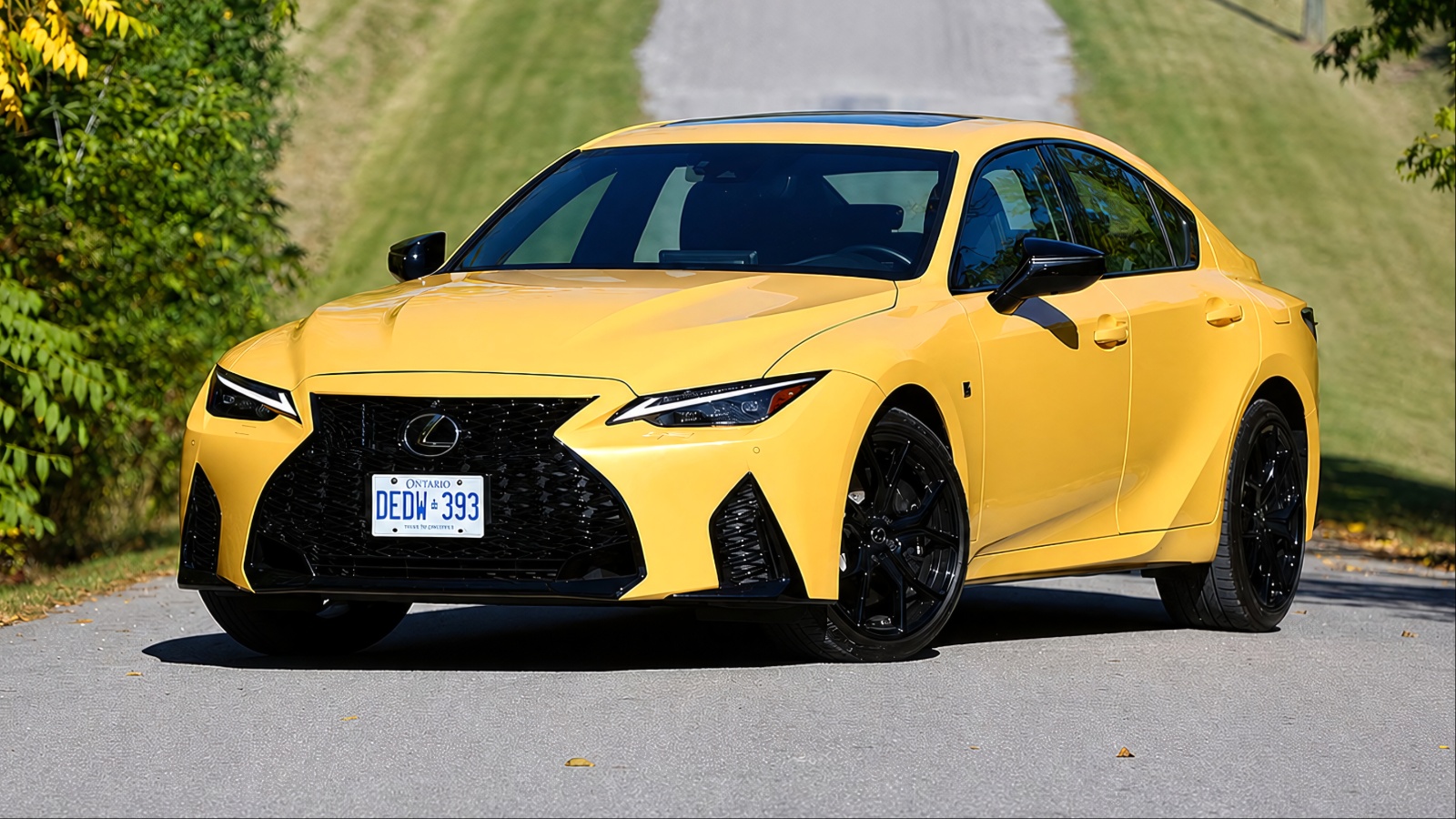
Buying a car that can reach 200,000 miles is only half the challenge. Keeping it running without draining your bank account is what truly determines long-term value. For US drivers, routine servicing, replacement parts, labor rates, fuel economy, drivetrain durability, and repair frequency can make a major difference over hundreds of thousands of miles.
The cars featured here are known for practical engineering, broad parts availability, strong reliability records, and manageable ownership expenses. While no vehicle can promise a trouble-free 200,000-mile journey, choosing a proven model and following its maintenance schedule can significantly reduce the risk of expensive surprises over the years.
1. Toyota Corolla
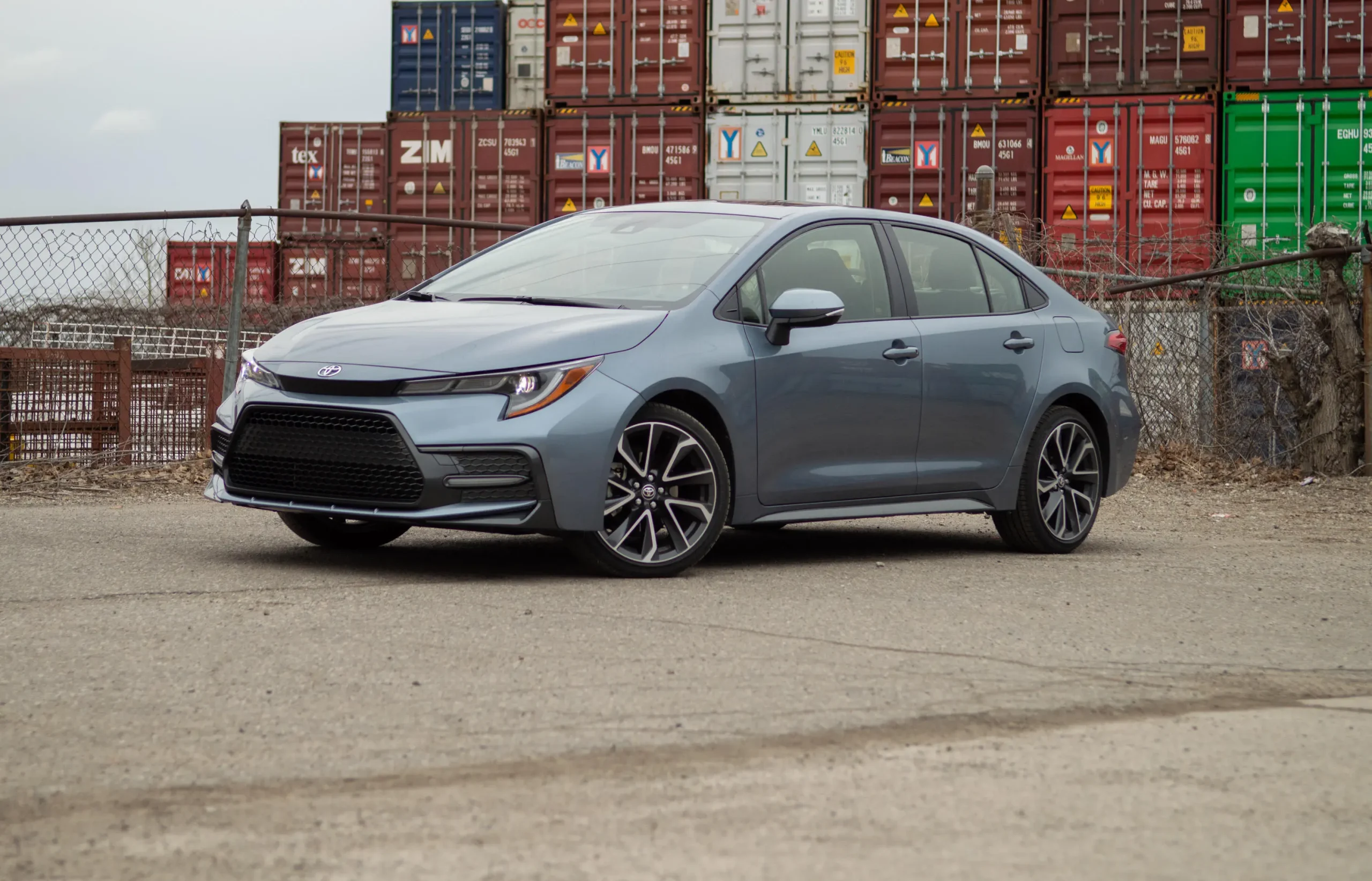
The Toyota Corolla has earned a reputation for inexpensive ownership through simple engineering, widespread parts availability, and a large network of mechanics familiar with the model.
RepairPal data places average annual maintenance and repair costs for the Corolla at roughly $362, giving it a strong position for buyers focused on keeping long-term expenses under control.
A Corolla is particularly attractive for high-mileage drivers because many routine services are straightforward. Oil changes, brake work, filters, tires, batteries, and other wear items are generally easy for independent repair shops to handle.
That availability helps keep labor and parts costs reasonable compared with vehicles that require specialized equipment or brand-specific expertise.
Reaching 200,000 miles still requires more than basic oil changes. A long-lived Corolla needs attention to fluids, cooling components, suspension parts, belts, brakes, wheel bearings, and other age-related components. Preventive service is important because fixing a small problem early can prevent a larger mechanical failure later.
The Corolla also benefits from conservative drivetrain design across many generations. Naturally aspirated four-cylinder engines have historically been particularly appealing to owners who prioritize longevity over maximum horsepower. Fewer complicated performance components can mean fewer expensive systems to maintain as mileage climbs.
For buyers searching for a used car that can realistically serve as a 200,000-mile commuter, the Corolla remains a sensible choice. iSeeCars estimates an average Corolla lifespan of about 150,781 miles, so reaching 200,000 is not guaranteed, but a well-maintained example with a documented service history can still be a strong long-term purchase.
2. Toyota Camry
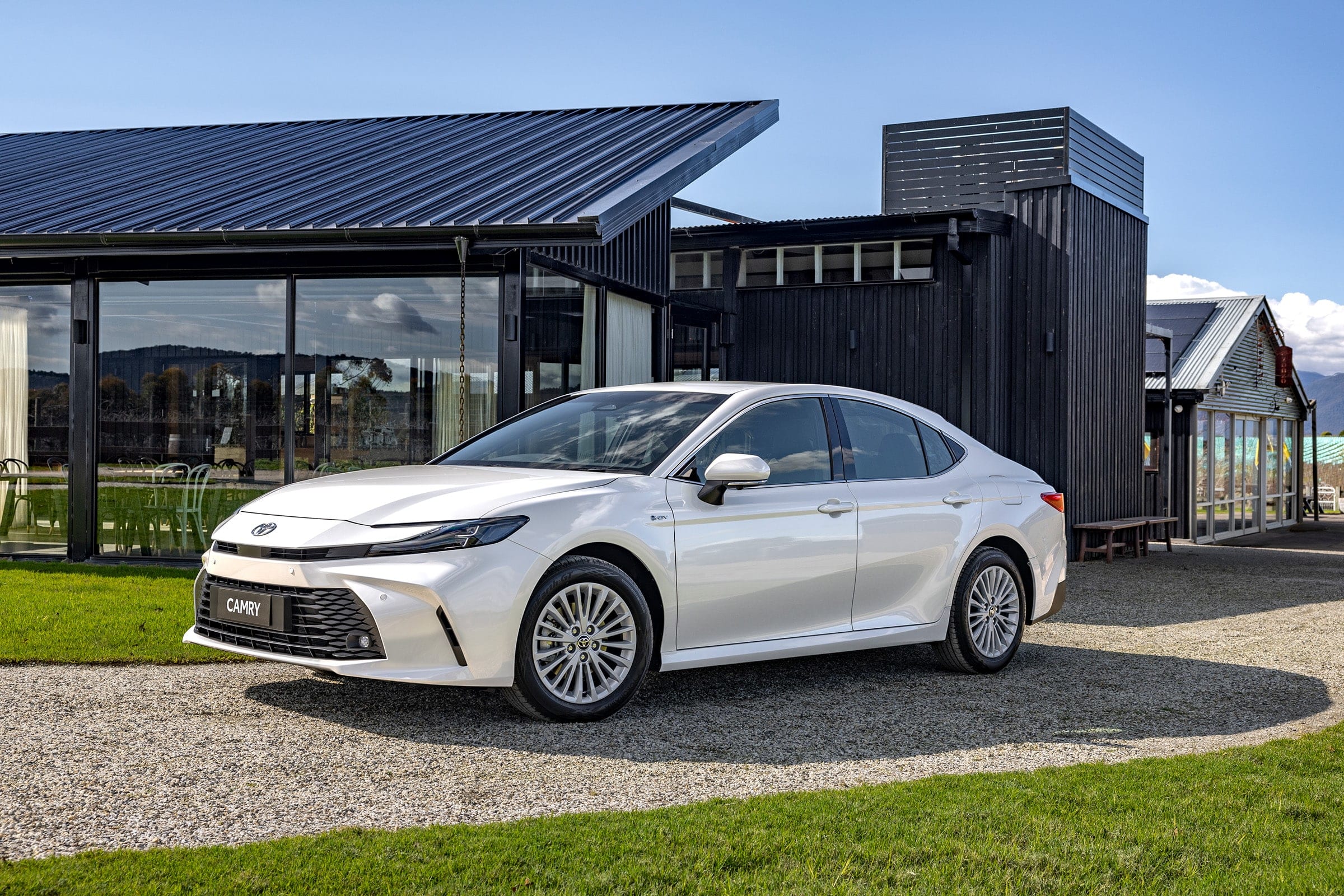
The Toyota Camry is a larger alternative to the Corolla that combines practical family-car space with comparatively low maintenance expenses. RepairPal figures cited in current maintenance data put the Camry at approximately $388 in average annual maintenance and repair costs, which is remarkably reasonable for a midsize sedan.
Camry ownership becomes especially attractive when the vehicle is used for commuting, highway travel, or family transportation. The car has traditionally offered durable four-cylinder engines, comfortable transmissions, and a large supply of replacement parts. These factors can make routine ownership easier as the odometer moves beyond 100,000 miles.
At 200,000 miles, suspension wear becomes more relevant than it is on a younger vehicle. Struts, control-arm components, bushings, wheel bearings, and engine mounts can eventually require attention. These repairs are normal for an aging vehicle and do not necessarily indicate a failed drivetrain.
The Camry also has strong resale demand, which can help offset ownership expenses if the vehicle is eventually sold. Current reliability research gives the model a strong reputation, with iSeeCars estimating an average lifespan of roughly 171,785 miles for the 2026 Camry and a 31.7 percent chance of reaching at least 200,000 miles.
For a driver who wants more cabin space than a compact sedan provides, the Camry is a particularly logical choice. Its maintenance costs remain manageable, independent mechanics are plentiful, and its long production history makes replacement parts relatively easy to find throughout the United States.
3. Toyota Avalon
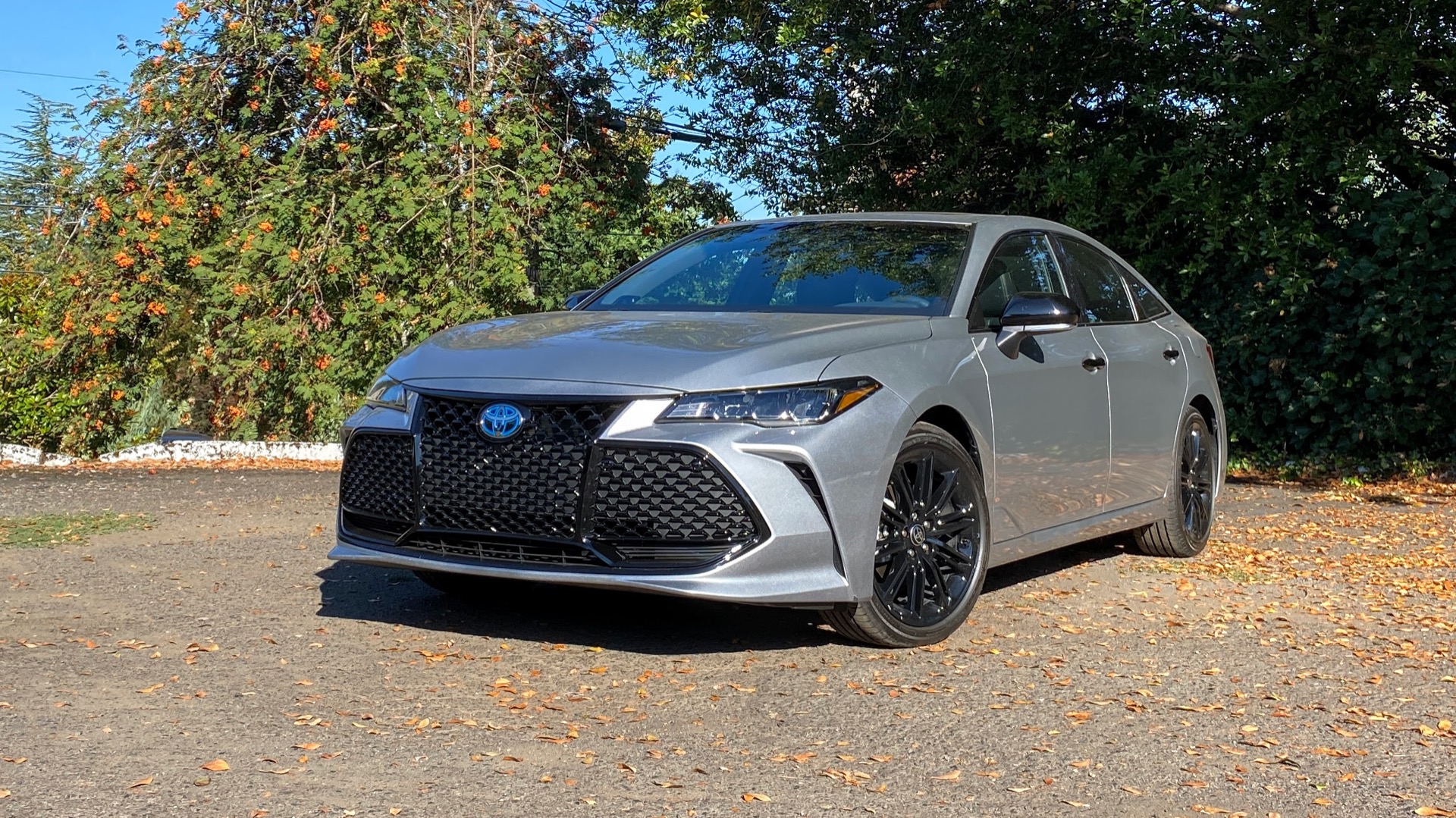
The Toyota Avalon is a particularly interesting choice for buyers who want a larger, quieter sedan without accepting luxury-car maintenance expenses. The model was discontinued after the 2022 model year in the US, but used Avalons remain attractive because of their comfortable interiors, proven mechanical components, and reputation for durability.
The Avalon generally costs more to maintain than a Corolla because it is larger and uses more substantial components. Even so, its maintenance requirements remain reasonable for a full-size sedan. RepairPal-based figures place average annual maintenance and repair costs around $463, which is still below the broad average cited for vehicles in the same database.
Its naturally aspirated V6 powertrains in many generations are a major part of the appeal. These engines provide strong performance without relying on complicated turbocharging systems. A properly serviced V6 can accumulate substantial mileage, provided owners stay on top of oil, cooling-system, transmission, and ignition-system maintenance.
The Avalon also benefits from Toyota’s extensive parts infrastructure. Owners can find components through dealerships, independent shops, aftermarket suppliers, and salvage yards. That matters at 200,000 miles because the cost of replacing ordinary aging components can have as much influence on ownership expenses as engine reliability.
iSeeCars estimates the Avalon at an average lifespan of approximately 168,092 miles and gives it an 8.4 out of 10 reliability rating. Its data also estimates a 31.3 percent chance of reaching at least 200,000 miles. For someone seeking a comfortable used sedan, an Avalon with excellent records can be a compelling high-mileage purchase.
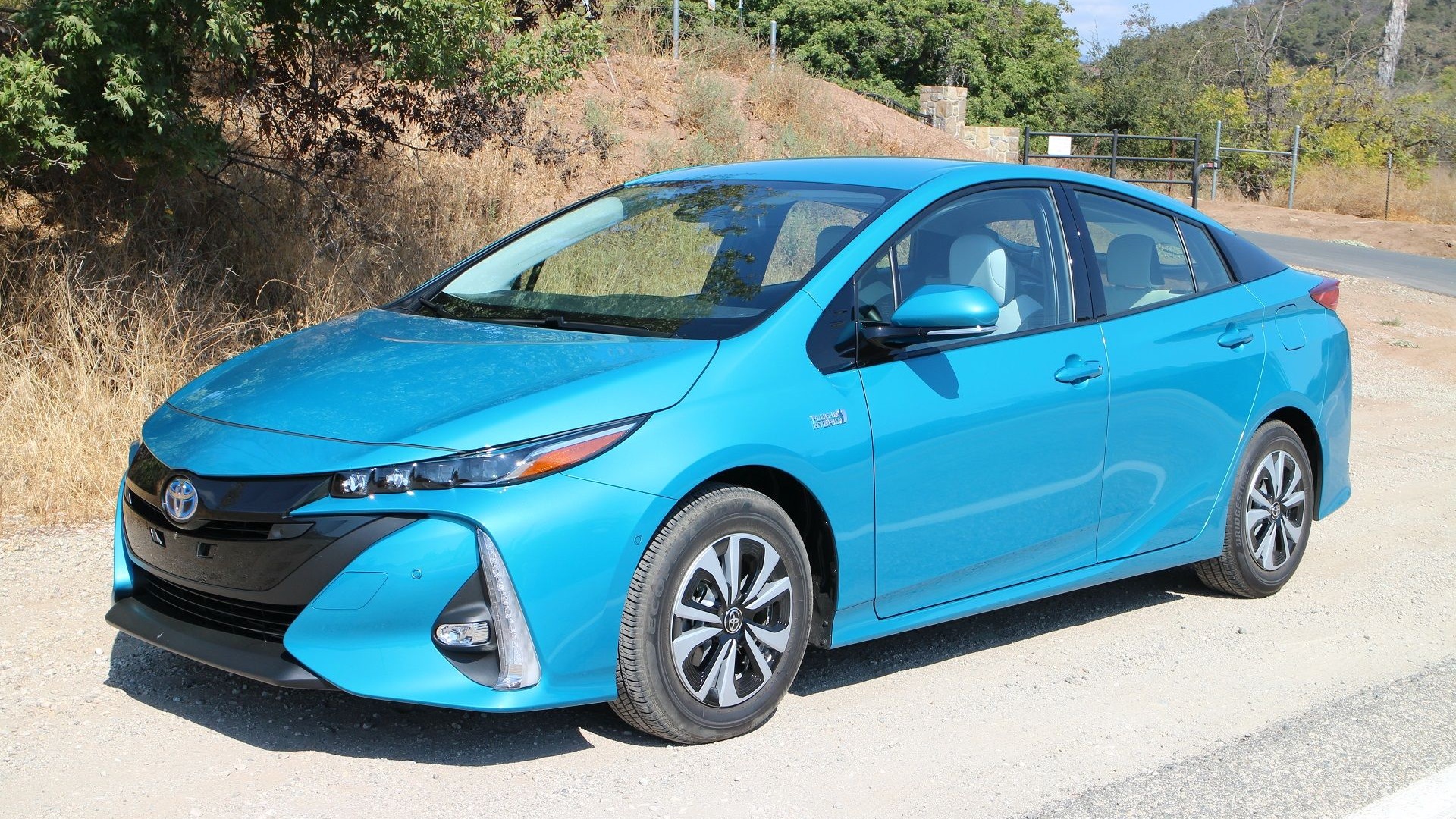
4. Toyota Prius
The Toyota Prius deserves consideration for drivers who cover enormous annual distances because its hybrid system can reduce fuel consumption while maintaining a strong reputation for durability. Maintenance economics are not limited to mechanical repairs. Fuel savings can have a substantial effect when a car is driven toward 200,000 miles.
RepairPal-based figures put average annual maintenance and repair costs for the Prius at roughly $408. That makes it competitive with many conventional compact cars. The hybrid drivetrain also uses regenerative braking, which can reduce wear on the conventional friction brakes under suitable driving conditions.
Hybrid ownership does require some special considerations. The high-voltage battery, inverter, cooling components, and hybrid electronics are different from the systems found in a traditional gasoline sedan. A battery replacement can be expensive, so used buyers should inspect the vehicle carefully and understand the condition of its hybrid system before purchasing.
A major advantage is that the Prius has been sold in large numbers in the US for many years. This means hybrid specialists and independent repair shops are familiar with the platform. Parts availability is also generally strong, helping owners avoid the specialist-only repair situation found with less common electrified vehicles.
For someone driving 15,000, 20,000, or even 25,000 miles annually, the Prius can make financial sense over a very long ownership period. The combination of fuel economy, proven hybrid technology, regenerative braking, and moderate routine maintenance makes it worth considering for a 200,000-mile ownership plan.
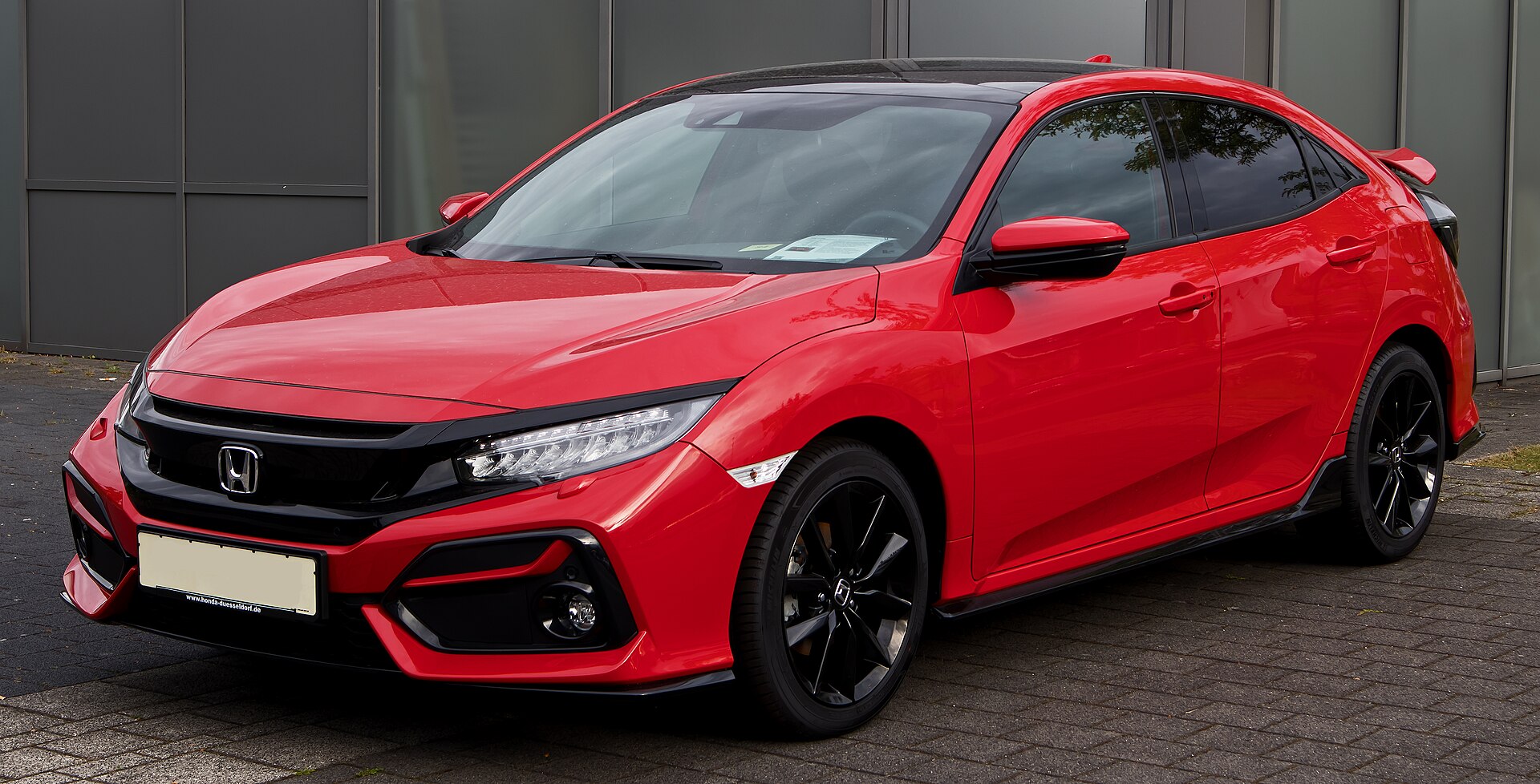
5. Honda Civic
The Honda Civic has long been a favorite among American drivers who want a compact car that is inexpensive to operate. Its popularity gives owners access to a huge parts supply and countless independent mechanics. Those advantages become increasingly important when the vehicle enters its second decade of service.
Honda’s four-cylinder engines have historically been well suited to high-mileage ownership when serviced correctly. Oil changes, coolant service, spark plugs, transmission fluid changes, belts, filters, and valve adjustments where applicable all contribute to long engine life. Ignoring these services can turn a dependable car into an expensive repair project.
Civic maintenance costs can vary significantly by generation and powertrain. Older naturally aspirated models tend to offer a simpler ownership experience than newer turbocharged versions.
That does not mean modern Civics are poor choices. It means used buyers should research the specific generation and engine rather than treating every Civic as mechanically identical.
The car’s compact dimensions also keep several operating costs under control. Tires are commonly available in affordable sizes, fuel consumption is usually reasonable, and brake components are generally inexpensive compared with larger vehicles. These savings accumulate across 200,000 miles.
A Civic with complete maintenance records can therefore be a strong long-term purchase. The most important factor is not simply the Honda badge. Condition, service history, previous driving habits, accident history, and inspection results should determine whether a particular high-mileage Civic deserves your money.
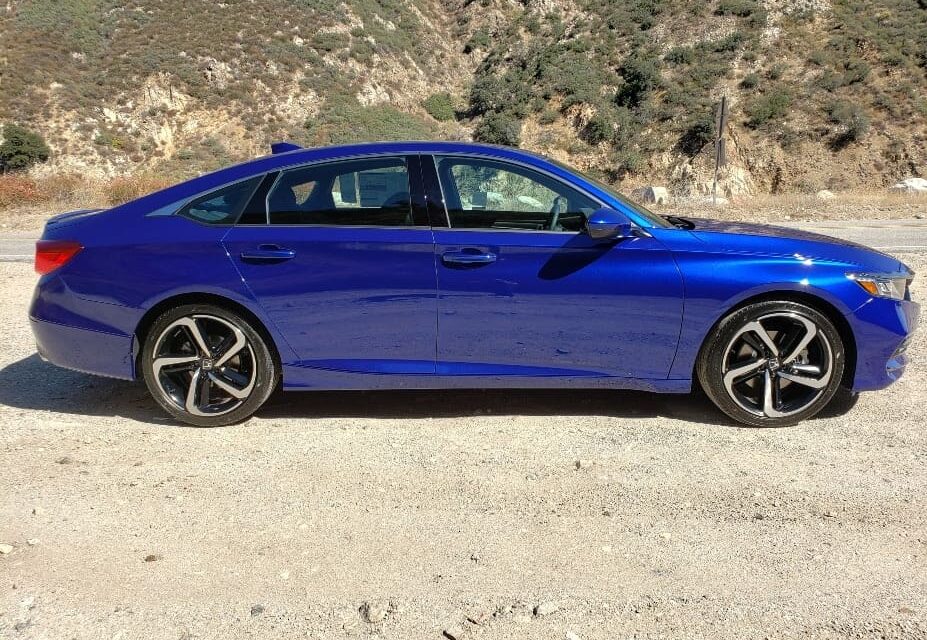
6. Honda Accord
The Honda Accord offers more interior space than the Civic while retaining many of the ownership advantages associated with Honda’s passenger-car lineup. RepairPal data has historically placed Honda among the stronger brands for repair economics, with current figures showing an average annual maintenance and repair cost of about $428 across the brand.
Accords are particularly well suited to drivers who spend significant time on highways. A comfortable driving position, spacious cabin, and efficient engines make the car useful for commuting and long-distance travel. Highway mileage can also be easier on certain components than constant short-trip urban driving.
Choosing the right engine and transmission is important when buying a used Accord. Different generations have used different combinations, and reliability varies by specific configuration.
A professional pre-purchase inspection can identify oil leaks, cooling problems, suspension wear, transmission concerns, and other issues that may not be obvious during a short test drive.
Routine service remains the foundation of long Accord ownership. Transmission fluid should be changed according to the requirements of the particular generation, while cooling systems, brakes, tires, steering components, and suspension parts need regular inspection. Preventive maintenance is cheaper than waiting for a neglected component to cause secondary damage.
For families and commuters who want a midsize sedan capable of accumulating serious mileage, the Accord is a strong candidate. Its combination of widespread parts availability, mechanic familiarity, efficient engines, and practical design makes it easier to keep running than many more complicated alternatives.
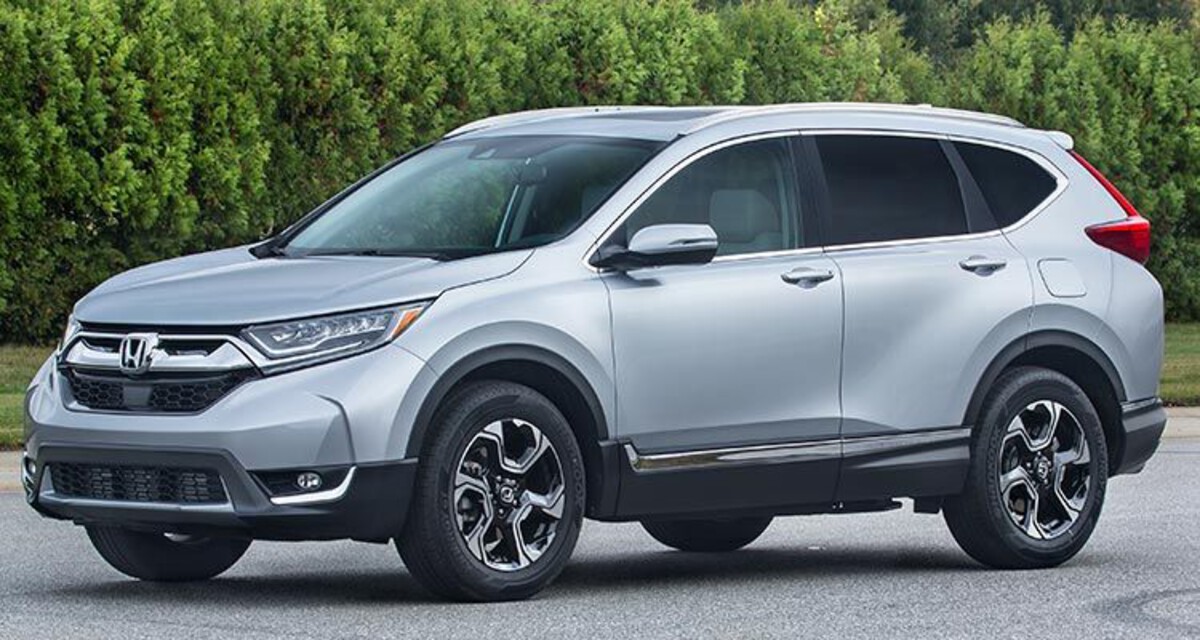
7. Honda CR-V
The Honda CR-V brings the same basic ownership philosophy into the compact SUV segment. It provides a higher seating position, useful cargo capacity, and family-friendly dimensions without the size and operating costs of a large SUV. Those characteristics make it particularly useful for American households.
Older CR-V generations with naturally aspirated four-cylinder engines have a particularly strong following among high-mileage owners. Their mechanical layouts are familiar to independent technicians, and replacement components are widely available. A well-maintained CR-V can therefore remain useful long after newer vehicles have become expensive to repair.
SUV ownership can cost more than sedan ownership because tires, brakes, suspension components, and other consumables may be larger. Even so, the CR-V generally avoids the extreme maintenance bills associated with luxury SUVs and high-performance crossovers.
Buyers should pay close attention to drivetrain configuration. All-wheel-drive versions can have additional components that require maintenance, including rear drivetrain components and related fluids. That does not make them poor choices, but it adds another area that should be included in a 200,000-mile maintenance budget.
A used CR-V with complete records can be an excellent choice for families who need SUV practicality without committing to high ownership costs. Its popularity also means there is substantial knowledge among independent repair shops, which can make aging examples easier and less expensive to maintain.
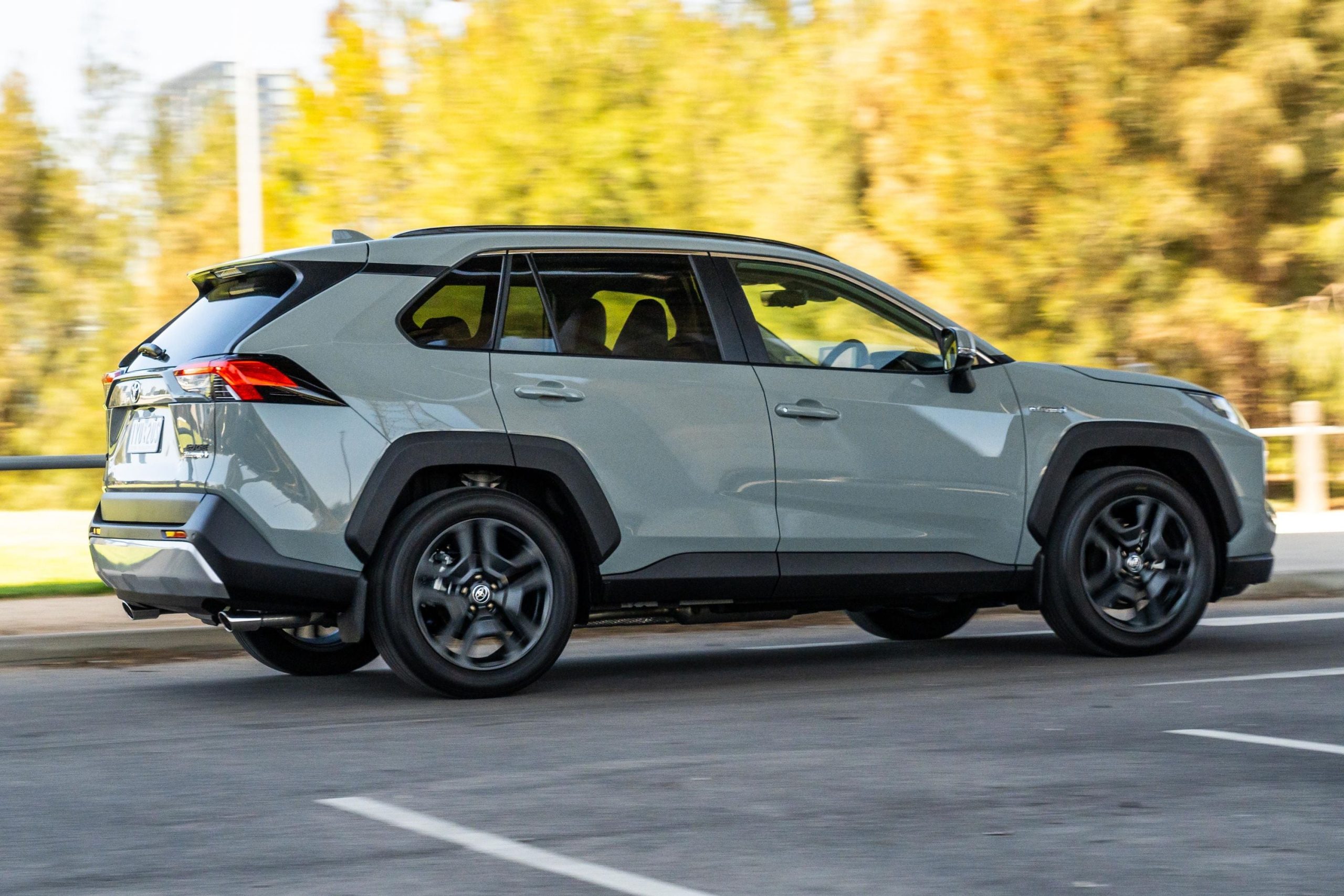
8. Toyota RAV4
The Toyota RAV4 has become a major player in the US compact SUV market because it combines practicality with a relatively straightforward ownership proposition. Current maintenance figures based on RepairPal data put average annual maintenance and repair costs at approximately $429.
The RAV4 is particularly appealing to owners who need cargo space but do not want the fuel consumption or repair exposure associated with larger SUVs. Its compact footprint also makes it easier to use in cities while retaining enough room for family trips, luggage, and everyday equipment.
Different RAV4 generations use different engines, transmissions, and electronic systems, so buyers should avoid assuming every model year has identical reliability. A detailed inspection of the exact vehicle is more useful than relying solely on general reputation.
At high mileage, owners should budget for suspension components, brakes, wheel bearings, cooling-system parts, exhaust components, and other wear items. These repairs are part of aging rather than proof that the vehicle is unreliable. A car reaching 200,000 miles will naturally require more attention than a 50,000-mile example.
For buyers seeking a long-term compact SUV, the RAV4 offers a useful balance. It has a huge US customer base, strong parts availability, broad mechanic familiarity, and a long history of practical four-cylinder powertrains. Those qualities can make it easier to maintain throughout an extended ownership period.
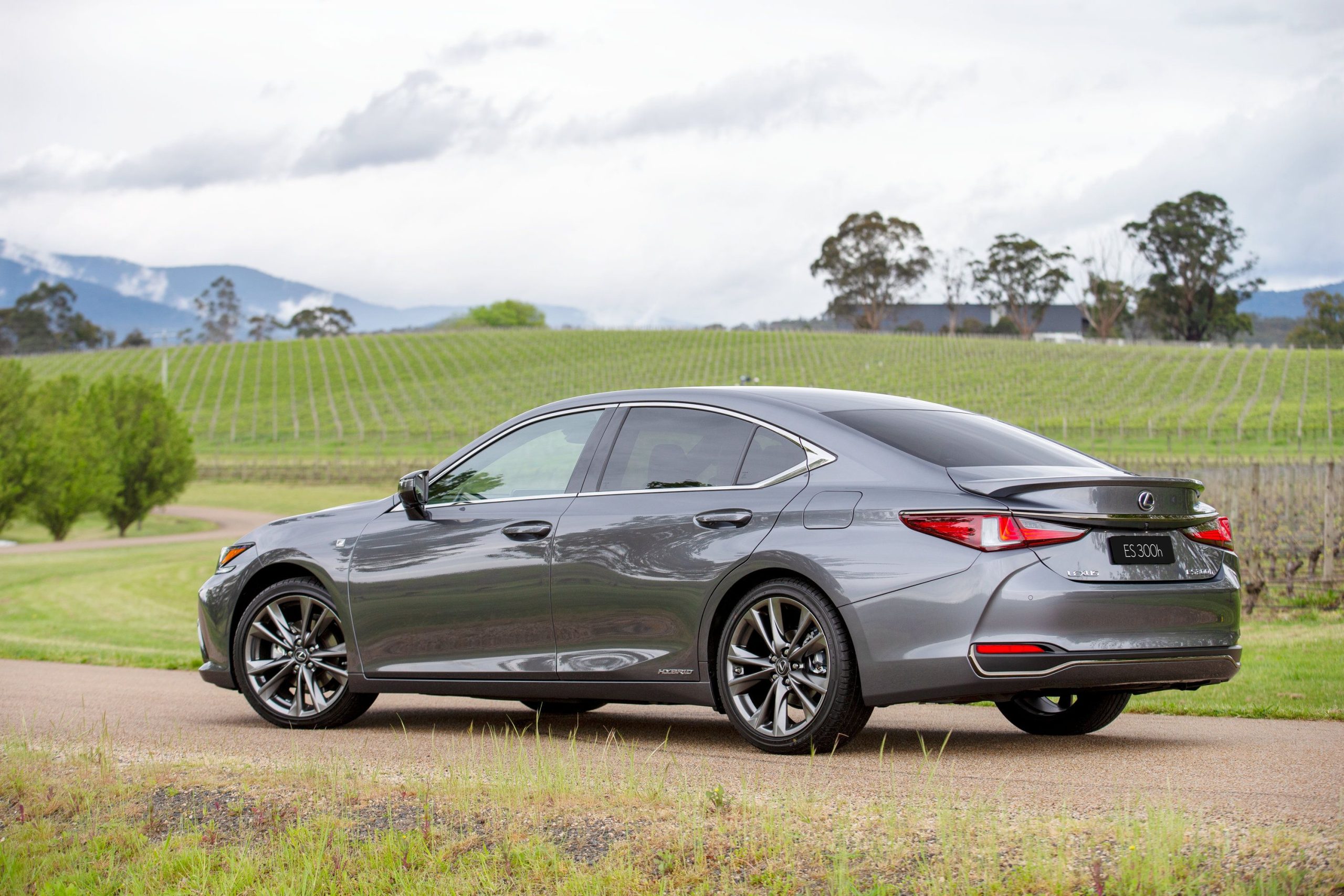
9. Lexus ES
The Lexus ES demonstrates that a luxury badge does not automatically mean unaffordable long-term maintenance. The ES shares considerable engineering heritage with Toyota products, while offering a quieter cabin, more comfortable ride, and higher-quality interior materials.
Lexus also has a strong reliability record. RepairPal currently gives the brand a 4.0 out of 5 reliability rating and reports an average annual repair cost of $551 across Lexus models. That figure is higher than Toyota’s brand average, but still below the broad $652 average reported across all vehicles in the same RepairPal dataset.
The ES is especially appealing when purchased used after substantial depreciation has already occurred. A buyer can obtain a comfortable premium sedan without paying the original luxury-car price. The important consideration is choosing a mechanically healthy example rather than simply selecting the cheapest listing.
Routine service should include engine oil, transmission fluid where specified, coolant, brakes, tires, suspension components, and electrical systems. Older luxury vehicles may also develop issues with power accessories, climate-control equipment, sensors, and interior electronics.
For someone who wants comfort and longevity together, the ES can be a smart high-mileage option. Lexus also benefits from Toyota’s broad mechanical knowledge base, giving owners access to independent specialists who understand the platform and can often provide less expensive alternatives to dealership service.
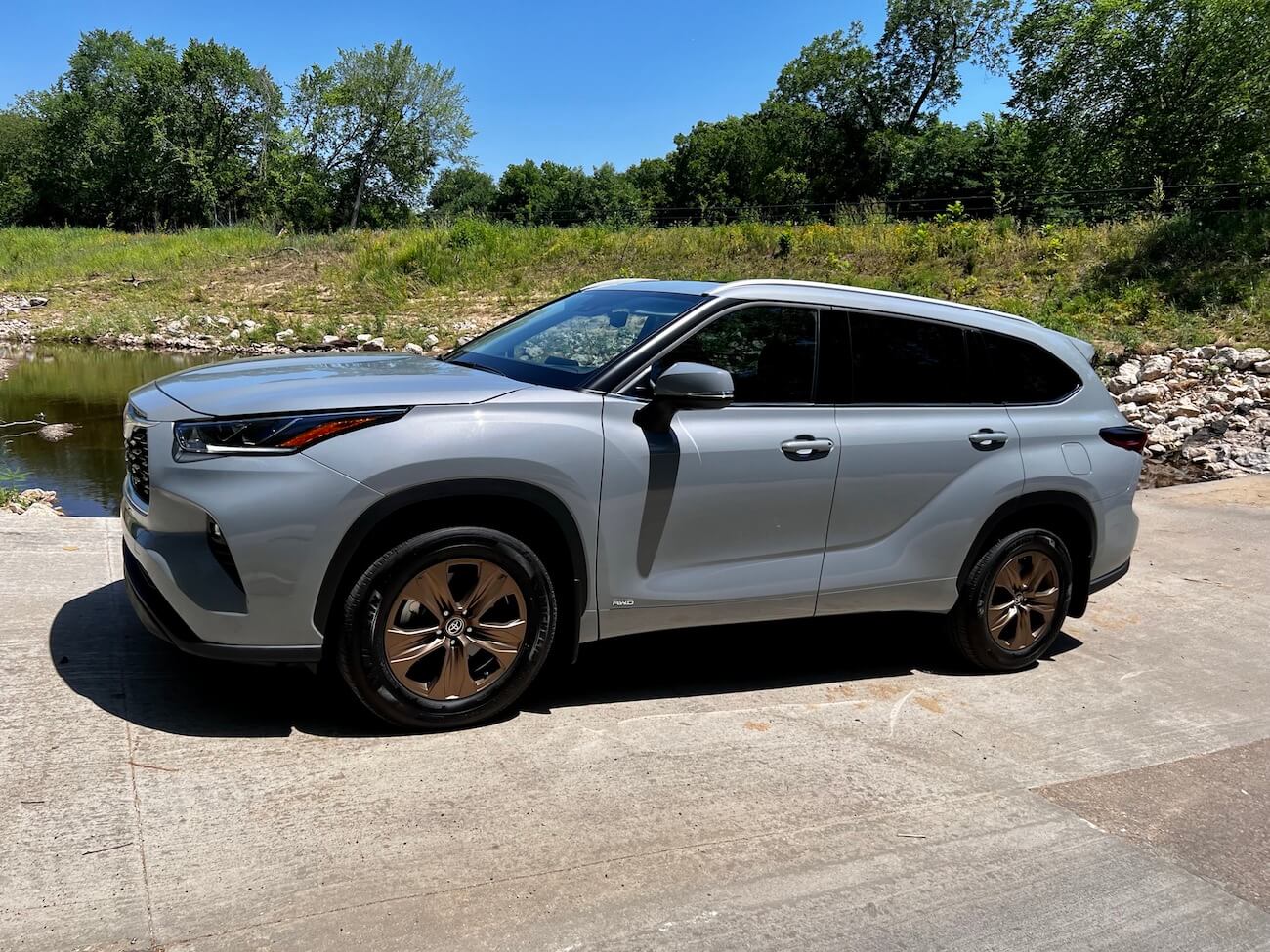
10. Toyota Highlander
The Toyota Highlander is a useful choice for families who need three-row SUV capability without moving into a larger truck-based vehicle. It offers substantial passenger capacity while maintaining a reputation for reliability and manageable ownership expenses.
iSeeCars estimates an average Highlander lifespan of approximately 173,660 miles and gives it a 33.5 percent chance of reaching at least 200,000 miles. The model also receives a 7.7 out of 10 reliability rating in the company’s current analysis.
A Highlander costs more to maintain than a small sedan because it is heavier and has more components. Tires, brakes, suspension parts, and other consumables can be more expensive. Four-wheel-drive or all-wheel-drive configurations may also add additional maintenance requirements.
The key to affordable long-term Highlander ownership is preventive service. Transmission and drivetrain fluids, cooling components, brakes, suspension parts, and steering components should receive regular attention. Problems discovered during inspections are generally easier and cheaper to address before they become failures.
For a household that needs three rows but wants to avoid the complexity of a large luxury SUV, the Highlander can be a sensible long-term vehicle. A well-maintained used example can provide years of service, and Toyota’s broad US parts network helps keep repairs manageable.
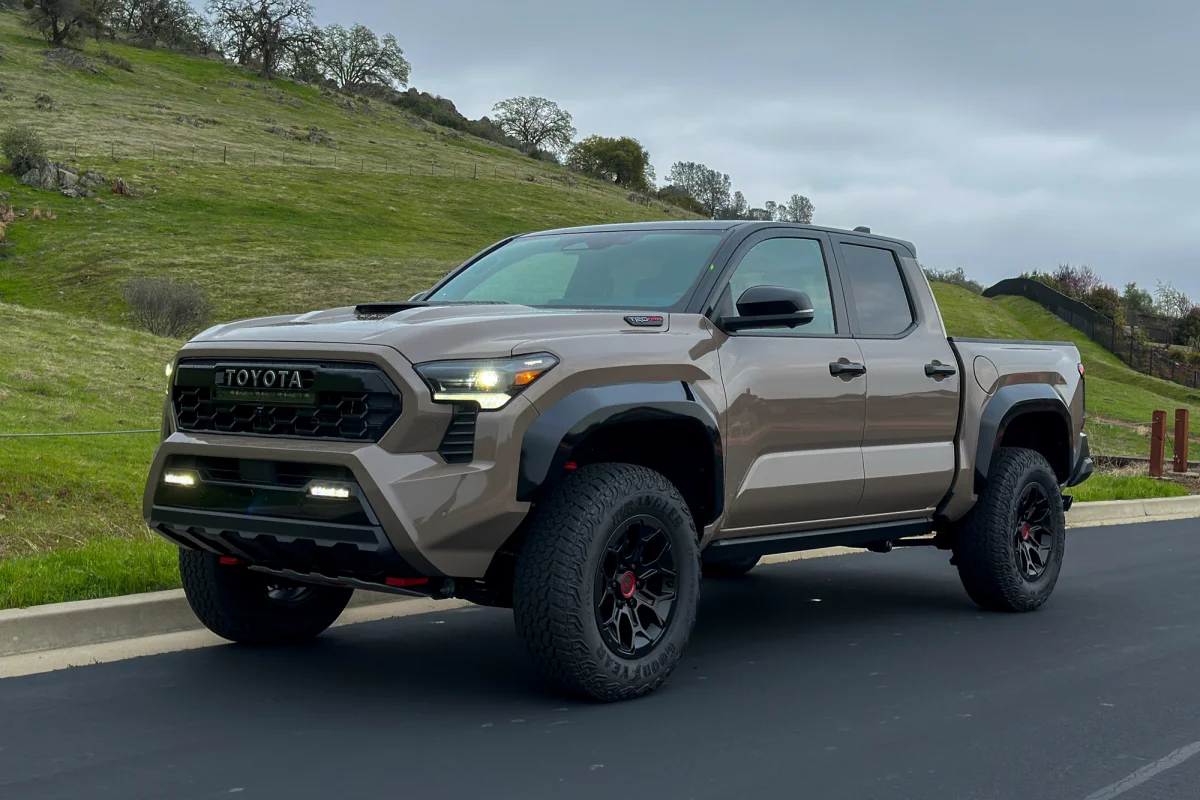
11. Toyota Tacoma
The Toyota Tacoma belongs on a high-mileage list for a different reason. Pickup trucks experience unique forms of wear, yet the Tacoma has developed a strong reputation among owners who want a compact or midsize truck capable of remaining useful for many years.
RepairPal-based data places average annual maintenance and repair costs for the Tacoma at approximately $478. That is higher than the Corolla or Camry, but reasonable considering the Tacoma’s heavier-duty construction and pickup-truck role.
Truck buyers should pay particular attention to how the vehicle was used. A Tacoma that spent its life towing heavy loads, carrying maximum payloads, driving off-road, or operating in harsh conditions can experience substantially more wear than a lightly used commuter truck.
Rust inspection is also critical for older trucks. Buyers should examine the frame, suspension mounting areas, brake lines, fuel system components, and other exposed areas for corrosion. A mechanically strong truck can still become financially impractical if structural rust is severe.
A properly maintained Tacoma can make sense for drivers who genuinely need a pickup. Its broad popularity supports parts availability and mechanic familiarity. For a buyer planning to keep a truck for 200,000 miles, maintenance history and structural condition should matter more than cosmetic appearance or aftermarket modifications.
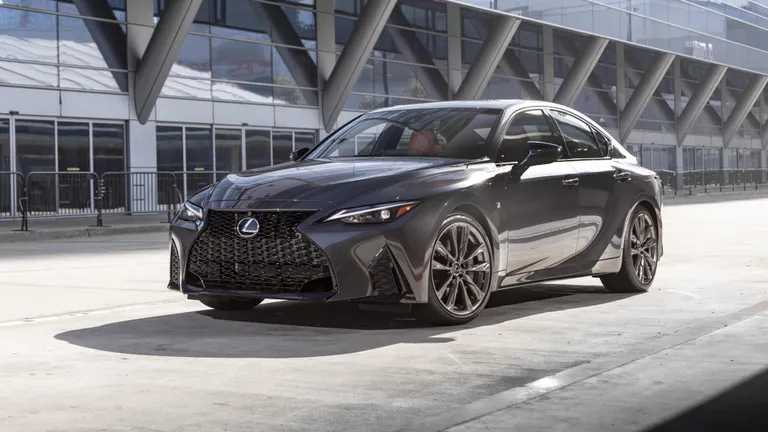
12. Lexus IS
The Lexus IS is a good option for drivers who want a smaller luxury sedan while keeping long-term reliability near the top of the priority list. It provides stronger driving dynamics than many traditional comfort-focused luxury cars without relying on the complicated engineering found in some European competitors.
iSeeCars currently gives the Lexus IS 300 an 8.7 out of 10 reliability rating and estimates an average lifespan of about 180,959 miles. Its analysis gives the IS 300 a 38.8 percent chance of reaching at least 200,000 miles.
The IS also benefits from Lexus’s relationship with Toyota. Many mechanical components and engineering principles are shared across the wider Toyota family, while Lexus provides additional refinement. Independent specialists familiar with Toyota and Lexus vehicles can therefore be valuable for owners seeking alternatives to dealership pricing.
High-mileage buyers should remember that a luxury vehicle still has luxury equipment. Leather interiors, power seats, climate systems, electronics, suspension components, and other comfort features can eventually require repairs. A dependable engine does not mean every component will remain perfect for 200,000 miles.
For buyers who want an enjoyable sedan rather than a basic commuter, the IS provides an appealing compromise. A carefully inspected example with a strong maintenance record can deliver premium comfort while avoiding some of the repair risks associated with more complex luxury brands.
