
Reaching 150,000 miles does not automatically mean a car has reached the end of its useful life. For some vehicles, this mileage marks a stage where careful repairs can deliver many more dependable miles. For others, expensive transmission, engine, electrical, or structural problems can turn a cheap purchase into a financial burden.
The difference often comes down to the model, powertrain, maintenance history, and condition. This guide looks at five cars that can make sense to repair at 150,000 miles and five that deserve much more caution. Knowing where to spend money can help owners avoid unnecessary replacement costs and poor repair decisions.
1. Toyota Camry
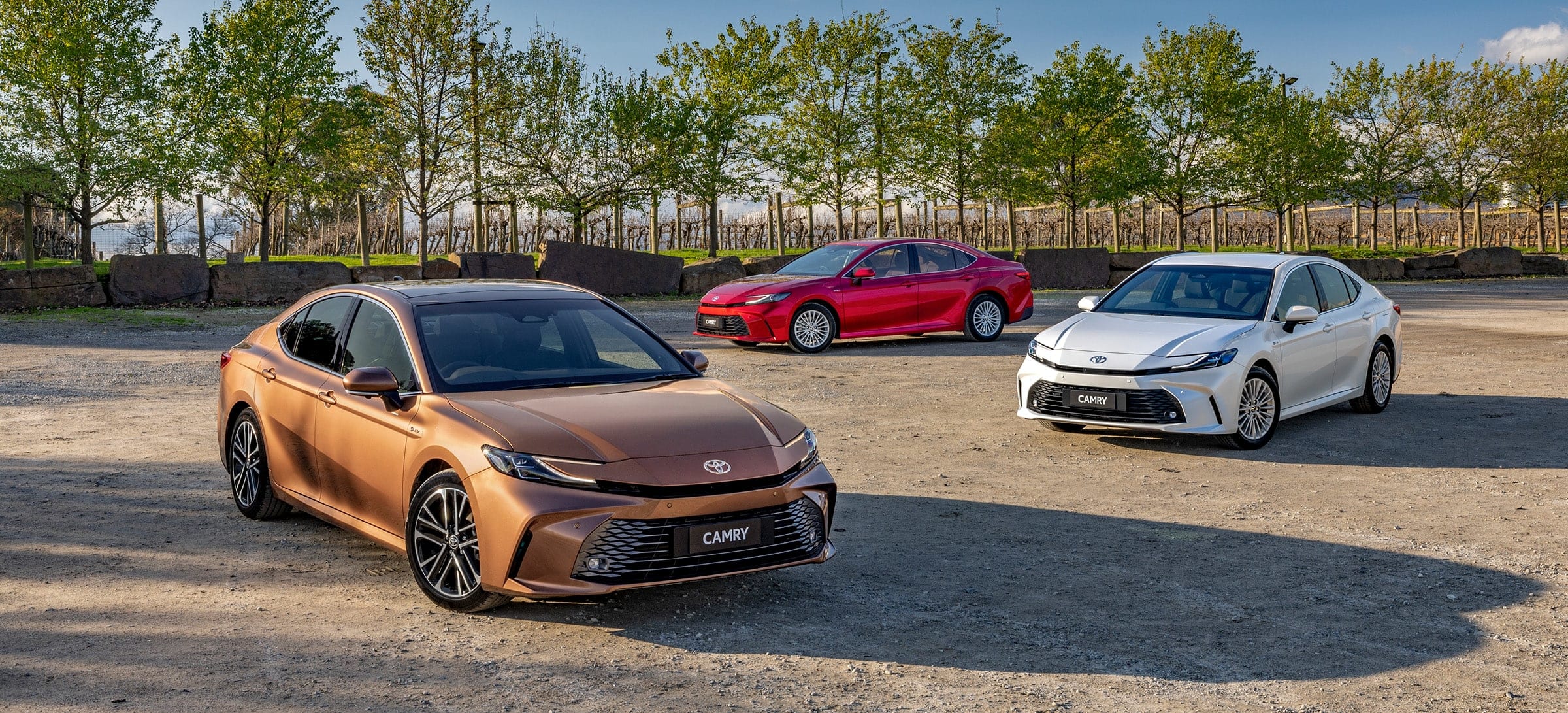
The Toyota Camry is a strong candidate for repairs at 150,000 miles because its reputation for long service life is supported by a straightforward mechanical design.
Many Camrys have naturally aspirated four-cylinder or V6 engines, conventional automatic transmissions in many generations, and a large supply of affordable replacement parts. RepairPal currently rates the Camry highly for reliability and reports relatively low average annual repair costs.
At this mileage, owners should expect wear rather than assume something has gone seriously wrong. Suspension components, engine mounts, wheel bearings, brakes, belts, hoses, and cooling-system parts can require attention.
These repairs may look expensive when considered separately, but replacing several aging components can still be cheaper than purchasing another used vehicle with an unknown history.
Engine condition is particularly important. A Camry that starts easily, maintains stable oil pressure, does not overheat, and shows no serious internal knocking may have considerable life remaining.
Oil leaks from older gaskets and seals are not automatically reasons to abandon the vehicle. A mechanic can determine whether a leak is minor or whether it signals a deeper problem.
Transmission condition deserves equal attention. A smooth-shifting transmission with a documented maintenance history is encouraging. Harsh engagement, slipping, delayed shifts, or unexplained noises deserve professional diagnosis before money is committed.
A transmission replacement can change the financial calculation, but a healthy drivetrain paired with worn suspension or brakes is generally worth repairing.
The strongest 150,000-mile Camry is not necessarily the cheapest example. Maintenance records, accident history, rust condition, and evidence of regular fluid changes matter more than a low asking price.
Several long-term vehicle studies have placed Camry models among cars with strong potential for very high mileage, reinforcing why a well-maintained example can remain useful long after 150,000 miles.
2. Honda Accord
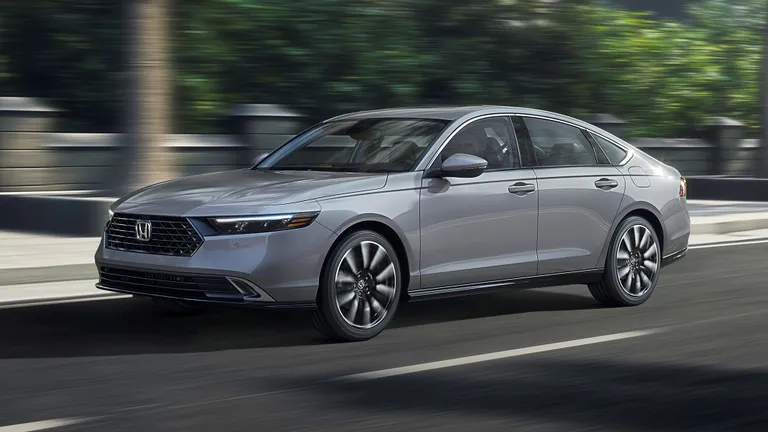
The Honda Accord is another sedan that can justify substantial repairs at 150,000 miles. Its long production history has created a large aftermarket for parts, extensive mechanic familiarity, and many examples with excellent service records. RepairPal currently gives the Accord a 4.5 out of 5 reliability rating and places it near the top of its midsize-car category.
A 150,000-mile Accord may need suspension work, an alternator, air-conditioning repairs, engine seals, wheel bearings, or other age-related maintenance.
Those problems should be judged separately from the health of the engine and transmission. A car that needs $1,500 of suspension and cooling-system work can still be a sensible investment if the major drivetrain components remain healthy.
Engine choice matters considerably when buying or repairing an older Accord. Some generations use timing belts that require scheduled replacement, while others use timing chains.
Turbocharged engines found in newer generations also require more attention to service history and oil consumption than the simpler engines found in many older Accords. Knowing the exact model year and engine is essential.
A well-maintained Accord can also benefit from relatively strong parts availability. Independent repair shops are familiar with common Accord problems, which can reduce diagnostic time and make routine repairs easier to price. That becomes especially valuable when a vehicle has accumulated enough miles for several smaller components to reach the end of their normal service life.
The key question is not simply whether the odometer shows 150,000 miles. It is whether the vehicle has been maintained consistently.
An Accord with documented oil changes, cooling-system service, transmission maintenance, and required timing-belt work can be a better investment than a neglected example with 100,000 miles. Recent reliability comparisons continue to place the Accord among the strongest midsize choices.
3. Toyota Avalon
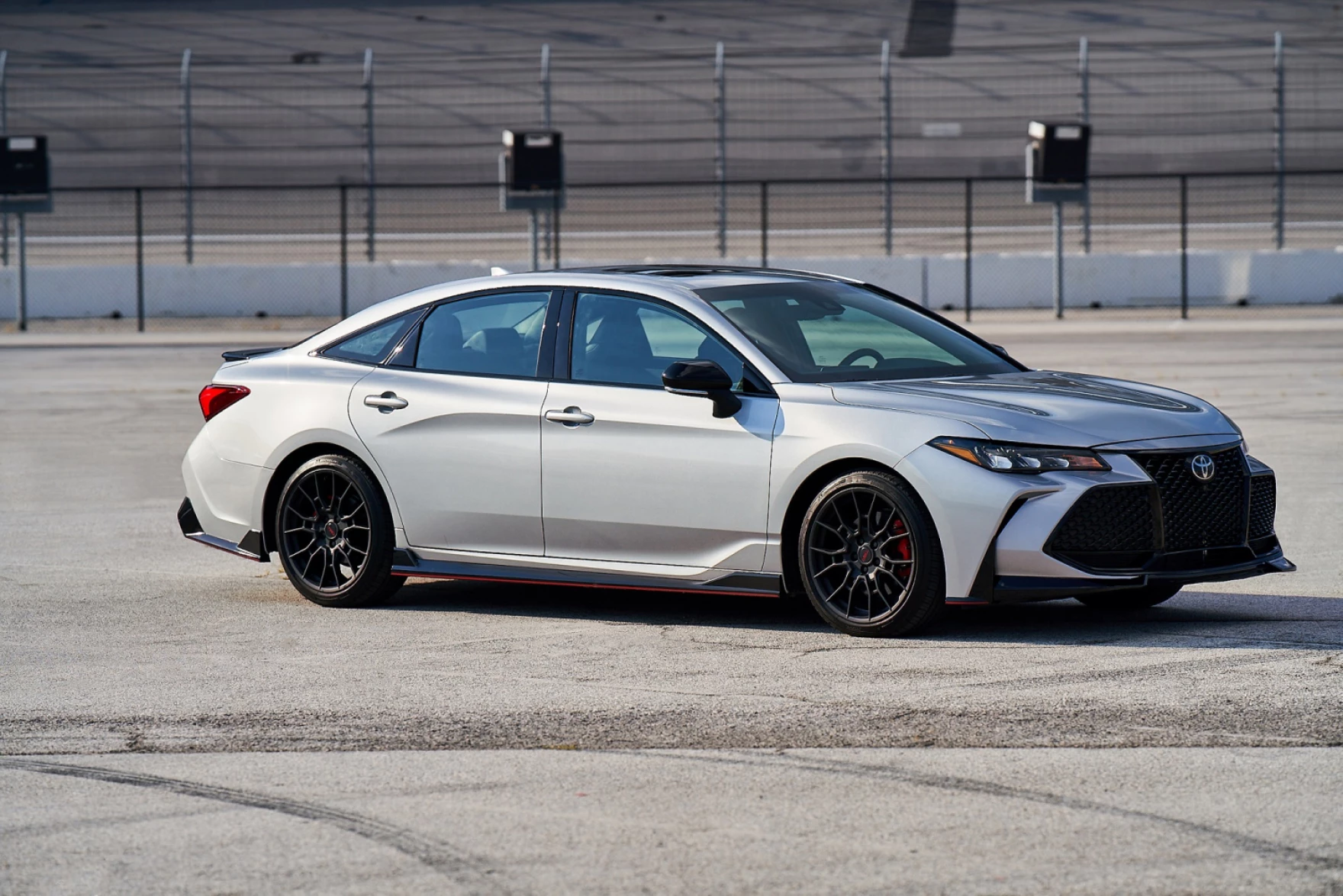
The Toyota Avalon deserves consideration when deciding whether to repair a high-mileage sedan. It was designed as a larger, more comfortable Toyota sedan, and many generations have used proven powertrains shared with other Toyota products.
The combination of a roomy cabin, durable mechanical components, and strong parts availability can make an older Avalon surprisingly valuable when kept in good condition.
At 150,000 miles, an Avalon may need more attention to its suspension than a younger car. Shocks, struts, control-arm bushings, sway-bar links, engine mounts, and wheel bearings can deteriorate gradually. Replacing these components can restore ride quality and handling without requiring the owner to replace the entire vehicle.
The V6 engine used in many Avalon generations is another reason some owners choose to keep repairing them. A healthy V6 with good compression, stable temperatures, clean fluids, and no major oil consumption can have plenty of useful life remaining. However, timing-belt-equipped versions require proof that the belt and associated components have been replaced on schedule.
Luxury equipment can create a different type of repair calculation. Power seats, climate-control systems, electronic displays, and other convenience features may fail as a vehicle ages. Owners do not necessarily need to repair every cosmetic or comfort-related defect immediately. Safety, drivetrain, steering, brakes, and cooling-system repairs should receive priority.
Long-term data has frequently placed the Avalon near the top of passenger cars for reaching very high mileage. One analysis cited a particularly strong likelihood of Avalon examples reaching 250,000 miles compared with the average passenger vehicle.
For an owner with a healthy drivetrain and good body condition, repairing an Avalon at 150,000 miles can therefore be a logical choice.
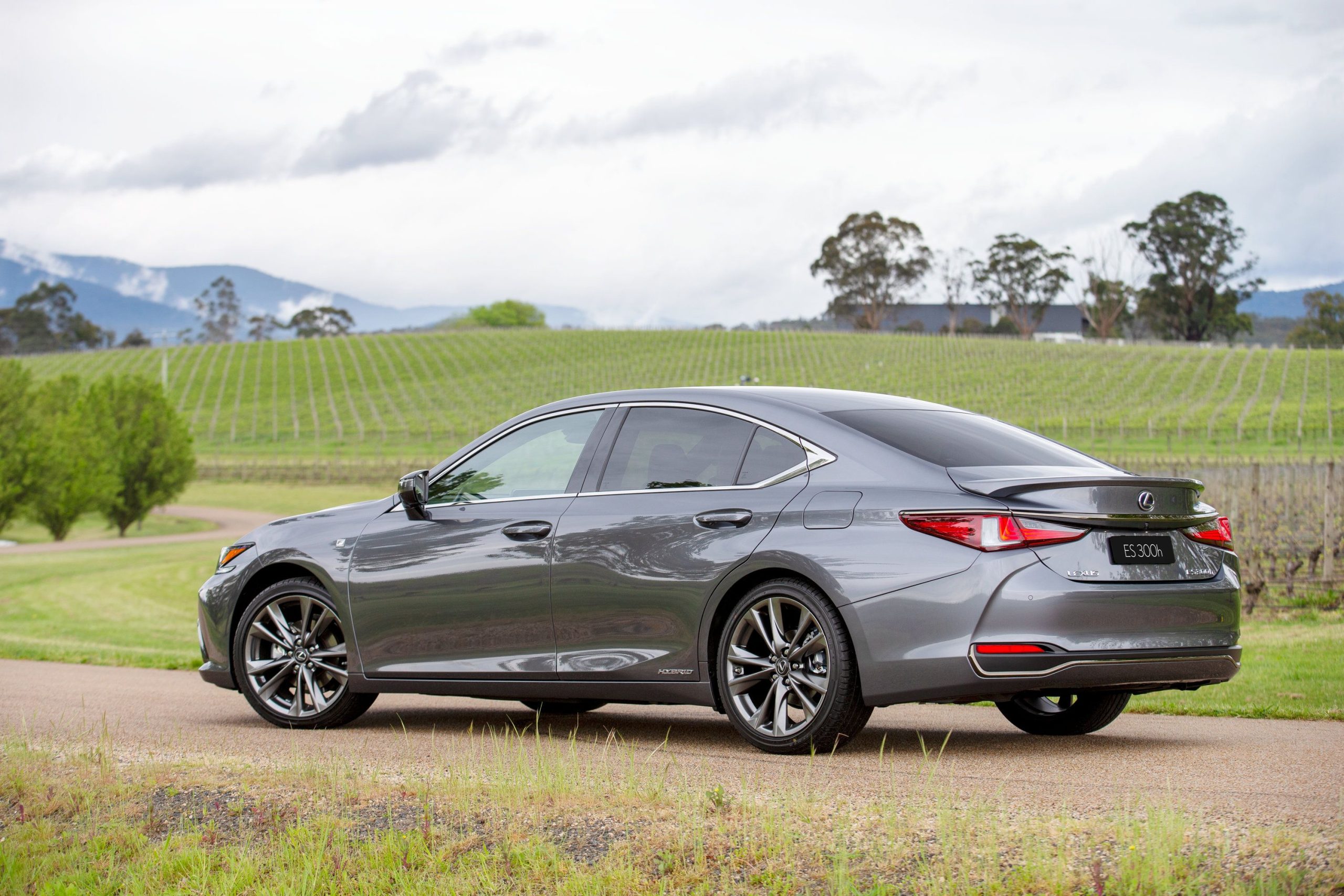
4. Lexus ES
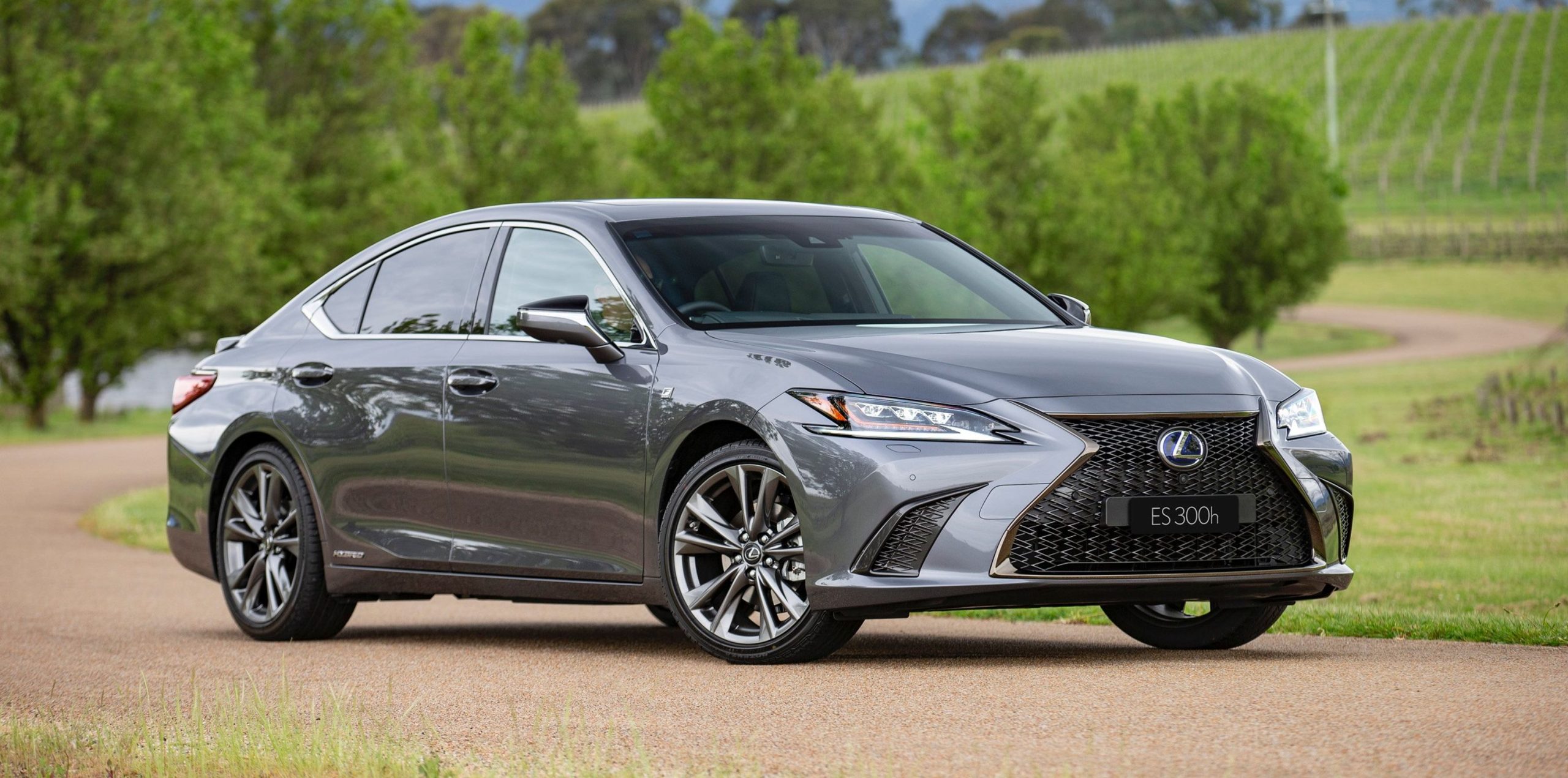
The Lexus ES can look like an expensive car to keep because it carries a luxury badge, but many generations share important mechanical foundations with Toyota products.
That makes a well-maintained ES worth considering at 150,000 miles. Its drivetrain can be durable, while its higher equipment level means owners should budget carefully for aging electronics and comfort systems.
The mechanical condition should come first. Inspect the engine for leaks, unusual noises, overheating, excessive oil consumption, and poor compression. Check the transmission for smooth operation and inspect the cooling system carefully. If these major systems are healthy, spending money on suspension components or routine maintenance can make sense.
The suspension deserves special attention because worn bushings and dampers can change the way an older ES feels. A vehicle that was once quiet and smooth can become harsh, noisy, or unstable as rubber components age. Replacing those parts may cost a meaningful amount, but it can dramatically extend the useful life of the vehicle.
Air conditioning can also be important. Luxury vehicles generally have more sophisticated climate-control equipment than basic economy cars. A failing compressor, leaking evaporator, faulty control module, or damaged blower system can produce a significant bill. Owners should diagnose the exact fault before approving repairs rather than replacing parts based on assumptions.
The ES has also appeared among passenger cars with strong high-mileage potential. That does not mean every 150,000-mile ES deserves a repair budget.
Rust, neglected maintenance, accident damage, and multiple simultaneous electrical faults can change the calculation quickly. A clean example with records and a healthy drivetrain is a very different proposition from a neglected luxury car.
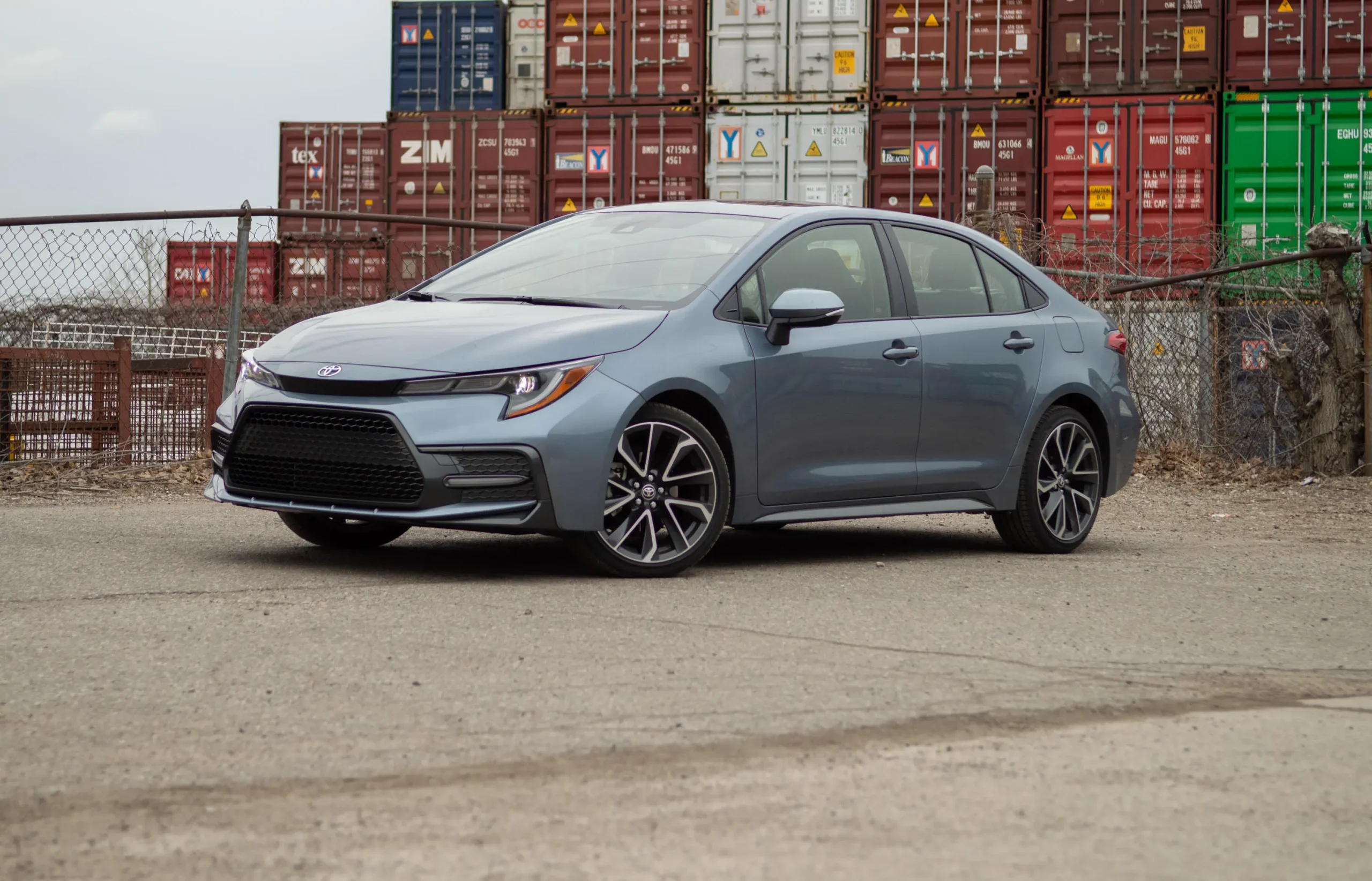
5. Toyota Corolla
The Toyota Corolla is perhaps the easiest vehicle on this list to justify repairing when it remains structurally sound. Its compact design, widespread availability, relatively simple mechanical layout, and inexpensive parts make it well suited to long-term ownership. A 150,000-mile Corolla can still be a practical daily driver when the engine and transmission are in good condition.
Common high-mileage repairs may include brakes, wheel bearings, suspension components, water pumps, alternators, batteries, air-conditioning components, and engine seals.
These are normal aging concerns rather than proof that the vehicle is finished. Several moderate repairs can still cost less than replacing the car and taking on a new monthly payment.
The engine should receive a proper inspection before major spending. Look for excessive oil consumption, smoke, coolant loss, overheating, unusual timing-chain noise, and signs of poor maintenance. A compression or leak-down test can provide useful information when an engine’s condition is uncertain.
Corollas also benefit from a huge parts and repair ecosystem. Independent shops commonly know these cars, and replacement components are generally easy to source.
That can keep labor and parts costs manageable compared with less common vehicles. At 150,000 miles, accessibility and repair simplicity have real financial value.
High-mileage longevity data has consistently included the Corolla among vehicles with strong potential for extended service. If the body is solid, the drivetrain is healthy, and the repair estimate involves ordinary maintenance rather than a catastrophic failure, keeping the Corolla can be a financially sensible decision.
5 Cars to Walk Away From at 150,000 Miles
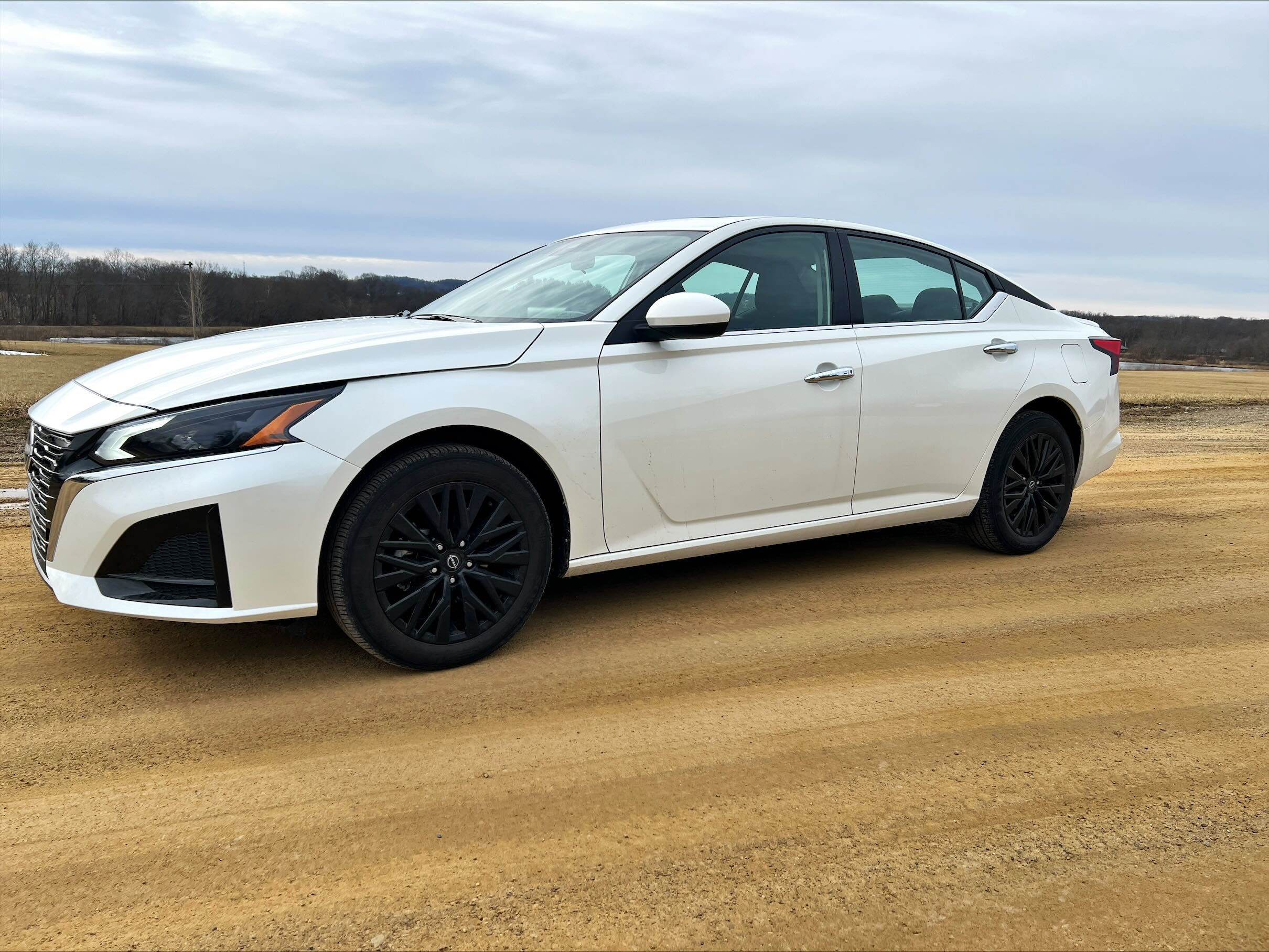
1. Nissan Altima
The Nissan Altima can look like an attractive bargain when it reaches 150,000 miles because used examples are often inexpensive and replacement parts are widely available. The major concern is the continuously variable transmission used in various Altima generations.
A high-mileage Altima with a healthy transmission and excellent maintenance history can continue running, but an example that is already showing transmission symptoms can quickly become an expensive proposition.
At 150,000 miles, buyers should be particularly cautious if the vehicle has no documentation showing regular transmission service or if the seller is vague about previous repairs.
The transmission is the first component that deserves attention during an inspection. Take the car through different driving conditions and watch for hesitation, shuddering, unusual whining, delayed acceleration, fluctuating engine speed, or a noticeable loss of power.
These symptoms should not be dismissed as normal behavior from an older vehicle. If the transmission is slipping or showing signs of internal wear, the repair bill can change the entire economics of the purchase. There have been documented complaints involving CVT failures in several Altima generations, making the transmission a major consideration when evaluating a high-mileage example.
Engine condition is also important. An Altima that has consumed oil, overheated, or received inconsistent maintenance may need several repairs at the same time.
Worn engine mounts, suspension components, air-conditioning parts, wheel bearings, and cooling-system components can all appear as a car ages. Any individual repair might be manageable, but several problems arriving together can make a 150,000-mile Altima difficult to justify financially.
There is also a difference between repairing an Altima you already own and buying one that has reached 150,000 miles. An owner who knows the vehicle’s history may have a good reason to keep it.
A buyer starting with no knowledge of previous maintenance is taking a much greater risk. If the vehicle has already needed major transmission work, has warning lights on the dashboard, or has a history of overheating, the low purchase price may not provide enough protection against future expenses.
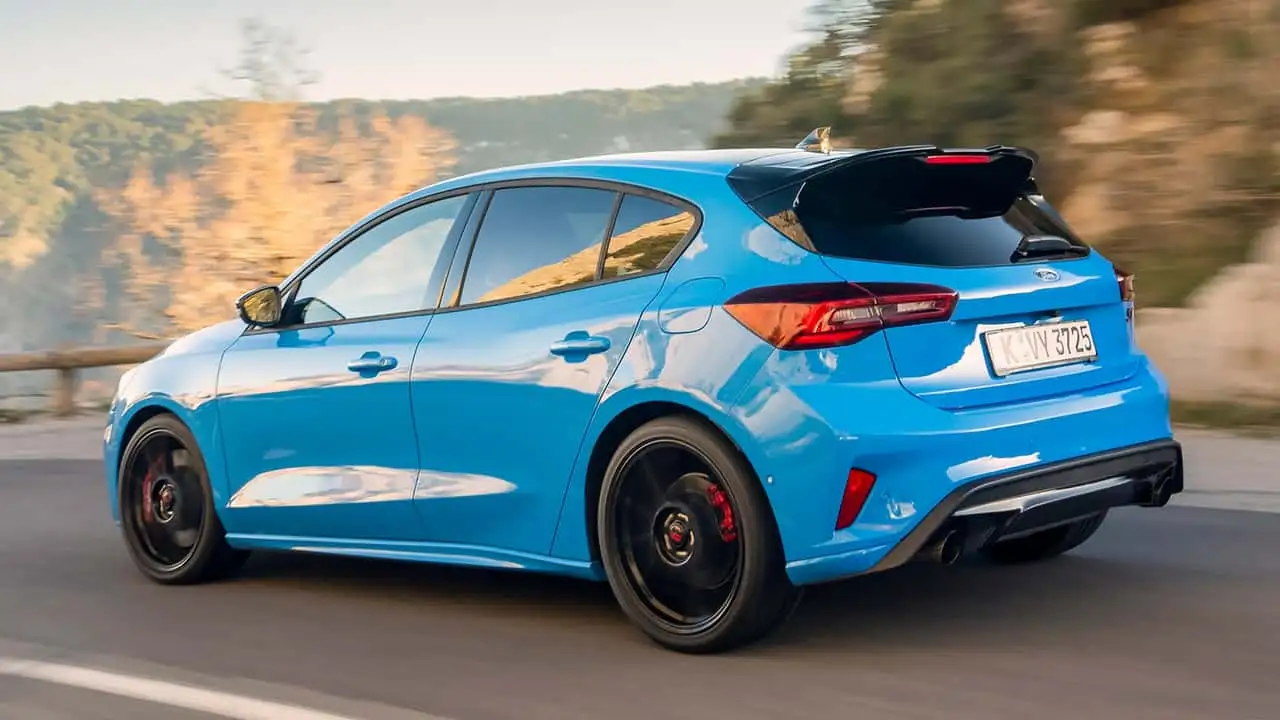
2. Ford Focus
The Ford Focus deserves particular caution at 150,000 miles when equipped with the PowerShift automatic transmission. Certain Focus models from the 2012 to 2016 period became associated with transmission shuddering, hesitation, clutch problems, and control-module issues.
Reports and automotive sources have documented the problems extensively, making the automatic version a significantly riskier choice than a Focus with a conventional manual transmission.
The biggest warning sign is how the car behaves during low-speed driving. A PowerShift-equipped Focus may shudder when pulling away, hesitate between gears, jerk during acceleration, or behave inconsistently in traffic.
These symptoms are especially concerning at 150,000 miles because the vehicle has already accumulated substantial clutch and transmission wear. A test drive that produces repeated vibration or rough engagement should be treated as a serious warning rather than something that can simply be ignored.
Previous repairs need to be investigated carefully. Some Focus owners have had clutch packs, transmission control modules, or related components replaced during the vehicle’s life.
A replacement does not automatically mean the car is a bad purchase, but you need to know what was installed, when the work was completed, and whether problems returned afterward. Documentation is much more reassuring than a seller’s verbal claim that the transmission was “fixed.”
The rest of the vehicle should also be inspected before making a decision. At 150,000 miles, suspension components, wheel bearings, engine mounts, air-conditioning equipment, cooling-system parts, and electrical components may require attention.
If the automatic transmission is already questionable, adding several ordinary high-mileage repairs can push the total cost beyond what the Focus is reasonably worth.
There is an important distinction here: the warning is aimed primarily at the problematic PowerShift automatic configuration, not every Focus ever produced. Manual-transmission Focus models do not have the same PowerShift issue.
If you are looking at a 150,000-mile automatic Focus and the transmission is shuddering, hesitating, slipping, or producing warning lights, there are plenty of alternatives available. Walking away is usually the sensible move.
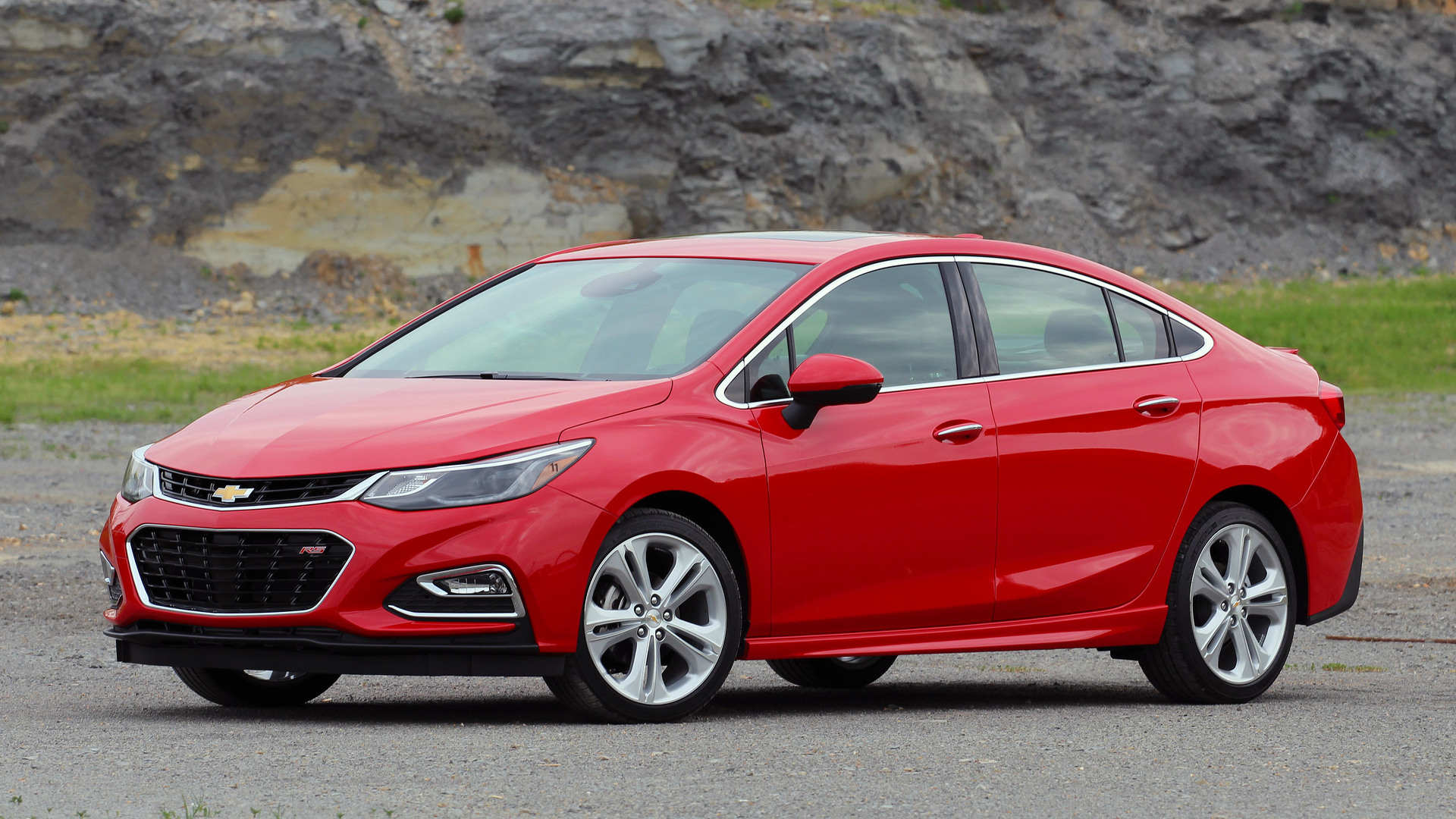
3. Chevrolet Cruze
The Chevrolet Cruze can be tempting at 150,000 miles because its used-market price can be considerably lower than that of some Japanese competitors. The problem is that an inexpensive purchase price does not necessarily mean inexpensive ownership.
Certain early Cruze models have been associated with cooling-system problems, oil leaks, electrical concerns, and transmission issues. When several of those problems occur on the same high-mileage vehicle, repair costs can quickly overtake its value.
The cooling system deserves particular attention. Before buying a high-mileage Cruze, check for evidence of coolant loss, overheating, damaged hoses, leaks, and previous cooling-system repairs.
An engine that has repeatedly overheated can develop much more serious problems than a failed hose or thermostat. A seller who says the car “just needs a small cooling repair” should not be taken at face value without an independent inspection.
Transmission condition is another major factor. Some Cruze transmissions can develop shifting problems as mileage accumulates, including harsh engagement, slipping, delayed shifts, and loss of certain gears.
A transmission that has already reached 150,000 miles without major work is not automatically defective, but the inspection should determine whether it is operating normally and whether maintenance has been performed.
Engine leaks can also become financially significant. A small seep around an aging gasket may not be a major concern, but heavy oil leakage combined with oil consumption, smoke, or poor engine performance is much more serious. At this mileage, the difference between routine maintenance and internal engine trouble can amount to thousands of dollars.

4. Jeep Patriot
The Jeep Patriot is another vehicle that deserves extra caution when it reaches 150,000 miles, particularly versions equipped with the CVT. The Patriot’s inexpensive used-car pricing can make it attractive to buyers who want an SUV without spending much money.
At higher mileage, however, the cost of maintaining the drivetrain, suspension, cooling system, and electrical equipment can make a questionable example difficult to justify.
The CVT is the first thing to investigate. During a test drive, pay attention to whining sounds, hesitation, unusual engine-speed changes, delayed acceleration, and any behavior that suggests the transmission is struggling.
A transmission problem can quickly become the most expensive item on the repair list. If the vehicle has a questionable CVT and there are no reliable service records, the risk becomes difficult to ignore.
Suspension condition should receive attention as well. A 150,000-mile Patriot may have worn shocks, struts, bushings, ball joints, wheel bearings, and other components.
These parts are normal wear items, but several worn components can produce a surprisingly large repair estimate. Uneven tire wear, clunking sounds, wandering during braking, or excessive body movement should lead to a more detailed inspection.
The cooling system and electrical equipment can also create problems in older examples. Check for overheating, coolant leaks, warning lights, malfunctioning switches, and electrical accessories that operate inconsistently.
An aging vehicle with several small electrical faults can consume considerable diagnostic time, which adds labor costs even when individual parts are inexpensive.

5. Dodge Journey
The Dodge Journey can look attractive to shoppers who want a larger vehicle at a low price, but a 150,000-mile example requires careful financial judgment.
Older Journeys can develop problems involving transmissions, cooling systems, suspension components, electrical equipment, and other age-related parts. The concern becomes greater when several of these systems need attention simultaneously.
The transmission should receive a thorough inspection. Look for delayed engagement, hard shifting, slipping, unusual noises, or problems maintaining the selected gear.
A transmission that is already showing symptoms at 150,000 miles could require a major repair or replacement. Because the Journey’s market value can be relatively modest at this mileage, an expensive drivetrain repair may not make financial sense.
The engine and cooling system are equally important. Check for coolant leaks, overheating, oil leaks, unusual engine noises, and excessive oil consumption.
Cooling problems should never be treated casually because repeated overheating can cause expensive internal engine damage. A professional inspection can help determine whether a problem is limited to a replaceable component or indicates deeper trouble.
