

Returning a leased car can feel simple until the final inspection reveals fees for damage, excess mileage, missing equipment, or poor maintenance.
Many lease return charges are not unavoidable costs. With preparation, careful documentation, timely repairs, and a close review of your lease agreement, you can reduce or eliminate several common fees.
Understanding what the leasing company can charge you gives you time to correct problems before handing back the vehicle. This guide covers 12 car lease return charges you can often avoid, along with practical steps to protect your money and make the return process easier.
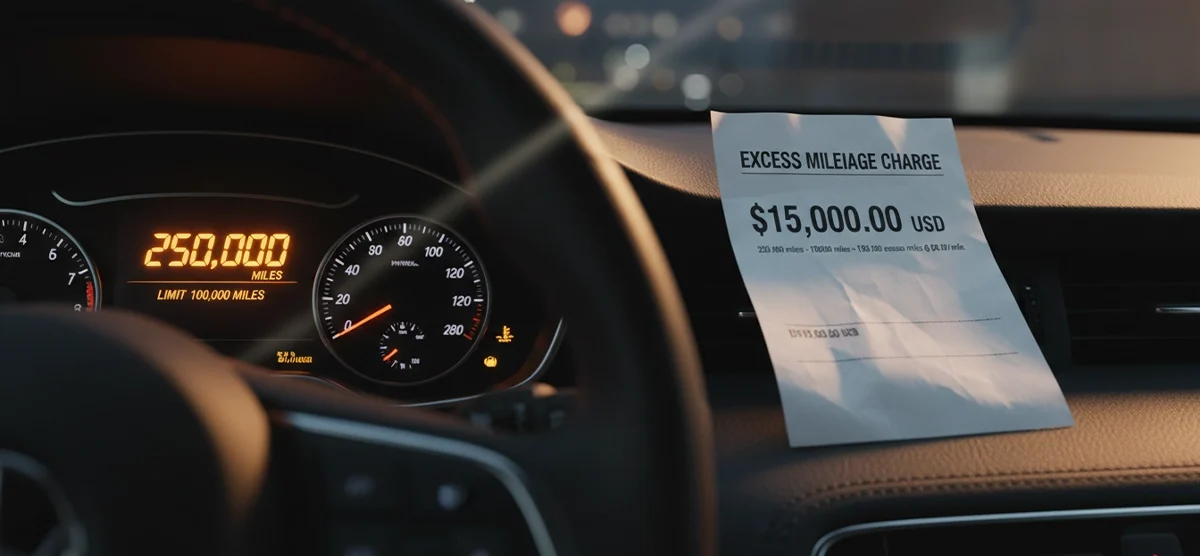
1. Excess Mileage Charges
Excess mileage fees are among the most predictable lease return costs because the mileage limit is usually stated clearly in the original contract.
A typical lease might allow 10,000, 12,000, or 15,000 miles per year. If you return the vehicle above that allowance, the leasing company can charge a predetermined amount for every additional mile.
The best way to avoid this expense is to monitor your mileage throughout the lease rather than waiting until the final month.
Check your odometer regularly and compare the reading with the mileage allowance in your agreement. If your driving habits change significantly, contact the leasing company early to ask whether options are available before the lease ends.
Drivers who know they will exceed the limit may have choices depending on the lease provider and contract.
Buying additional miles before the lease expires can sometimes cost less than paying the final excess mileage rate. The availability and price of this option vary, so check your contract and ask the leasing company for written details.
If your lease is close to ending and you have some flexibility, avoid unnecessary long trips until the vehicle is returned. Combining errands, using public transportation when practical, or choosing another vehicle for high-mileage journeys can help keep the odometer within the permitted range.
Do not assume that the mileage shown on your final inspection report is automatically correct. Compare it with your own records and the mileage recorded when you received the vehicle.
If something appears inconsistent, raise the issue before accepting the final bill. Accurate records can help resolve a disputed mileage charge.
2. Excess Wear and Tear
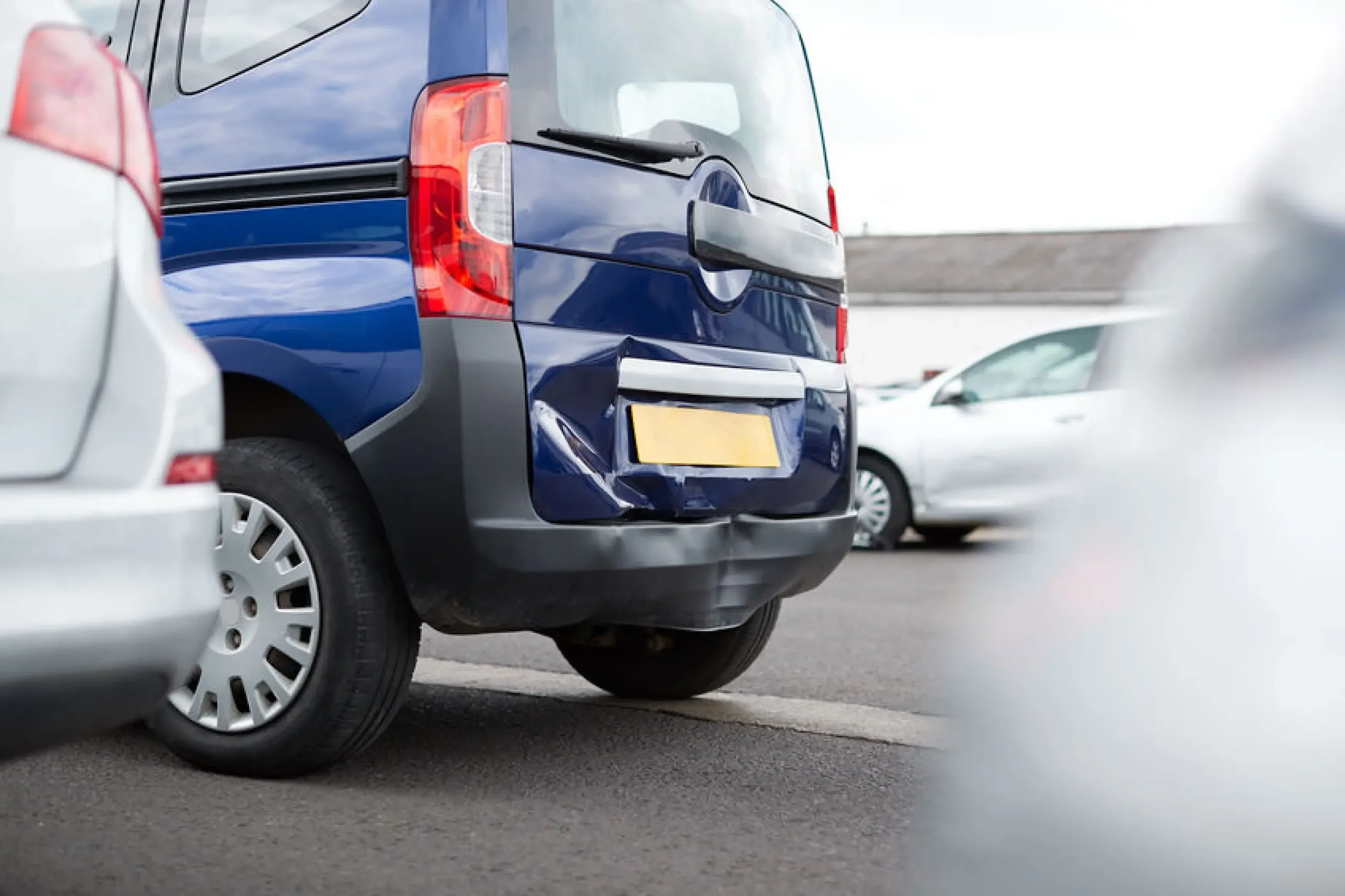
Normal use inevitably leaves some signs on a vehicle, and lease companies generally distinguish between ordinary wear and damage that exceeds reasonable standards.
Excess wear charges may apply when scratches, dents, stains, broken components, or other problems are considered more serious than expected from normal driving.
The easiest way to reduce these fees is to inspect the vehicle several weeks before the scheduled return. Walk around the entire exterior during daylight and look closely at the bumpers, doors, wheels, mirrors, lights, windshield, and painted surfaces. Take clear photographs of anything that concerns you.
Interior condition matters too. Check the seats, carpets, dashboard, door panels, headliner, and cargo area. Deep stains, tears, burns, unpleasant odors, or broken interior components may lead to additional charges.
A professional interior cleaning can sometimes be worthwhile if the condition is mainly cosmetic.
Pay particular attention to small problems that may become more expensive when assessed by a professional inspector. A minor bumper scuff or damaged trim piece could be inexpensive to repair before the inspection but become a higher charge if handled through the lease company.
Read the lease provider’s wear standards before arranging repairs. Some damage may fall within acceptable limits, while other issues may clearly require attention. Spending money on unnecessary repairs defeats the purpose of avoiding fees, so compare the likely repair cost with the possible lease-end charge.

3. Missing Keys and Remote Controls
Modern vehicles can come with multiple keys, smart keys, remote controls, valet keys, charging cables, security devices, and other equipment. Losing one of these items can result in a replacement charge at lease return.
Start gathering all original keys and accessories well before the return date. Check your home, office, garage, bags, and any other locations where spare keys or equipment may have been stored. If someone else regularly drove the vehicle, ask whether they have an extra key.
Replacing a missing smart key through a dealership can be expensive because the replacement may need programming. If you discover a missing key, compare the cost of obtaining an approved replacement before returning the car with the amount the leasing company would charge.
Do not assume that an inexpensive aftermarket remote will automatically satisfy the lease requirements. Some providers require original or properly programmed equipment. Ask the leasing company or dealership what type of replacement is acceptable before spending money.
The same principle applies to accessories. Look for items such as cargo covers, floor mats, charging equipment, navigation cards, removable headrests, and emergency equipment that came with the vehicle. Returning everything in good condition can prevent avoidable charges.
4. Missing Owner’s Manual and Equipment
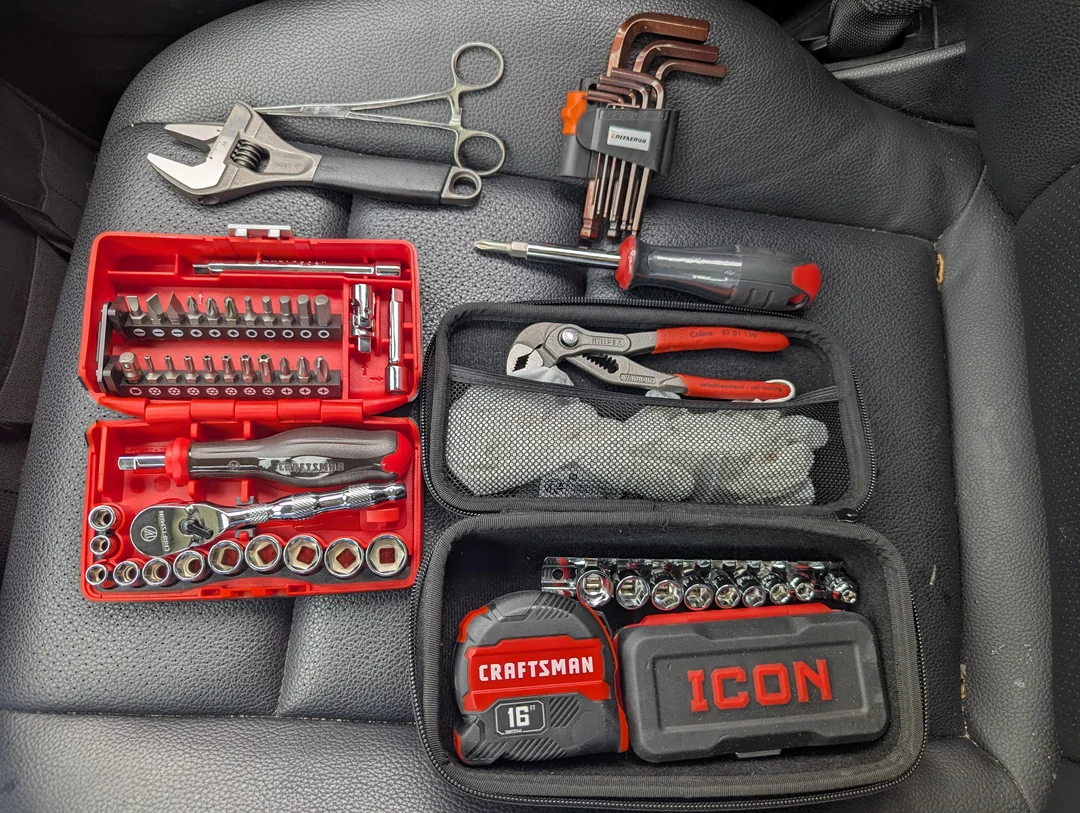
A leased vehicle is expected to be returned with the equipment supplied at delivery unless your contract says otherwise. Missing manuals, removable accessories, tool kits, cargo covers, and other original items can create additional costs.
Check your vehicle carefully before the inspection. Open the trunk, glove compartment, center console, under-floor storage areas, and other compartments. Small accessories are easy to overlook, particularly if you have owned the vehicle for several years.
The owner’s manual is especially easy to misplace because many drivers stop using the physical copy after becoming familiar with the vehicle. If it is missing, contact the manufacturer or dealership to determine whether an official replacement is available.
If the vehicle originally included special equipment, confirm that it is still present. Examples may include charging cables for electric vehicles, removable luggage covers, wheel-lock keys, spare tires, tire repair kits, and manufacturer-specific tools.
Avoid removing anything that belongs with the vehicle simply because you installed an aftermarket replacement. Keep track of original components throughout the lease. When possible, return the vehicle with the equipment supplied when the lease began unless the agreement permits substitutions.
5. Tire Damage and Uneven Tire Wear
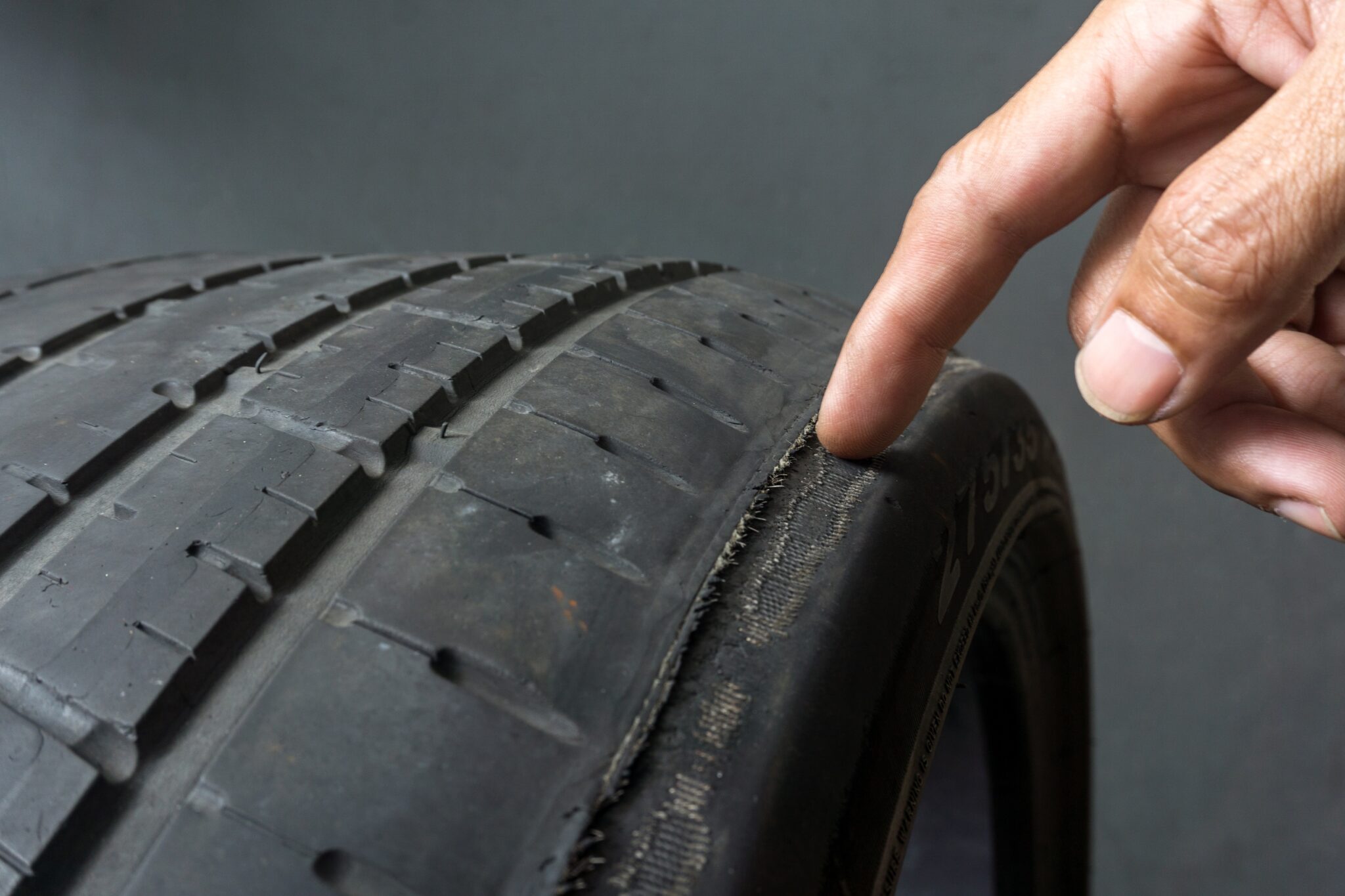
Tires receive significant attention during a lease-end inspection. Excessively worn tread, sidewall damage, mismatched tires, punctures, or uneven wear can lead to charges if the condition falls outside the leasing company’s standards.
Check your tire tread before the return appointment. Look for uneven wear across the tread surface, visible damage, cracks, bulges, and objects embedded in the rubber.
Also check whether the tires are properly inflated according to the vehicle manufacturer’s recommendations.
Uneven wear can indicate alignment or suspension problems. Addressing these issues early may prevent further tire damage and improve the vehicle’s condition before inspection. Waiting until the final week can leave little time for affordable repairs.
If replacement tires are necessary, do not automatically choose the cheapest option. Some lease agreements may specify requirements concerning tire type, size, speed rating, or other specifications. Confirm what the leasing company considers acceptable.
Keep receipts for tire purchases and maintenance. Documentation can help demonstrate that appropriate work was performed and that replacement components meet the required specifications. It also gives you a useful record if the condition is questioned during the return process.
6. Wheel and Rim Damage
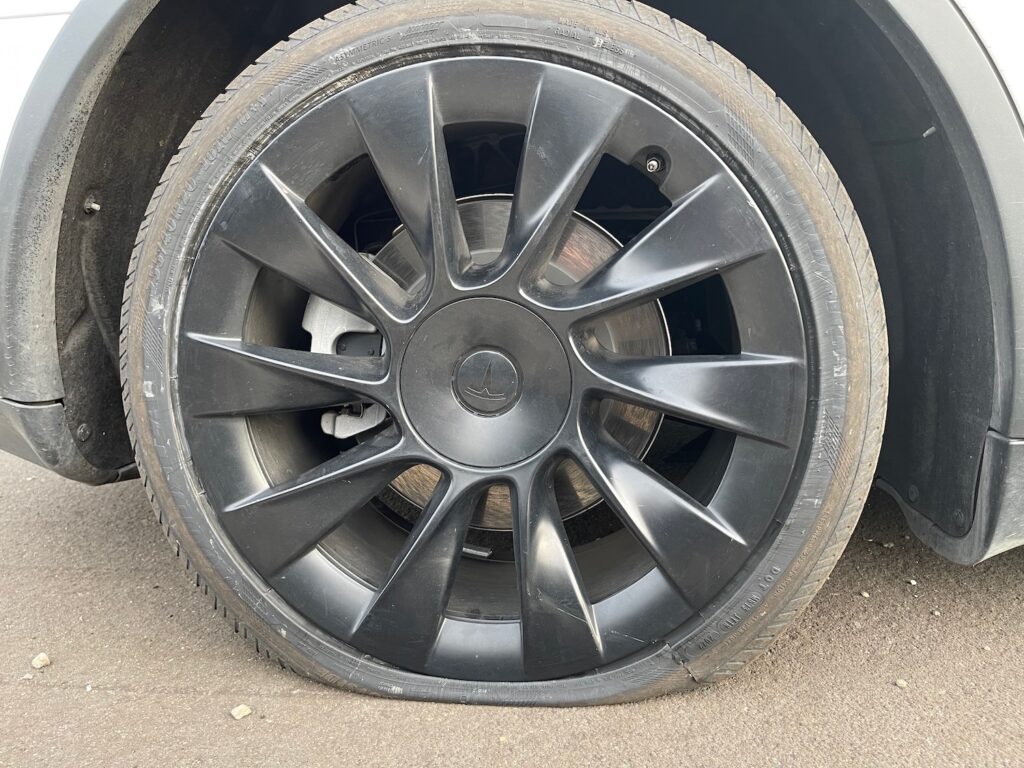
Scraped wheels are common on leased vehicles, particularly when drivers frequently park near curbs. A small amount of cosmetic damage may be acceptable under the lease company’s standards, while deeper gouges, cracks, or significant deformation can result in a charge.
Inspect every wheel closely before returning the vehicle. Clean the wheels first because dirt can hide scratches and damage. Look at both the visible face and the outer edge where curb contact commonly occurs.
If you find substantial cosmetic damage, obtain a quote from a reputable wheel repair business. Some alloy wheels can be professionally refinished for considerably less than a replacement wheel. The repair should meet the standards specified by the leasing company.
Never attempt a major wheel repair without understanding whether the work is permitted.
Poorly performed repairs can create safety concerns or make the wheel look worse. For structural damage, professional assessment is particularly important.
Photograph each wheel after cleaning and before the inspection. These pictures provide a dated record of the condition. If the leasing company later identifies damage that was already present and documented, your records may help support a discussion about the charge.
7. Windshield and Glass Damage
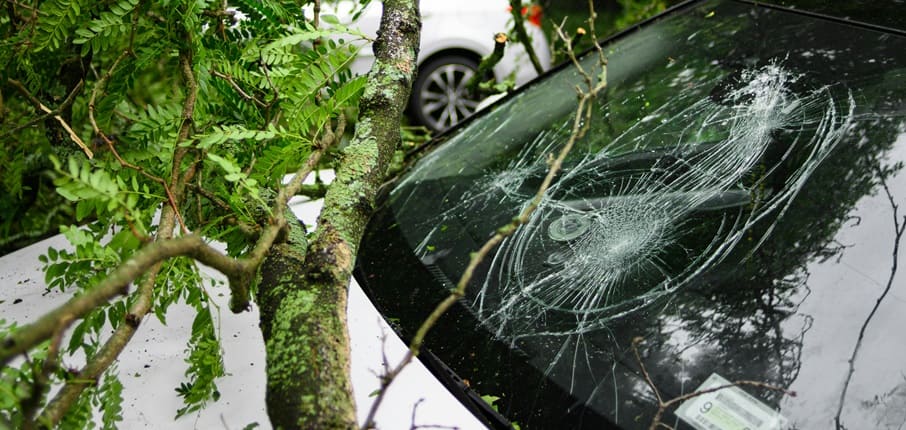
Cracks, chips, and damaged glass can generate lease-end fees, particularly when the damage affects visibility or falls outside the provider’s acceptable condition guidelines. Small windshield chips may be easier and cheaper to address before the vehicle is inspected.
Examine the windshield from inside and outside the vehicle. Look for chips, cracks, scratches, and damage near the driver’s line of sight. Also inspect the side windows, rear glass, mirrors, and other glass surfaces.
If a small chip is repairable, contact a qualified glass repair provider before it spreads. A minor repair may cost far less than replacing an entire windshield. The sooner you address a chip, the better the chance that it can be repaired.
Large cracks or damage in critical viewing areas may require replacement. Before authorizing expensive work, check whether your insurance coverage applies and confirm whether the replacement glass needs to meet specific manufacturer requirements.
Take photographs of the glass before the vehicle is returned. Keep invoices and repair records as well. Clear documentation can demonstrate that you addressed the issue properly rather than simply leaving the damage for the leasing company to handle.
8. Unrepaired Mechanical Problems
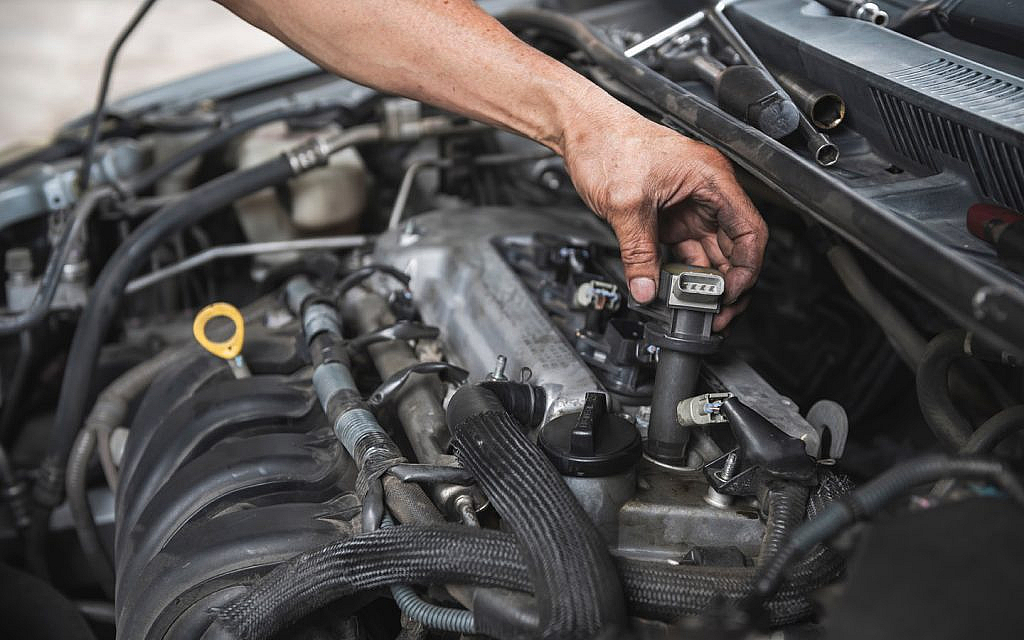
A vehicle does not need to be mechanically perfect to be returned, but significant unresolved problems may create additional costs. Warning lights, unusual noises, faulty equipment, fluid leaks, and mechanical defects deserve attention before the final inspection.
Start by checking the dashboard for warning lights. A check engine light, airbag warning, tire-pressure warning, or other persistent indicator should not be ignored. Some issues may be minor, while others could point to problems that affect safety or vehicle value.
Review your maintenance records as well. If scheduled services were missed, the leasing company may have grounds to assess charges depending on the contract. Keeping up with required maintenance is generally less expensive than dealing with neglected service at the end.
If the vehicle has a known mechanical problem, obtain a diagnostic assessment. Knowing the repair cost allows you to make an informed decision. In some cases, the repair is inexpensive enough to handle before return. In others, it may make more financial sense to discuss the issue with the leasing company.
Keep receipts for completed repairs and maintenance. Documentation establishes a useful history of the vehicle and can help if there is a disagreement about whether required maintenance was performed.
9. Poor Cleaning and Interior Condition
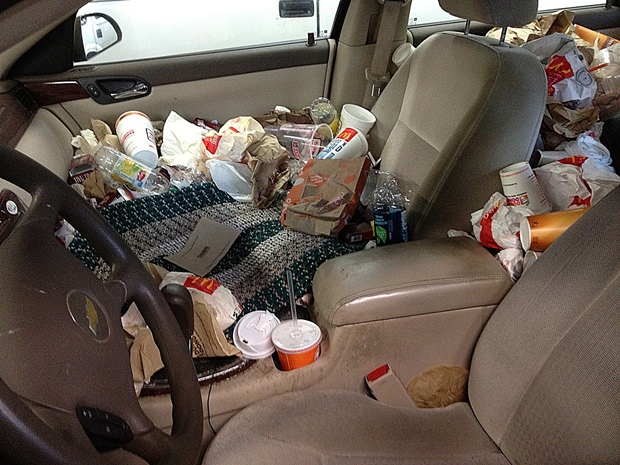
A leased car should be returned reasonably clean. Excessive dirt, stains, pet hair, odors, or accumulated debris can contribute to cleaning charges if the condition exceeds normal use.
Give the interior a thorough cleaning before the inspection. Remove personal belongings, vacuum the carpets and seats, clean hard surfaces, and empty the trunk. Pay attention to areas that are commonly forgotten, such as under the seats and inside door pockets.
If there are stubborn stains, professional detailing may be worth considering. This is particularly true when the vehicle has been used by children, pets, or for frequent food and drink consumption. Compare detailing prices with the potential cleaning fee.
Exterior cleaning is useful as well because a clean vehicle makes it easier to identify and address genuine damage. Wash the body, clean the wheels, and remove accumulated road grime before taking your final photographs.
Do not spend heavily on cosmetic treatments that have little effect on the inspection. The goal is a clean, presentable vehicle rather than a showroom restoration. Focus your money on problems that could reasonably lead to a lease-end charge.

10. Unauthorized Modifications
Aftermarket modifications can create problems when a leased vehicle is returned. Depending on the agreement, the leasing company may require the vehicle to be restored to its original condition before return.
Review any changes you made during the lease. Common examples include aftermarket wheels, suspension modifications, window tint, audio equipment, spoilers, wraps, decals, roof accessories, and custom lighting.
Some modifications may be permitted, while others may violate the lease terms. If you are uncertain, contact the leasing company before the return date. Written confirmation is preferable because verbal statements can be difficult to verify later.
If restoration is required, calculate the cost before deciding how to proceed. Removing an aftermarket part may be simple, while reversing certain modifications can require professional labor.
Keep the original components whenever possible because they can make restoration easier.
Future lease customers can avoid this issue by checking modification rules before making changes. A leased vehicle is not treated exactly like a vehicle you own outright, so customization should be approached with the contract terms in mind.

11. Late Return and Unapproved Extension Fees
Returning the vehicle after the lease expiration date without an approved arrangement can result in additional costs. The exact consequences depend on the contract and leasing company, but avoiding an unauthorized extension is generally straightforward.
Check your lease-end date several months in advance. Mark it on your calendar and begin planning the return process early. Waiting until the last few days can create problems if the inspection appointment, replacement vehicle, or required paperwork is delayed.
If you need more time, contact the leasing company before the contract expires. Some providers may offer formal extension options, while others may require a different arrangement. Never assume that continuing to drive the vehicle automatically gives you permission to extend the lease.
Keep confirmation of any approved extension or return appointment. Written records can help establish that you followed the agreed schedule.
Also confirm where and how the vehicle must be returned. Some contracts require a specific dealership or authorized location. Following the required process can help prevent administrative complications and unexpected charges.
12. Failure to Document the Vehicle’s Condition
A lack of documentation can make it harder to challenge an incorrect lease-end charge. Photographs and maintenance records do not automatically eliminate fees, but they can provide valuable evidence about the vehicle’s condition.
Take detailed photographs shortly before the inspection. Capture the front, rear, sides, roof, wheels, windshield, interior, dashboard, seats, cargo area, and odometer. Take close-up images of existing scratches, dents, and other imperfections.
Make sure the photographs are clear and taken in good lighting. Blurry pictures or images taken from too far away may not provide much useful information. Keeping the original files can also preserve their date and metadata.
Save maintenance invoices, repair receipts, tire records, inspection paperwork, and communications with the leasing company. Organize them in a folder so they are easy to access if a dispute arises.
After returning the vehicle, keep copies of the final inspection report and any paperwork confirming the handover. If a charge later appears that you believe is incorrect, having a complete record can make the conversation with the leasing company much easier.
