
Rental cars often look identical to the vehicles parked at a dealership, but the versions supplied to rental companies can have different equipment, trim combinations, engines, colors, and interior features.
These changes are usually designed around cost, durability, easy maintenance, fleet ordering, and customer expectations rather than personal preference. Some rental cars also receive special badges, packages, or equipment that regular buyers may rarely encounter.
This guide looks at 12 familiar cars whose rental versions can differ from retail models, showing what makes fleet-spec vehicles unusual and why those differences matter when you get behind the wheel.
1. Ford Mustang
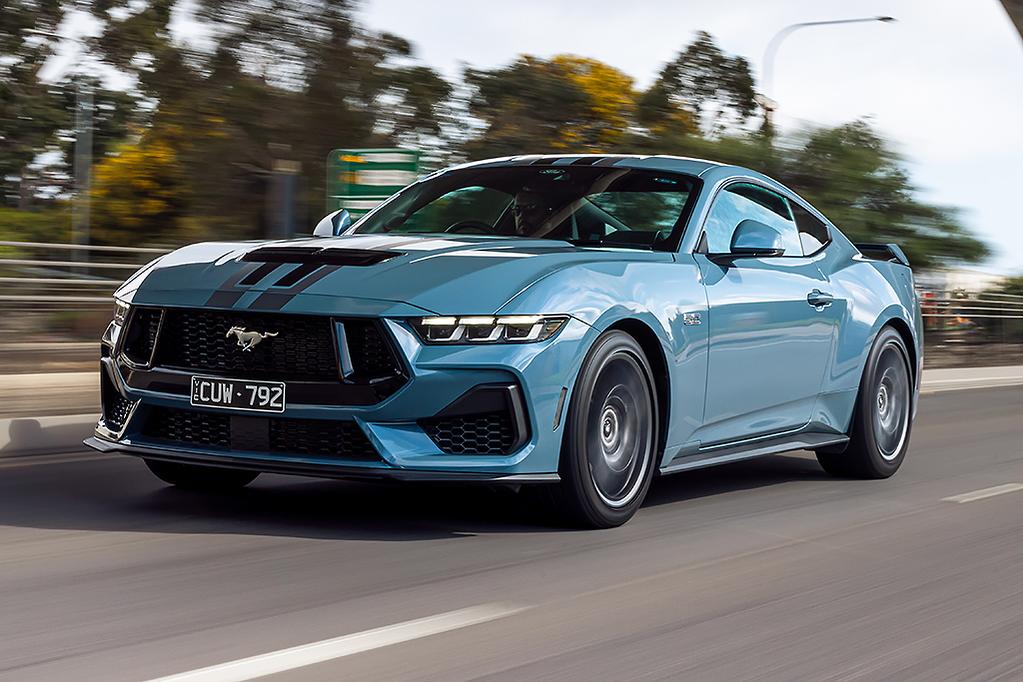
The Ford Mustang is perhaps the most recognizable American car to appear in rental fleets. Rental companies have offered Mustang models in configurations that are not always identical to the versions customers see on dealership lots.
Fleet cars tend to prioritize broadly appealing equipment, predictable running costs, and automatic transmissions.
A rental Mustang may therefore look sporty while using a more accessible powertrain and equipment package. For someone expecting a performance-focused Mustang, that distinction can be surprising when the car turns out to be configured primarily for everyday driving.
Rental Mustangs have also appeared with fleet-oriented combinations of colors, wheels, interiors, and technology. A retail buyer can choose from numerous packages and options, while a large rental company usually orders cars in predetermined batches. That makes the rental specification easier to manage across thousands of vehicles.
The car can still carry the familiar Mustang styling, but the equipment underneath that styling may be considerably simpler than a heavily optioned retail example.
Engine choices can also create major differences between two Mustangs that look similar. A rental customer might receive a four-cylinder EcoBoost model, while someone buying a Mustang could select a V8-powered GT.
Both cars share the same basic identity, yet their acceleration, exhaust note, fuel consumption, and driving character are very different. Rental fleets commonly favor configurations that offer a useful balance between performance and operating expense.
Interior equipment is another area where fleet cars can differ. Rental companies generally need durable upholstery, straightforward controls, and features that are easy for unfamiliar drivers to understand.
2. Chevrolet Camaro
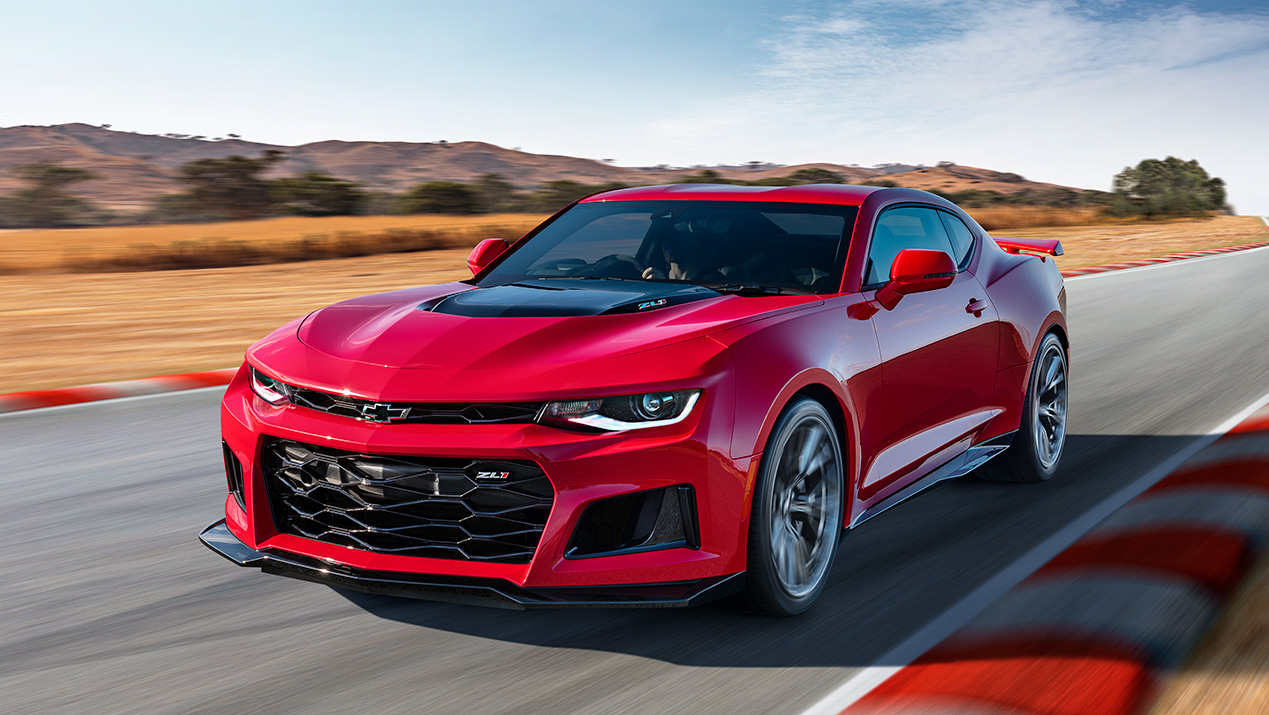
The Chevrolet Camaro has also been a familiar sight in rental fleets, particularly in markets where specialty or performance-oriented rental cars attract customers. Rental Camaros are generally selected with practical fleet considerations in mind.
That can mean automatic transmissions, common powertrains, mainstream equipment, and combinations that are easy to maintain. A Camaro displayed in a rental parking area may therefore share its exterior design with a retail model while having a substantially different equipment list.
A retail Camaro could be ordered with a larger engine, upgraded suspension, performance brakes, special wheels, and additional appearance features. A rental fleet has less reason to choose every expensive option.
Customers renting a sporty car typically want the styling and driving experience associated with the model, but the company providing the vehicle must also consider purchase price, depreciation, fuel consumption, tire costs, and repair expenses.
The engine is especially important because Camaro variants can differ dramatically in character. A smaller engine can provide adequate power for highway travel and daily use while consuming less fuel than a larger performance engine.
A V8 version, by contrast, provides a more aggressive experience but carries greater operating costs. Rental companies therefore have to decide whether customers are paying for genuine performance or mainly for the image and experience of driving a Camaro.
Interior specifications can follow the same philosophy. A retail buyer may select premium seating materials, upgraded infotainment equipment, additional convenience features, or specialized performance equipment.
Fleet orders can use more standardized interiors. This reduces the number of configurations that rental staff need to understand and makes replacement parts and maintenance more straightforward.
3. Dodge Challenger
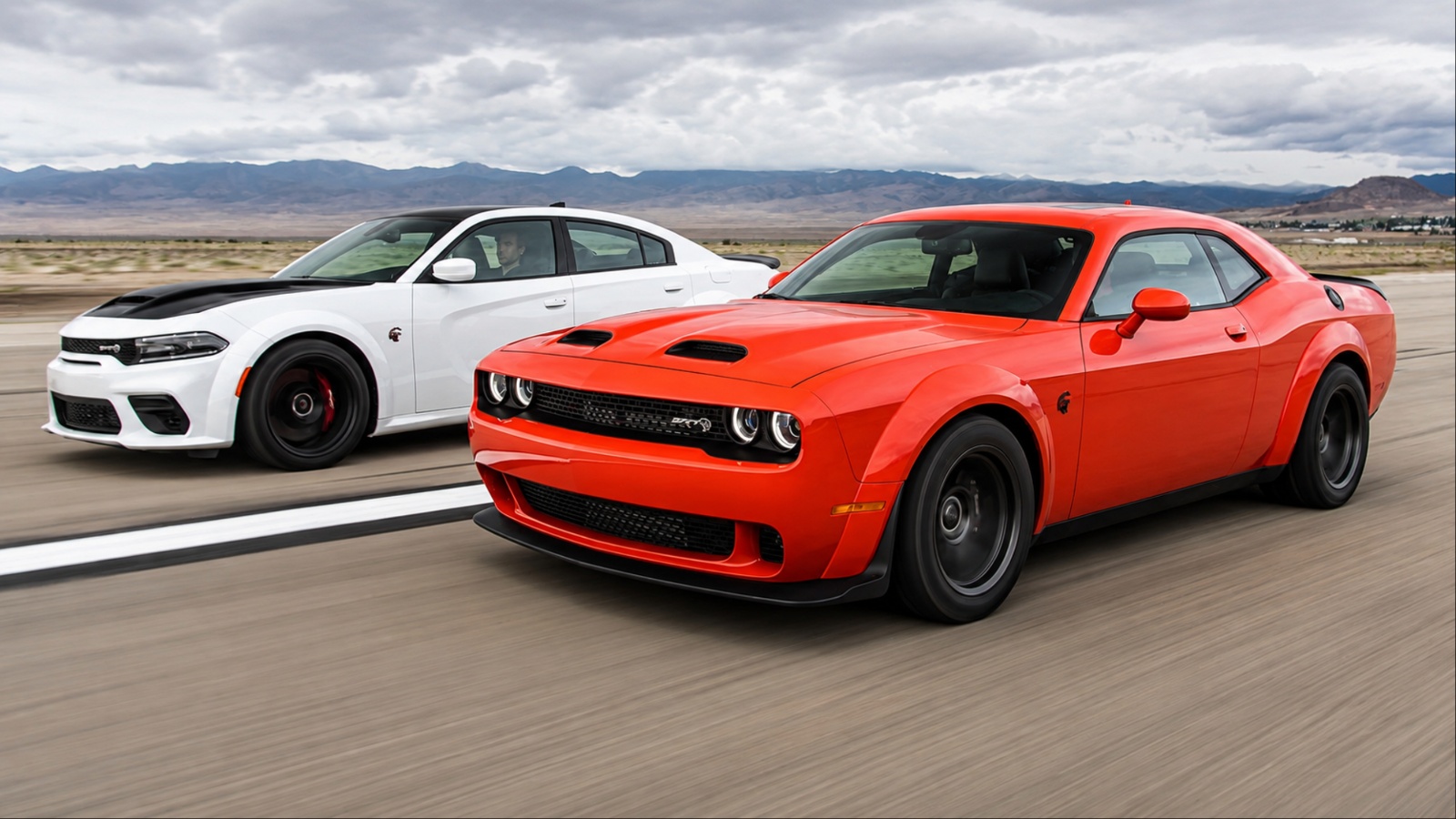
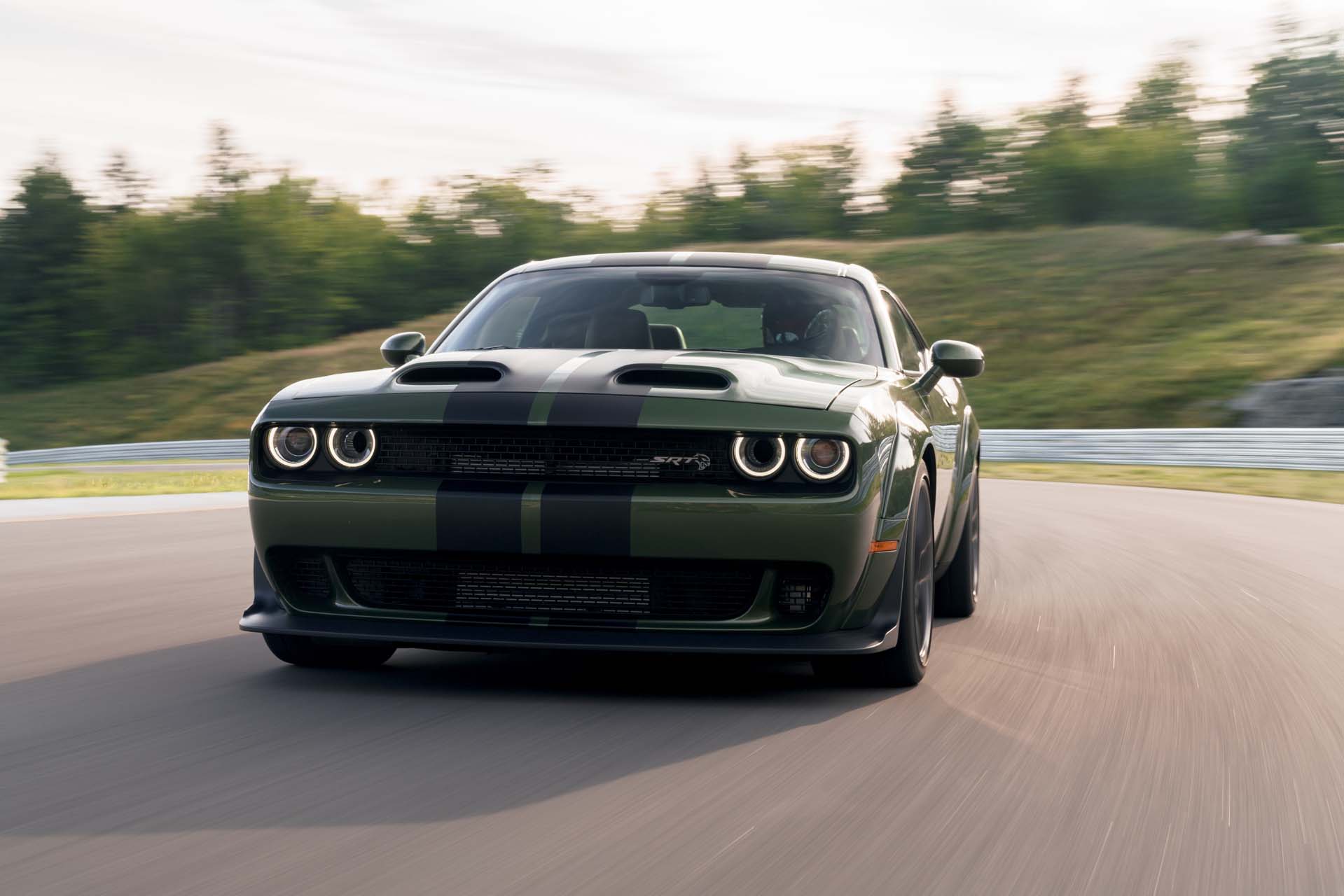
The Dodge Challenger developed a strong reputation among rental customers because its classic shape made it feel more distinctive than an ordinary midsize sedan. Yet Challenger rental cars were not necessarily equivalent to the most powerful versions sold to private buyers.
Fleet specifications often emphasized automatic transmissions and more accessible engines. The result could be a car with aggressive styling but a configuration designed primarily for comfortable transportation rather than maximum straight-line performance.
That difference became particularly noticeable because the Challenger lineup covered such a wide range of power levels. Models with V6 engines offered a very different experience from V8-powered R/T, Scat Pack, or Hellcat variants.
A rental customer who associates the Challenger name with its most powerful versions might expect enormous acceleration, only to discover a more modest powertrain.
Fleet purchasing also affects optional equipment. Private buyers can select specific wheels, colors, technology packages, premium audio systems, upgraded seats, and performance components.
Rental companies tend to reduce customization by ordering larger quantities of similar vehicles. Standardized configurations make it easier to rotate vehicles between locations and reduce complications when a particular car needs servicing.
Fuel economy can also influence the configuration selected for rental service. A large rental fleet may accumulate significant mileage, making fuel consumption an important business expense.
Choosing a less powerful engine can reduce operating costs while still giving customers the visual appeal of a muscle car. This is particularly useful when the vehicle is being marketed as a fun rental rather than as a serious track or drag-strip machine.
The Challenger illustrates why rental specifications should be viewed as a separate category of vehicle configuration. It can retain the same basic body, interior architecture, and model identity while using a powertrain and equipment package aimed at commercial use.
For customers, this can actually be beneficial when the goal is enjoying the styling and comfort of a muscle car without paying for its highest-performance variants.
4. Dodge Charger
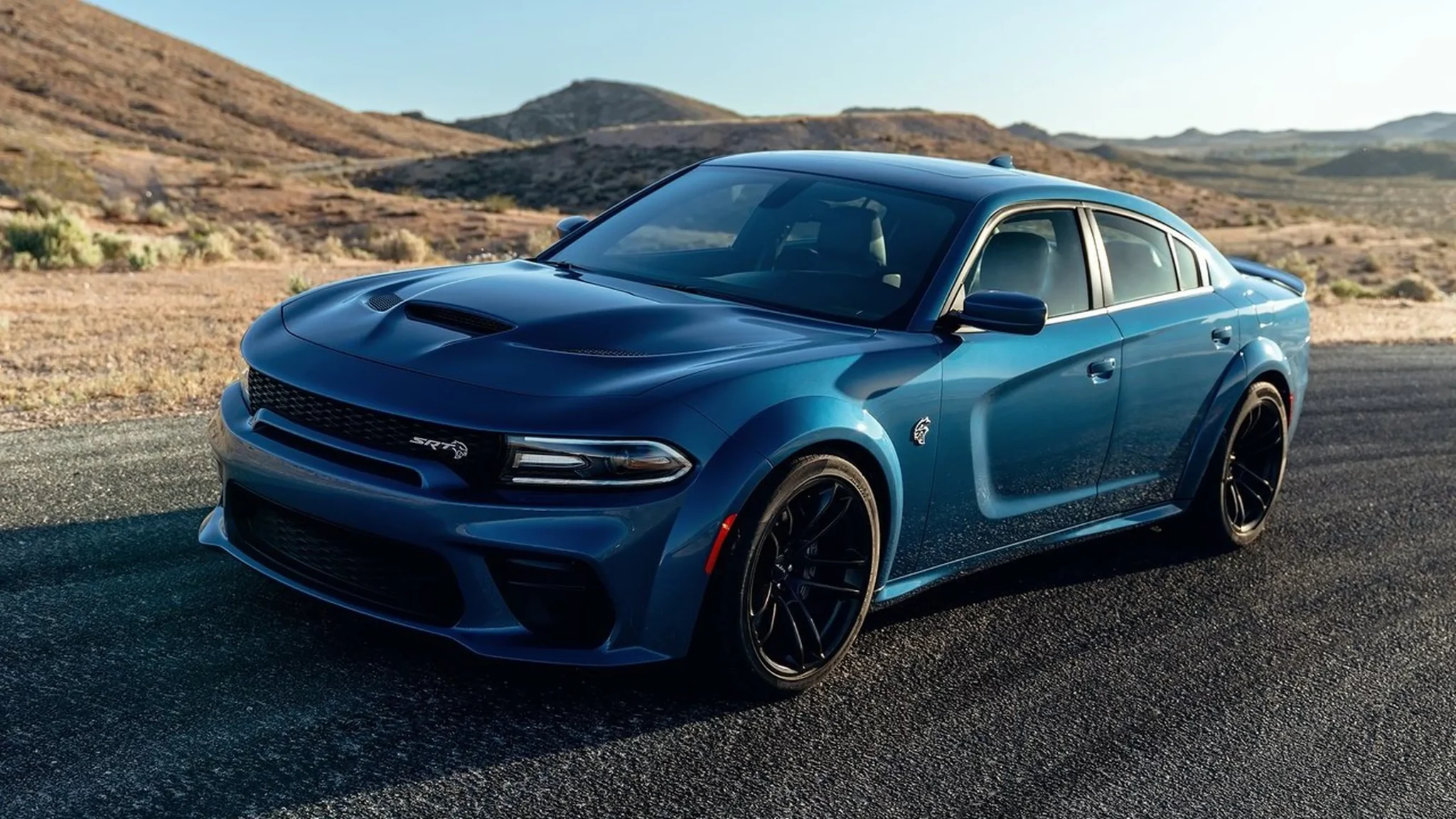
The Dodge Charger became a popular fleet vehicle because it combined a large cabin with the image of an American performance sedan. Rental Chargers have often been ordered in configurations intended for broad customer appeal.
That generally means automatic transmissions, commonly available engines, straightforward equipment, and colors that can be used across different markets. The result can look like a high-performance sedan even when its mechanical specification is considerably more restrained.
Private Charger buyers could select from different engines and trim levels, including versions focused on comfort, performance, or luxury. A fleet buyer has different priorities. The company must consider the initial purchase price, insurance costs, fuel consumption, maintenance requirements, and eventual resale value. These factors can make a lower-cost configuration more attractive than a highly specialized performance model.
The Charger also demonstrates how trim names can create confusion. A rental customer may see a Charger and assume it has the same engine or equipment as a similarly styled car shown in a manufacturer’s advertisement.
That assumption can be incorrect. Exterior styling packages can make a lower-performance vehicle appear much more aggressive than its mechanical specification suggests.
5. Toyota Camry
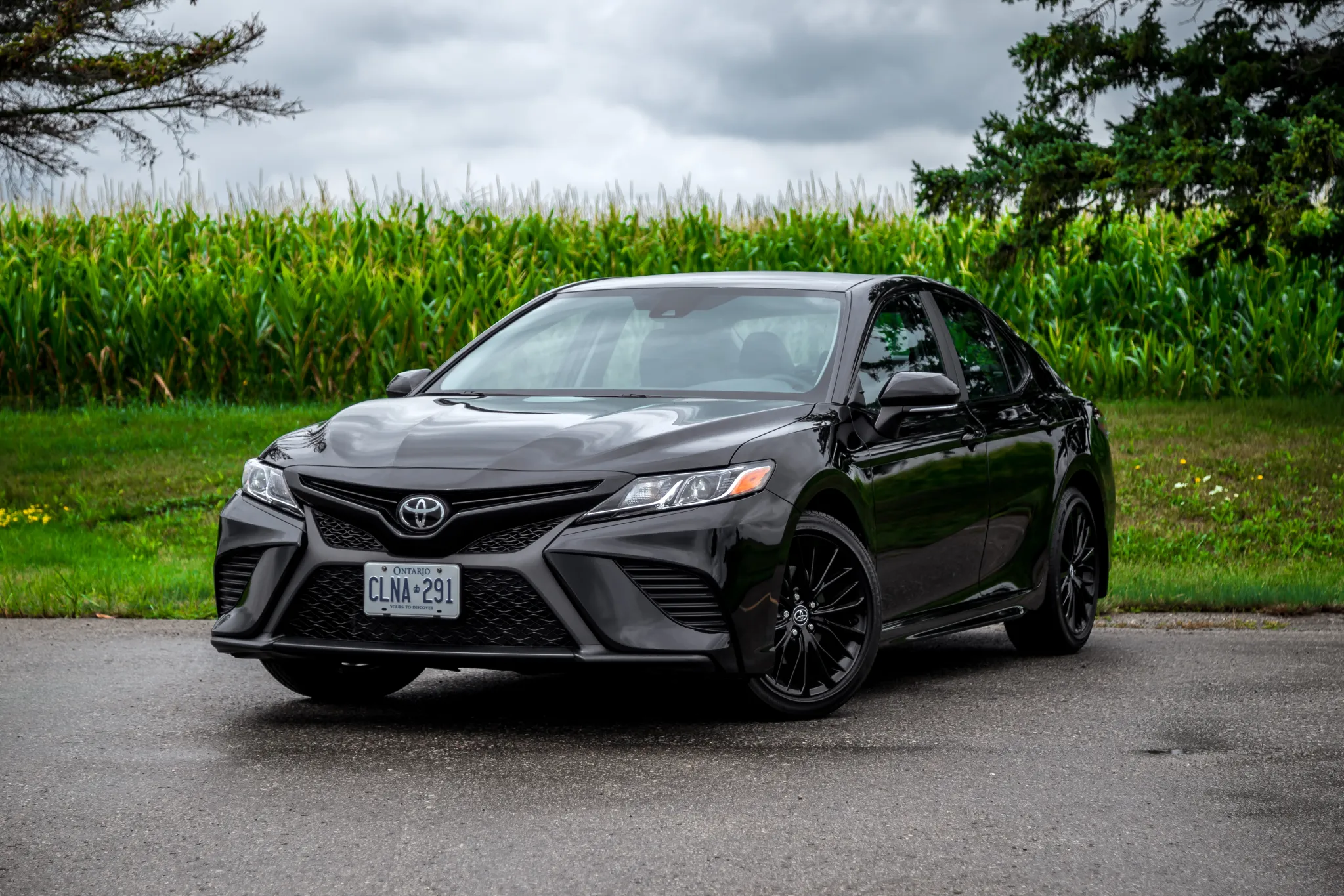
The Toyota Camry is a much less dramatic example, but it shows the rental-specification concept clearly. Camry models supplied to rental fleets are often selected around reliability, ease of use, fuel economy, and competitive acquisition costs.
A retail customer can build a Camry around personal preferences, while a fleet operator generally wants a standardized vehicle that works for business travelers, families, and long-distance renters.
Equipment levels can vary significantly. A privately purchased Camry may feature premium interior materials, larger displays, upgraded audio equipment, advanced comfort features, or a more expensive trim.
A rental Camry may use a simpler configuration while retaining essential safety and convenience technology. This allows the rental company to provide a modern vehicle without paying for equipment that every customer may not need.
Powertrain selection can also matter. Depending on the model year and market, Camry buyers have had access to different gasoline and hybrid configurations. Rental operators may select whichever version offers the best combination of purchase cost, fuel economy, demand, and availability.
A hybrid Camry can be attractive for high-mileage rental operations because fuel efficiency becomes increasingly important as the odometer climbs.
Color choices can make rental Camrys look different from privately owned cars as well. Fleet orders often favor neutral shades because they appeal to a wider customer base and are easier to sell when the vehicles eventually leave rental service.
Private buyers frequently choose colors based on personal taste, while a rental company must think about what will remain broadly desirable over several years.
6. Toyota Corolla
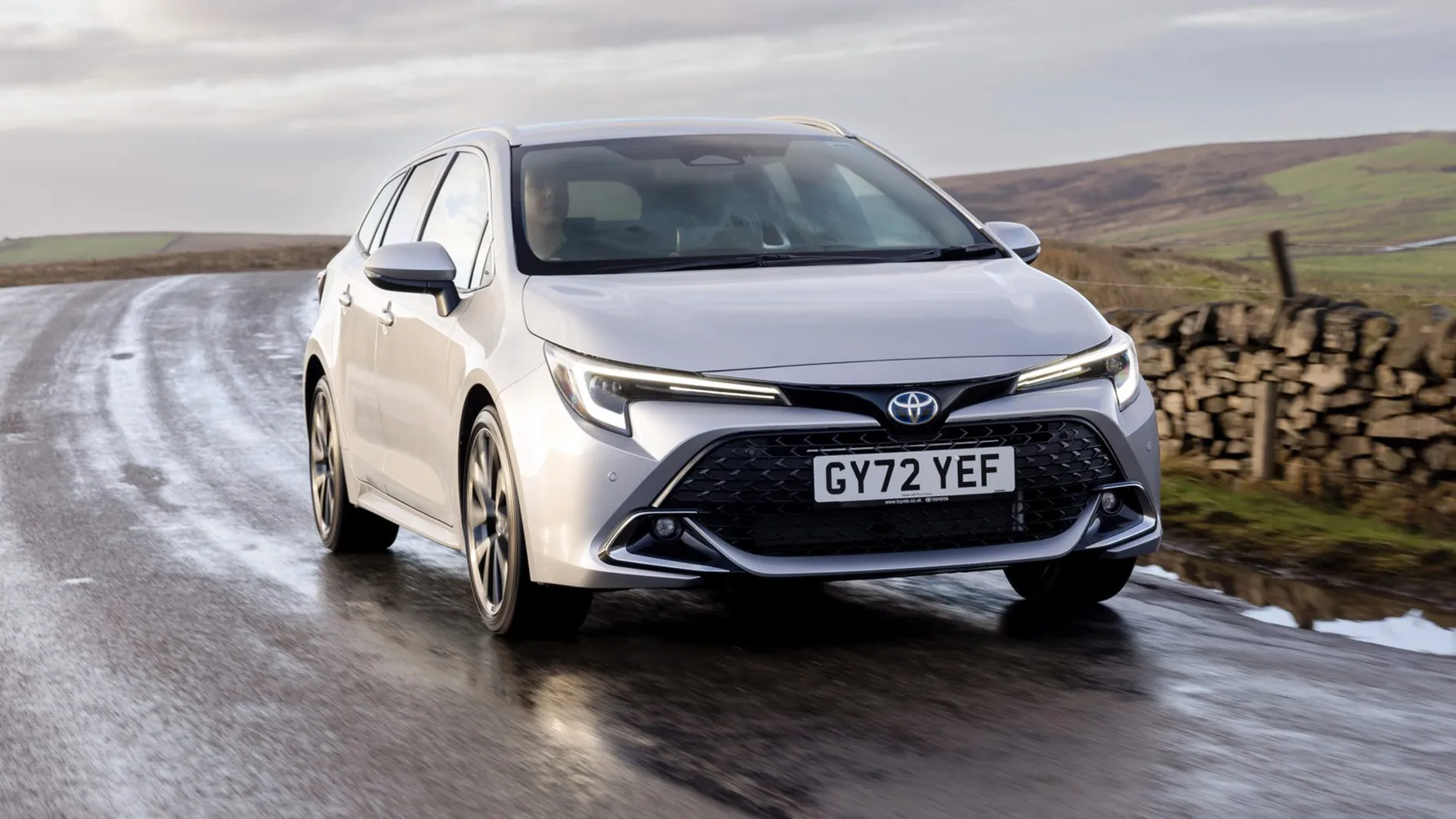
The Toyota Corolla is another common fleet choice because it offers practical dimensions, efficient engines, and a reputation for straightforward ownership. Rental versions are typically selected for broad usability rather than personalization.
A fleet operator may order a large group of Corollas with the same trim and equipment, creating a standardized fleet that is easier to service and replace.
Retail Corolla buyers can choose among available trim levels and packages, depending on the model year and market. These choices can affect wheels, upholstery, infotainment equipment, safety technology, exterior styling, and comfort features. Rental versions frequently concentrate on the equipment that most customers expect without adding every available upgrade.
Transmission specifications can also differ according to fleet purchasing decisions. Modern Corolla models have frequently used continuously variable transmissions, while certain markets and versions have offered other configurations.
A rental company generally chooses the combination that best suits its operating environment and customer demand. That can produce a vehicle that behaves differently from a higher trim or enthusiast-oriented version.
Interior durability is another practical consideration. Rental cars face repeated entry and exit, luggage loading, food spills, varying driving habits, and high annual mileage.
Fleet operators therefore have a strong incentive to choose materials and equipment that can withstand intensive use. The interior may feel less luxurious than a privately owned Corolla equipped with premium options.
For customers, the Corolla remains a good example of why rental cars should be judged by their exact specification rather than by the model name alone.
The fundamental vehicle can be familiar, but fleet ordering changes the combination of features. What appears to be a basic difference in trim can affect comfort, technology, fuel economy, and the impression of the car.
7. Nissan Altima
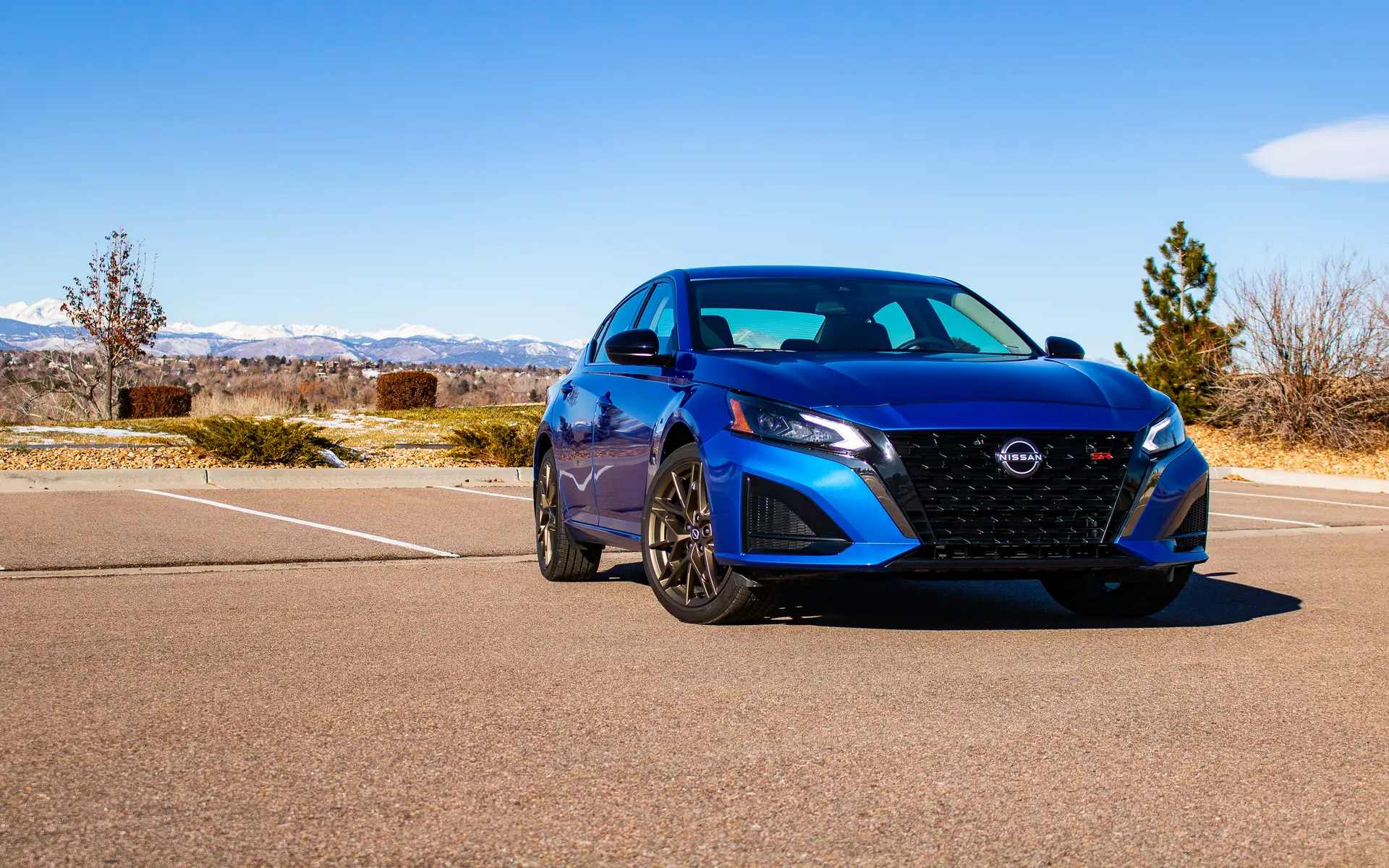
The Nissan Altima has frequently appeared in rental fleets because it provides a spacious cabin, comfortable highway manners, and a familiar midsize-sedan format. Rental examples are usually selected for practicality and value. That means a fleet Altima can have a simpler trim and fewer luxury features than a privately purchased model sitting in a dealership showroom.
Trim selection can change the driving experience more than many renters realize. Higher retail trims can offer larger wheels, improved seating materials, additional convenience technology, enhanced audio systems, and more extensive driver assistance equipment.
A rental version may retain core safety technology while eliminating expensive extras that increase the vehicle’s purchase price.
Powertrain availability is also important. Altima models have been offered with different engine choices depending on model year and market. A rental fleet may favor the engine that provides acceptable performance with predictable fuel consumption. Private buyers who select a more powerful configuration can experience quicker acceleration and different highway behavior.
Fleet colors and wheel designs may contribute to the impression that rental cars are visually different. Rental operators tend to choose combinations that are easy to sell later and acceptable to the widest possible audience.
A private buyer can make a more personal choice, including distinctive paint and appearance packages that are less common in commercial fleets.
8. Chevrolet Malibu
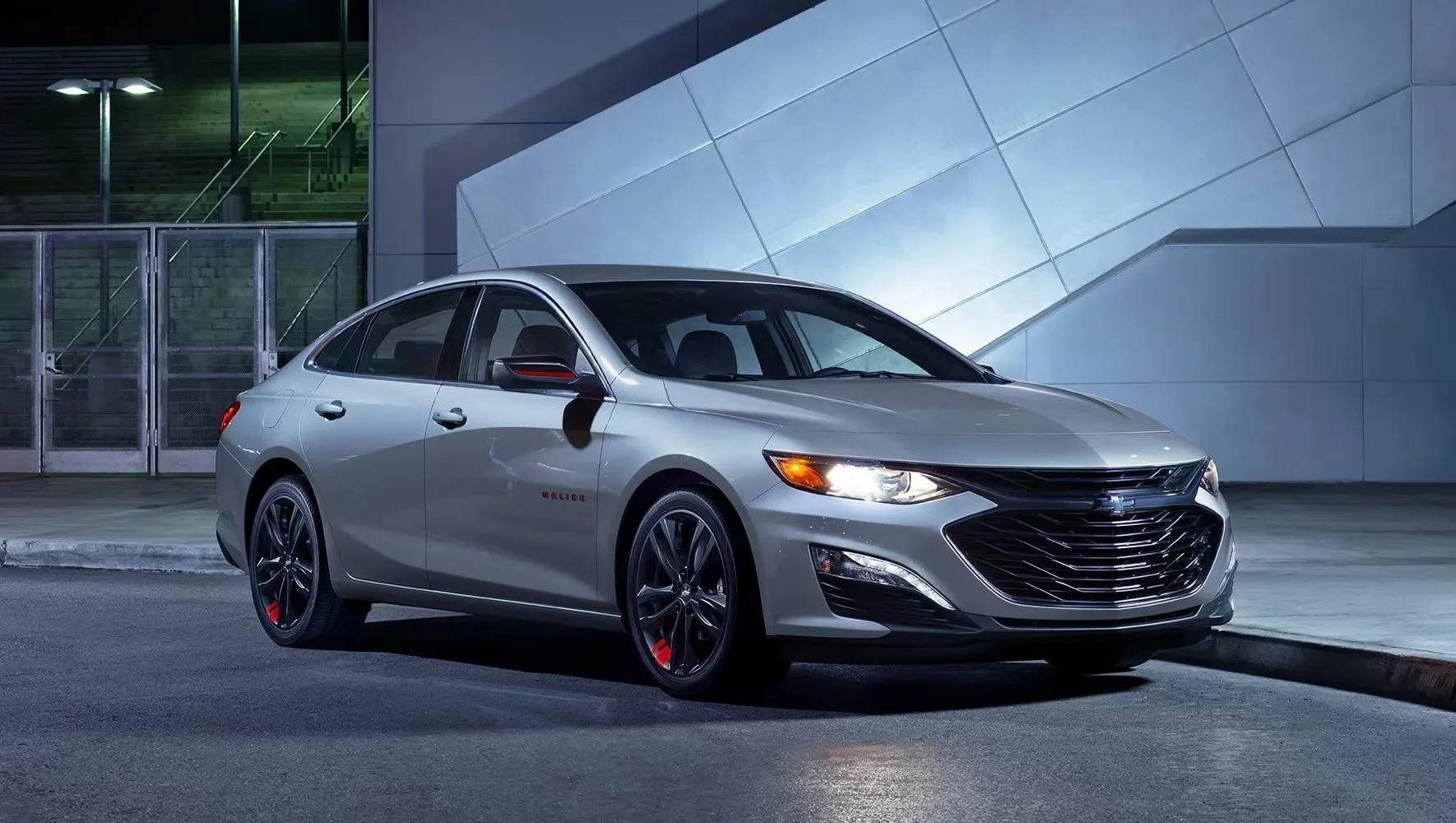
The Chevrolet Malibu has served as a familiar rental sedan, particularly for customers seeking comfortable transportation without moving into a larger vehicle. Fleet versions can be configured with equipment chosen for affordability and simplicity. That makes them different from retail Malibus equipped with higher trim levels and optional features.
A retail Malibu buyer can place greater emphasis on comfort and technology. Depending on the model year, available equipment has included larger infotainment displays, upgraded interior materials, premium audio, enhanced convenience features, and additional styling options.
Fleet operators generally have less incentive to select every available feature because thousands of vehicles may need to be purchased and maintained.
Engine selection is another area where the rental and retail experience can diverge. A fleet customer usually needs sufficient power for city traffic and highway travel rather than maximum acceleration.
This makes an efficient mainstream engine an attractive choice. A retail buyer may place greater value on performance or specific driving characteristics and choose accordingly.
Rental companies also pay close attention to how a vehicle behaves after years of heavy use. Tires, brakes, suspension components, interior surfaces, and electronic equipment all contribute to operating expenses. A simpler configuration can reduce the number of costly components that require replacement while making routine maintenance more predictable.
9. Kia Forte
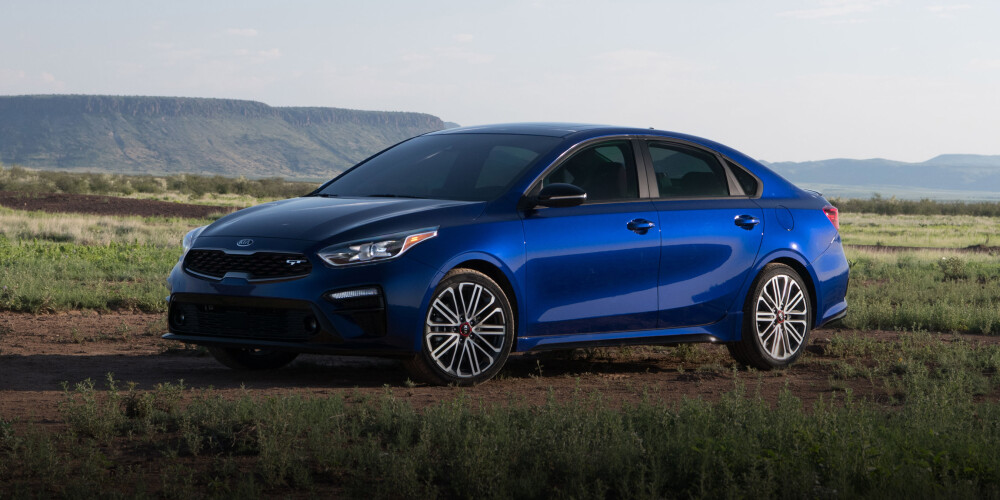
The Kia Forte has been a practical choice for rental fleets because of its compact size, efficient operation, and approachable design. Fleet versions commonly focus on the features that matter to a broad group of renters. A customer looking at a retail Forte may encounter several trims, while the rental fleet may contain a much narrower range of configurations.
Technology is an area where these differences can become noticeable. Higher retail trims can include larger screens, upgraded audio systems, wireless smartphone features, premium seating materials, and additional convenience equipment.
A fleet version may use a simpler system that still provides essential connectivity and safety functions. The goal is to provide an intuitive vehicle without unnecessary cost.
Wheels and tires can also vary. Larger wheels may improve the visual appeal of a retail car but can increase tire replacement costs. Rental companies need to think about the lifetime cost of the vehicle, particularly because fleet cars accumulate mileage much faster than typical privately owned vehicles. Smaller wheels can therefore make commercial sense.
Fuel economy is another major consideration for compact rental cars. Customers often choose a Forte because they expect an economical vehicle for commuting, road trips, or city driving.
Rental operators have a reason to favor powertrains that deliver predictable fuel consumption and affordable servicing. The result can be a configuration that emphasizes efficiency rather than sporty performance.
The Forte demonstrates how the rental specification can be shaped by operational economics. Every option affects the cost of buying, maintaining, insuring, and eventually selling the vehicle.
10. Hyundai Elantra
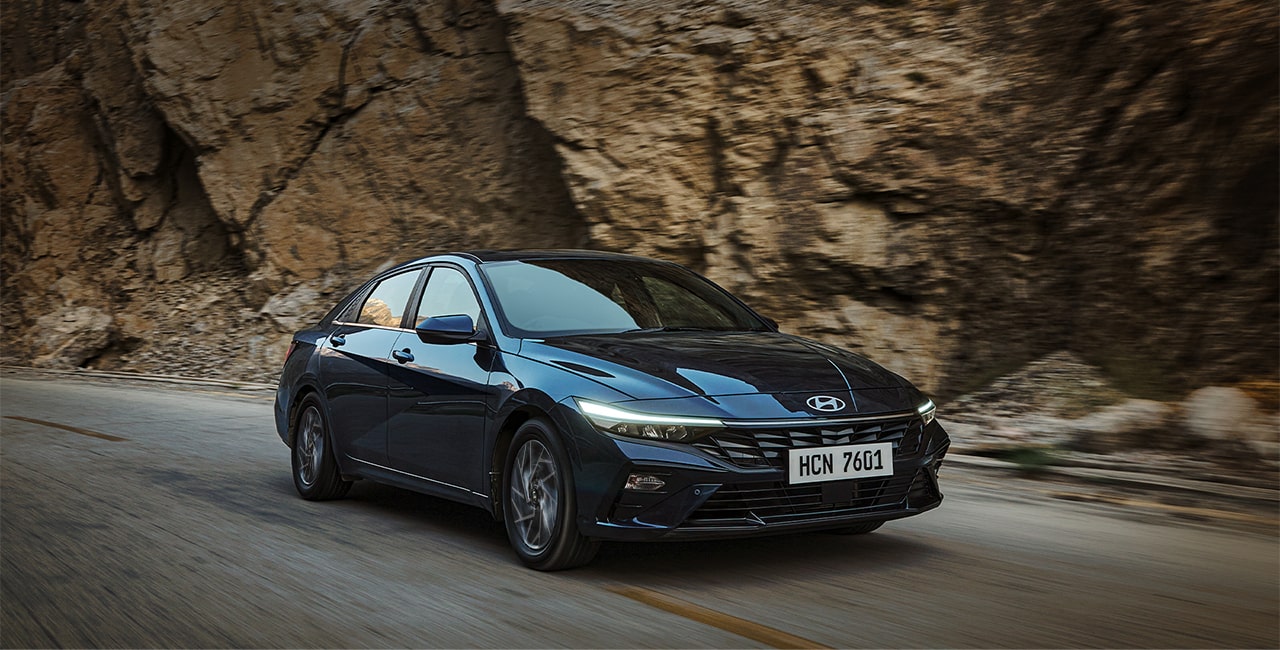
The Hyundai Elantra has become a common compact sedan choice in rental fleets, thanks to its practical cabin, modern styling, and efficient powertrains. Fleet versions can look almost identical to retail models, yet the equipment list may be noticeably different. Rental companies generally want an accessible specification that works for customers with very different expectations.
Higher retail Elantra trims can provide upgraded displays, premium seating, additional convenience functions, larger wheels, and enhanced technology. A fleet version can be configured closer to the middle of the lineup.
This provides the basic Elantra experience while keeping acquisition costs manageable. For a business operating a large fleet, saving money on each individual vehicle can have a significant cumulative effect.
Driver assistance equipment is particularly important in modern rental vehicles. Features such as forward collision warning, automatic emergency braking, lane assistance, and blind-spot monitoring can vary by trim and model year.
Renters should therefore avoid assuming that every Elantra has exactly the same technology. The precise configuration depends on the vehicle’s production year and specification.
11. Ford Escape
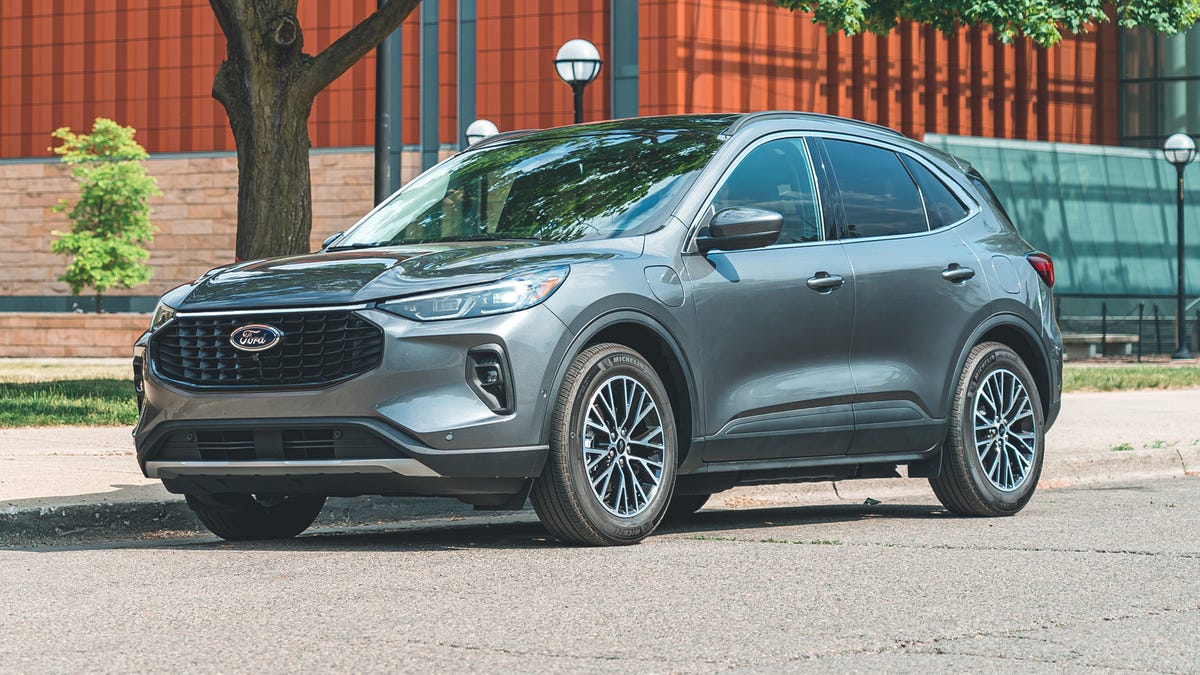
The Ford Escape has appeared in rental fleets in configurations that prioritize practicality and everyday usability. Compact SUVs are especially useful to rental companies because they appeal to families, business travelers, and customers who simply prefer a higher seating position.
The rental Escape may therefore be equipped differently from a retail model designed around a specific buyer’s preferences.
Powertrain selection can vary substantially depending on model year and trim. Escape buyers have had access to gasoline and hybrid options in various markets, with different outputs and efficiency characteristics.
A rental operator may choose a configuration based on availability, fuel economy, purchase cost, and expected customer demand. That can make two visually similar Escapes behave quite differently.
Cargo and passenger convenience are also important. Fleet versions may emphasize easy-to-clean materials and straightforward controls. A private buyer could select premium upholstery, larger wheels, advanced audio equipment, panoramic roof options, or other upgrades.
The rental company generally evaluates these features through a financial lens, asking whether the additional cost will meaningfully increase rental demand.
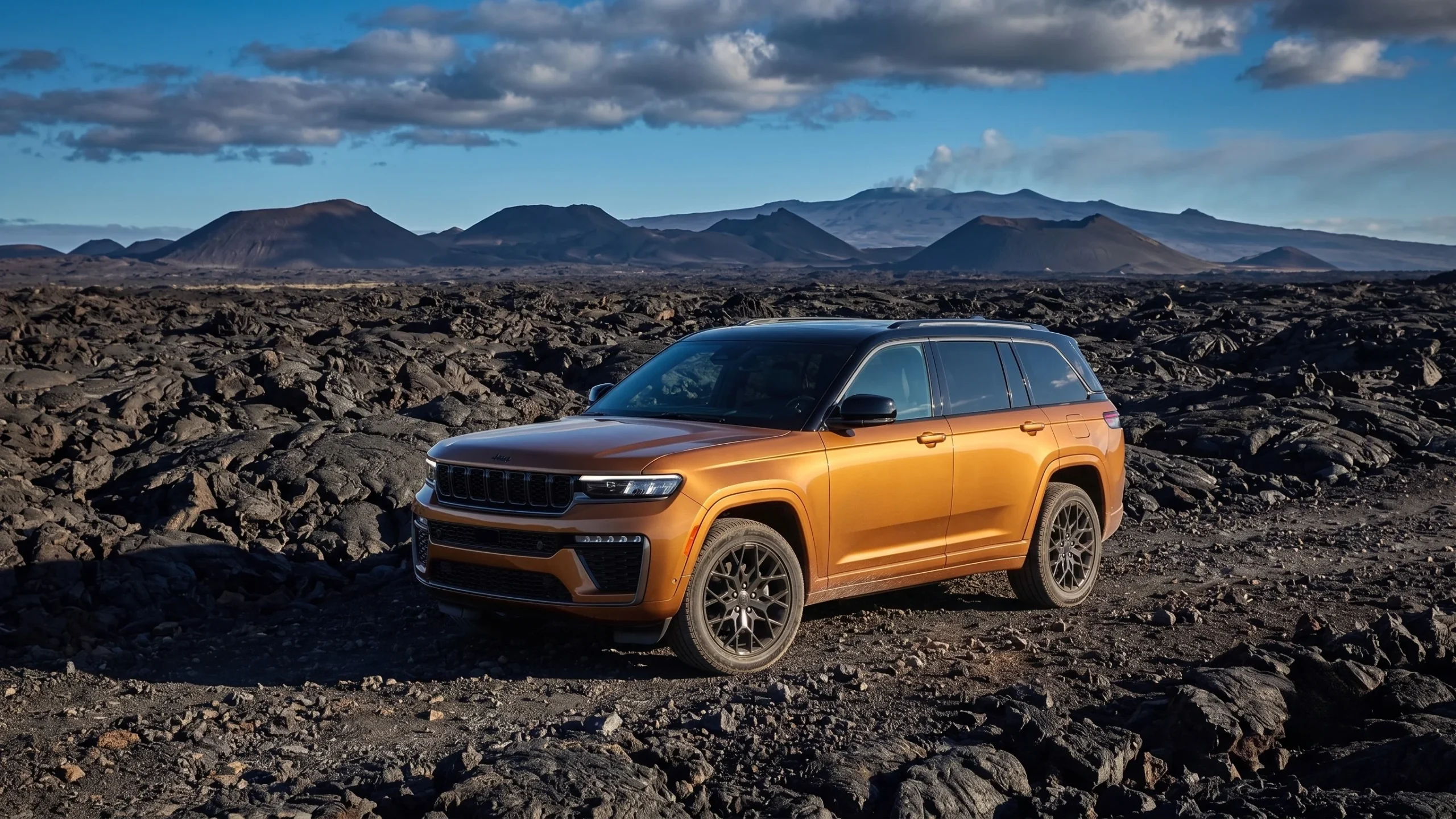
12. Jeep Grand Cherokee
The Jeep Grand Cherokee is a premium-leaning SUV that has appeared in rental fleets in several configurations. Its presence in a rental lot can create expectations because the model name is associated with upscale interiors, capable four-wheel-drive systems, and powerful engines. A fleet version, however, may be configured differently from a retail Grand Cherokee carrying a higher trim level.
Retail buyers can choose among various trims and equipment packages, with significant differences in interior quality, technology, wheels, powertrains, and four-wheel-drive capability.
Rental companies generally have to balance these features against acquisition and maintenance costs. They may choose a configuration that gives customers the desired Grand Cherokee appearance and comfort without paying for every premium option.
Four-wheel-drive equipment can be especially significant. Not every Grand Cherokee is necessarily equipped identically, and drivetrain specifications depend on the exact model and market. A customer who expects a particular off-road capability should therefore verify the assigned vehicle rather than assuming that the Grand Cherokee badge guarantees a specific system.
Interior features can also distinguish rental and retail examples. A privately owned Grand Cherokee might include upgraded leather seating, premium sound, larger displays, advanced climate functions, or additional comfort features.
A fleet vehicle may use a simpler interior while maintaining the basic features expected in a modern SUV. This can make the rental car feel less luxurious than a showroom example.
