
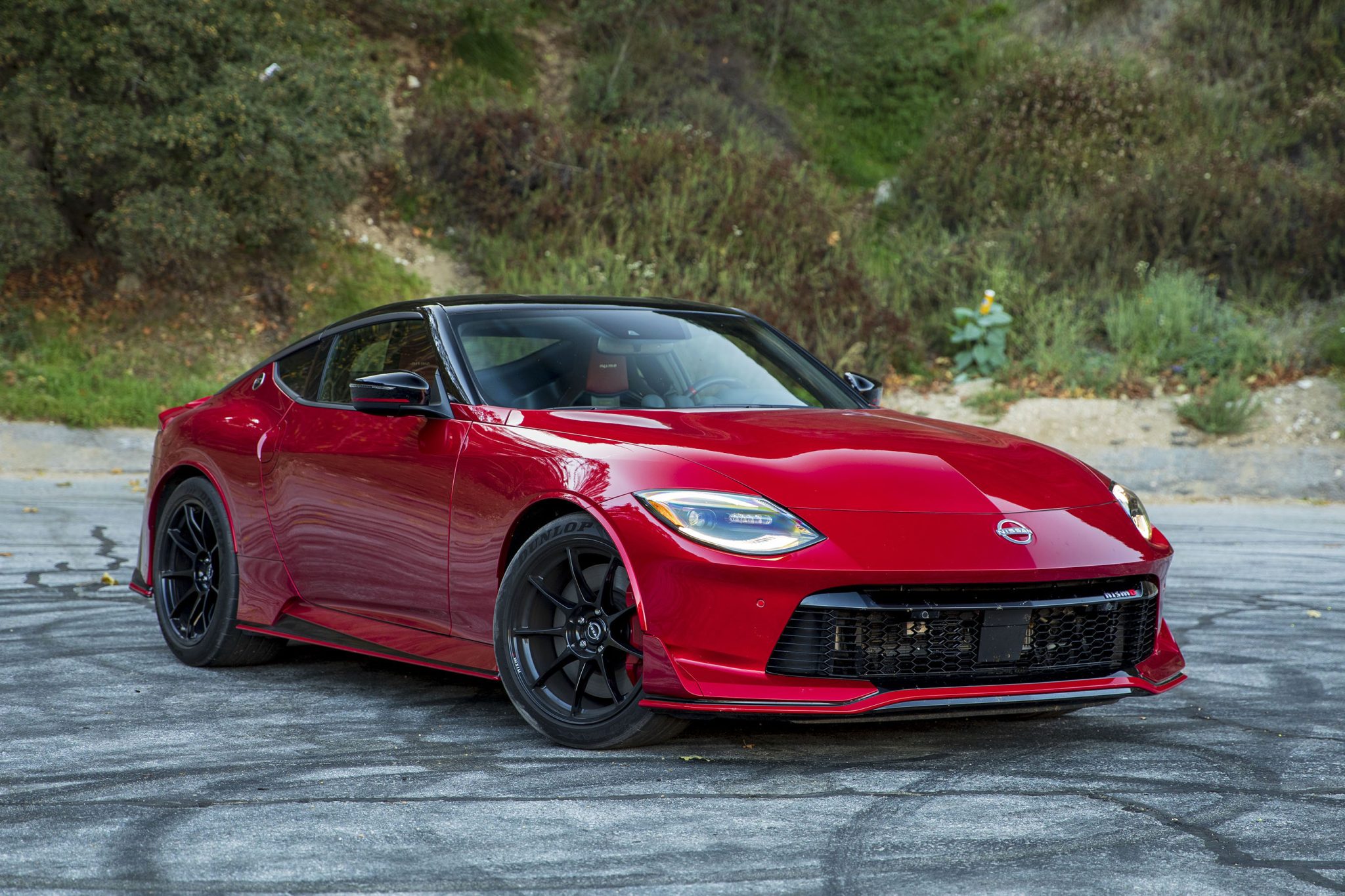
Car prices can vary sharply between Canada and the United States, even when the same model is sold with similar equipment. Currency exchange rates, transportation expenses, taxes, market demand, manufacturer pricing strategies, incentives, and government policies all affect the final amount buyers pay.
A vehicle that looks reasonably priced in Canadian dollars can become considerably more expensive after converting the price into US dollars. Meanwhile, certain models can offer a stronger value in the American market.
This guide compares five vehicles that can cost more in Canada and five models that may provide better pricing in the US, helping shoppers understand important cross-border price differences before purchasing a vehicle.
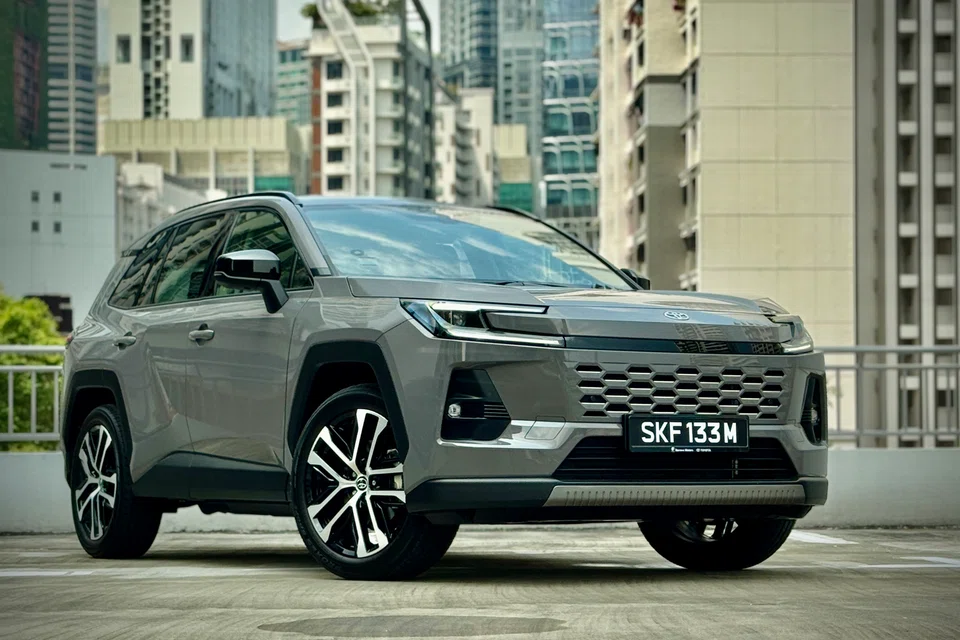
1. Toyota RAV4
The Toyota RAV4 is a major player in the compact SUV market in both Canada and the United States. Its strong reputation for reliability, practical interior space, fuel efficiency, and resale value keeps demand high.
Canadian buyers frequently see the RAV4 positioned as a desirable family vehicle, which gives Toyota considerable room to maintain pricing. The Canadian MSRP is listed in Canadian dollars, while the American equivalent is listed in US dollars, so comparing the numbers directly can create a misleading impression.
A proper comparison requires converting the Canadian price into US currency before deciding which market offers the better deal.
The RAV4 can become relatively expensive in Canada because Canadian vehicle pricing does not simply represent a straight currency conversion from American MSRP. Manufacturers establish separate pricing structures for each market.
Freight, distribution expenses, equipment levels, regional costs, and market conditions can influence those prices. Canadian buyers also face sales taxes that vary by province. This means the amount shown on a Canadian vehicle window sticker may not translate directly into the final amount paid by an American customer.
Trim selection can make the difference even larger. A base RAV4 in one market may have a different standard equipment package from the supposedly equivalent trim across the border.
Safety systems, infotainment features, all-wheel-drive availability, winter-oriented equipment, and hybrid powertrain choices can affect the comparison.
Buyers should therefore compare matching trims rather than simply searching for the cheapest starting MSRP. A lower Canadian starting price could disappear when similar equipment is added.
The RAV4’s popularity also matters. High demand can reduce the number of aggressive discounts available from dealers. When inventory is tight, customers may have fewer opportunities to negotiate the purchase price.
American dealerships operate in a much larger vehicle market, giving consumers access to a wider range of inventory and potentially more promotional offers. Regional competition can also influence how much a customer pays.
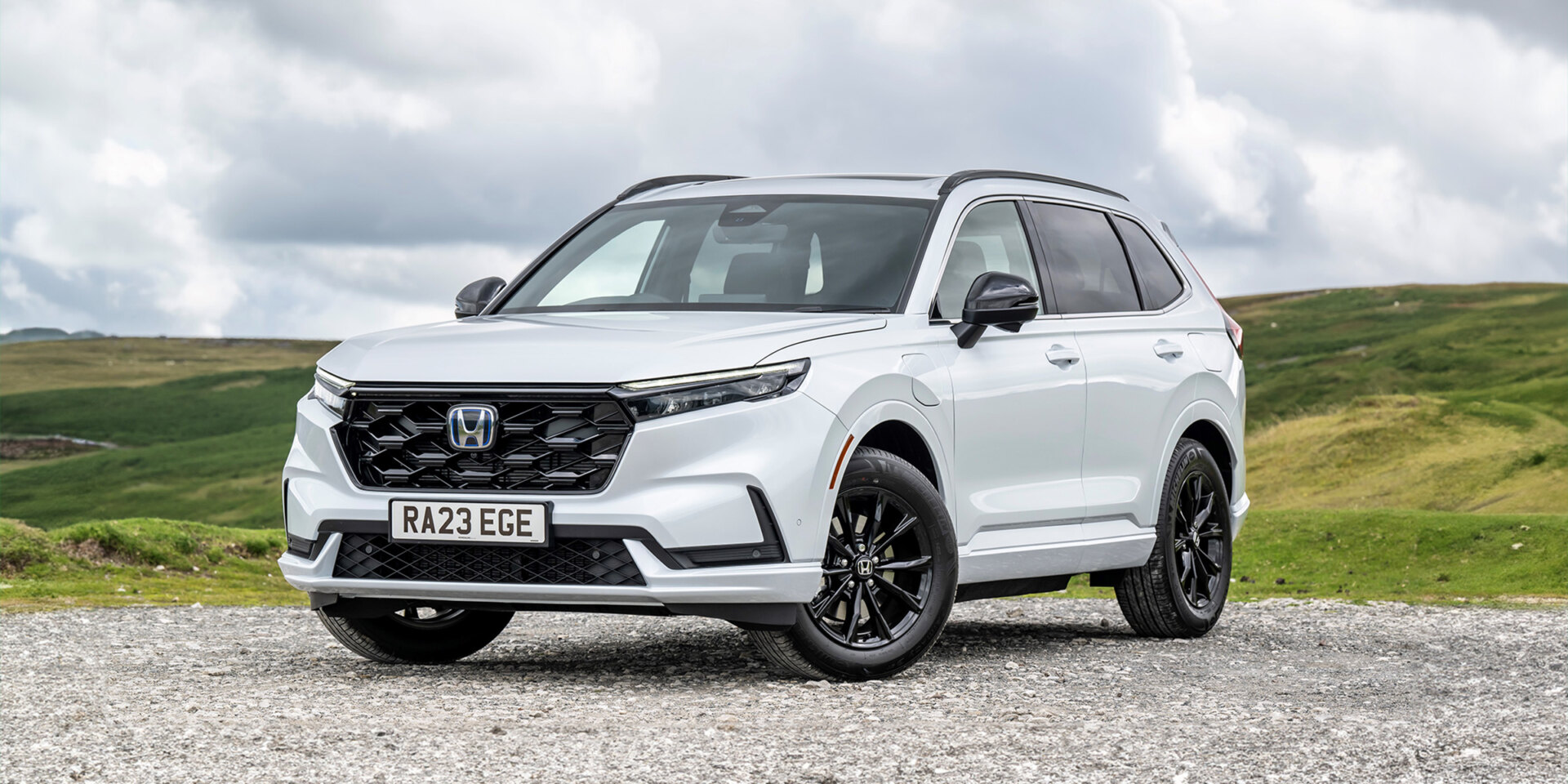
2. Honda CR-V
The Honda CR-V has long been popular with Canadian and American families because it combines practical dimensions with comfortable seating, useful cargo space, and efficient powertrains.
Hybrid versions add further appeal for drivers who want lower fuel consumption without moving completely to an electric vehicle. Since the CR-V competes in a highly popular SUV segment, pricing can differ noticeably between Canada and the US depending on the model year, trim, incentives, and inventory situation.
Canadian pricing can appear high after currency conversion because the Canadian MSRP may represent a larger US-dollar equivalent than consumers initially expect. For example, a vehicle advertised at a price that looks moderate in Canadian dollars can become substantially more expensive once converted.
This is particularly important when the Canadian dollar is weaker against the US dollar. Exchange rates can change the relationship between the two markets even when manufacturers leave their published prices unchanged.
Equipment is another factor worth considering. Canadian versions can sometimes include features that are optional or packaged differently in the American market.
Heated seats, heated steering wheels, winter-oriented features, all-wheel drive, and safety technology are especially relevant to Canadian customers. A Canadian buyer could therefore pay more but receive equipment that makes the price gap smaller than a basic currency comparison suggests.
Dealer incentives can further complicate the picture. Manufacturers may offer financing programs, cash incentives, lease deals, or special promotions in one country without providing an identical offer in the other.
Inventory levels can also influence transaction prices. A vehicle with abundant stock may be easier to negotiate, while a popular trim with limited availability can remain close to MSRP.
Anyone comparing the CR-V between Canada and the US should therefore focus on transaction value rather than sticker price alone. The correct comparison includes the same powertrain, trim, equipment, destination charges, financing terms, and applicable taxes.
When these factors are considered together, the US market can offer a stronger price on certain configurations, while a Canadian deal may become more competitive when equipment and local incentives are included.
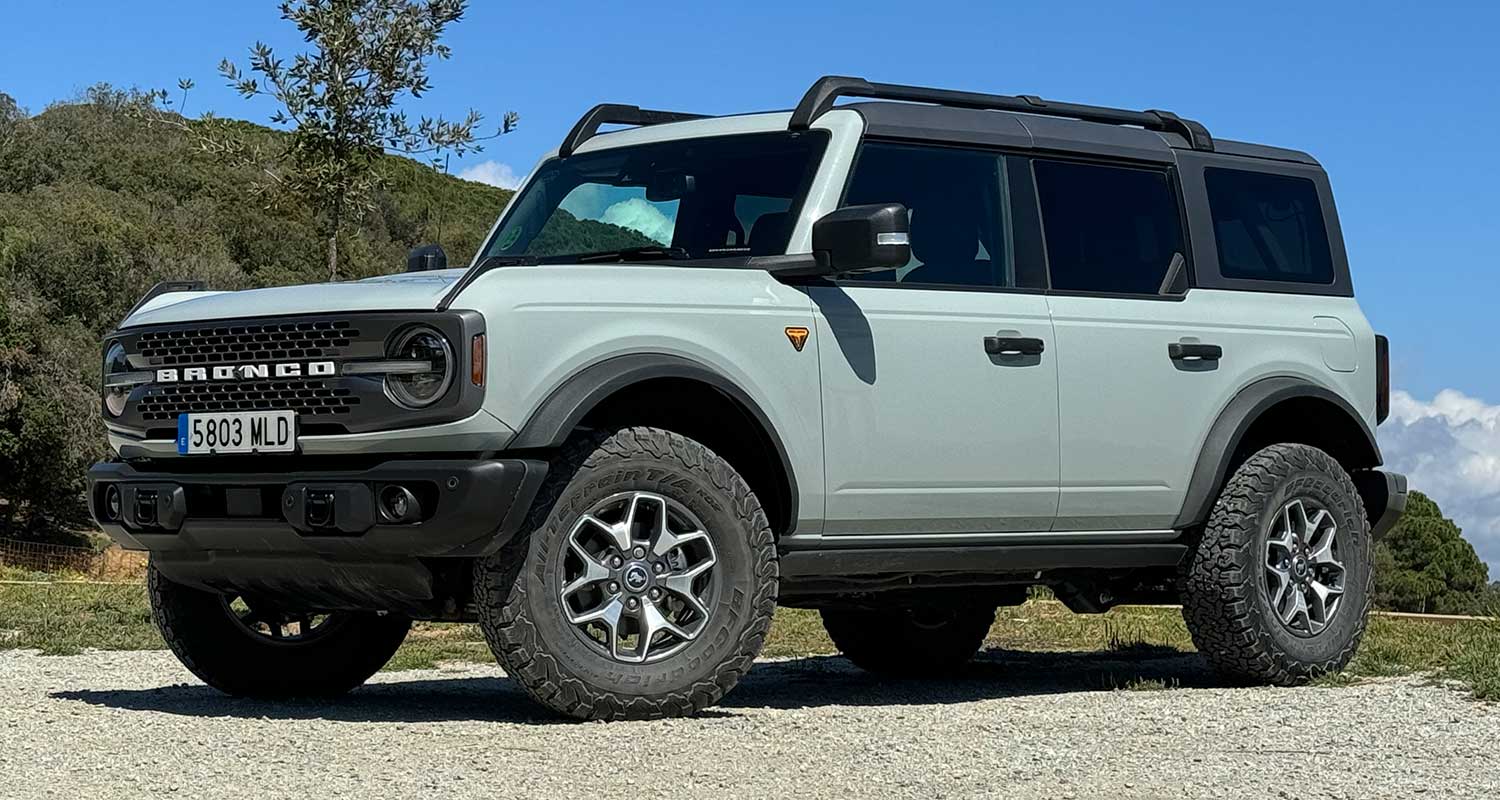
3. Ford Bronco
The Ford Bronco occupies a different position from mainstream compact SUVs because it is designed around off-road capability, distinctive styling, and strong enthusiast appeal.
It competes with vehicles such as the Jeep Wrangler and attracts buyers who want removable roof panels, rugged suspension systems, four-wheel-drive capability, and a lifestyle-oriented design. High demand for popular configurations can make pricing differences between Canada and the United States especially noticeable.
Canadian buyers can encounter a higher effective cost when the Bronco’s Canadian MSRP is converted into US currency. The gap may become more significant on higher trims and configurations with additional equipment.
Off-road packages, larger wheels, advanced suspension systems, stronger engines, and specialized accessories can quickly raise the purchase price. Buyers who begin with a seemingly reasonable base model can therefore end up spending considerably more after selecting the features they actually want.
Another factor is the way manufacturers organize their trim structures. A Canadian trim may not correspond perfectly to an American trim with the same name.
Standard equipment and optional packages can differ. This makes it risky to compare two listings based only on the model name. The correct process is to build equivalent vehicles in both markets and then compare their converted prices.
The Bronco also demonstrates how demand can influence pricing. Vehicles with strong enthusiast communities can maintain higher resale values, which can encourage manufacturers and dealers to keep transaction prices firm. When inventory is limited, customers may have less negotiating power.
The American market’s greater volume can sometimes provide more opportunities to locate a particular configuration at a competitive price.
For Canadian shoppers, the Bronco is a good example of why cross-border price research requires more than currency conversion. Buyers need to check Canadian and US specifications, destination charges, dealer discounts, financing programs, taxes, and registration costs.
A US purchase may appear attractive, but importing and registering a vehicle can introduce additional expenses and regulatory requirements that reduce the apparent savings.
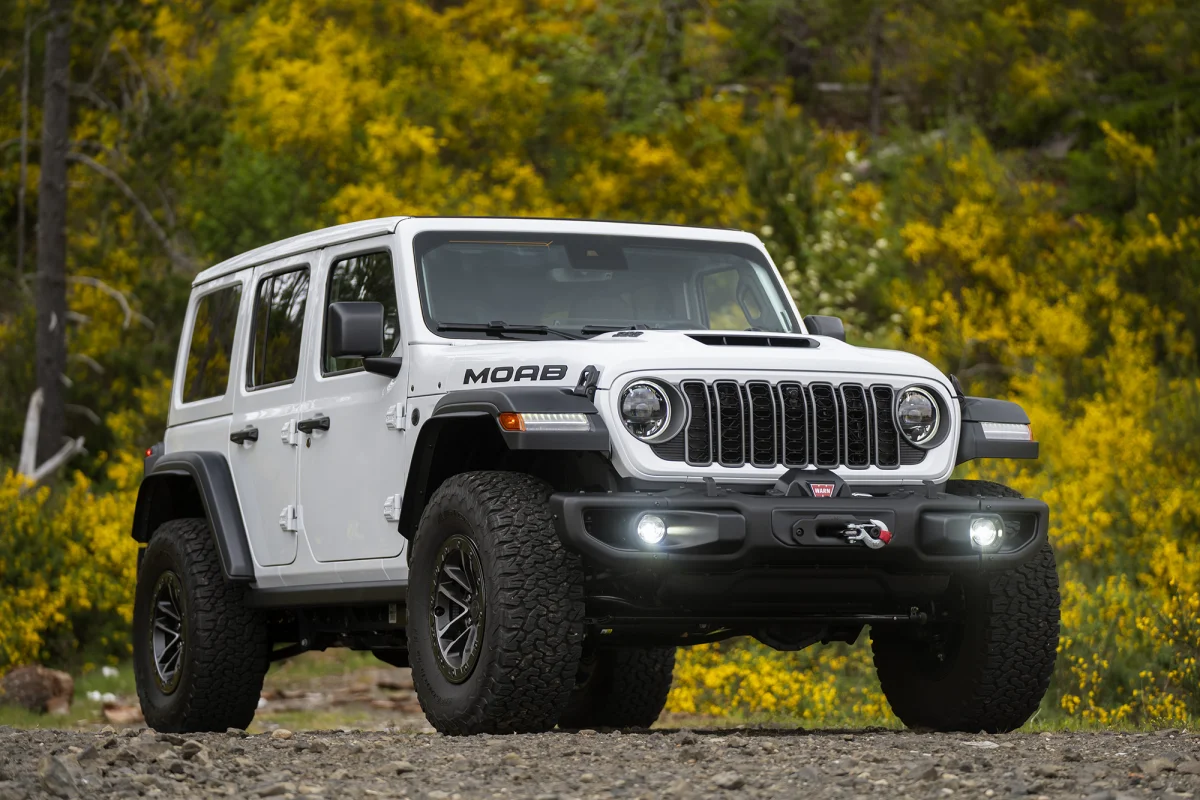
4. Jeep Wrangler
The Jeep Wrangler is another model that can show meaningful price differences between Canada and the United States. Its combination of four-wheel-drive capability, removable body panels, strong off-road hardware, and recognizable design has created a dedicated customer base.
Wrangler pricing varies significantly by trim because the lineup includes basic configurations as well as highly equipped versions designed for serious off-road use.
Canadian buyers can find the Wrangler relatively expensive after converting the Canadian MSRP into US dollars. The difference can become particularly important for buyers considering higher trims.
Larger engines, specialized suspension systems, locking differentials, upgraded tires, premium interiors, and advanced off-road equipment can raise the price quickly. A direct comparison therefore needs to focus on equivalent configurations.
Fuel costs also deserve attention. The Wrangler’s off-road capability comes with compromises in aerodynamics, weight, and fuel consumption.
Canadian gasoline prices vary by province, just as American fuel prices vary by state. A vehicle that is more expensive to purchase can also have higher operating expenses depending on how it is driven. For shoppers choosing between markets, the purchase price is only part of the financial calculation.
Dealer inventory can influence Wrangler pricing as well. Certain colors, engines, body styles, and packages can be easier to find in the US.
A larger selection may give American buyers more opportunities to compare dealers and negotiate. Canadian shoppers may find that a desired configuration is less readily available in their region, potentially reducing their ability to obtain a large discount.
The Wrangler illustrates why the US can sometimes provide a better price on a popular vehicle, but importing a vehicle is not automatically a money-saving strategy. Transportation, exchange rates, taxes, registration, insurance, financing, and compliance requirements can reduce the advantage.
A buyer should calculate the complete cost before assuming that the lower American MSRP represents the actual amount saved.
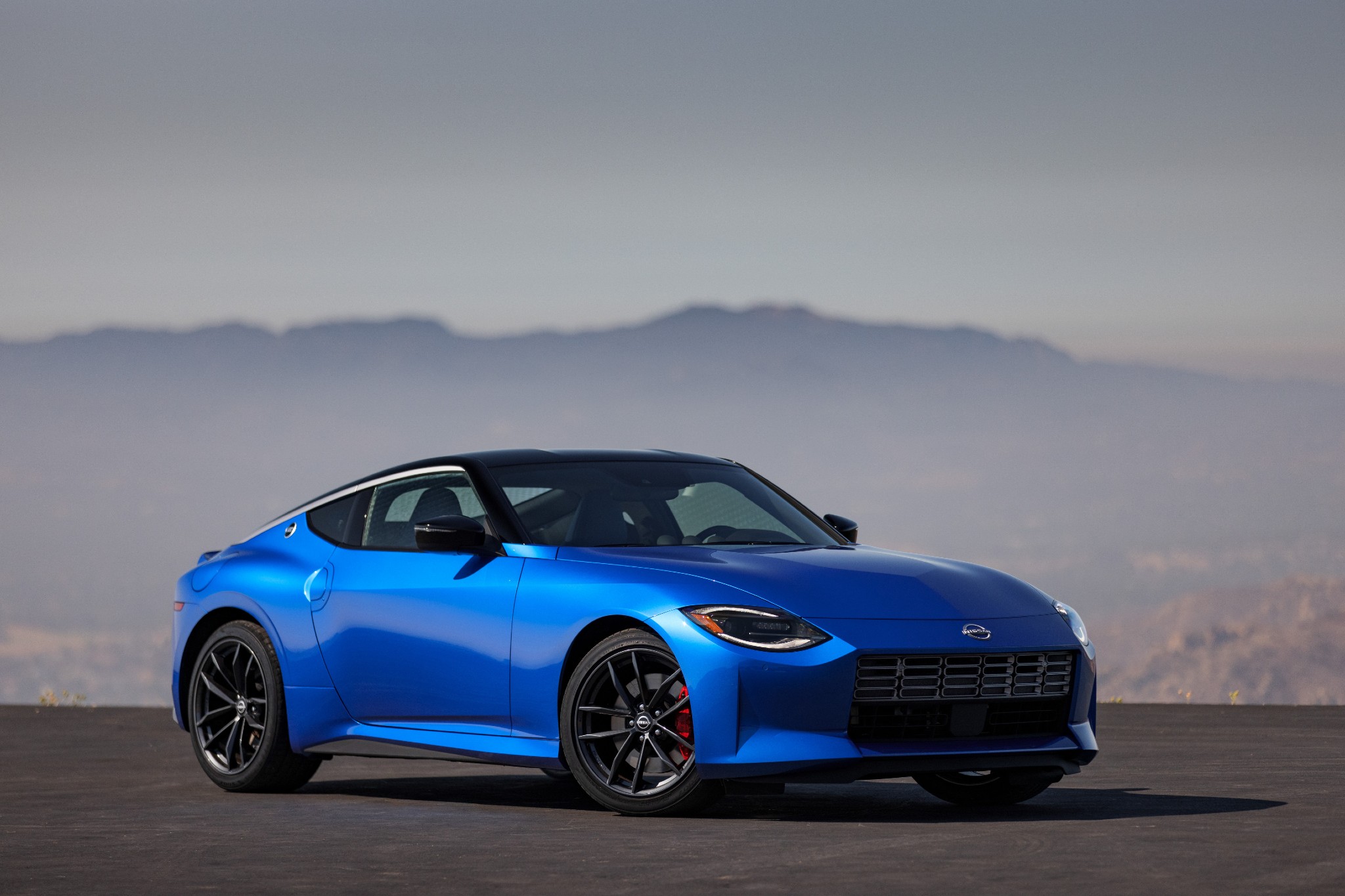
5. Nissan Z
The Nissan Z is a sports car with a very different pricing structure from everyday family vehicles. It appeals to enthusiasts who want rear-wheel drive, a twin-turbocharged V6, distinctive styling, and the choice of manual or automatic transmission.
Sports cars often have smaller sales volumes than SUVs, which means manufacturer pricing and dealer inventory can behave differently across Canada and the United States.
Canadian pricing can translate into a higher US-dollar cost than an equivalent American model. The difference becomes important for enthusiasts because performance cars frequently carry substantial option and trim premiums.
A higher trim can add technology, braking equipment, interior upgrades, wheels, and other features that push the final price upward.
Exchange rates are particularly important when considering an expensive sports car. A small percentage difference in currency conversion can represent thousands of dollars on a vehicle with a higher MSRP.
Canadian buyers should therefore avoid using an old exchange rate when comparing a current vehicle. The value of the Canadian dollar changes continuously, meaning the relative advantage between the two markets can change over time.
The Z also demonstrates the importance of availability. If a Canadian dealer has limited stock, the buyer may have fewer choices. American shoppers may have access to a larger pool of vehicles because the US market is much larger.
This can create more opportunities to locate a particular color, transmission, trim, or option package at a competitive transaction price.
For an enthusiast, the best comparison is the final delivered cost rather than the advertised MSRP. The calculation should include the vehicle price, exchange rate, transportation, applicable taxes, registration, insurance, financing, and any import-related expenses.
A US Z may look cheaper on paper, but the difference must be large enough to cover those additional costs before the purchase makes financial sense.
5 Cars That Can Be Cheaper in the US
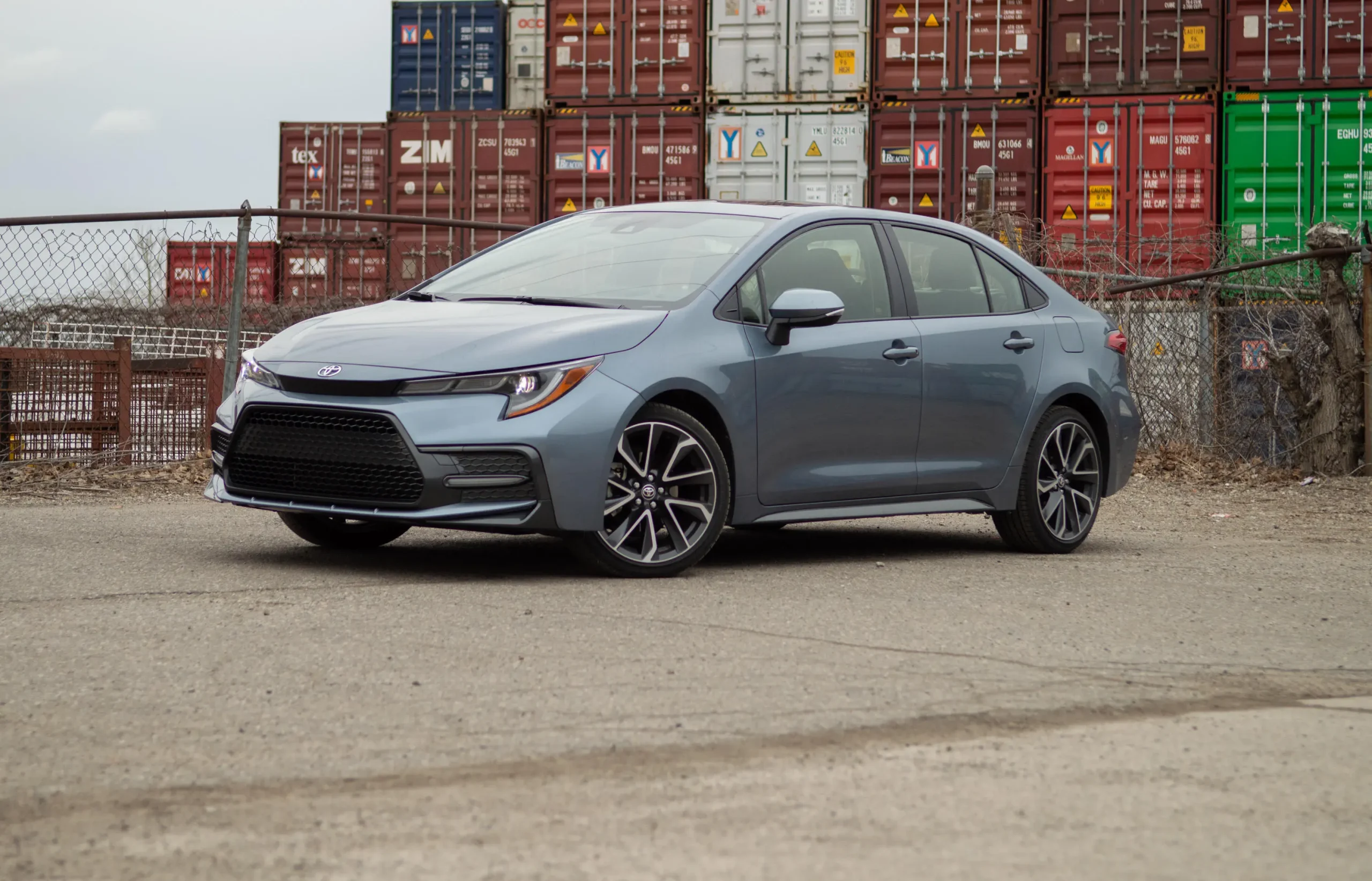
1. Toyota Corolla
The Toyota Corolla is known for affordability, reliability, fuel efficiency, and relatively low running costs. It is sold in both Canada and the United States, making it a useful example for comparing North American vehicle pricing.
The Corolla is also available in several configurations, so buyers need to make sure they are comparing equivalent trims rather than assuming every version has identical equipment.
American buyers can sometimes benefit from lower effective pricing because the US market has enormous sales volume and extensive dealer competition.
A larger customer base allows manufacturers to sell significant numbers of vehicles, while dealers may have more inventory available. This can create opportunities for discounts and incentives that are not always matched in Canada.
Canadian buyers may also face higher freight and other mandatory charges depending on the vehicle and province. Nissan’s current Canadian listings, for example, show that advertised MSRPs can have several additional charges added before taxes and licensing.
Similar fee structures apply differently across manufacturers and jurisdictions, so comparing advertised prices without reviewing the full purchase breakdown can produce an inaccurate result.
The Corolla’s affordability makes small price differences meaningful. A difference of a few thousand dollars can represent a significant percentage of the total purchase price. Buyers shopping on a tight budget should therefore compare financing rates, dealer incentives, warranty coverage, and ownership expenses in addition to MSRP.
The US can offer a stronger deal on particular Corolla configurations, but that does not mean every Corolla is cheaper there. Prices change by model year, trim, region, dealer inventory, exchange rate, and promotional program.
A Canadian buyer should use a current exchange rate and compare a specific vehicle in both markets before making a decision.
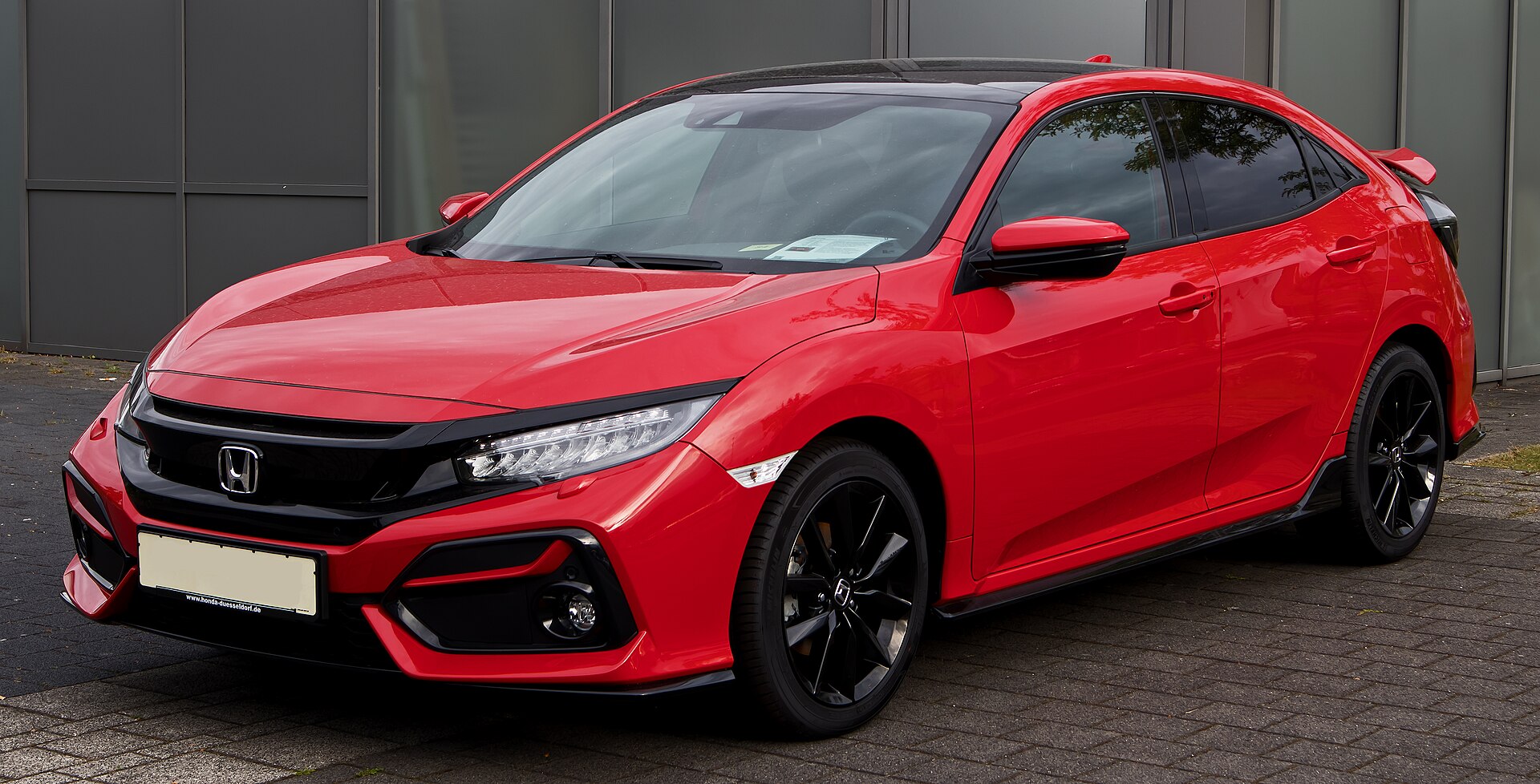
2. Honda Civic
The Honda Civic has a long history in both countries and remains an important choice for buyers seeking a practical compact car.
Its combination of fuel economy, comfortable driving characteristics, modern technology, and strong resale demand makes it competitive in the compact segment. The Civic is also manufactured and sold within the broader North American automotive supply chain, which can help keep its availability strong.
American pricing can be attractive on certain Civic trims because US dealers compete across a much larger market.
The size of the American market gives consumers access to more dealerships, more inventory, and a wider range of regional promotions. When several dealers are selling similar vehicles, buyers may have more leverage to negotiate the transaction price.
Canadian pricing can become relatively high once the Canadian dollar is converted into US currency. This is particularly relevant when the exchange rate is unfavorable. A Canadian MSRP that appears close to the American price in numerical terms can actually represent a higher value in US dollars.
Equipment differences need careful attention. The Civic is sold in several trims, and standard features can vary by market.
A buyer comparing a Canadian model with an American vehicle should check engine type, transmission, safety technology, infotainment equipment, heated features, wheels, and available packages. A cheaper vehicle with fewer features is not necessarily a better value.
For someone researching the Civic, the most useful method is to compare complete purchase quotes. Look beyond the headline price and include freight, dealer charges, taxes, financing costs, and registration.
This approach makes it easier to determine whether the American market genuinely offers savings or whether the apparent advantage disappears once every cost is included.
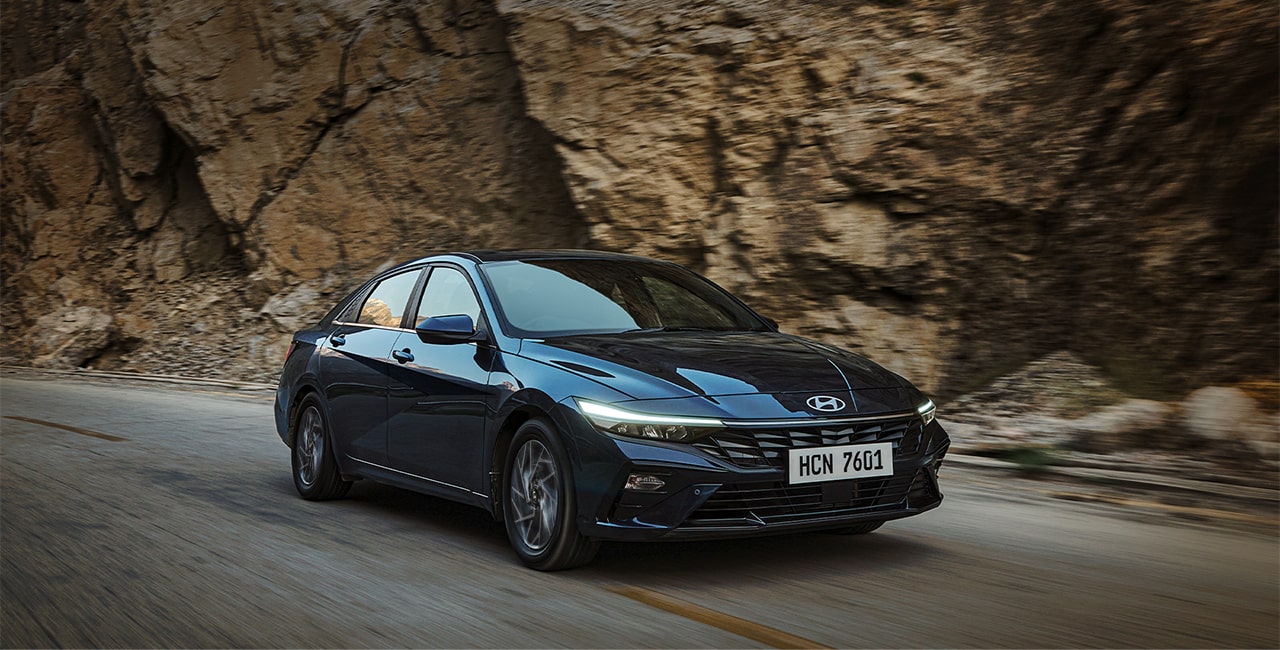
3. Hyundai Elantra
The Hyundai Elantra is another compact sedan that can demonstrate the differences between Canadian and American pricing.
Its competitive equipment list, efficient engines, attractive warranty coverage, and affordable positioning make it popular among buyers who want a practical new vehicle without moving into the higher price range of an SUV.
The US market can sometimes provide a lower effective price because manufacturers and dealers compete aggressively in the compact-car segment.
American consumers have access to a large number of dealerships, and regional incentives can create significant differences in transaction prices. This is particularly relevant when dealers are trying to clear inventory before a new model year arrives.
Canadian pricing can be affected by transportation, distribution, currency, and market size. Canada has a smaller population and vehicle market than the United States, so the same model may be positioned differently by the manufacturer.
Canadian buyers can also face different provincial taxes and fees, which means the final purchase cost varies depending on where the vehicle is registered.
The Elantra is a good reminder that affordability is not determined by MSRP alone. Insurance costs, financing rates, fuel consumption, maintenance, warranty coverage, and expected resale value all contribute to ownership expenses.
A slightly cheaper American purchase price may not provide a meaningful advantage if the additional costs of acquiring and registering the vehicle in Canada are substantial.
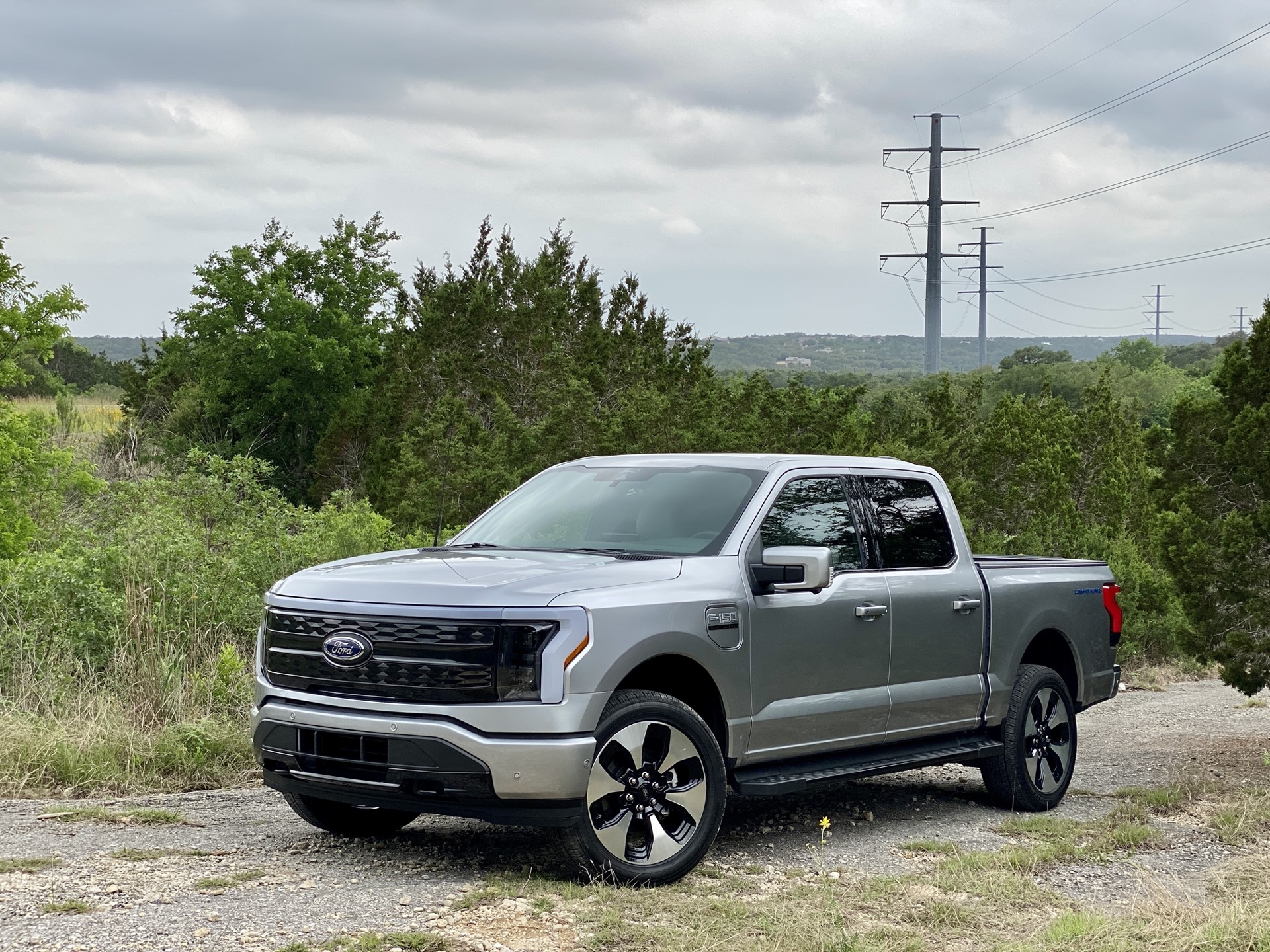
4. Ford F-150
The Ford F-150 is among the most recognizable pickup trucks in North America and is sold in a broad range of configurations.
Buyers can choose from different cab styles, bed lengths, engines, trims, and equipment packages. This variety means the price difference between Canada and the United States can vary substantially depending on the specific truck being compared.
The US market has a particularly strong advantage in scale when it comes to full-size pickups. Millions of consumers purchase trucks across the country, and dealerships frequently carry large inventories.
That can increase competition between sellers and create opportunities for discounts, especially on trucks that have been sitting on dealer lots for extended periods.
Canadian buyers can encounter higher effective pricing after converting Canadian MSRP into US dollars. The difference may become larger when comparing well-equipped trucks because a small percentage price gap becomes a much larger dollar amount on an expensive configuration. Additional packages can also raise the price rapidly.
Truck pricing is especially sensitive to incentives. Manufacturers often use financing offers, cash rebates, fleet programs, and dealer discounts to stimulate demand.
These promotions can vary between Canada and the US. A truck with a high advertised MSRP may sell for much less in a competitive American market.
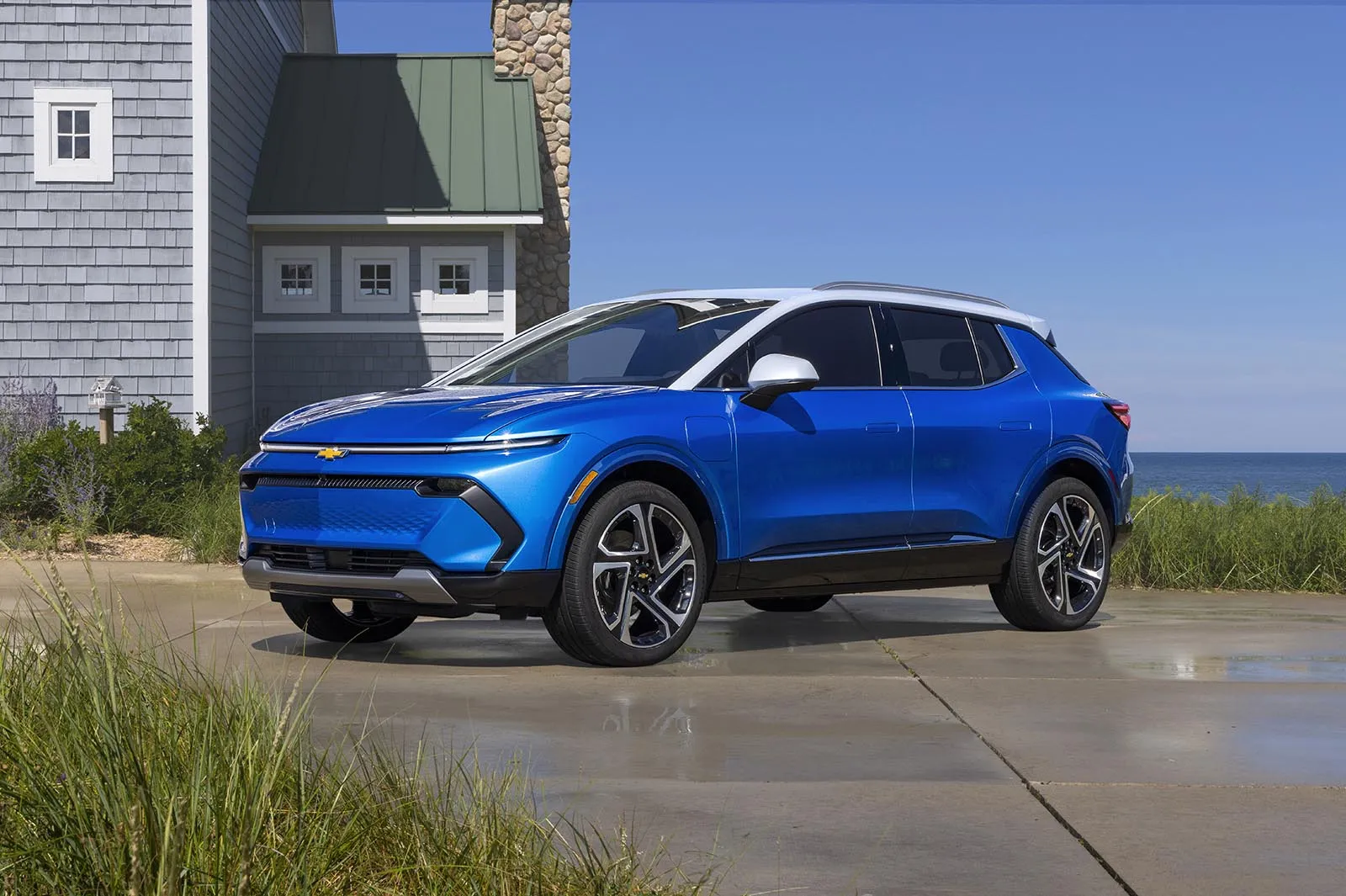
5. Chevrolet Equinox
The Chevrolet Equinox is a compact SUV designed for buyers who want a practical vehicle with passenger space, cargo capacity, and everyday usability.
SUVs remain highly competitive in North America, and Chevrolet sells the Equinox in both countries. This makes it another useful model for examining how pricing strategies can differ across the border.
American buyers can sometimes find stronger transaction prices because of the sheer size of the US vehicle market.
Chevrolet has a large dealer network, and regional competition can create substantial differences between advertised MSRP and the price customers actually negotiate. Dealer inventory also plays an important role, particularly when a dealership has many similar vehicles available.
Canadian customers may see a higher effective cost after converting the Canadian price into US dollars. Canadian vehicle pricing also needs to be evaluated with local freight, dealer fees, taxes, and registration costs in mind.
These expenses vary according to province and transaction, so there is no single final Canadian price that applies to every shopper.
The Equinox also shows why a fair comparison needs matching equipment. An American base model may look significantly cheaper than a Canadian higher-trim vehicle, but the comparison becomes meaningless if the two vehicles have different powertrains or feature packages. Buyers should build two similarly equipped vehicles and then compare their total prices.
