
The Toyota RAV4 has built a strong reputation for holding its value, making it a difficult SUV to beat in depreciation. Current iSeeCars data shows that the RAV4 retains about 75 percent of its value after five years, placing it near the top of the SUV market.
However, the same benchmark reveals several SUVs that come close or surpass it in specific categories. This article examines ten strong resale performers, explains their five-year value retention, and compares them with the RAV4. The figures also show why buyers should look beyond popularity when judging long-term ownership costs and resale potential.
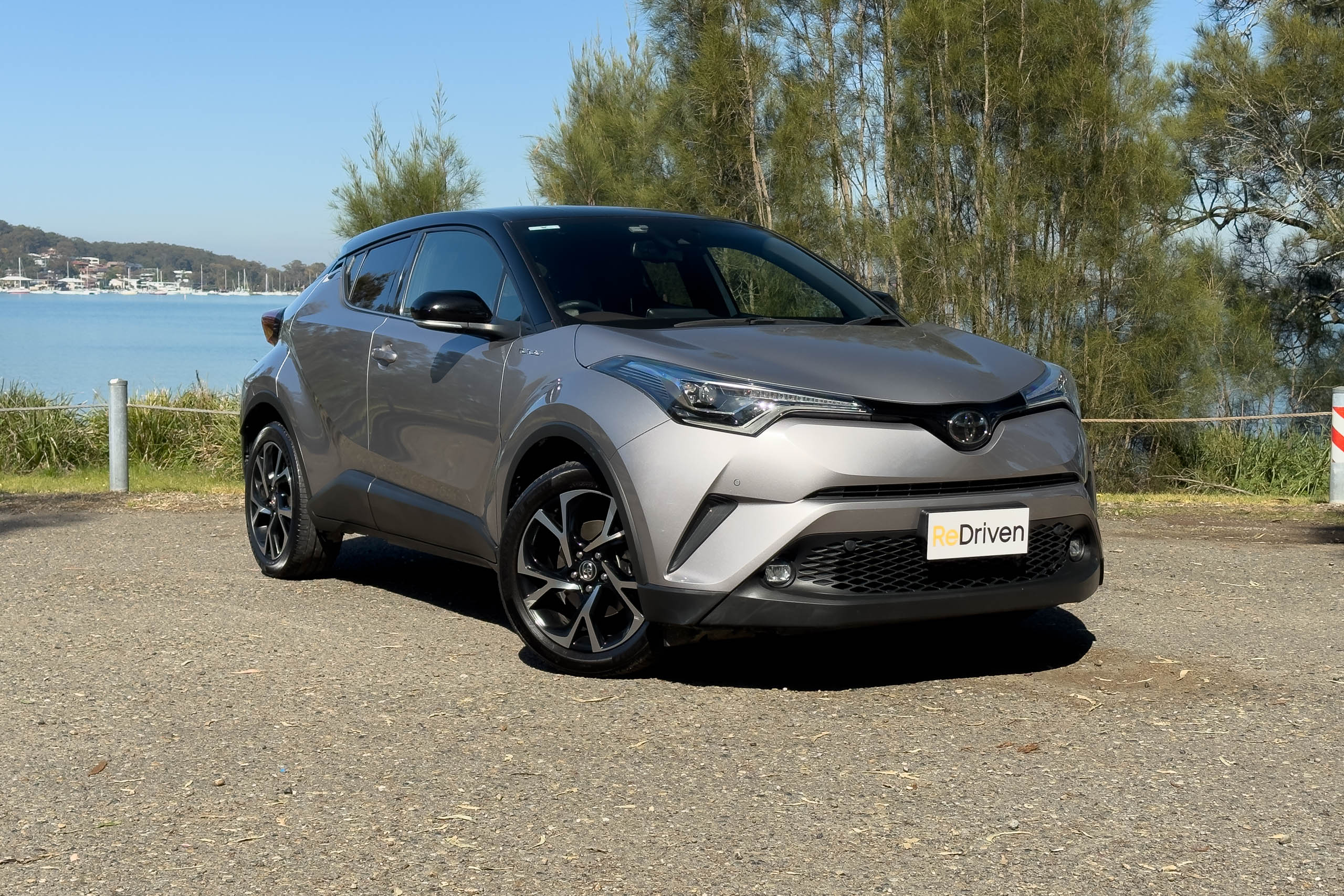
1. Toyota C-HR
The Toyota C-HR is the clearest SUV that challenges the RAV4 in iSeeCars’ current crossover ranking. The C-HR retains 75.6 percent of its value after five years, compared with 75 percent for the RAV4.
That difference is small, but it technically puts the C-HR ahead in the crossover category. The result demonstrates how closely some Toyota models compete with the RAV4 when depreciation is measured over a five-year ownership period.
The C-HR has a different appeal from the RAV4. It is smaller and more urban-focused, making it easier to position as a compact city crossover.
Buyers who do not need the RAV4’s additional interior and cargo space may find the C-HR’s dimensions more convenient. A smaller vehicle can also appeal to used buyers seeking an affordable crossover rather than a family-oriented compact SUV.
The five-year resale result is particularly interesting because the C-HR is not necessarily the better vehicle for every buyer. iSeeCars’ comparison gives the RAV4 advantages in fuel economy, resale value in that particular comparison, interior volume, and base engine power.
The C-HR’s advantage is its lower typical used-car pricing range. That makes it a useful example of why resale percentage and total resale price are not identical concepts.
A strong resale percentage can make a difference when calculating ownership costs. Suppose two vehicles have similar purchase prices, but one loses several percentage points more of its original value.
The difference can become meaningful when the owner sells or trades the vehicle. The C-HR’s 75.6 percent retention indicates that depreciation has remained relatively limited compared with many vehicles in the crossover market.
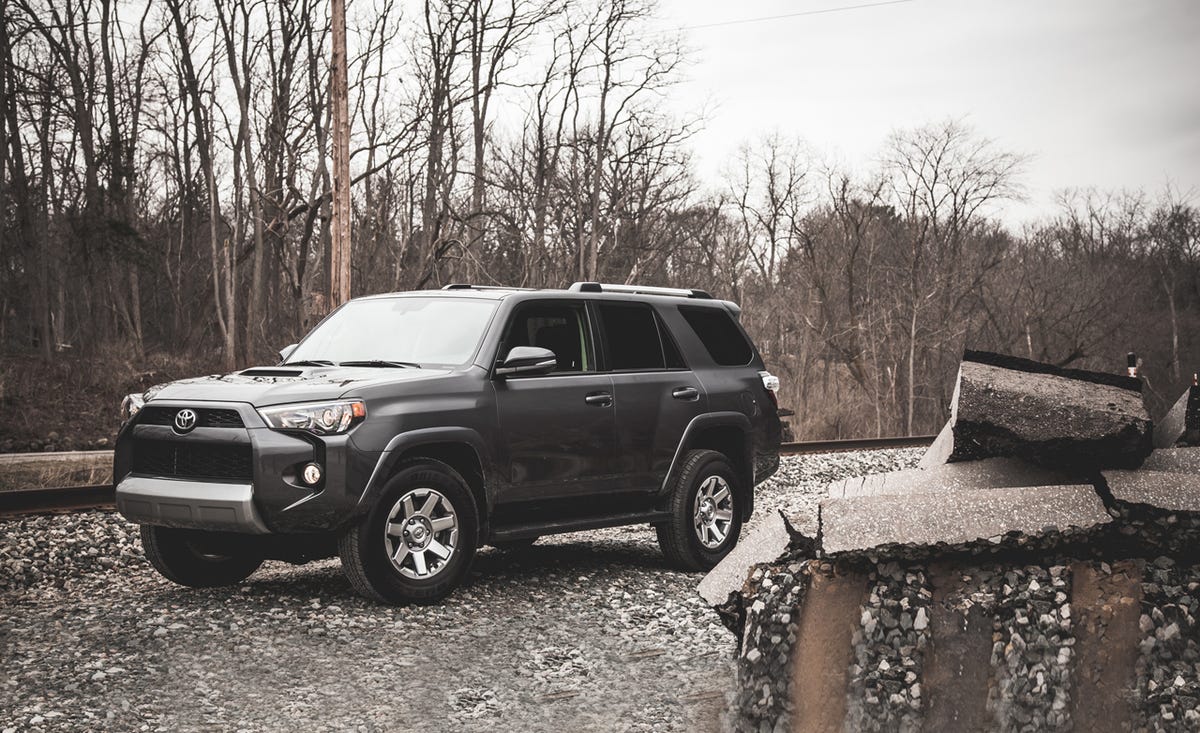
2. Toyota 4Runner
The Toyota 4Runner is another major resale-value performer, retaining approximately 74.6 percent of its value after five years in the current iSeeCars ranking. That is only a fraction below the RAV4’s 75 percent figure.
The difference is small enough to show how unusually strong Toyota’s resale performance can be across very different SUV categories. The 4Runner ranks first among midsize SUVs in the iSeeCars resale-value list.
The 4Runner has a very different purpose from the RAV4. It is larger, more rugged and designed with off-road capability in mind. Buyers interested in towing, trails, rough terrain and traditional SUV characteristics may prefer its design. Those capabilities also help create a distinctive used-car market, since shoppers looking for a rugged midsize SUV have fewer direct alternatives with the same identity.
Its resale performance illustrates the influence of reputation and capability. A vehicle does not necessarily need to be the newest or most technologically advanced model to retain value.
Strong demand among buyers who specifically want a certain type of vehicle can support used prices. The 4Runner’s long-standing reputation as a durable, body-on-frame SUV contributes to its appeal in the second-hand market.
The financial trade-off is that the 4Runner generally costs more to operate than a RAV4. Fuel economy is considerably lower, and buyers who never use its off-road or towing capabilities may be paying for abilities they rarely need.
Resale value is only one part of total ownership cost. Insurance, fuel, maintenance, financing and purchase price should also be considered before deciding which SUV offers the better financial package.
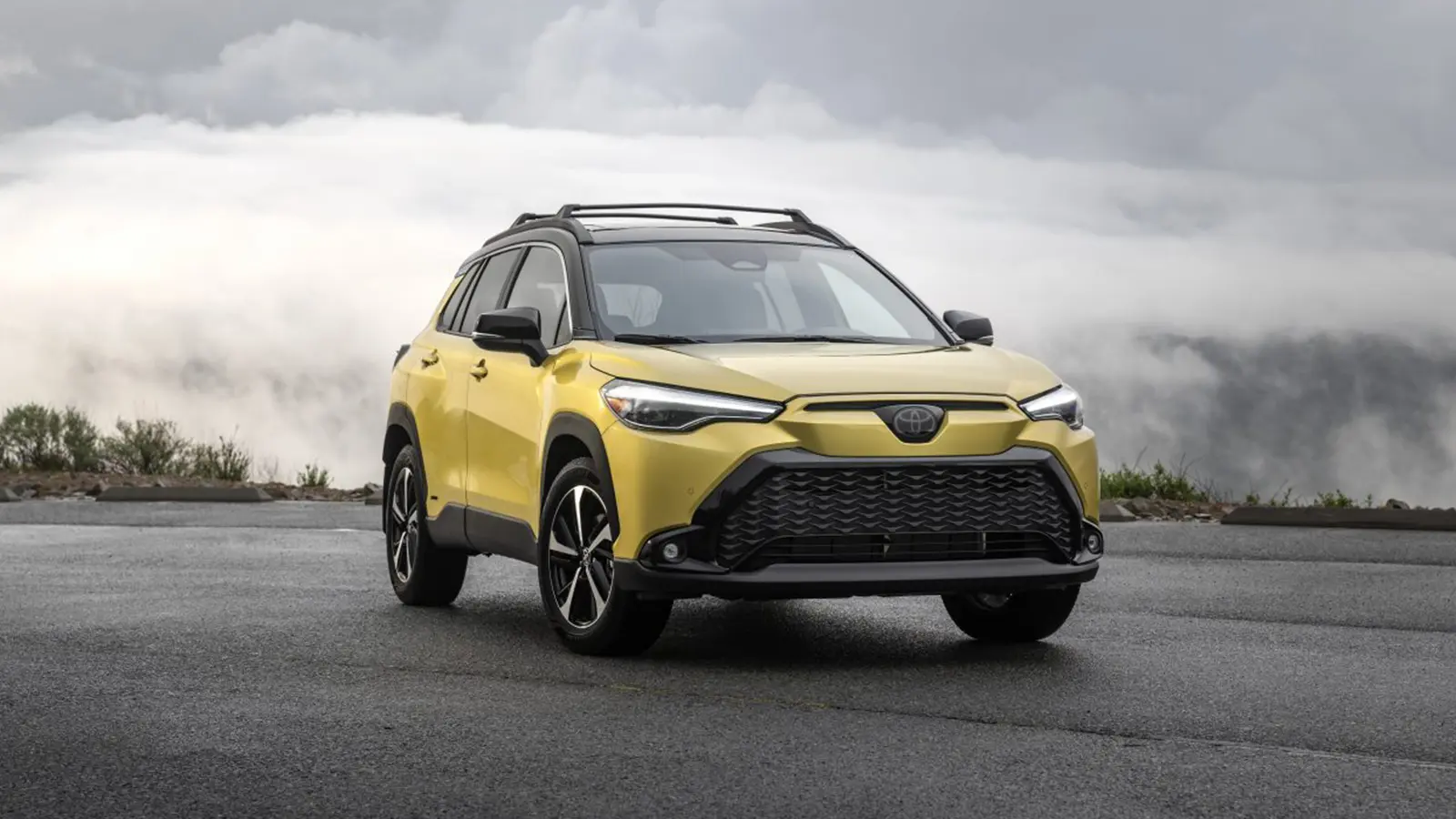
3. Toyota Corolla Cross
The Toyota Corolla Cross retains approximately 73.3 percent of its value after five years, according to iSeeCars. That puts it below the RAV4’s 75 percent figure but ahead of most small SUVs.
It ranks second among small and compact SUVs in the current iSeeCars resale-value list. The result is significant because the Corolla Cross competes in a price-conscious segment where affordability and practicality strongly influence used-car demand.
The Corolla Cross appeals to buyers who want an SUV format without moving into the larger dimensions and pricing associated with vehicles such as the RAV4.
Its smaller footprint makes it practical for urban driving, while its elevated seating position provides the crossover experience many shoppers now expect. That combination can help maintain demand as these vehicles move from new-car lots into the used market.
Its relationship with the RAV4 is particularly interesting. Both are Toyota crossovers, and both benefit from the manufacturer’s broad reputation for reliability and long-term ownership. Yet the Corolla Cross occupies a lower price position. For some used buyers, a five-year-old Corolla Cross may represent a more attainable purchase than a similarly aged RAV4, helping maintain demand across different budget levels.
The 73.3 percent retention figure also means the Corolla Cross loses less value than the average small SUV. iSeeCars places the average five-year resale value for small and compact SUVs at about 59.6 percent.
That gap shows that strong resale performance is not limited to vehicles that completely dominate their category. A model can lose more value than the RAV4 while still performing exceptionally well against the wider market.
For buyers considering long-term ownership, the Corolla Cross is therefore worth watching. It does not beat the RAV4 on the current five-year retention percentage, but it comes reasonably close while offering a smaller and potentially more affordable package. Its strong ranking confirms that Toyota’s resale strength extends beyond the RAV4 nameplate.
4. Honda CR-V
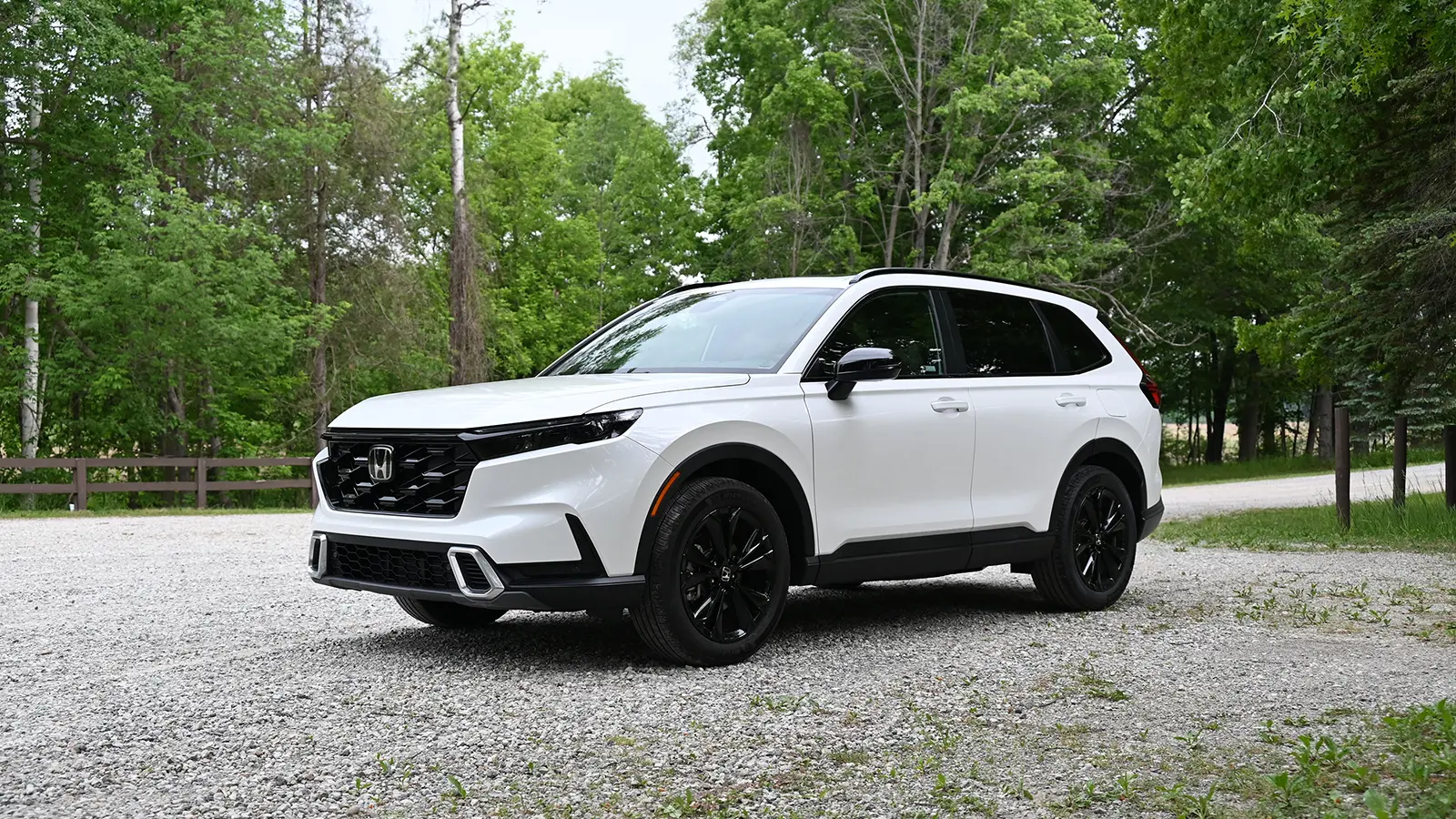
The Honda CR-V retains about 71.1 percent of its value after five years in the current iSeeCars ranking. That figure trails the RAV4 but still puts the CR-V near the top of the compact SUV segment.
It ranks third among small and compact SUVs for resale value, demonstrating that Honda has maintained strong used-market demand for its popular crossover.
The CR-V has a broad appeal because it combines family-friendly space with manageable dimensions and efficient powertrains. Used buyers often prioritize practical features such as cargo room, comfortable seating, and reasonable running costs. A vehicle that meets those needs can remain attractive after several years, supporting resale prices.
Honda’s established reputation also matters. Brand perception can influence used-car shopping decisions, particularly when buyers are choosing between several vehicles with similar specifications. A buyer may be willing to pay more for a used CR-V because the model has a familiar reputation and a large population of vehicles already on American roads.
The CR-V’s depreciation figure also shows that the RAV4 does not operate in isolation. It faces strong competition from other mainstream compact SUVs. The iSeeCars data places both models substantially ahead of the average SUV and compact SUV depreciation rates. That means buyers do not have to choose the RAV4 to get strong value retention.
The CR-V is therefore best viewed as a strong RAV4 alternative rather than a vehicle that currently beats it. Its 71.1 percent five-year retention remains impressive, particularly for shoppers who value interior practicality and Honda’s ownership proposition. If resale value is important but not the only deciding factor, the CR-V belongs near the top of the shopping list.
5. Toyota Grand Highlander
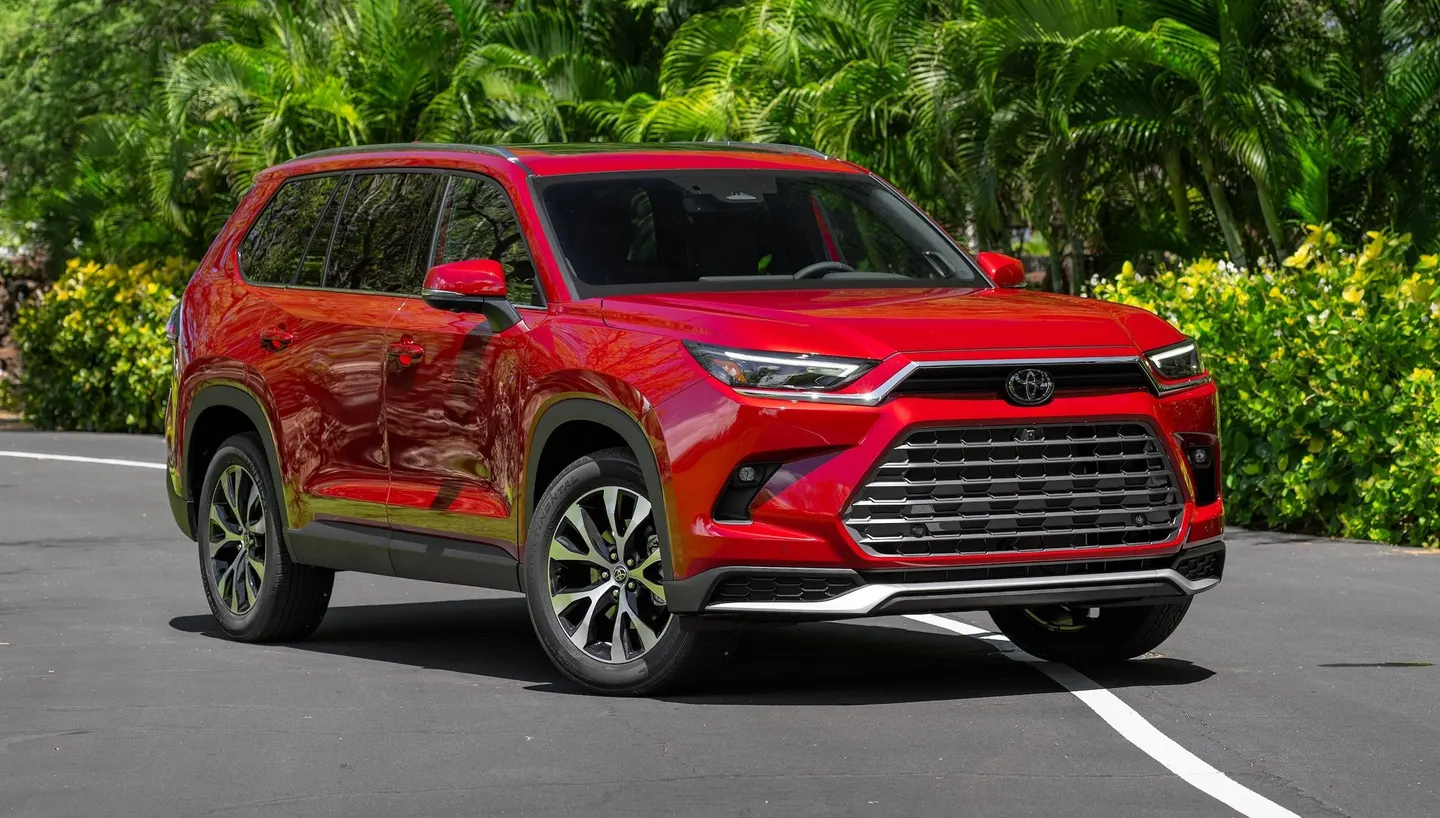
The Toyota Grand Highlander retains approximately 69.6 percent of its value after five years in the current iSeeCars ranking. It ranks first among three-row SUVs, which is notable because larger family vehicles generally face substantial depreciation.
The Grand Highlander’s result gives Toyota another strong position in the resale-value market, even though its retention percentage remains below the RAV4 benchmark.
Size can create challenges for resale value because larger SUVs often have higher purchase prices and operating expenses.
The Grand Highlander counters some of that concern by offering a useful combination of passenger capacity, cargo space and family-oriented practicality. Buyers looking for three rows may be willing to pay a premium for a used example that provides substantial space without moving into a full-size SUV.
The vehicle also benefits from Toyota’s reputation in the resale market. The same brand appears repeatedly near the top of iSeeCars’ SUV rankings, including the RAV4, 4Runner, Land Cruiser, Sequoia and Grand Highlander. That pattern suggests that brand-level demand can be an important component of long-term value retention, even though each model has its own depreciation profile.
A Grand Highlander is not necessarily the best financial choice for someone who needs only two rows. Buying a larger SUV simply because it retains value can increase fuel, insurance, and purchase costs.
The right calculation depends on how much space the owner actually needs. Resale value should be used to compare vehicles that meet similar requirements rather than justify buying a vehicle that is unnecessarily large.
The Grand Highlander’s 69.6 percent retention still deserves recognition. It does not beat the RAV4, but it is the leading three-row SUV in the current iSeeCars ranking. For families who require three rows, it provides an example of how choosing a high-demand model can help reduce depreciation over several years.
6. Honda HR-V
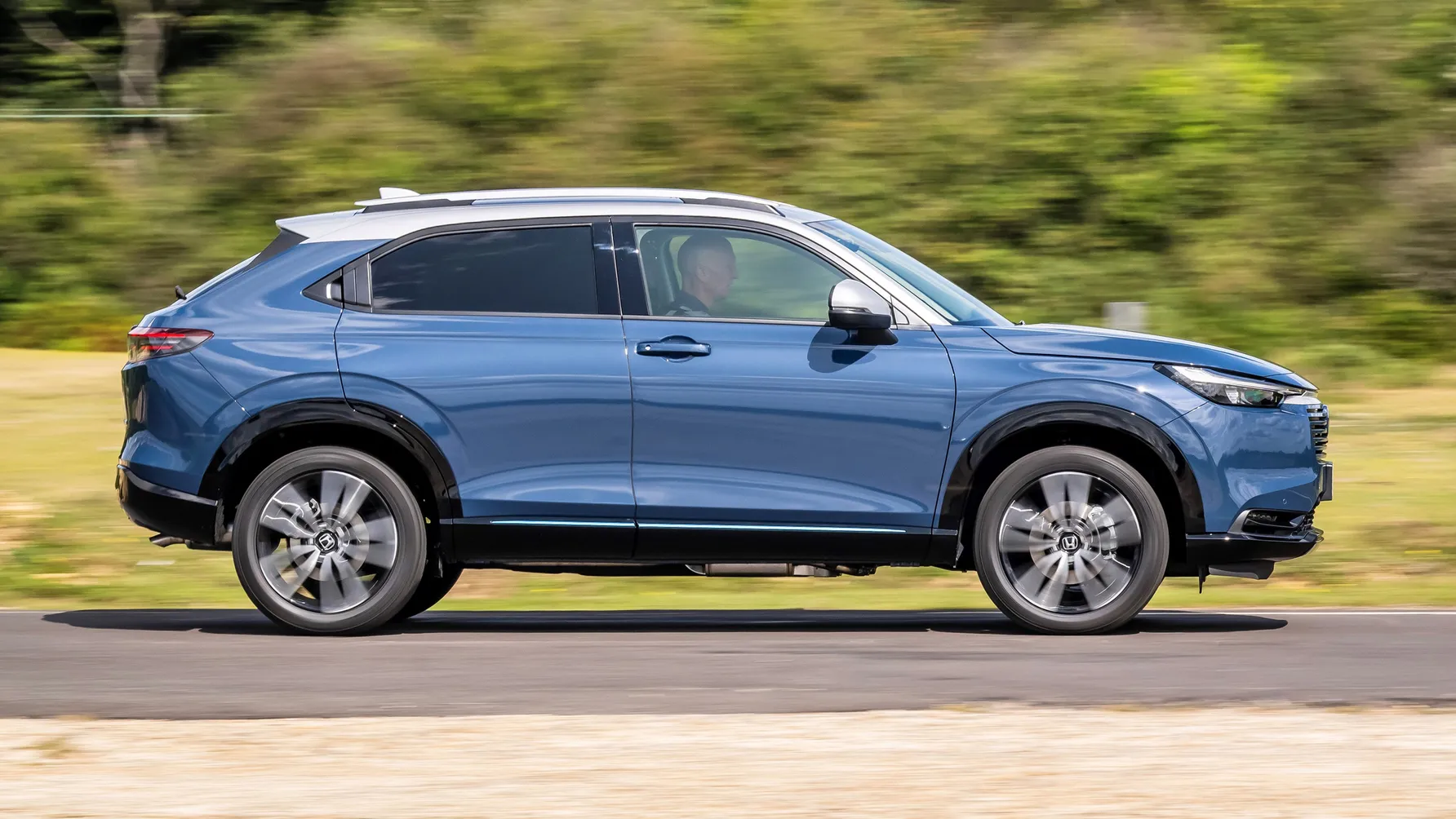
The Honda HR-V records a five-year resale value of about 71.3 percent in the current iSeeCars SUV ranking. It ranks second among subcompact SUVs, behind the Toyota C-HR.
That makes it another strong performer, though its retention percentage is below the RAV4’s 75 percent. The HR-V demonstrates that buyers shopping in a smaller SUV class can still find vehicles with relatively strong long-term value.
The HR-V’s appeal comes from its compact dimensions and practical crossover design. It is easier to maneuver than a larger SUV and can provide enough interior flexibility for individuals, couples, and smaller families. Those characteristics give it a broad potential audience in the used market, which is useful when resale demand is being considered.
iSeeCars’ broader 2026 study places the HR-V among the five small SUVs with the lowest depreciation. The study reports a 28.8 percent average five-year depreciation figure for the HR-V, while the RAV4 and RAV4 Hybrid combined are listed at 25.2 percent.
This confirms that the HR-V performs very well, but also shows that the RAV4 remains difficult to surpass when the comparison uses the same depreciation methodology.
There is also an important difference between current model comparisons and broad historical studies. iSeeCars uses different datasets and methodologies for particular ranking pages and broader depreciation studies.
Buyers should therefore avoid treating every percentage found online as directly interchangeable. The relevant question is whether the vehicles were measured using the same data, time period, and definition of resale value.
The HR-V remains a sensible choice for buyers who want a smaller vehicle with strong value retention. It does not currently beat the RAV4, but it belongs among the most competitive mainstream SUVs when depreciation matters. Its combination of compact size, Honda branding and used-market demand gives it a strong financial profile compared with many competitors.
7. Subaru Crosstrek
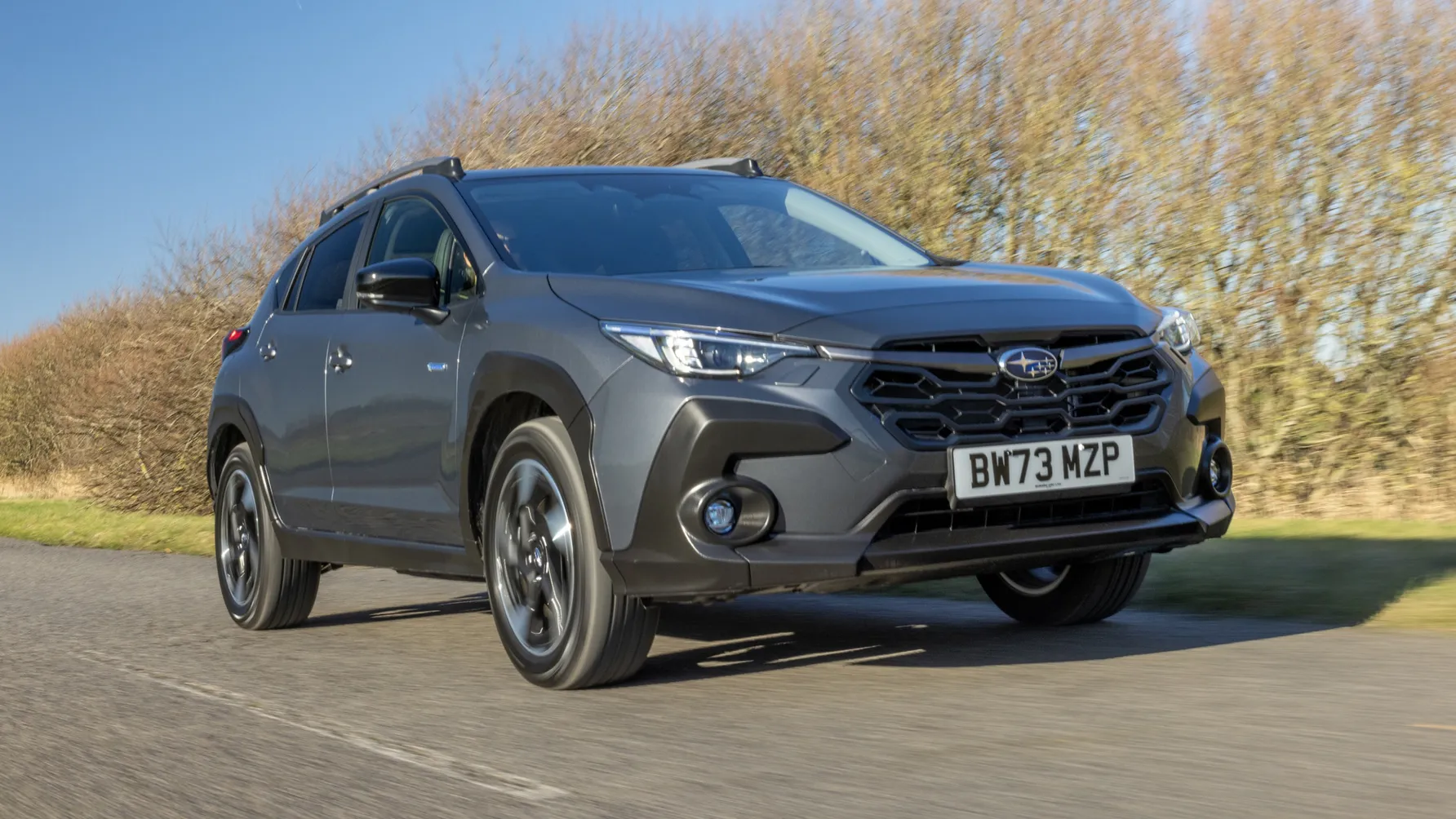
The Subaru Crosstrek retains about 71.2 percent of its value after five years in the current iSeeCars resale-value ranking. That puts it just behind the Honda HR-V among subcompact SUVs.
Its strong retention is particularly relevant for buyers who want a small crossover with a more rugged character and standard all-wheel-drive availability across its lineup.
The Crosstrek has developed a strong following among drivers who want a practical vehicle for outdoor activities. Its ground clearance, available powertrains and all-wheel-drive configuration give it a distinctive position among small crossovers. That identity can help support used demand because buyers are not simply shopping for generic transportation.
iSeeCars’ broader depreciation study reports approximately 29.1 percent five-year depreciation for the Crosstrek.
That figure is higher than the 25.2 percent recorded for the RAV4 and RAV4 Hybrid combination, yet it remains far below the 41.8 percent average depreciation for all vehicles in the 2026 study. This reinforces the idea that a vehicle does not have to beat the RAV4 to be an excellent resale performer.
The Crosstrek can also benefit from a loyal customer base. Used-car shoppers often look for specific features rather than simply the lowest possible price. Buyers who want all-wheel drive, a compact footprint, and a more adventure-oriented design may specifically seek out a Crosstrek. Strong targeted demand can help stabilize used values over time.
For resale-conscious shoppers, the Crosstrek deserves a place in the conversation. It is not currently ahead of the RAV4, but its five-year retention rate shows that it is much stronger than the typical SUV. Buyers who prefer its design and driving characteristics can make a financially sensible choice without sacrificing resale strength.
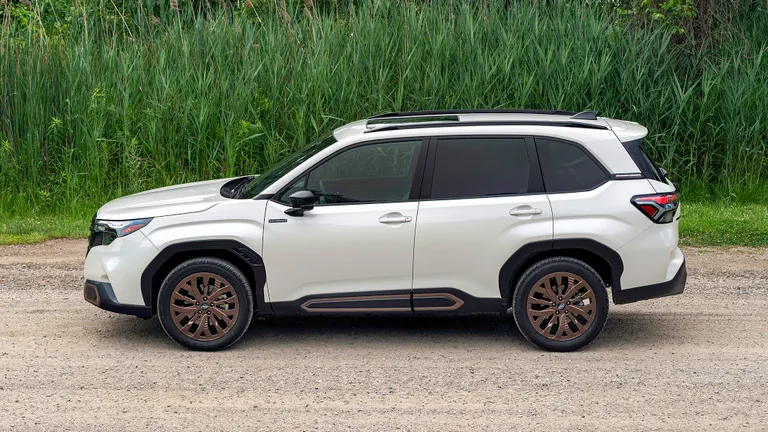
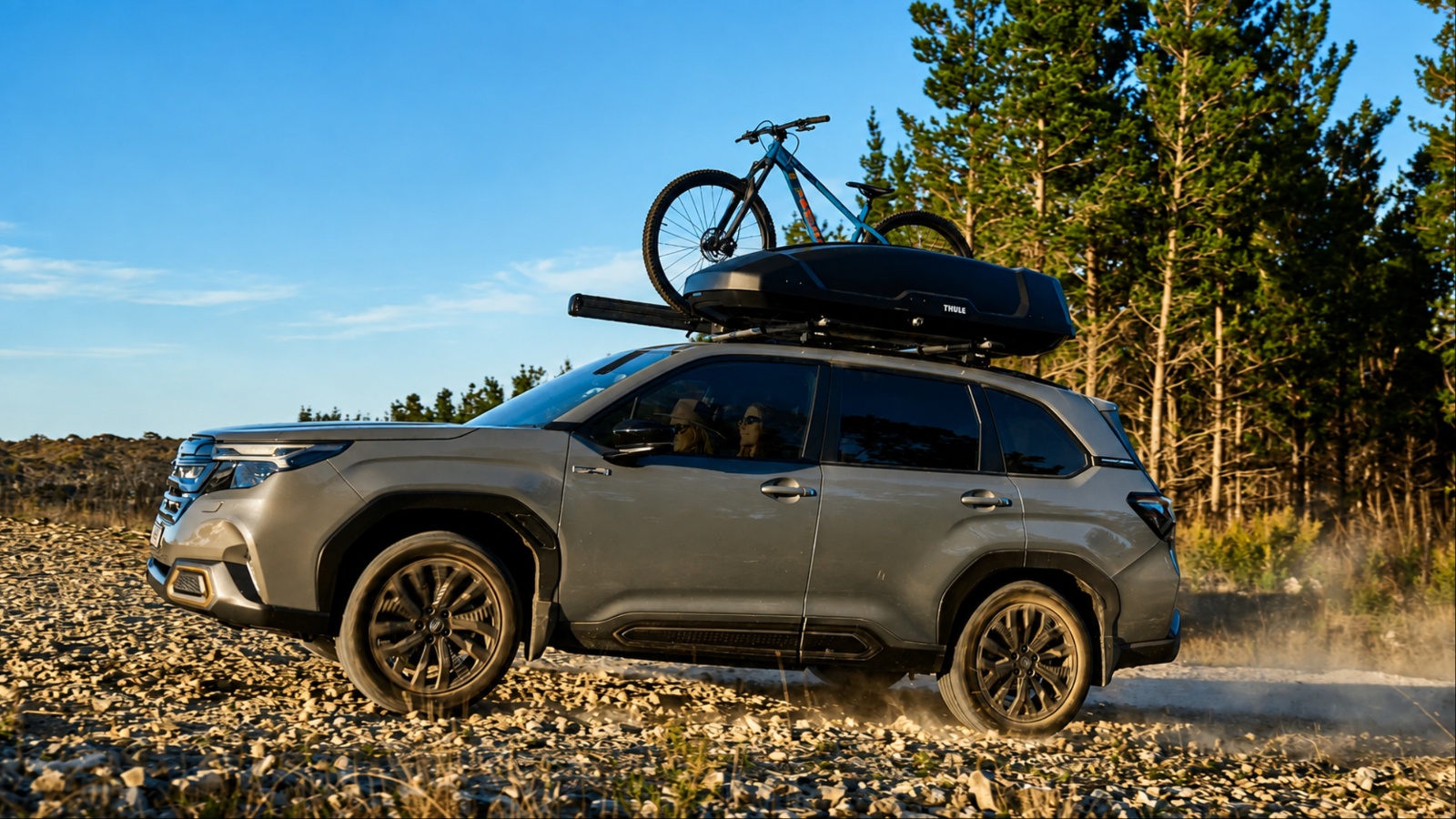
8. Subaru Forester
The Subaru Forester retains about 67.5 percent of its value after five years, according to iSeeCars. That places it fourth among small and compact SUVs in the current ranking. The percentage is lower than the RAV4, but it still represents a stronger resale result than many vehicles in the segment. The Forester’s reputation for practicality and standard all-wheel drive contributes to its distinctive position.
The Forester is designed around visibility, interior space and everyday usability. It offers a boxier shape than many modern crossovers, which can make the cabin feel spacious.
Used buyers who value function over flashy styling may find this design attractive, especially when shopping for a practical family vehicle.
The model also appeals to customers who live in areas where all-wheel drive is useful. That regional demand can influence resale performance because buyers in snowy or mountainous regions may place greater value on Subaru’s drivetrain strategy. A vehicle that fits a specific lifestyle can maintain a dedicated used-car audience.
Its 67.5 percent five-year retention is still meaningfully higher than the broader SUV average. iSeeCars reports that the SUV segment loses about 44.9 percent of its value after five years.
The Forester’s performance therefore shows that even models sitting below the RAV4 can provide relatively strong protection against depreciation.
The Forester makes the most sense for shoppers who value its particular strengths rather than simply chasing the highest resale percentage.
If those features match the owner’s needs, the model’s respectable depreciation performance can provide additional financial reassurance. It is a strong RAV4 alternative, even if it does not currently outperform Toyota’s compact benchmark.
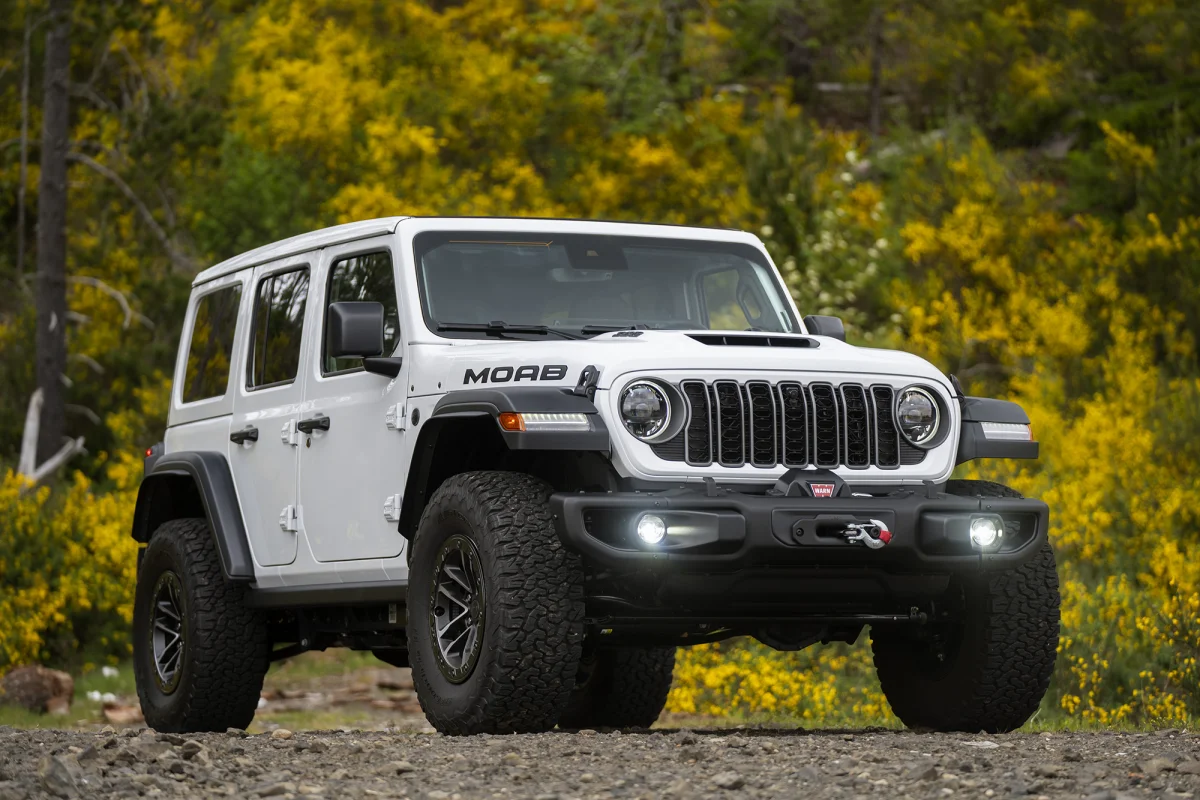
9. Jeep Wrangler
The Jeep Wrangler retains approximately 68 percent of its value after five years in the current iSeeCars midsize SUV ranking. That places it third in the category.
The Wrangler’s result is notable because its appeal is heavily tied to its distinctive design and off-road capability. Used buyers seeking a rugged, recognizable SUV may continue to place strong value on those qualities years after the vehicle leaves the showroom.
The Wrangler is not a direct substitute for the RAV4 in terms of driving character. The RAV4 is optimized for everyday transportation, efficiency, and family practicality, while the Wrangler is built around off-road capability and open-air driving. That difference means the two vehicles attract very different audiences, which can affect their resale markets.
Strong identity can be an advantage in depreciation. When a vehicle has a clear purpose, used shoppers may specifically search for it rather than compare it only with similarly priced alternatives. The Wrangler has maintained a recognizable shape and brand identity for decades, giving it an established customer base.
The 68 percent retention figure still falls below the RAV4’s 75 percent. However, it places the Wrangler well above the average SUV’s five-year retention level.
That gap matters for buyers who are considering an SUV that combines recreational capability with reasonable resale strength. A Wrangler owner may recover a relatively large portion of the original vehicle value when selling after several years.
The Wrangler therefore belongs on a list of high-resale SUVs, but not on a strict list claiming that every vehicle beats the RAV4. Its value lies in its combination of off-road capability, brand recognition and comparatively strong used-market demand. Buyers who actually want those qualities may find the depreciation trade-off worthwhile.
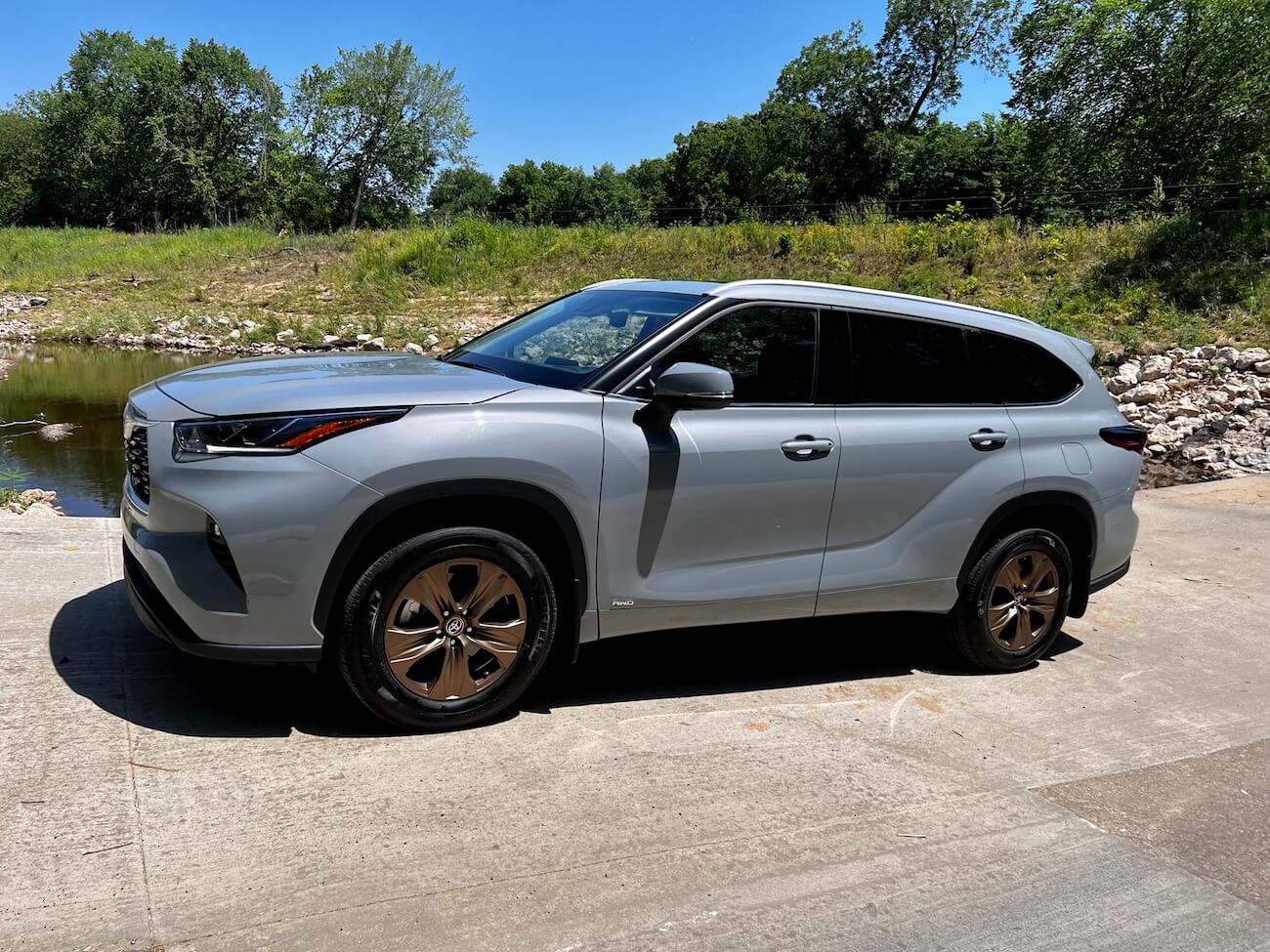
10. Toyota Highlander
The Toyota Highlander retains approximately 63.7 percent of its value after five years and ranks fifth among midsize SUVs in the current iSeeCars resale-value ranking.
While that is clearly below the RAV4’s 75 percent retention, it remains a respectable result for a larger family-oriented SUV. The Highlander’s position also reinforces Toyota’s strong presence throughout the resale market.
The Highlander appeals to buyers who need more passenger capacity and interior room than a compact crossover provides. It occupies a middle ground between compact SUVs and larger full-size models. This positioning can make it attractive to families that want additional space without committing to the size and operating costs of a full-size SUV.
Resale demand can benefit from that practical role. Used buyers often search for vehicles that can handle commuting, family trips, school runs, and vacations without requiring a huge footprint. The Highlander fits those requirements while carrying a Toyota badge that has strong recognition in the used market.
Its five-year retention rate shows why it is important to compare vehicles within their own categories. A 63.7 percent result may look weak beside the RAV4’s 75 percent, but the Highlander still ranks among the stronger midsize SUVs.
Buyers requiring three rows or additional space may have few reasons to compare its depreciation directly with that of a compact RAV4.
The Highlander is therefore a strong choice for buyers whose space requirements justify a larger SUV. It does not beat the RAV4 on current iSeeCars resale percentage, but its ranking shows that it retains considerably more value than many larger SUVs. The best financial choice depends on matching vehicle size to actual needs.
