
Car enthusiasts often assume that a modification that passes inspection at home will remain legal everywhere. That assumption can create expensive problems when a vehicle crosses a state line. Window tint, exhaust systems, suspension lifts, lighting, tires, license plate covers, radar equipment, and emissions-related parts can all face different rules.
State governments set many equipment requirements, so a modification accepted in one jurisdiction may violate another state’s vehicle code.
This guide examines ten common examples and explains why drivers should check local requirements before traveling. Laws can change, so specific state statutes should always be verified before making a modification.
1. Dark Window Tint
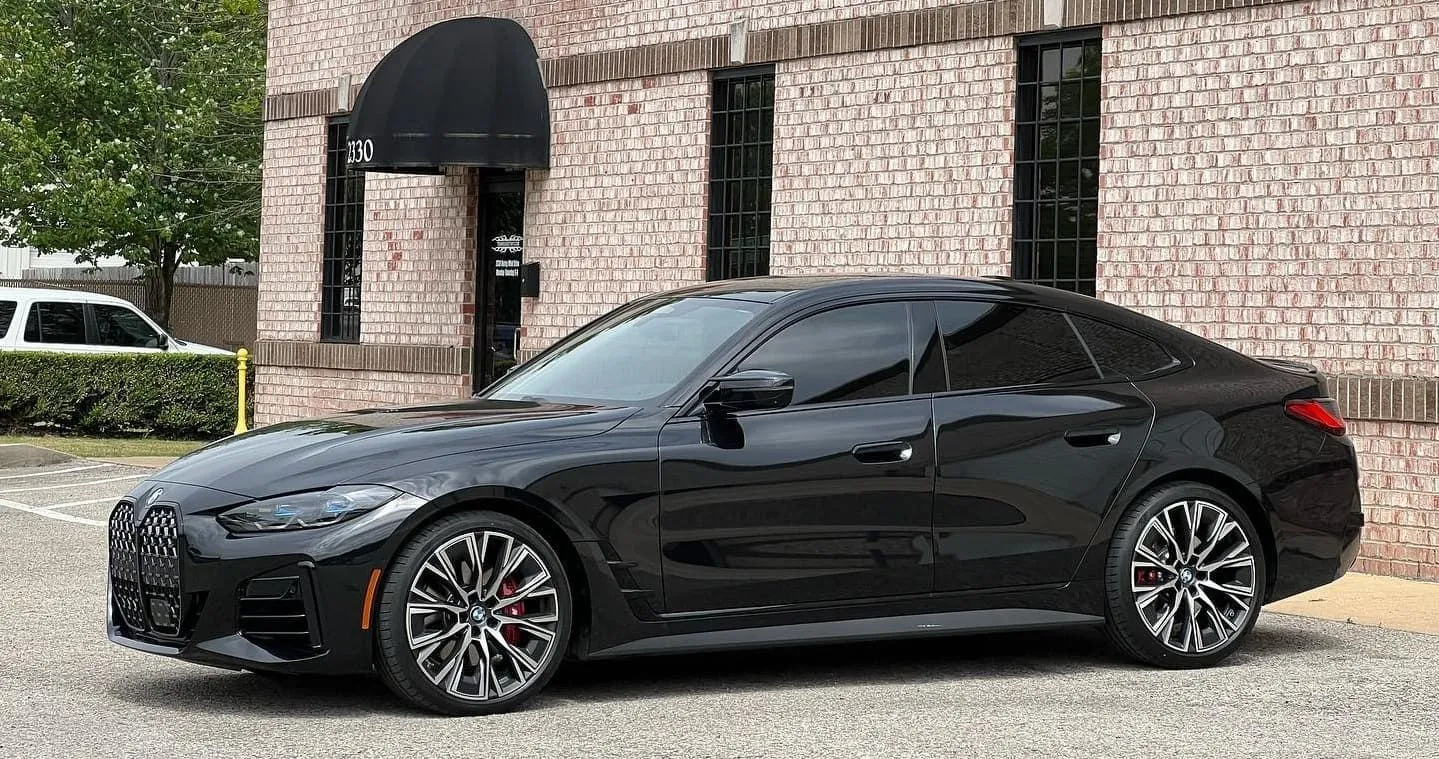
Window tint is among the most common modifications that create confusion between states. Drivers may install dark film because it reduces glare, limits heat entering the cabin, or gives a vehicle a particular appearance.
The legal issue usually concerns visible light transmission, commonly called VLT. A lower VLT percentage means darker glass because less visible light passes through. States establish their own limits for different windows, which means the same film can be permitted in one jurisdiction and prohibited in another.
The front side windows generally receive more attention than rear windows because police officers need to see drivers and passengers during traffic stops. Some jurisdictions permit relatively dark rear-window tint while placing much stricter limits on the windshield and front side windows.
This creates situations where a tint package can be completely acceptable for a vehicle registered and driven in one state but fail an inspection or result in a citation elsewhere. The exact percentage matters, and so does the location of the film on the vehicle.
California illustrates why tint laws require careful attention. Its rules differ from states that allow substantially darker film on certain windows. Florida, for example, has historically permitted darker tint on some vehicle windows than California allows on comparable areas.
That does not mean every dark-tint installation is automatically legal in Florida, since reflectivity, windshield placement, vehicle type, and other requirements can matter. The key point is that tint legality cannot be determined simply by asking whether a particular percentage is legal nationwide.
Travel creates an additional complication. A driver might have purchased a vehicle with legally installed tint in the state where it is registered and then travel through another jurisdiction with different equipment rules.
Enforcement practices and legal questions surrounding out-of-state vehicles can vary, so drivers should not assume that home-state compliance provides unlimited protection elsewhere. Commercial installation also has federal considerations because businesses cannot install certain window treatments in ways that render federally required safety equipment noncompliant.
Before installing window film, check the rules for the state where the vehicle is registered and the states where it will regularly travel. Ask the installer for the film’s VLT rating and confirm whether the rating applies to the glass-film combination rather than the film alone.
2. Loud or Modified Exhaust Systems
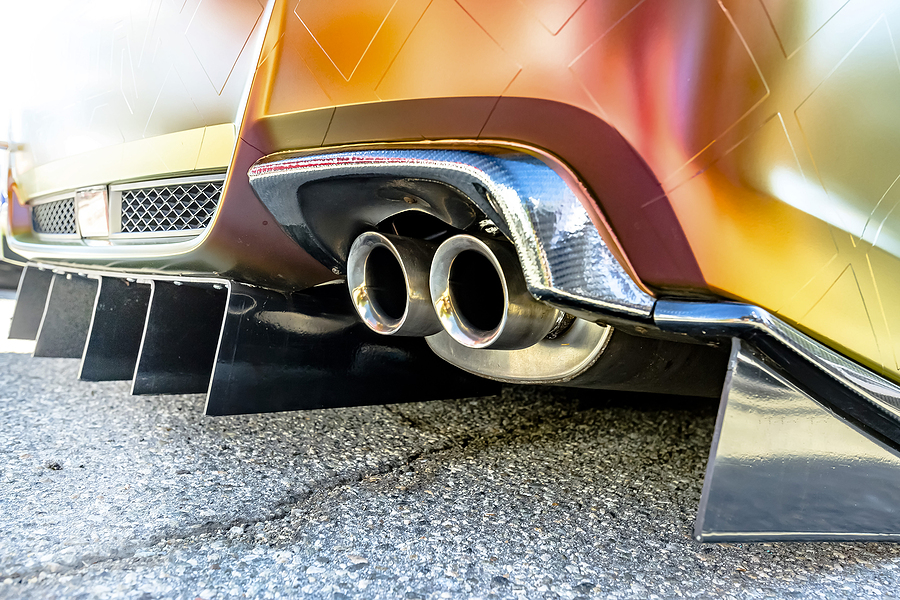
Aftermarket exhaust systems are popular because they can change engine sound, appearance, and sometimes performance. The legal problem begins when a system becomes excessively loud or alters required emissions equipment. State laws approach exhaust noise in different ways.
Some use decibel measurements, while others prohibit particular equipment configurations or require a functioning muffler. As a result, an exhaust that is acceptable under one state’s rules can create problems after crossing into another jurisdiction.
A straight-pipe setup provides a clear example. Removing a muffler or other required exhaust component can violate equipment rules even when the resulting vehicle remains mechanically functional.
Some drivers judge legality by whether the car sounds reasonable to them, but subjective impressions do not replace statutory requirements. A system may sound acceptable during a brief drive and still exceed a state’s prescribed noise standard when measured according to its enforcement procedure.
The situation becomes more complicated with performance exhaust systems that retain emissions equipment. A cat-back exhaust may be treated differently from a catalytic-converter modification because the latter can directly affect federally regulated emissions controls.
Federal law prohibits tampering with emissions-control systems, meaning a modification that removes or disables required emissions equipment presents a much broader legal concern than a simple change in exhaust piping behind the relevant components.
3. Suspension Lifts and Lowered Vehicles
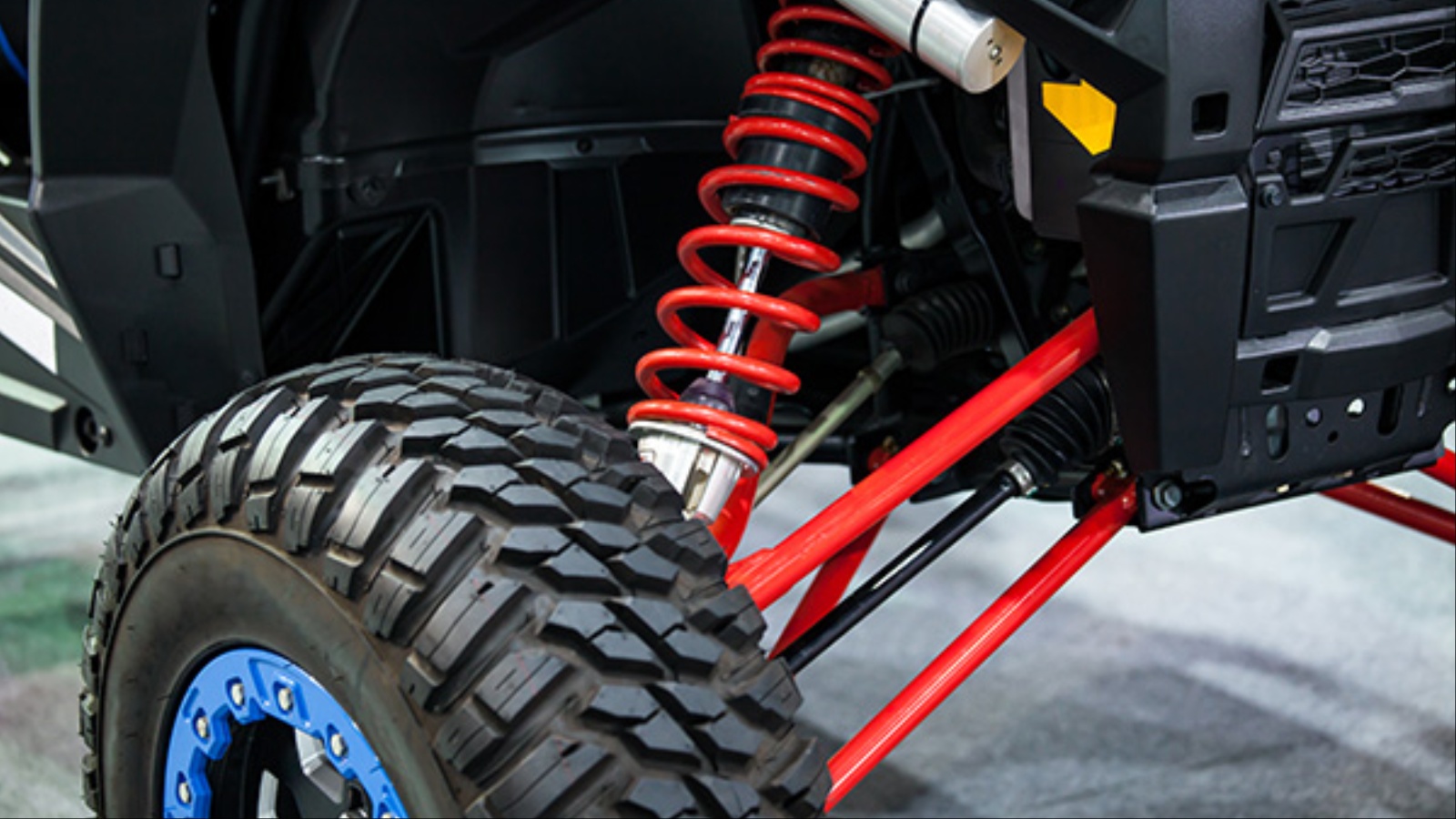
Suspension modifications are another area where state laws can differ sharply. Raising a truck can improve ground clearance for off-road use, while lowering a car can change handling and appearance.
Neither goal is inherently unlawful, but states may regulate ride height, bumper height, frame height, suspension components, lighting position, and tire clearance. A build that satisfies the requirements in one state can therefore exceed a height limit or violate an equipment rule somewhere else.
Lifted trucks can attract particular attention because several measurements may matter at the same time. A state might regulate bumper height instead of simply stating a maximum suspension lift.
Another jurisdiction may use different limits based on vehicle weight or original equipment specifications. That means two trucks with identical lift kits may not have identical legal status if they are registered in different states or fall into different vehicle classifications.
Lowered vehicles face their own challenges. Excessively low suspension can interfere with ground clearance, steering components, lighting equipment, or other required systems.
Scraping on a driveway is not necessarily a legal violation, but a suspension configuration that places required components outside permitted specifications can become an equipment problem. Inspection programs can also identify issues that might not be immediately obvious during normal driving.
The popular combination of extreme lift, oversized wheels, and modified bumpers can create several compliance questions at once. Tire coverage, lighting height, bumper placement, braking performance, and steering geometry may all need consideration.
A vehicle that looks impressive at a show can require substantial changes before it is suitable for regular public-road use. State laws may also distinguish between passenger vehicles, pickup trucks, commercial vehicles, and other categories.
4. Colored Underglow and Exterior Lighting
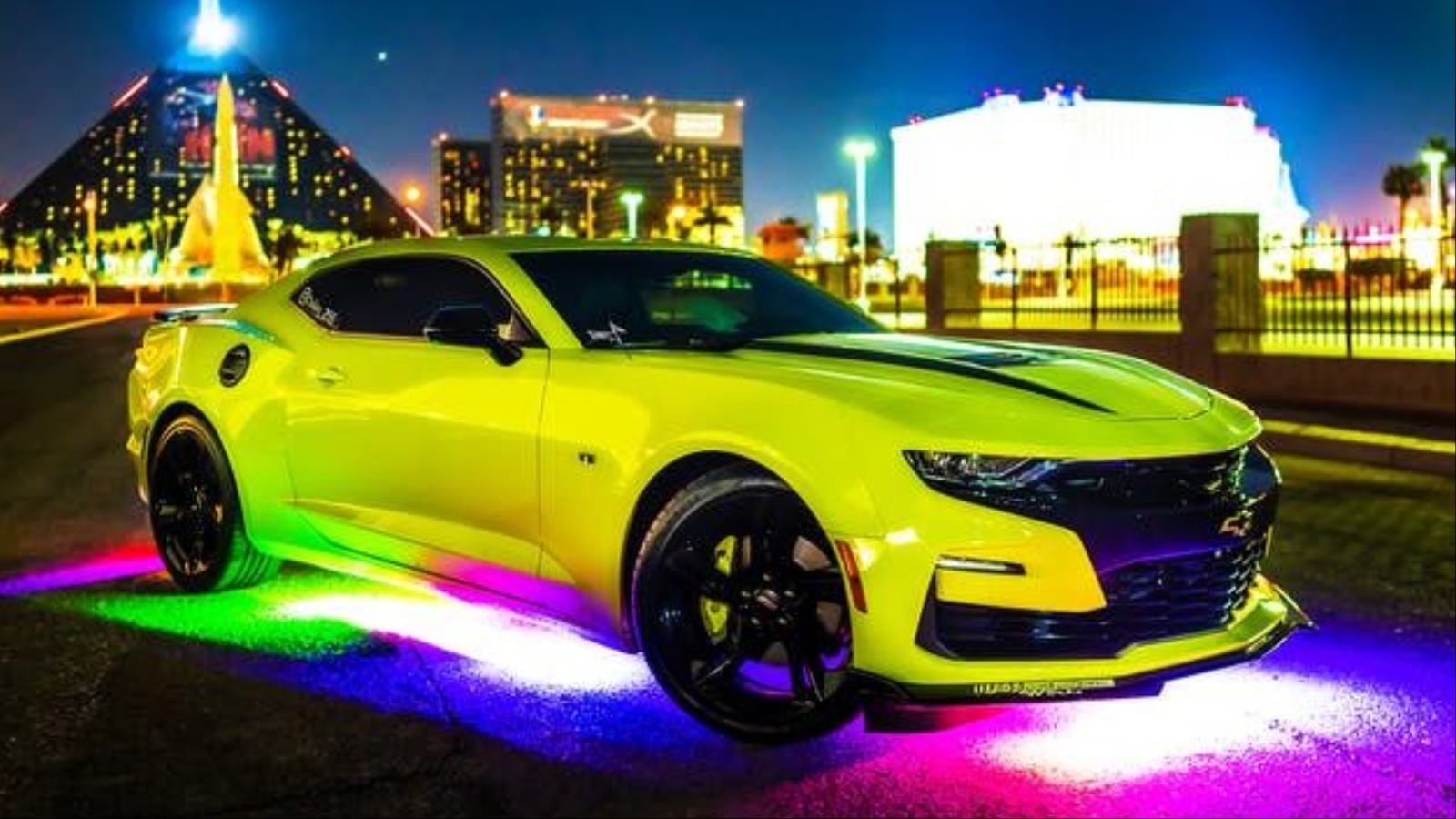
LED underglow has become a recognizable customization, particularly among show cars, trucks, and tuner vehicles. These systems illuminate the underside of a vehicle and can produce different colors or lighting patterns.
The legality depends heavily on the color, placement, visibility, and whether the lights flash. States commonly restrict lighting that could be confused with emergency vehicles or traffic-control equipment. Red and blue lighting receive especially close attention because of their association with emergency services.
A driver might therefore use decorative lighting legally in one state while violating another state’s equipment rules. Even when a particular color is permitted, the law may restrict when the lighting can be activated or whether the light source can be directly visible from certain angles.
Flashing patterns can create additional problems because emergency-style signals are treated differently from steady decorative illumination.
The same issue applies to aftermarket light bars and auxiliary lamps. A light bar may be perfectly legitimate for off-road use but restricted while driving on public roads.
States can regulate the number, color, mounting location, intensity, and operating conditions of auxiliary lights. Installing a product marketed for off-road use does not automatically make it legal for ordinary highway driving.
Lighting modifications also demonstrate why appearance alone is not a reliable guide to legality. Two vehicles might have visually similar LED systems, yet one may comply because its lights use an approved color and operating mode while the other violates restrictions through flashing or emergency-style colors.
Drivers sometimes focus on whether an installation looks attractive rather than whether it satisfies equipment requirements.
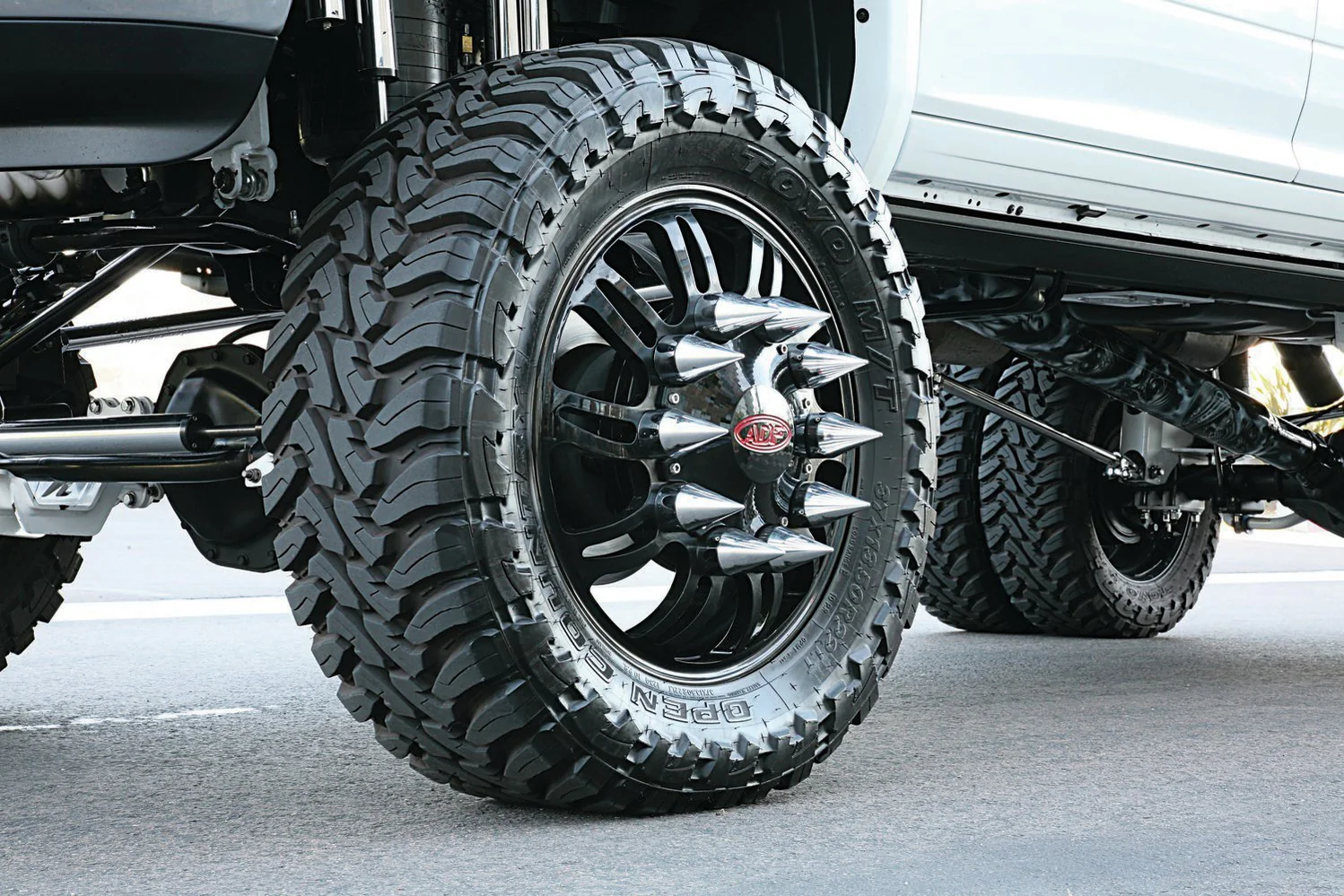
5. Oversized Tires and Tire Protrusion
Changing wheels and tires is among the easiest ways to alter a vehicle’s appearance. Larger wheels, wider tires, and aggressive tread patterns are common among truck and off-road owners.
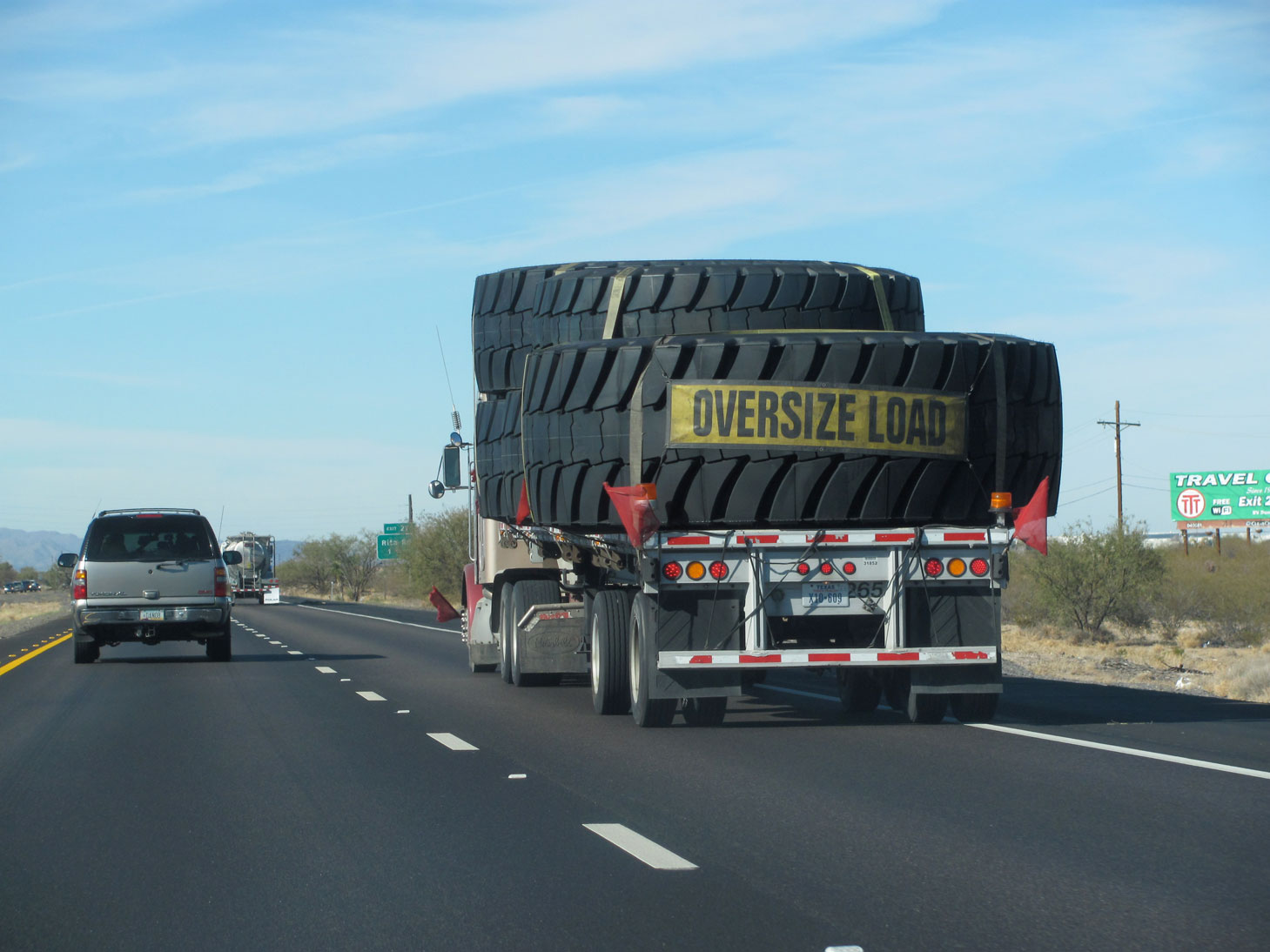
The legal concern arises when the new setup extends beyond the bodywork, interferes with steering or suspension, or changes other regulated dimensions. States can establish requirements involving tire coverage, fenders, mudguards, wheel position, and vehicle width.
A tire that sticks beyond the fender can create safety concerns because it may throw mud, water, gravel, and other road debris toward surrounding traffic.
Some jurisdictions therefore require tires to remain covered by the vehicle’s body or suitable fender equipment. Other states may have different standards. A wide tire package can consequently be accepted in a state with permissive rules but require additional fender coverage elsewhere.
Oversized tires can also affect more than body coverage. Increasing tire diameter changes effective gearing and can influence speedometer accuracy.
A substantial change in tire size can affect braking, steering, suspension clearance, and electronic vehicle systems. These mechanical consequences are not necessarily illegal by themselves, but they demonstrate why a wheel-and-tire modification should be treated as a complete vehicle change rather than a simple cosmetic upgrade.
Truck owners should pay particular attention to wheel offset. A tire can have an acceptable width while still protruding too far because of the wheel’s offset.
Conversely, a wide tire may remain within the body line when paired with a suitable wheel. The exact configuration matters, which is why relying on another truck’s setup is risky. Two apparently similar builds can have different legal measurements.
6. License Plate Frames and Covers
License plate accessories appear harmless because they rarely change how a vehicle operates. Yet plate frames and covers can become illegal when they obscure required information.
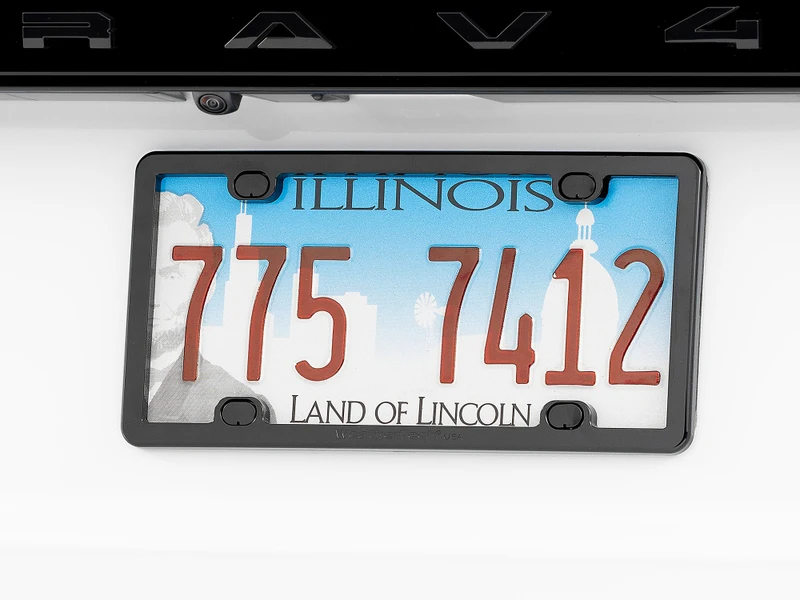
States differ in how strictly they regulate the visibility of plate numbers, letters, registration stickers, and other identifying features. A frame that leaves the entire plate readable in one jurisdiction might cover a required portion in another.
This distinction is particularly important with decorative frames. Some frames extend only around the outer edge of a plate and cause no problem.
Others overlap the top or bottom sections where a state places its name, registration information, expiration sticker, or other required markings. Even a small obstruction can create an equipment violation if the statute requires those elements to remain visible.
Tinted or smoked license plate covers present a similar issue. They may be marketed as styling accessories, but reducing readability can attract enforcement attention. A plate must remain identifiable to law enforcement cameras and officers under normal conditions. A cover that appears transparent in daylight may become difficult to read at night or under certain lighting conditions.
Different rules can make this modification surprisingly troublesome for people who travel frequently. A driver may purchase a frame at a local automotive store without realizing that its design does not meet the requirements of every state on a road trip.
Because the accessory is inexpensive, many people assume it carries little legal risk. The potential problem is not its price but the visibility of information required by law.
The safest option is a simple frame that leaves every portion of the plate unobstructed. Avoid smoked covers and decorative designs that overlap numbers, letters, state names, stickers, or other required information.
7. Radar Detectors and Laser Jammers
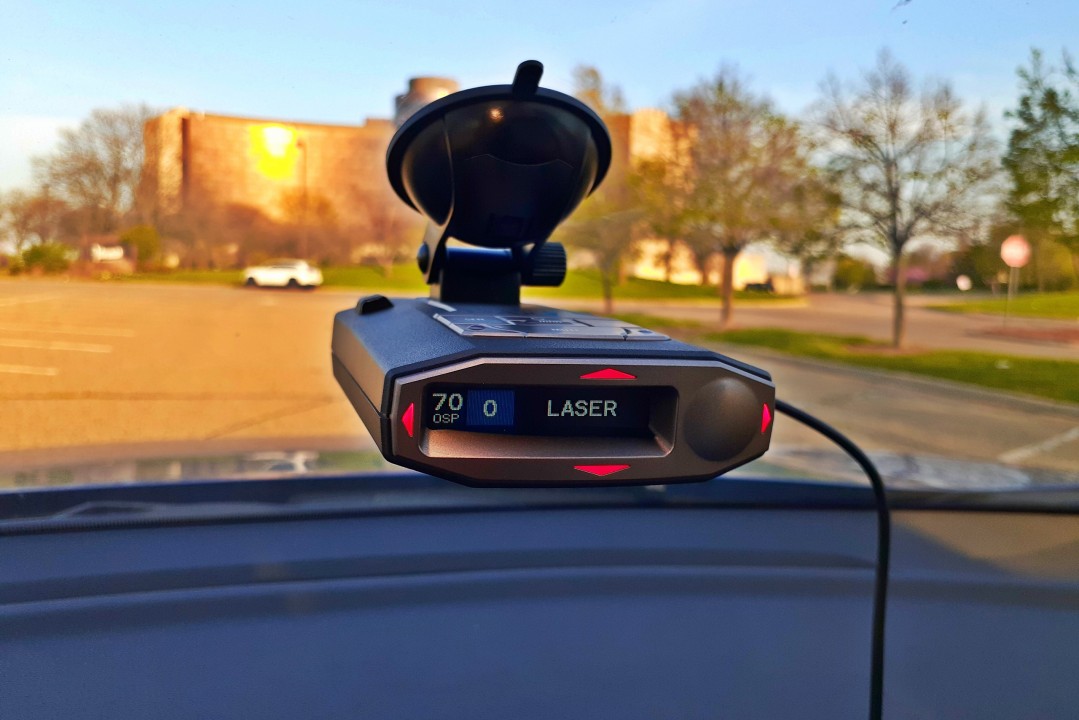
Electronic devices used to detect or interfere with radar signals demonstrate a different type of state-by-state variation. Radar detectors listen for radar signals used by traffic enforcement and warn the driver that a signal may be present.
Laser jammers are different because they attempt to interfere with laser-based speed measurement. Their legal treatment is not identical, and drivers should not assume that rules applying to one device automatically apply to the other.
Radar detector laws have historically differed between states and vehicle categories. Commercial vehicles can face federal restrictions that do not apply in the same way to ordinary passenger cars.
Virginia and the District of Columbia have also been known for restrictions affecting radar detector use. That means a device that a private passenger-car driver can legally operate in many states can become a problem after crossing into a jurisdiction with a specific prohibition.
Laser jammers present greater legal complexity because their purpose involves interfering with an enforcement measurement system rather than merely receiving information.
Some states have enacted restrictions against devices designed to interfere with speed-measuring equipment. Federal communications and state vehicle laws can also interact depending on the technology involved. Drivers should therefore identify the exact type of device rather than treating every radar-related accessory as legally equivalent.
Mounting can create separate concerns. A dashboard-mounted device or windshield accessory might interfere with visibility or violate restrictions on objects placed in certain areas of the windshield.
A device can therefore be lawful in principle while its installation creates another equipment violation. This is a good example of why legality depends on both the product and how it is used.
8. Emissions and Performance Modifications
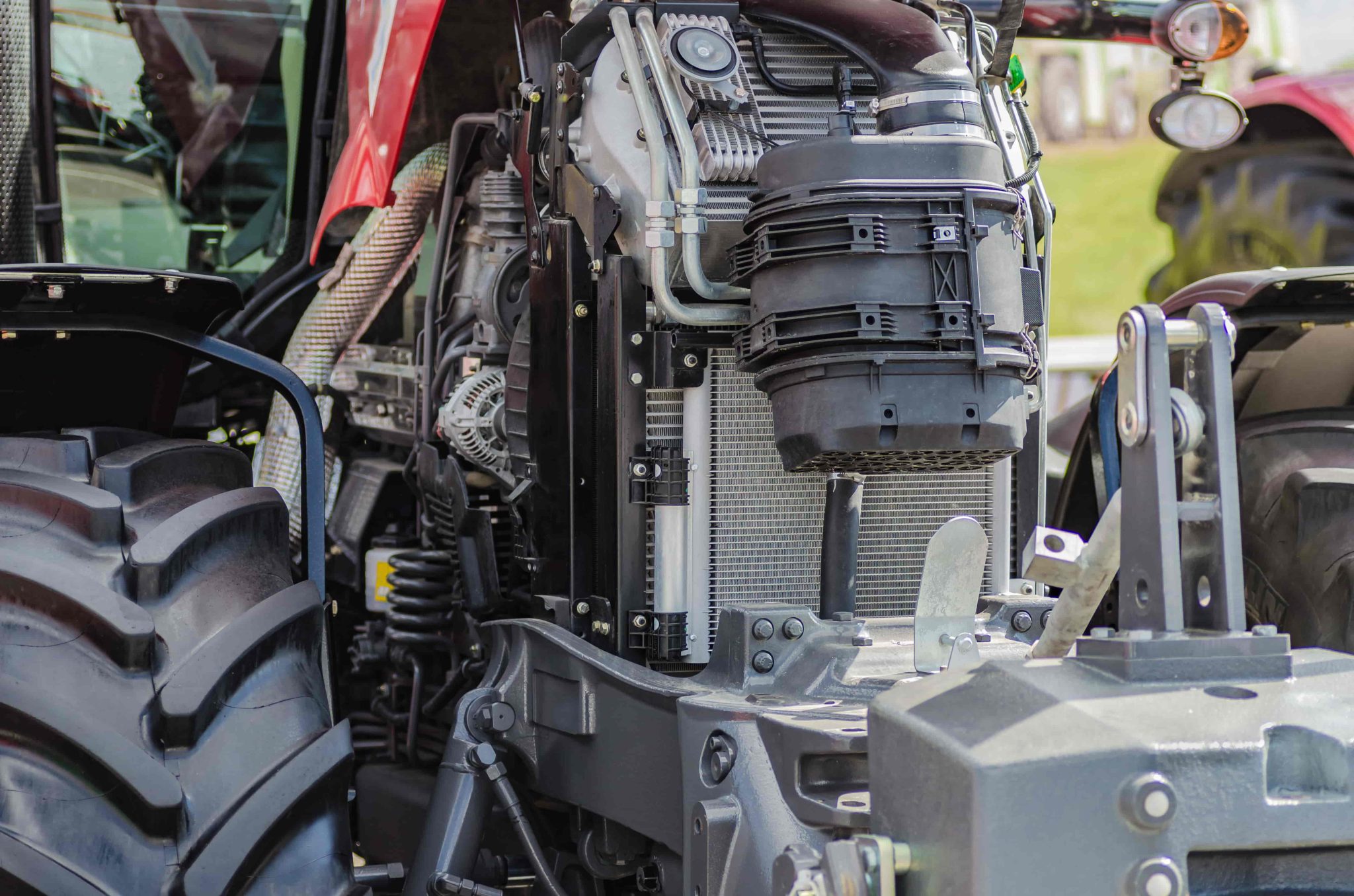
Engine modifications create some of the most important legal distinctions because federal emissions law can apply in addition to state requirements.
Removing a catalytic converter, disabling an emissions-control system, or installing equipment that defeats required controls can create serious legal consequences. This differs from many cosmetic modifications because emissions tampering is not simply a matter of a state’s preferred vehicle appearance or noise level.
California provides a particularly important example because it has authority to maintain its own vehicle emissions standards under federal law. California’s emissions requirements can therefore affect which aftermarket parts are acceptable for vehicles operated there.
Parts designed for racing or off-road use may not be legal for ordinary street driving. A component can improve performance while still failing the requirements applicable to a road vehicle.
This issue affects intake systems, exhaust components, engine tuning, catalytic converters, particulate filters, and other equipment that can influence emissions.
Simply reinstalling the original part before an inspection may not always solve the problem if the vehicle must remain compliant during normal road operation. Owners should consider whether the modification has an emissions certification or approval appropriate for the vehicle and jurisdiction.
Performance enthusiasts should also distinguish between parts that improve airflow without disabling emissions controls and modifications that defeat those controls. A replacement air filter is not automatically equivalent to an emissions delete.
A properly certified aftermarket component may be acceptable, while a device designed to bypass an emissions system can create a federal violation. The difference lies in the effect of the modification and the applicable regulatory requirements.
The safest approach is to preserve all required emissions equipment and choose aftermarket components specifically designed for legal street use. Keep records of certifications or approvals when applicable.
9. Motorcycle Handlebar Height
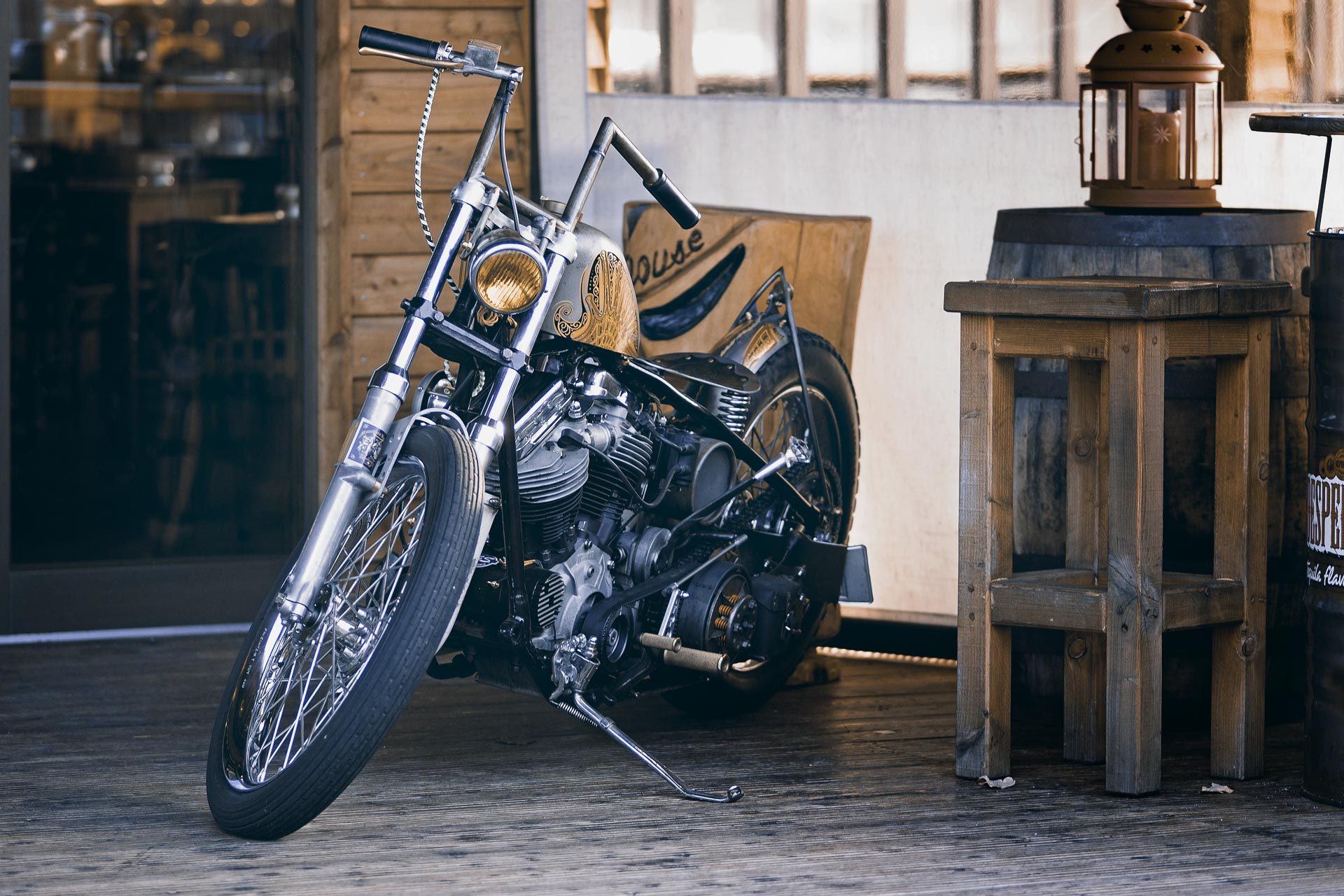
Motorcycle handlebar modifications can create legal differences between states, particularly when riders install tall handlebars such as ape hangers. The modification changes the riding position and can give a motorcycle a distinctive custom appearance. Several states regulate handlebar height or require handlebars to remain below a specific point relative to the rider.
A setup that complies with the rules in the state where a motorcycle is registered may not meet the requirements in another state. Riders who travel frequently should therefore check the applicable equipment standards before installing unusually tall bars.
Handlebar regulations are often based on measurable dimensions rather than a general judgment about whether a motorcycle looks safe. Some states establish a maximum height, while others use the rider’s shoulder or eye level as part of the measurement.
The exact method can differ, making it difficult to determine legality simply by comparing one motorcycle with another. A handlebar that appears moderate on a large touring motorcycle can produce a different measurement on another model because of seat height and design.
Changing handlebars can also affect cables, brake lines, wiring, and steering movement. Even when the height itself complies with state requirements, an improperly installed bar can interfere with safe operation.
10. Studded Tires and Seasonal Tire Restrictions
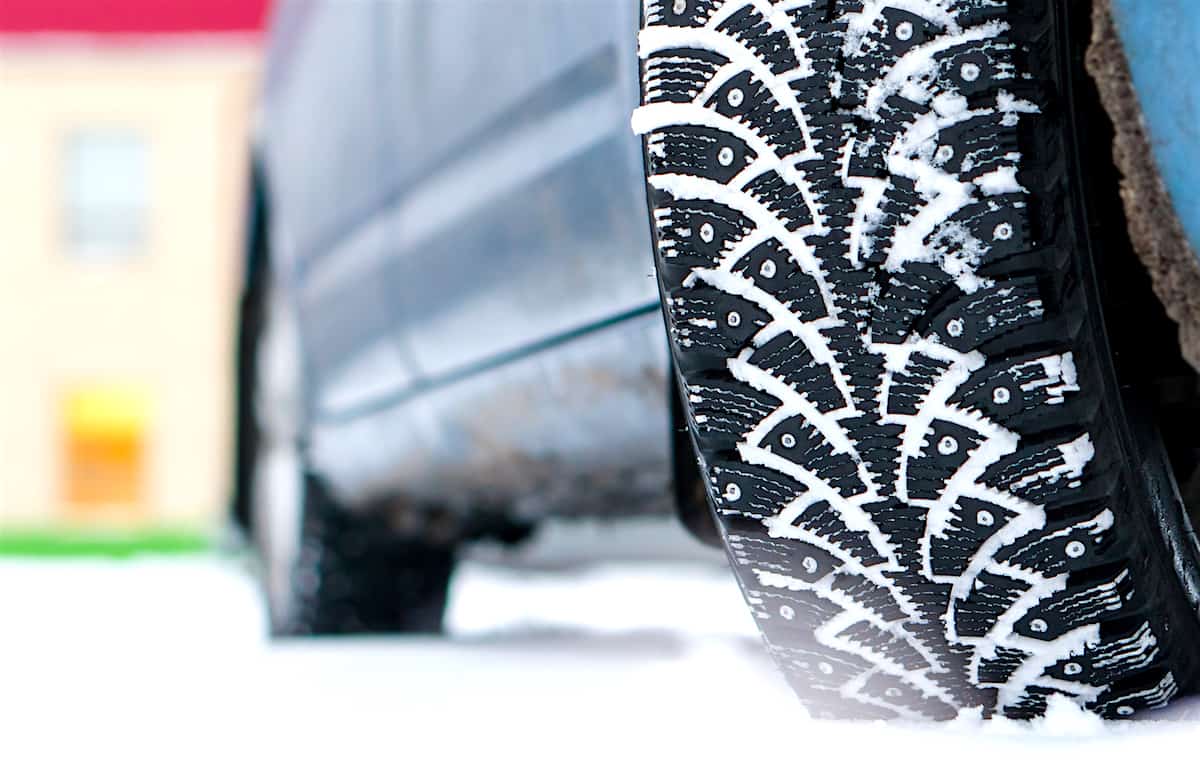
Tire modifications can create legal complications beyond size and tread design. Studded tires are useful in regions that experience severe winter conditions because metal studs can improve traction on ice. Yet states do not all permit them under identical conditions.
Some jurisdictions allow studded tires only during specified months, while others restrict their use because studs can damage road surfaces. A tire that is appropriate for winter driving in one state may therefore be prohibited during part of the year in another.
The purpose of seasonal restrictions is usually connected to road preservation and safety. Metal studs can provide valuable traction on icy surfaces, but when roads are clear, they can wear pavement more aggressively than conventional tires.
States that permit studded tires may establish dates during which they can legally be used. Those dates can differ significantly between northern and southern jurisdictions because climate and road conditions vary.
Travelers can face a practical problem when driving across state borders during winter. A vehicle may leave a state during its permitted period and enter another jurisdiction where the same tires are restricted.
Drivers who live near state borders need to be particularly careful because routine commuting can involve crossing jurisdictions several times a week. The legality of the equipment may depend on where the vehicle is being operated at that moment..
