
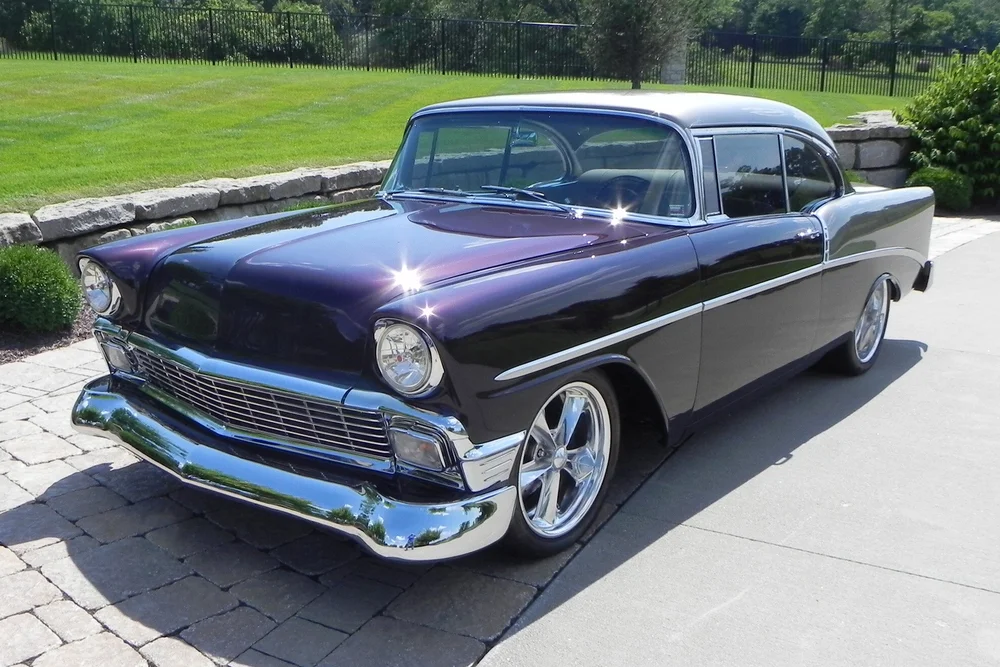
American roads have changed dramatically as drivers have shifted toward vehicles that offer greater practicality, comfort, efficiency, and safety. Many body styles that once filled city streets, suburban driveways, and highway lanes have gradually faded from everyday traffic.
Some disappeared because buyers wanted more cargo space, while others became too costly to build or difficult to position in a changing market. A few survived in limited forms, yet their traditional designs are rarely seen today.
These forgotten vehicle shapes tell an interesting story about changing American lifestyles, manufacturing priorities, fuel prices, regulations, and consumer tastes. Here are ten body styles that largely vanished from American roads.
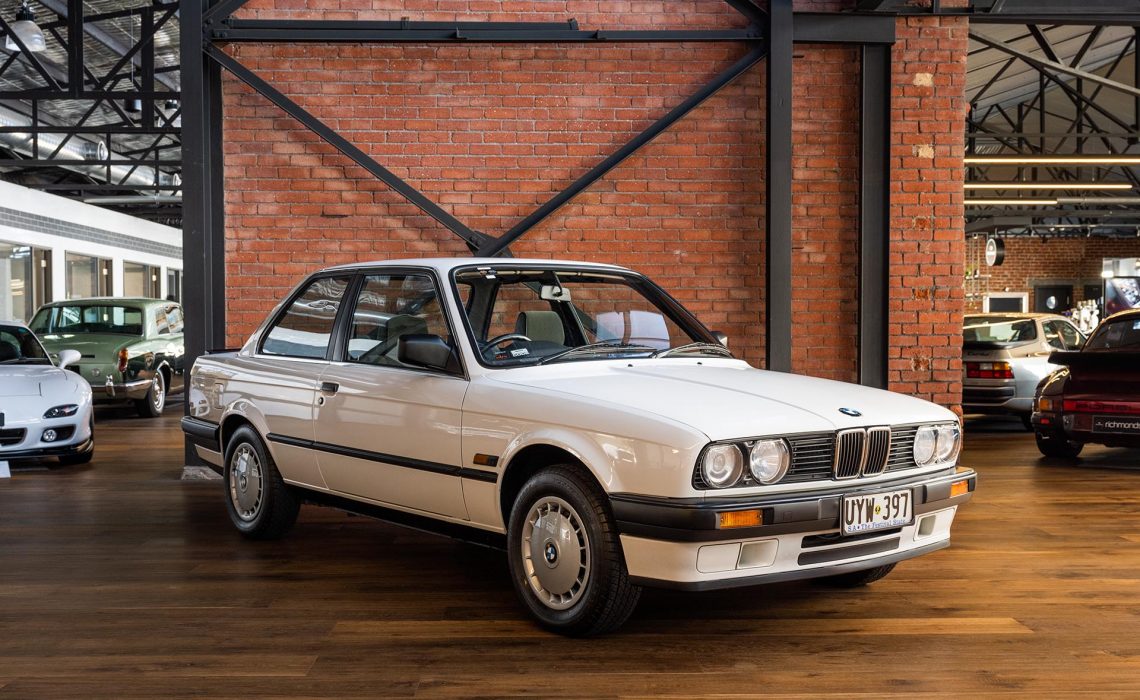
1. Two-Door Sedan
The two-door sedan was once a familiar sight across the United States. During much of the twentieth century, automakers offered compact, midsize, and full-size cars with two doors as a stylish alternative to the conventional four-door sedan.
These vehicles appealed to buyers who wanted a personal car with a sporty appearance without paying for a dedicated performance model. Their shorter door count also gave manufacturers a way to create distinctive versions of familiar models.
In many cases, the two-door sedan shared its platform and mechanical components with a four-door counterpart, making production relatively straightforward.
The appeal of the two-door sedan was closely connected to changing ideas about personal transportation. A couple, young driver, or small family could find enough room for daily use while enjoying a more personal cabin layout.
Rear-seat access was less convenient than in a four-door car, but many buyers accepted that compromise. During the 1950s, 1960s, and 1970s, large American cars frequently appeared in two-door form. Hardtops, pillared coupes, and other variations gave customers a wide range of choices.
Consumer expectations gradually changed as family vehicles became more important. Four-door cars offered easier access to rear seats, which mattered to parents transporting children, older passengers, and friends.
The growing popularity of smaller vehicles also changed the economics of producing separate two-door versions. Automakers had to decide whether a lower-volume body configuration justified its own engineering, tooling, marketing, and inventory costs.
Safety regulations also affected vehicle design. Stronger door structures became increasingly important, and large doors could create practical challenges in parking spaces and tight urban areas. Buyers also began placing greater value on convenience.
A four-door sedan could provide similar fuel economy, performance, and comfort while making everyday passenger access much easier. As manufacturers concentrated their resources on higher-volume configurations, traditional two-door sedans became increasingly rare.
Today, two-door cars still exist, but the classic two-door sedan is difficult to find as a mainstream family vehicle. Modern buyers who want two doors are more likely to consider a coupe, sports car, convertible, or luxury model.
The traditional formula of a practical sedan with two doors has largely lost its place in the American market. Its disappearance reflects a broader shift toward convenience and versatility rather than a simple loss of interest in stylish cars.
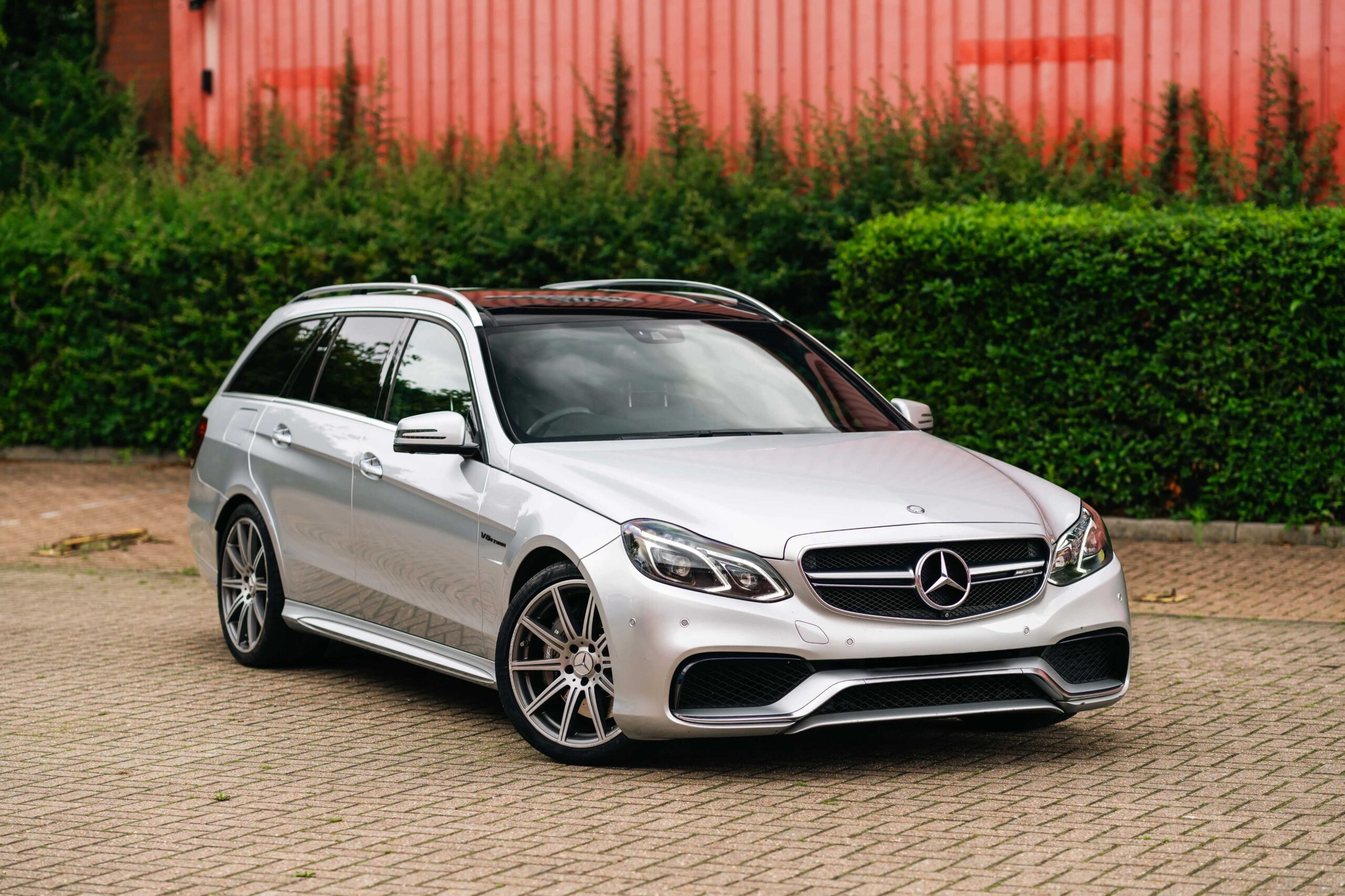
2. Station Wagon
The station wagon was a cornerstone of American family transportation for decades. Its long roof, upright rear section, and large cargo compartment made it especially useful for families, road trips, shopping, school activities, and vacations.
Full-size wagons could carry several passengers while providing a large enclosed storage area. Smaller wagons later expanded the concept to buyers who wanted practicality without the bulk of a full-size American car.
Station wagons became closely associated with suburban life. Families could use the same vehicle for commuting during the week and long-distance travel on weekends.
Foldable rear seats made it possible to carry furniture, sports equipment, luggage, groceries, and other bulky items. Some wagons were also available with rear-facing seats, allowing manufacturers to advertise seating for larger families.
The body style began losing ground as consumers discovered that newer vehicles could provide similar cargo flexibility with a taller seating position.
Minivans became especially attractive to families because sliding doors, multiple seating configurations, and generous interior height made them extremely practical. Sport utility vehicles later offered a different combination of passenger room, cargo capacity, ground clearance, and rugged styling.
Fuel prices also influenced the station wagon’s decline. Large wagons often shared mechanical components with full-size sedans and could be heavy vehicles. As fuel economy became a greater concern, buyers began looking for smaller and lighter transportation. Automakers responded by reducing the number of traditional wagon models while introducing compact alternatives.
The station wagon has not disappeared completely from the broader automotive industry, but it has largely vanished as a mainstream American family choice.
Some luxury and performance brands continue to sell wagon-style vehicles, and enthusiasts have kept older examples alive through restoration. Still, the sight of a large domestic wagon carrying a family across the country has become a nostalgic image rather than a normal part of American traffic.
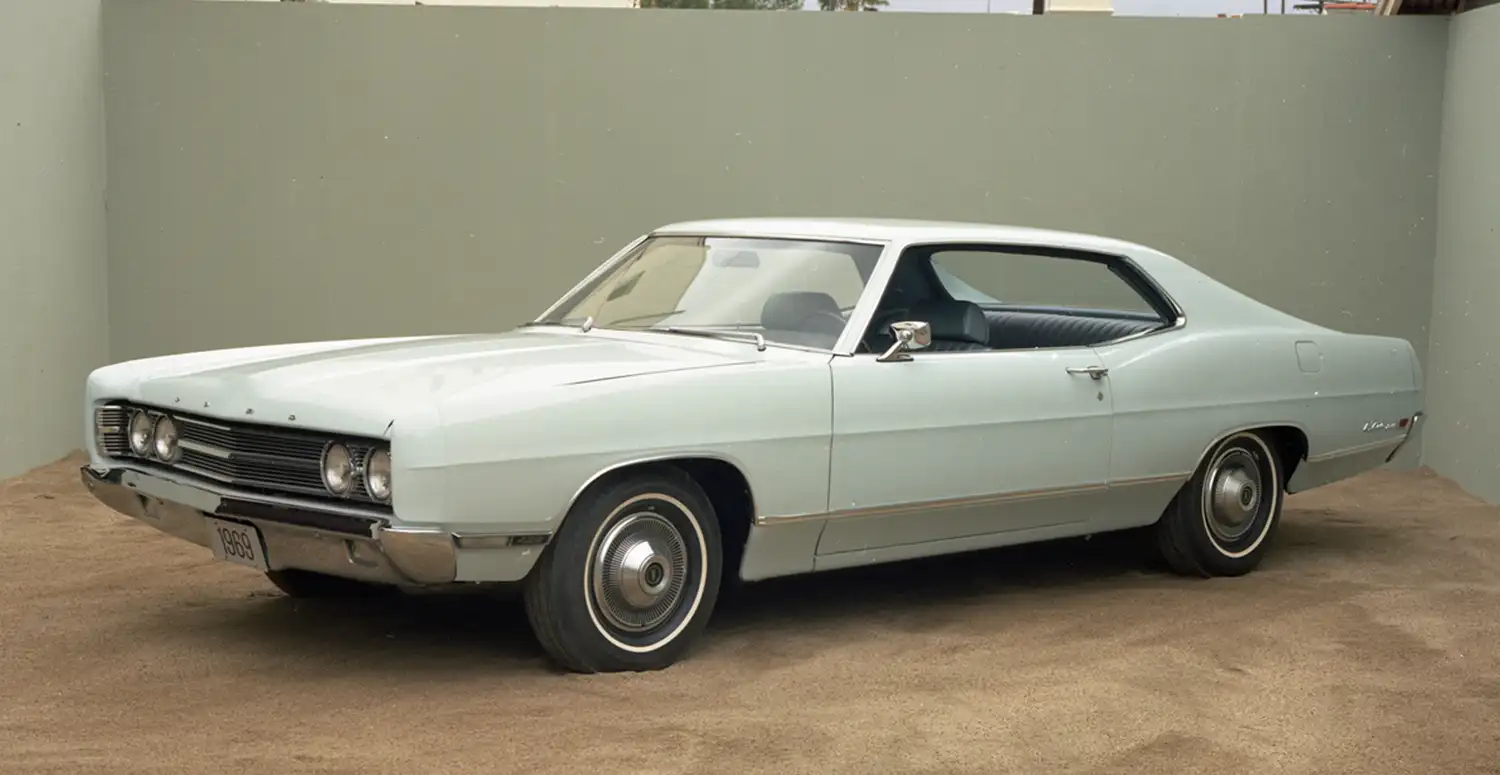
3. Full-Size Two-Door Hardtop
The full-size two-door hardtop represented a distinctive period in American automotive design. These cars combined a spacious interior with a pillarless side profile that created an open appearance when the windows were lowered.
The design was particularly popular during the middle decades of the twentieth century, when American manufacturers competed heavily on styling, size, comfort, and visual presence.
Hardtops were often positioned as more glamorous alternatives to ordinary sedans. They could feature sweeping rooflines, large glass areas, chrome trim, and elaborate interiors. Buyers who wanted a family car could choose a hardtop without purchasing a dedicated sports car. This made the body style appealing to drivers who valued appearance as much as passenger capacity.
The design became harder to maintain as automotive safety requirements developed. Removing the traditional B-pillar created additional engineering challenges because the center pillar contributes to the structure of a vehicle.
Engineers could compensate with stronger doors, roof structures, and other components, but these solutions added complexity and weight. As regulations became more demanding, the traditional pillarless hardtop became less attractive from a manufacturing perspective.
Changing consumer tastes accelerated the decline. Smaller cars gained popularity during periods of high fuel prices, while buyers increasingly favored vehicles with better maneuverability and efficiency.
The large two-door hardtop was also difficult to justify when a four-door sedan could provide similar interior space with greater practicality.
Modern coupes preserve part of the hardtop’s visual appeal, but the classic American full-size hardtop is effectively gone. Its disappearance marks the end of a design philosophy centered on large dimensions, dramatic styling, and effortless cruising. Few modern vehicles communicate that same combination of spaciousness and visual extravagance.
4. Compact Pickup-Based Car
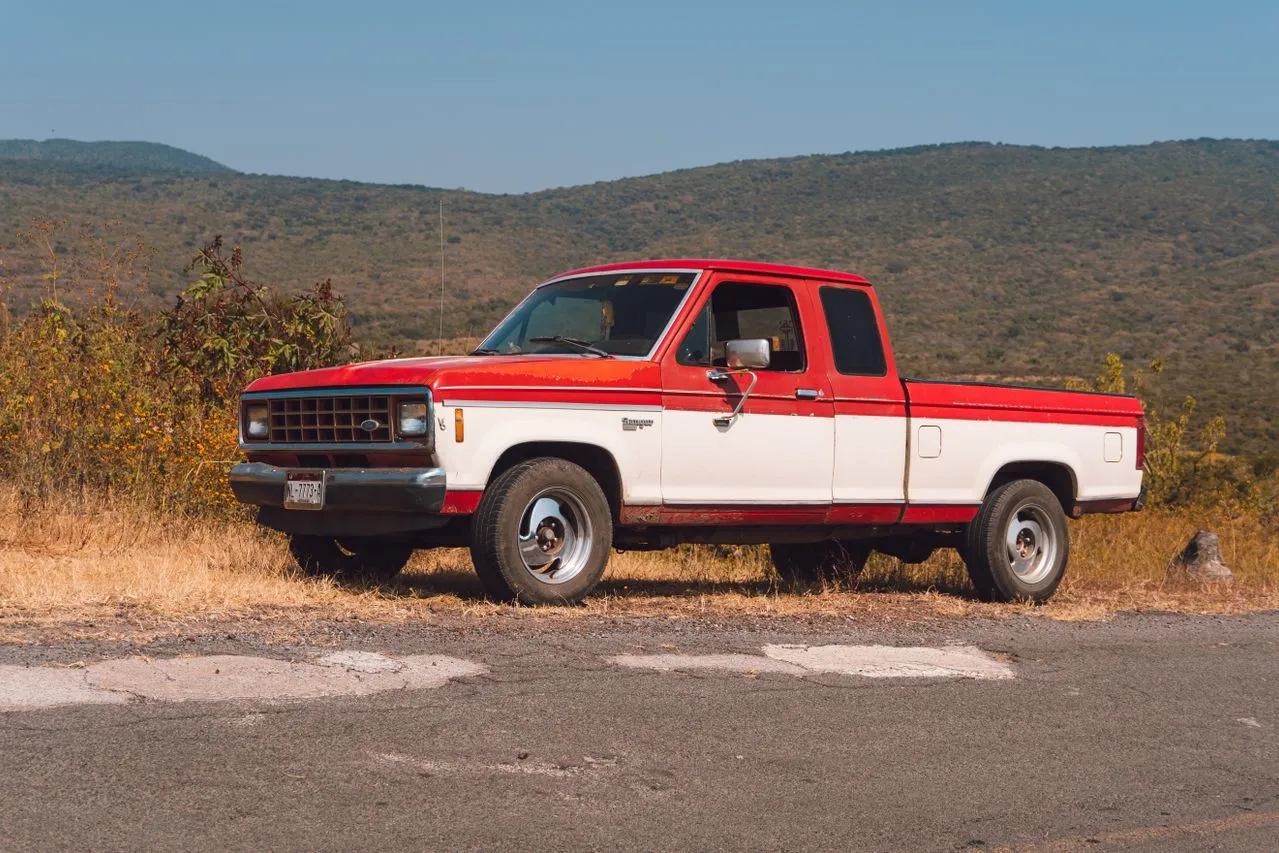
For a period, American buyers could choose cars built from pickup truck architecture or closely related body-on-frame designs. These vehicles often combined the basic structure of a truck with a passenger-oriented cabin. They occupied an unusual space between traditional cars and utility vehicles, offering durability and distinctive styling.
The concept made sense when trucks were relatively simple machines and manufacturing platforms were shared across multiple vehicle types.
A manufacturer could adapt an existing chassis for passenger use while giving buyers something different from a conventional sedan. These vehicles could appeal to customers who wanted a rugged character without purchasing a full-size pickup.
As passenger cars became more sophisticated, the disadvantages of truck-derived architecture became clearer. Body-on-frame construction could add weight, which affected fuel consumption, handling, and ride quality. Car buyers increasingly expected quiet cabins, smooth suspension behavior, efficient engines, and precise road manners.
The growth of modern unibody construction changed the competitive landscape. Manufacturers could create crossovers and compact utility vehicles with car-like driving characteristics while retaining useful cargo capacity.
These newer designs delivered many of the benefits buyers once sought from unusual pickup-based cars.
The old formula therefore faded as the industry found more efficient ways to combine utility and passenger comfort. Modern crossovers have effectively absorbed much of the demand that once supported unconventional car-truck hybrids. The vehicles themselves may be remembered fondly, but their basic body style no longer fits neatly into today’s mainstream market.
5. Pillared Hardtop
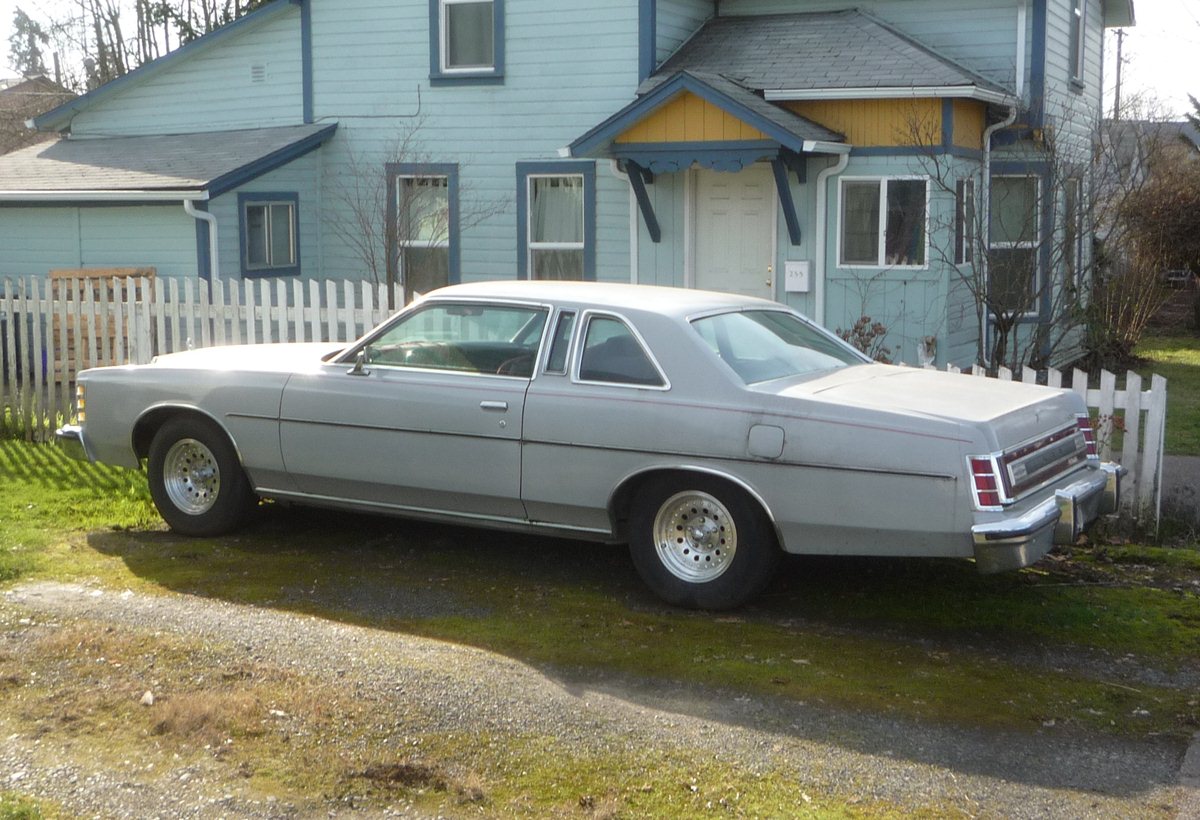
The pillared hardtop occupies an interesting place in automotive history because it combined characteristics of a sedan and a coupe. These cars often used a roofline that suggested a hardtop while retaining structural pillars. The design allowed manufacturers to create a sleek appearance without completely abandoning the structural benefits of a conventional sedan.
For buyers, the appeal came from styling. Automakers could make a practical four-door vehicle appear lower, longer, and more elegant. Rooflines were frequently shaped to create a sporty silhouette, while the interior retained enough space for everyday passenger use. This approach became particularly common when automotive styling was a major part of a vehicle’s identity.
As safety engineering became increasingly sophisticated, roof pillars became important structural elements. Modern vehicles depend on carefully engineered pillars to protect occupants during crashes and to support roof strength.
At the same time, designers learned how to make these structures thinner, stronger, and better integrated into the shape of the car.
The rise of aerodynamics also changed the appearance of mainstream cars. Smooth rooflines, integrated glass, and computer-assisted design allowed manufacturers to create vehicles that looked sleek without relying on the visual tricks used by earlier hardtop designs. Buyers could obtain a modern appearance while receiving greater structural strength and practicality.
The traditional pillared hardtop gradually disappeared because the market no longer needed a separate category for it. Modern sedans, coupes, and fastback models can achieve similar styling goals through different construction methods.
The name and exact body style may have vanished, but its influence remains visible in the low rooflines and sweeping profiles of many contemporary cars.
6. Sedan Delivery
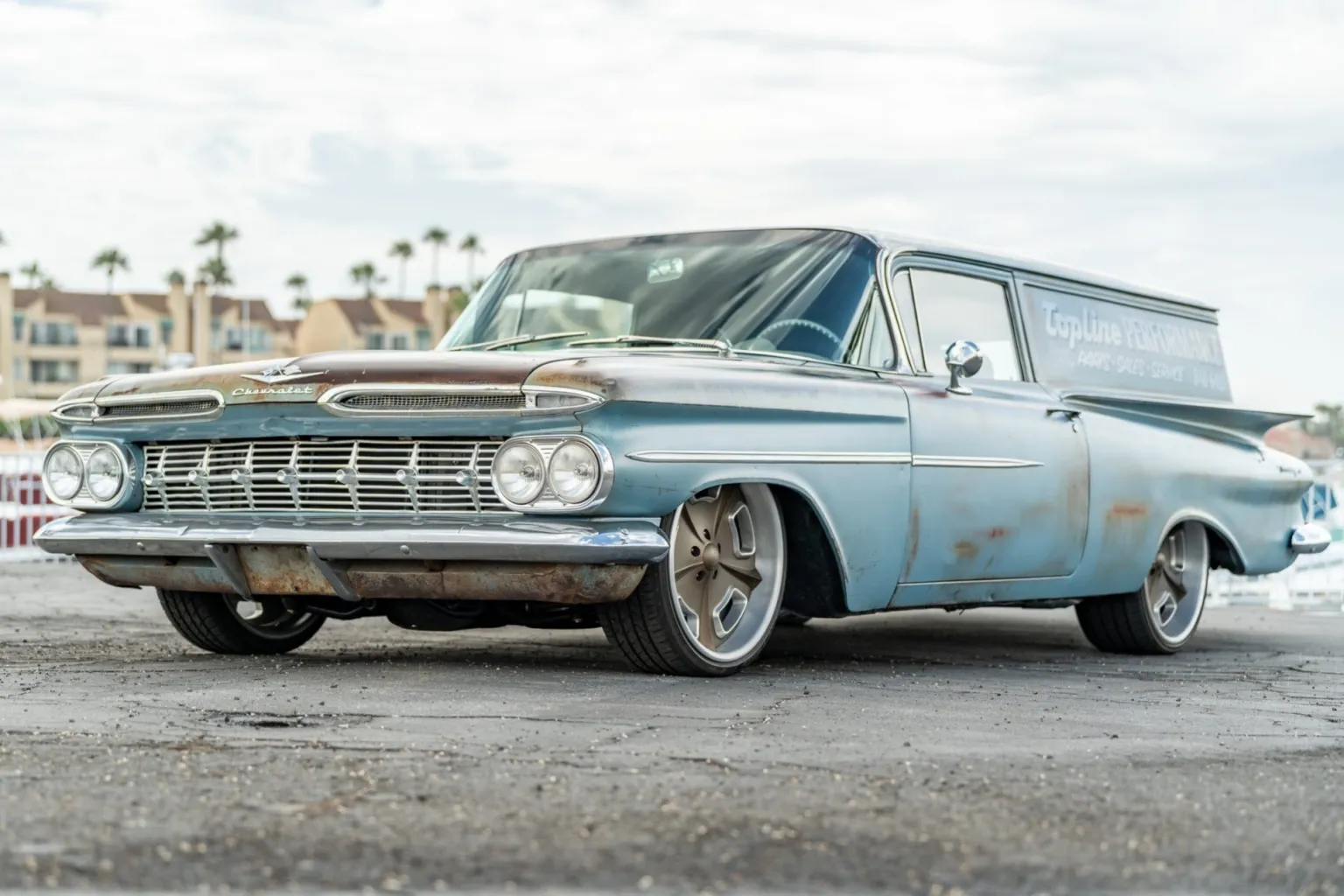
The sedan delivery was a clever combination of passenger-car engineering and commercial utility. It typically used the front section of a sedan while replacing the rear passenger compartment with an enclosed cargo area. Unlike a conventional wagon, the design prioritized commercial storage rather than rear-seat accommodation.
These vehicles were especially useful for small businesses. Bakeries, pharmacies, florists, repair companies, newspapers, and local retailers could use them for deliveries without purchasing a larger commercial truck. Their car-based construction generally made them easier to drive than a heavy-duty truck, particularly in busy urban environments.
The body style reached its strongest presence when local businesses relied heavily on direct deliveries. A company could put its name and services on the side of a sedan delivery and use the vehicle as both transportation and advertising. Their relatively compact dimensions made them suitable for streets where larger commercial vehicles were inconvenient.
The growth of specialized commercial vans gradually reduced the need for sedan deliveries. Vans offered taller cargo compartments, wider access, greater interior volume, and more flexible loading arrangements. These advantages became increasingly important as businesses expanded their delivery operations and required more equipment or merchandise.
The sedan delivery eventually became a niche historical curiosity. Enthusiasts still value surviving examples, particularly well-restored vehicles from major American manufacturers.
Modern delivery fleets use vans, pickups, and purpose-built commercial vehicles, leaving the sedan delivery as a reminder of an era when a modified passenger car could serve as a complete small-business workhorse.
7. Landau
The landau body style was associated with decorative automotive design and formal luxury. Its name originated from older carriage terminology, and automobiles eventually adopted visual features inspired by traditional carriage construction.
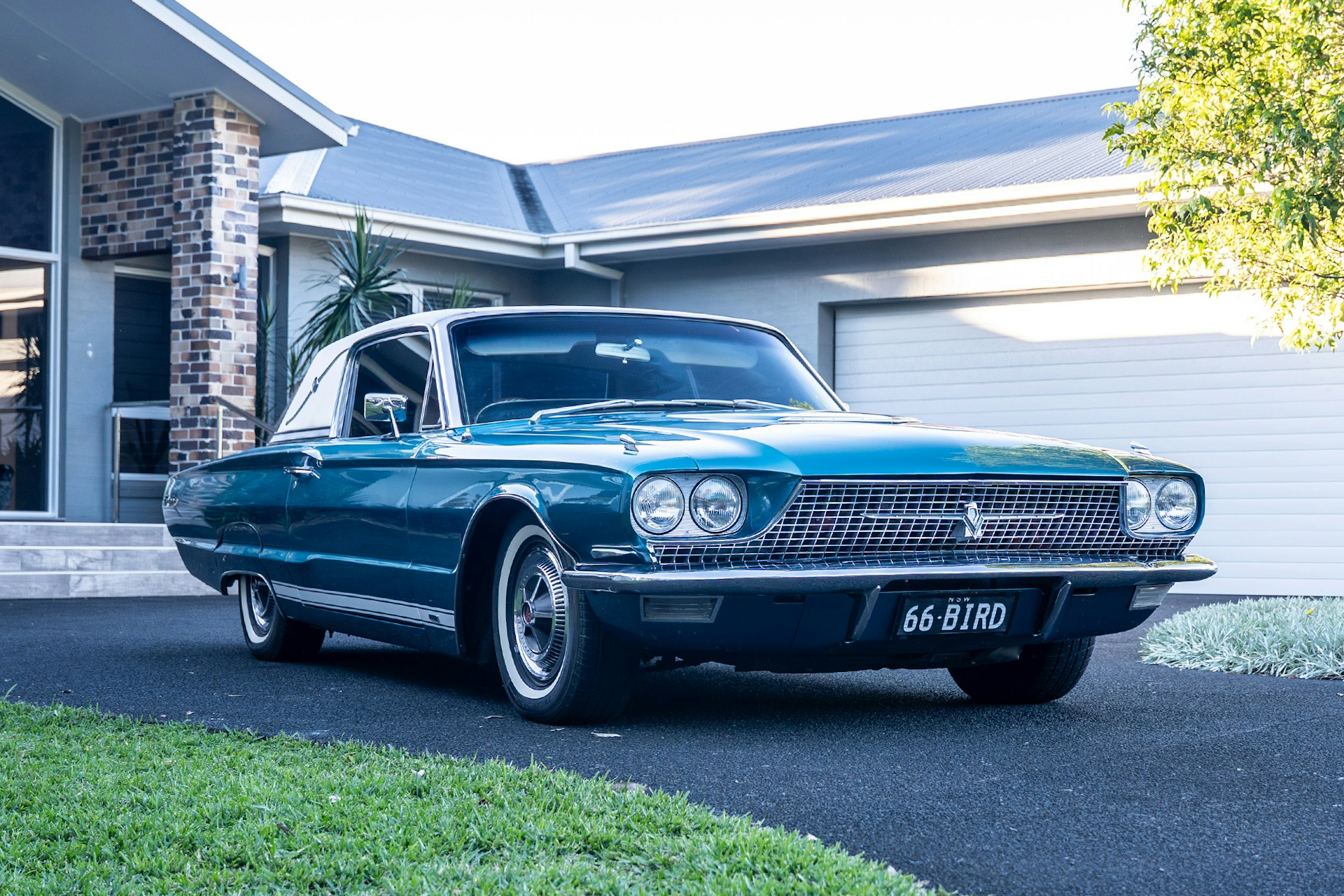
Landau roofs, simulated convertible tops, and elaborate exterior trim became particularly associated with luxury-oriented cars during certain periods.
These vehicles were designed to project status. A landau roof could make an ordinary sedan appear more formal and expensive, even when the underlying mechanical package was similar to another model in the lineup. Vinyl roof coverings, padded materials, decorative pillars, and special trim were used to create a distinctive appearance.
The popularity of such styling reached a peak when American buyers were comfortable with large cars and expressive exterior decoration. Automakers competed by offering increasingly elaborate trim packages. A roof treatment that would seem excessive on many modern vehicles could once be an important selling point.
Taste eventually shifted toward cleaner and more restrained designs. Aerodynamics became more important, and designers began emphasizing smooth body surfaces, integrated bumpers, flush glass, and reduced ornamentation. Decorative roof coverings became increasingly difficult to reconcile with these newer styling priorities.
The landau roof disappeared from mainstream American vehicles as design philosophy changed. Its legacy remains visible in classic-car collections and restored luxury sedans from earlier decades.
For modern drivers, the body treatment can look unusual, yet it provides a clear example of how automotive fashion can completely transform within a few generations.
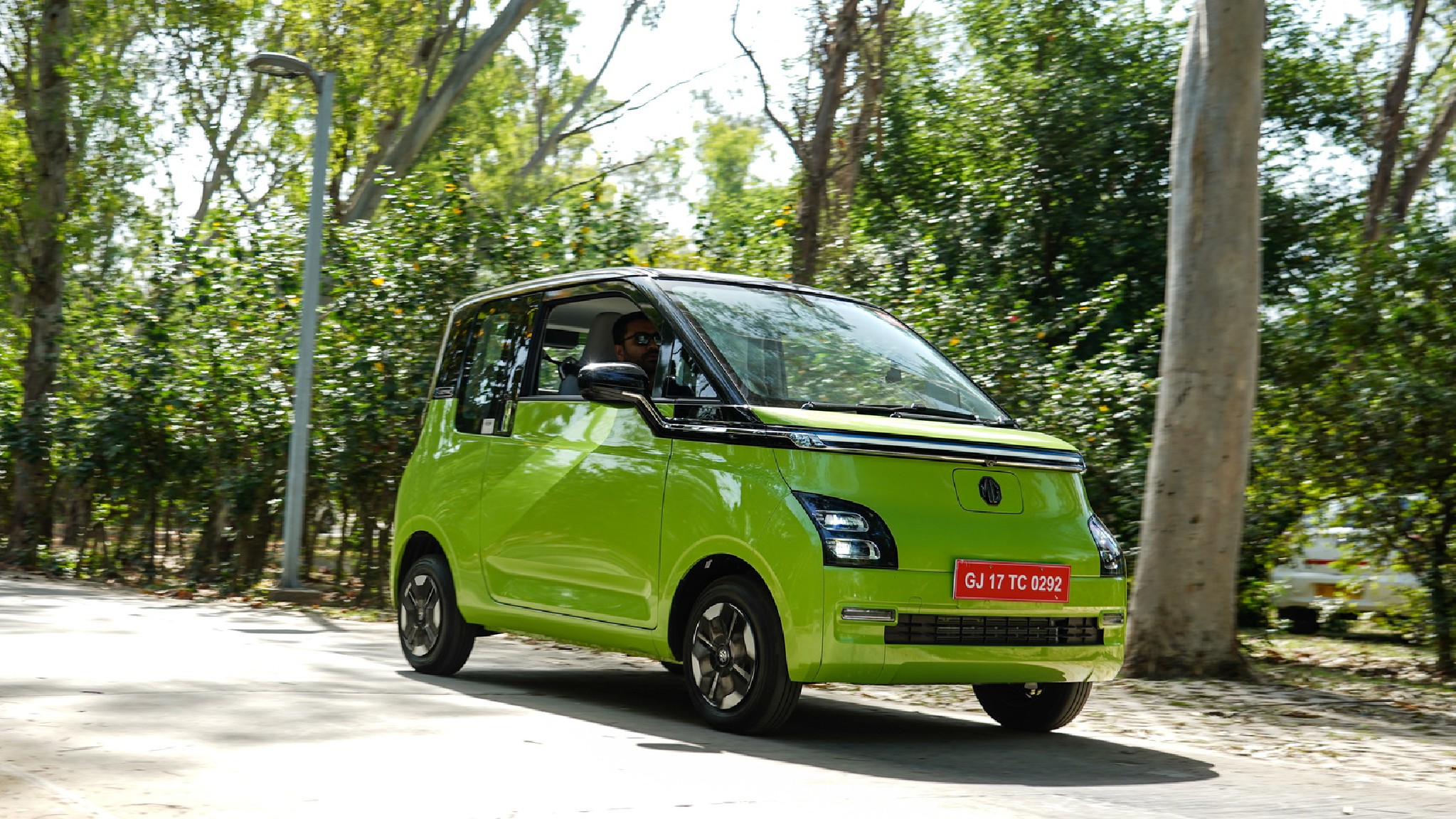
8. Compact Two-Door Hatchback
Small two-door hatchbacks were once common on American roads, especially during periods when consumers wanted inexpensive and efficient transportation. Their short bodies, rear liftgates, and compact dimensions made them useful in cities and economical for commuting. Many were affordable enough to attract first-time buyers.
The hatchback format itself has survived, but the two-door version has nearly vanished from mainstream American sales. The basic idea was simple: use a short vehicle footprint while making the rear cargo area accessible through a large hatch.
Folding rear seats added flexibility, allowing the car to carry larger objects than its exterior dimensions might suggest.
As buyers became more focused on passenger convenience, four-door versions gained an advantage. Rear passengers could enter without maneuvering around a front seat. Families also found four-door cars easier to use for child seats, groceries, and everyday errands. The small increase in weight and cost was often worth the convenience.
Crossovers later transformed the small-vehicle market. Consumers could purchase compact vehicles with four doors, a higher seating position, generous cargo areas, and modern safety features. These vehicles offered many of the practical advantages associated with hatchbacks while presenting a different visual identity.
Two-door hatchbacks remain available in enthusiast and specialty markets in various forms, but they are no longer a common sight on American streets. The decline demonstrates how even efficient and practical designs can lose ground when buyers find a different format that better matches their daily routines.
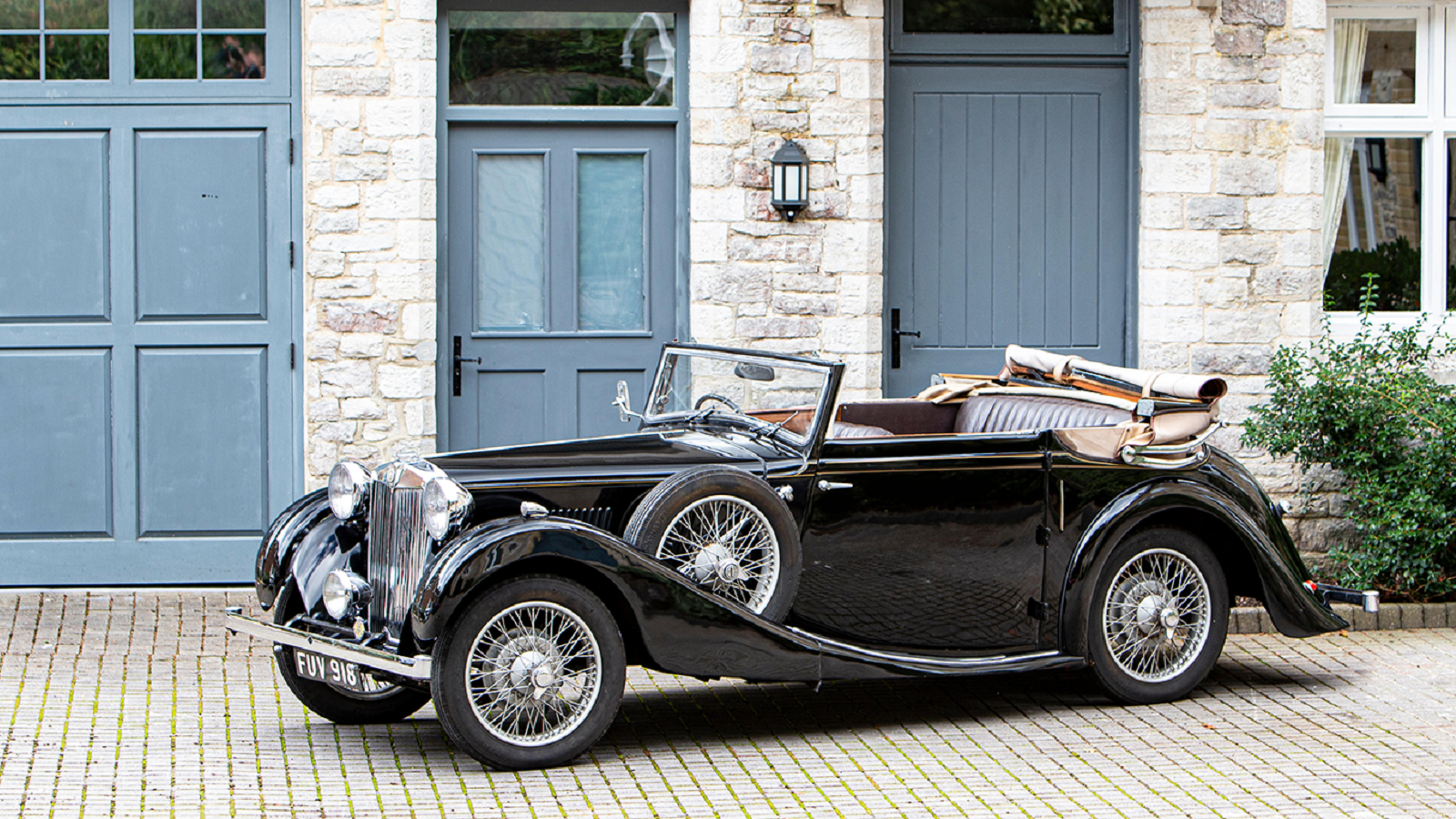
9. Full-Size Convertible Sedan
The full-size convertible sedan was a dramatic body style that combined generous passenger capacity with an open-air roof.
Large American convertibles became symbols of prosperity and relaxed highway travel during the middle of the twentieth century. They could seat several passengers while providing the excitement of driving with the roof folded away.
These vehicles were often large, heavy, and mechanically complex. A convertible roof requires structural reinforcement because removing a fixed roof changes the way the body handles loads. Manufacturers had to strengthen the chassis and engineer reliable folding mechanisms while maintaining acceptable ride quality.
As safety expectations increased, open-top vehicles faced additional engineering challenges. Windshield structures, rollover protection, occupant restraint systems, and body rigidity became increasingly important.
At the same time, fuel economy became a stronger consideration, reducing demand for massive vehicles with large engines and substantial curb weights.
Consumer preferences also shifted toward smaller convertibles and more specialized personal vehicles. A buyer interested in open-air driving could choose a compact convertible or sports car instead of a huge family sedan with a folding roof.
Four-door practicality remained available through conventional sedans, while convertible buyers increasingly accepted smaller cabins.
The traditional full-size convertible sedan eventually disappeared from American showrooms. Its memory survives through classic-car events, museums, private collections, and restored examples. Modern convertible engineering is far more advanced, yet very few vehicles attempt to recreate the sheer size and passenger capacity that defined these earlier American drop-tops.
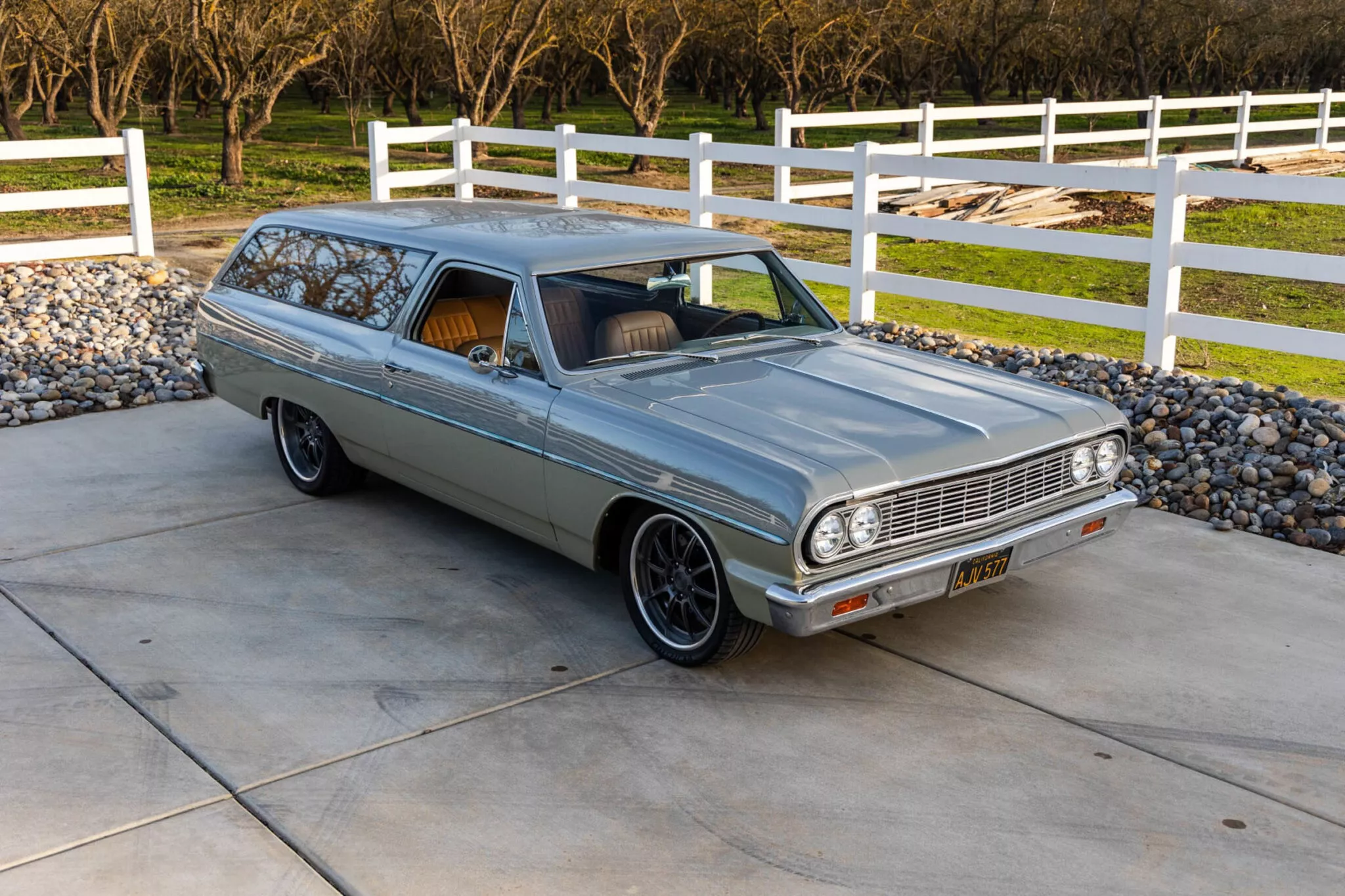
10. Two-Door Wagon
Two-door wagons occupied a small but memorable niche in American automotive history. These vehicles offered the cargo flexibility of a station wagon with a shorter, sportier body configuration. They were particularly attractive to buyers who wanted utility without the formal appearance of a traditional family wagon.
The design could be found in compact and midsize vehicles, and some manufacturers used it to give practical cars a more youthful identity. A large rear cargo opening made the vehicle useful for transporting equipment, luggage, groceries, and recreational gear. The absence of rear doors helped create a distinctive exterior profile.
The problem was convenience. Loading passengers into the rear seats required access through the front doors, which became increasingly inconvenient as families began demanding easier everyday usability. A four-door wagon could provide much of the same cargo capacity while making passenger access considerably simpler.
The rise of SUVs and crossovers added further pressure. These vehicles offered four doors, flexible rear seats, elevated seating positions, and substantial cargo areas. Consumers who once might have considered a two-door wagon could now find more practical alternatives without giving up the compact dimensions that had made wagons attractive.
Today, the two-door wagon is mainly remembered by enthusiasts and collectors. Its disappearance is a good example of how a body style can be technically useful yet commercially vulnerable. When manufacturers offer a similar package with easier access and broader appeal, the unusual configuration becomes difficult to justify in a mass-market lineup.
