
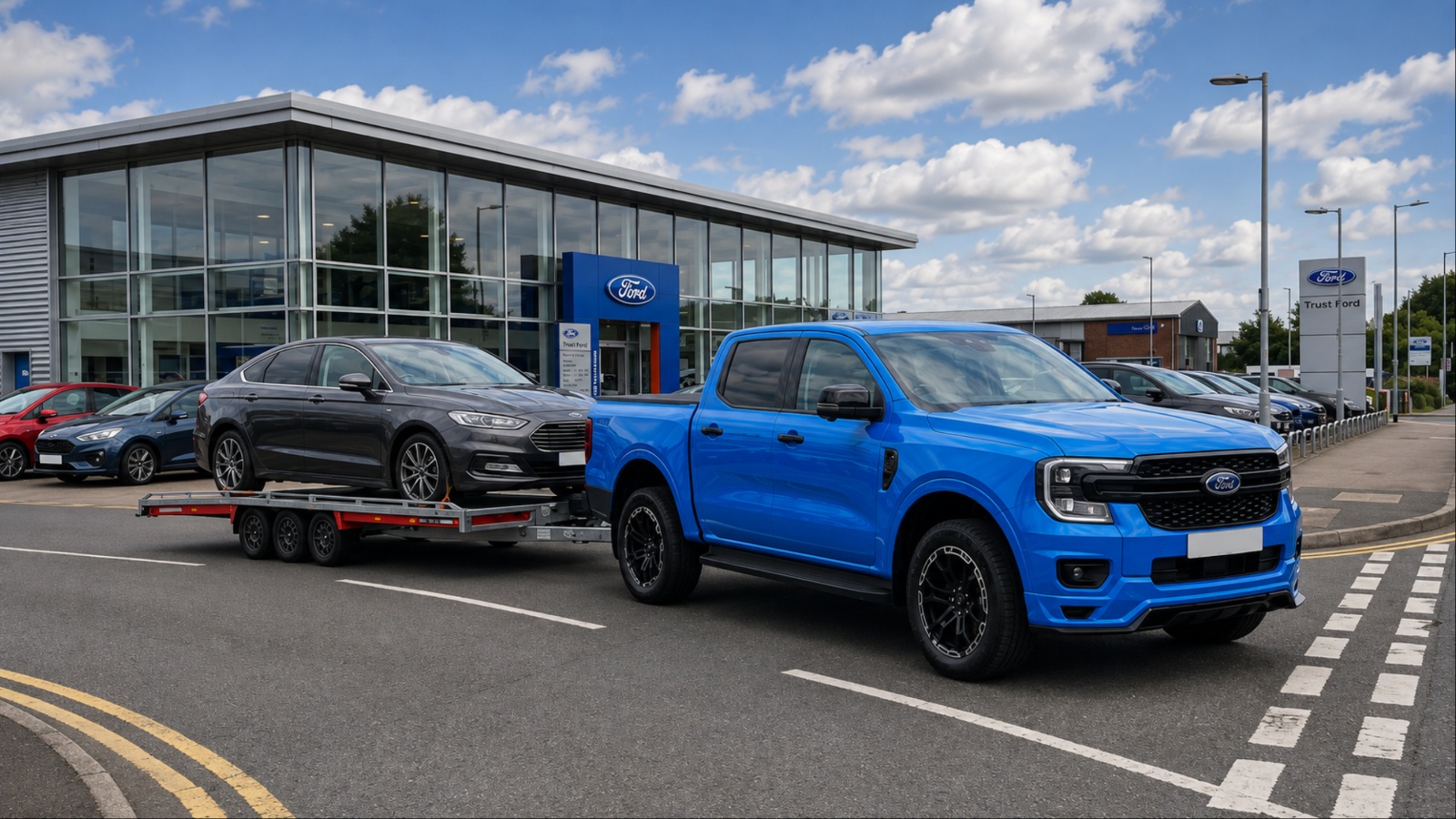
A car tow company can make anywhere from roughly $75 to several hundred dollars from a single service call, depending on the type of tow, distance, location, vehicle size, and additional services provided.
A basic local tow may generate a modest amount, while a long-distance recovery, accident response, roadside assistance job, or heavy-duty tow can produce a much larger invoice.
Understanding how towing companies price their services helps explain why revenue from a single call can vary so widely. This article breaks down typical towing charges, business expenses, profit margins, and the factors that determine how much a towing company actually earns from each customer.
Average Revenue From One Tow Call
A standard local car tow often produces a gross customer charge of around $75 to $150, though prices can be lower or considerably higher depending on the market. Many companies use a base hookup or service fee and then add a mileage charge.
For example, a company might charge a starting fee for dispatching a truck and attaching the vehicle, followed by a per-mile rate. A short trip may therefore result in a relatively small bill, while a longer journey quickly increases the total.
Location has a major influence on the amount a towing company can charge. Rates in large metropolitan areas tend to be higher because businesses face greater operating costs, including commercial insurance, fuel, wages, truck maintenance, parking, and equipment expenses.
Rural operators may have lower overhead in some areas, but they may travel longer distances between calls. This can reduce the number of jobs a driver can complete during a shift and increase fuel consumption.
The type of vehicle also affects revenue. A compact car that can be loaded quickly onto a standard flatbed is usually easier and less expensive to tow than a large pickup, recreational vehicle, commercial truck, or damaged vehicle.
Heavier vehicles can require specialized equipment and additional labor.
A company equipped for larger vehicles can therefore generate significantly more revenue from certain calls than a small operator serving passenger cars.
Accident recovery calls can produce higher invoices because they may involve more complicated work. A badly damaged vehicle might need winching, careful positioning, traffic control, debris removal, or specialized recovery equipment.
If a vehicle has ended up in a ditch or difficult location, the operator may spend much longer at the scene. The customer charge can rise accordingly because the job requires more time, equipment, and expertise.
Emergency and after-hours calls can also command higher prices. Some towing businesses apply additional fees for nights, weekends, holidays, or urgent dispatches. A customer who needs immediate assistance at 2 a.m. may pay substantially more than someone scheduling a routine vehicle transport during normal business hours.
These surcharges can increase gross revenue from individual calls while compensating the company for maintaining emergency availability.

What a Towing Company Actually Keeps
The amount charged to a customer is not the same as the company’s profit. A towing business has numerous expenses that must be paid before the owner can determine what was actually earned.
Fuel is a recurring cost, while commercial auto insurance can represent a significant fixed expense. Trucks also require tires, brakes, oil changes, repairs, inspections, and periodic replacement of expensive components.
Labor is another major expense. A company with employees must cover wages and potentially payroll taxes, workers’ compensation costs, benefits, and other employment expenses. Even an owner-operated towing business has a labor cost in economic terms because the owner’s time has value. A $120 invoice does not mean the owner personally receives $120 as profit.
Consider a hypothetical $125 local tow. The company might spend $15 to $25 on fuel and allocate another amount toward truck maintenance and insurance. Labor could account for a substantial portion of the remaining revenue. Dispatching, credit card processing, administrative expenses, licensing, parking, and other overhead further reduce the amount available as profit.
For this reason, a towing company might generate $100 or more in gross revenue from a call but retain far less after operating expenses. The exact profit depends heavily on how efficiently the business operates.
A truck that completes many calls each day can spread fixed expenses across more jobs, improving profitability. A truck that sits idle for long periods still generates insurance, financing, depreciation, and maintenance expenses without producing revenue.
The business model therefore matters as much as the price of an individual tow. A company charging $150 per call may be more profitable than a competitor charging $200 if it has better dispatch efficiency, lower overhead, stronger customer demand, and fewer unproductive miles.
Revenue per call is useful, but it does not provide a complete picture of business performance.
Factors That Increase Revenue Per Call
Mileage is perhaps the most straightforward factor that increases the price of a tow. A vehicle transported several miles requires less driving time and fuel than a vehicle transported across a city or to another town.
Many towing companies use mileage-based pricing, so longer trips can produce higher gross revenue.
Special equipment can also increase the invoice. Winches, dollies, wheel-lift systems, flatbeds, and recovery equipment may be necessary for particular vehicles or situations. When a tow requires more equipment or additional labor, the company may charge accordingly. Accident scenes and vehicles stuck in difficult terrain can be especially labor-intensive.
Storage services provide another source of revenue. If a vehicle cannot immediately be released to its owner, it may be stored at the towing company’s facility.
Storage charges are generally calculated by the day and can become a significant part of the final bill when a vehicle remains at the facility for an extended period. Depending on local laws and regulations, additional administrative or processing fees may also apply.
Vehicle transport is a related service that can produce larger invoices than ordinary roadside towing. Customers may hire towing companies to move non-running vehicles, classic cars, motorcycles, or vehicles purchased from distant locations.
These jobs can involve longer distances and advance scheduling, allowing the company to plan its routes and equipment requirements.
Commercial and heavy-duty towing can generate substantially more revenue per call. Heavy trucks, buses, construction equipment, and large trailers require specialized tow vehicles and trained operators.
The price of such work can reach hundreds or even thousands of dollars depending on the circumstances. However, the equipment and insurance required for these operations are also considerably more expensive.
How Many Calls Can a Tow Truck Complete?
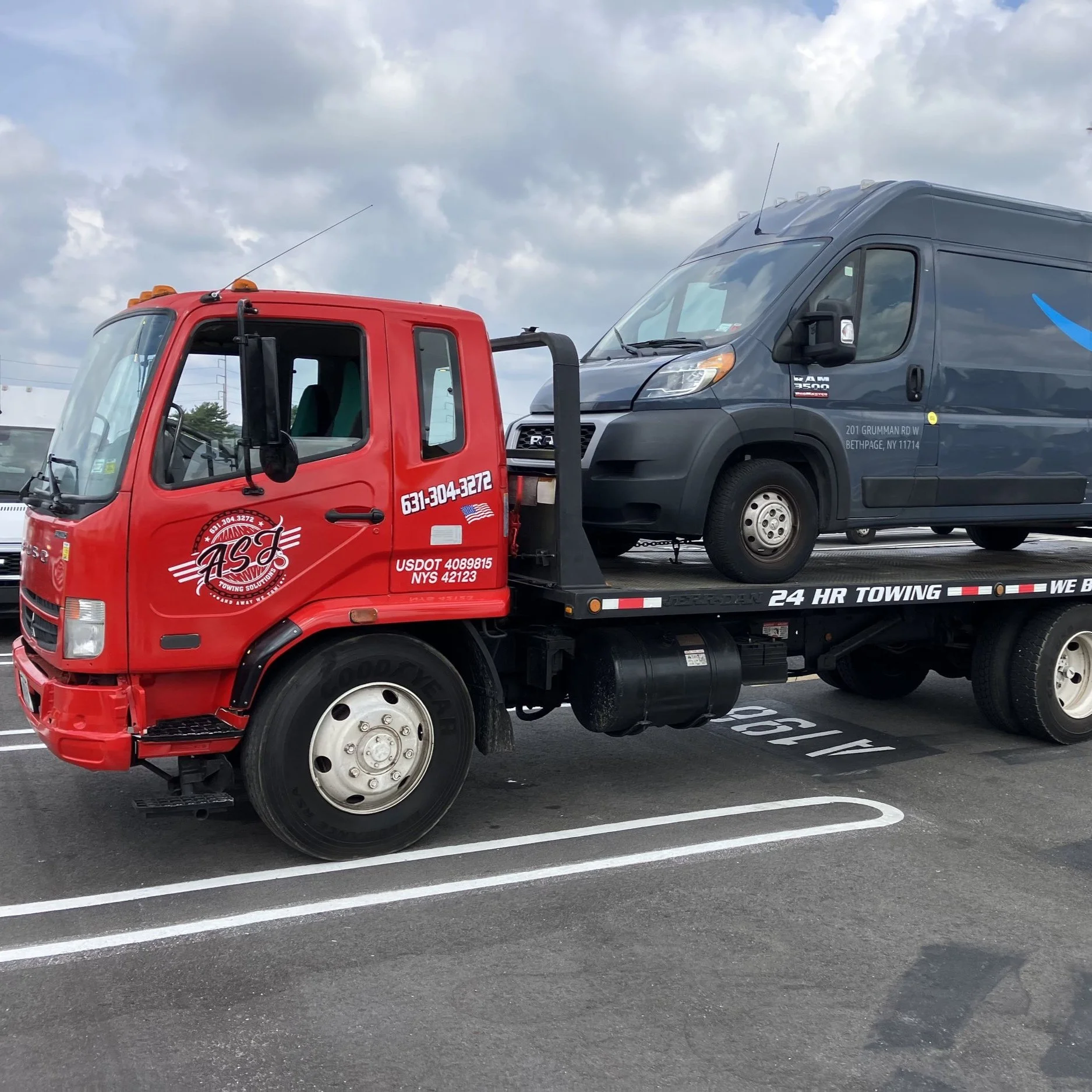
The number of calls completed during a day has a major effect on a towing company’s revenue. A driver working in a busy urban market might complete several short jobs during a shift. Another driver could spend most of the day on a single long-distance transport or complicated recovery.
Suppose a truck completes five calls averaging $125 each. That produces $625 in gross revenue for the day. If the truck completes eight calls at the same average value, daily gross revenue rises to $1,000. These figures are examples rather than guarantees, since actual towing rates and call volumes vary significantly by location and business model.
Dispatch efficiency is important because time spent traveling without a customer reduces productivity. A company with an effective dispatch system can assign calls based on truck location, reducing unnecessary mileage. Repeat customers, roadside assistance contracts, repair-shop relationships, and fleet accounts can also help maintain a consistent workload.
Seasonal conditions can influence demand. Severe weather, extreme temperatures, holiday travel, and winter road conditions can lead to more breakdowns and accidents in some markets. Busy periods may provide towing companies with increased call volumes, while quieter periods can leave trucks underutilized.
A company’s revenue can therefore vary considerably from day to day. Looking at monthly or annual performance gives a better understanding of its earning potential than focusing on a single call.
Example of a $150 Tow
Imagine a customer calls for a vehicle that will be transported 10 miles to a repair shop. The towing company charges a $90 base fee and $6 per mile for the applicable mileage, producing a hypothetical $150 bill.
The company does not automatically earn $150 in profit. Fuel might account for part of the expense, while labor represents another high cost. The business also needs to account for insurance, truck depreciation, maintenance, licensing, dispatch operations, payment processing, and other overhead.
If the truck is already close to the customer’s location and the repair shop is nearby, the job may be relatively efficient. The driver might complete the entire service in a short period and return quickly for another call. That allows the company to generate more revenue during the same shift.
Now consider the same $150 tow when the driver must travel 20 miles to reach the customer before transporting the vehicle another 20 miles. The company has significantly more fuel consumption and driver time while receiving the same customer payment. The profitability of that call could therefore be much lower.
This example demonstrates why towing companies carefully consider dispatch distance, equipment utilization, call volume, and pricing. A high invoice can still produce limited profit when a job consumes substantial time and resources.
