
Buying a car often comes with more decisions than the vehicle itself. Among the most debated choices is whether to purchase an extended car warranty. These plans are marketed as protection against expensive repairs, but their value depends on the vehicle, contract, price, and length of ownership.
An extended warranty is usually a vehicle service contract that covers specific repairs after certain manufacturer coverage ends. It is not automatically a good deal or a bad deal for every driver.
Understanding what these plans cover, what they exclude, how claims work, and what they really cost can help buyers make a practical decision before signing any paperwork.
What Is an Extended Car Warranty?
The term “extended car warranty” can be confusing because many products sold under this name are technically vehicle service contracts. A manufacturer warranty is generally included with a new vehicle and provides protection for specified defects or failures during a defined period or mileage limit.
A service contract is an optional product that you purchase separately. The company behind the contract agrees to pay for certain repairs or services listed in the agreement. The Federal Trade Commission makes this distinction clear because consumers can easily assume that an extended warranty is simply an automatic extension of the original factory warranty.
The basic purpose of an extended car warranty is straightforward. You pay a fee today in exchange for protection against certain repair bills in the future. If a covered component fails while the contract is active, the provider may pay some or all of the eligible repair cost, depending on the terms.
This can include components such as the engine, transmission, drivetrain, electrical systems, air conditioning, or other mechanical parts. Coverage varies significantly, so a plan advertised as comprehensive may still exclude many items that a vehicle owner assumes are protected.
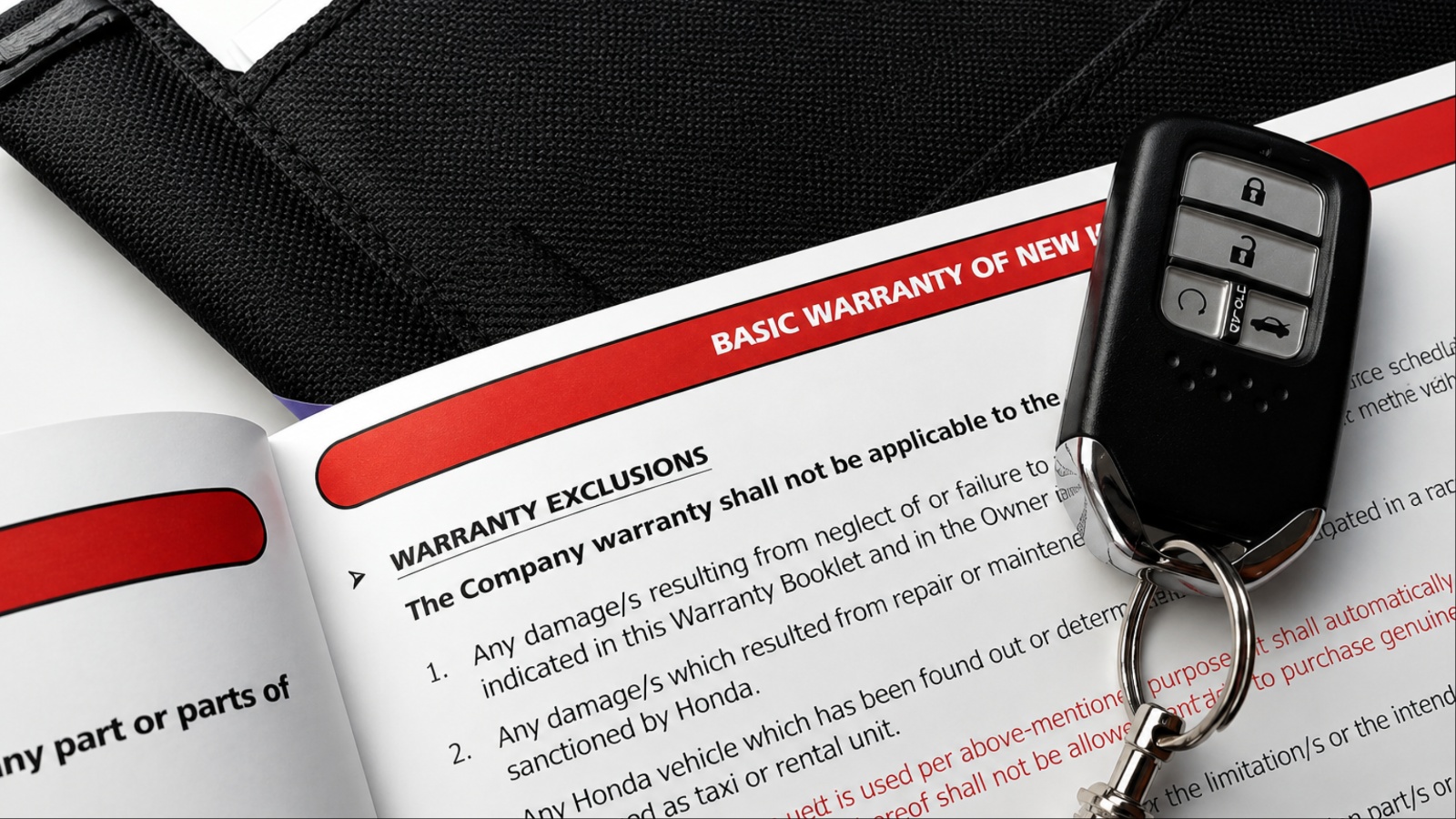
A major misconception is that an extended warranty covers anything that goes wrong with a vehicle. That is rarely the case. Service contracts generally contain lists of covered components, exclusions, deductibles, claim procedures, maintenance requirements, and conditions that must be met before a repair is approved.
Routine maintenance such as oil changes and tire replacement is generally not included. Normal wear and tear may also be excluded. Reading the actual contract is therefore more important than relying on phrases used during a sales presentation.
The price can also vary considerably. Factors such as vehicle age, mileage, model, expected repair costs, contract duration, coverage level, and deductible can affect what you pay.
Consumer guidance from the FTC notes that auto service contracts can cost from several hundred dollars to several thousand dollars. A cheaper contract may provide narrower protection, while a more expensive plan may offer broader coverage and additional benefits. The price alone does not tell you whether the contract is worthwhile.

Why People Buy Extended Car Warranties?
Unexpected vehicle repairs can be financially stressful. A major engine, transmission, electrical, or electronic-system failure can create a large bill at an inconvenient time. An extended warranty attempts to reduce that uncertainty by shifting some repair costs to a service contract provider.
Instead of facing the entire cost of an eligible repair, the owner may only have to pay a deductible or other amount specified in the agreement. For drivers who prefer predictable expenses, that arrangement can provide meaningful financial comfort.
Peace of mind is another major selling point. Modern vehicles contain complex mechanical and electronic systems, and repairs can become expensive as a car gets older.
A driver who intends to keep a vehicle beyond its factory warranty period may worry about what could happen after that protection expires. A suitable service contract can provide additional protection during that later ownership period. The value comes from the coverage actually provided, not simply from having a warranty document in the glove box.
Extended coverage can also make sense for certain vehicles with costly components or sophisticated technology. A luxury vehicle, performance car, hybrid, or technologically advanced model may have repair costs that are significantly higher than those associated with a simpler vehicle.
That does not automatically mean an extended warranty is a good purchase. It means the potential financial exposure should be considered when comparing the contract price with likely repair expenses.
Another factor is how long the owner intends to keep the vehicle. If you plan to sell the car shortly after the original warranty expires, paying for many additional years of protection may not make financial sense. If you expect to keep it for a long period, the calculation changes.
The contract may cover years when the vehicle is older and potentially more likely to require repairs. Some contracts may also be transferable to a new owner, but transfer conditions and fees vary, so this feature should never be assumed.
Financial circumstances matter as well. Someone with a substantial emergency fund may prefer to save money for potential repairs rather than pay for a service contract. A driver who would struggle to handle a sudden repair bill might consider a warranty worth paying for even if the mathematical savings are uncertain.
The decision is partly about risk management. You are paying for protection from a potentially large expense, not necessarily guaranteeing that you will receive more money in claims than you paid for the contract.
The Hidden Details That Matter Most
The biggest mistake buyers can make is focusing on the sales pitch instead of the contract. Terms such as “bumper-to-bumper,” “comprehensive,” or “full protection” can create broad expectations, but the actual agreement determines what the provider is required to pay.
Before purchasing, identify the covered components and compare them with the systems most likely to produce expensive repairs. If a component is not covered by the contract, its repair could remain entirely your responsibility.
Deductibles deserve careful attention too. A contract might sound affordable until you discover that a deductible applies every time a covered repair is performed. The amount and structure of the deductible can vary.
Some plans may charge a deductible per repair visit, while others may use different arrangements. There can also be limits on labor rates, replacement parts, towing, rental vehicles, or other related expenses. These details can have a substantial effect on the practical value of the plan.
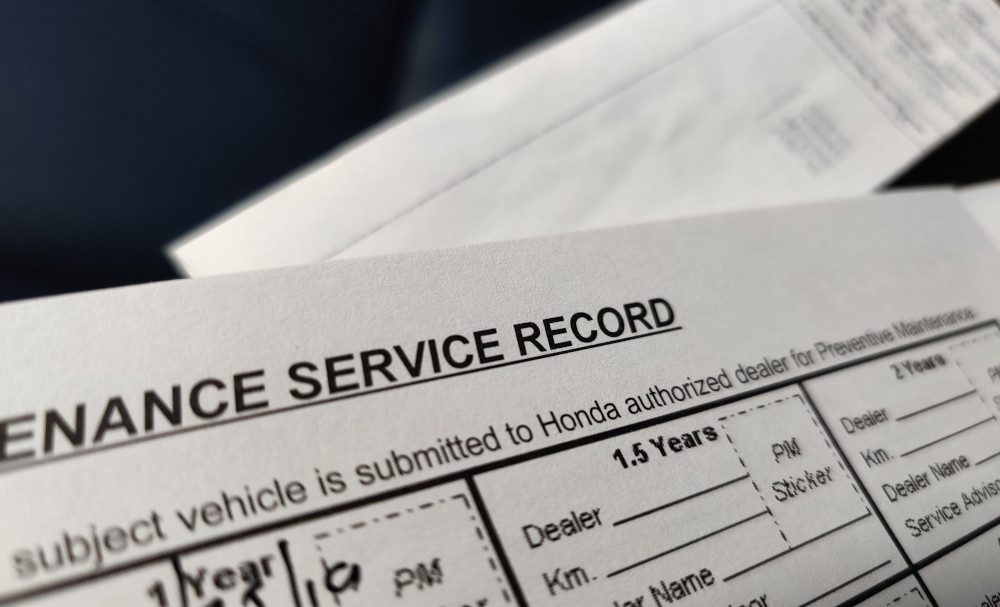
Maintenance requirements are another important consideration. Certain service contracts require owners to follow the vehicle manufacturer’s recommended maintenance schedule. Keeping receipts and service records can help demonstrate that required maintenance was completed.
If a claim is disputed because of alleged neglect or failure to follow contract conditions, documentation may become important. The FTC recommends keeping maintenance records because they can help establish that the vehicle was properly maintained.
The claims process should also be investigated before purchase. Ask who must authorize repairs, whether pre-approval is required, which repair shops are allowed, and who pays the repair facility. Some contracts restrict repairs to approved facilities.
That can become inconvenient if you move to another state or live far from an authorized location. A contract that looks attractive on paper can lose much of its practical value if obtaining approved repairs is difficult.
Cancellation terms are worth reading before signing. Some service contracts allow cancellation, but refunds can depend on the timing and terms of the agreement.
How to Decide Whether an Extended Warranty Is Worth It
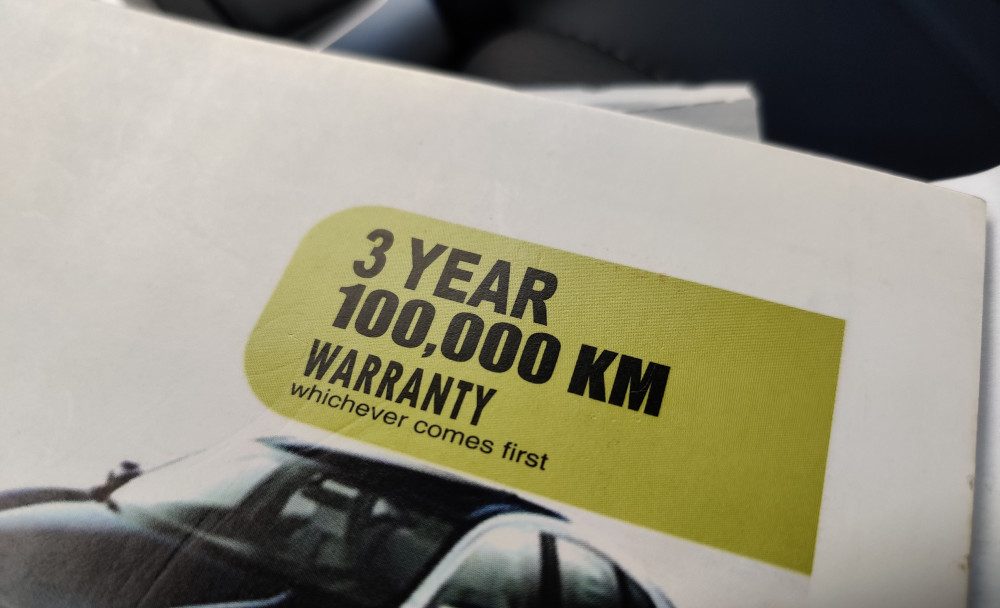
Before purchasing an extended warranty or vehicle service contract, first review the factory warranty already included with the vehicle. Check when that coverage expires based on both time and mileage, then determine when the additional plan would begin. If the service contract overlaps with existing protection, you may be paying for coverage you do not immediately need.
Next, consider the vehicle’s likely repair costs. Research expenses for the specific make, model, year, engine, and drivetrain, while also taking reliability, mileage, and maintenance history into account. A well-maintained vehicle with predictable repair costs may not benefit as much from additional coverage as an older vehicle with expensive or complex components.
Compare the full cost of the contract with the financial risk it is meant to cover. A $2,500 plan with a $100 deductible does not automatically mean you will save $2,400. You could have few covered repairs, while excluded problems may still leave you with significant expenses. However, one major covered repair could make the contract worthwhile.
Another option is to put the same money into a dedicated repair savings account. If your vehicle needs repairs, the funds are available. If it remains reliable, the money stays with you. The FTC also recommends considering this approach before buying a service contract.
