
Modern cars can collect far more information about driving behavior than many owners realize. Connected vehicles may transmit data related to speed, acceleration, braking, location, diagnostics, and vehicle operation through built-in communication systems.
This article looks at ten vehicles and vehicle families associated with connected data collection, while clarifying what manufacturers can actually receive. In many cases, the phrase “every hard acceleration” is stronger than the available evidence supports.
Automakers do not necessarily receive a report for every aggressive throttle input. Instead, connected systems may record or transmit driving events depending on the model, market, subscription, privacy settings, and service agreement.
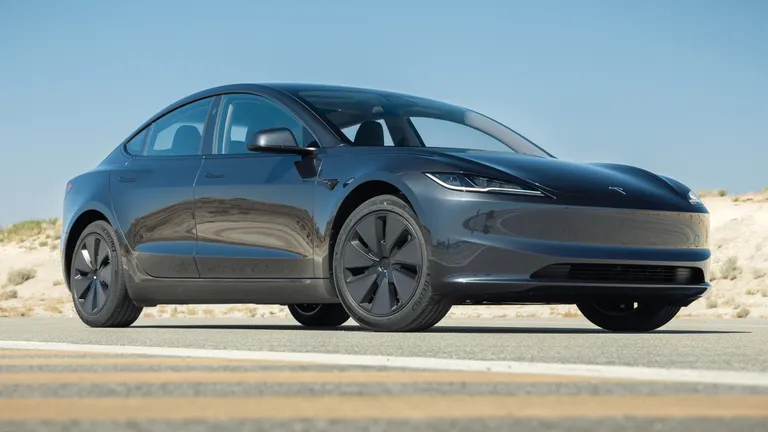
1. Tesla Model 3
The Tesla Model 3 is frequently discussed in conversations about connected-car data because the vehicle is designed around extensive software integration and continuous communication with Tesla’s online services. Like other modern Tesla vehicles, the Model 3 generates large amounts of operational information.
That can include information associated with vehicle performance, system diagnostics, charging, safety systems, and driving conditions. Tesla has also acknowledged collecting vehicle data under various circumstances.
This makes the Model 3 a relevant example when discussing how modern vehicles can communicate information back to a manufacturer. It is important, however, to distinguish data generated inside a car from information that is actually transmitted to a manufacturer’s servers.
Hard acceleration can create information that a vehicle’s electronic control systems can recognize. The car continuously monitors inputs and vehicle behavior because those measurements are required for functions such as traction control, stability management, power management, and driver-assistance systems.
A rapid increase in accelerator demand can therefore exist within the vehicle’s operational data. That does not automatically mean Tesla receives a separate notification every time the driver presses the accelerator aggressively. The exact data transmitted depends on Tesla’s systems, circumstances, software, applicable policies, and the vehicle’s connectivity.
Tesla’s approach has attracted attention because the company’s vehicles are heavily software-dependent. Many traditional vehicles can operate largely independently of a manufacturer’s online infrastructure, whereas Tesla vehicles rely extensively on networked services for updates, diagnostics, account features, navigation-related functions, and other capabilities.
This creates a situation where drivers may reasonably expect more interaction between their vehicle and the manufacturer’s systems. It also means privacy questions surrounding vehicle telemetry can be more complicated than simply asking whether a car has an internet connection.
For owners, the important point is that acceleration data can serve legitimate engineering purposes. If a vehicle experiences a traction-control intervention, sudden power delivery, unusual component behavior, or a safety-system activation, information about acceleration and vehicle conditions can help diagnose what happened.
Manufacturers can use aggregated information to improve software and identify recurring problems. At the same time, drivers should understand that connected services can involve data collection beyond the information shown on the dashboard.
Reading the manufacturer’s current privacy documentation is more reliable than assuming that every vehicle event is either completely private or automatically uploaded.
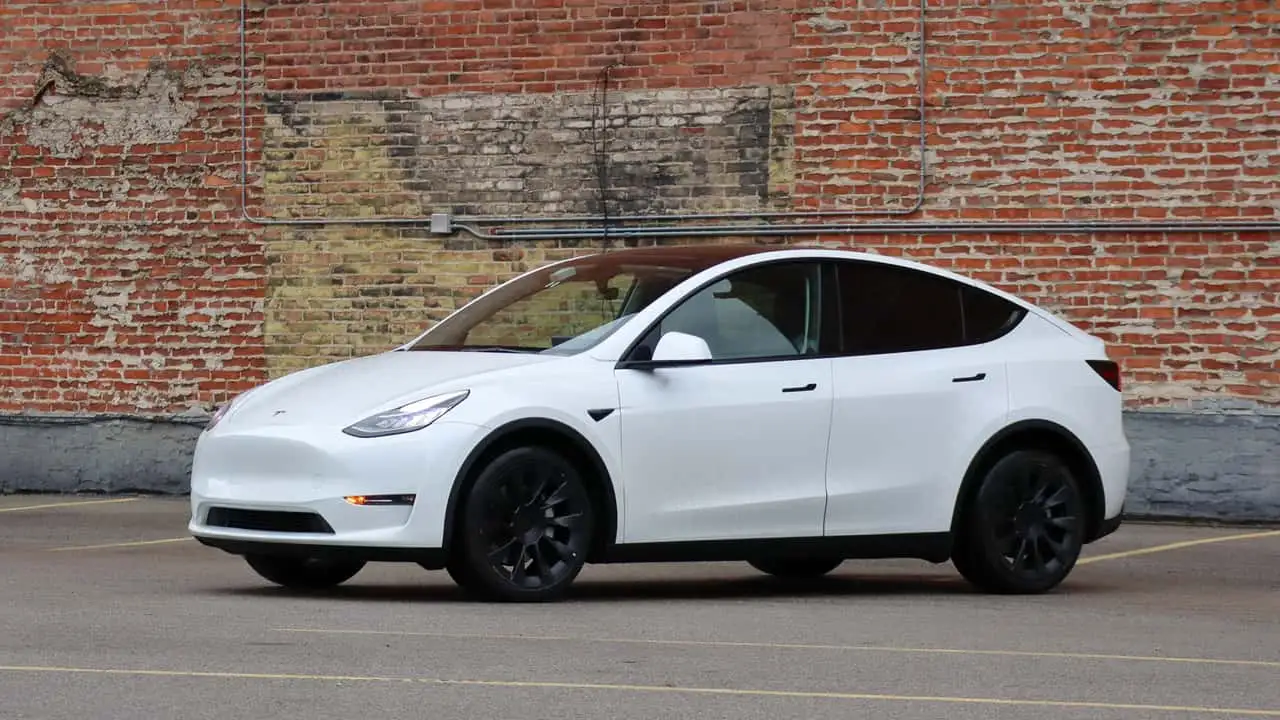
2. Tesla Model Y
The Tesla Model Y follows much of the same connected-vehicle philosophy as the Model 3. Its electronic architecture constantly monitors numerous vehicle systems, while internet connectivity allows information to move between the vehicle and Tesla’s infrastructure.
Acceleration is naturally part of this broader picture because the vehicle needs to know how quickly it is moving, how its wheels are behaving, how much power is being requested, and whether stability or traction systems need to intervene.
Those measurements can potentially form part of the vehicle’s telemetry. Yet the presence of a measurement does not establish that Tesla receives a separate upload for every hard acceleration.
The Model Y is particularly relevant because it combines substantial computing capability with numerous active safety and driver-assistance functions. Systems that manage traction, stability, braking, steering, and driver assistance depend on rapid measurements from multiple sensors.
A sudden acceleration event can therefore interact with several systems at once. For example, wheel-speed differences, accelerator position, motor output, and vehicle speed may all become relevant when the car detects changing traction conditions.
Data generated for these functions can sometimes be useful for diagnostics or system development, but that is different from saying that the manufacturer watches every driver’s throttle application in real time.
Connected vehicles also demonstrate why privacy discussions can become confusing. A vehicle might store detailed information locally, send selected diagnostic records after a fault, transmit information associated with a crash, or provide certain telemetry through a connected service.
These different forms of communication have different purposes. A driver may see none of this activity because it happens electronically in the background. Consequently, the absence of a visible warning or notification does not necessarily mean the car produces no relevant data, just as the presence of vehicle telemetry does not prove that every piece of information leaves the car.
Another factor is software configuration. Manufacturers can change what vehicles collect, how long information remains available, and which circumstances trigger transmission through software updates. Connected-car behavior can also differ between countries because privacy legislation and consent requirements vary.
Subscription services may add additional connectivity features. These differences make blanket claims about a particular model risky. A statement that applies to a vehicle sold in one market may not apply in exactly the same way to an apparently identical vehicle sold elsewhere.

3. Ford F-150 Lightning
The Ford F-150 Lightning illustrates how connected data collection has expanded into pickup trucks. As an electric vehicle with extensive software, network connectivity, electronic controls, and driver-assistance technology, the Lightning can generate substantial operational information.
Ford’s connected-vehicle ecosystem supports services involving vehicle status, diagnostics, remote functions, navigation, charging, and other features. These capabilities require the vehicle to communicate with external systems.
Acceleration information can exist within the broader stream of vehicle measurements, particularly because electric powertrains can deliver torque rapidly and require precise electronic management.
An electric pickup such as the F-150 Lightning must constantly monitor conditions affecting propulsion. Accelerator input, motor operation, battery status, wheel speed, and traction are all relevant to the vehicle’s control systems.
When the driver requests strong acceleration, the vehicle’s computers need to determine how much torque can safely be delivered. If road conditions cause wheel slip, traction-control systems may respond immediately.
Such events create electronic information inside the vehicle. Some information may subsequently be used for diagnostics or other connected services, but that does not establish that Ford receives an individual report every time a driver accelerates forcefully.
Ford’s connected services also show why the term “report” can be misleading. A manufacturer may receive data automatically without generating a human-readable report. Software systems generally process telemetry through databases and automated diagnostic systems rather than sending an employee a message saying that a particular driver accelerated hard.
Data may be stored, analyzed, aggregated, or associated with a service event depending on the circumstances. For privacy discussions, it is more accurate to ask what categories of data are collected, when they are transmitted, how they are used, and how long they are retained.
The Lightning’s sophisticated driver-assistance technology adds another layer. Modern safety systems rely on information from cameras, radar where equipped, wheel sensors, braking systems, steering inputs, and other components. The vehicle needs to interpret its surroundings and its own movement to operate these functions.
Strong acceleration can be relevant to safety calculations, especially when combined with steering, braking, road conditions, and stability information. This does not mean the manufacturer necessarily receives all of those measurements continuously. It means the vehicle itself needs access to substantial driving information to function.

4. Ford Mustang Mach-E
The Ford Mustang Mach-E is another prominent example of a modern vehicle built around connectivity and software. Its electric drivetrain, digital interfaces, driver-assistance systems, and remote services depend on extensive electronic communication.
Like other connected vehicles, the Mach-E can monitor acceleration because its control systems need to understand the relationship between accelerator input, vehicle speed, wheel behavior, motor output, and available traction. This makes acceleration data technically accessible within the vehicle, even though it does not automatically mean that every hard acceleration reaches Ford.
Electric cars make the issue particularly interesting because propulsion is controlled almost entirely through electronic systems. In a conventional vehicle, pressing the accelerator affects the engine through a chain of electronic and mechanical components.
In an electric vehicle, accelerator position can be interpreted directly by control computers that determine how much torque the electric motor should provide. That process creates a detailed digital record of vehicle behavior inside the car. The same information can be relevant to energy management, traction control, stability systems, diagnostics, and performance calculations.
The Mach-E’s connectivity provides pathways through which selected vehicle information can be exchanged with Ford. Remote vehicle functions and connected services require communication between the car, mobile applications, and Ford’s systems.
Diagnostic information can also be valuable when investigating technical problems. If a vehicle develops a fault after an unusual operating event, stored information may help engineers or service technicians understand what happened.
Whether a particular acceleration event is transmitted, retained, or discarded depends on the relevant system and conditions rather than simply on the fact that the driver accelerated rapidly.
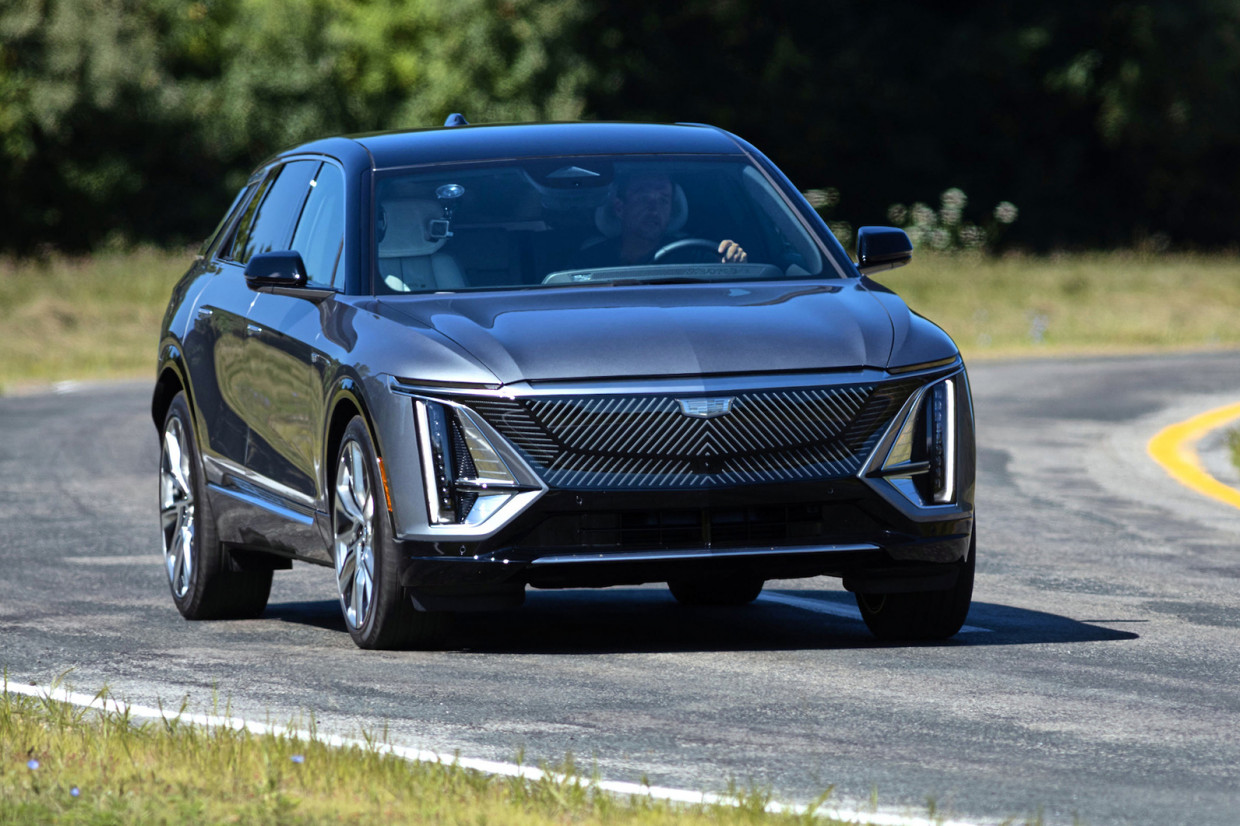
5. General Motors Connected Vehicles
General Motors has built a large connected-vehicle ecosystem covering multiple brands and models. Depending on the vehicle and market, GM products can support connected services involving remote commands, diagnostics, emergency assistance, navigation, vehicle status, and other functions.
Vehicles equipped with these technologies can generate significant quantities of operational information. Acceleration can form part of that information because electronic control modules continuously monitor vehicle behavior. Still, the claim that every hard acceleration is automatically reported to GM should not be presented as a universal fact covering every GM vehicle.
GM’s lineup includes vehicles with different electronic architectures, powertrains, model years, connectivity systems, and software configurations. A gasoline-powered SUV, a battery-electric vehicle, and a high-performance sports car may all collect information differently.
Even two vehicles with similar features can have different data practices depending on their production year and market. This is why statements about “GM cars” should be treated as broad descriptions rather than proof that every vehicle follows exactly the same telemetry process.
A modern GM vehicle can measure acceleration through multiple systems. Electronic stability control, anti-lock braking, traction management, engine or motor controls, airbag systems, and other modules need information about how the vehicle is moving. Some systems may record event-related information when a particular threshold is reached.
Crash-related systems can also preserve information surrounding a collision. These records have purposes connected to safety, diagnostics, engineering, and legal requirements. They should not automatically be interpreted as a permanent database of every aggressive driving maneuver.
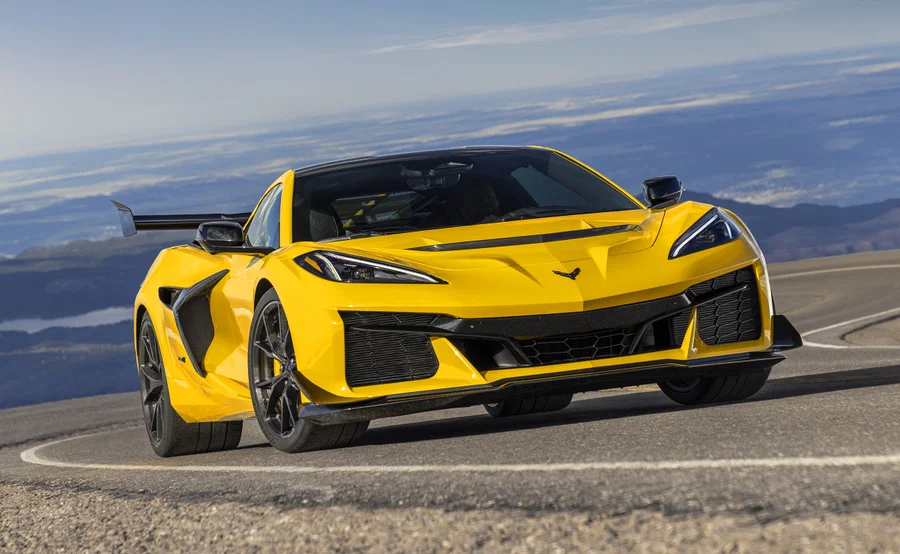
6. Chevrolet Corvette and Other Connected Chevrolet Models
Chevrolet vehicles increasingly include connected features that can communicate with General Motors’ digital infrastructure. The Corvette is particularly interesting because it combines high performance with sophisticated electronic controls. A modern Corvette can monitor acceleration, wheel speed, throttle position, engine operation, braking, stability, and numerous other parameters.
These measurements are essential to the car’s performance systems. They can also produce information that may be relevant to diagnostics or event recording. Yet there is insufficient basis for saying that Chevrolet sends a manufacturer notification for every hard acceleration performed by every driver.
High-performance vehicles naturally generate more attention around acceleration data because rapid acceleration is an expected part of their design. A Corvette’s control systems must accommodate powerful engine output and changing traction conditions.
Electronic stability and traction systems constantly assess vehicle behavior so they can intervene when necessary. If the driver applies substantial throttle, the car can recognize the resulting change in acceleration and wheel behavior. Such measurements exist because they are fundamental to operating the vehicle safely and effectively.
Event data and connected telemetry should be kept separate. A vehicle can record certain information during a defined event without transmitting it immediately to the manufacturer. Similarly, a connected service can transmit diagnostic information without sending every measurement generated by every control module.
The distinction matters because public discussions sometimes treat an onboard electronic record as though it were automatically uploaded to an automaker. In reality, modern vehicles use complex networks of control modules, local storage, communication gateways, and external services.

7. BMW Connected Vehicles
BMW has increasingly integrated connectivity, digital services, remote functions, and advanced driver-assistance technology across its model range. Modern BMW vehicles contain numerous electronic control systems capable of monitoring vehicle speed, acceleration, braking, steering, powertrain behavior, and other operating conditions.
Information generated by these systems can support vehicle functions and diagnostics. Some connected services can also communicate with BMW’s online infrastructure. That makes BMW an important example of how driving information can become part of a broader connected ecosystem.
A hard acceleration is not difficult for a modern BMW to detect internally. The vehicle already needs to monitor how quickly it is gaining speed and how the wheels respond to changes in power. Engine management, transmission control, traction management, and stability systems all depend on related measurements.
If the vehicle detects wheel slip during strong acceleration, for example, its control systems may reduce torque or apply other corrective measures. These operations require rapid data processing even if no information is sent to BMW.
Connected services can create additional pathways for selected information to leave the vehicle. BMW’s digital ecosystem supports functions such as remote vehicle information, service-related communication, navigation features, and other connected capabilities depending on the model and market.
These services require some exchange of data between the car and external systems. However, that does not establish that every acceleration event is transmitted. The particular information shared can depend on the service, vehicle generation, consent arrangements, and regional rules.

8. Mercedes-Benz Connected Vehicles
Mercedes-Benz vehicles have adopted increasingly sophisticated connected technology, including online services, remote functions, navigation, diagnostics, and driver-assistance systems. These technologies depend on electronic communication between the vehicle and external infrastructure.
Within the car itself, acceleration is continuously relevant to numerous systems. The vehicle must know how it is moving to control stability, braking, propulsion, and safety functions. As a result, strong acceleration can certainly produce electronic information, even though that does not prove every event is sent to Mercedes-Benz.
Modern Mercedes-Benz vehicles use multiple sensors and control modules to understand vehicle behavior. Accelerator position, wheel speeds, yaw rate, steering angle, braking activity, and other measurements can work together to determine whether the vehicle is stable.
During hard acceleration, the system can compare requested power with actual vehicle movement. If the wheels begin losing traction, electronic systems can respond extremely quickly. These measurements are primarily necessary for vehicle operation, not necessarily for manufacturer surveillance.
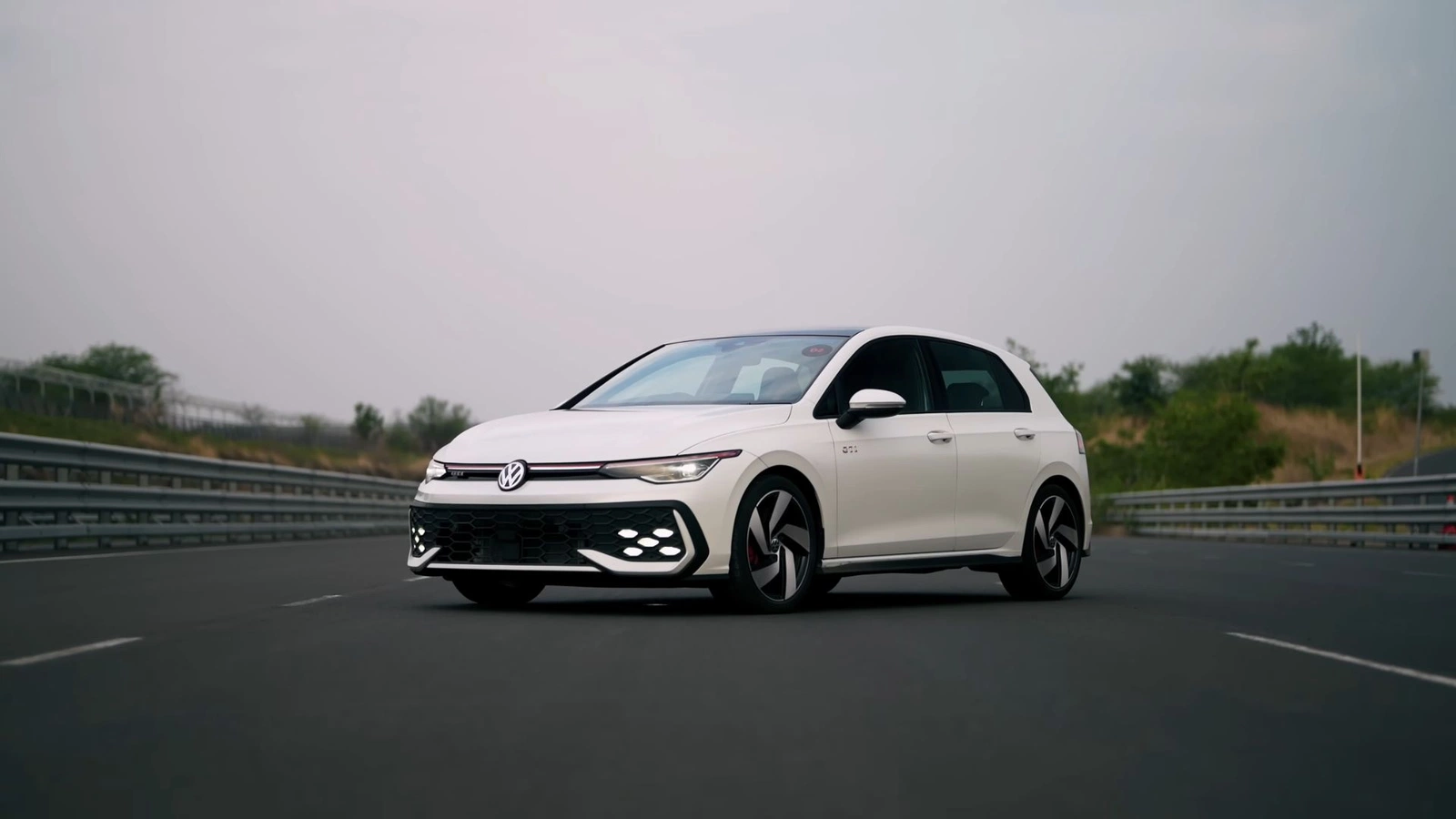
9. Volkswagen Connected Vehicles
Volkswagen has incorporated connected services into many newer vehicles, including systems that support vehicle information, remote functions, diagnostics, navigation, and other digital features.
As with other modern automakers, Volkswagen vehicles can measure acceleration internally because numerous electronic systems depend on information about vehicle movement. Strong throttle application can therefore be represented in the vehicle’s data. That fact alone does not demonstrate that Volkswagen receives a separate report every time a driver accelerates rapidly.
Volkswagen vehicles use electronic control systems for propulsion, braking, stability, traction, and safety. These systems need continuous information from sensors to determine what the vehicle is doing. If a driver accelerates hard on a slippery surface, the vehicle may detect wheel-speed differences and intervene.
Such an event can be processed within milliseconds. The information is useful because it allows the vehicle to maintain control. The manufacturer does not need to receive that data for the car’s safety systems to work.
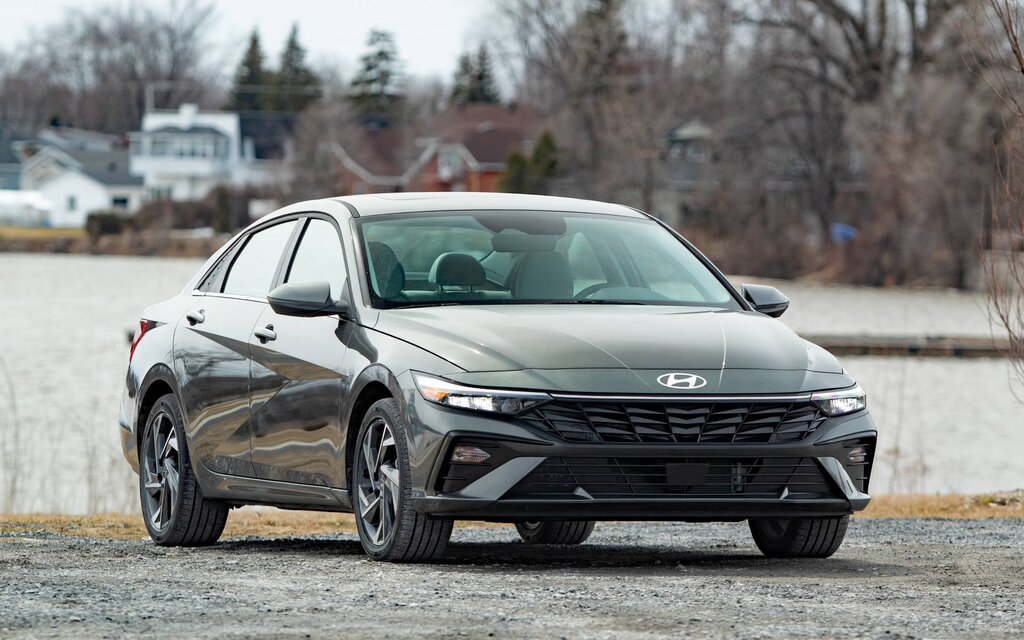
10. Hyundai and Kia Connected Vehicles
Hyundai and Kia have expanded connected services across their modern lineups, bringing features such as remote vehicle functions, vehicle status information, diagnostics, navigation-related services, and emergency assistance to many models. These connected systems require vehicles to communicate with external networks.
At the same time, the vehicles themselves continuously monitor acceleration, braking, steering, wheel speed, powertrain behavior, and other parameters. This makes Hyundai and Kia relevant examples in discussions about driving data, though the claim that every hard acceleration is automatically reported requires qualification.
Electric and gasoline-powered vehicles both depend on electronic control systems that can recognize changes in acceleration. In an electric vehicle, motor torque can be adjusted electronically in response to accelerator input and traction conditions.
In a gasoline vehicle, electronic engine and transmission controls perform similar monitoring tasks. Stability and traction systems also need information about vehicle movement. Strong acceleration can therefore be detected as part of normal operation, even if the event never leaves the vehicle.
Connected services introduce the possibility of external transmission. Remote applications, service alerts, emergency communication, and vehicle-status features depend on data moving between the car and the manufacturer’s infrastructure. Certain diagnostic information can also be transmitted to help support maintenance.
The specific categories of information involved depend on the vehicle, service, software, market, and applicable terms. A driver should not assume that a connected application means the manufacturer receives every sensor reading generated by the vehicle.
The distinction between collection and reporting is especially important here. Collection means the vehicle or one of its systems obtains information. Storage means the information may be retained locally or elsewhere. Transmission means information is sent to an external system. Analysis means software or people interpret that information.
These are separate processes. A hard acceleration can be measured without being transmitted, transmitted without generating a special report, or used temporarily by a safety system and then discarded. Treating all four processes as identical creates misleading endings.
