
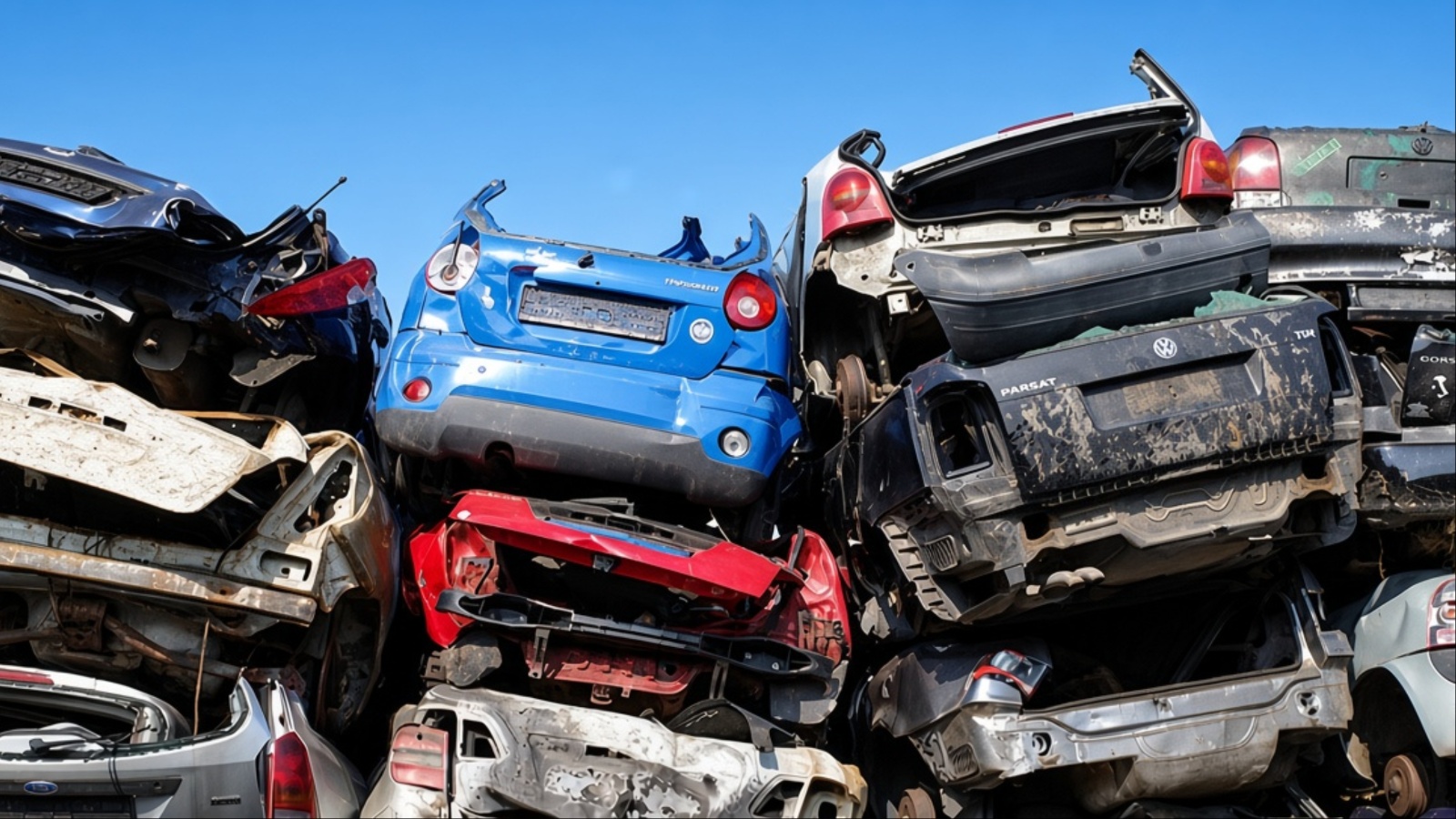
Every year, millions of old vehicles reach the end of their useful lives, yet much of the steel in those cars does not become waste. It returns to steelmaking and can support the production of new vehicles, buildings, appliances, and infrastructure.
More than 14 million tons of steel are recovered from end-of-life automobiles annually in North America, an amount historically described as enough steel for nearly 13 million new cars. Steel can be recycled repeatedly without losing its essential strength and material properties.
This makes vehicle recycling an important part of resource conservation, manufacturing, and the automotive industry’s move toward a more circular material system.
How Recycled Car Steel Returns to Manufacturing
When a vehicle reaches the end of its useful service, it can enter a structured recycling process rather than simply being abandoned or sent to a landfill. Vehicle recycling usually begins with collection and inspection. Reusable components may be removed for resale or refurbishment, while fluids, batteries, tires, and other materials are handled separately.
The remaining vehicle body contains large quantities of ferrous metal, particularly steel and iron. Specialized recycling facilities process this material so that valuable metals can be recovered and prepared for use as industrial feedstock. This process gives the metal contained in an old vehicle a path back into productive use instead of leaving it locked away as waste.
Steel recovery is possible because steel responds well to mechanical separation and industrial melting. After useful parts and hazardous materials have been removed, vehicle bodies can be sent through large shredders that break them into smaller pieces. Magnets then help separate ferrous metals from many non-ferrous materials and other components.
Additional sorting technologies can improve the separation of different materials. The recovered steel scrap is then supplied to steel mills, where it can become part of the feedstock used to produce new steel. The precise route depends on the steel grade, scrap quality, mill technology, and intended application.
The scale of this process is significant. Industry data indicates that more than 14 million tons of steel are recovered from end-of-life vehicles each year in North America. That quantity has been compared with the steel requirement for nearly 13 million new automobiles.
The comparison is useful because it demonstrates how substantial the material flow from old vehicles can be. It does not mean that every new vehicle contains steel taken directly from a particular scrapped car. Instead, recycled steel enters a broader supply chain in which scrap is processed, melted, refined, and incorporated into new steel products.
Steel’s ability to return to production repeatedly gives vehicle recycling a major material advantage. Unlike materials that can degrade significantly after repeated processing, steel can be recycled without losing its fundamental properties when the recycling process is properly managed.
The metal can therefore move through different products and applications over long periods. A steel component from an older vehicle may eventually become part of a new automotive component, construction product, appliance, or industrial product. This continuing material cycle reduces the need to obtain every tonne of steel from newly extracted raw materials.
The automotive sector also benefits from improvements in steel technology. Modern vehicles use different grades of steel for different structural and functional requirements. Advanced high-strength steels can provide significant strength while allowing engineers to reduce the amount of material needed in selected applications.
This combination of strength, durability, formability, and recyclability makes steel particularly useful for vehicle structures. Recycling does not replace the need for new steel production, but it provides an important secondary raw material that can complement virgin iron-bearing resources.
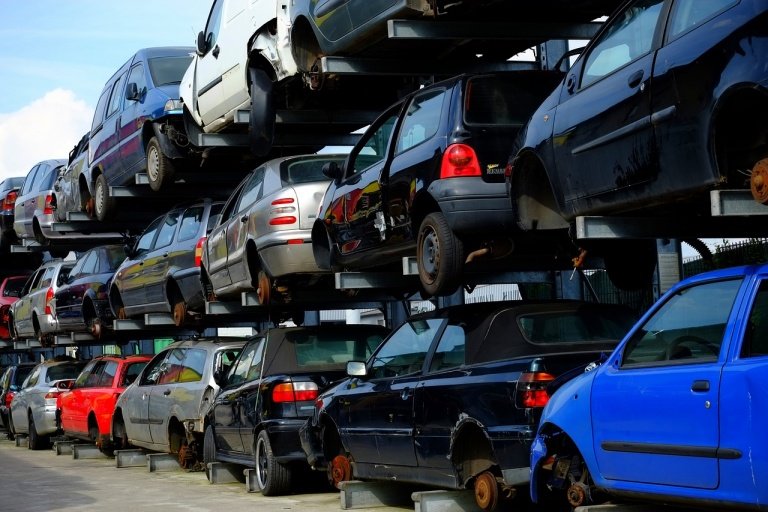
Why Steel Recycling Matters for New Cars
Producing steel from recycled scrap can reduce the energy and raw material requirements associated with producing steel from virgin resources. Industry recycling data has estimated that producing new steel from ferrous scrap requires substantially less energy than producing steel from primary materials.
The exact environmental benefit depends on the technology used, the electricity or fuel source, scrap quality, transportation, and the production route. Still, using scrap provides steelmakers with an established way to reduce dependence on newly extracted iron-bearing materials.
A single vehicle contains a considerable amount of ferrous metal, though the exact quantity varies according to its size, design, powertrain, materials selection, and manufacturing year. Larger vehicles generally contain more material by mass than smaller vehicles, while modern designs may use greater quantities of aluminum, plastics, composites, and other lightweight materials.
Even with these changes, steel remains a major material in vehicle construction. It is widely used in body structures, frames, panels, reinforcements, suspension components, wheels, and many other parts.
Recycling also helps conserve natural resources. Traditional steelmaking can require iron ore, coal or other carbon sources, limestone, energy, and significant industrial infrastructure. Scrap reduces the amount of new material that must be introduced into the steelmaking system.
Industry estimates suggest that recycling a vehicle can save thousands of pounds of iron ore while also reducing the need for large amounts of coal and limestone. The exact savings depend on the vehicle’s materials and the assumptions used in the calculations. Even so, the basic idea remains the same. Reusing metal from existing vehicles can reduce demand for newly extracted raw materials and ease the strain on natural resources.
There is also an economic dimension to vehicle steel recycling. End-of-life vehicles create a valuable stream of recyclable materials for dismantlers, shredders, scrap processors, and steel producers. The process supports employment across collection, dismantling, transportation, sorting, processing, and manufacturing.
Recovered metals also have established commercial value, which creates an incentive to capture them. When recycling infrastructure works efficiently, an old vehicle becomes a source of materials rather than simply a disposal problem.
The near-complete recovery of automotive steel in established recycling systems is particularly notable. The American Iron and Steel Institute describes automobiles as the most recycled consumer product and reports an automotive steel recycling rate near 100 percent annually.
That figure refers to the recovery and recycling of automotive steel rather than suggesting that every component of a vehicle is recycled at the same rate. Plastics, glass, rubber, electronics, batteries, fluids, and composite materials have different recycling challenges. Steel benefits from mature collection, separation, and processing systems.
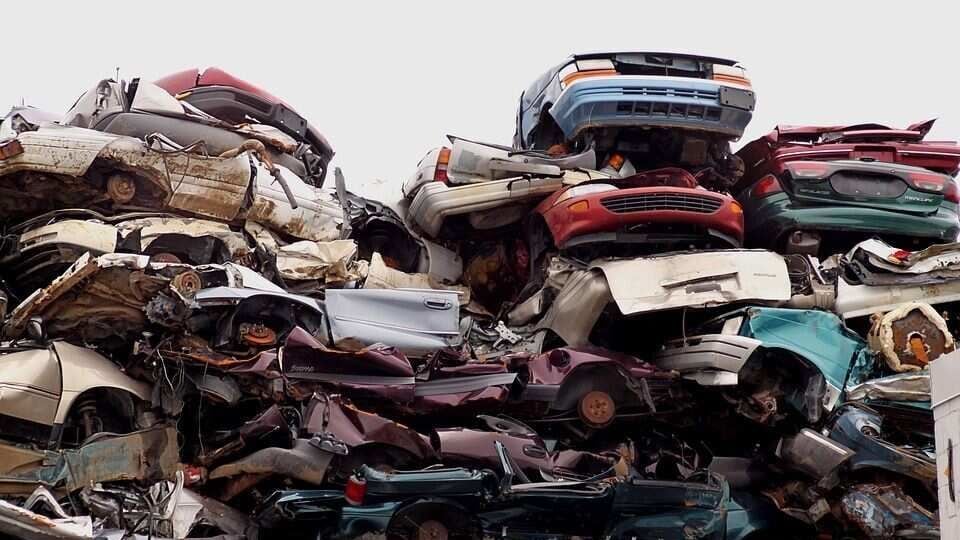
What Happens to a Car at the End of Its Life
Vehicle recycling begins long before the metal reaches a steel mill. A vehicle arriving at an authorized recycling or dismantling facility can first be evaluated for parts that still have useful service value.
Engines, transmissions, body panels, wheels, electronic components, and other parts may be recovered when appropriate. Reusing a functioning component can extend its service life and prevent the resources required to manufacture a replacement. Parts that cannot be reused are directed into appropriate recycling or disposal streams.
Depollution is another important stage. End-of-life vehicles can contain fuel, lubricants, coolant, refrigerants, brake fluids, batteries, and other materials that should not simply be released into the environment. Responsible recycling operations remove and manage these materials before the vehicle shell enters the shredding stage.
Proper handling reduces environmental risks and allows recyclable materials to be processed more safely. Regulations and procedures differ between jurisdictions, but the basic goal is to recover valuable material while preventing harmful substances from being improperly released.
Once the vehicle has been prepared, its remaining metal structure can be shredded. Industrial shredders are capable of reducing a vehicle body into much smaller pieces, making subsequent sorting easier.
Magnetic separation is especially useful because steel and iron are ferrous metals. Non-ferrous metals such as aluminum and copper can then be separated using additional techniques. The result is a collection of material streams that can be directed to specialized processors and manufacturers.
The recovered steel scrap does not simply get placed inside a new car without further processing. It becomes a feedstock for steel production. Depending on the mill and product requirements, scrap can be melted in an electric arc furnace or incorporated into other steelmaking routes.
Chemical composition and cleanliness matter because automotive steel grades have precise performance requirements. Steelmakers control the process to achieve the necessary chemistry and mechanical characteristics for the final product.
After processing and refining, steel can become part of new products that serve many industries. Some recycled automotive steel may eventually support vehicle manufacturing, while other material can enter construction, machinery, infrastructure, appliances, and other applications.
This interconnected supply chain is a key feature of metal recycling. Material recovered from a vehicle does not have to return to exactly the same type of product to remain valuable. Its usefulness can continue through different stages of industrial production.
