
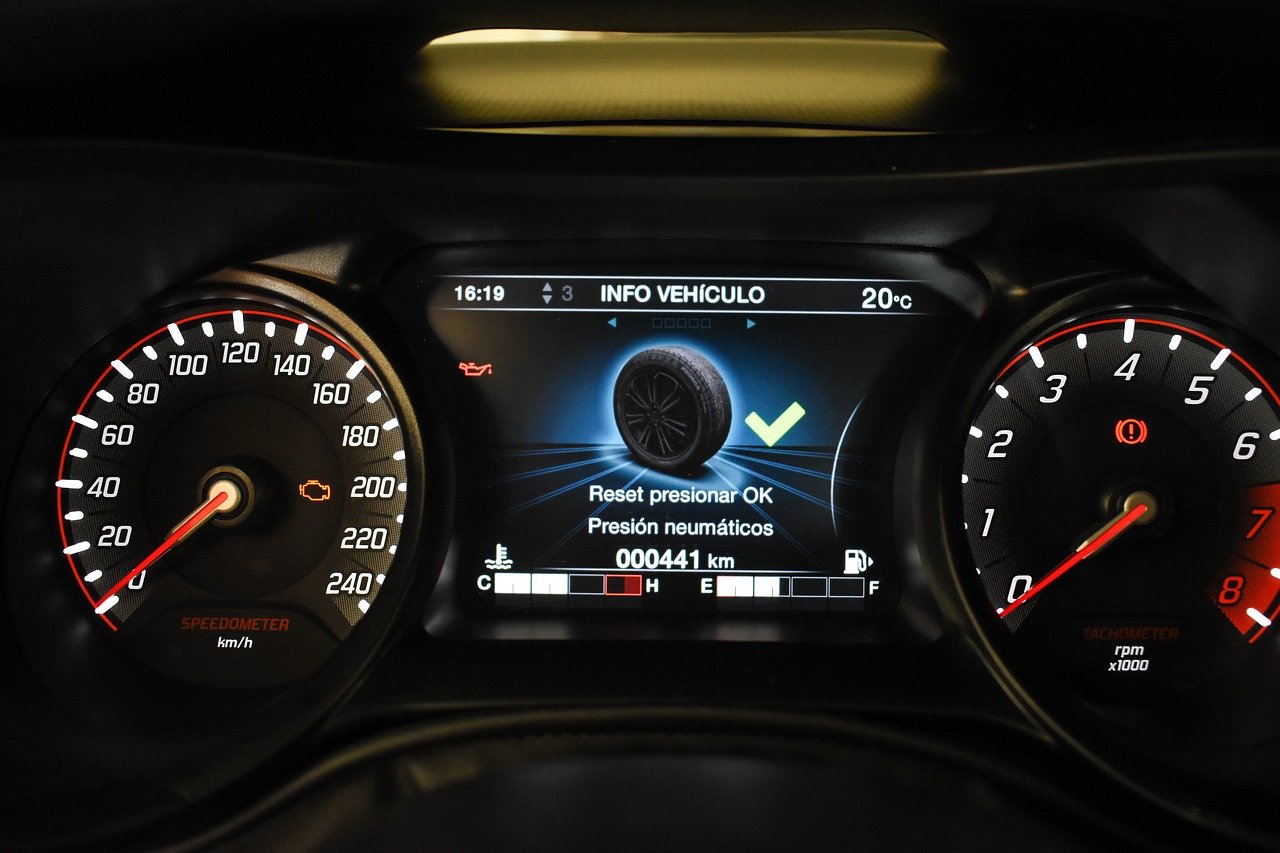
Buying a used car can save money, but an inaccurate odometer reading can turn a good deal into an expensive mistake. Mileage affects a vehicle’s value, maintenance schedule, mechanical condition, and expected lifespan.
Some dishonest sellers alter odometers to make older vehicles appear less used than they really are. Spotting the warning signs can help buyers avoid paying too much for a car that has traveled far more miles than the dashboard suggests.
From worn pedals to inconsistent service records, several clues can reveal possible mileage tampering. Knowing what to check before purchasing a used vehicle can protect your budget and help you make a confident decision.
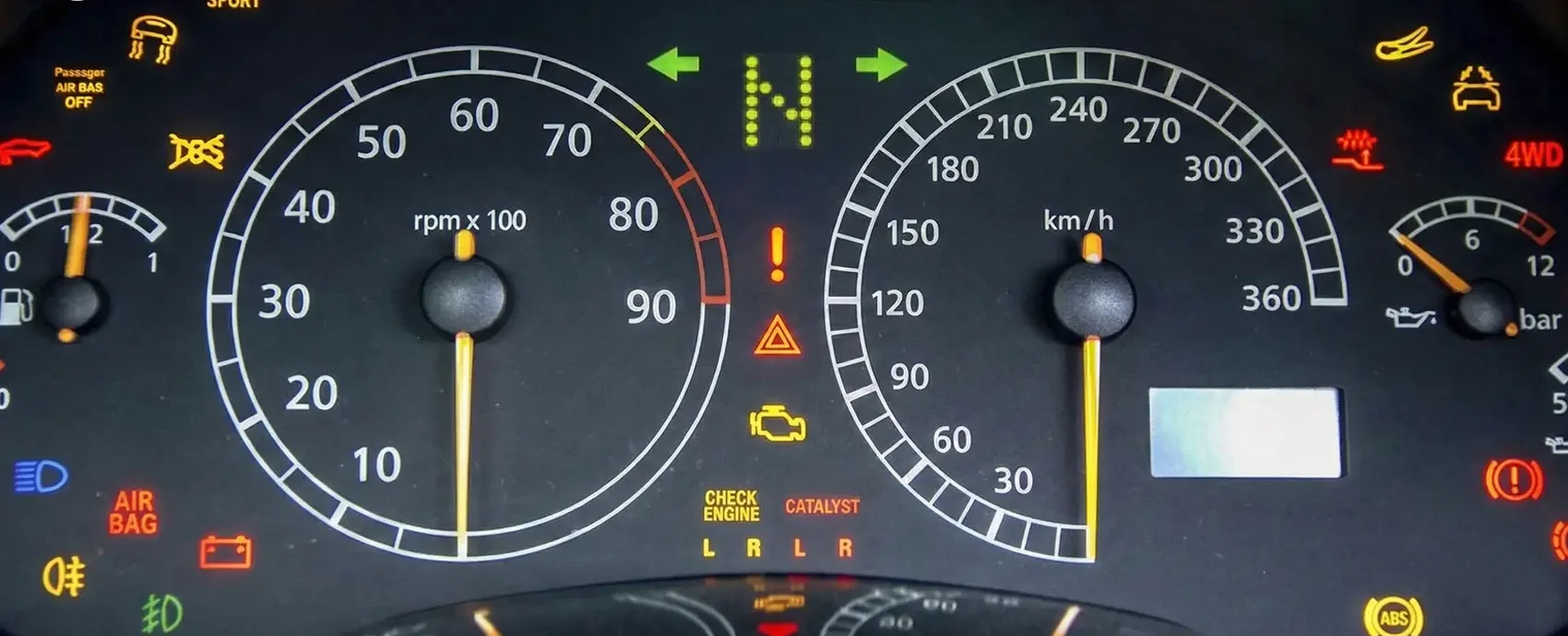
1. The Mileage Does Not Match the Vehicle’s Condition
A major warning sign is a mismatch between the displayed mileage and the condition of the vehicle. For example, a car showing 45,000 miles would generally be expected to have moderate wear if it has been maintained properly.
Excessive wear on the driver’s seat, steering wheel, gear selector, door handles, floor mats, and interior trim may suggest that the vehicle has been used much more heavily. Wear patterns alone cannot prove that an odometer has been altered, but they can justify a closer inspection.
Pay particular attention to the driver’s seat. This area receives repeated use every time the vehicle is driven. Heavy creasing, damaged side bolsters, flattened cushioning, or extensive fabric wear may seem unusual for a vehicle with very low mileage.
Leather seats can show age naturally, so their condition should be considered alongside other evidence. A low-mileage vehicle that looks significantly more worn inside than expected deserves additional questions before you agree to buy it.
The steering wheel can provide another useful clue. Frequent driving causes gradual wear to leather, plastic, rubber, and other steering wheel surfaces.
Shiny patches, worn stitching, peeling material, or unusually smooth sections can indicate substantial use. The gear selector and parking brake can also show signs of frequent handling. None of these clues should be treated as absolute proof, because driving habits, climate, cleaning products, and replacement parts can affect their appearance.
The pedals deserve attention as well. Brake, clutch, and accelerator pedals are exposed to repeated friction, especially in vehicles driven frequently in heavy traffic. Noticeable smoothing or deterioration may seem inconsistent with very low mileage.
A manual transmission vehicle with a heavily worn clutch pedal area deserves particular scrutiny. At the same time, pedal covers can be replaced, so new-looking pedals should not automatically be interpreted as evidence of genuine low mileage.
The key is to compare several parts rather than relying on a single observation. A low odometer reading combined with a heavily worn driver’s seat, steering wheel, pedals, floor carpeting, and door controls creates a stronger reason for concern.
Ask the seller how the vehicle accumulated its mileage and whether any interior components have been replaced. A legitimate explanation may exist, but vague or contradictory answers should encourage you to investigate the vehicle’s history before making a purchase.

2. Service Records Show Higher Mileage
Service records can be extremely valuable when checking whether a vehicle’s displayed mileage is accurate. Maintenance invoices often include the odometer reading recorded when the vehicle visited a workshop.
If an older invoice shows 85,000 miles while the current dashboard displays 60,000 miles, there is a clear inconsistency that requires an explanation. Mileage normally increases over time, so a later record should not show a lower reading than an earlier documented record.
Start by requesting maintenance records from the seller. Look for oil change receipts, tire replacement invoices, brake service records, inspection documents, dealership maintenance reports, and repair orders.
Many workshops record mileage automatically when creating a service ticket. A series of records can create a useful timeline that shows how the vehicle was used throughout its ownership history.
Pay close attention to the dates and mileage listed on those documents. A vehicle might have traveled 20,000 miles between two services, followed by another 30,000 miles before its next visit. That pattern can be perfectly reasonable.
However, if the mileage suddenly decreases between documented visits, the discrepancy becomes much more significant. Even a single reliable record showing a higher mileage than the dashboard deserves careful attention.
Some sellers may claim that a workshop made a simple recording error. Mistakes can happen, so one inconsistent entry does not automatically establish fraud. Look for patterns across several independent records. If multiple service documents, inspection reports, or dealership records show higher mileage than the current odometer, the explanation becomes much harder to accept.
Ask whether the seller has records from previous owners. A used car may have changed hands several times, and mileage evidence can exist in documents that are years old.
If the seller refuses to provide available maintenance records or claims that all documentation has mysteriously disappeared, consider that a warning sign. A careful buyer should be comfortable walking away when the vehicle’s mileage cannot be reasonably verified.
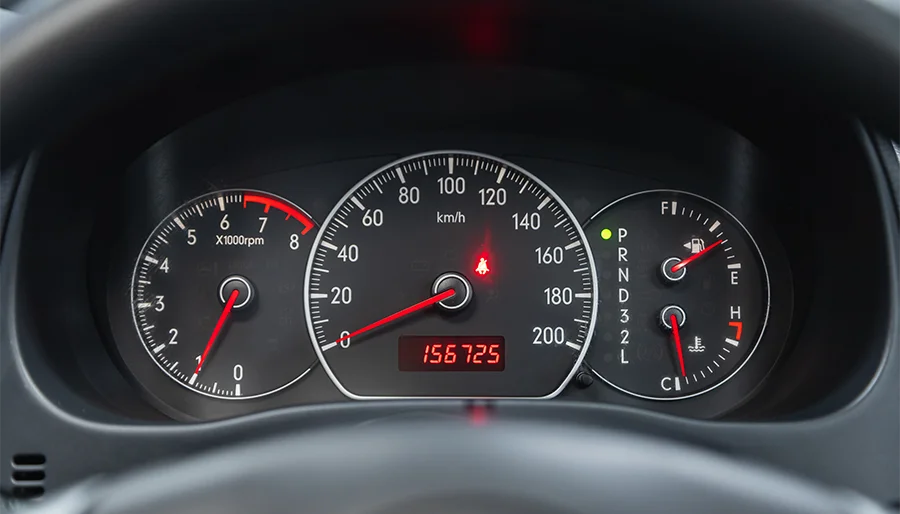
3. The Vehicle History Contains Mileage Inconsistencies
A vehicle history report can reveal mileage entries recorded during inspections, registrations, auctions, repairs, and other events. When these entries are arranged chronologically, they can provide a picture of how the vehicle’s mileage changed over time. If the current odometer reading is lower than a previously recorded figure, the vehicle may have experienced mileage tampering.
When reviewing a history report, do not simply look for a single mileage number. Study the complete sequence of dates and readings.
Suppose the vehicle showed 70,000 miles during a documented inspection three years ago but currently displays 52,000 miles. That is a serious discrepancy because the odometer reading has moved backward. Ask the seller for documentation that explains the difference before considering the purchase.
History reports can also contain gaps that deserve attention. A missing period does not prove that an odometer was rolled back, since records may not be available from every workshop or owner.
Still, a long gap followed by a surprisingly low mileage reading should encourage additional verification. You may need to compare service invoices, inspection records, registration documents, and other available evidence.
It is important to understand that history reports are not infallible. They depend on information being submitted to databases by businesses, government agencies, insurers, dealerships, and other sources.
Some maintenance may be performed by private owners or independent mechanics without a digital record. A clean history report therefore does not guarantee that mileage is genuine.
The strongest approach is to combine history information with a physical inspection and documentation review. If the history shows consistent mileage growth and the vehicle’s condition matches the reading, confidence increases.
If the history contains unexplained reversals, missing records, or conflicting readings, pause before buying. The cost of checking further is small compared with the potential expense of purchasing a vehicle with substantially more use than advertised.
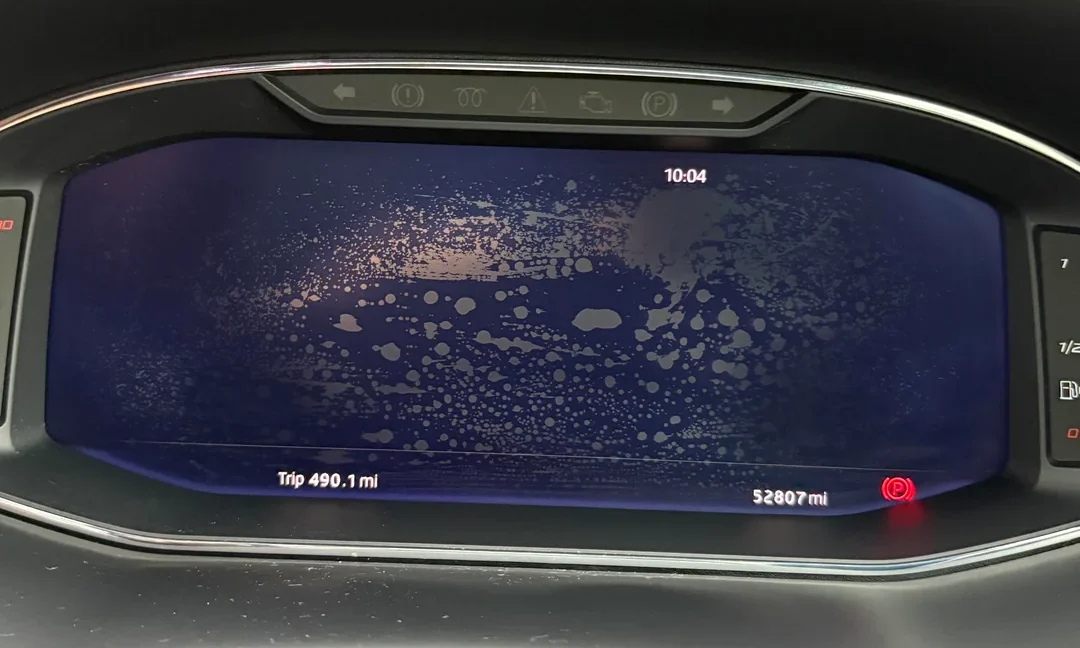
4. The Dashboard or Instrument Cluster Looks Tampered With
Physical evidence around the instrument cluster can sometimes indicate that someone has accessed or replaced it. Look closely at the screws, clips, surrounding trim, and dashboard panels.
Scratches, damaged fasteners, missing clips, uneven panel gaps, or tool marks may suggest that the cluster has been removed. There can be legitimate reasons for this work, such as replacing a faulty component, so removal alone does not establish mileage fraud.
Ask the seller whether the instrument cluster has ever been repaired or replaced. A replacement cluster can be completely legitimate if the original unit failed. However, the vehicle’s mileage should still be documented properly when a replacement occurs. The seller should be able to provide records showing why the cluster was changed and what the previous mileage was.
Check whether the instrument display appears newer than the rest of the dashboard. A particularly clean cluster surrounded by older, worn trim may indicate replacement. This is not conclusive because some vehicles have dashboards that age differently from their electronic components. It simply provides another clue that should be evaluated alongside service records and vehicle history.
Modern vehicles can store mileage information in more than the visible instrument cluster. Depending on the vehicle’s design, mileage-related information may also exist in electronic control modules or other systems.
A qualified technician with appropriate diagnostic equipment may be able to identify inconsistencies between modules. The exact information available varies significantly by manufacturer and model.
If you suspect the dashboard has been removed or replaced, have the vehicle inspected by an experienced technician before buying. A professional inspection can identify signs of previous work and may provide additional information about the vehicle’s electronic systems.
Never assume that a digital odometer is impossible to manipulate. Modern technology can make tampering less visible, which makes independent verification more important.
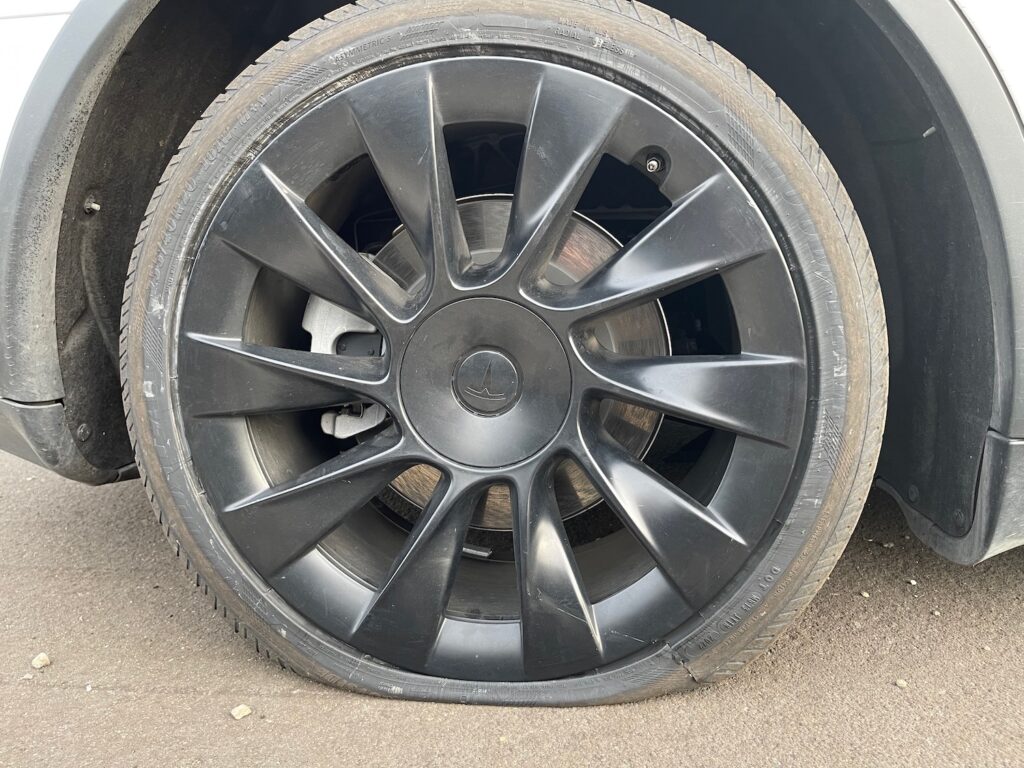
5. Tires Are Too Old or Worn for the Claimed Mileage
Tires can offer useful clues about how a vehicle has been used. They have manufacturing dates, tread patterns, wear characteristics, and replacement histories that can be compared with the claimed mileage.
A vehicle showing extremely low mileage but wearing an old set of heavily used tires may deserve closer examination. Tire condition cannot establish exact mileage, but it can help identify inconsistencies.
Look at the tire manufacturing date when possible. Tires often contain a date code indicating when they were produced. If a vehicle is advertised as having exceptionally low mileage but still carries tires that have been in service for many years, that does not necessarily mean the odometer is wrong.
Low-use vehicles can retain old tires. However, the tire condition and production date can help establish a broader picture.
Uneven tread wear can provide information about vehicle use and maintenance. Heavy wear on the front tires, for instance, could be consistent with substantial driving, alignment problems, aggressive driving, or certain vehicle configurations. Tire replacement records are also useful. If invoices show that tires were replaced at mileage figures inconsistent with the current odometer, ask the seller for an explanation.
Be cautious when interpreting new tires. A seller may install new tires before listing a vehicle, which can make the car appear better maintained.
New tires do not confirm low mileage. In some cases, a vehicle with substantial wear may receive fresh tires shortly before sale. Look at the brakes, suspension components, wheels, and other areas rather than using tire condition alone.
Tires are best treated as supporting evidence. Compare their condition with the claimed mileage, maintenance records, interior wear, and mechanical condition.
When several independent clues point toward much higher usage, the risk of inaccurate mileage becomes greater. A professional inspection can also determine whether the tires, brakes, suspension, and steering components appear consistent with the advertised history.

6. Maintenance Intervals Do Not Make Sense
Vehicle manufacturers establish maintenance schedules based on mileage, time, operating conditions, or a combination of these factors. If a vehicle’s records show maintenance that normally occurs at higher mileage, the current odometer reading deserves investigation.
For example, documentation for major service performed at 100,000 miles would be difficult to reconcile with a dashboard now showing 65,000 miles.
Look at major maintenance items such as timing belt replacement, transmission service, spark plug replacement, coolant service, brake work, and suspension repairs.
The exact intervals vary by vehicle, engine, model year, and manufacturer. A repair at a particular mileage does not prove the vehicle has reached that mileage because parts can fail early. Still, several maintenance events recorded at higher mileage can reveal a pattern.
Ask the seller about maintenance history rather than making assumptions. A responsible owner may know why certain work was performed early or why a particular component was replaced.
Commercial vehicles and cars used under severe operating conditions can require maintenance sooner than standard schedules suggest. Heavy towing, frequent short trips, extreme temperatures, and stop-and-go driving can all affect maintenance needs.
Look for consistency between the maintenance schedule and the present odometer reading. If the vehicle supposedly has very low mileage but has undergone repairs that are commonly associated with much greater use, ask for supporting documentation. A mechanic can also assess whether components appear consistent with the stated mileage.
Maintenance history becomes particularly useful when combined with dated invoices. A single repair does not tell the complete story. Several records spread across years can establish a reliable mileage timeline.
If that timeline conflicts with the dashboard, the buyer should treat the discrepancy seriously and request an independent assessment before completing the transaction.
7. The Seller Cannot Explain the Mileage History
A seller’s answers can reveal important information about a used vehicle. Ask straightforward questions such as how long they have owned the car, how many miles they personally drove, whether the vehicle was purchased from another owner, and whether the instrument cluster was ever replaced.
Honest sellers may not know every detail, but they should generally be able to provide a reasonable account of the vehicle’s history.
Be cautious when answers change during the conversation. If the seller first says the vehicle has always been privately owned and later mentions that it was previously used for business purposes, ask for clarification. Similarly, if the seller says the dashboard has never been replaced, but service paperwork indicates cluster work, the discrepancy needs an explanation.
Some sellers may simply lack knowledge about a vehicle they recently acquired. That does not automatically mean they are attempting to deceive you. However, uncertainty should influence your buying decision.
If the seller cannot establish where the vehicle came from, why the mileage is unusually low, or whether the instrument cluster has been serviced, you have less evidence supporting the odometer reading.
Pay attention to pressure tactics. A seller who insists that you make an immediate decision, discourages an independent inspection, or becomes defensive when you ask about mileage records should make you cautious. A legitimate seller should understand that buyers want to verify an important part of a used vehicle’s history.
You do not need to prove that someone intentionally rolled back the odometer before deciding not to buy. Your responsibility as a buyer is to determine whether the vehicle’s history is trustworthy enough to justify the price. If important questions remain unanswered, walking away can be a sensible decision. There will always be other used vehicles available.

8. Mechanical Wear Seems Excessive for the Mileage
A vehicle’s mechanical components provide another source of information. Engines, transmissions, suspension parts, wheel bearings, steering components, and braking systems all experience wear during operation.
Their condition depends on mileage, driving style, road conditions, maintenance, climate, and vehicle design, so mechanical wear cannot determine mileage by itself.
Listen for unusual engine noises during a cold start and a warm engine. Pay attention to transmission behavior, steering response, braking performance, suspension noises, and vibrations during a test drive. A vehicle with a supposedly low mileage reading that requires extensive mechanical work may warrant closer examination.
Certain repairs can also provide useful clues. A transmission replacement, major suspension overhaul, or extensive steering work may have a perfectly valid explanation, including an accident or manufacturing defect.
However, if such repairs appear inconsistent with the claimed mileage and there is no documentation explaining them, ask more questions.
An independent mechanic can evaluate wear more accurately than a buyer relying on a short test drive. The technician can inspect the engine, transmission, brakes, suspension, steering, tires, underbody, and electronic systems. They may also recognize signs that a vehicle has experienced substantial use or poor maintenance.
A pre-purchase inspection is especially valuable when buying an older vehicle with surprisingly low mileage. Low mileage does not automatically mean excellent condition.

9. The Vehicle’s Age Does Not Match Its Extremely Low Mileage
Very low mileage can make a used vehicle attractive, but an unusually low figure should be questioned rather than accepted automatically. An older car showing exceptionally little use may genuinely have belonged to someone who rarely drove. It could also have been stored for long periods. The important issue is whether the available evidence supports the claim.
Consider the vehicle’s age, ownership history, location, and intended use. A small city car might accumulate fewer miles than a long-distance commuter vehicle.
A collector-owned vehicle may also have limited mileage. By contrast, a former rental, fleet, taxi, or commercial vehicle would normally be expected to accumulate substantial mileage.
Look for evidence supporting the low-use story. Maintenance records, inspection documents, insurance records, registration information, tire dates, and previous sale listings may help establish whether the vehicle consistently had low mileage. If all available records support the claim, the low reading becomes more believable.
Be particularly careful with vehicles advertised using phrases such as “barely driven” or “like new.” Marketing language does not prove anything. A seller may genuinely believe the vehicle was lightly used, but the buyer should still verify the claim independently. Photographs from previous listings can sometimes reveal the vehicle’s condition at earlier points in its history.

10. A Professional Inspection Reveals Inconsistencies
When buying a used car, an independent inspection is among the most effective ways to reduce the risk of purchasing a vehicle with hidden problems. A qualified mechanic can inspect areas that an average buyer may overlook.
This includes mechanical components, electrical systems, body structure, suspension, brakes, tires, and signs of previous repairs.
Tell the technician that you are specifically concerned about the odometer reading. This allows them to pay attention to relevant evidence rather than performing only a general mechanical check.
Depending on the vehicle, diagnostic equipment may provide information from electronic modules that can be compared with the dashboard reading.
Ask the mechanic to document anything unusual. Written inspection findings can help you understand whether the vehicle appears consistent with its claimed mileage. If the technician notices significant wear, replacement parts, signs of cluster removal, or electronic inconsistencies, ask for an explanation before proceeding.
Do not allow the seller to choose the inspection shop if you have concerns about impartiality. Ideally, select an independent mechanic who has no financial relationship with the seller. The inspection fee is usually small compared with the potential cost of buying a vehicle with serious mechanical problems or an inaccurate mileage history.
