
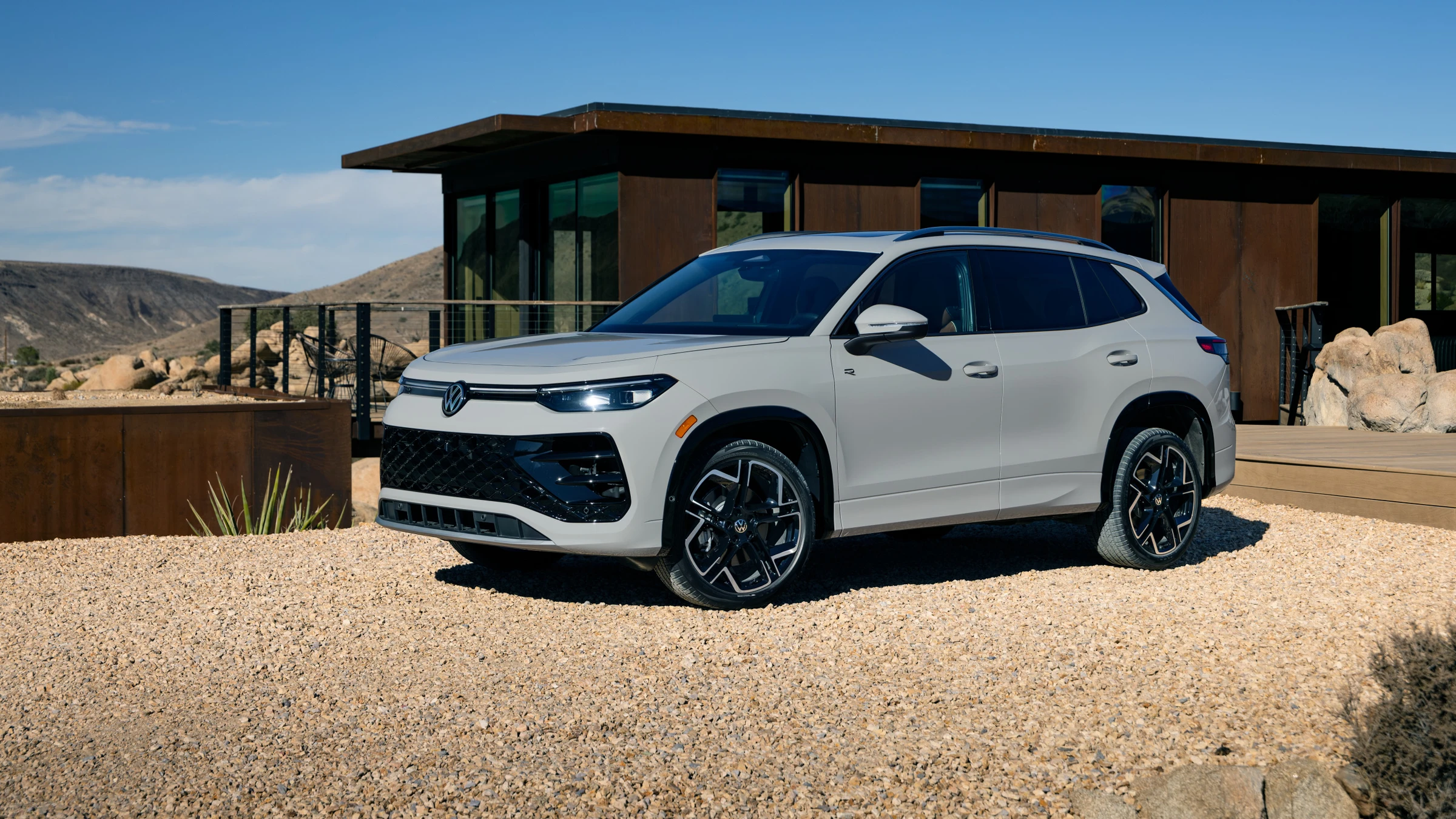
The US hybrid car market is set for a major expansion by 2028, with automakers preparing efficient powertrains for sedans, SUVs, pickups, and luxury vehicles. Buyers who want lower fuel consumption without depending entirely on charging infrastructure will have more choices than ever.
Several established manufacturers are developing new hybrid systems, while brands that previously focused heavily on gasoline or electric vehicles are adding hybrid models to their future plans.
From practical family SUVs to premium crossovers and capable pickups, the next generation of hybrids promises better efficiency, stronger performance, and improved technology. Here are ten highly anticipated hybrid vehicles expected to attract American buyers in 2028.
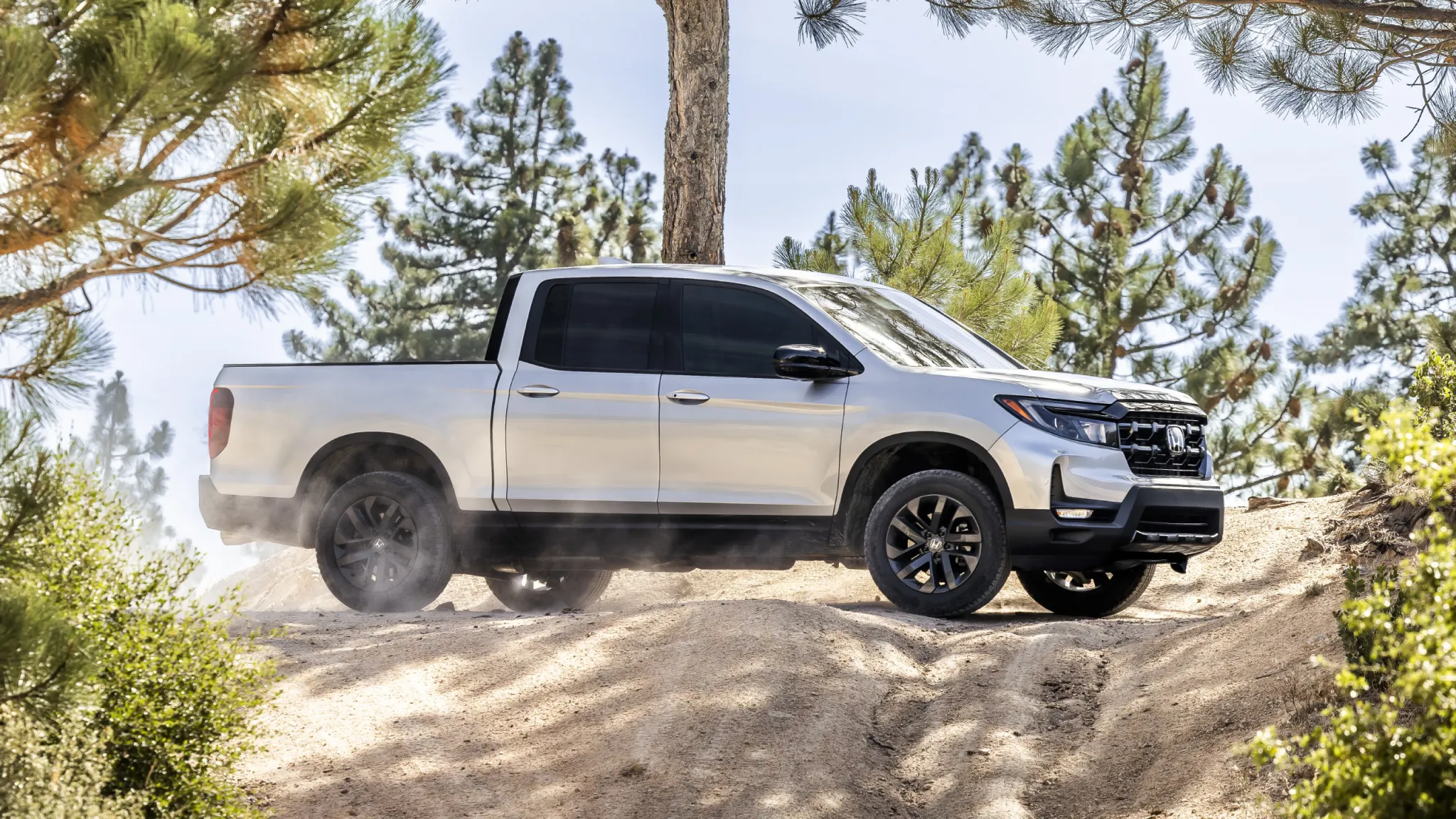
1. 2028 Honda Ridgeline Hybrid
The 2028 Honda Ridgeline Hybrid takes the top spot because it could offer American buyers a compelling combination of improved hybrid efficiency and the everyday practicality of a midsize pickup.
Honda has confirmed that the next-generation Ridgeline will continue with a unibody construction, preserving the model’s car-like driving character while moving toward a more capable and modern design. The company has also confirmed a new hybrid system for the truck.
The combination could make the Ridgeline more appealing to buyers who need a pickup for commuting, weekend projects, family trips, and light towing but do not want the fuel consumption associated with larger body-on-frame trucks. Honda’s decision to adapt its hybrid technology for a pickup is significant because truck buyers have traditionally had fewer efficient choices.
The next Ridgeline is expected to use Honda’s newer dual-motor hybrid technology, designed with larger vehicles and higher loads in mind. That distinction matters because a hybrid system developed primarily for compact cars does not necessarily suit a pickup that may carry passengers, cargo, or towing equipment.
Honda has indicated that its new system is being developed with demanding applications such as towing in mind. A properly integrated system could provide strong low-speed response from electric motors while allowing the gasoline engine to handle sustained highway work.
For American buyers, that could create a truck that feels responsive in daily traffic while still providing useful capability when the weekend arrives. Exact output and fuel economy figures remain unavailable, so expectations should be treated as preliminary.
The Ridgeline also has an important advantage in comfort. Traditional pickups often prioritize payload, towing, and rugged construction, sometimes at the expense of ride quality. Honda took a different approach with the current Ridgeline, using unibody construction and independent suspension to deliver a smoother experience.
The next generation is expected to retain this philosophy while adding more rugged styling and capability. A hybrid powertrain could fit that character especially well.
Electric torque can provide immediate response when pulling away from a stop, while regenerative braking can recover energy during city driving. For someone who spends most weekdays commuting and only occasionally needs truck capability, this formula could make considerable sense.
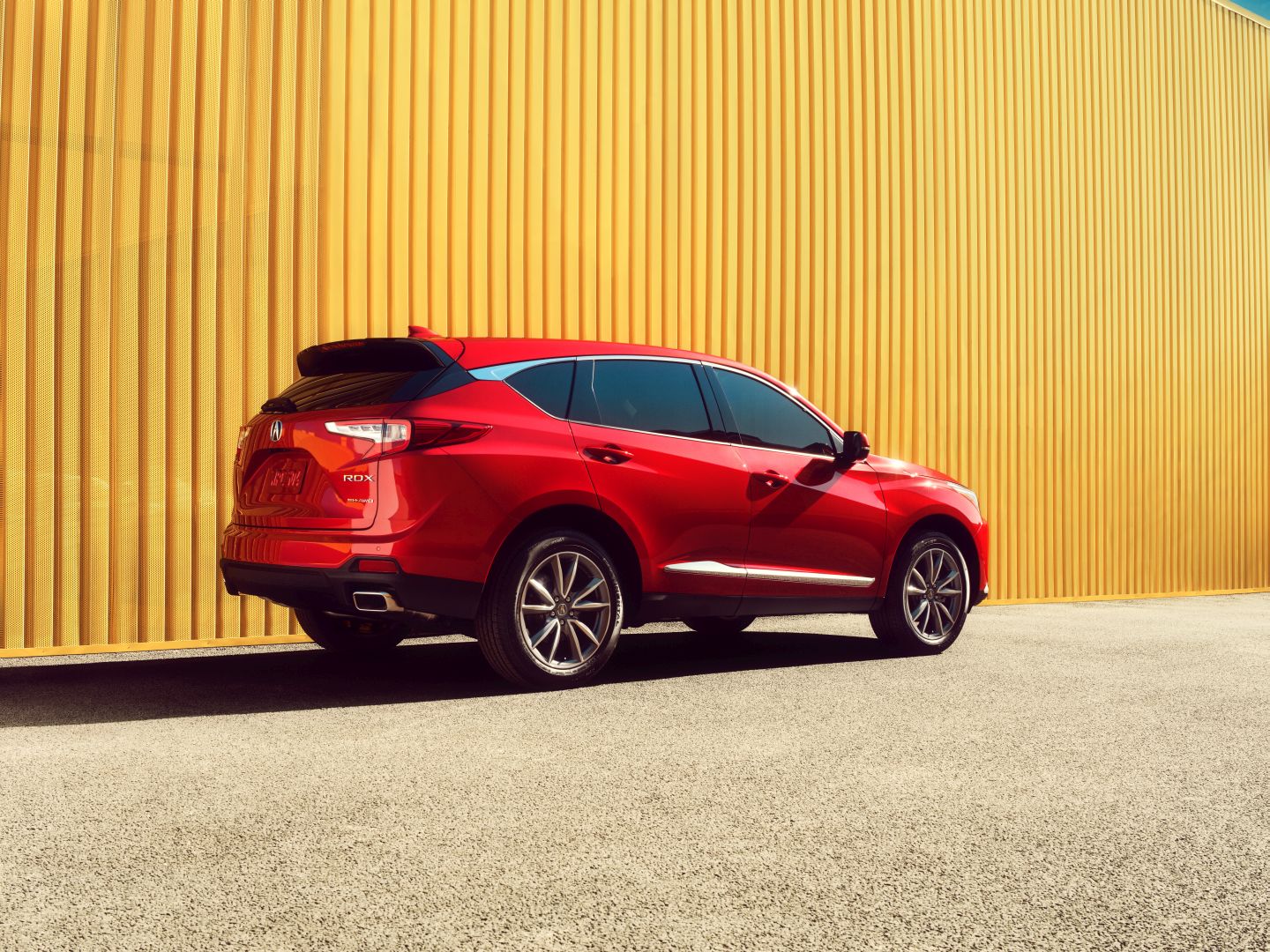
2. 2028 Acura RDX Hybrid
The 2028 Acura RDX Hybrid deserves the second position because the RDX occupies a highly competitive segment in the US luxury market. Compact and midsize premium SUVs have become important choices for American households, and fuel economy is increasingly relevant even for shoppers who want luxury features.
Acura has confirmed that the next-generation RDX will use a two-motor hybrid powertrain. That makes the upcoming RDX much more than a speculative future model. It represents a clear move toward electrification within Acura’s core SUV range. The new generation is expected to arrive after the current RDX reaches the end of its production cycle, giving Acura an opportunity to redesign the vehicle around its new hybrid architecture.
The two-motor setup should provide a different driving character from a conventional turbocharged gasoline engine. Electric motors can supply torque immediately, helping the SUV respond smoothly during acceleration. A hybrid system can also allow the gasoline engine to operate closer to efficient conditions during many driving situations.
In urban traffic, regenerative braking can recover some energy that would otherwise be lost as heat. Acura will need to balance these efficiency benefits with the performance expected from a premium SUV. The RDX name has traditionally appealed to drivers who want something sportier than a basic family crossover, so the new powertrain cannot focus solely on fuel savings.
Interior technology will likely be another major part of the RDX’s appeal. By 2028, buyers in this segment will expect sophisticated infotainment, high-quality displays, connected services, advanced driver assistance, and premium materials.
Acura has an opportunity to use the redesign to create a stronger visual and technological identity for the RDX. A hybrid powertrain could also free designers to rethink packaging around the battery and electric components. The result could be a vehicle that feels substantially different from the outgoing model rather than simply receiving a new engine.
The challenge will be maintaining useful cargo space while integrating the hybrid battery without creating compromises for passengers.
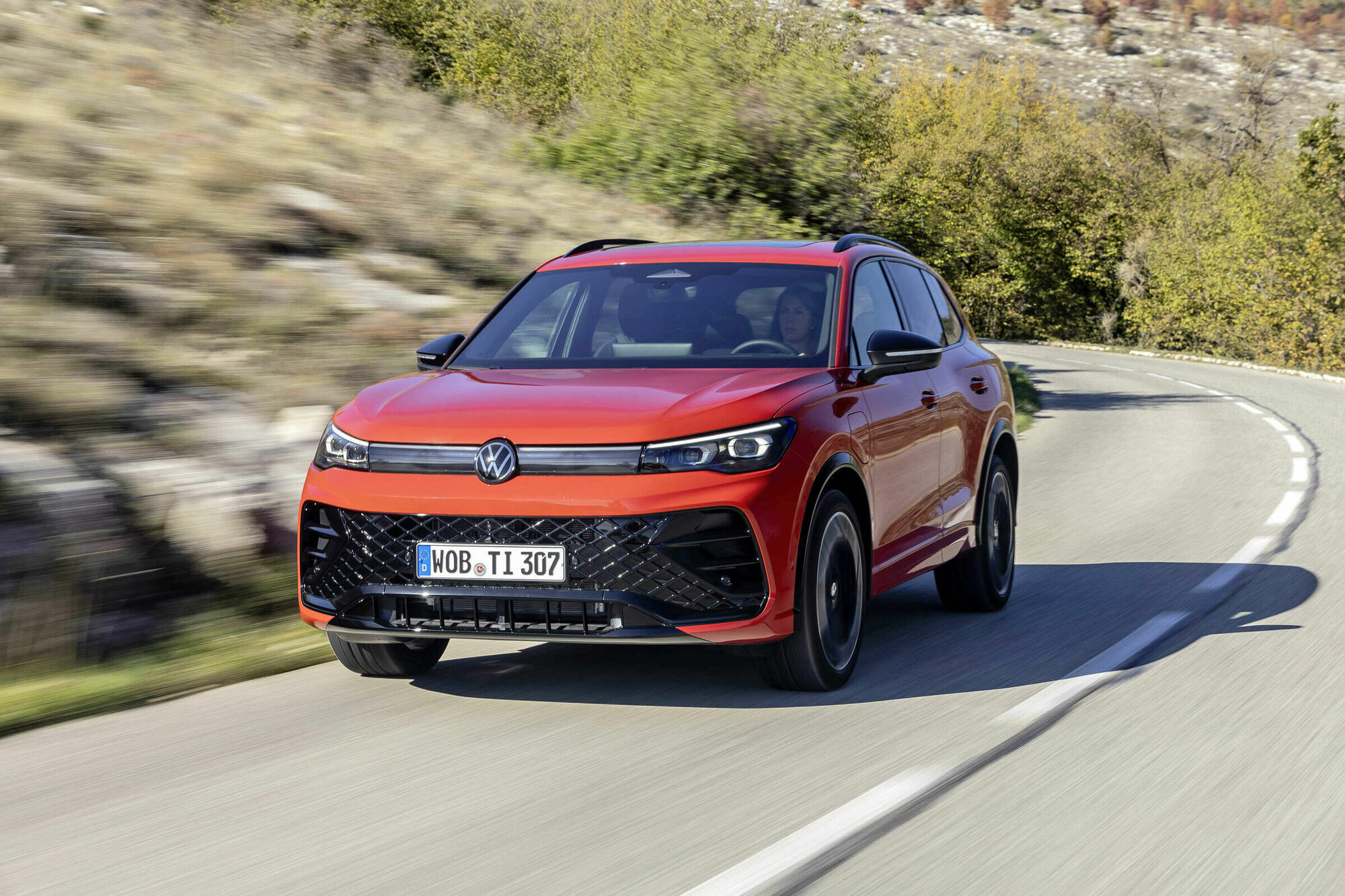
3. 2028 Volkswagen Tiguan Hybrid
The Volkswagen Tiguan Hybrid ranks third because the compact SUV segment is huge in the United States, and Volkswagen has a significant gap to close in hybrid offerings. Volkswagen has confirmed plans to bring traditional hybrid powertrains to future US models, including the Tiguan.
The Tiguan is particularly important because it competes directly with popular vehicles such as the Toyota RAV4, Honda CR-V, Hyundai Tucson, Kia Sportage, and Subaru Forester. Many of these competitors already offer hybrid versions.
A hybrid Tiguan would allow Volkswagen to compete more directly for buyers who want German styling and driving characteristics while still prioritizing fuel efficiency.
The timing is particularly interesting because the current-generation Tiguan entered the US market with a fresh design before Volkswagen’s full-hybrid strategy had matured. A mid-cycle update around the 2028 period could therefore provide a natural opportunity to introduce electrification.
Volkswagen has indicated that its future US hybrid systems will be traditional hybrids rather than plug-in models. That could make the Tiguan simpler for customers who do not want to charge a vehicle. It could also allow Volkswagen to compete directly against conventional hybrid SUVs that have become increasingly popular among American families.
A hybrid Tiguan would need to deliver strong fuel economy without sacrificing the qualities that make Volkswagen attractive. Buyers typically expect solid highway manners, composed handling, comfortable seats, useful cargo space, and a refined interior.
The hybrid system could improve city driving by providing electric assistance during acceleration and low-speed operation. Volkswagen would also need to carefully tune the transition between gasoline and electric power. Smoothness is particularly important in a family crossover, where harsh changes in power delivery can undermine the sense of quality.
The main challenge is timing and cost. Volkswagen has been balancing investments in electric vehicles with changing customer demand, while developing US-specific hybrid technology and supply arrangements. Bringing a new hybrid system to the American market requires engineering, certification, manufacturing preparation, and component sourcing.
The company therefore has to make sure that a hybrid Tiguan arrives with competitive pricing and availability. If it launches too late or at a substantial premium, buyers may simply choose a RAV4 Hybrid, CR-V Hybrid, Tucson Hybrid, or Sportage Hybrid instead.
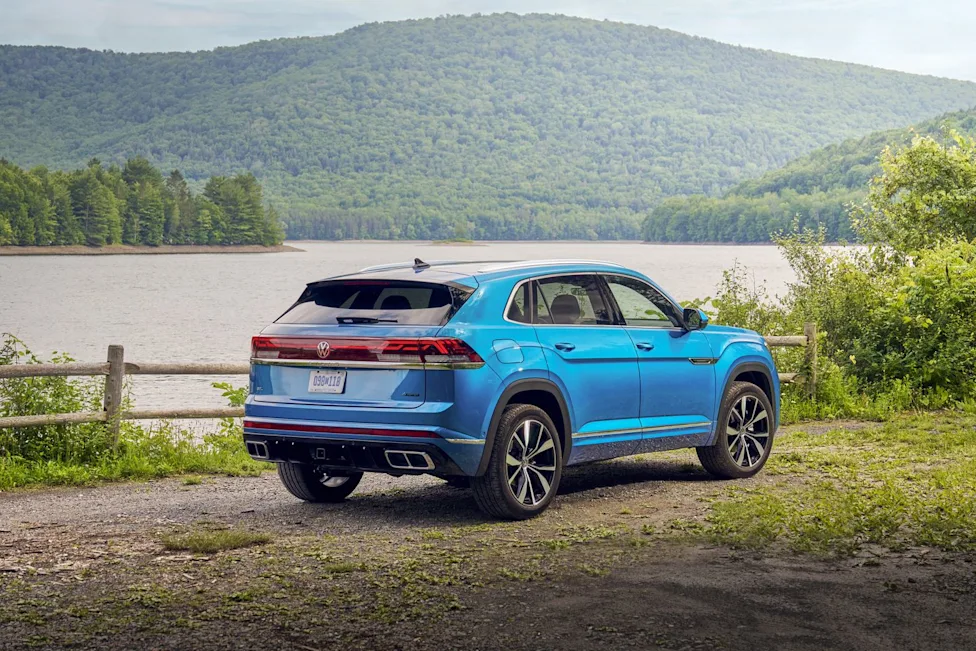
4. 2028 Volkswagen Atlas Hybrid
The 2028 Volkswagen Atlas Hybrid could become a major player among three-row family SUVs. The Atlas is already positioned as a large vehicle designed around American preferences for spacious interiors and long-distance comfort.
Adding a hybrid powertrain could help solve one of the biggest drawbacks in this segment. Large family SUVs often use considerable amounts of fuel, especially during city driving.
A hybrid setup could improve efficiency without sacrificing the spacious interiors and seating capacity that families value. Volkswagen has also indicated that the Atlas will be included in its future hybrid lineup for the US market, alongside the smaller Tiguan and Atlas Cross Sport.
A hybrid powertrain could be particularly useful in an Atlas because electric assistance works well during the stop-and-go driving that many large SUVs encounter. Moving a heavy vehicle away from a stop requires substantial energy, and an electric motor can deliver torque immediately.
Regenerative braking can then recover some energy when the vehicle slows down. The gasoline engine can take over more of the work during steady highway cruising. This type of system could help families reduce fuel consumption without changing their driving habits or needing to install a home charger.
Space will remain central to the Atlas formula. A future hybrid version will need to preserve comfortable seating across three rows and provide enough cargo capacity for family travel. Battery placement could become a packaging challenge, particularly if Volkswagen wants to offer all-wheel drive or multiple powertrain configurations.
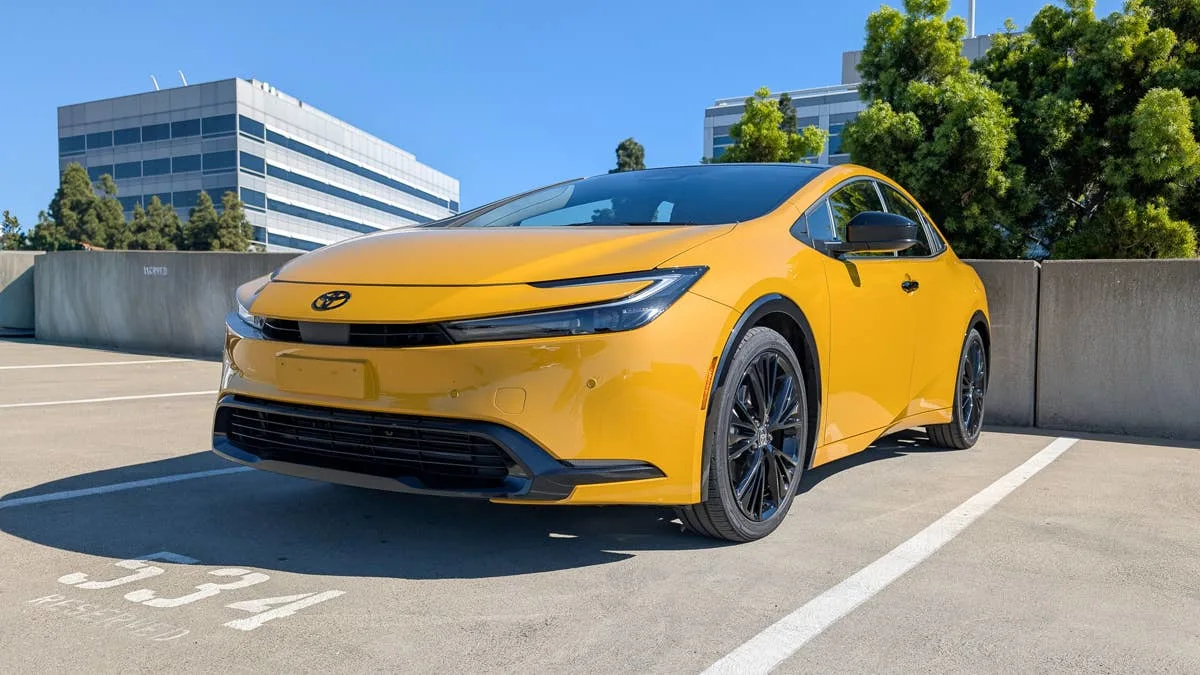
5. 2028 Toyota Prius
The 2028 Toyota Prius earns fifth place because the Prius name remains closely associated with hybrid technology in the United States. Toyota has continued investing heavily in hybrid vehicles, and the Prius remains a recognizable symbol of fuel-efficient transportation.
A future redesign around the 2028 period could give Toyota an opportunity to improve efficiency, technology, comfort, and styling while keeping the model’s central mission intact. Toyota’s broader strategy also indicates continued confidence in hybrids, with the company expecting hybrid and plug-in hybrid production to represent a large portion of its global output later this decade.
The current Prius has already moved away from the tall, highly utilitarian appearance associated with earlier generations. A future model could continue that design direction while improving aerodynamics and interior usability. Aerodynamics matter greatly for a fuel-efficient vehicle because reducing drag can lower the energy required to maintain highway speed.
Toyota has decades of experience optimizing hybrid systems, and that experience could help the next Prius achieve impressive real-world efficiency. Buyers who drive long distances, commute frequently, or simply want to minimize fuel costs could continue to find the Prius attractive.
Technology will also determine whether the next Prius remains relevant. By 2028, consumers will expect better driver assistance, faster infotainment systems, smartphone integration, improved cameras, and more sophisticated safety technology. Toyota will have to balance these features against weight and cost.
Adding equipment can increase vehicle mass and reduce efficiency, so careful engineering will remain important. The interior will also need to feel more premium and spacious, particularly because compact crossovers continue to attract buyers away from traditional hatchbacks and sedans.
The Prius faces a different challenge from SUVs such as the RAV4 and CR-V. Many American consumers now prefer elevated seating positions and crossover body styles. Toyota therefore needs to preserve the efficiency advantage of the Prius while making it practical enough for modern buyers.
Cargo capacity, rear-seat comfort, visibility, and all-weather performance will matter. A plug-in version may also continue to play a role for drivers who can charge at home, while the standard hybrid remains useful for people who want maximum simplicity.
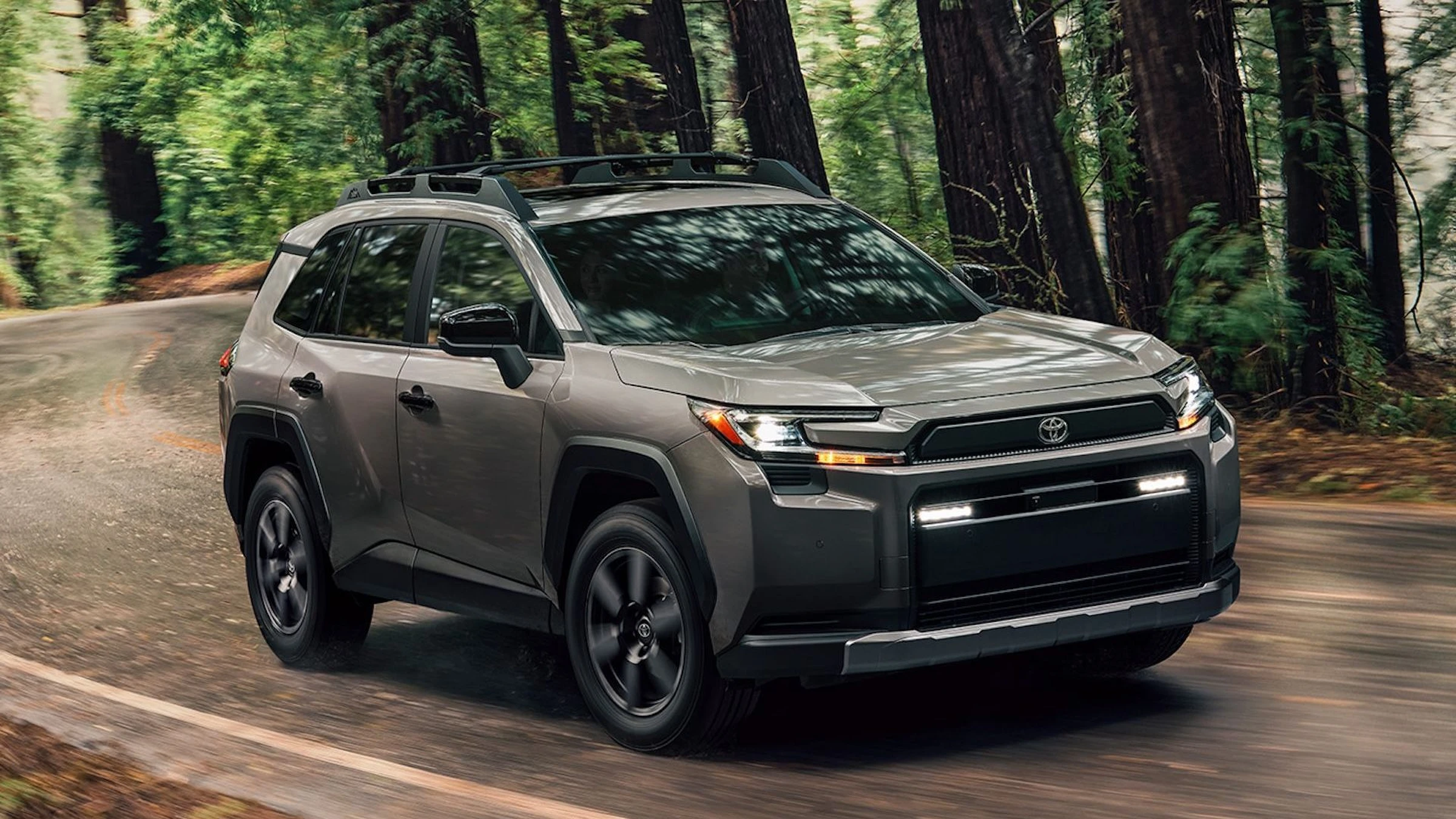
6. 2028 Toyota RAV4 Hybrid
The Toyota RAV4 Hybrid is ranked sixth mainly because it is already a highly established formula rather than a completely new concept. Toyota’s RAV4 has become a major player in the US compact SUV market, and hybrid technology has become an important part of its appeal.
A 2028 model could benefit from continued development of Toyota’s hybrid architecture, improved software, stronger battery management, and more advanced safety systems. The RAV4 is also positioned in a segment where buyers frequently prioritize practicality and operating costs, making hybrid technology particularly suitable.
A future RAV4 Hybrid should continue to emphasize everyday usability. Buyers want enough room for passengers, a useful cargo area, comfortable seats, good visibility, and straightforward controls.
Hybrid assistance can improve the driving experience by reducing engine workload during lower-speed conditions and providing electric torque when accelerating.
Toyota’s electronically controlled all-wheel-drive systems also give hybrid buyers a way to obtain additional traction without necessarily using a conventional mechanical setup. That makes the concept well suited to regions with snow, rain, or rough roads.
Fuel economy will remain a key selling point. Compact SUV shoppers frequently compare vehicles based on their expected monthly fuel costs, especially when annual mileage is high. A strong hybrid system can make a noticeable difference over several years of ownership.
Toyota will need to continue improving efficiency while keeping performance competitive. Drivers do not want an SUV that feels sluggish when merging onto highways or carrying several passengers. The best hybrid systems provide efficiency without making the driver constantly think about conserving energy.
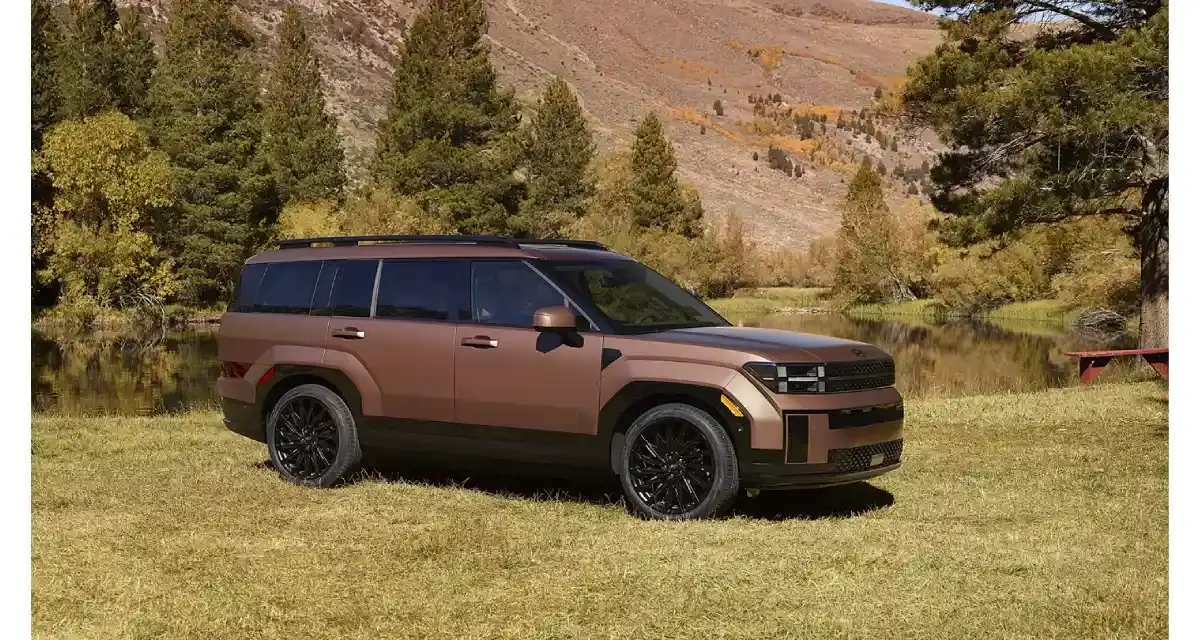
7. 2028 Hyundai Santa Fe Hybrid
The 2028 Hyundai Santa Fe Hybrid deserves seventh place because Hyundai is rapidly expanding its hybrid strategy in North America.
The Santa Fe already occupies an important position as a midsize family SUV, and hybrid technology gives it a way to combine large-vehicle practicality with better fuel consumption. Hyundai has announced plans to significantly increase its hybrid lineup in the coming years, making it clear that electrified gasoline vehicles will remain a major part of the company’s US strategy.
The Santa Fe’s boxier design has already made practicality a central part of its identity. A hybrid powertrain could enhance that appeal by reducing fuel use without requiring buyers to change their routine. Traditional hybrids do not need external charging because the battery is replenished through regenerative braking and engine operation.
That simplicity can be attractive to households that take long road trips or do not have convenient access to home charging. For many American families, the ability to refuel quickly at a gas station remains useful.
Hyundai also has an opportunity to improve hybrid performance. Electric motors can provide additional torque during acceleration, helping a midsize SUV feel more responsive. The system can also reduce engine noise during low-speed driving when operating conditions allow electric assistance.
A refined calibration could make the Santa Fe feel smoother in traffic while retaining the power needed for highway travel. All-wheel drive will likely remain important for US customers, especially in areas with winter weather and for buyers who use their SUVs for outdoor activities.
8. 2028 Honda CR-V Hybrid
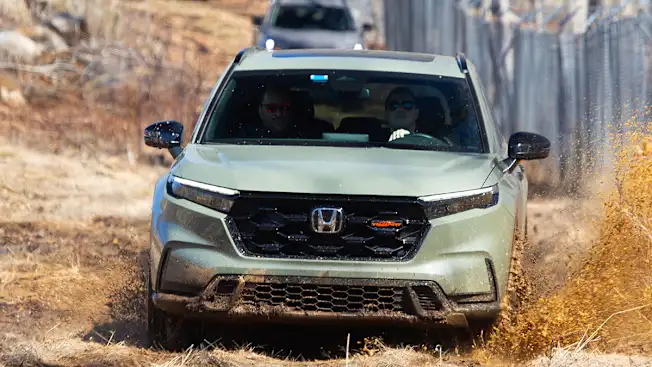
The Honda CR-V Hybrid ranks eighth because it has already established itself as a strong choice in the US compact SUV category. By 2028, Honda is likely to use lessons from its newer hybrid systems to refine the CR-V formula.
The CR-V has traditionally focused on comfort, practicality, efficiency, and everyday usability, making it naturally suited to hybrid technology. Its spacious interior and easy-to-drive character also make it a popular choice among families, commuters, and older buyers who want a versatile vehicle without moving into a larger SUV.
Honda’s broader hybrid investment could eventually bring improved electric motors, battery technology, control software, and engine efficiency to the CR-V. The most important improvements may not be dramatic specifications but smoother operation and better fuel economy in real-world driving.
Hybrid systems work best when their components cooperate seamlessly. A driver should not need to think about when the engine starts, when the electric motor assists, or how regenerative braking works. The experience should simply feel smooth and efficient.
The CR-V will also need to remain competitive in technology. The compact SUV segment has become crowded with vehicles offering large screens, sophisticated safety systems, premium audio, smartphone integration, and advanced convenience features.
Honda’s challenge will be to add useful technology without making the vehicle unnecessarily complicated. Physical controls for frequently used functions can remain valuable, particularly when drivers need to adjust climate settings without taking their attention away from the road.
9. 2028 Hyundai Palisade Hybrid
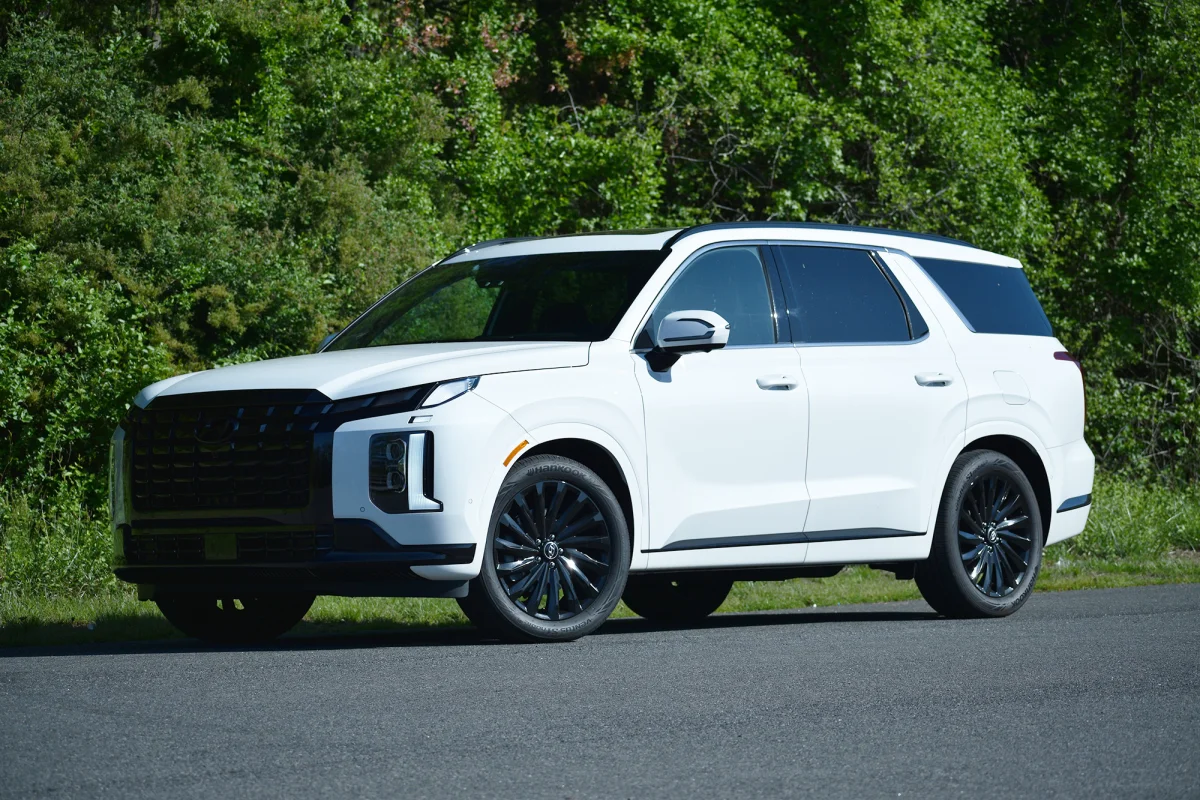
The Hyundai Palisade Hybrid earns ninth place because it targets buyers who want three rows of seating without accepting the fuel consumption of a traditional large SUV. Hyundai’s current hybrid strategy already includes the Palisade, giving the company a foundation from which to develop future models.
The latest Palisade Hybrid is positioned as a premium three-row vehicle and combines substantial power with improved efficiency. Hyundai has indicated that hybrid technology will become an even larger part of its North American product portfolio by the end of the decade.
Large family SUVs benefit significantly from hybrid assistance because their size creates opportunities for electric motors to contribute meaningful torque. During urban driving, the system can help reduce gasoline consumption through electric assistance and regenerative braking.
On highways, the gasoline engine can provide sustained power while the hybrid system manages energy use. The result should be a smoother and more efficient vehicle that still provides the space needed for family life. For buyers who regularly carry seven or eight passengers, this combination can be more useful than switching to a smaller hybrid crossover.
Hyundai will also need to keep the Palisade competitive against Toyota, Kia, Honda, Mazda, and other manufacturers. Three-row SUV buyers have many options, and some are increasingly interested in hybrid and plug-in hybrid powertrains.
10. 2028 Acura MDX Hybrid
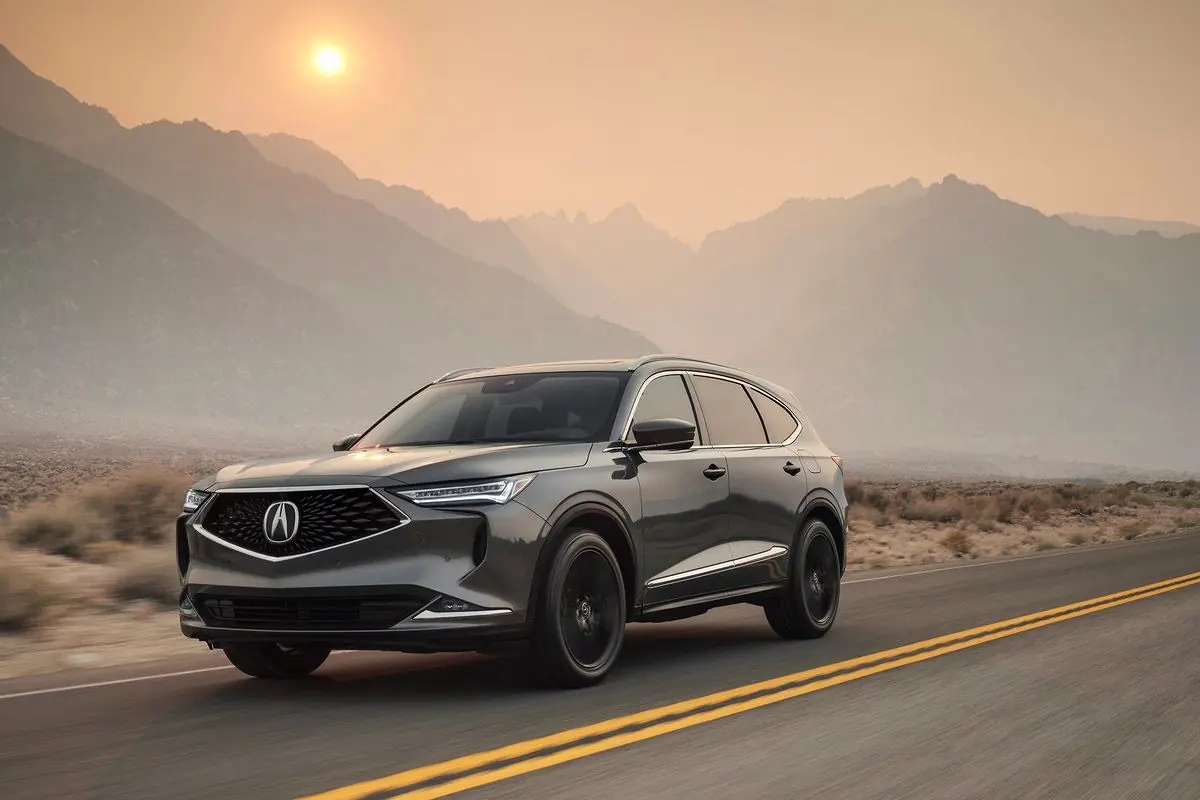
The Acura MDX Hybrid rounds out the ranking as a premium three-row SUV with considerable potential. Acura has indicated that its future hybrid technology will extend beyond the RDX, making the MDX a logical candidate for the brand’s newer powertrain architecture.
The MDX already serves as a major family vehicle for Acura, so adding hybrid technology could strengthen its position against electrified competitors. A hybrid MDX would also allow Acura to offer a lower-fuel-consumption option without requiring customers to move directly into a fully electric SUV.
The MDX is larger and more demanding than the RDX, which means the hybrid system will need to provide substantial power. Electric motors can be particularly useful in this application because they deliver strong low-speed torque.
That can help a large SUV accelerate smoothly while carrying several passengers. The gasoline engine can then handle longer periods of sustained driving. The challenge will be maintaining strong highway performance and towing capability while keeping the system efficient.
Luxury buyers will also expect a high level of refinement. An MDX Hybrid should have smooth transitions between gasoline and electric power, quiet operation, comfortable suspension tuning, and sophisticated cabin technology.
Any vibration or abrupt changes in power delivery could be especially noticeable in a premium vehicle. Acura has an opportunity to use hybrid technology not merely as a fuel-saving feature but as part of the MDX’s driving character. Instant electric response could complement the brand’s emphasis on controlled performance.
