
The three-row SUV market is set for major changes as automakers prepare new models and redesigns for the 2028 model year. American buyers are increasingly looking for SUVs that combine passenger space, practical cargo room, modern technology, strong performance, and efficient powertrains.
Several upcoming vehicles are expected to bring three-row seating to new parts of the market, while established nameplates could return with larger cabins or updated designs.
From electric family SUVs to rugged body-on-frame models and premium luxury crossovers, the next wave promises plenty of variety. Here are eight 2028 SUVs US buyers should watch as automakers expand their three-row offerings.
1. 2028 Subaru Getaway
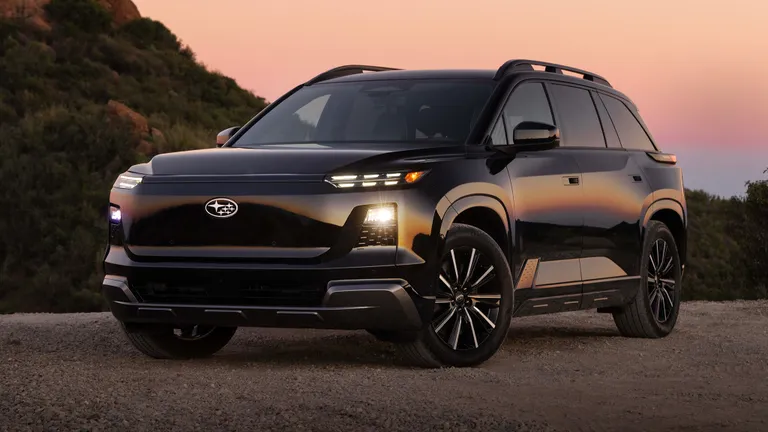
The 2028 Subaru Getaway is perhaps the clearest example of a new three-row SUV arriving for American families. Subaru has confirmed the Getaway as a three-row electric SUV with seating for up to seven passengers. It is designed to provide considerably more interior space than the brand’s smaller electric offerings while retaining the all-weather capability that has become closely associated with Subaru.
The vehicle is positioned as a family-focused EV rather than a performance machine, giving buyers another choice if they want three rows without moving to a gasoline-powered full-size SUV.
The Getaway is expected to appeal strongly to families who need passenger capacity but still want an electric powertrain. Subaru says the vehicle will offer more than 300 miles of available range, standard all-wheel drive and 8.3 inches of ground clearance.
Those figures give the SUV a useful combination of road-trip capability and everyday practicality. Its three-row layout can accommodate as many as seven occupants, giving it a clear advantage over smaller Subaru SUVs when transporting children, relatives or friends.
Power comes from a 420-horsepower all-electric drivetrain, according to Subaru’s published information. The SUV also includes X-MODE for additional traction management, making it more versatile on snow, gravel and other low-grip surfaces. Towing capacity is rated at up to 3,500 pounds.
That figure is not aimed at serious heavy-duty towing, but it should be sufficient for smaller recreational equipment, utility trailers and some lightweight boats. This combination gives the Getaway a character that is more adventurous than many conventional electric family crossovers.
Inside, the SUV focuses heavily on flexibility. Subaru says it can provide up to 80.6 cubic feet of cargo volume with the seating arrangement configured appropriately. The third-row seatbacks power-fold, allowing owners to switch between passenger and cargo duties without much effort.
Available six- and seven-passenger configurations give buyers some choice in how the second and third rows are arranged. Higher trims can also feature heated second- and third-row seats, which could be particularly useful for families living in colder parts of the United States.
2. 2028 Ram Three-Row SUV
Ram has traditionally been associated with pickup trucks rather than SUVs, but that could change significantly with its upcoming three-row model.
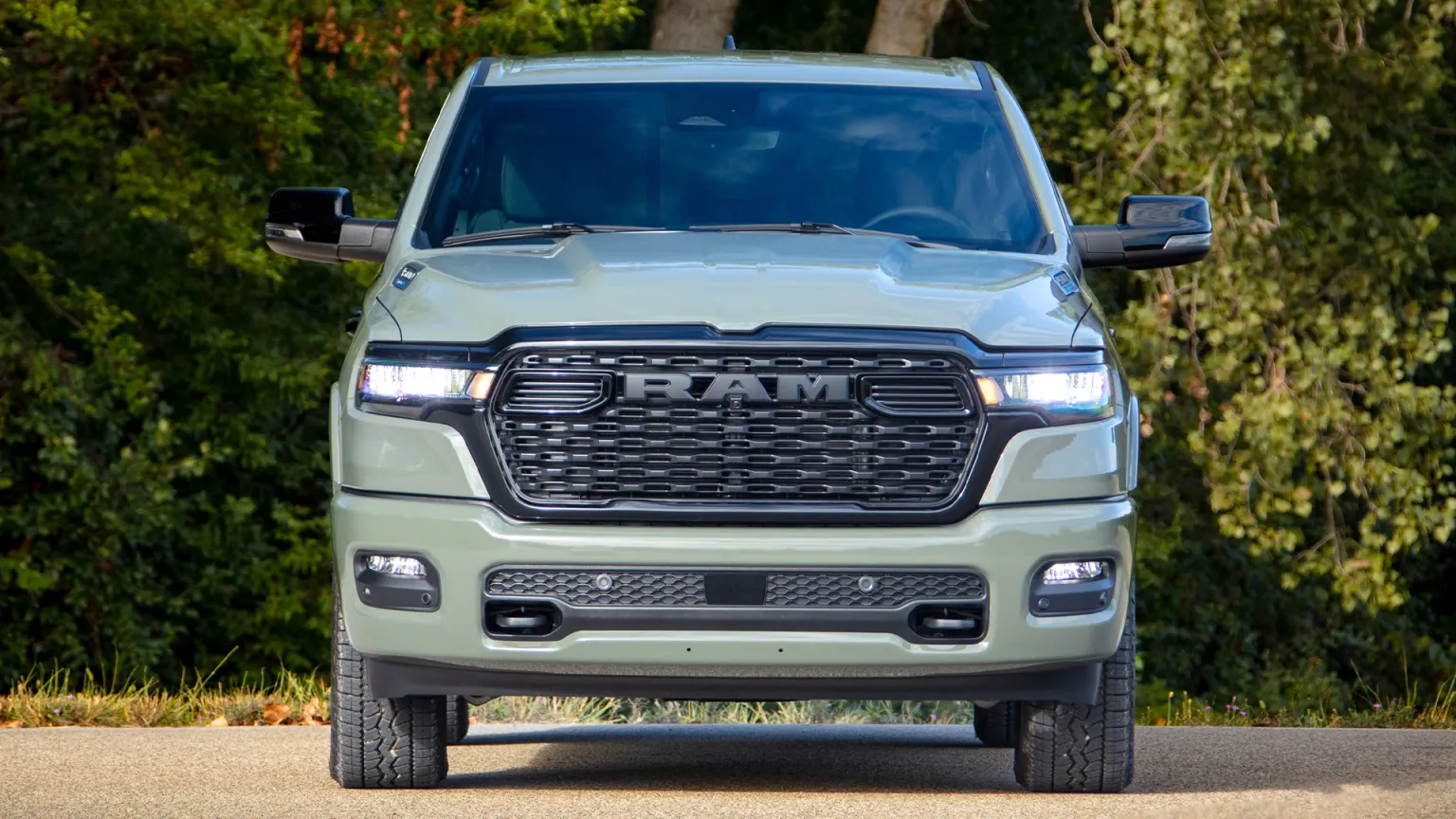
Reports indicate that Ram is preparing a large SUV for the 2028 period, giving the brand a direct entry into a segment dominated by vehicles such as the Chevrolet Tahoe, Ford Expedition, and Jeep’s larger SUVs. The model is expected to use a body-on-frame architecture, which would give it a very different character from car-based family crossovers.
The new Ram SUV is particularly interesting because the company has experience building large trucks but has not had a dedicated full-size SUV in its current US lineup.
A three-row model could use that truck expertise to provide substantial towing capability, a spacious cabin and a more rugged driving character. Reports have linked the vehicle to the broader Ram product strategy and suggest production could take place in Michigan. Exact specifications, pricing and final naming details remain subject to change.
Powertrain choices are expected to be an important part of the vehicle’s identity. Current reports have pointed toward internal-combustion and range-extender electrified options rather than making the SUV exclusively battery-electric.
Such a strategy could make sense for American buyers who want long-distance capability without depending entirely on charging infrastructure. A range-extender setup could provide electric driving for shorter trips while using an engine to generate electricity for longer journeys.
The size of the upcoming Ram SUV should make its third row more useful than the rear seats found in many midsize crossovers. Large body-on-frame SUVs generally have greater interior volume, which can provide better space for adults in the rear and additional room behind the third row.
This matters for families that regularly carry six or seven passengers. A spacious third row also makes the vehicle more useful for road trips because owners can carry passengers without completely sacrificing luggage space.
Ram’s entry could bring additional competition to an already important part of the US SUV market. Buyers who like the appearance and capability associated with trucks but want enclosed passenger space may find the new vehicle appealing.
The biggest questions concern its final name, engines, electric technology, towing ratings, pricing, and launch schedule. For now, the Ram three-row SUV should be viewed as an expected future model rather than a vehicle with every specification officially confirmed.
3. 2028 Dodge Durango
The Dodge Durango is already a three-row SUV, so it does not technically fit the idea of an SUV receiving a third row for the first time.
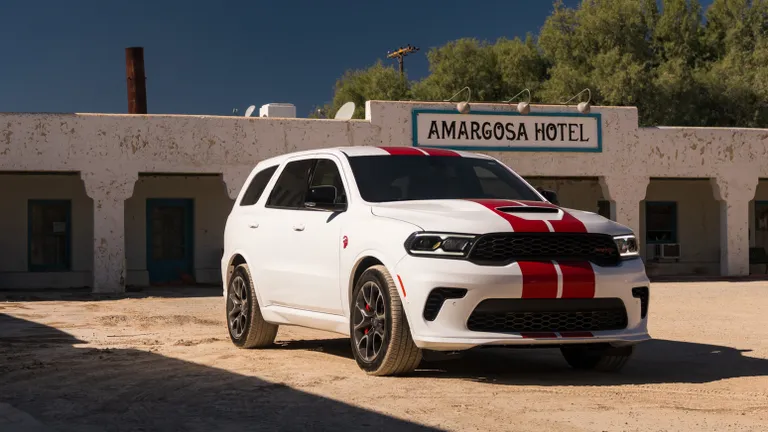
However, its next-generation redesign makes it highly relevant to the 2028 three-row SUV discussion. Dodge is expected to give the Durango a substantially different future, with reports pointing toward gasoline and electric powertrain possibilities. The next generation could become a major part of Dodge’s effort to combine traditional performance with newer propulsion technology.
The Durango has long occupied a distinctive position in the American SUV market. It provides three rows while maintaining a performance-oriented personality that separates it from softer family crossovers. A redesigned model could build on that formula with a newer platform, updated technology and more efficient powertrains.
Dodge has already demonstrated its willingness to move toward electrification with the Charger, so a future Durango could offer buyers more than a conventional gasoline-only configuration.
Performance is likely to remain important. Dodge has built a reputation around powerful engines, and the Durango name has previously been associated with high-output V8 models.
Future regulations and changing consumer demand make the powertrain situation less predictable for 2028, but a performance-focused approach is likely to remain part of the vehicle’s appeal. A combination of strong acceleration, all-wheel drive and three-row seating could give the SUV a unique position among family vehicles.
Interior technology should also become a major part of the redesign. Today’s buyers expect large displays, smartphone integration, advanced driver assistance systems and a wide range of convenience features.
A new Durango would need to provide these features while maintaining the practical qualities that make a three-row SUV useful. Second-row captain’s chairs could remain available, creating a comfortable six-passenger configuration and providing easier access to the third row.
The next-generation Durango deserves attention because it could represent a significant change for an established American SUV. Rather than simply adding more seats, Dodge appears positioned to rethink the vehicle around future powertrain and technology requirements.
For buyers who want a three-row SUV with a sportier personality, the 2028 Durango could become an important alternative to traditional family-oriented models.
4. 2028 Cadillac XT6
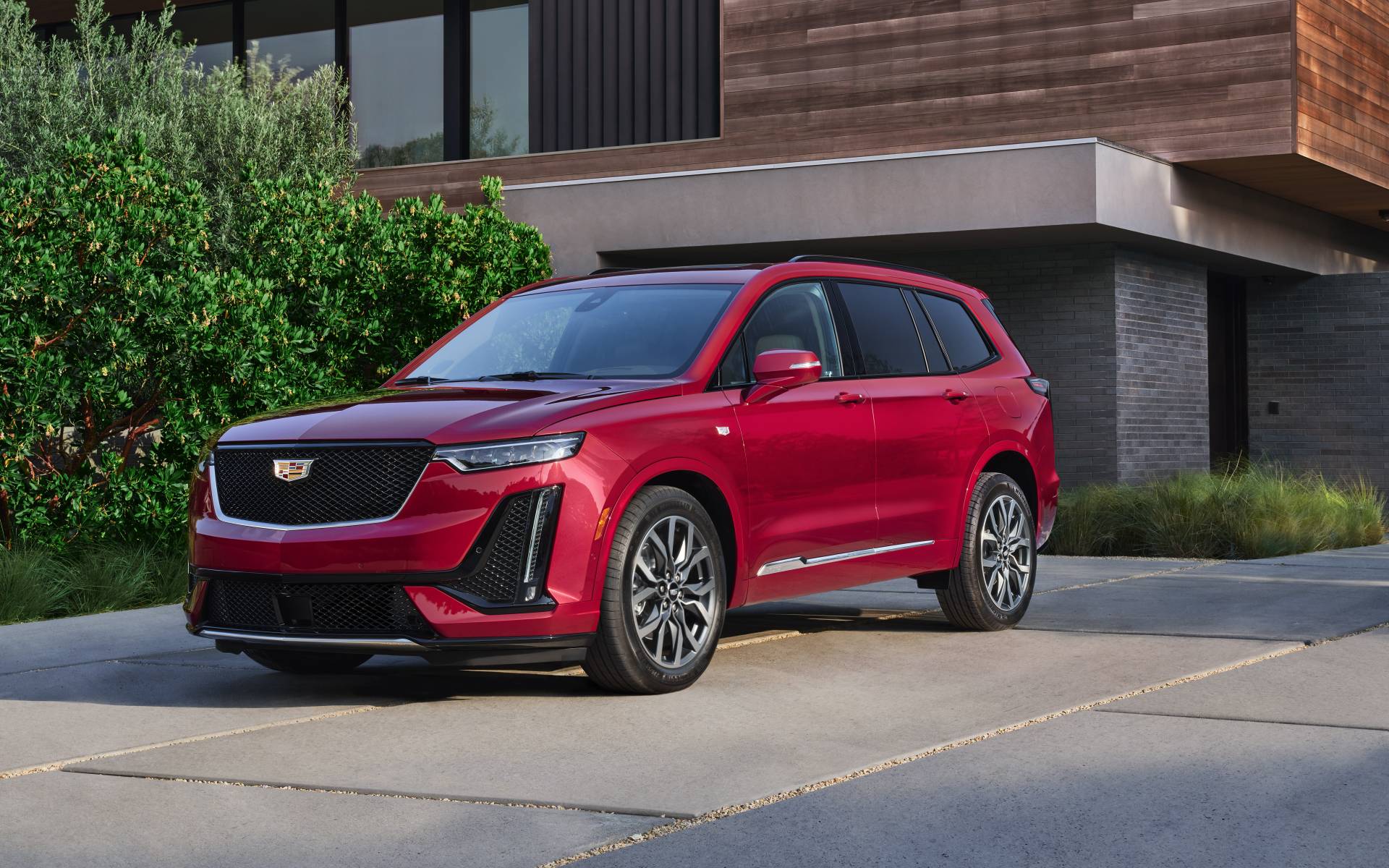
Cadillac’s XT6 left the US market after the 2025 model year, but reports indicate that the three-row nameplate could return. A next-generation XT6 has reportedly received approval, with production potentially beginning during 2028 for the 2029 model year.
This distinction is important because it means shoppers should not automatically assume that an XT6 arriving during calendar year 2028 would be classified as a 2028 model. Automotive launch schedules frequently cross calendar and model years.
If Cadillac brings back the XT6, the vehicle would likely return as a premium three-row crossover positioned below or alongside other large Cadillac SUVs. Its purpose would be to give Cadillac another option for customers who want three rows without moving to the largest body-on-frame luxury SUVs.
The original XT6 focused on quiet road manners, comfortable seating, and a premium interior, and a replacement could follow a similar formula with significantly newer technology.
Reports indicate that the next-generation vehicle could continue using a gasoline-powered configuration. That would be notable at a time when Cadillac has been expanding its electric portfolio.
A gasoline XT6 could provide an alternative for buyers who want luxury and passenger capacity but are not ready to switch to a fully electric SUV. Hybrid technology could also become relevant as automakers respond to changing fuel-economy requirements and consumer demand.
Interior space would be critical to the XT6’s success. A third row has limited value if it is difficult for adults to use or leaves little room for luggage. Cadillac could use the redesign to improve rear-seat access, legroom and cargo flexibility.
Premium materials, quieter cabin insulation and advanced infotainment would help position the SUV against models from Lexus, Acura, Volvo and German luxury brands.
For US shoppers, the return of the XT6 could provide an interesting middle ground between mainstream three-row SUVs and enormous luxury vehicles.
The timing remains uncertain, and Cadillac has not publicly released a complete set of production specifications. Buyers should therefore treat the model as a future possibility with credible industry reporting behind it rather than a fully confirmed 2028 showroom vehicle.
5. 2028 Porsche
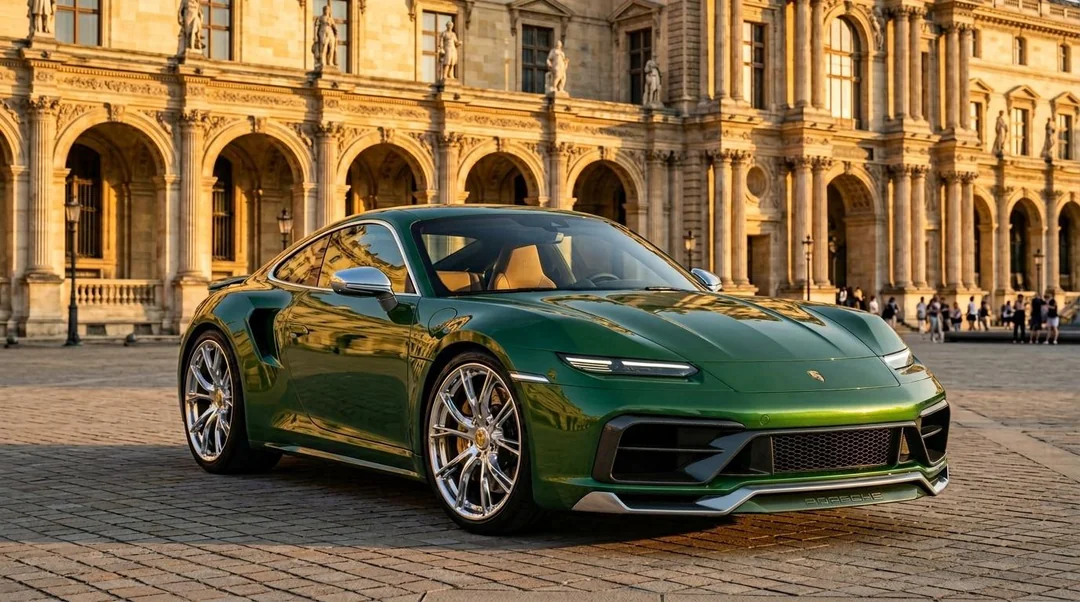
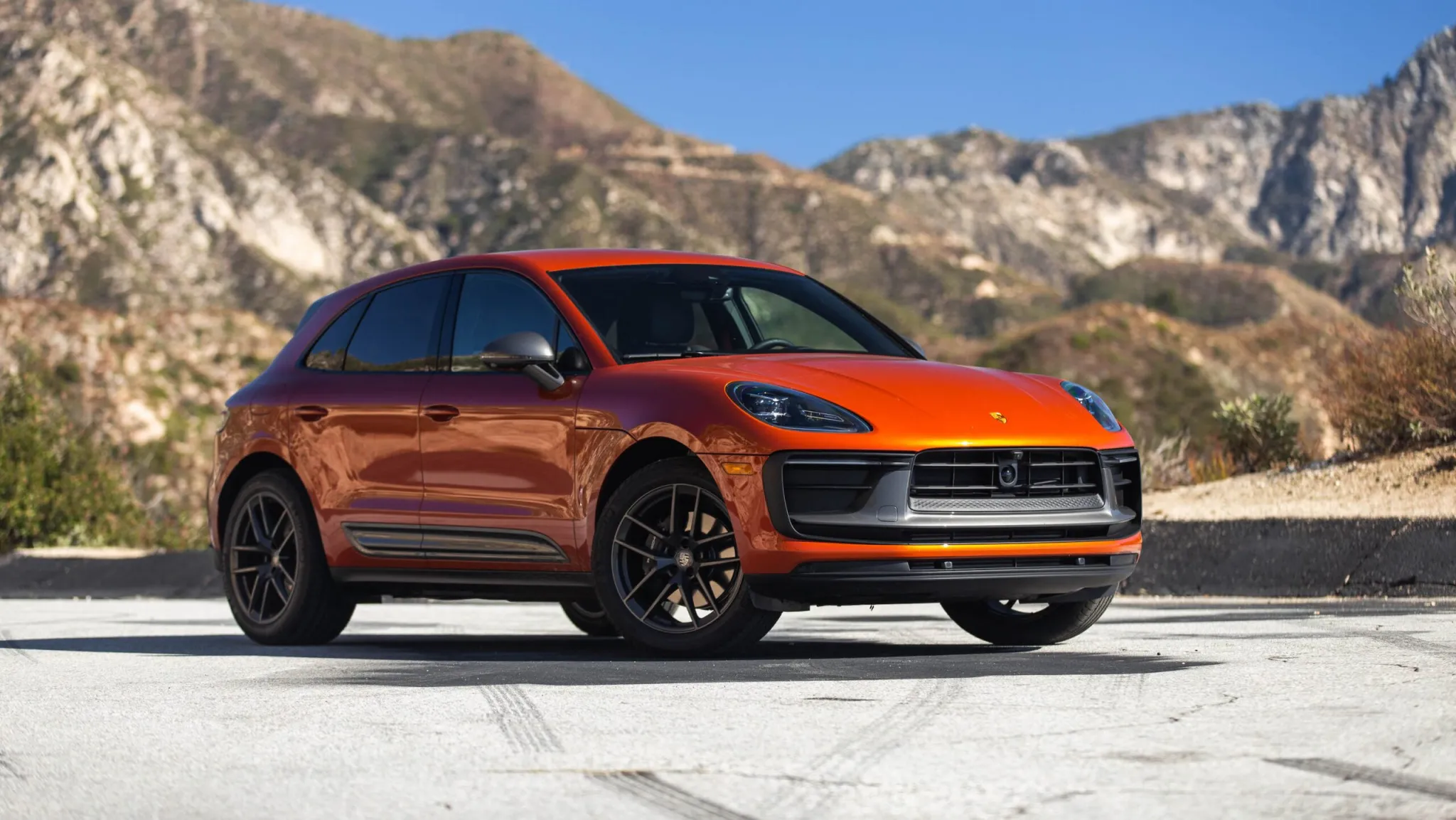
Porsche is preparing a major expansion of its SUV lineup, and a future three-row crossover could become an important part of the brand’s American strategy. Porsche has historically focused on performance-oriented SUVs with five seats, but demand for larger family vehicles has created an opportunity for a model with additional passenger capacity.
Reports indicate that the company’s upcoming three-row crossover could use gasoline or hybrid power rather than relying exclusively on battery-electric technology.
That decision would be significant for the US market. Porsche has invested heavily in electric vehicles, yet customer adoption has developed at different speeds across vehicle categories and regions.
A gasoline or hybrid three-row Porsche could attract families who want the brand’s performance characteristics without committing to a fully electric powertrain. It could also give Porsche greater flexibility as regulations, charging infrastructure and consumer preferences continue to change.
The new SUV would likely sit within the premium and luxury portion of the three-row market. Buyers would expect a sophisticated cabin, high-quality materials, advanced suspension technology and strong acceleration.
Porsche could use its engineering expertise to make a large family crossover feel more agile than its dimensions suggest. The challenge will be balancing performance with the space, comfort and practicality expected from a three-row vehicle.
The third row itself will be an important test for Porsche. Adding two extra seats is relatively easy from a marketing perspective, but creating a genuinely useful third row requires careful packaging.
Rear passengers need adequate headroom and legroom, while cargo capacity must remain practical when all seats are occupied. Porsche may position the model as a premium family crossover rather than a traditional full-size SUV, meaning efficient interior packaging will be essential.
6. 2028 Genesis GV90
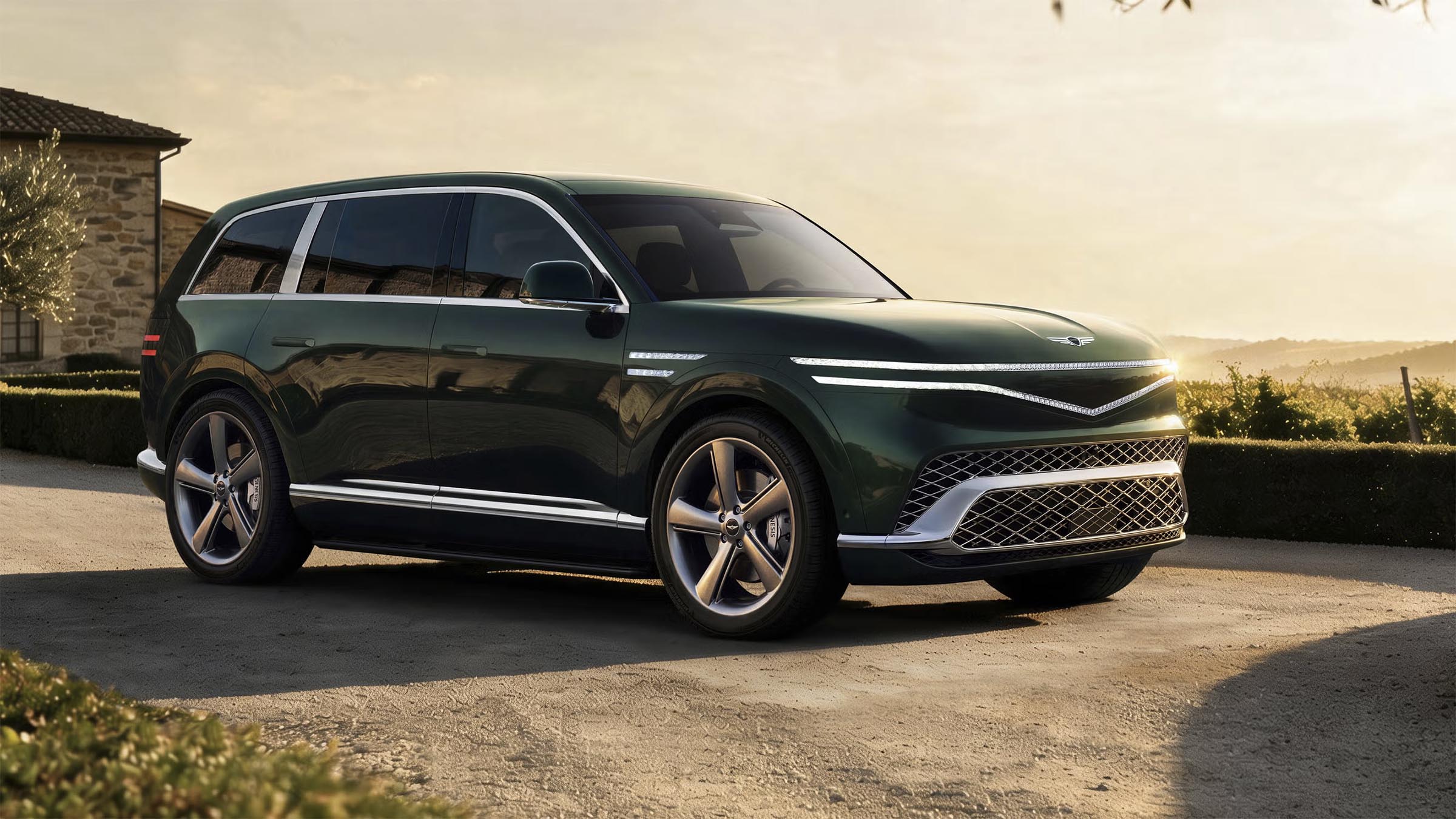
The Genesis GV90 is set to become a flagship SUV for Hyundai’s luxury brand, bringing three-row seating into a highly premium package.
Genesis has already presented the GV90 as a large SUV with three-row versatility, second-row captain’s chairs and a strong focus on passenger comfort. The vehicle draws inspiration from the Neolun concept and is designed to sit above smaller Genesis SUVs in terms of size, equipment and luxury positioning.
The GV90 is particularly relevant to the US market because large luxury SUVs remain popular among buyers who want substantial passenger space. Genesis has been expanding its presence in America, and a flagship three-row SUV could help the brand compete more directly against established luxury manufacturers.
Its spacious cabin is intended to give the vehicle a more prestigious feel rather than simply adding two small seats behind a conventional crossover cabin.
Genesis is also placing considerable attention on the interior. The company has highlighted features such as second-row captain’s chairs, premium seating and a spacious cabin.
The design approach is likely to emphasize comfort and presentation, with the third row serving families and larger groups who need more passenger capacity. A luxury SUV at this level also needs to provide extensive technology, high-end materials and a quiet driving environment.
The GV90 is expected to use an electric powertrain, placing it in a different category from gasoline-powered three-row luxury SUVs. That could make it attractive to buyers looking for a premium electric vehicle with enough space for a family.
Range, charging speed, and real-world efficiency will be important considerations for American customers, particularly those who use their SUVs for long-distance travel.
7. 2028 Acura Large Three-Row SUV
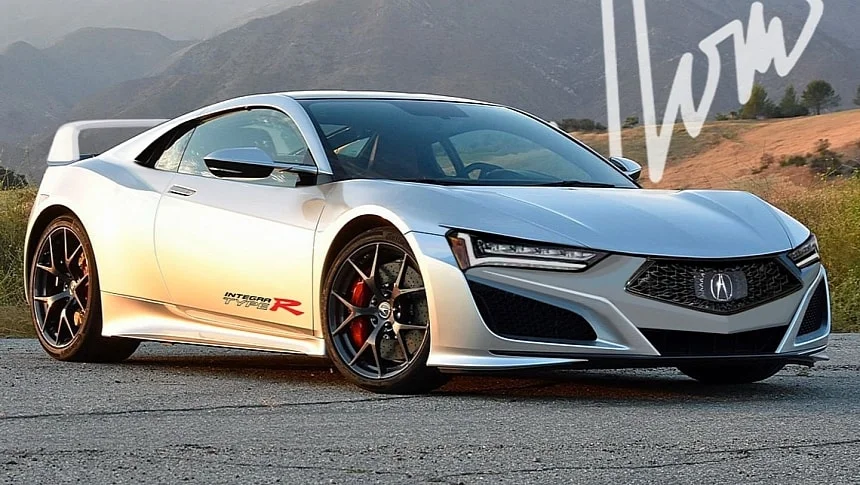
Acura is reportedly considering a larger SUV positioned above the MDX, but shoppers should pay close attention to its timing. Current reports place production around 2029 rather than 2028, meaning this vehicle should not be marketed as a confirmed 2028 SUV.
It is still worth watching because Acura’s plans illustrate how strongly premium automakers are responding to demand for larger three-row vehicles in the United States.
The proposed Acura model has reportedly been referred to as the Acura XL. Its goal would be to provide significantly more space than the MDX and compete with larger premium crossovers.
Acura already offers a third row in the MDX, but rear passenger space has been less generous than some rivals. A larger flagship SUV would allow the company to address that limitation with a vehicle designed around greater passenger capacity from the beginning.
A hybrid powertrain has been reported for the future Acura, which would fit with Honda’s broader strategy of expanding hybrid technology.
A hybrid system could provide a useful balance between fuel economy and long-distance convenience. For American families, that combination may be particularly attractive because it avoids charging stops while still improving efficiency compared with a conventional large gasoline SUV.
The interior would likely be the main reason to choose the larger model over an MDX. Families buying a large three-row SUV often care about second-row comfort, third-row accessibility and luggage space as much as engine performance.
A longer body and larger cabin could make it easier to accommodate adults across all three rows. Premium materials and improved technology would also be necessary for Acura to compete with Lexus, Volvo, BMW and other luxury manufacturers.
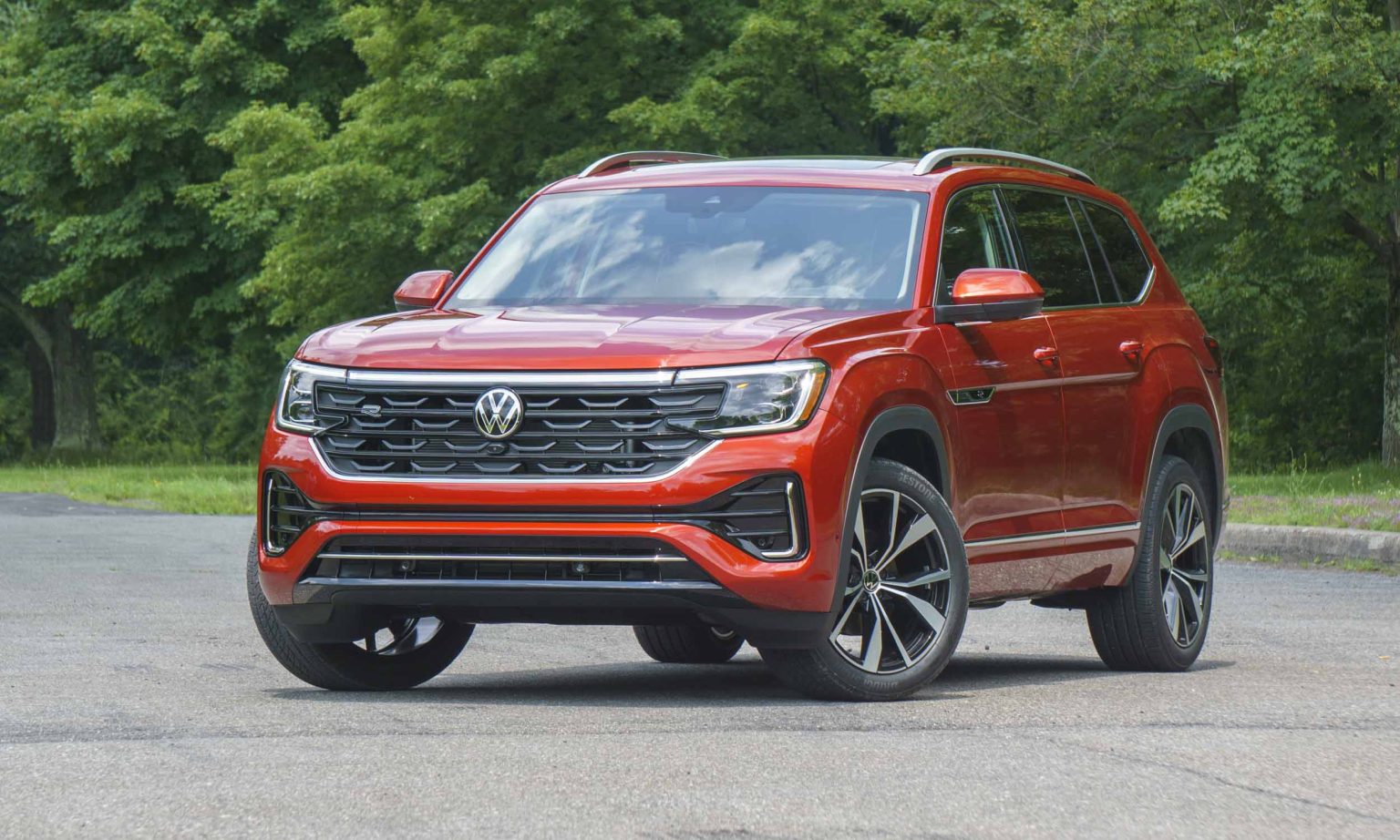
8. 2028 Volkswagen Atlas
Volkswagen already has the Atlas, so this is not a case of the brand adding a third row for the first time. The Atlas is already established as a three-row SUV for American families.
However, Volkswagen is preparing important changes to its SUV lineup that could shape what the Atlas looks like during the 2028 period. The company has confirmed plans for an Atlas Hybrid, making the powertrain strategy particularly relevant to buyers considering a future three-row Volkswagen.
The Atlas has traditionally appealed to families because it provides generous passenger space without reaching the size or price levels of the biggest American full-size SUVs.
A hybrid powertrain could make the model more attractive to drivers who want better efficiency while retaining a familiar three-row layout. Volkswagen’s US strategy also includes additional hybrid applications, suggesting that electrification will become a larger part of its crossover range.
A hybrid Atlas could be particularly useful for households that spend significant time commuting. Electric assistance can reduce fuel consumption during low-speed driving and stop-and-go traffic while retaining the convenience of gasoline for highway trips.
That combination is different from a fully electric SUV because owners do not need to plan charging stops around every long journey. For buyers who are not ready for a battery-electric family vehicle, this could be a practical compromise.
The Atlas also demonstrates why the 2028 three-row SUV market should not be viewed only through completely new nameplates. Existing models are being redesigned, electrified and repositioned as automakers respond to changing customer expectations.
A vehicle does not need a completely new body or a newly added third row to become a major choice for 2028. Powertrain changes, improved technology, and interior updates can make an established SUV feel substantially different.
