
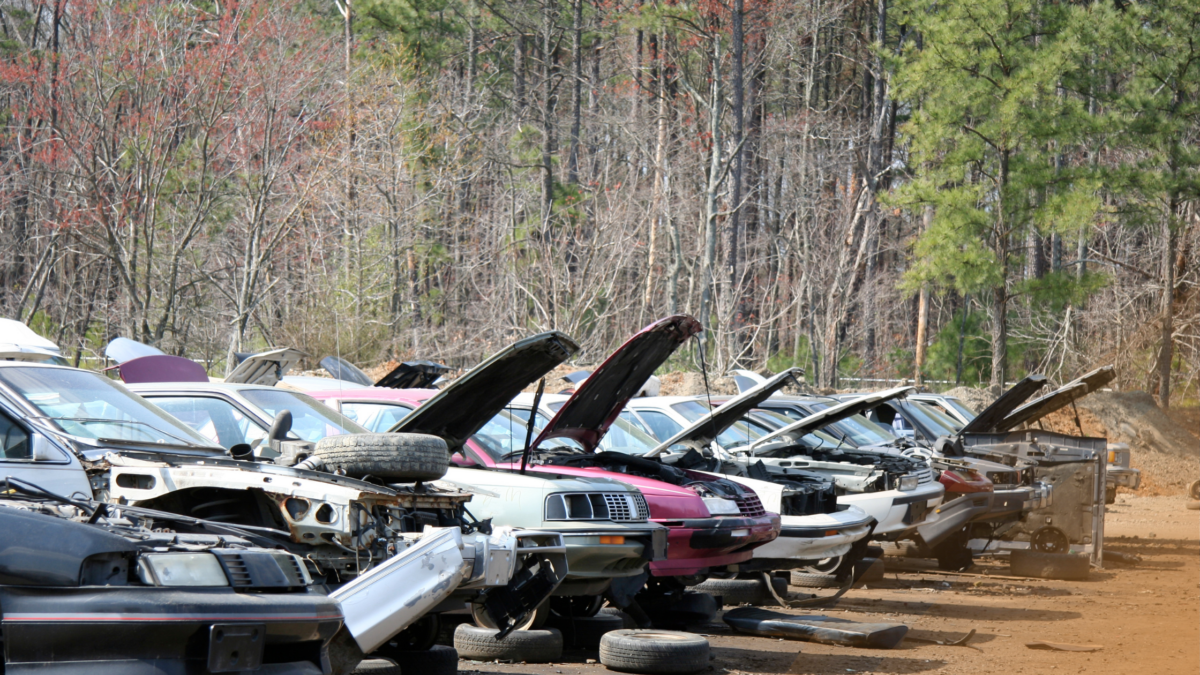
A salvage yard can make anywhere from a modest profit to several thousand dollars from a single vehicle, depending on its condition, demand for parts, weight, and resale value. When a damaged car arrives at a salvage yard, its value is rarely based on the vehicle as a complete unit.
Instead, the yard may earn money by selling usable parts, scrap metal, tires, wheels, batteries, and other components. The purchase price, labor costs, storage expenses, transportation, and local market conditions all affect the final profit.
Understanding these factors helps explain why salvage yards can turn damaged or unwanted vehicles into profitable inventory while keeping costs carefully controlled.
How Much Profit Can a Salvage Yard Make From One Car?
A salvage yard may make anywhere from $500 to $5,000 or more in gross revenue from a single vehicle, but the actual profit can be much lower. The amount depends heavily on what kind of vehicle enters the yard and which parts remain usable.
A common older sedan purchased for $500 may generate $1,500 to $2,500 in sales if it has desirable mechanical components and body parts. A newer truck, SUV, or luxury vehicle can generate substantially more because replacement parts for these vehicles often command higher prices.
The first major factor is the salvage yard’s purchase price. Yards generally try to acquire vehicles at a price low enough to leave room for dismantling, storage, transportation, advertising, and operating costs. For example, a yard might purchase a damaged car for $1,000.
If the vehicle contains an engine worth $700, a transmission worth $500, several body panels worth $400, wheels worth $250, and smaller components worth another $500, the gross sales potential could reach $2,350 or more. This does not mean the yard earns $1,350 in pure profit because operating expenses must still be deducted.
Vehicle type also has a major effect on revenue. Popular trucks, SUVs, Japanese imports, and vehicles with expensive replacement parts can be particularly attractive to salvage businesses.
A damaged vehicle with a functioning engine and transmission may be much more valuable than a severely damaged vehicle that has lost its major mechanical components. Parts demand matters just as much as the condition of the vehicle. A rare vehicle may have fewer buyers, while a common model can generate steady sales because thousands of owners need replacement parts.
A salvage yard also benefits from selling many smaller components that are easy to overlook. Headlights, tail lights, mirrors, doors, seats, infotainment systems, alternators, starters, radiators, catalytic converters where legally handled, wheels, interior trim, and electronic modules can all contribute to total revenue.
Individually, these parts may not seem highly valuable. Collectively, they can add hundreds or even thousands of dollars to the vehicle’s total sales value. Efficient yards track these components carefully so valuable inventory does not end up being discarded.
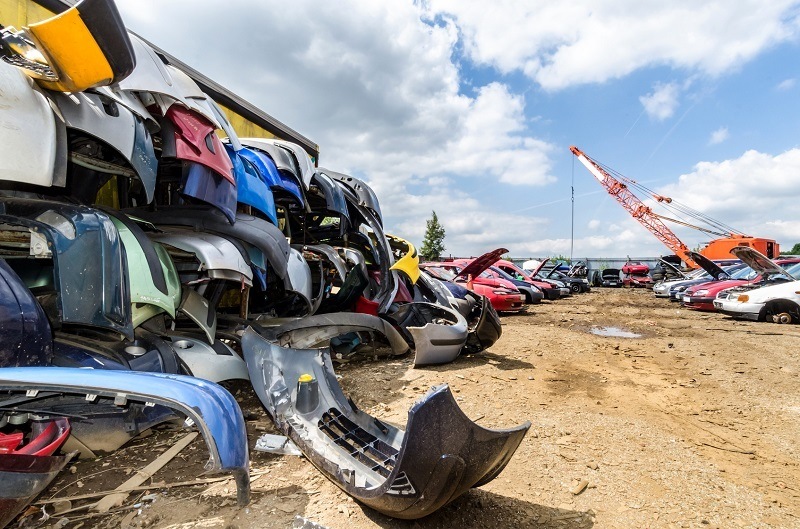
The remaining shell can still produce revenue after the valuable parts have been removed. Steel and other recyclable metals have a resale value, although scrap prices change according to market conditions. Tires and wheels may also be sold separately when they are in usable condition.
Fluids, batteries, and other materials require proper handling and disposal, which can create additional expenses. A salvage yard therefore earns money from several different streams rather than relying on a single sale. This diversified approach is a major part of the business model.
Where Does a Salvage Yard Make Its Money?
Used auto parts are usually the largest source of revenue for a salvage yard. Customers often visit these businesses because used components cost considerably less than new replacement parts.
An engine, transmission, door, fender, bumper, mirror, or electronic module can be sold for substantially less than a new dealer-supplied component while still providing useful service. The salvage yard purchases the complete vehicle and separates it into individual products, allowing the same car to generate multiple transactions.
Mechanical parts can be particularly valuable. Engines and transmissions may sell for hundreds or several thousand dollars depending on the vehicle, mileage, condition, and demand. A yard that buys a vehicle with a good running engine has a significant opportunity to recover its acquisition cost from that single component.
Other mechanical parts, including alternators, starters, suspension components, steering assemblies, and differentials, can add meaningful revenue. Testing and documenting these components can increase customer confidence and justify higher prices.
Body parts provide another important revenue stream. Doors, fenders, hoods, trunks, bumpers, grilles, mirrors, and headlights are frequently needed after collisions. Color can influence value because customers may prefer a matching body panel that does not require repainting.
A clean original part in a popular color can therefore sell faster than a damaged or heavily scratched component. Salvage yards that organize their inventory effectively can keep these parts available for customers who need affordable repairs.
Interior and electronic components can also contribute to revenue. Seats, dashboards, instrument clusters, radios, navigation systems, control modules, switches, airbags, and other components may have resale value depending on condition and applicable safety requirements.
Modern vehicles contain a large amount of electronic equipment, meaning a damaged car may still contain many valuable components even when it cannot be safely driven. Proper testing and handling are important because defective electronic parts can lead to returns and lost revenue.
Scrap metal provides a final source of income after reusable parts have been removed. A vehicle’s remaining body can contain a substantial amount of steel and other recyclable material.
The value depends on current commodity prices, the vehicle’s weight, and the recycling arrangement used by the yard. Scrap revenue alone usually does not provide the largest return on a vehicle, but it allows the business to recover additional value from parts that cannot reasonably be resold. This helps maximize the total financial return from each car.
What Does It Cost a Salvage Yard to Process One Car?
Buying the vehicle is only the beginning of the expense. Transportation can be a significant cost, especially when the car is not running.
A salvage yard may need a tow truck, trailer, or other equipment to move vehicles from auctions, insurance companies, private sellers, or other locations. Depending on distance and local rates, transportation can reduce the margin considerably. A vehicle purchased cheaply is not necessarily profitable if the cost of getting it onto the yard’s property is excessive.
Labor is another major expense. Employees may need to inspect the vehicle, drain fluids, remove parts, test components, photograph inventory, enter information into a database, clean parts, and place them into storage.
Dismantling a vehicle safely requires time and equipment. Labor costs become especially important when a vehicle contains many valuable parts that require careful removal. A part that sells for $100 may not be attractive if it takes several hours to remove, clean, test, and store.
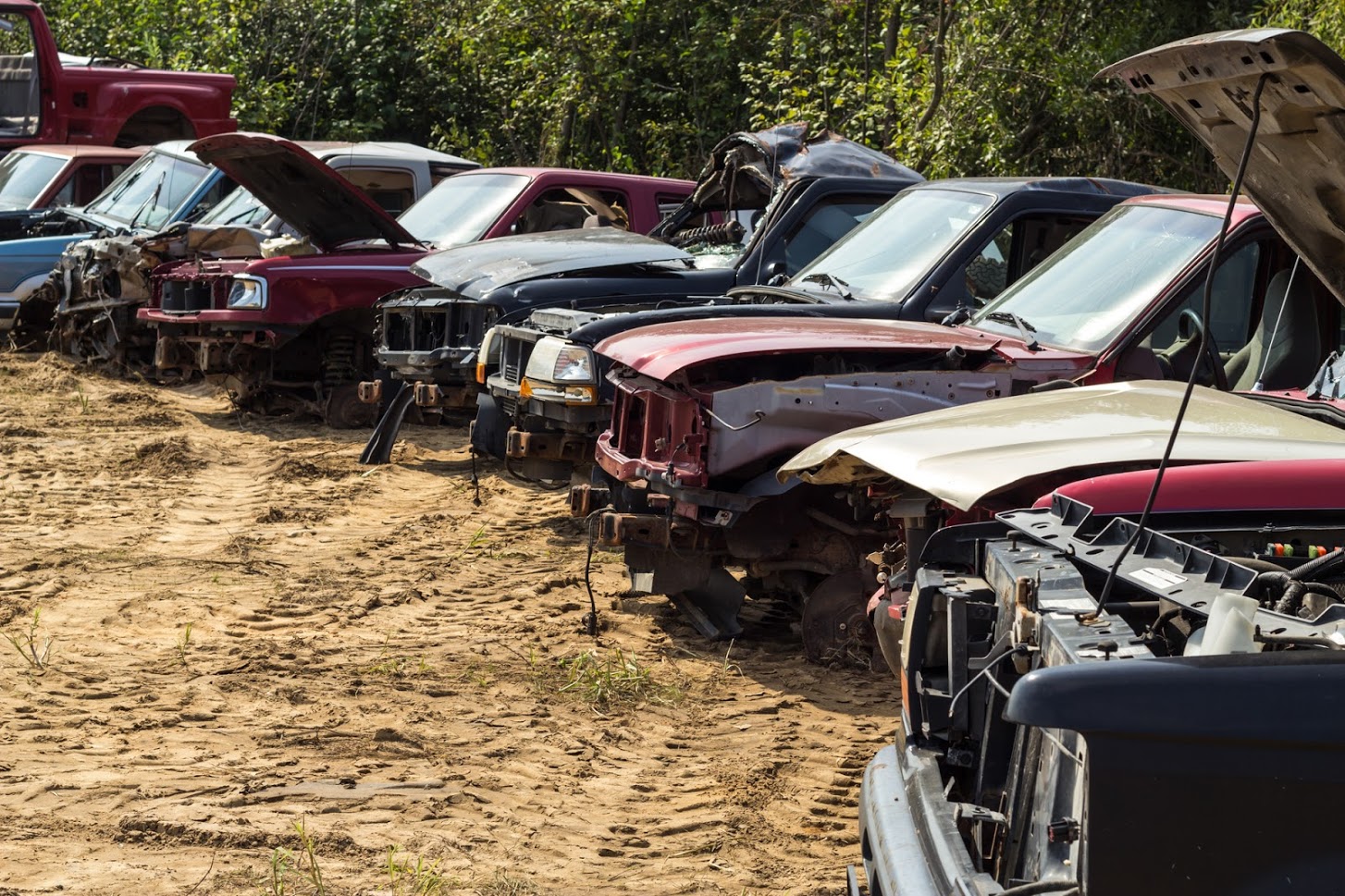
Storage also affects profitability. Salvage yards need large amounts of land or warehouse space to hold vehicles and removed components. Property taxes, rent, insurance, security, utilities, equipment maintenance, and environmental compliance can all contribute to operating expenses.
Parts that sit for years without selling occupy valuable space. For this reason, experienced salvage businesses pay close attention to inventory turnover and market demand. Fast-moving parts generally provide a better return than products that remain in storage indefinitely.
There are also environmental and regulatory expenses. Salvage yards must handle fluids, batteries, refrigerants, tires, and other materials appropriately.
Depending on local regulations, the business may need specialized equipment and procedures for removing and storing hazardous materials. Compliance can be expensive, but it is an essential part of operating a legitimate salvage business. Poor handling can create environmental damage, legal problems, fines, and additional cleanup costs.
Marketing and technology contribute to expenses as well. Many modern salvage yards list parts online so customers can search inventory without visiting the property.
Online marketplaces, inventory management software, photography equipment, websites, payment processing, and customer service all add costs. However, these tools can also increase sales by allowing a yard to reach customers outside its immediate area. The best operators treat technology as a way to improve inventory turnover rather than simply as an administrative expense.
