
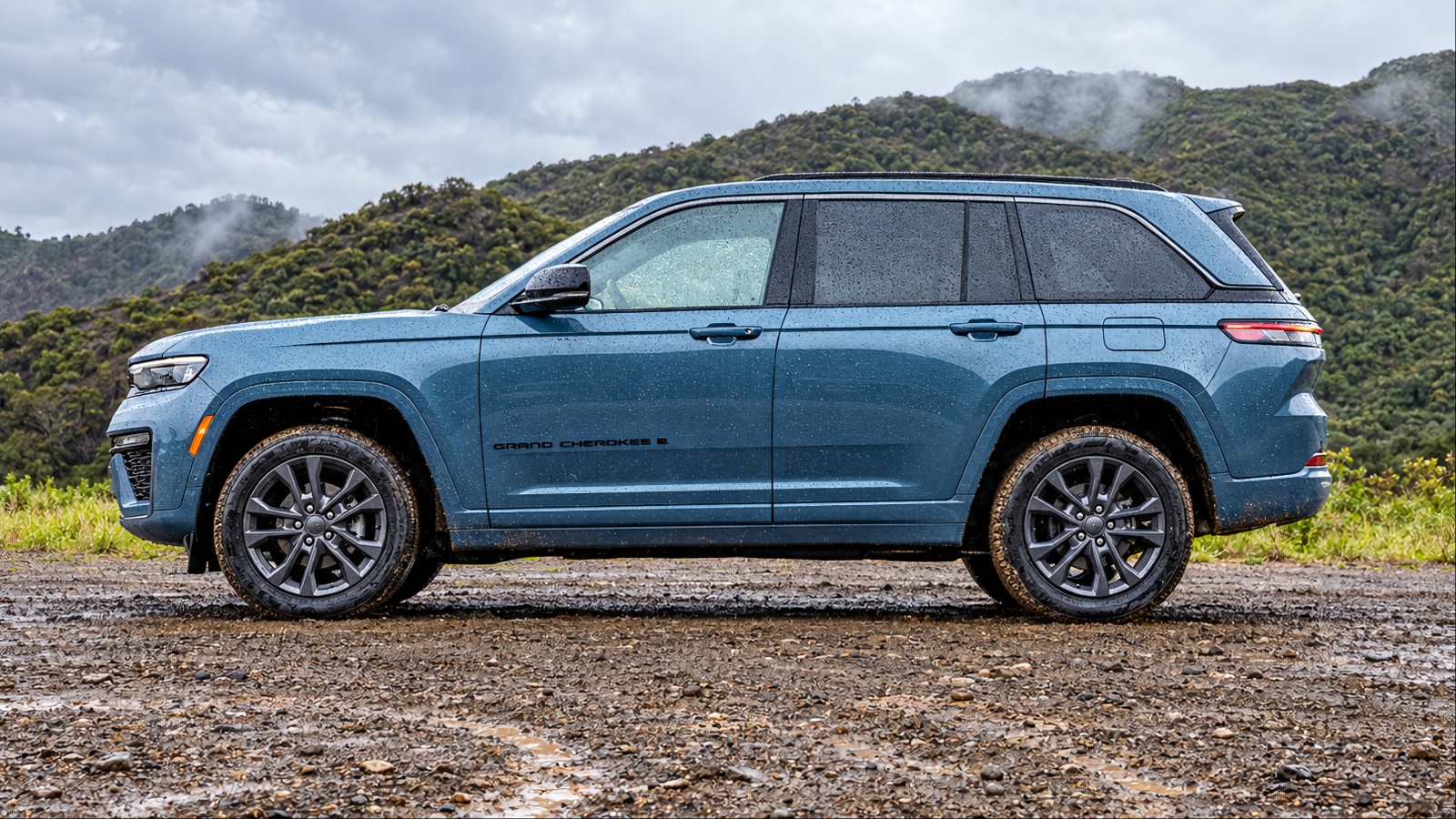
Jeep vehicles are known for rugged styling, removable doors, off-road ability, and a collection of tiny design details that reward observant owners. These hidden images, often called Easter eggs, can appear in unexpected places such as windshields, dashboards, body panels, wheels, and other areas.
A spider, lizard, or even a Loch Ness monster may be tucked into a Jeep design without being obvious at first glance. These playful touches have become closely associated with the brand and give owners something fun to discover.
They also show how automotive designers can use small visual details to create personality without changing the vehicle’s practical purpose or recognizable appearance.
Jeep’s Hidden Easter Eggs Have Become a Signature Design Feature
The idea of hiding small figures and symbols inside Jeep vehicles has become a memorable part of the brand’s design culture. These details are usually subtle rather than attention-grabbing, meaning drivers can own a Jeep for years before noticing them.
Some appear as small raised shapes, while others are printed or molded into less visible sections of the vehicle. The purpose is not to affect performance or provide a mechanical function.
Instead, these details add character and create a connection between the vehicle and its owner. Finding an unexpected image can feel like discovering a private message from the people who designed the Jeep.
A famous example associated with Jeep is the small spider that can be found in the windshield area of certain models. The spider is accompanied by a playful message in some applications, giving the tiny creature more personality than a simple decorative shape.
Its location makes sense from a design perspective because the windshield frame provides a surface that can accommodate a small graphic without interfering with visibility. The detail is easy to miss when someone is focused on driving or using the vehicle for everyday activities. Owners who discover it often share the find with other Jeep enthusiasts, helping these details become part of the wider Jeep community.
Other Jeep designs have featured small animals and creatures, including lizards and geckos. These figures fit naturally with the adventurous image associated with Jeep vehicles. A lizard can suggest climbing, traction, and the ability to move across rough terrain, while a small creature hidden inside a vehicle creates a playful contrast with the Jeep’s tough exterior.
Designers can incorporate such images into casting, molding, graphics, or other parts of the vehicle. Since these details vary by model and model year, not every Jeep will contain the same hidden figure. That variation also gives enthusiasts a reason to inspect different vehicles and compare what they find.
The Loch Ness Monster is perhaps a more unusual example because it is not a conventional automotive symbol. Nessie has appeared as a hidden design reference in Jeep vehicles, giving owners another surprise to look for. A legendary creature tucked into a modern vehicle reflects the humorous side of automotive design.
Jeep has long maintained an image connected with adventure, outdoor travel, and individuality, so a mythical creature fits that personality surprisingly well. The figure does not need to be large or obvious. Its value comes from the discovery itself and the reaction it creates when someone notices a shape that was sitting in plain sight.
These Easter eggs also demonstrate how automotive design extends beyond large exterior features. Designers spend considerable time thinking about proportions, materials, controls, visibility, aerodynamics, storage, and manufacturing requirements.
Small decorative details offer an opportunity to add emotion to that technical process. A hidden animal does not change how a Jeep handles a trail, but it can influence how an owner feels about the vehicle.
That distinction matters because cars are personal possessions for many people. A small unexpected feature can make a vehicle feel more distinctive and encourage owners to pay closer attention to the design.
Why Jeep Designers Hide Spiders, Lizards and Other Small Figures
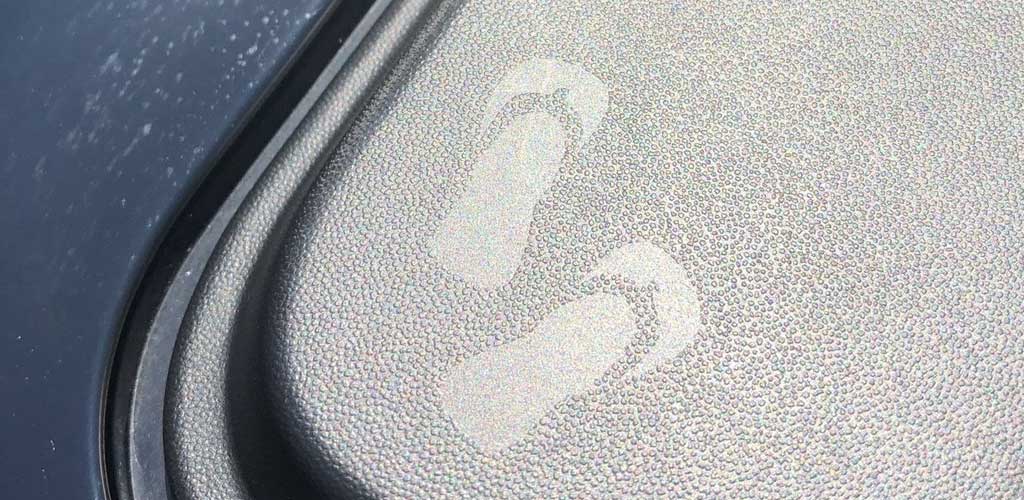
The tradition of hidden figures is closely connected with the idea of automotive Easter eggs. In the automotive industry, an Easter egg is a concealed reference, image, symbol, or design feature that people can discover after buying a vehicle. Such details can serve as creative signatures from designers and can give a model a stronger identity.
Jeep’s approach became particularly recognizable because the hidden references often connect with themes such as adventure, nature, animals, and the outdoors. Rather than placing every design element in an obvious location, designers can use small spaces throughout the cabin and body to create moments of discovery.
The windshield frame is a particularly interesting place for a hidden image because it is visually important to the Wrangler’s design. The Wrangler has a distinctive upright windshield and a removable or foldable windshield heritage that dates back to earlier Jeep vehicles.
A small spider tucked into this area can reference the vehicle’s open-air character while remaining discreet. Drivers may see the image when cleaning the windshield, inspecting the interior, or looking closely at the surrounding trim. It becomes a detail that feels personal rather than a piece of advertising placed directly in front of the customer.
Animal figures also work well because they are instantly recognizable even when they are extremely small. A lizard silhouette requires very little space and can still be identified through its basic shape. The same applies to a spider, which can be represented with only a few simple lines and legs.
Automotive manufacturing involves many small surfaces and molded components, so designers sometimes have opportunities to use these areas creatively. The result is a feature that does not demand attention but remains available for people who enjoy examining their vehicle closely.
There is also a social element to hidden automotive features. When a Jeep owner discovers a hidden image, that person may photograph it and show friends, family members, or other owners. The discovery can then become part of conversations about different models and model years.
Enthusiasts may compare locations, search their vehicles for additional figures, and discuss whether a particular symbol appears on a specific trim. This creates a small community activity around the vehicle itself. The Easter egg becomes more valuable through the stories and discoveries shared by owners.
The appeal also comes from surprise. A vehicle is normally purchased with attention focused on visible qualities such as engine performance, comfort, technology, safety equipment, fuel economy, styling, and price. Hidden figures exist outside that normal checklist.
They are small enough to be ignored during a showroom visit, yet memorable enough to become talking points later. Jeep’s designers can therefore create additional personality without making major changes to the vehicle. For an enthusiast, finding a spider or mythical creature can make an ordinary inspection feel like a treasure hunt.
Hidden Jeep Figures Give Owners More Reasons to Look Closely
The presence of Easter eggs can influence how people interact with their vehicles after purchase. Instead of viewing the Jeep only as transportation, owners may start examining areas they previously ignored.
They might inspect the dashboard, windshield frame, doors, exterior panels, wheels, storage compartments, or other surfaces for unusual symbols. This habit can reveal details that are not immediately visible during a normal drive. It also encourages a greater appreciation for the thought that goes into small elements of automotive design.
The Wrangler is particularly well suited to this type of design because its visual identity contains many recognizable shapes and surfaces. The upright windshield, exposed hinges, removable doors, seven-slot grille, squared body, and open-air options provide plenty of opportunities for designers to incorporate references.
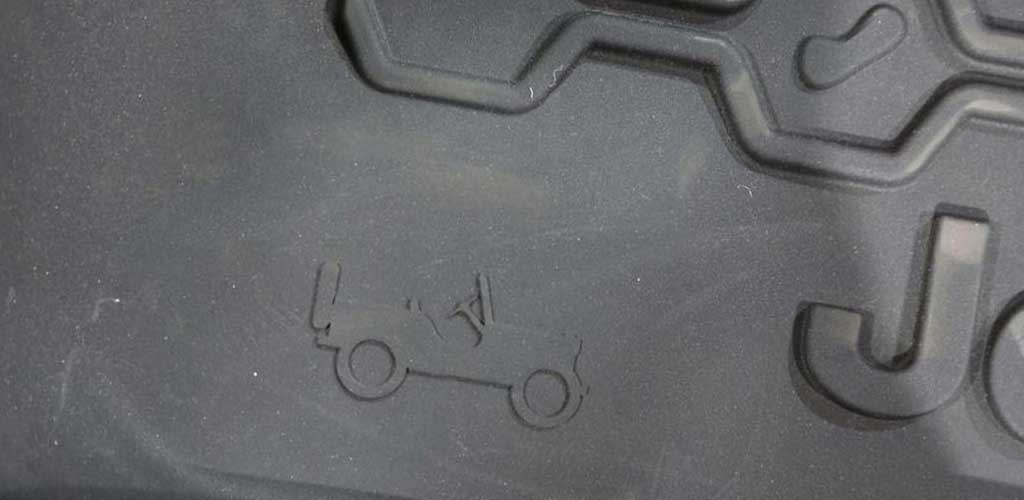
Some hidden details have also drawn inspiration from Jeep’s history. A tiny grille graphic, military-style reference, animal, or other symbol can connect a modern vehicle with the brand’s long-running design language. These details allow historical references to exist alongside contemporary technology.
It is important to remember that claims about hidden figures should be tied to specific Jeep models and production years. Jeep has produced many vehicles across different generations, and a feature found in a Wrangler may not appear in a Grand Cherokee, Compass, Renegade, Gladiator, or another model.
Manufacturing updates can also change small design elements. As a result, lists claiming that every Jeep contains exactly the same collection of hidden figures can be misleading. The broader point is that Jeep has used hidden Easter eggs across various models, with locations and symbols changing according to the vehicle.
For owners, the best approach is to treat these details as design discoveries rather than guaranteed features. A particular spider may appear on certain vehicles, while another model may contain a different creature or symbol.
Some details can be extremely small and may be easier to see in photographs than in normal conditions. Searching carefully can also reveal references that are not immediately obvious. This variability is part of the fun because finding something unexpected feels more rewarding than simply checking a feature from a standard equipment list.
The hidden figures have become part of the personality surrounding Jeep ownership. A lizard, spider, or Loch Ness monster may have little practical importance, yet these small images can create memorable moments for drivers.
They demonstrate that automotive design can contain humor, history, and creativity alongside engineering and functionality. For Jeep enthusiasts, discovering an Easter egg can turn a routine vehicle inspection into a small adventure. That is a fitting idea for a brand whose vehicles are strongly associated with outdoor travel and exploration.
