
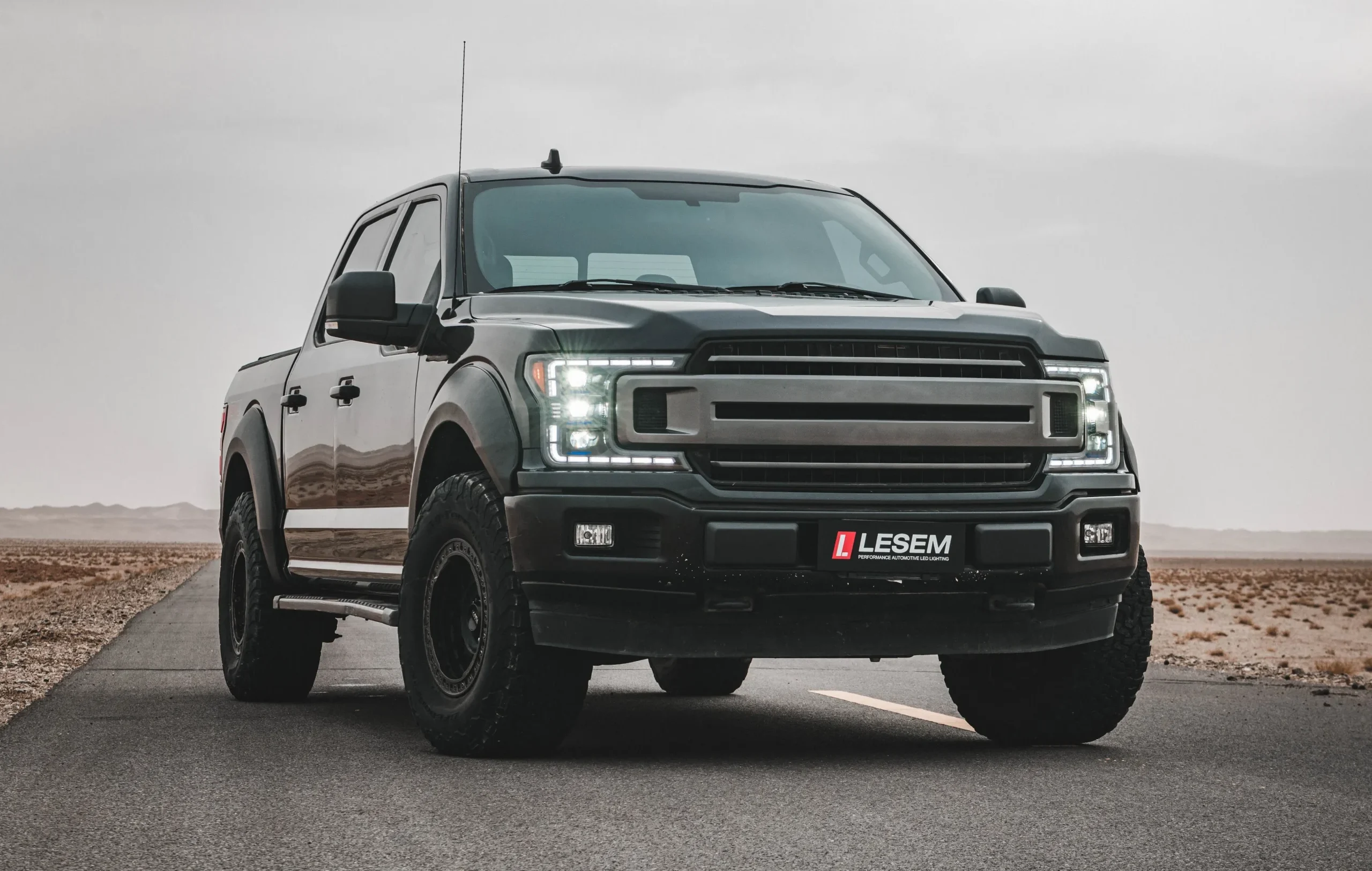
Aftermarket vehicle lights can change how a car looks, improve visibility, or add useful illumination for off-road driving. However, not every lighting modification is legal for use on public roads. Rules can restrict a light based on its color, brightness, position, flashing pattern, or effect on required vehicle lamps.
A setup that looks harmless at a car show may attract a traffic citation when used on the street. Understanding these restrictions can help drivers avoid unsafe modifications, failed inspections, fines, and confusion for other motorists. Here are ten types of aftermarket lights that commonly face restrictions on public roads in the United States.
1. Blue Emergency-Style Lights
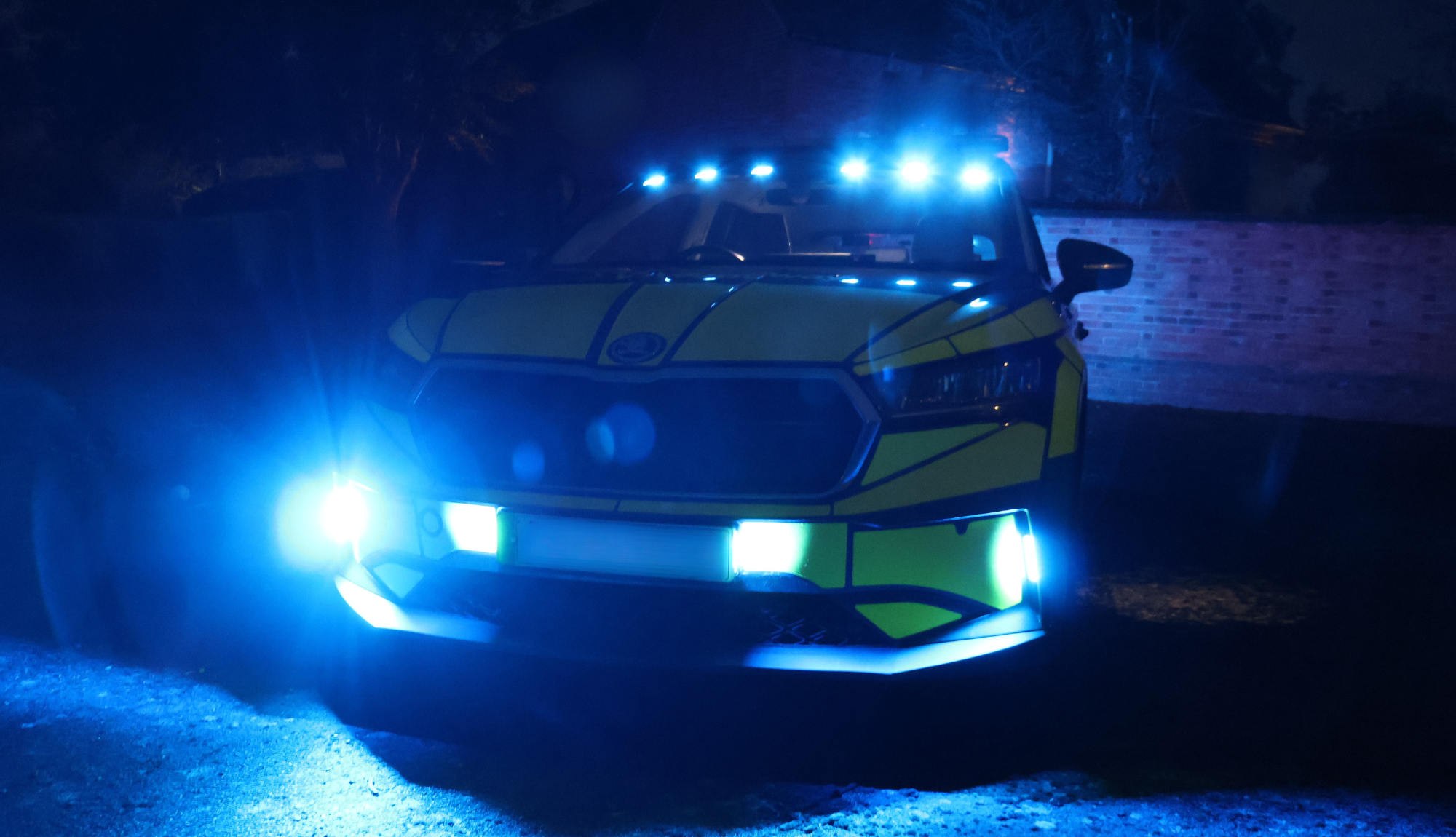
Blue aftermarket lights are among the most restricted lighting modifications found on passenger vehicles. In many U.S. jurisdictions, blue is strongly associated with police, emergency vehicles, or other authorized services. Installing blue lamps on a privately owned car can therefore create confusion for other road users and may violate state or local traffic laws.
The problem becomes more serious when blue lights are visible from the front, rear, or both sides of the vehicle. A driver approaching from a distance may interpret the lighting as an emergency vehicle and react accordingly. Traffic laws are designed to preserve familiar lighting signals, making unauthorized emergency-style lighting particularly sensitive.
NHTSA has noted that auxiliary lighting can create problems when its color causes confusion with established vehicle lighting or emergency signals. The agency has specifically identified blue lighting at the front as potentially confusing because blue can be associated with law enforcement vehicles.
Flashing blue lights are even more likely to cause legal problems. A steady decorative blue accent may be treated differently from a flashing emergency-style lamp, but that does not automatically make it legal. State laws can impose separate restrictions on both the color and operating pattern.
For that reason, private vehicle owners should avoid blue emergency-style lighting when driving on public roads unless their local law clearly permits it. Lighting intended for shows, private property, or off-road use should be disabled or removed before the vehicle is operated in ordinary traffic.
2. Red Lights Facing Forward
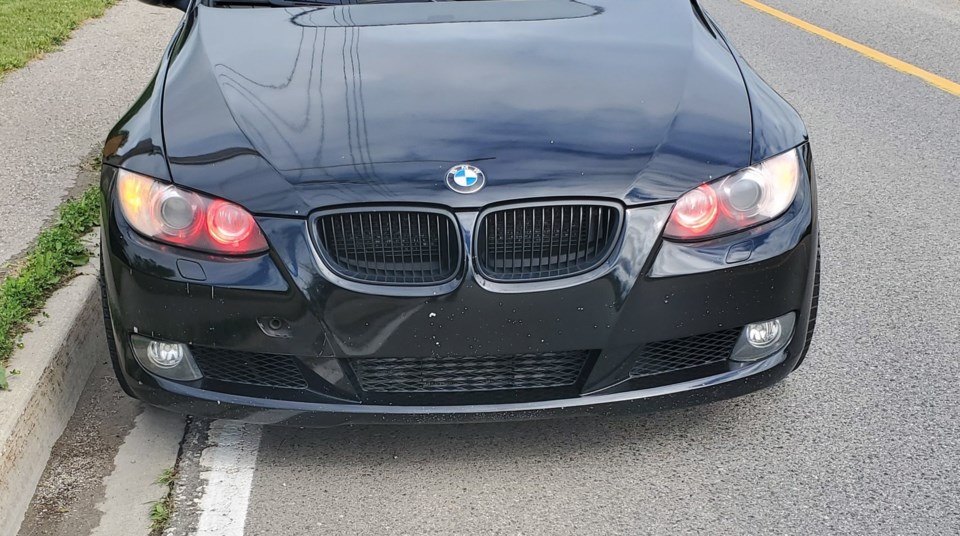
Red lighting is normally associated with the rear of a vehicle. Brake lamps, tail lamps, and many rear-facing signaling devices use red so drivers can quickly understand what is happening ahead of them. Placing red aftermarket lights where they shine toward the front can interfere with that familiar system.
Front-facing red LED strips, grille lights, bumper lamps, and color-changing headlights can therefore create legal concerns. A driver approaching the modified vehicle could see red light coming from the front and misunderstand the vehicle’s position or intended signal.
NHTSA guidance recognizes that auxiliary lamp color and location can affect whether additional lighting impairs required lighting. The agency has specifically identified red auxiliary lighting at the front as potentially confusing because red is associated with rear vehicle lamps.
The issue is not simply the color of the bulb. Placement, intensity, visibility, and the way the lamp operates can all matter. A small red accent hidden inside a vehicle may present a different legal question from a bright red lamp mounted on the grille and clearly visible to approaching traffic.
Drivers considering red aftermarket lighting should therefore keep red illumination directed toward areas where red signals are normally expected. Even when a product is advertised as street legal, the owner should check the requirements that apply in the state where the vehicle is registered and driven.
3. Flashing or Strobing Auxiliary Lights
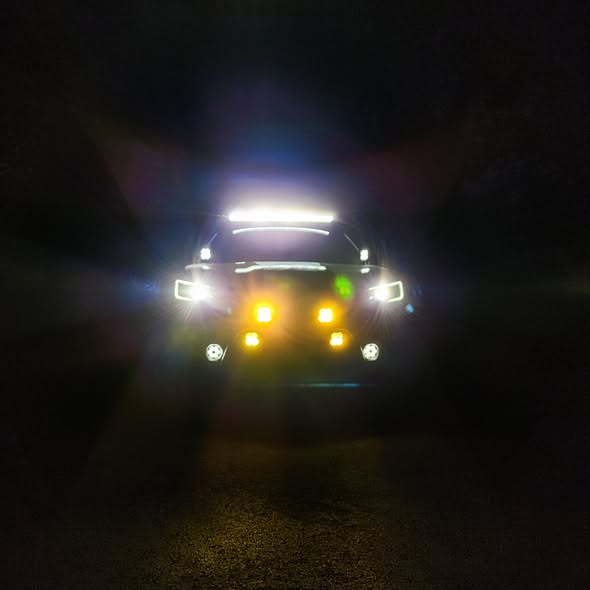
Flashing lights attract attention quickly, which makes them useful for emergency vehicles and certain specialized applications. The same characteristic can make aftermarket strobe lights unsuitable for ordinary road use. Rapidly flashing auxiliary lights may distract drivers or make it difficult to understand which vehicle signals are being activated.
NHTSA has stated that its interpretation of FMVSS No. 108 generally expects auxiliary lamps to operate steadily, with limited exceptions for lamps that supplement required lighting systems designed to flash, such as turn signals.
This does not mean every flashing light installed by a private owner automatically violates federal law in every circumstance. Aftermarket accessory lighting can fall under state laws governing vehicles in use. Those laws may impose additional requirements involving flashing patterns, colors, mounting locations, and permitted vehicle types.
Strobe kits fitted to grilles, bumpers, windshields, mirrors, or underbody areas deserve particular caution. A light that alternates rapidly between bright and dark can be mistaken for emergency equipment, especially when combined with red, blue, or white illumination.
A safer approach is to use steady-burning auxiliary lights that comply with applicable road rules. If a lighting kit has a special flash mode for off-road use, that mode should not be used on public streets unless the local law specifically permits it.
4. Extremely Bright Auxiliary Driving Lights
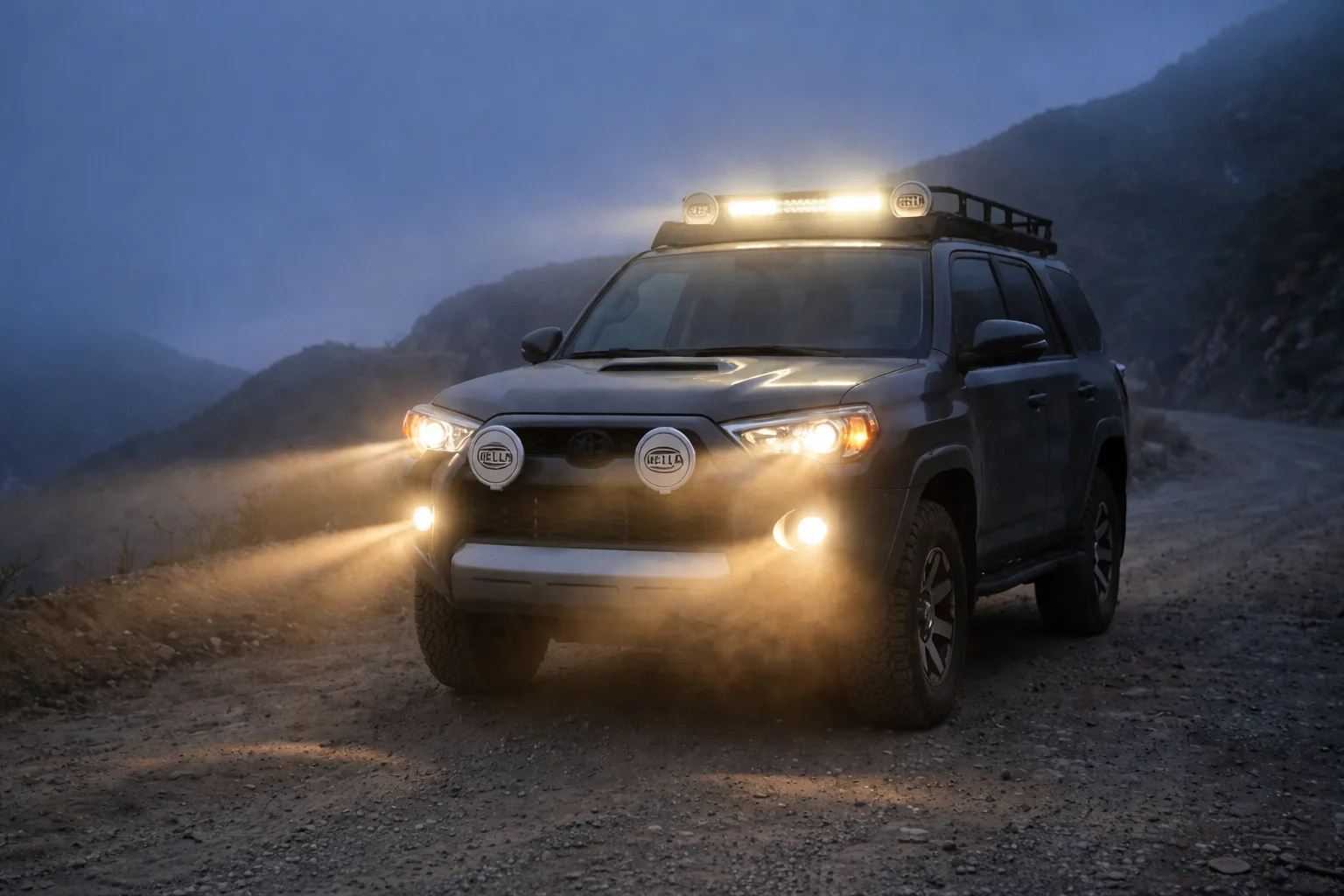
High-output driving lights can be valuable on trails, rural roads, and other environments where additional forward illumination is needed. The problem starts when the lights are so intense, poorly aimed, or improperly positioned that they cause glare for approaching motorists.
Brightness alone does not necessarily make an aftermarket lamp illegal. The concern is whether the lighting interferes with required vehicle lighting or creates an unsafe condition for other road users. NHTSA considers brightness, among other characteristics, when determining whether auxiliary lighting impairs required equipment.
Large LED light bars are a common example. A light bar may be perfectly useful for off-road driving but inappropriate for normal traffic if it produces intense forward glare. Some vehicles are equipped with switches that allow the driver to turn these lamps off on public roads.
Mounting height and beam direction also matter. A powerful lamp pointed directly into the windshields of approaching cars can create a dangerous temporary loss of visibility. Even a technically capable lamp becomes problematic when it is used in a way that interferes with other drivers.
Drivers should select auxiliary lighting based on its intended use and local equipment rules. Off-road lighting should remain off when road regulations prohibit it, and lamps should be properly aimed so they illuminate the roadway without creating unnecessary glare.
5. Red and Blue Flashing Light Bars
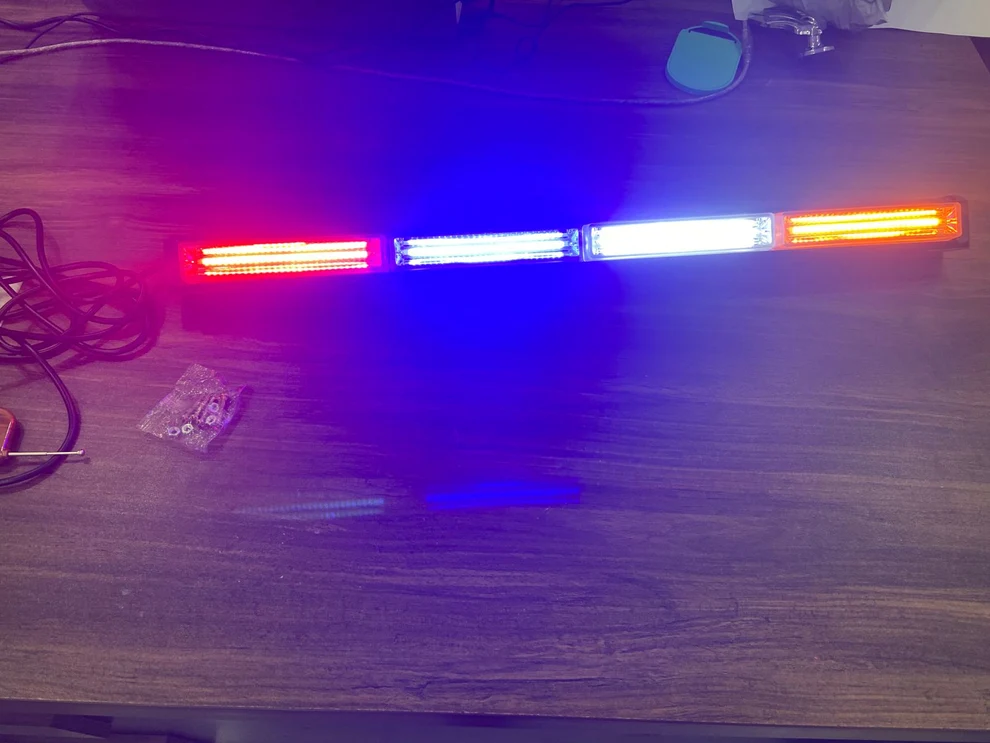
Red and blue light bars are strongly associated with police, fire, ambulance, and other emergency vehicles. Installing this type of equipment on a private passenger vehicle can create serious legal issues because the lighting may make the vehicle appear to have official emergency status.
The concern is greater when both colors are combined with rapid flashing patterns. Drivers are trained by experience to recognize emergency lighting and may slow down, move aside, or stop when they see it. Unauthorized use can therefore create confusion and interfere with normal traffic behavior.
NHTSA has explained that flashing auxiliary lamps can divert attention and create confusion about the meaning of vehicle lighting. The agency has also stated that emergency warning lights generally cannot be installed as original equipment under its interpretation of FMVSS No. 108.
State laws may go further by specifically reserving certain colors, flashing patterns, or combinations for authorized emergency vehicles. Penalties can vary widely, and some jurisdictions may treat unauthorized emergency lighting as a serious traffic offense.
Private owners should never assume that a light bar is acceptable simply because it was purchased online or marketed for automotive use. A product can be sold legally for specialized, private-property, show, or off-road applications while still being unsuitable for ordinary public-road operation.
6. Green Front-Facing Lights
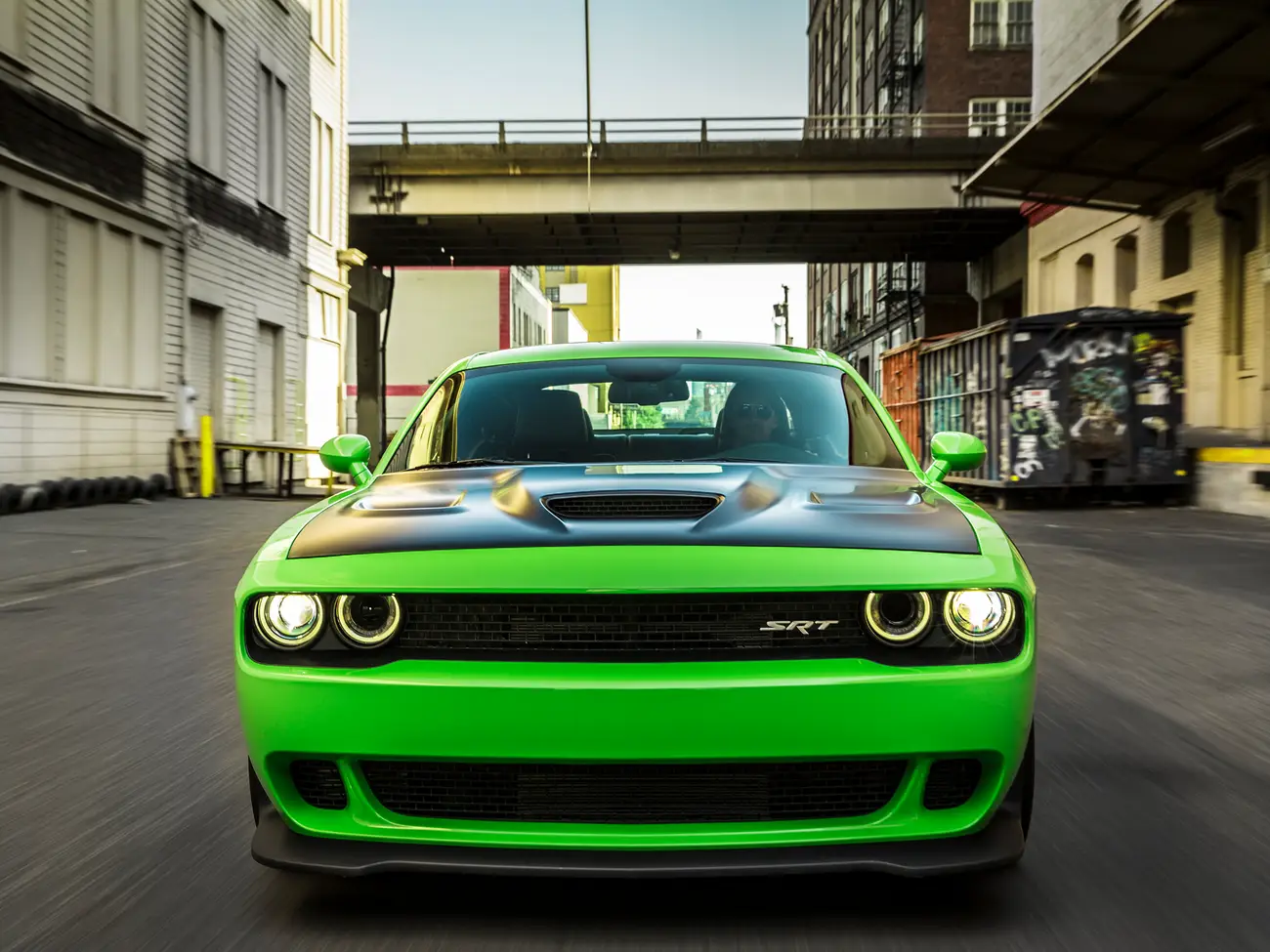
Green vehicle lighting can look distinctive, particularly when used as part of an LED accent system. However, green can have meanings in traffic environments that make its use on the front of a vehicle problematic.
NHTSA has specifically discussed green front-facing auxiliary lights as a potential source of confusion.
The concern comes from established traffic communication. Road users are accustomed to seeing certain colors in specific locations and situations. Introducing unusual colors into the front lighting area can make it harder to distinguish ordinary vehicle illumination from other traffic-related signals.
A green LED strip around a grille may therefore receive different treatment from a green light used on private property. The same physical product can have different legal consequences depending on where it is installed, how bright it is, and whether it is visible to other road users.
Color-changing lighting creates an additional complication. A product capable of producing white, amber, green, blue, or red may be legal in one setting and restricted in another. Having a legal white setting does not necessarily make every available color legal.
Before using green exterior lighting on public roads, drivers should check local vehicle-lighting rules. When there is uncertainty, keeping decorative illumination inside the cabin or using permitted exterior colors is generally a more practical choice.
7. Clear or White Rear Lights That Replace Red Lamps
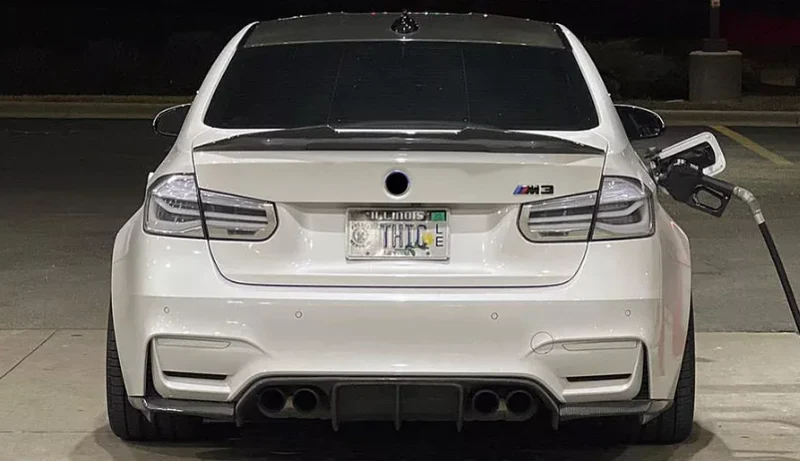
Changing rear lighting from red to clear or white can dramatically alter the appearance of a vehicle. It can also create a safety and compliance problem when the replacement lamp no longer produces the color required for its function.
NHTSA has explained that required rear tail lamps and stop lamps use red, while certain rear reflectors are also required to be red. Replacement equipment designed to replace required original lighting must meet the applicable requirements.
Clear lenses are not automatically illegal. A clear outer lens can be used in some designs when the lamp itself emits the required color. The problem occurs when a modification causes a required rear signal to emit white or another incorrect color.
This distinction matters with aftermarket housings, smoked lenses, custom LED assemblies, and replacement bulbs. A component may fit physically into the vehicle while changing the light output enough to create a compliance issue.
Drivers should therefore judge replacement lighting by its actual function rather than its appearance. Brake lights and tail lights need to remain clearly recognizable as rear red signals. Any modification that removes or weakens that established signal can create both safety and legal concerns.
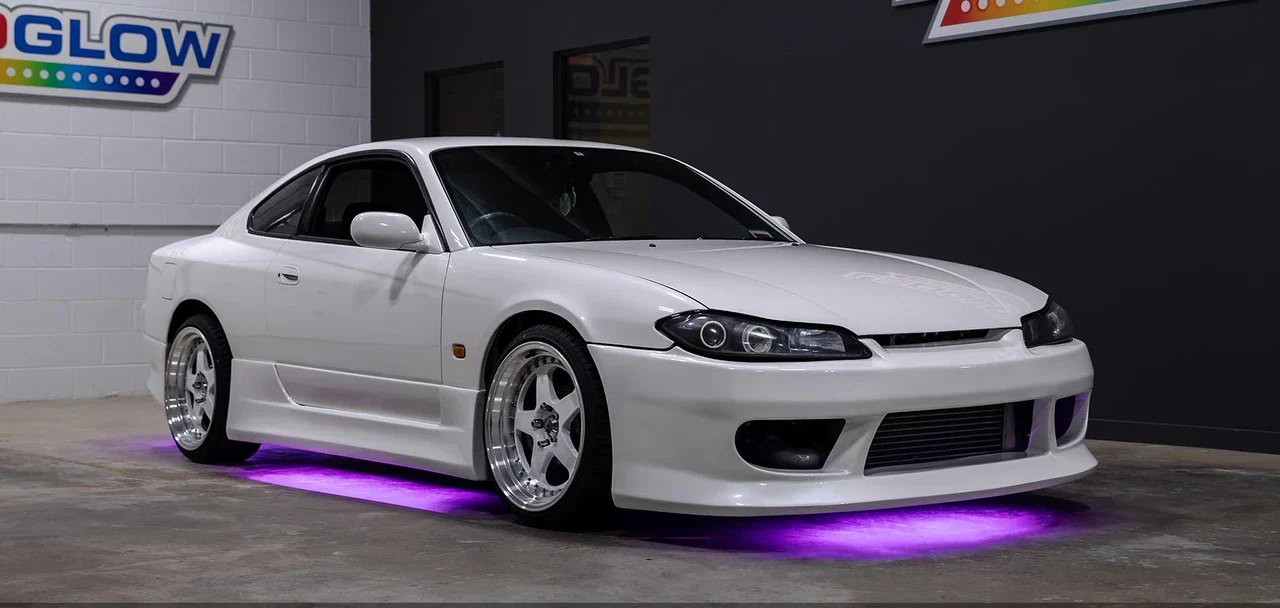
8. Underbody Lights Visible From Outside
Underbody LED kits are popular for styling vehicles, especially when they can produce different colors or animated patterns. Their legality depends heavily on local regulations, visibility, color, brightness, and operating mode.
A hidden light that illuminates the ground may receive different treatment from a bright lamp that is clearly visible from several blocks away. Once decorative lighting becomes prominent to other drivers, rules concerning vehicle lamps may become relevant.
Color is particularly important. Blue, red, green, and flashing combinations can create concerns because they may resemble emergency equipment or traffic signals. Even white or amber lighting can be restricted by location or activation pattern in certain jurisdictions.
Some underbody systems include multiple modes, including flashing, chasing, pulsing, or color-changing effects. These features may be acceptable for exhibitions, private property, or stationary displays while being inappropriate for normal road use.
Before using an underbody kit on the street, owners should check their state and local requirements. If the law is unclear, a conservative setup using permitted colors, steady illumination, low brightness, and an easily accessible off switch is less likely to interfere with normal traffic signals.
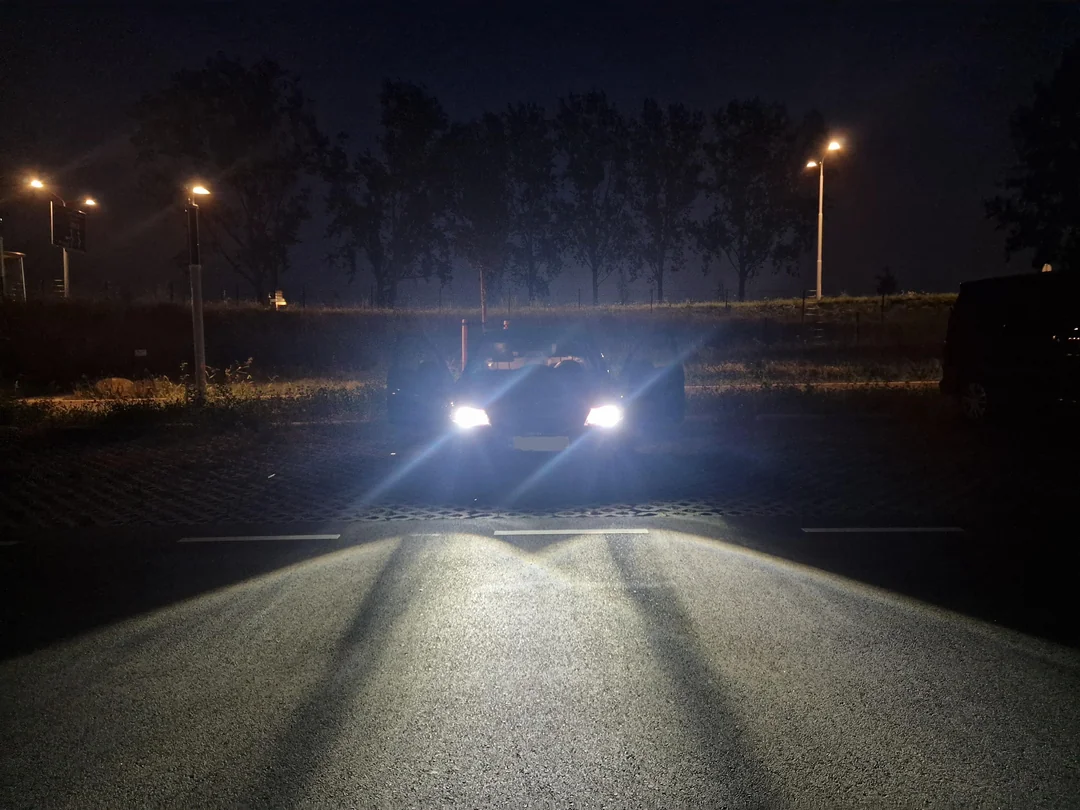
9. Improperly Mounted Headlight Conversions
Aftermarket headlight conversions can improve illumination when the components are designed for the specific vehicle. Problems arise when replacement bulbs, housings, projectors, or conversion kits produce an incorrect beam pattern or interfere with the original headlight system.
A headlight that is too bright is not necessarily the only concern. Incorrect beam cutoff, poor alignment, incompatible components, excessive glare, and changes to required lighting performance can make a modification unsuitable for road use.
Federal rules establish performance requirements for certain original and replacement lighting equipment. NHTSA also notes that aftermarket modifications can raise issues when they impair the effectiveness of required lighting.
Cheap LED or HID conversion kits can be particularly problematic when they place a powerful light source into a housing designed for a different bulb technology. The result may appear brighter to the driver while producing uncontrolled glare for vehicles traveling in the opposite direction.
A properly engineered replacement system should maintain the intended beam pattern and meet applicable equipment requirements. Drivers should be cautious about assuming that a physically compatible bulb is automatically a legally compliant headlight.
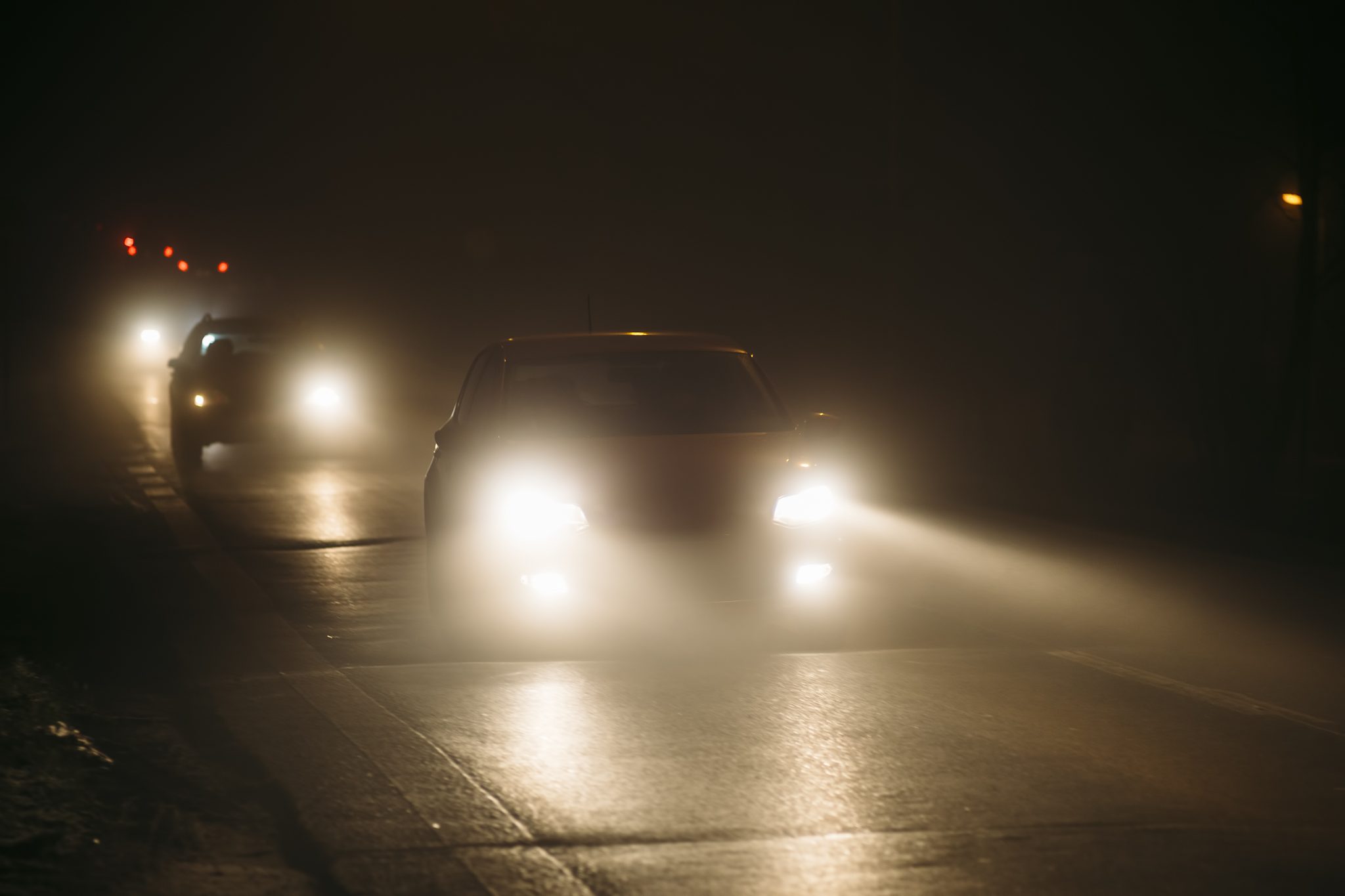
10. Lights That Obscure or Interfere With Required Lamps
Some aftermarket lighting becomes problematic because of where it is installed rather than what the lamp itself does. A decorative lamp mounted too close to a required turn signal, brake lamp, side marker, or reflector can make the original signal harder to recognize.
NHTSA evaluates auxiliary lighting partly by its location and whether it interferes with required equipment. The agency has explained that auxiliary lamps should not be positioned in a manner that confuses other road users or interferes with the purpose of required lamps.
This can affect custom grille lighting, bumper LEDs, mirror-mounted lamps, tailgate strips, illuminated badges, and other accessories. A modification may use an acceptable color yet still create a problem because it masks, competes with, or visually blends into a required signal.
The issue can become more noticeable when multiple lamps operate at the same time. For example, a bright decorative strip near a turn signal could make the directional indicator less obvious, particularly at night or in poor weather.
Good installation practice therefore involves more than connecting wires correctly. Aftermarket lamps should be positioned so the vehicle’s required lighting remains clearly visible and recognizable from appropriate angles and distances.
