
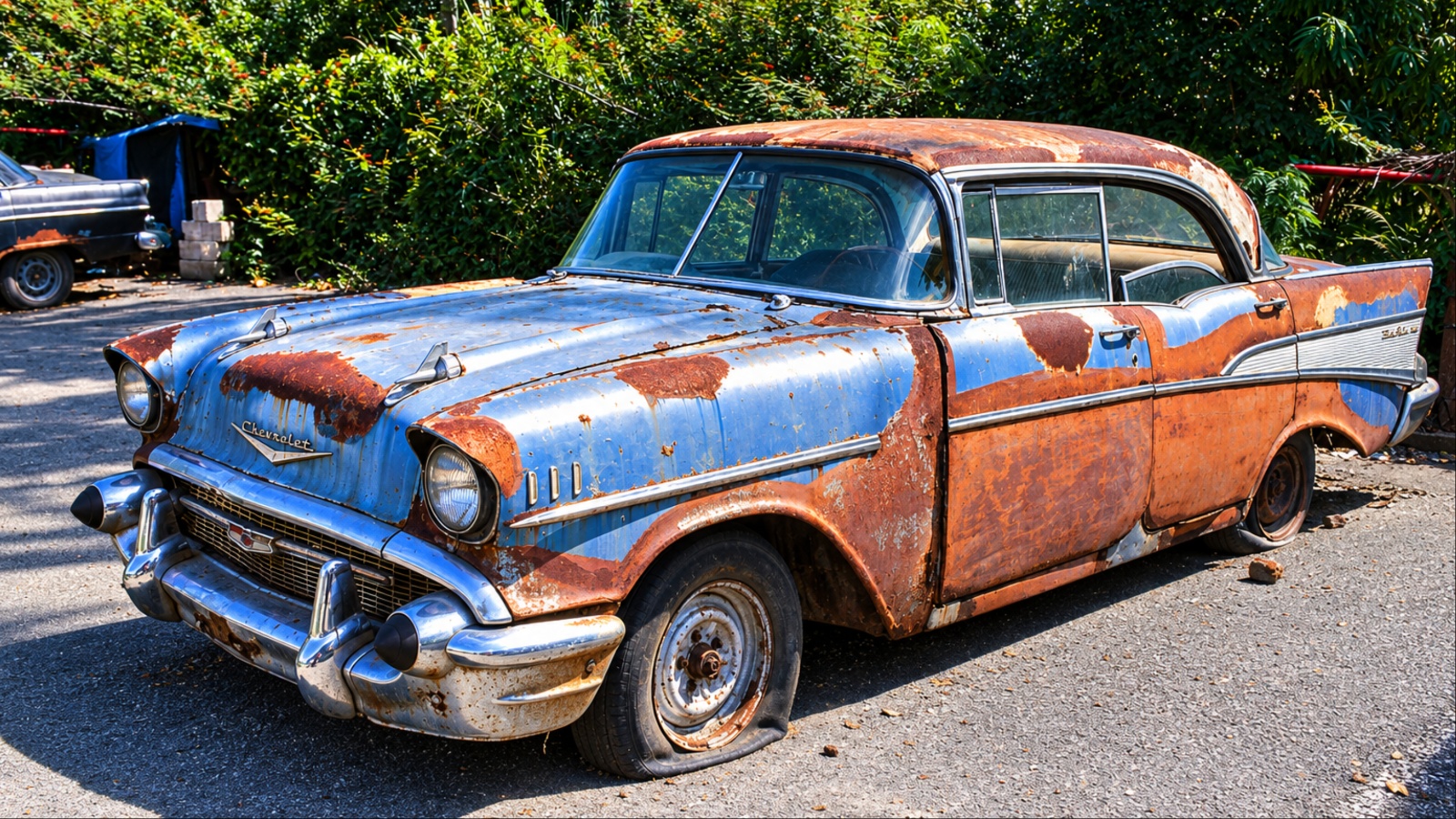
Car ownership comes with routine expenses, but some repairs can become financially unreasonable when a vehicle has a low market value. Major mechanical failures, severe rust, transmission problems, and expensive electrical faults can quickly push repair bills beyond what the car is worth.
Knowing when to repair and when to replace a vehicle can protect your budget from unnecessary spending. This article covers ten costly repairs that may exceed a car’s value, explains why these problems become expensive, and offers practical considerations before approving major work.
Understanding repair costs, vehicle condition, reliability, and resale value can help drivers make better financial decisions when facing costly breakdowns.
1. Engine Replacement
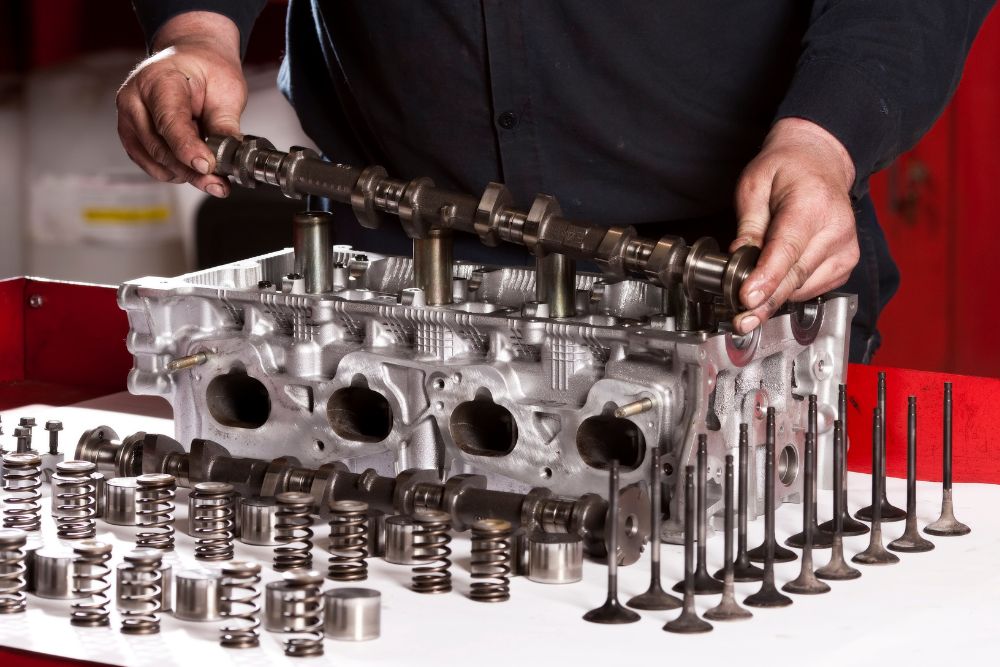
A failed engine can turn an affordable repair into a major financial decision. Engines contain hundreds of moving components that must work together under extreme temperatures and pressure. When a serious failure occurs, such as a cracked engine block, damaged crankshaft, or severe internal wear, repairing individual components may not be practical.
Mechanics may recommend replacing the entire engine instead. Depending on the vehicle, replacement costs can reach several thousand dollars, particularly when labor, fluids, gaskets, belts, sensors, and related components are included. If an older car has a low resale value, that repair bill can quickly approach or exceed its actual market worth.
Engine replacement becomes even harder to justify when the rest of the vehicle has significant mileage. A new or rebuilt engine does not automatically make an aging car new again. The transmission, suspension, steering system, cooling system, electrical components, air conditioning, and braking system may still contain worn parts.
Spending a large amount on the engine could leave the owner facing additional repairs shortly afterward. This is why the engine itself should never be evaluated in isolation. The condition and expected remaining life of the entire vehicle matter when deciding whether major work makes financial sense.
The type of engine also influences the repair decision. Some common four-cylinder engines have abundant replacement parts and may be relatively affordable to source. Specialized engines, large diesel units, performance engines, and engines with complicated hybrid or turbocharging systems can cost much more.
Labor requirements also vary. Some vehicles have engine compartments that make removal and installation particularly time-consuming. If technicians must remove numerous surrounding components before accessing the engine, labor can become a substantial portion of the final bill. Owners should request a detailed estimate rather than relying on a basic replacement price.
2. Transmission Replacement
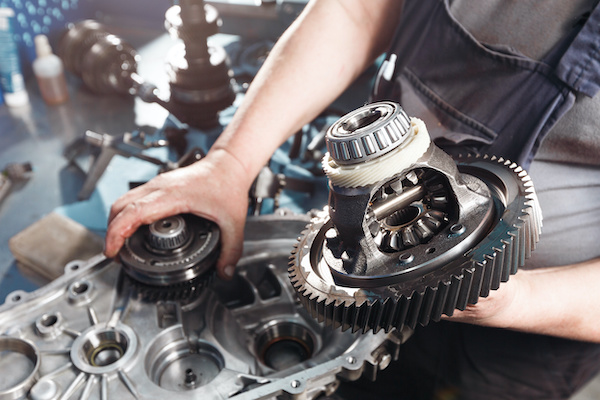
Transmission failure can produce a repair bill that makes little sense for an older, inexpensive car. Automatic transmissions contain numerous gears, clutches, valves, seals, electronic controls, and other components.
Modern units can be highly sophisticated, especially in vehicles equipped with continuously variable transmissions or dual-clutch systems. When internal damage becomes severe, rebuilding the unit may require extensive labor and specialized equipment.
Replacement with a new, remanufactured, or used transmission can also be expensive. For a vehicle worth only a few thousand dollars, the cost can consume a large percentage of its value.
Symptoms of transmission trouble often begin with relatively small warning signs. Drivers may notice delayed engagement, slipping, harsh shifting, unusual noises, fluid leaks, or difficulty selecting gears. Ignoring these symptoms can allow minor problems to develop into serious internal damage.
A worn seal or sensor may be considerably cheaper to repair than a failed transmission assembly. Prompt diagnosis is therefore important. Not every transmission problem requires replacement, and a qualified technician should identify the actual cause before recommending major work.
The vehicle’s age and mileage play an important role in the decision. A transmission replacement on a relatively modern vehicle with strong mechanical condition may be worthwhile because the owner could receive several additional years of service.
The same repair on a high-mileage vehicle with rust, worn suspension, and an aging engine presents a different financial picture. Owners should ask what other major maintenance items are expected within the next year or two. A transmission repair becomes harder to justify when several expensive components are also nearing failure.
3. Severe Rust Repair
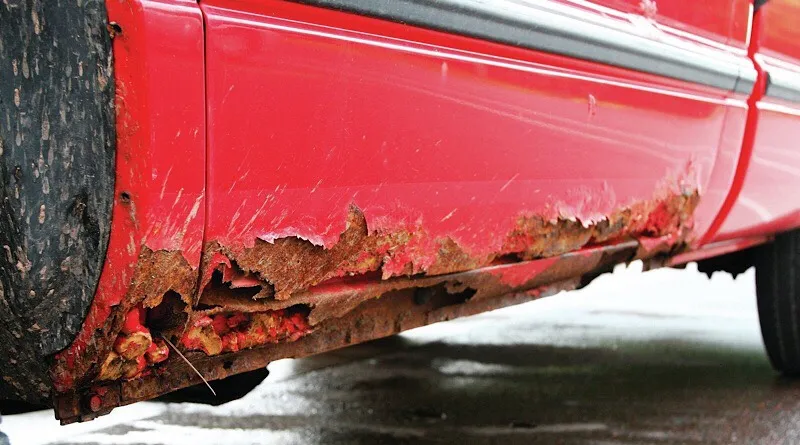
Rust can begin as a cosmetic problem and eventually become a structural concern. Surface corrosion around a wheel arch or small section of a door may be affordable to address. Extensive corrosion underneath the vehicle is very different. Rust can weaken frame components, suspension mounting points, floor sections, brake lines, fuel lines, and other critical areas.
Repairing serious corrosion requires more than applying paint or replacing an exterior panel. Technicians may need to cut away damaged metal, fabricate replacement sections, weld them into position, and protect the repaired area from future corrosion.
Structural rust repairs are particularly difficult to price because the visible damage may not show the full extent of the problem. Removing carpeting, underbody coverings, trim, or other components can reveal additional corrosion. Once a vehicle is placed on a lift, technicians may discover damage that was impossible to see during a basic inspection.
This can cause the estimate to grow significantly. Labor becomes a major factor because rust removal and metal fabrication are time-consuming. Specialized body shops may also charge more because structural repairs require advanced equipment and skilled technicians.
Rust is particularly problematic in vehicles exposed to road salt, moisture, flooding, or coastal environments. Corrosion can spread through seams and hidden areas, making a seemingly isolated problem much larger. Brake and fuel lines deserve special attention because corrosion can create safety hazards.
Suspension components attached to weakened mounting points can also become dangerous. If the structure of the vehicle has been compromised, the question is not simply whether it can be repaired. The owner must determine whether the repair can restore the vehicle to a safe and durable condition at a reasonable cost.
4. Hybrid Battery Replacement
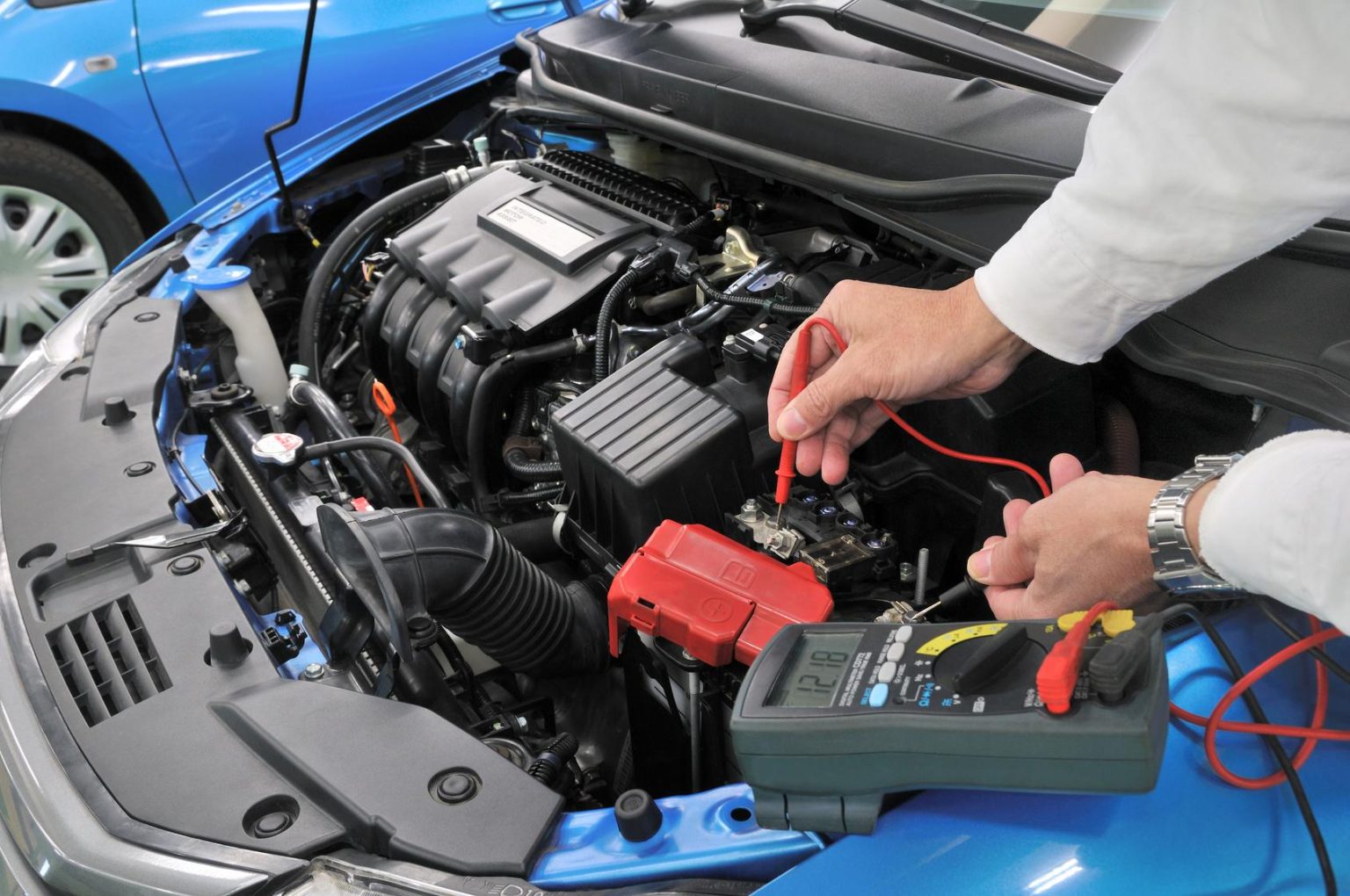
Hybrid vehicles combine an internal combustion engine with an electric motor and high-voltage battery system. These components can provide excellent efficiency, but battery replacement can be expensive when a vehicle is older. Hybrid batteries contain numerous individual cells or modules, along with monitoring systems and electronic controls.
Over time, capacity can decline. When the battery can no longer operate within the vehicle’s required performance range, replacement may become necessary. Depending on the model and battery design, the total cost can represent a substantial portion of an older hybrid’s value.
Battery degradation does not always mean immediate failure. A hybrid may continue operating while delivering lower fuel efficiency or showing warning messages. Some vehicles can identify weak battery modules before the entire pack stops functioning.
In certain cases, specialized repair businesses can replace individual modules or repair battery connections. However, module-level repairs are not appropriate for every battery. If many components are aging at the same rate, replacing a few weak modules may provide only temporary relief. A complete replacement may deliver greater reliability but at a much higher initial cost.
5. Major Electrical System Failure
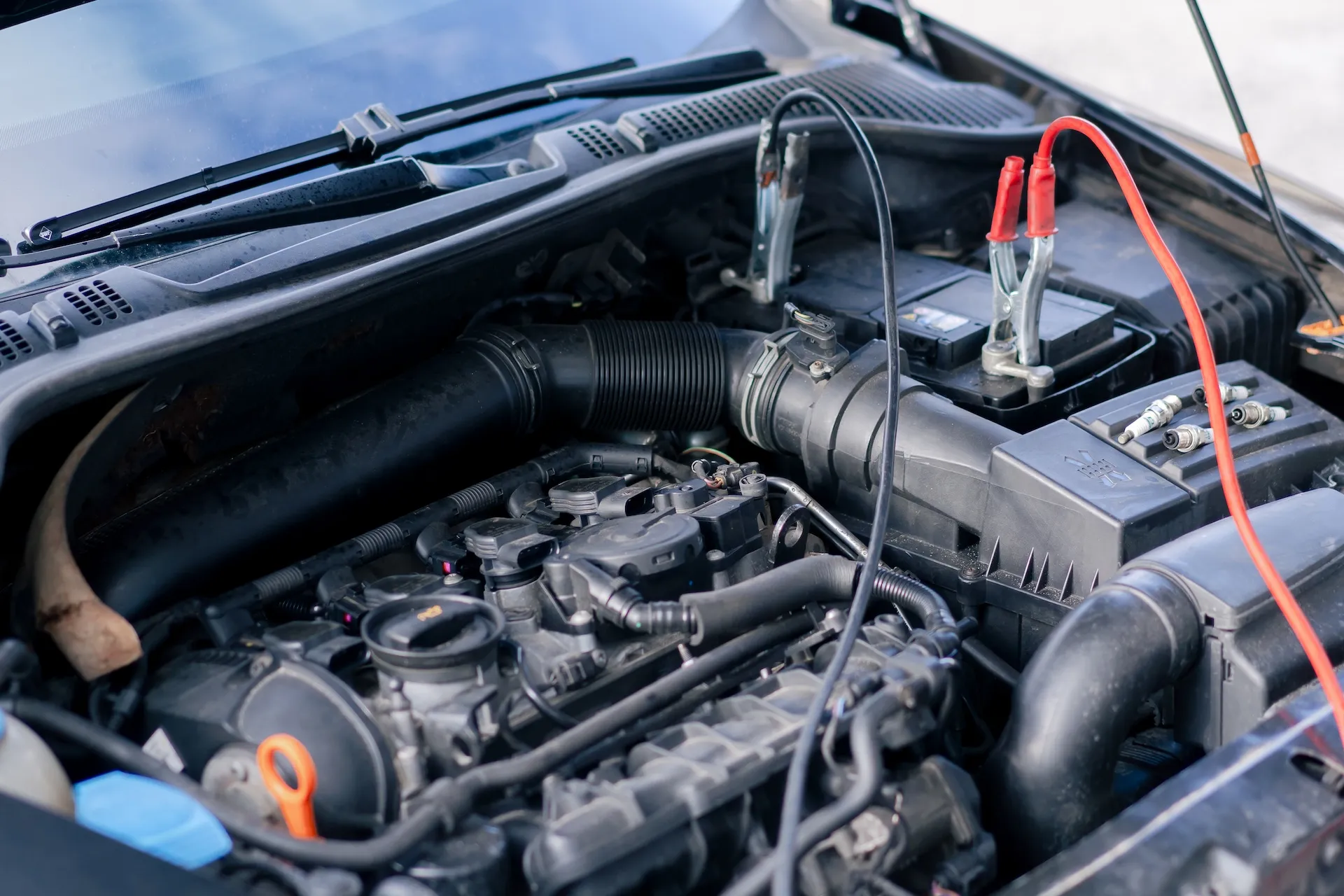
Modern cars depend heavily on electronic systems. Engine controls, safety features, entertainment systems, climate controls, sensors, cameras, communication modules, and driver assistance technology can all require complex wiring and computer components.
When a major electrical fault develops, diagnosis can be difficult. Technicians may spend hours tracing wiring, testing circuits, checking modules, and reproducing intermittent failures. The final repair can become expensive even when the failed component itself is not particularly costly. Labor and diagnostic time often make electrical problems financially challenging on older vehicles.
Water intrusion is a common source of serious electrical trouble. A leaking windshield, sunroof drain, door seal, or damaged body panel can allow moisture to reach wiring and control modules. Once corrosion begins inside connectors or circuit boards, problems can spread.
Rodent damage can also create electrical issues by chewing wiring harnesses. A damaged harness may require extensive disassembly to access and replace. These repairs can become especially expensive when wiring runs through dashboards, carpets, doors, engine compartments, or other difficult areas.
Electronic control modules can create additional expenses. Modern vehicles may contain numerous computers responsible for separate functions. Some replacement modules require programming or configuration before they will work with the vehicle. A used module may not be plug-and-play.
The technician may need manufacturer-level diagnostic equipment to program it correctly. If multiple modules have been damaged by voltage problems, water, or a short circuit, the repair bill can rise rapidly. A vehicle that appears mechanically sound may still become financially impractical when several electronic systems fail simultaneously.
Electrical problems are also difficult to evaluate based solely on symptoms. A warning light does not necessarily identify the failed component. Replacing parts based on guesses can waste money. Owners should seek a shop that performs proper electrical diagnostics and provides a clear explanation of the failure.
Ask whether the estimate includes diagnostic labor, replacement components, programming, and testing. This prevents a low initial quote from becoming a much larger final bill. Documentation of the diagnosis can also help when comparing estimates from different repair facilities.
6. Air Conditioning System Replacement
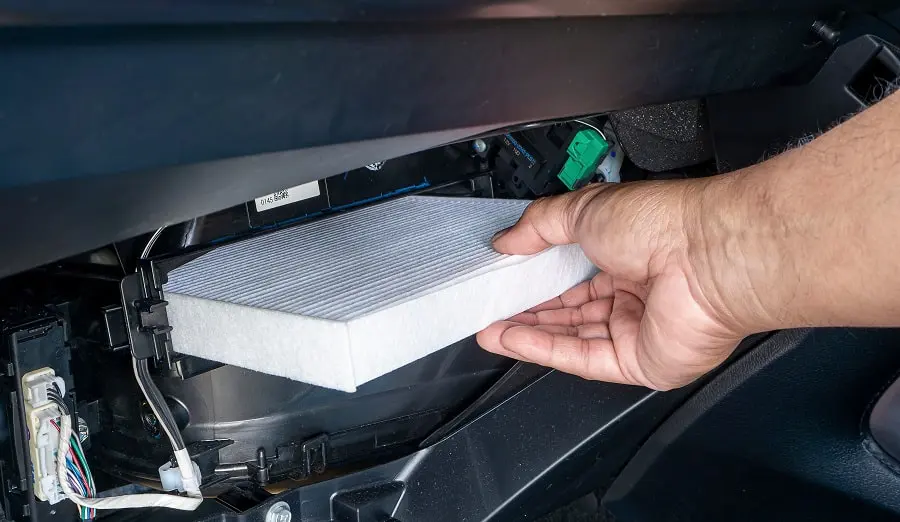
A malfunctioning air conditioning system may not prevent a car from moving, but fixing a severely damaged system can still be expensive. A complete automotive air conditioning system contains a compressor, condenser, evaporator, expansion device, refrigerant lines, seals, sensors, and control components.
If only the refrigerant level is low because of a minor leak, the solution may be relatively straightforward. A failed compressor or contaminated system can create a much larger repair. Metal debris from a damaged compressor may travel through the system and require multiple components to be replaced.
Compressor failure is particularly expensive because the component sits at the center of the refrigerant circulation system. When an internal compressor failure releases debris, simply installing a new compressor may not solve the problem.
The system may need flushing, replacement of other components, refrigerant recovery, evacuation, leak testing, and recharging. Labor can also increase if the compressor or evaporator is difficult to access. On older cars with low market values, a full air conditioning repair may represent a surprisingly large percentage of the vehicle’s worth.
The climate where the vehicle is used affects the financial decision. In very hot regions, air conditioning is not merely a comfort feature. It can make daily driving considerably safer and more tolerable, particularly during long commutes.
In cooler climates, an expensive air conditioning repair may be easier to postpone. Owners should also consider whether the heating and ventilation system remains functional. If the vehicle has other climate-control problems, repairing a single component may not restore complete functionality.
Evaporator repairs can be particularly costly because the component is often located deep inside the dashboard. Access may require significant disassembly. Even if the evaporator itself is relatively affordable, labor can make the final bill substantial. This is a good example of why parts prices do not tell the full story.
A component costing a few hundred dollars can lead to a repair costing much more once labor, refrigerant, seals, testing, and related work are included. A written estimate should identify each required operation before work begins.
7. Catalytic Converter and Exhaust System Replacement
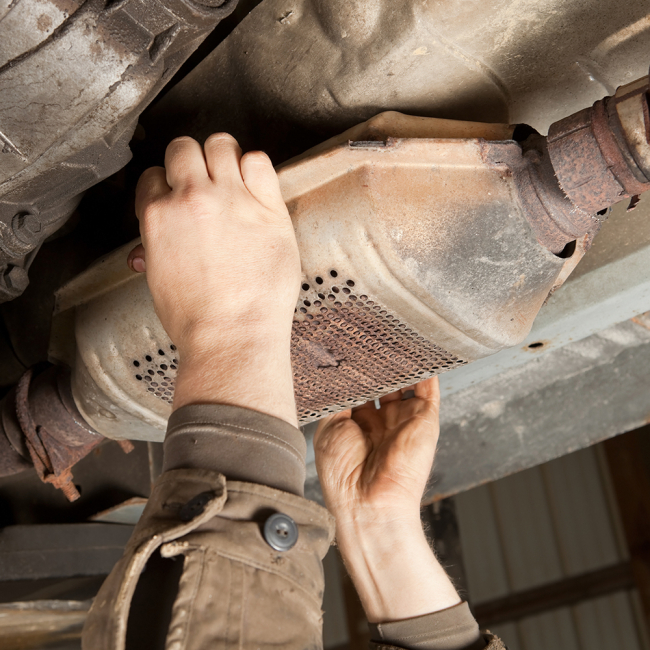
Catalytic converters are essential components of a vehicle’s emissions system, and their replacement can be expensive. A converter contains materials designed to reduce harmful exhaust pollutants. Over time, it can become clogged, contaminated, physically damaged, or less effective.
Some vehicles have multiple catalytic converters, which increases potential repair costs. Labor can also become difficult when exhaust components are exposed to years of heat and corrosion. Bolts and connections may seize, requiring additional work before the damaged parts can be removed.
The cost of catalytic converter repairs varies greatly by vehicle. Some cars use relatively affordable aftermarket components, while others require more expensive parts due to emissions requirements, vehicle design, or limited availability.
High-value metals inside catalytic converters also make them targets for theft, adding another expense for owners. When multiple converters are damaged, the total bill can become significant. An older car with a low resale price may not provide enough financial value to justify installing expensive replacement components.
It is important to identify why a catalytic converter failed before replacing it. A converter can be damaged by an underlying engine problem, such as excessive oil consumption, coolant entering the combustion chamber, or an overly rich fuel mixture.
If the root cause is not corrected, the replacement converter may fail prematurely. Oxygen sensor problems can also trigger emissions-related warning lights without requiring a converter replacement. Proper diagnosis helps prevent unnecessary spending and ensures that the repair addresses the actual fault.
Exhaust repairs can become more complicated when corrosion is widespread. A damaged converter may be connected to rusted pipes, broken hangers, or deteriorated mufflers. Replacing just one component may not restore the entire system. The shop may recommend replacing additional sections because they are too weak to reuse.
Owners should ask whether the estimate includes only the failed component or the complete exhaust section required for a reliable repair. Comparing manufacturer-approved and reputable aftermarket options can also help control costs.
8. Head Gasket Repair
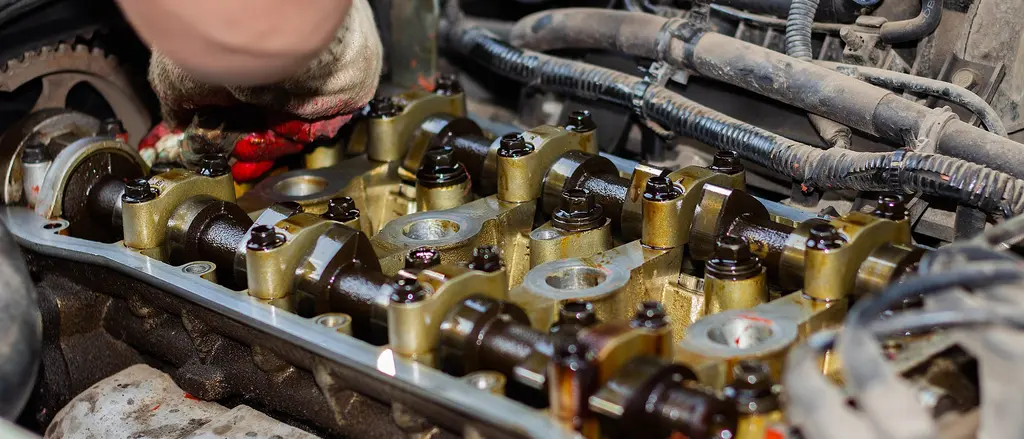
A failed head gasket can be a serious engine problem because the gasket seals the connection between the engine block and cylinder head. It helps keep combustion pressure, engine oil, and coolant separated. When the gasket fails, coolant may enter the combustion chamber, oil may mix with coolant, or combustion gases may enter the cooling system.
Continuing to drive with a severe head gasket failure can cause additional engine damage. What begins as a gasket replacement may eventually become a complete engine repair if overheating has warped or cracked major components.
Head gasket replacement requires significant labor. The technician must typically remove numerous engine components to access the cylinder head. Once removed, the head may need to be inspected and machined before reassembly.
New bolts, gaskets, seals, fluids, and related parts may also be required. If the engine has overheated badly, additional components could need replacement. This explains why a repair that appears inexpensive based on the gasket’s parts price can become a major bill after labor and machine-shop services are included.
Diagnosis is especially important because several problems can produce similar symptoms. White exhaust smoke, coolant loss, overheating, rough running, or milky-looking engine oil can point toward different faults.
A professional technician can use pressure testing, chemical tests, compression measurements, leak-down testing, and other diagnostic methods to identify the problem. Owners should be cautious about approving major engine work based only on a warning light or a single symptom. A confirmed diagnosis can prevent unnecessary repairs and provide a more accurate estimate.

9. Advanced Driver Assistance System Repairs
Modern vehicles increasingly use cameras, radar sensors, ultrasonic sensors, and electronic control units to support safety features. Systems may assist with lane keeping, automatic emergency braking, adaptive cruise control, parking assistance, and blind-spot monitoring.
These technologies can improve convenience and safety, but they can also make certain repairs expensive. A minor collision that damages a bumper, windshield, grille, mirror, or camera mount may require sensor replacement and calibration. The repair cost can rise far beyond the price of the visible damaged component.
Calibration is an important part of these repairs. Cameras and radar sensors must operate within precise specifications. If a sensor is mounted incorrectly or its position changes after a collision, the system may not function as designed. Calibration procedures can require specialized equipment, specific driving conditions, or manufacturer-approved measurements.
Wheel alignment and suspension repairs may also affect certain systems. This means a simple body repair can become a technology-related repair as well. Older low-value vehicles with advanced equipment can therefore present unexpectedly high repair bills.
Windshield replacement is another example. A vehicle equipped with a camera mounted near the rear-view mirror may require calibration after the windshield is replaced.
The glass itself may cost more than standard windshield glass, and calibration adds another expense. Bumper repairs can have similar consequences when radar sensors are installed behind the bumper cover. If the sensor bracket is bent, the component may need adjustment or replacement.
10. Suspension and Steering System Rebuild
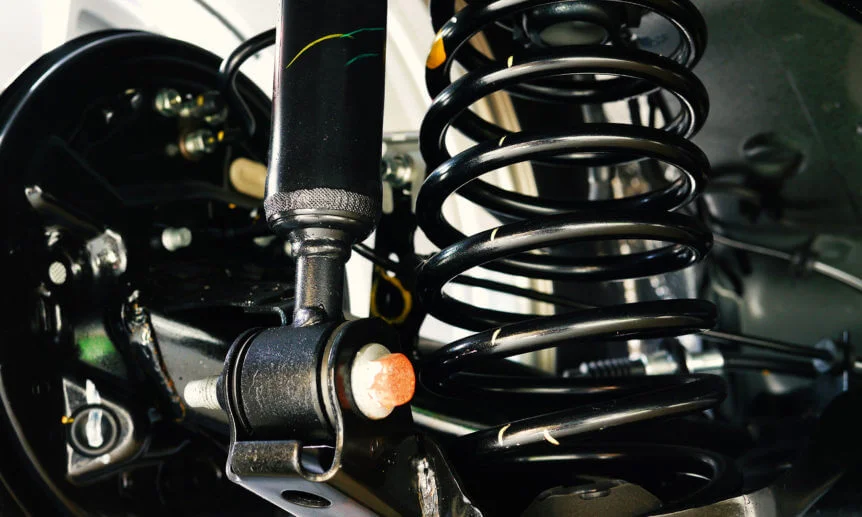
Suspension and steering components are critical for controlling a vehicle, maintaining tire contact with the road, and providing predictable handling. Individual repairs can be affordable, but a complete suspension or steering rebuild can become expensive on a high-mileage vehicle.
Worn control arms, ball joints, tie rods, wheel bearings, struts, shocks, springs, bushings, steering components, and related parts may need attention at the same time. When several components are worn, repairing them individually over a short period can result in repeated labor charges and growing expenses.
Rust and age can make suspension repairs more difficult. Fasteners exposed to moisture and road salt may become seized or corroded. Removing them can require additional labor and specialized equipment. Some suspension components are also designed as complete assemblies rather than individual pieces.
A vehicle that needs several assemblies can therefore accumulate a substantial parts bill. Alignment is generally required after certain steering and suspension repairs, adding another expense. Tires may also show uneven wear and require replacement if the vehicle has been driven with worn components.
A complete suspension rebuild may be justified when the vehicle has a strong engine and transmission and is otherwise in good condition. Drivers who intend to keep a car for many more years may benefit from restoring its handling and ride quality. The situation changes when the vehicle has multiple other aging systems.
An owner could spend thousands restoring the suspension only to discover that the transmission, air conditioning, electrical system, or engine requires major work soon afterward. The repair should therefore be viewed as part of the vehicle’s broader maintenance picture.
