
The Pacific Northwest demands a special kind of vehicle. Rainy streets, steep mountain roads, gravel trails, and changing weather can make everyday driving more challenging than it looks. Drivers in Washington, Oregon, Idaho, and nearby areas often need dependable traction, useful ground clearance, comfortable interiors, and strong long-distance capability.
A good vehicle should handle wet pavement during winter, weekend trips toward the mountains, and crowded city streets with equal confidence. The eight vehicles featured here combine practical design, available all-wheel drive, efficient powertrains, and useful cargo space.
They represent strong choices for drivers who want comfort and capability throughout the Pacific Northwest year-round.
1. Subaru Outback
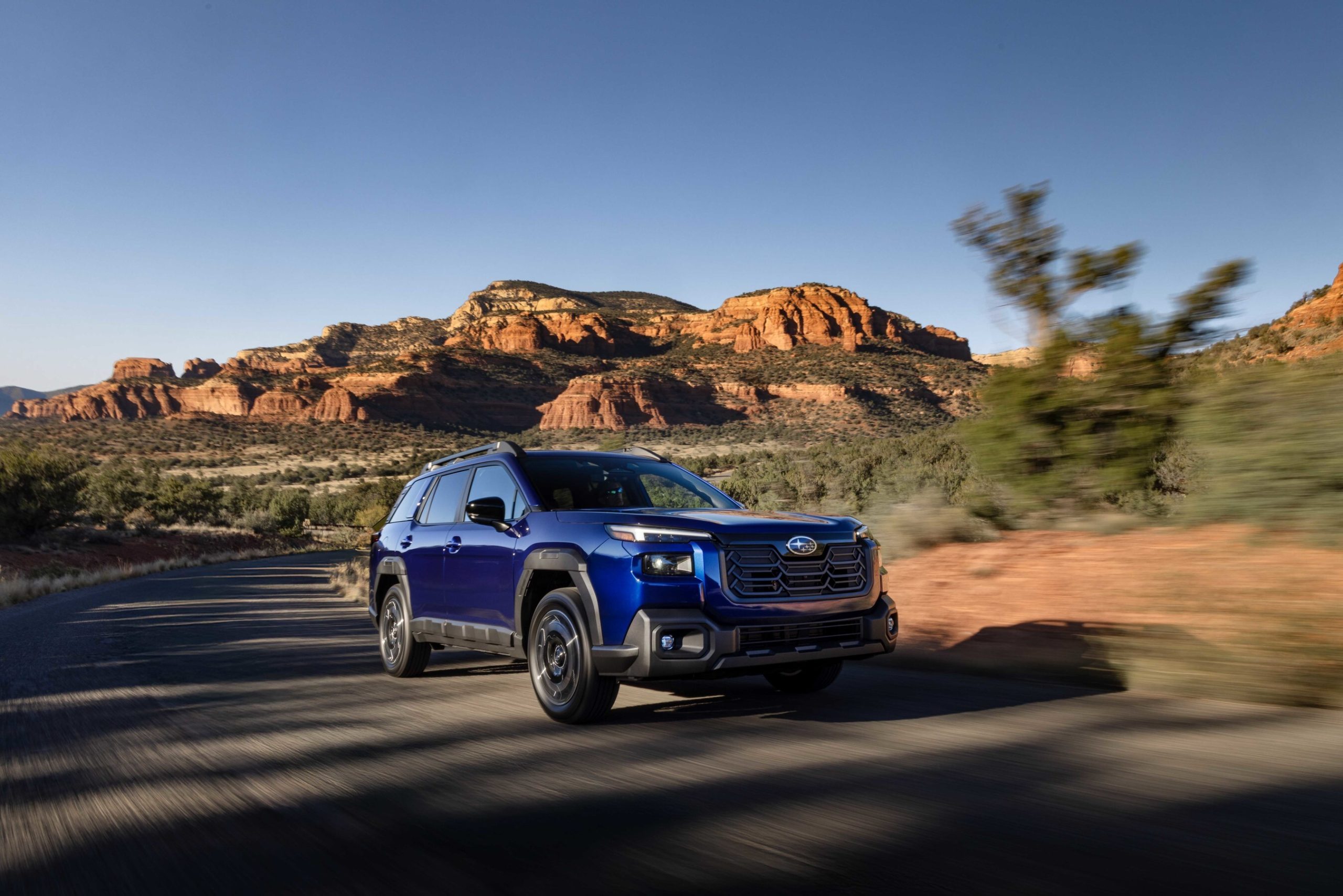
The Subaru Outback has long been closely associated with Pacific Northwest driving because its design fits the region remarkably well. Standard all-wheel drive provides extra traction on wet roads, while generous ground clearance helps when roads become rough or unpaved.
The Outback also offers a comfortable cabin, useful cargo capacity, and a driving position that gives the driver a clear view of the road. For commuters traveling through Seattle or Portland, it remains practical enough for daily transportation.
For drivers heading toward the Cascades, Olympic Peninsula, or Oregon coast, its versatility becomes even more valuable. The combination makes the Outback a natural choice for varied regional conditions.
Rain is a major consideration for drivers in the Pacific Northwest, particularly during the cooler months. All-wheel drive cannot eliminate the need for proper tires or careful driving, but it can help distribute engine power between the wheels when traction becomes inconsistent.
The Outback’s symmetrical all-wheel-drive system is designed to provide continuous traction rather than waiting for a loss of grip before sending power where it is needed. That characteristic can be useful on slippery pavement, gravel roads, and wet access routes.
Drivers still need to maintain safe speeds, but the vehicle’s drivetrain gives them an additional layer of confidence when conditions become unpredictable.
The Outback also works well for people who spend weekends outdoors. Depending on configuration, it provides substantial cargo room for camping equipment, bicycles, luggage, hiking supplies, or sporting gear. Its wagon-like body gives it a lower roofline than many traditional SUVs, which can make loading equipment easier.
Roof rails available on the model further increase its usefulness for outdoor recreation. The rear seats can also be folded when additional cargo capacity is needed. This combination of passenger comfort and practical storage makes the Outback suitable for households that use their vehicle for both weekday errands and weekend adventures without wanting a large SUV.
Fuel economy varies according to engine and configuration, so buyers should compare the specific version they are considering. The Outback has also offered turbocharged engine choices for drivers who want stronger acceleration, while standard engine configurations prioritize efficiency and everyday usability.
Its suspension is tuned for comfortable road travel rather than aggressive handling, which suits long drives through rural areas and mountain regions. The cabin generally focuses on practicality, visibility, and comfort rather than flashy styling. That approach can be valuable when a vehicle needs to serve as a dependable daily driver for years rather than as a specialized weekend machine.
2. Subaru Forester
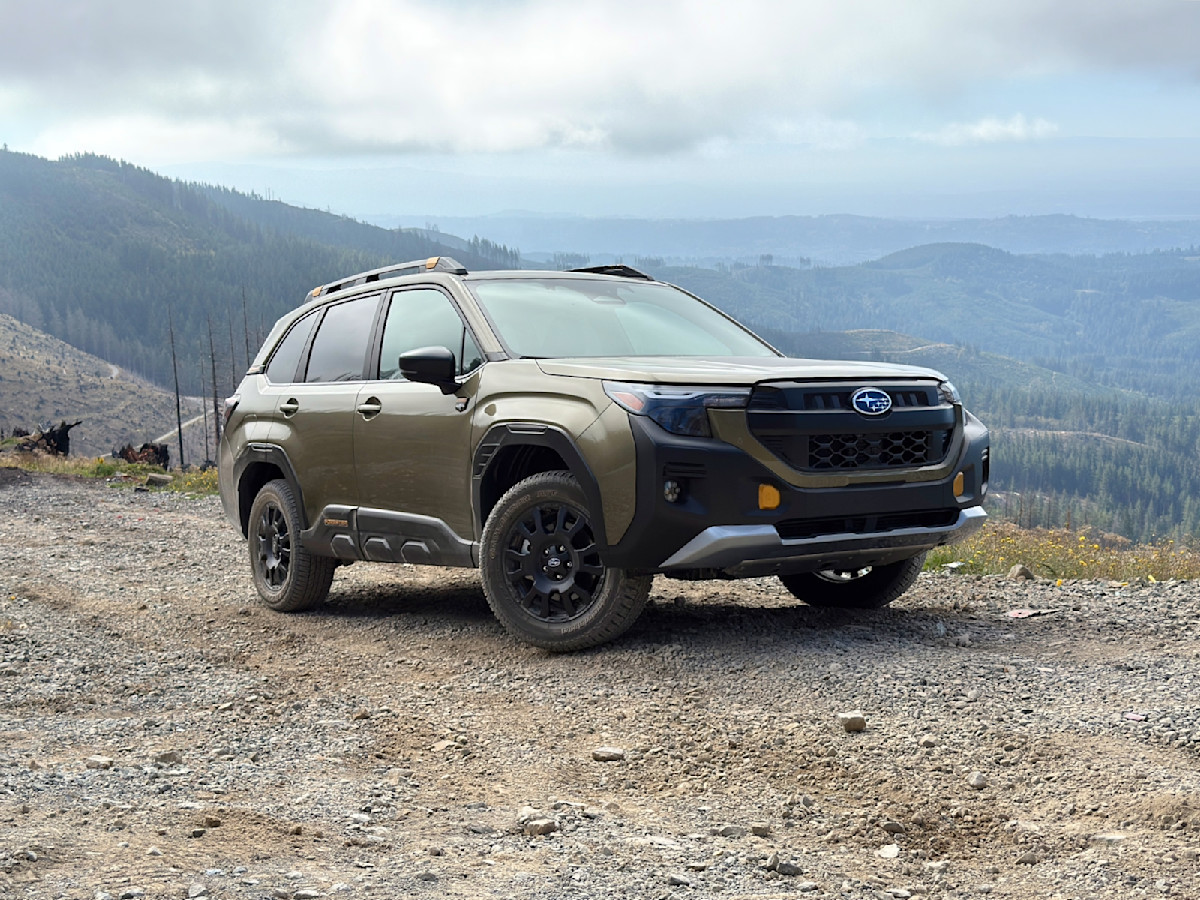
The Subaru Forester offers a different interpretation of the Pacific Northwest vehicle formula. Rather than emphasizing the wagon shape of the Outback, the Forester uses a compact SUV body with a tall cabin and upright seating position.
Standard all-wheel drive supports traction in wet and slippery conditions, while its elevated ride height provides useful clearance on rough roads. Large windows and a high seating position also contribute to excellent outward visibility.
That feature can be especially helpful in crowded urban areas, winding roads, and parking lots. For drivers who value practicality and visibility, the Forester remains a strong option for year-round Pacific Northwest transportation.
Interior space is another significant strength. The Forester’s boxy proportions allow it to provide useful headroom and cargo capacity without becoming a large vehicle. Families can use the rear seating area comfortably, while the cargo compartment can accommodate groceries, luggage, camping supplies, or recreational equipment.
The wide-opening rear hatch also makes loading larger items easier. For households that regularly move between city life and outdoor activities, this flexibility matters. A vehicle does not need extreme off-road equipment to be useful in the Pacific Northwest. In many cases, good packaging, dependable traction, sensible clearance, and comfortable seating provide more value during everyday ownership.
The Forester’s all-wheel-drive system can be particularly useful on wet pavement and lightly snow-covered roads. The Pacific Northwest experiences different conditions depending on location and elevation, meaning a driver in Portland may face very different weather from someone traveling through the mountains of Washington.
The Forester is designed to handle this variety without requiring a specialized setup. Drivers who regularly visit higher elevations should still prepare for winter conditions with suitable tires, emergency equipment, and appropriate driving habits. AWD helps with acceleration and traction, but it does not shorten stopping distances on ice or guarantee control when speeds are too high for conditions.
3. Toyota RAV4
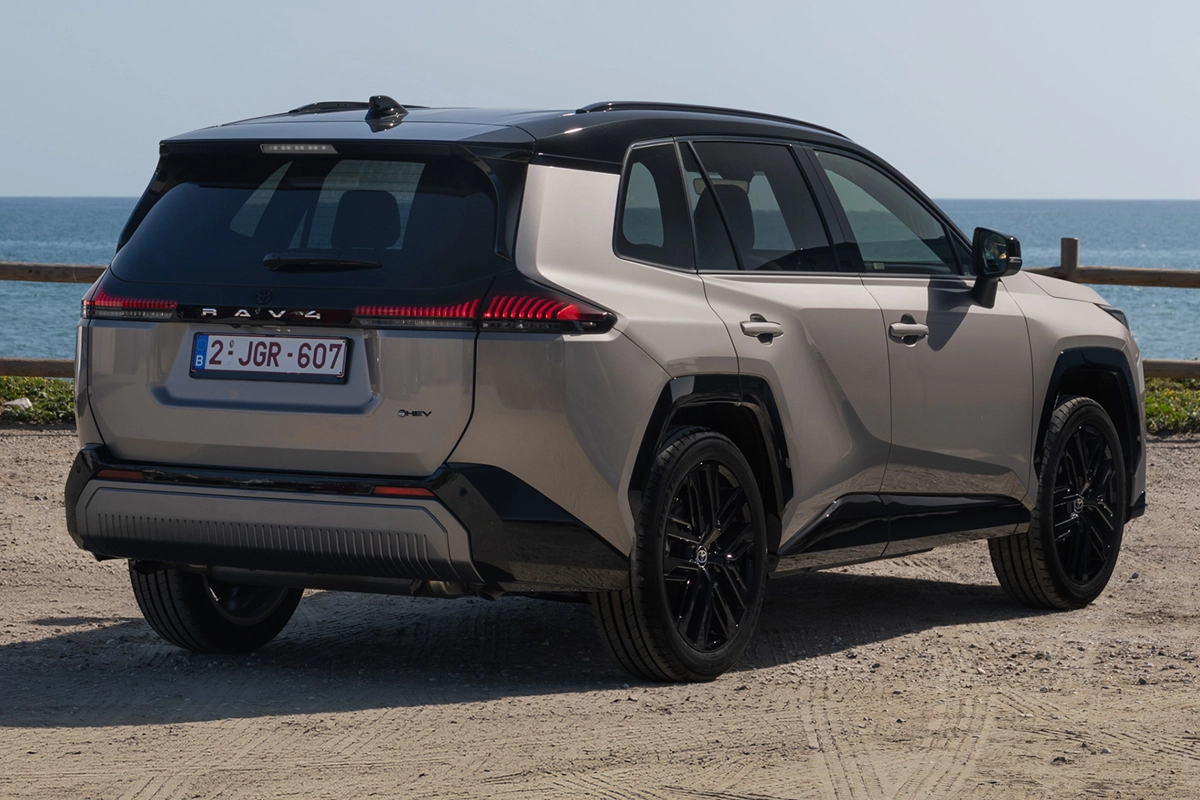
The Toyota RAV4 is a popular compact SUV that offers a useful blend of efficiency, interior space, and available all-wheel drive. For Pacific Northwest drivers, its versatility makes it well suited to a region where daily commutes can coexist with weekend mountain trips.
Hybrid versions are particularly attractive to drivers who want improved fuel economy without giving up SUV practicality. All-wheel-drive configurations can provide additional traction when pavement becomes wet or slippery.
The RAV4’s compact dimensions also make it easier to maneuver through urban traffic than larger SUVs. That balance between efficiency and utility is valuable for people who spend most weekdays on pavement.
The RAV4’s hybrid powertrain deserves attention because fuel costs can become significant for drivers with long commutes. Hybrid models combine a gasoline engine with electric motor assistance to improve efficiency, particularly in stop-and-go driving.
This can be useful around cities such as Seattle, Portland, and Eugene, where traffic can involve frequent acceleration and braking. Hybrid efficiency depends on driving conditions, temperature, vehicle configuration, and driving habits, so official fuel economy ratings should be checked for the specific model. Still, the basic concept suits drivers who want an SUV without accepting the fuel consumption associated with larger vehicles.
Toyota also offers the RAV4 in versions designed for drivers who want greater capability. The RAV4 Woodland Edition, depending on model year, emphasizes outdoor-oriented equipment and styling, while other trims focus more heavily on comfort or efficiency.
Buyers should distinguish between appearance-focused upgrades and genuine capability features when choosing a vehicle. Ground clearance, tires, drivetrain configuration, and suspension tuning all influence performance on rough roads.
A RAV4 is not a replacement for a serious rock-crawling vehicle, but it can be highly capable for forest access roads, campsites, trailheads, and other destinations commonly reached by recreational drivers in the Pacific Northwest.
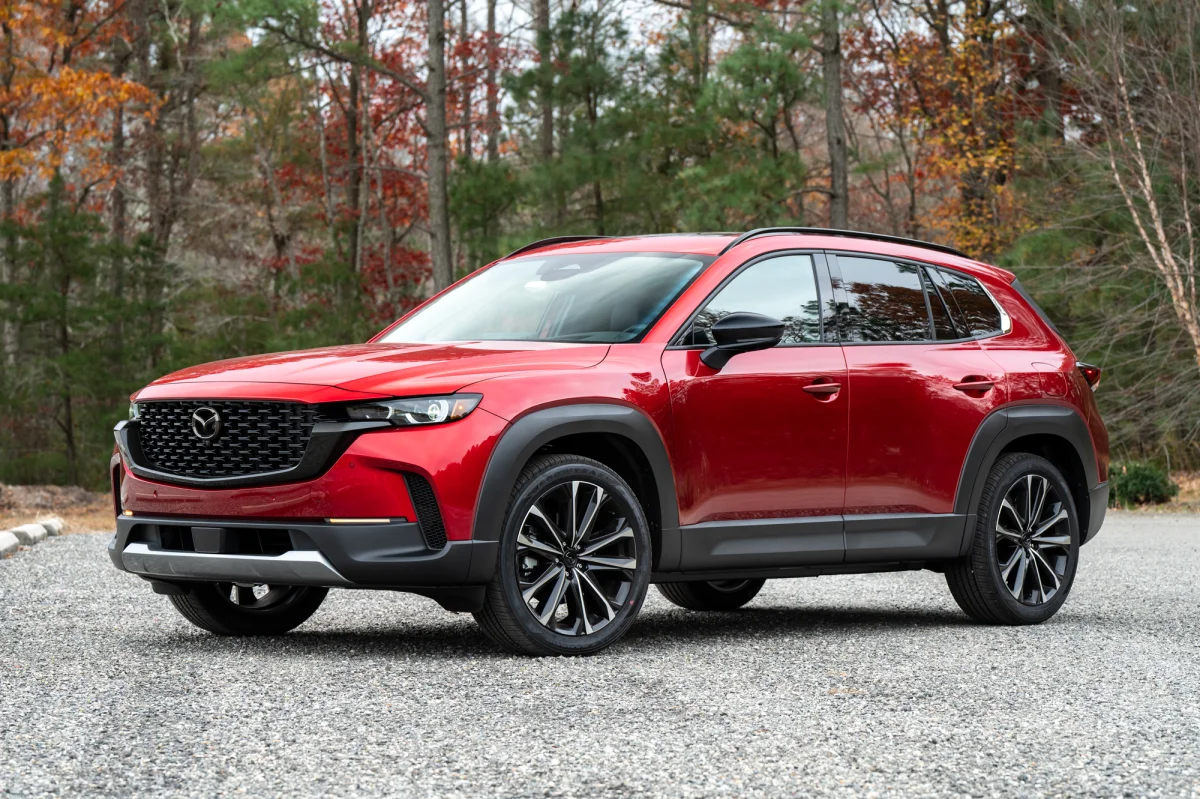
4. Mazda CX-50
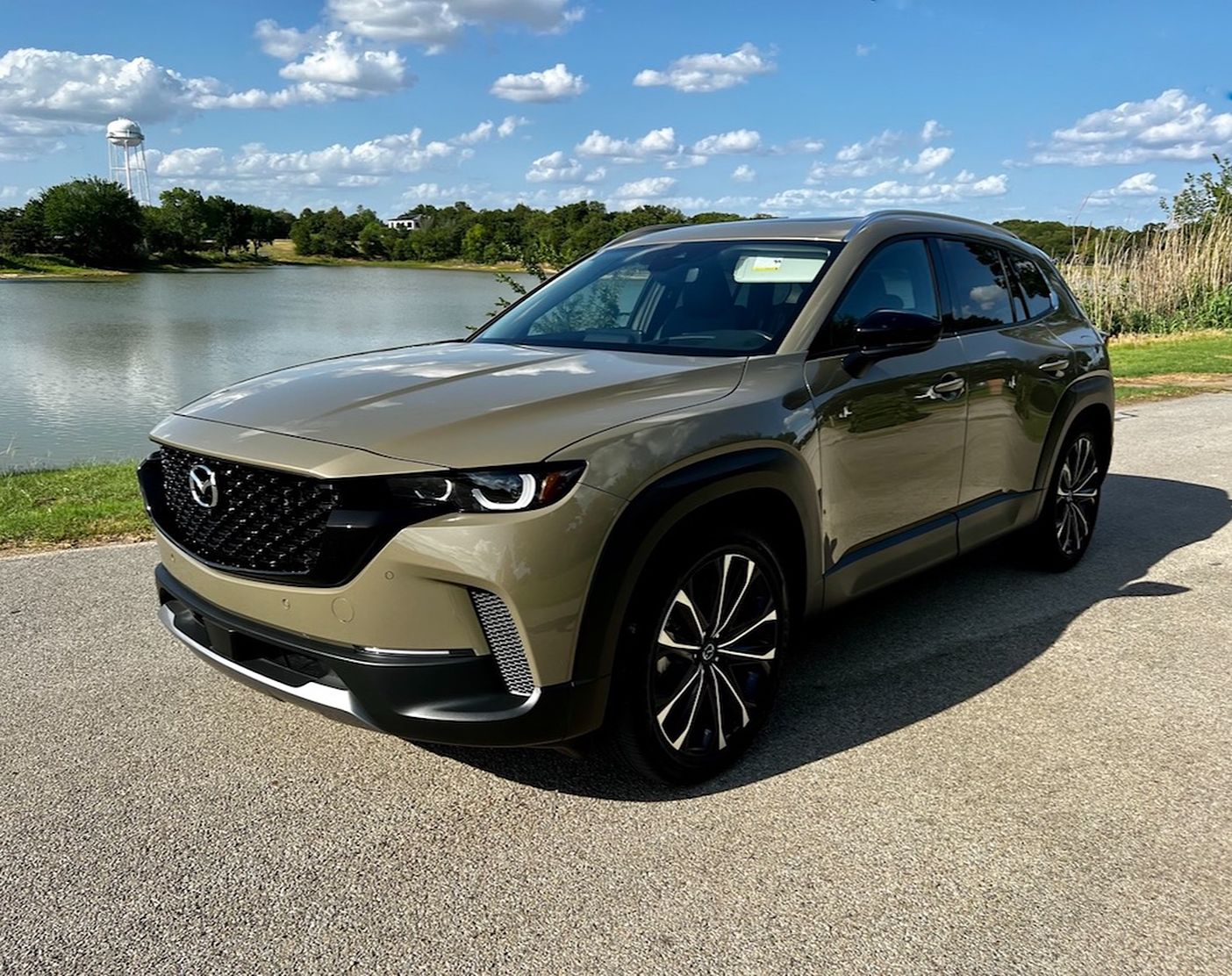
The Mazda CX-50 brings a more engaging driving experience to the compact SUV segment while retaining features that make sense for Pacific Northwest roads. Available all-wheel drive provides additional traction, while the vehicle’s suspension and steering are tuned with a greater emphasis on road manners than some utility-focused competitors.
This can appeal to drivers who spend most of their time commuting but still want the ability to travel toward mountain areas, beaches, forests, and campgrounds. Its rugged exterior styling also reflects its outdoor purpose without turning the vehicle into a dedicated off-road machine.
Wet roads can reveal differences in vehicle behavior, and the CX-50’s road-focused design makes it appealing for drivers who want predictable handling. All-wheel drive can help maintain traction during acceleration, while a well-tuned chassis can contribute to stable cornering.
Good tires remain essential, particularly during heavy rain. Drivers should not assume that AWD makes high-speed driving safe during storms. Instead, the system works best as part of a broader package that includes appropriate tires, functioning brakes, good visibility, and sensible speeds. These factors matter greatly on Pacific Northwest roads, where rainfall can change conditions quickly.
The CX-50 also offers a comfortable interior with a design that feels more refined than many compact crossovers. Front-seat comfort can be important for drivers who regularly travel longer distances between cities or recreational destinations. The cabin provides a useful mix of technology and physical controls, while the seating position offers a good view of the road.
Depending on trim, buyers can find additional comfort and convenience features. This gives the CX-50 appeal beyond outdoor use. It can function as a stylish commuter vehicle during the week while still having enough utility for weekend travel.
5. Honda CR-V
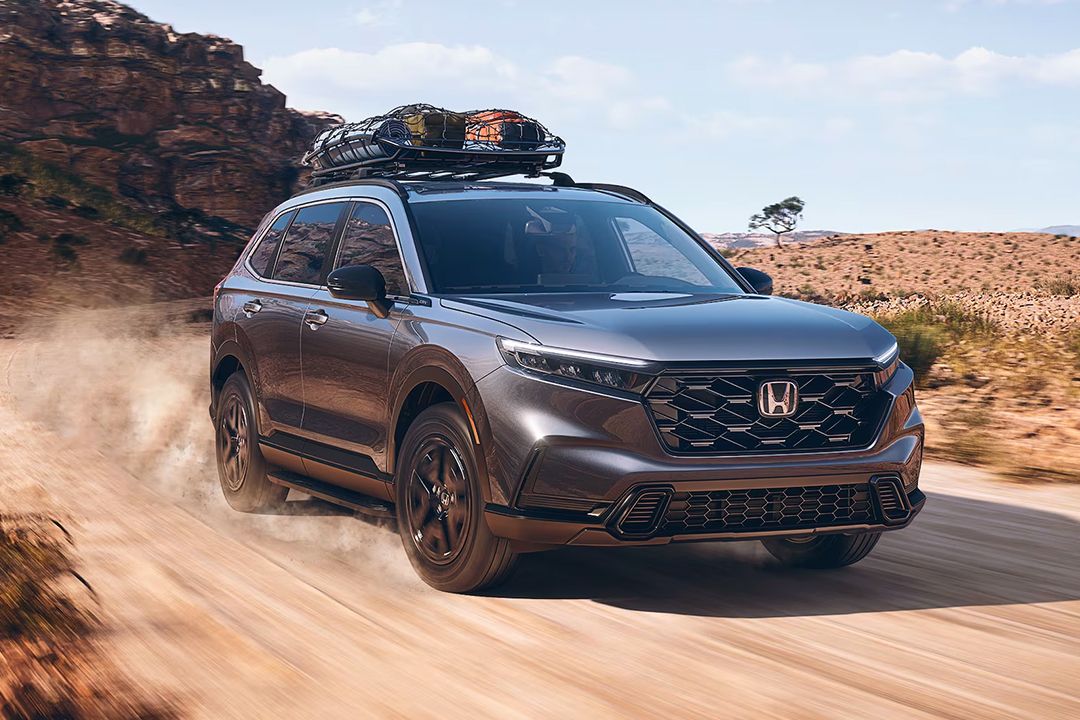
The Honda CR-V is another compact SUV that fits the needs of many Pacific Northwest households. Its spacious interior, practical cargo area, comfortable ride, and available all-wheel drive make it useful for both commuting and regional travel. Hybrid versions provide an appealing option for drivers who want strong fuel efficiency from a family-friendly vehicle.
The CR-V is not designed primarily as an off-road vehicle, but most drivers do not need extreme trail capability. For everyday roads, rainy commutes, highway trips, and visits to trailheads, it provides a sensible level of versatility.
Interior packaging is among the CR-V’s strongest attributes. The cabin is designed to make efficient use of available space, giving passengers room to sit comfortably while leaving useful storage behind them. The rear cargo area can accommodate groceries, luggage, sports equipment, and other everyday items.
Folding the rear seats creates additional flexibility when carrying larger objects. Families can therefore use the same vehicle for school runs, shopping, road trips, and recreational activities. That multipurpose character is particularly valuable in the Pacific Northwest, where a single vehicle may need to handle very different activities throughout the week.
All-wheel drive is available on certain CR-V configurations, while hybrid models have also offered all-wheel-drive variants depending on model year.
Buyers should confirm the drivetrain on the specific vehicle because availability can vary. For wet conditions, all-wheel drive can improve traction when accelerating, especially on inclines or uneven surfaces. It does not replace proper tires or safe driving techniques.
Drivers who encounter snow in mountain areas should also remember that winter tires can make a major difference in cold-weather grip and braking performance. Choosing the right tires may be more important than selecting a vehicle based solely on its AWD badge.
6. Volvo XC60
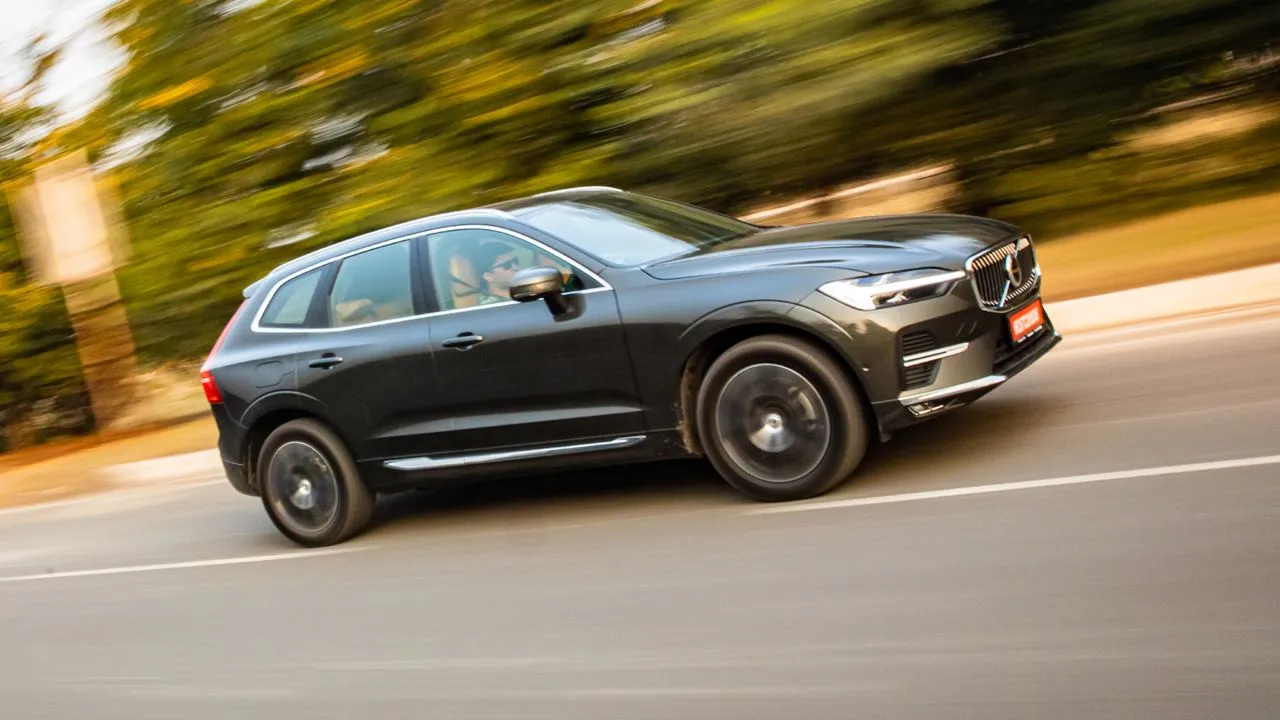
The Volvo XC60 offers a more premium approach to Pacific Northwest transportation. Available all-wheel-drive configurations, a comfortable cabin, and strong safety equipment make it attractive to drivers who spend significant time on highways and wet urban roads.
Volvo has traditionally placed substantial emphasis on occupant protection and driver assistance, which can appeal to people who prioritize safety during long commutes. The XC60 is more expensive than many mainstream compact SUVs, but its appeal comes from a combination of comfort, refinement, technology, and capable drivetrain options.
Rainy weather is a normal part of life across much of the Pacific Northwest, making visibility and predictable handling important. The XC60 provides a composed driving experience and available all-wheel drive for additional traction. Modern safety systems can also assist drivers by monitoring traffic and providing alerts or intervention under certain conditions.
These technologies are designed to support attentive driving rather than replace it. Drivers remain responsible for steering, speed management, and awareness. When used correctly, driver assistance can reduce workload during long journeys and busy traffic conditions.
Comfort is another major advantage. The XC60 provides a refined cabin with supportive seating and materials aimed at a premium feel. For people who commute significant distances, interior quality can have a major impact on daily satisfaction.
The vehicle also provides enough cargo room for regular family use, though buyers should compare dimensions with larger SUVs if they frequently carry bulky outdoor equipment. For road trips along the coast or through mountain regions, the XC60 provides the comfort and stability expected from a premium crossover.
7. Ford Bronco Sport
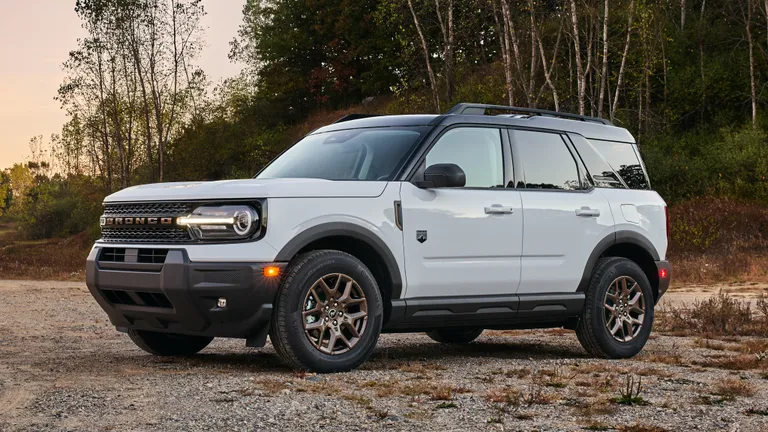
The Ford Bronco Sport takes a more adventure-focused approach than many compact crossovers. Its relatively upright body, available four-wheel-drive systems, useful ground clearance, and outdoor-oriented design make it appealing to drivers who regularly leave paved roads.
The vehicle is smaller and easier to maneuver than a full-size off-road SUV, which gives it practical advantages for everyday use. For Pacific Northwest residents who frequently travel on forest roads, gravel routes, and access roads leading to outdoor recreation areas, the Bronco Sport provides a level of capability beyond many conventional compact SUVs.
Its available four-wheel-drive technology varies by configuration, with certain versions offering hardware and drive modes aimed at different terrain types. Higher trims can provide equipment intended for more demanding off-road conditions.
However, buyers should understand the difference between a vehicle designed for moderate trail use and a purpose-built off-road machine. The Bronco Sport can be highly capable within its class, but terrain involving deep mud, large rocks, steep obstacles, or water crossings requires careful judgment. Vehicle capability is only part of the equation. Driver skill, tires, weather, recovery equipment, and route conditions also matter.
The compact dimensions are helpful in forested areas. Narrow trails and access roads can make large vehicles difficult to position, particularly when vegetation or other obstacles reduce available space. The Bronco Sport’s smaller footprint can make it easier to navigate these environments.
Its exterior design also emphasizes durability and utility, while the cabin remains comfortable enough for daily transportation. That combination makes it suitable for people who want an adventurous vehicle without accepting the size and fuel consumption of a larger truck-based SUV.
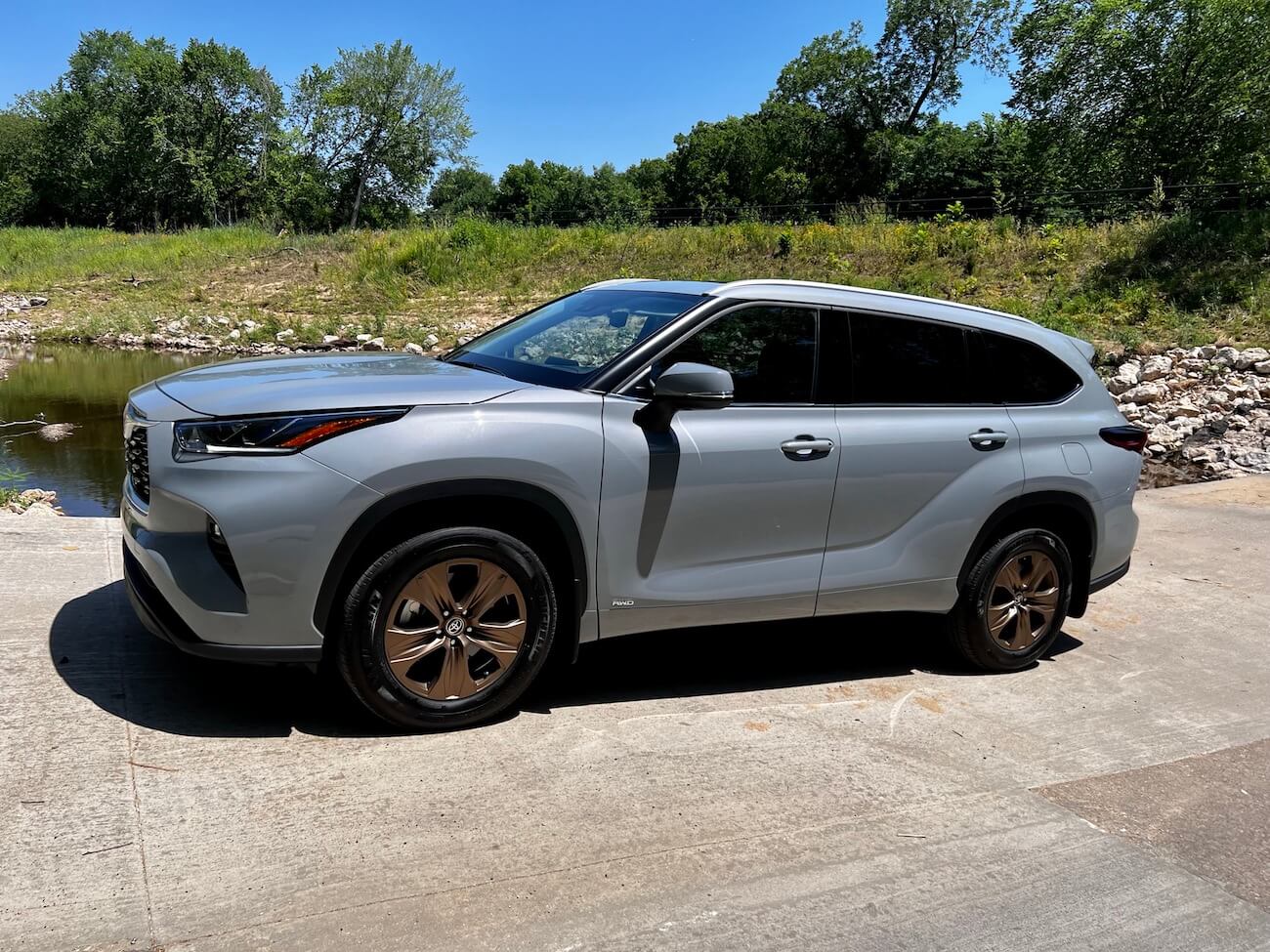
8. Toyota Highlander
The Toyota Highlander brings a larger family-oriented format to the Pacific Northwest vehicle conversation. Its three-row seating configuration gives it an advantage for households that regularly carry several passengers.
Available all-wheel drive can provide additional traction in wet or snowy conditions, while the larger body offers more passenger and cargo flexibility than compact crossovers. This makes the Highlander useful for family road trips, ski weekends, airport runs, and everyday transportation. Drivers who need more space than a RAV4 or CR-V provides may find the Highlander a better match.
The Pacific Northwest’s geography can involve long drives between cities and recreational destinations, making passenger comfort particularly important. The Highlander provides multiple seating rows and a cabin designed for family transportation.
Depending on configuration, the third row is best suited to certain passenger sizes and needs, so buyers should test the seating arrangement before purchasing. Cargo space also changes significantly when all seating rows are occupied. Families should measure the equipment they normally carry rather than relying only on published volume figures.
Available all-wheel drive gives the Highlander additional versatility in wet and winter conditions. Some versions also use hybrid powertrains, providing improved efficiency compared with traditional larger SUVs. Hybrid operation can be especially attractive to families who spend considerable time in city traffic.
Fuel economy varies based on model year, drivetrain, and driving conditions, so shoppers should check the official specifications for their chosen configuration. The larger vehicle still requires more space to park and maneuver than a compact crossover, but that tradeoff can be worthwhile for families who need three rows.
The Highlander also works well for road trips because of its combination of passenger capacity and highway comfort. Pacific Northwest adventures can involve coastal drives, mountain destinations, and trips across state lines. Having sufficient seating for family members and friends can eliminate the need for a second vehicle during group outings.
Proper cargo planning remains important when all three rows are occupied. A roof carrier or other approved storage solution may help when additional equipment is required, provided it is used within the manufacturer’s weight limits.
