
A head gasket failure can turn a dependable vehicle into an expensive repair project, which makes engine selection important for buyers who want long-term reliability. Some engines have developed strong reputations for resisting head gasket problems throughout hundreds of thousands of miles.
The eight engines discussed here are known for durable construction, sensible cooling systems, robust sealing arrangements, and strong real-world service records.
None should be considered completely immune to failure, since overheating, poor maintenance, neglected coolant systems, and incorrect repairs can damage any engine. Still, these powerplants have avoided the widespread head gasket reputation associated with several other designs.
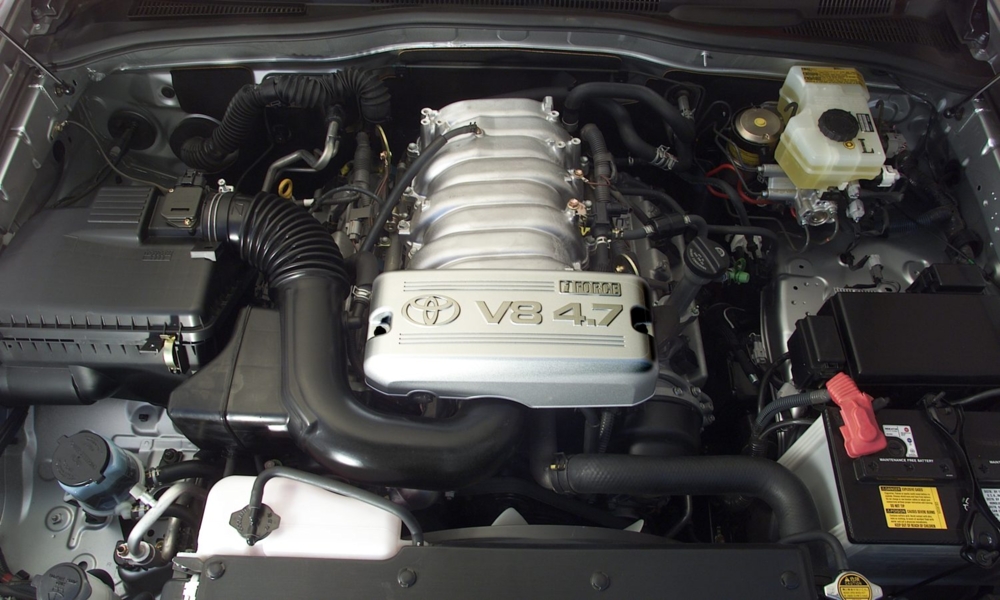
1. Toyota 2UZ-FE 4.7-Liter V8
The Toyota 2UZ-FE 4.7-liter V8 has earned a reputation for exceptional durability in trucks, SUVs, and utility-focused vehicles. Produced for applications such as the Toyota Land Cruiser, Tundra, Sequoia, and Lexus GX 470, the engine was designed around durability rather than maximum specific output.
Its large displacement and relatively conservative state of tune helped reduce the stress placed on internal components. The engine uses an iron cylinder block with aluminum cylinder heads, creating a sturdy foundation for long service life.
While age-related problems can certainly occur, a widespread head gasket defect is not associated with the 2UZ-FE in the way certain other engines have become known for gasket trouble.
The strength of the 2UZ-FE comes partly from its substantial construction. The cast iron block provides excellent rigidity and handles repeated heat cycles well when the cooling system is maintained correctly.
The cylinder heads are designed to provide dependable combustion sealing, while the engine’s naturally aspirated configuration avoids the additional thermal and cylinder pressure demands found in many turbocharged engines.
This does not make the gasket indestructible, but it does give the engine a favorable operating environment. A properly maintained 2UZ-FE can accumulate very high mileage without requiring major internal repairs.
Cooling system maintenance remains important for any 2UZ-FE owner. A neglected radiator, failing water pump, blocked cooling passage, or deteriorated hose can eventually create excessive temperatures. Once an engine overheats severely, even a highly durable head gasket can suffer.
This distinction matters when discussing engines with excellent head gasket records. Reliability comes from the complete engine design and the way it is maintained, not from a magical gasket material that cannot fail. The 2UZ-FE has a particularly strong reputation because ordinary maintenance can prevent many conditions that lead to gasket damage.
Another advantage is the engine’s relatively unstressed nature. The 4.7-liter displacement provides useful torque without requiring extremely high compression, high boost pressure, or very high engine speeds. That conservative approach can reduce thermal and mechanical stress during normal driving.
The engine was also installed in vehicles intended for demanding service, including towing, off-road driving, and heavy-duty use. Its reputation among owners has therefore been shaped by years of practical use rather than short-term performance testing.
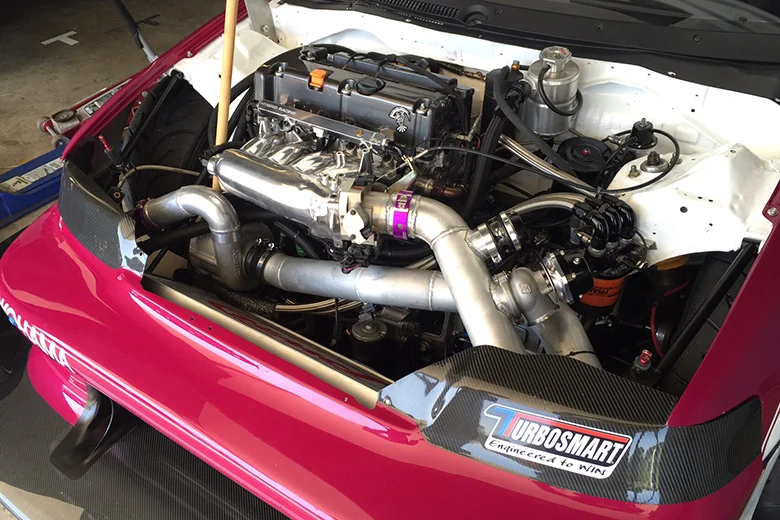
2. Honda K24 2.4-Liter Four-Cylinder
The Honda K24 is another engine frequently associated with long service life and strong reliability. Used across Honda and Acura vehicles including the Accord, CR-V, Element, TSX, and several other applications, the 2.4-liter four-cylinder combines practical power with relatively simple mechanical principles.
Many K24 variants have reached very high mileage when maintained properly. Head gasket failure is not considered a defining weakness of the K24 family.
Technical references commonly identify other concerns, such as oil leaks, VTC-related noises, timing components, and oil consumption in high-mileage examples, rather than a widespread head gasket defect.
The K24’s aluminum block and aluminum cylinder head provide similar thermal expansion characteristics between the major components. This helps maintain consistent sealing during normal heating and cooling cycles.
The engine also uses modern gasket and fastener technology appropriate for its design generation. Proper torque procedures are essential because the head gasket depends on consistent clamping pressure. When the cooling system remains healthy and the engine is not repeatedly overheated, the sealing system generally performs well over a long period.
Maintenance has a major influence on K24 longevity. Regular oil changes protect the timing system, variable valve timing components, bearings, and other lubricated parts. Cooling system service is equally important when the goal is to prevent head gasket problems.
Low coolant, a damaged radiator, a failing water pump, or a thermostat problem can raise engine temperatures and create conditions that were never intended during normal operation. A K24 that suffers severe overheating may develop gasket or cylinder head damage, but that situation should not be confused with a fundamental gasket design problem.
The K24 also benefits from a broad production history. Honda produced numerous versions with different compression ratios, fuel systems, emissions equipment, intake arrangements, and electronic controls.
These differences mean that reliability claims should always be tied to a specific engine code and vehicle application. A K24A2 in an Acura TSX is not mechanically identical to every other K24 variant. Buyers should verify the exact engine code when purchasing a used engine or vehicle.
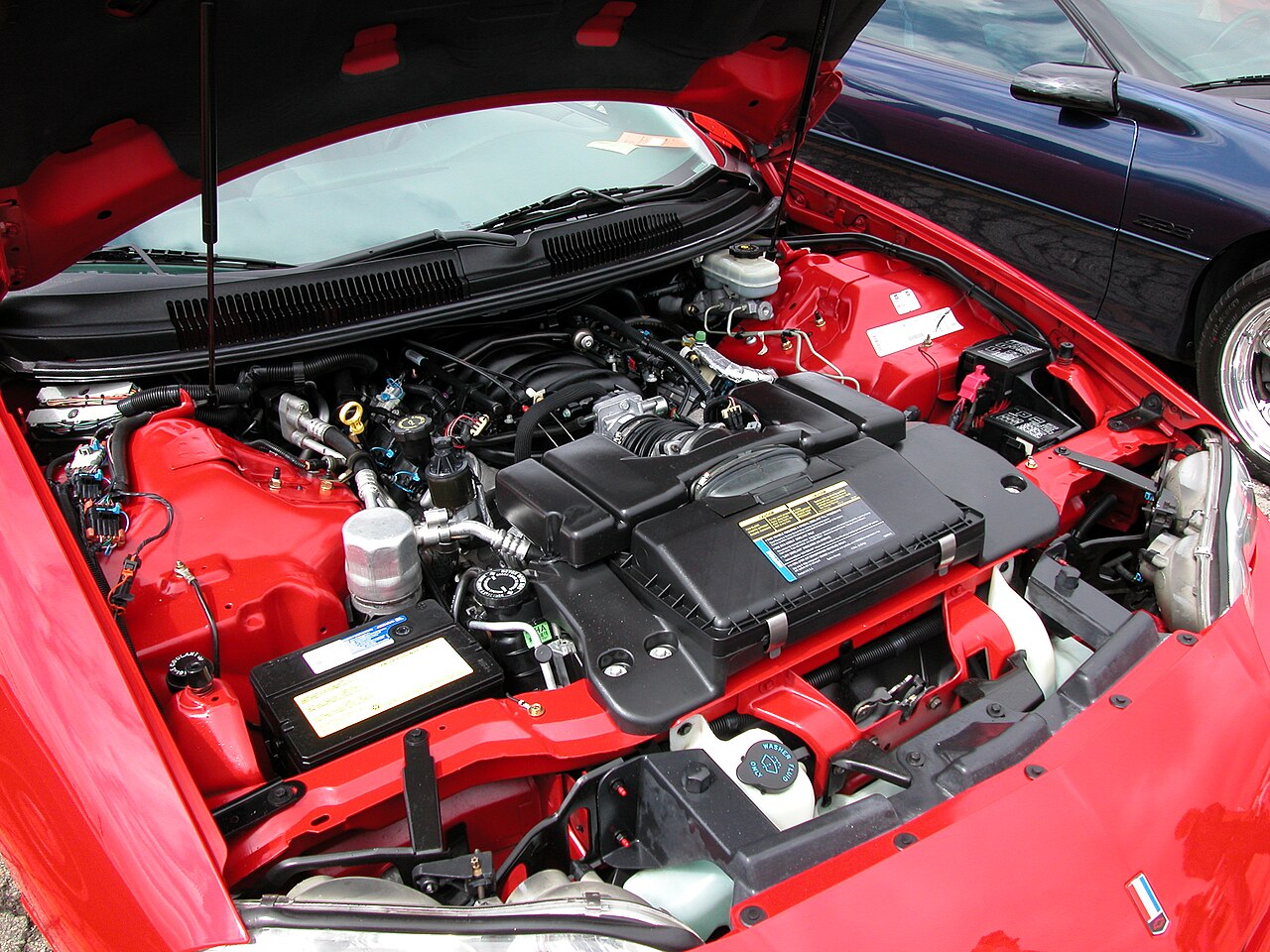
3. GM LS1 5.7-Liter V8
The GM LS1 5.7-liter V8 is widely recognized for its combination of performance, compact dimensions, efficiency, and durability. Introduced in the late 1990s, it powered vehicles including the Chevrolet Corvette and Camaro as well as the Pontiac Firebird.
The LS1 represented a major change from older small-block designs, using an aluminum block in many passenger-car applications and modern cylinder head architecture.
It became popular with both everyday owners and performance enthusiasts because the basic engine could handle substantial mileage while also supporting considerable power upgrades.
Head gasket failure is not generally regarded as a defining weakness of the LS1. Its design uses strong sealing principles, while the engine’s compact architecture helps maintain a relatively controlled package. Naturally aspirated versions operate without the extreme cylinder pressures created by factory turbocharging.
The engine’s reputation comes from decades of use in performance cars, where it has experienced everything from ordinary commuting to demanding track and modified applications. Naturally, heavily modified engines can have reliability characteristics very different from stock examples.
Cooling system condition remains a critical consideration. Aluminum engine components are less forgiving of severe overheating than a healthy engine operating within its intended temperature range.
A damaged radiator, failing water pump, malfunctioning cooling fan, or coolant leak can eventually create enough heat to damage gaskets and cylinder heads. That means an LS1 with a clean maintenance history is a much better proposition than an engine that has repeatedly overheated.
The LS1 also benefits from relatively straightforward mechanical architecture. Its pushrod valvetrain contains fewer moving components than many overhead-camshaft engines, while the basic V8 layout is compact for its displacement. Reduced complexity does not automatically guarantee reliability, but it can simplify maintenance and reduce the number of components that require attention.
The large enthusiast community also means that replacement parts, technical information, and experienced repair shops are widely available.
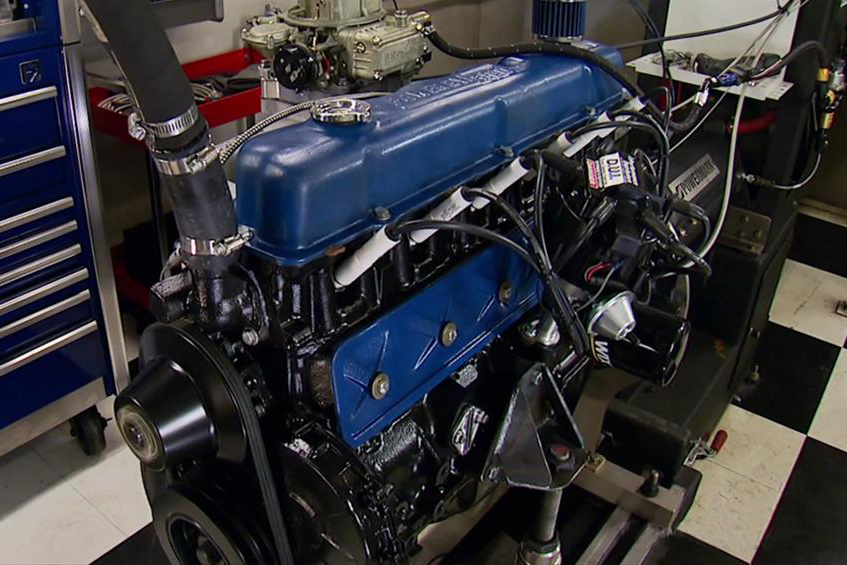
4. Ford 300 Inline-Six
Ford’s 300 cubic-inch inline-six, commonly called the Ford 300, has legendary status among durable truck engines. Produced for decades, the 4.9-liter six-cylinder appeared in numerous Ford trucks and commercial applications.
Its design emphasized torque, simplicity, and longevity rather than high-revving performance. The long inline-six configuration provides excellent mechanical balance, while the relatively low specific output helped keep thermal and mechanical demands under control.
It became particularly famous for continuing to operate under conditions that would have caused problems for more delicate engines.
The Ford 300’s head gasket reputation is strongly connected to its conservative design. The engine was not engineered around extreme compression ratios or forced induction from the factory. It produced useful low-speed torque from substantial displacement, allowing normal workloads without requiring high engine speeds.
The cast iron construction also provided a rigid engine structure capable of handling repeated temperature cycles. This does not eliminate the possibility of a gasket failure, but it helps explain why the engine has such a strong record.
Simplicity is another important advantage. The Ford 300 uses a straightforward architecture that mechanics have worked on for generations. Basic maintenance procedures are relatively accessible, and replacement parts remain available because of the enormous number of engines produced.
Cooling system service is still essential. An old truck can have a radiator filled with scale, deteriorated hoses, a tired water pump, or a malfunctioning thermostat. Preventing overheating is the best way to preserve the original head gasket.
The engine’s reputation also comes from its working environment. Ford installed the 300 in pickups and commercial vehicles where engines were expected to deliver reliable torque for years.
Many examples accumulated substantial mileage while hauling, towing, and performing work-related duties. Such service created a strong real-world test of the engine’s basic durability. An engine that survives decades of practical use without a widespread head gasket reputation has earned its position on this list.
Finding a good Ford 300 today is more about condition than mileage. These engines are old enough that seals, hoses, cooling components, wiring, and accessories may have deteriorated even when the core engine remains healthy.
A buyer should inspect the cooling system carefully and look for signs of previous overheating. If those areas are in good condition, the 300 inline-six remains an impressive example of conservative engineering. Its combination of low stress, simple construction, and durable components makes it a compelling choice for longevity.
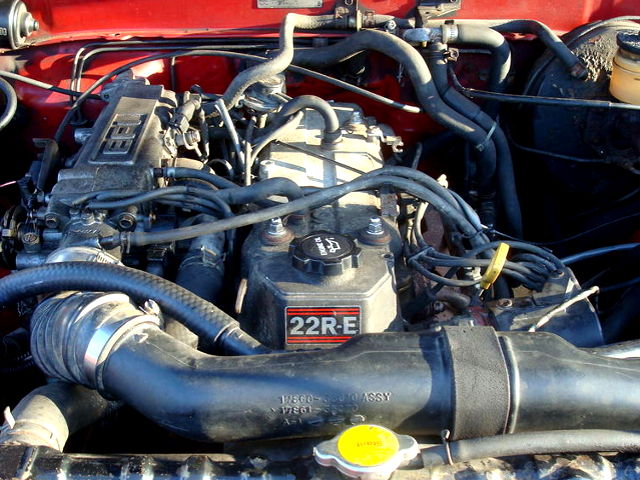
5. Toyota 22RE 2.4-Liter Four-Cylinder
The Toyota 22RE is a classic 2.4-liter four-cylinder engine that became famous for reliability in Toyota pickups, 4Runners, and related applications. Its reputation was built during an era when manufacturers placed considerable emphasis on mechanical simplicity and durability.
The 22RE is not a high-output engine, but its modest performance targets helped create a dependable operating environment. Thousands of examples survived decades of regular use, making the engine particularly popular among truck enthusiasts who value longevity over speed.
The head gasket itself is not considered a major widespread weakness of the 22RE. Like any aging engine, individual examples can develop gasket problems, especially after overheating or improper repairs.
However, the engine does not have the same broad association with recurring head gasket failure found in certain problematic designs. Its cast iron block and aluminum head require proper temperature control, but the basic combination has demonstrated strong durability when maintained correctly.
Cooling system condition is especially important on older 22RE vehicles. Many remaining examples have accumulated substantial mileage, and some have had multiple owners. Radiators, hoses, thermostats, water pumps, and coolant passages can all deteriorate with age.
A cooling system that was adequate when the truck was new may no longer be able to maintain proper temperatures. Before buying a 22RE-powered vehicle, inspecting the radiator and checking for evidence of overheating can be more valuable than simply looking at the odometer.
The 22RE is also valued for its serviceability. Mechanics are familiar with the engine, replacement parts are widely available, and numerous repair procedures have been documented over the years.
Timing chain wear can become an important issue on high-mileage examples, and a damaged timing chain guide can create additional problems. Those concerns do not change the fact that the core engine has a strong reputation for durability. Preventive maintenance is essential, particularly with older examples.
A well-maintained 22RE therefore remains a sensible choice for someone who values a proven mechanical package. Its modest output means it is not designed for modern performance expectations, but that limitation is part of its durability story.
Buyers should focus on rust, previous overheating, maintenance records, timing chain condition, and general engine health. With those factors checked, the 22RE can provide the kind of dependable service that made older Toyota trucks so popular.
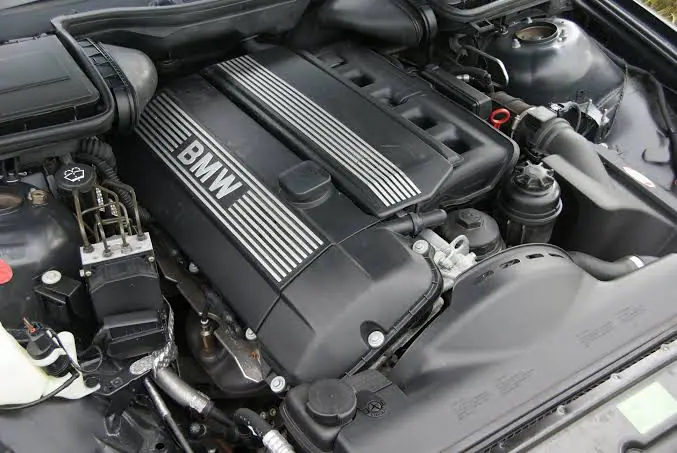
6. BMW M54 Inline-Six
The BMW M54 family includes several naturally aspirated inline-six engines used throughout the early 2000s. Variants appeared in models such as the 3 Series, 5 Series, Z3, Z4, X3, and X5. The M54 became known for smooth operation, strong performance, and impressive durability when maintained correctly.
It does have recognized weaknesses, particularly within its cooling system, but a widespread head gasket defect is not the central reliability concern associated with this engine family.
The distinction between cooling system weakness and head gasket weakness is important with the M54. Many BMW specialists emphasize the need to maintain components such as the expansion tank, radiator, water pump, thermostat, and related plastic parts. Failures in those areas can cause coolant loss and overheating.
If an overheating event is severe enough, the resulting thermal stress can damage the cylinder head or head gasket. In that situation, the cooling system failure is the initiating problem rather than a recurring flaw in the gasket itself.
The M54’s inline-six configuration also provides naturally smooth operation. Its balance characteristics reduce certain types of vibration, while the naturally aspirated design avoids turbocharger-related heat and pressure.
BMW engineered the engine for responsive performance, so it operates differently from the low-output Ford 300 or Toyota 22RE. Even so, a properly maintained M54 can accumulate substantial mileage. Oil changes, cooling system service, and attention to leaks are central to preserving that longevity.
A used M54 requires more careful inspection than an old Toyota four-cylinder. The engine may be mechanically healthy while surrounding components require replacement.
Cooling system plastics can become brittle with age, vacuum hoses can develop leaks, and oil seals can begin to seep. These repairs can make an inexpensive used BMW more expensive to own. They should not automatically be interpreted as evidence that the basic engine has poor durability.
For buyers willing to maintain the surrounding systems, the M54 can be a rewarding long-term engine. Its reputation is strongest when owners follow preventive maintenance rather than waiting for cooling system components to fail.
A pre-purchase inspection should include a pressure test of the cooling system, checks for overheating history, and inspection of the oil and coolant. With those safeguards, the M54 demonstrates that a performance-oriented engine can also have a respectable head gasket record.
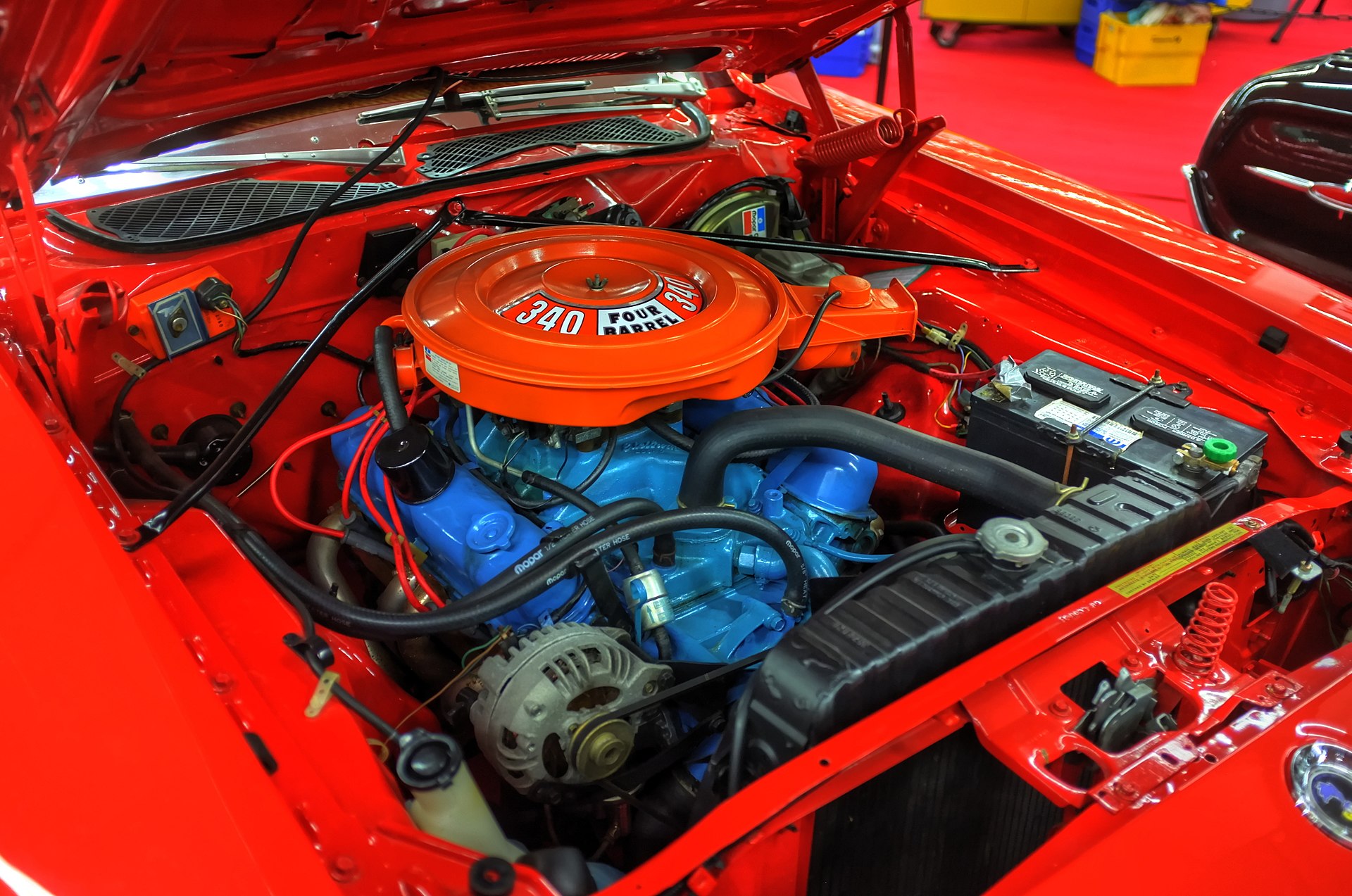
7. Chrysler 318 5.2-Liter V8
The Chrysler 318, also known as the LA-series 5.2-liter V8, became a familiar powerplant in cars, trucks, vans, and utility vehicles. Its long production history gave it extensive real-world exposure, and its straightforward pushrod architecture contributed to a reputation for durability.
The engine was designed during a period when manufacturers commonly favored relatively simple V8 layouts. Its moderate output and large displacement allowed useful torque without pushing the basic architecture to extreme limits.
The 318 is not famous for a widespread head gasket defect. Individual gasket failures can certainly occur, particularly after overheating, but there is no broad reputation suggesting that the engine routinely destroys head gaskets as part of normal service.
Cast iron construction also gives the engine substantial thermal stability. When coolant circulation is maintained and the engine is kept at its intended operating temperature, the sealing system can remain functional for many years.
Age is now the biggest consideration for these engines. Most 318-powered vehicles are several decades old, meaning the condition of the vehicle may be more important than the engine’s original design.
Old radiators can restrict coolant flow, water pumps can wear out, hoses can deteriorate, and previous owners may have performed questionable repairs. A clean cooling system and proper ignition tuning can prevent many situations that contribute to excessive temperatures.
The pushrod layout also keeps the engine relatively straightforward compared with modern overhead-camshaft designs. Mechanics can access many components without specialized procedures, and the engine has a long history of aftermarket and replacement support.
This simplicity was useful when these engines were working in trucks and passenger vehicles that were expected to provide dependable transportation rather than cutting-edge technology.
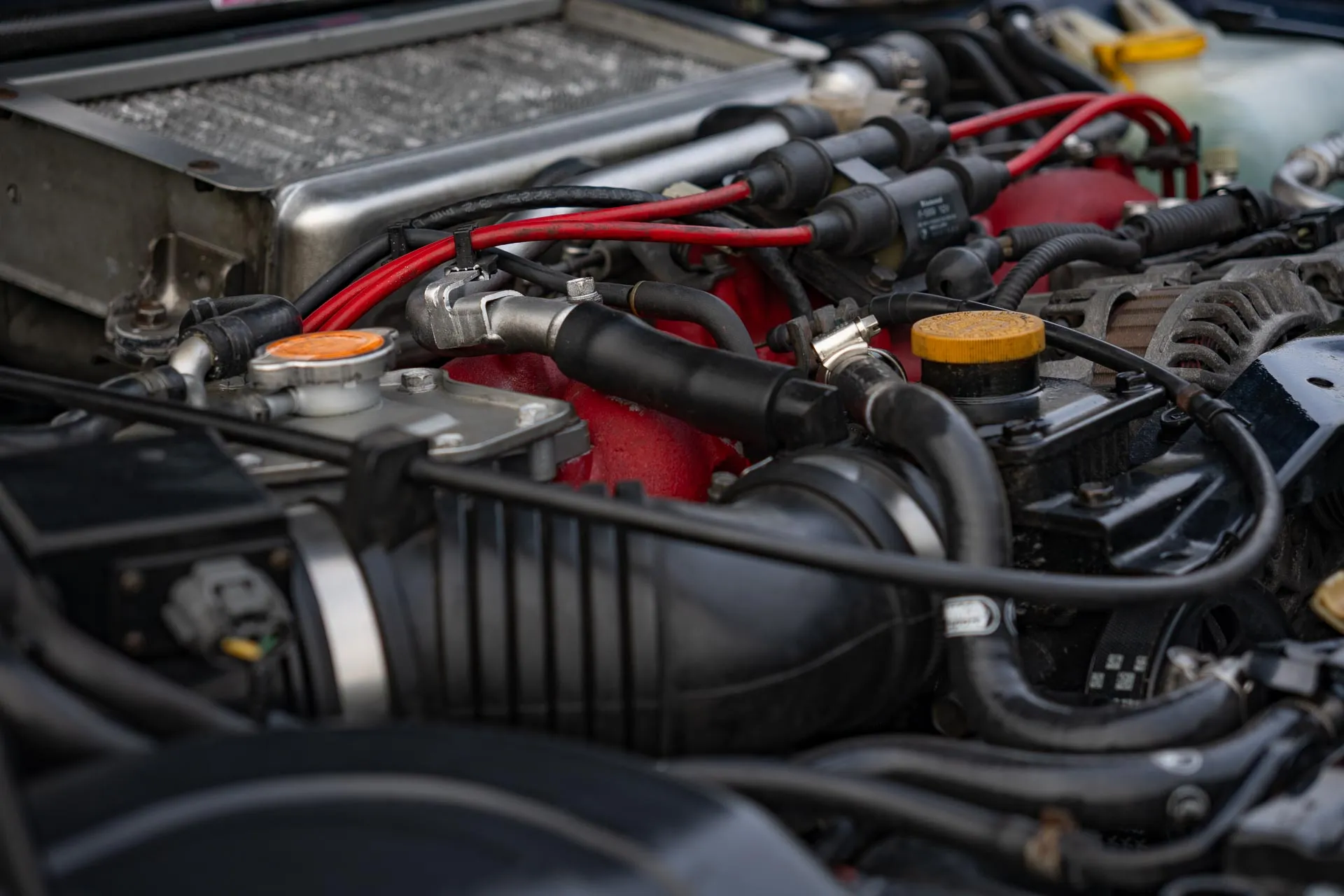
8. Subaru EJ22 2.2-Liter Flat-Four
The Subaru EJ22 2.2-liter flat-four deserves a place on this list because its reputation differs significantly from the later Subaru engines that became strongly associated with head gasket concerns.
Used in various Subaru models during the 1990s and early 2000s, the EJ22 developed a reputation for durability when properly maintained.
Its horizontally opposed layout gives Subaru vehicles a low center of gravity, while the naturally aspirated versions avoid the additional cylinder pressures associated with turbocharged applications.
It is important to separate the EJ22 from other Subaru engines when discussing head gasket reliability. Subaru’s later EJ25 became notorious for head gasket problems in several applications, creating a reputation that can unfairly spill over to the entire EJ family.
The EJ22 does not have the same level of widespread head gasket association. Individual failures still happen, particularly as these engines age, but the engine is generally regarded as a more durable choice when head gasket risk is the primary concern.
Cooling system maintenance remains vital because the engine uses aluminum cylinder heads and operates in a horizontally opposed configuration. Coolant leaks, radiator problems, thermostat failures, and neglected maintenance can cause overheating.
Any engine can develop sealing problems after a severe overheating event. Buyers should therefore inspect the cooling system, check for coolant residue, examine the oil for contamination, and verify that the engine reaches and maintains normal operating temperature.
The age of the EJ22 is now a significant factor. Even an engine with a strong factory reputation can develop problems after several decades. Rubber hoses, seals, gaskets, wiring, sensors, and cooling components can deteriorate.
A low-mileage example is not automatically better if it spent years sitting unused. Maintenance records and evidence of proper servicing provide a more useful picture of condition than mileage alone.
