
Finding a car that comfortably accommodates long legs can make a major difference on daily commutes and extended road trips. A spacious cabin is important, but generous legroom alone does not guarantee a comfortable driving position.
Seat cushion length, lumbar support, adjustment range, steering wheel reach, thigh support, and driving posture all affect how a tall driver feels behind the wheel. The following cars combine useful interior space with seats and driving positions designed to reduce pressure on the knees, hips, and lower back.
They are suitable choices for drivers who regularly struggle to find enough room to stretch out comfortably.
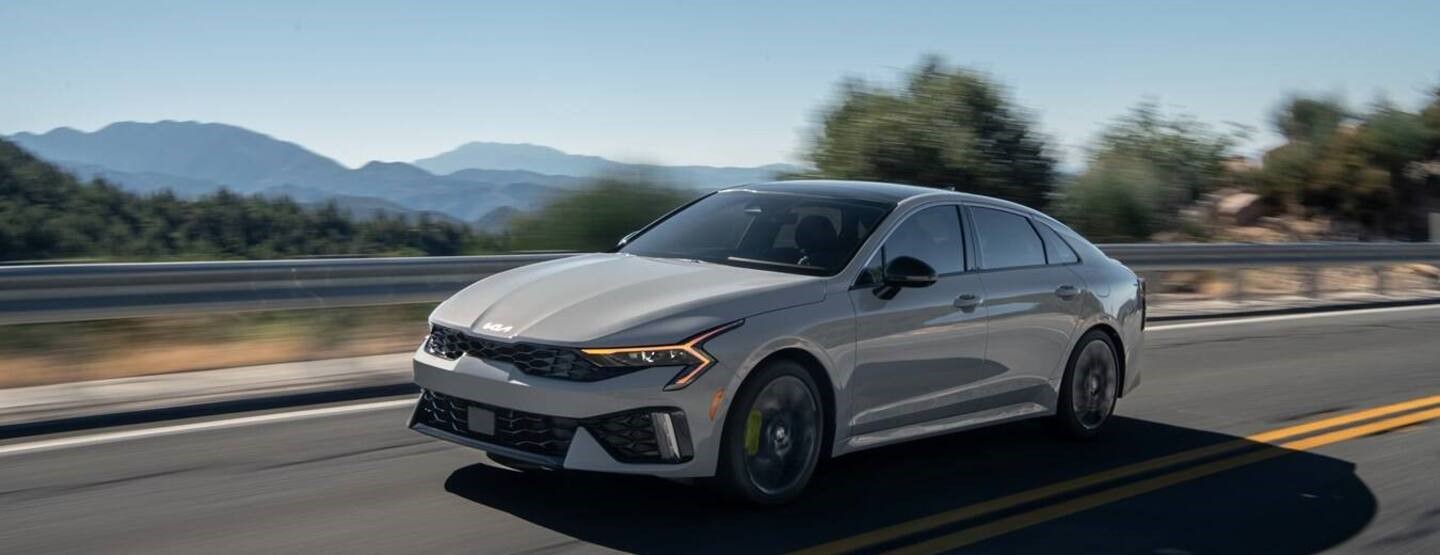
1. Kia K5
The Kia K5 is a strong choice for tall drivers who want generous space without moving into a large SUV. Its cabin provides an impressive amount of front legroom, making it easier for drivers with long legs to position their knees naturally.
iSeeCars lists the K5 with 46.1 inches of front legroom, giving it a clear advantage for people who need additional space around the driver’s seat.
The extra legroom is particularly useful during long highway journeys. A tall driver can move the seat rearward without immediately creating an uncomfortable position for the steering wheel.
That relationship between the seat and steering wheel matters because excessive reach can cause shoulder and upper-back fatigue. The K5’s roomy cabin gives drivers more freedom to establish a relaxed driving posture.
Seat support also matters when spending several hours behind the wheel. The K5’s relatively roomy seating area allows taller occupants to avoid feeling compressed around the thighs and knees. A properly positioned seat can distribute body weight more evenly instead of concentrating pressure around the back of the legs.
The K5 also makes sense for drivers who prefer a sedan rather than an SUV. Its lower seating position can provide a more traditional driving feel while still offering substantial interior room.
The combination of long-leg accommodation, sedan handling, and a spacious passenger compartment makes it particularly appealing to taller commuters.
For drivers measuring around 6 feet 5 inches or taller, a test drive remains important because body proportions vary considerably. Someone with a long inseam may experience the K5 differently from someone of the same height with a longer torso. Still, its 46.1 inches of listed front legroom make it an excellent starting point for tall drivers.
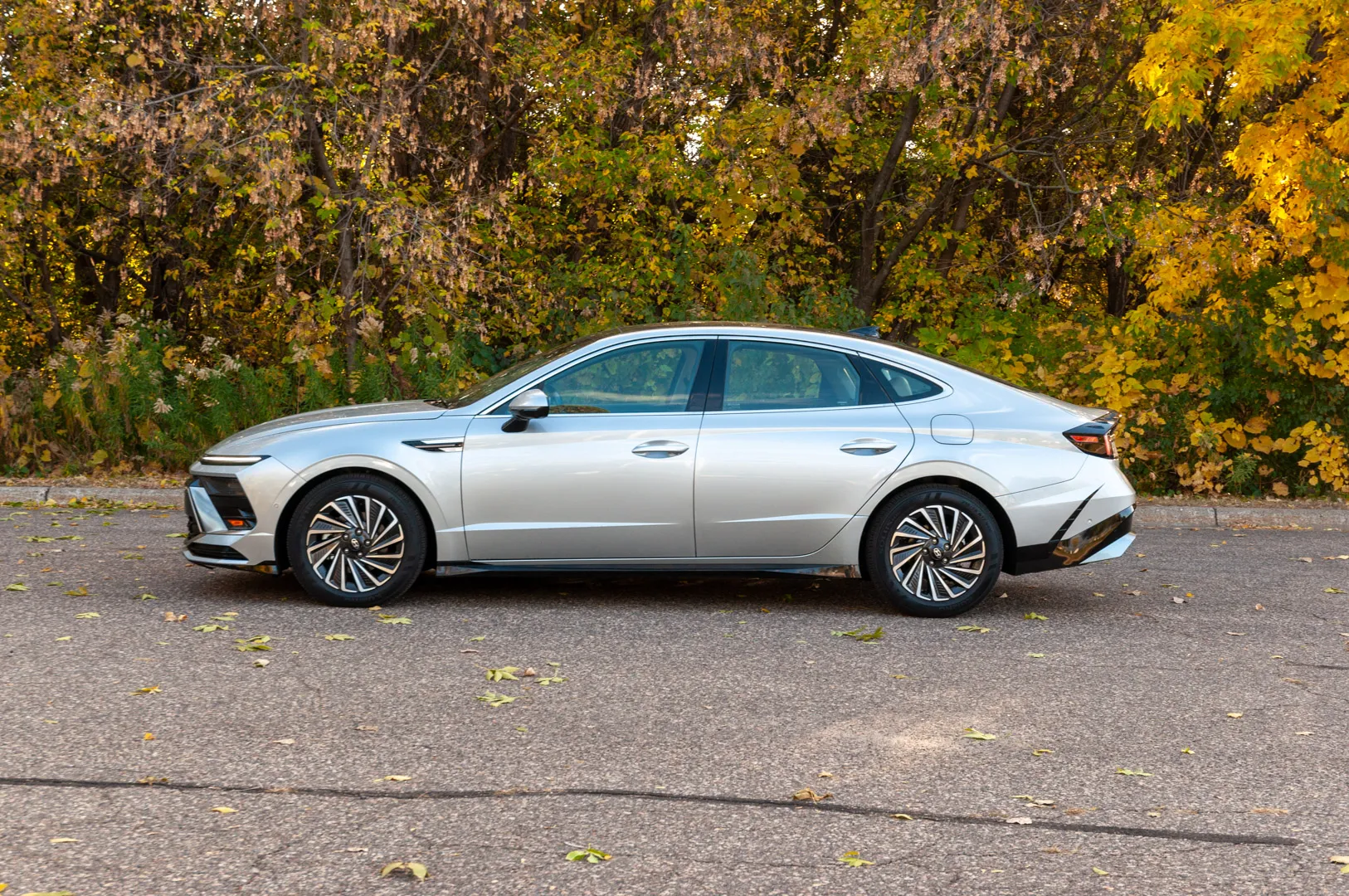
2. Hyundai Sonata
The Hyundai Sonata is another sedan that deserves attention from drivers with long legs. iSeeCars lists 46.1 inches of front legroom for the Sonata, matching the K5 and giving taller drivers considerable space to extend their legs.
Its 40 inches of front headroom also help create a comfortable driving environment for taller occupants.
A generous legroom figure becomes particularly valuable when combined with an adjustable driver’s seat. Long-legged drivers often need to move the seat farther rearward than average, but they still need to maintain a comfortable relationship with the pedals and steering wheel.
The Sonata’s roomy front compartment provides useful flexibility when establishing that position.
The Sonata is also a practical option for people who spend significant time commuting. A comfortable driving position can reduce the need to constantly adjust your legs or shift your hips during longer trips. When the seat supports the thighs properly, the driver can maintain a more stable position instead of placing excessive pressure on the lower back.
Its sedan shape also provides a useful balance between exterior size and interior room.
Drivers who do not need the additional height or cargo capacity of an SUV can gain considerable legroom without choosing a particularly large vehicle. This makes the Sonata worth considering for tall drivers who want comfort without moving into a full-size vehicle.
The Sonata can reportedly accommodate drivers up to around 6 feet 10 inches based on iSeeCars’ methodology, though that figure should be treated as an estimate rather than a guarantee. Individual proportions, preferred seat position, footwear, and steering wheel adjustment can all change the real-world experience.
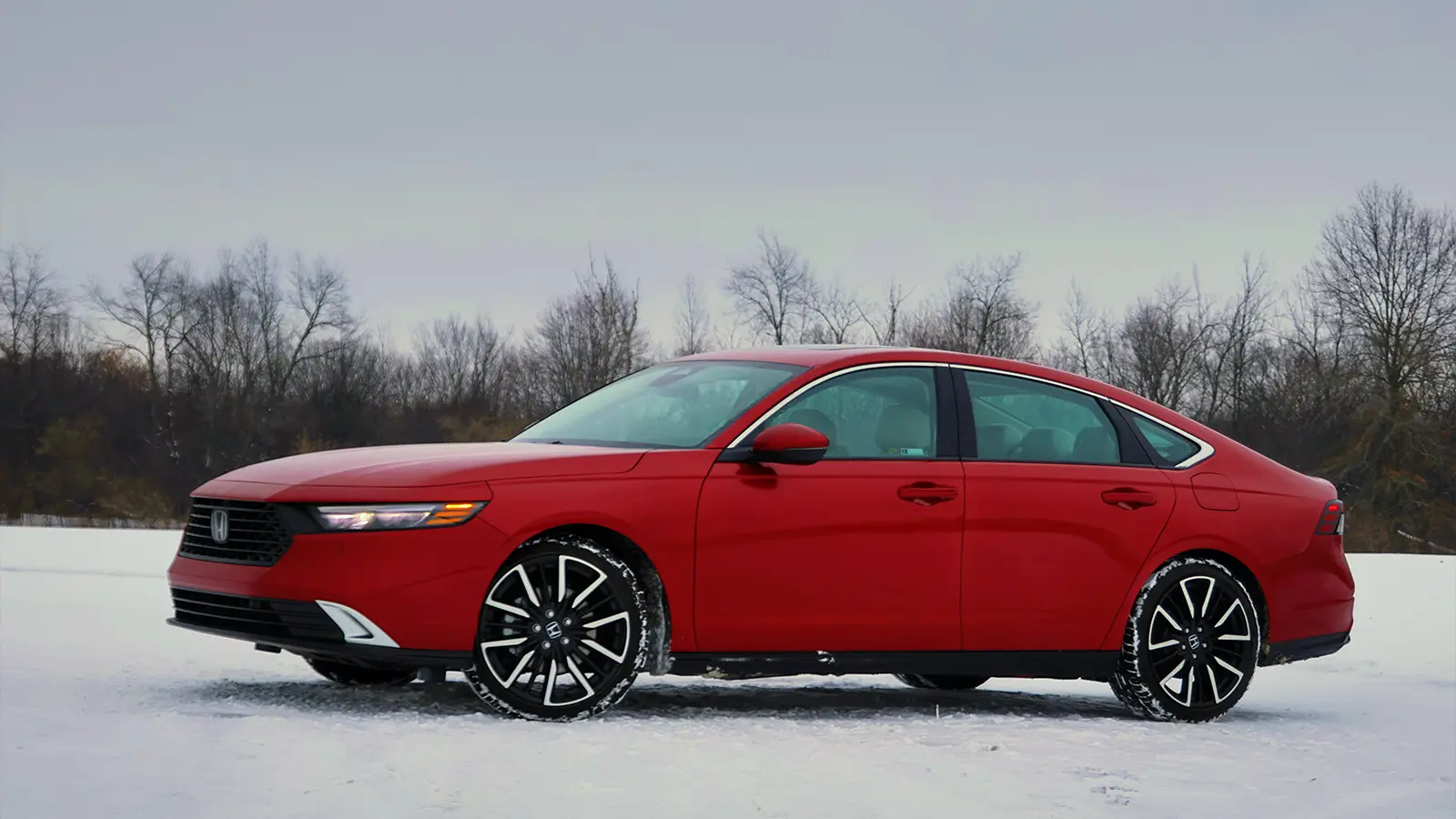
3. Honda Accord
The Honda Accord has long been a practical choice for drivers who want a spacious midsize sedan. The 2026 Accord provides 42.3 inches of front legroom, along with 39.5 inches of front headroom in its specified configuration.
Honda also describes its front seats as body-stabilizing seats designed to provide additional lumbar and pelvis support.
The seat design is important because tall drivers do not simply need empty space. They need a seat that supports their body while allowing their legs to extend naturally toward the pedals.
The Accord’s combination of substantial front legroom and supportive seat construction makes it well suited to drivers who regularly spend hours commuting.
Another advantage is the Accord’s generous rear legroom. Honda lists 40.8 inches for the rear seats, while iSeeCars ranks the Accord first among midsize cars for rear legroom. A roomy second row can also indicate that the cabin has been designed with substantial passenger space in mind.
For a tall driver, the Accord can provide a useful balance between comfort, efficiency, practicality, and everyday drivability. It does not require the bulk of a full-size SUV to provide substantial interior room.
That can make it easier to park and maneuver while still giving long-legged occupants a comfortable seating position.
The Accord is particularly worth testing if you experience lower-back discomfort in smaller sedans. Its body-stabilizing front seats, available leather-trimmed seating on higher trims, and spacious cabin provide several elements that can contribute to long-distance comfort.
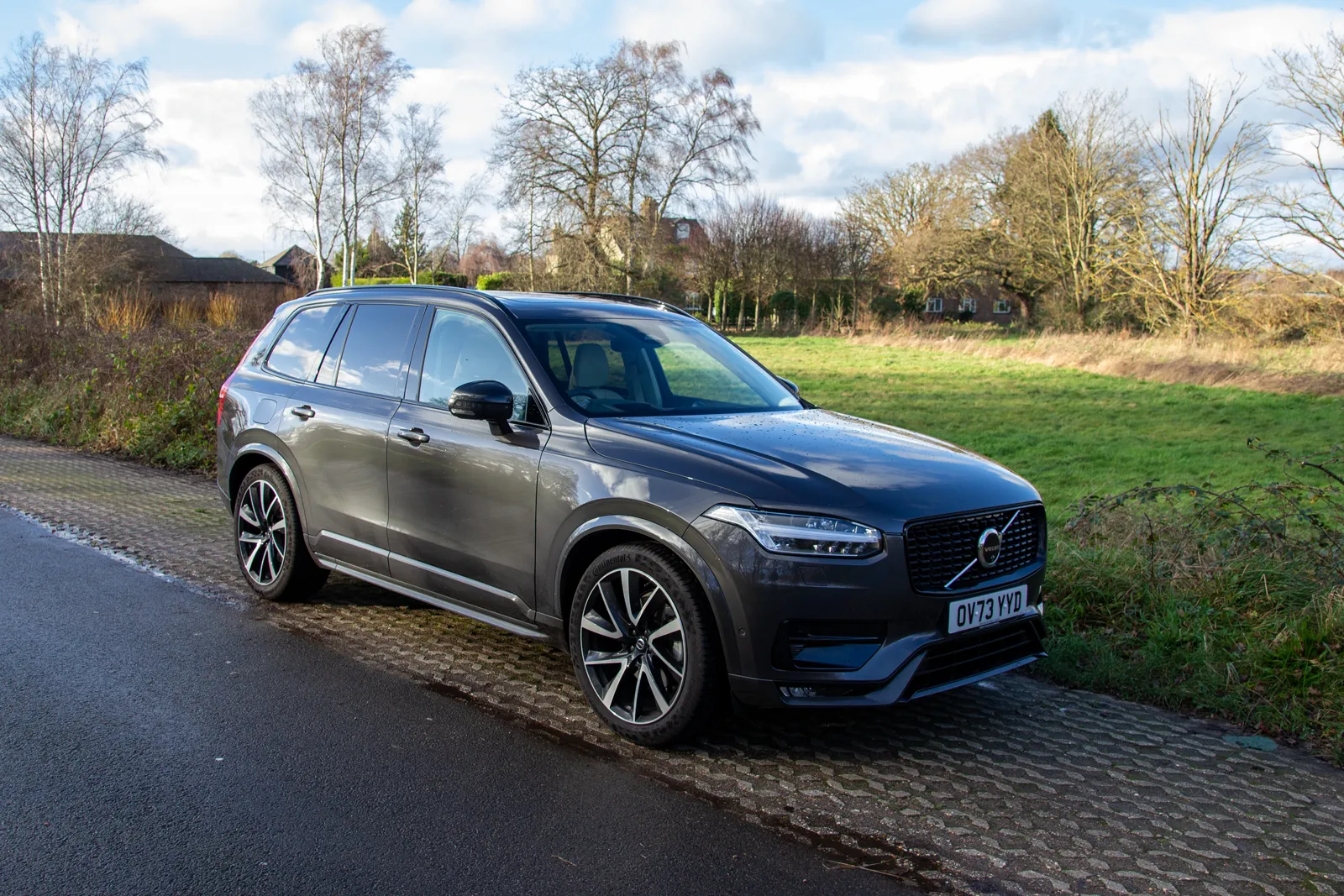
4. Volvo XC90
The Volvo XC90 takes a different approach by combining substantial interior space with highly adjustable front seats. Volvo specifically describes its front seats as ergonomic and says they are designed to reduce back and shoulder strain.
The company also offers cushion extensions that provide additional thigh support, which can be especially useful for people with long legs.
Thigh support is frequently overlooked when people compare vehicles for tall drivers. A seat cushion that ends too far behind the knees can leave the legs insufficiently supported.
That may cause a driver to place more pressure through the lower back or constantly change position. The XC90’s extendable cushion is designed to address that issue.
The 2026 XC90 specification lists 1,038 mm of front legroom, along with power four-way lumbar support and a power driver’s seat with memory.
Depending on specification, buyers can also access ventilated seats and massage functions. These features make the XC90 particularly attractive for people who regularly undertake long journeys.
The XC90’s SUV body also provides a more upright seating position than a traditional sedan. Some tall drivers prefer this arrangement because it can provide easier entry and exit while creating a more open feeling around the knees.
The elevated seating position can also make it easier to find a comfortable relationship between the seat, pedals, and steering wheel.
For long-distance comfort, the XC90 stands out because its strengths go beyond simple legroom. Adjustable lumbar support, cushion extension, seat memory, and available massage and ventilation give drivers more ways to personalize the seating position.
Volvo’s emphasis on ergonomic seating makes the XC90 particularly compelling for long-legged drivers who prioritize comfort.
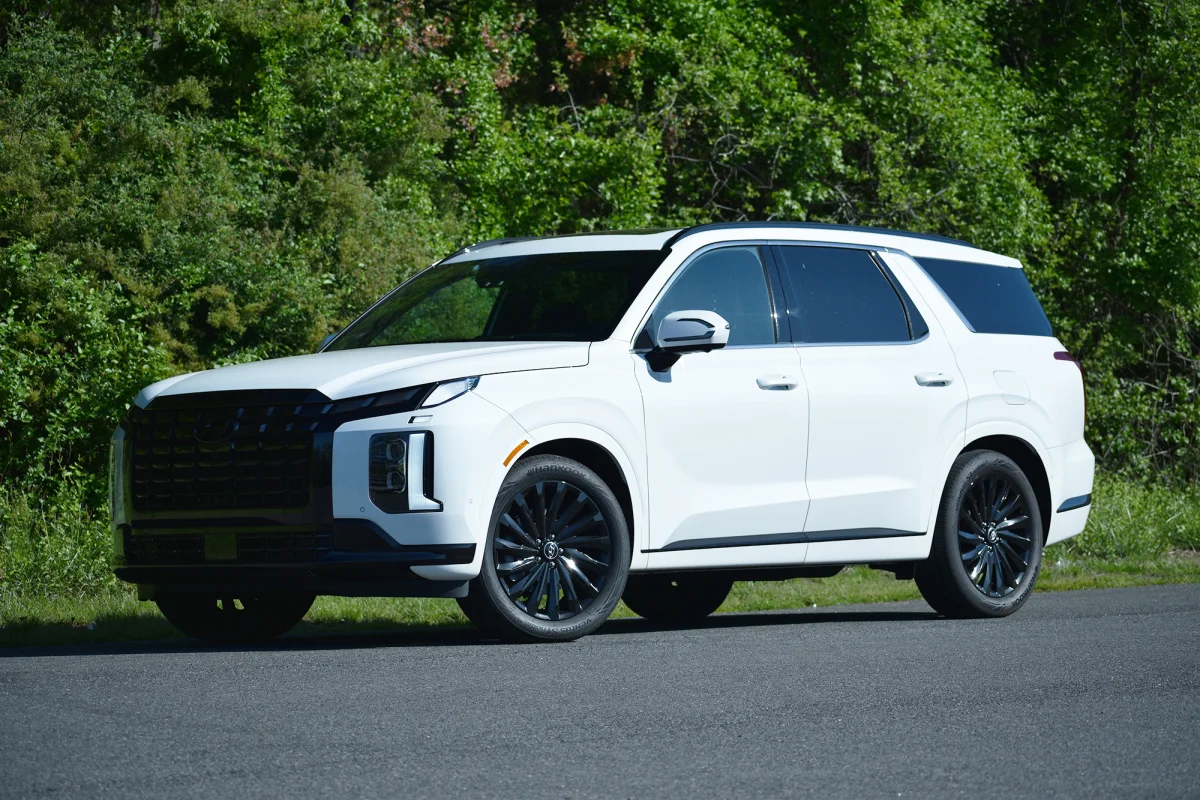
5. Hyundai Palisade
The Hyundai Palisade is another SUV that offers substantial room for tall drivers. Edmunds lists 44.2 inches of front legroom for the Palisade, describing it as having more front legroom than many larger vehicles. Its spacious cabin gives long-legged drivers plenty of room to move the seat rearward without immediately making the front area feel cramped.
The Palisade’s larger dimensions also help create a relaxed passenger environment. Tall drivers frequently need more than extra distance between the seat and pedals.
They may also need additional space around their knees, thighs, shoulders, and head. A three-row SUV such as the Palisade provides a cabin layout that is designed around carrying several passengers comfortably.
Highway comfort is another important consideration. Edmunds highlights the Palisade’s comfortable highway ride and spacious passenger compartment.
A supportive seat works best when combined with a vehicle that does not constantly transmit harsh impacts through the cabin. The suspension, seating position, and interior space therefore work together during extended journeys.
The Palisade is also useful for families where the driver is tall, but rear passengers need space too. Moving the driver’s seat rearward can reduce the room available behind it in smaller vehicles. The Palisade’s larger cabin helps reduce that compromise, making it practical when several adults regularly travel together.
For long-legged drivers who want SUV practicality without moving straight to a full-size model, the Palisade is a strong candidate. Its combination of front legroom, comfortable highway behavior, passenger space, and elevated seating makes it particularly suitable for long-distance family travel.
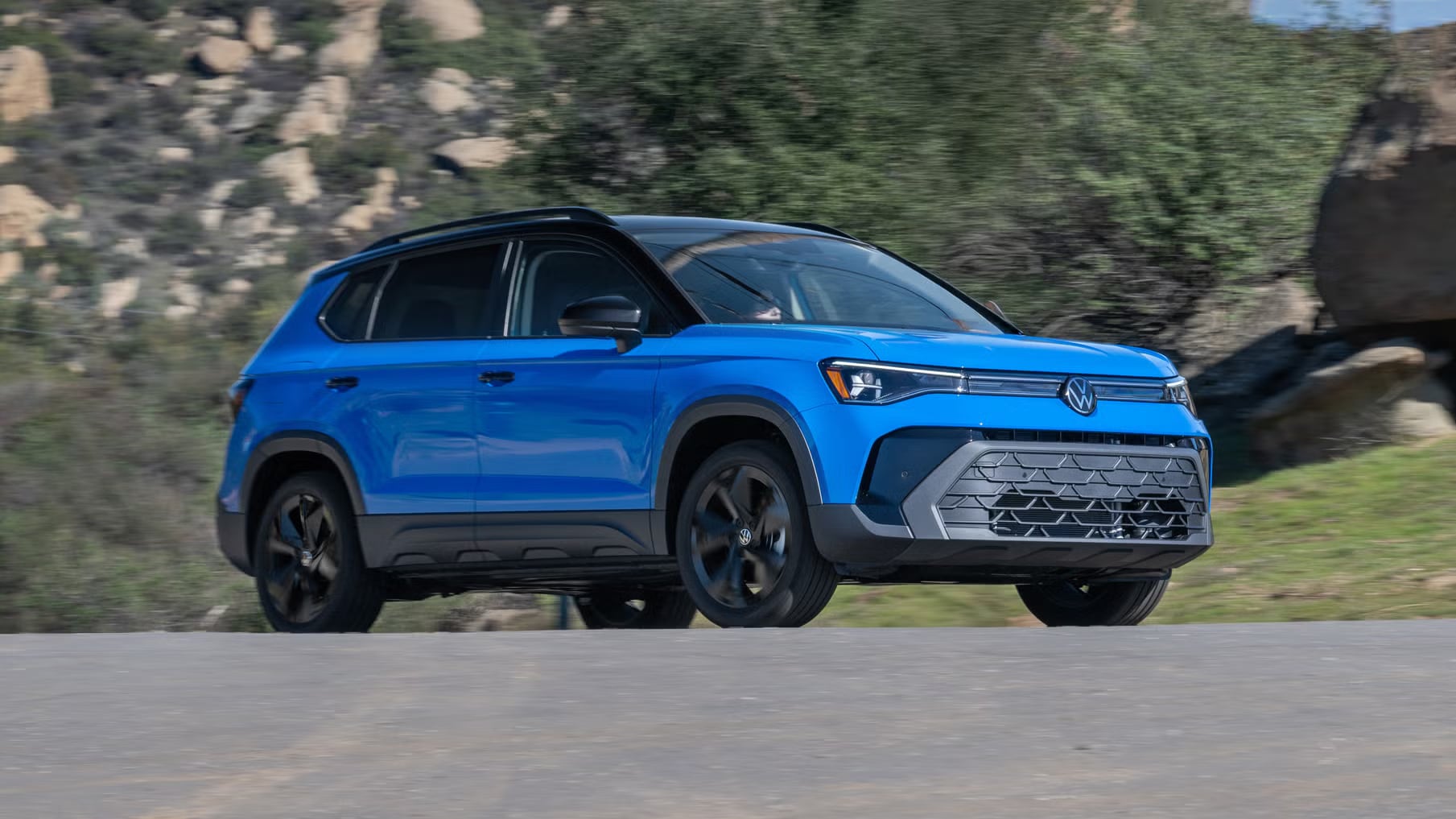
6. Volkswagen Taos
The Volkswagen Taos demonstrates that tall-driver comfort does not always require a large SUV. Edmunds lists 40.1 inches of front legroom and 40.7 inches of front headroom for the Taos. Those figures are important considering its smaller exterior footprint, making it an appealing choice for drivers who need space but prefer a compact vehicle.
The driving position is particularly important in a smaller SUV. Tall drivers can sometimes feel as though the dashboard, steering wheel, and pedals are positioned too close together.
The Taos provides enough front space to give taller occupants greater freedom when adjusting the driver’s seat, which can make everyday driving more relaxed.
Its compact dimensions can also be useful for people who spend time in urban areas. A larger SUV may provide impressive interior room, but it can be harder to maneuver through narrow streets and parking spaces. The Taos provides a middle ground by offering a relatively compact footprint while retaining useful space for taller occupants.
The cabin also provides enough room for rear passengers, which is useful when the driver needs to slide the seat farther backward. Edmunds specifically notes that the roominess extends to the rear seating area as well. That makes the Taos more versatile than its exterior dimensions might initially suggest.
For tall drivers who want an affordable compact SUV, the Taos deserves a place on the test-drive list. It may not provide the same level of seat adjustment or luxury features as a premium SUV, but its combination of front legroom, headroom, manageable size, and useful rear space makes it a practical choice.
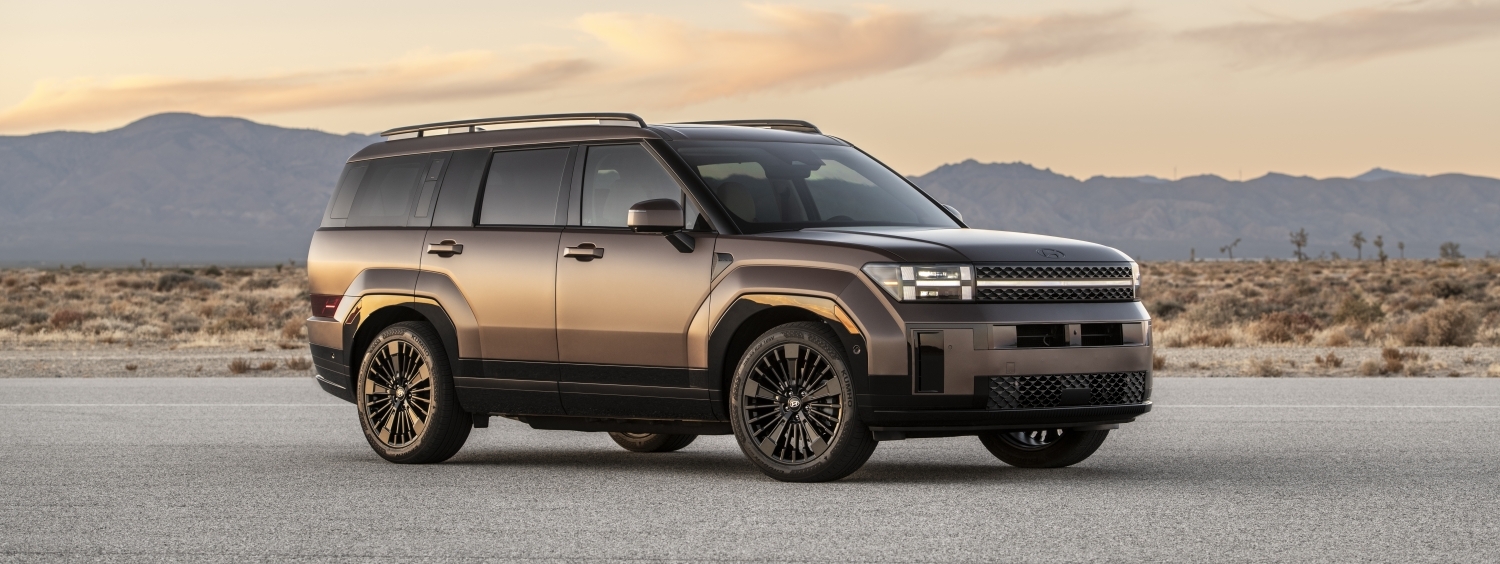
7. Hyundai Santa Fe
The Hyundai Santa Fe is a strong option for long-legged drivers who want a larger SUV without moving into a full-size vehicle.
Its relatively upright cabin design provides a comfortable amount of space around the driver, while its larger dimensions allow the seat to be positioned farther back without making the interior feel excessively restricted.
A good seating position begins with enough adjustment range. Tall drivers generally need to move the seat rearward, lower or raise the cushion depending on their proportions, and adjust the steering wheel so their arms remain comfortably bent.
A spacious SUV such as the Santa Fe provides the physical room needed to make those adjustments.
The Santa Fe is also a practical choice for long trips because it combines driver space with useful passenger capacity.
A tall driver can maintain a comfortable position while carrying family members or friends. This is particularly valuable for road trips where everyone needs enough room to remain comfortable for several hours.
The broader SUV cabin also provides a more upright seating arrangement than many sedans. For some drivers with long legs, that can create a natural angle between the thighs and lower legs. The exact effect depends on seat height and individual body proportions, so a proper test drive remains essential.
Tall drivers considering the Santa Fe should pay close attention to cushion length, lumbar positioning, steering wheel reach, and pedal placement rather than focusing only on the published legroom number.
A comfortable seat should support the thighs without pressing behind the knees and should allow the driver’s back to remain properly supported.
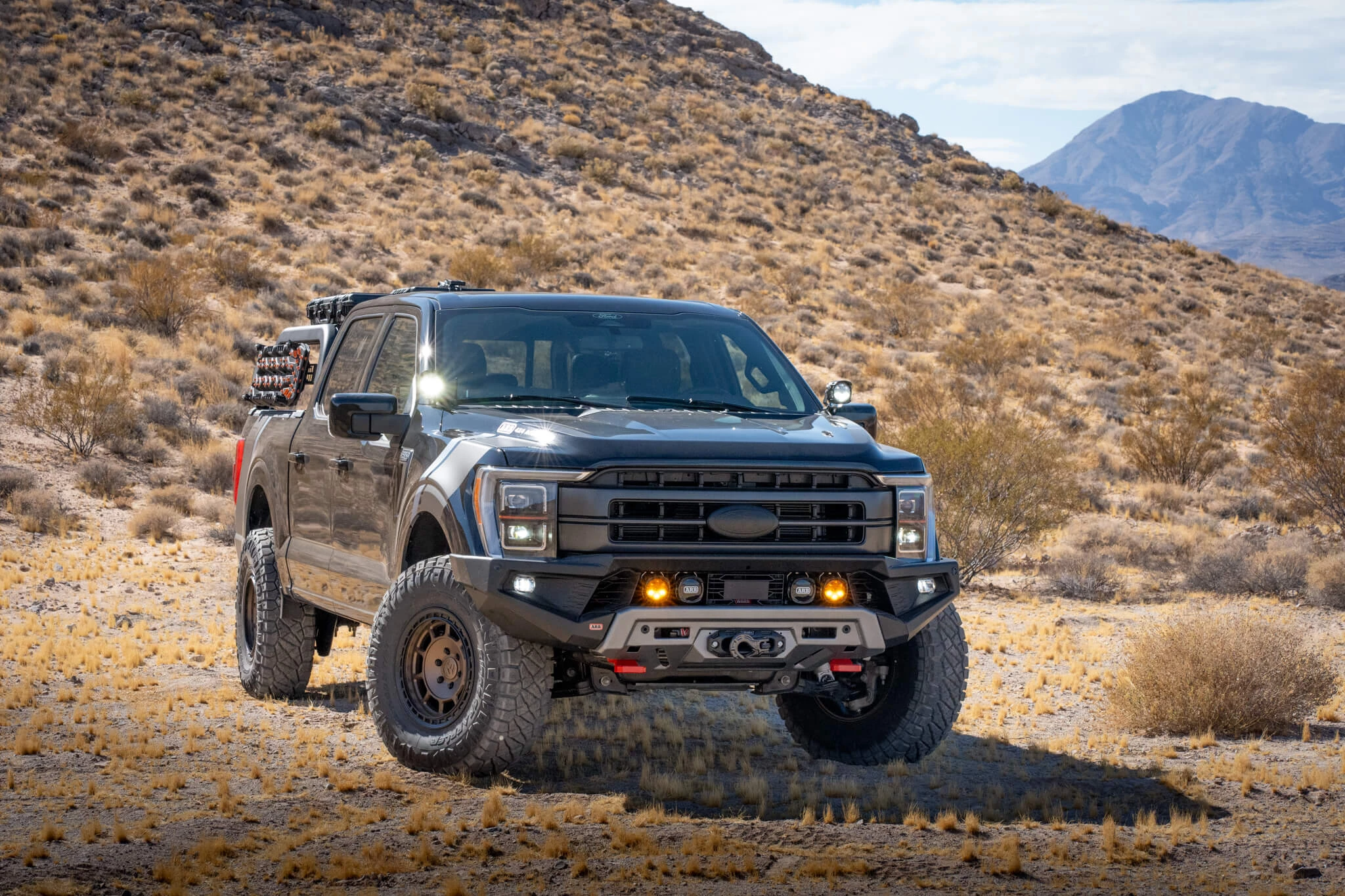
8. Ford F-150
The Ford F-150 is a particularly interesting choice for tall drivers because full-size pickups generally provide extensive cabin space. iSeeCars’ 2026 data places the F-150 at the top of its hybrid full-size truck category for rear legroom, with 43.6 inches. The spacious cabin also provides considerable room for drivers who need a long seat-to-pedal distance.
The pickup’s larger proportions create advantages for long-legged drivers. There is more physical space between the seat, dashboard, and steering wheel, which gives drivers greater freedom to establish their preferred position.
This can be especially helpful for people who feel restricted in compact cars and smaller crossovers.
Full-size trucks also tend to offer seating positions that provide plenty of space around the driver’s knees and thighs. For a person with a long inseam, that open environment can be more comfortable than a smaller cabin where the steering column and center console may feel close to the legs.
The F-150 is also practical for people who need towing, cargo capacity, or work capability in addition to a comfortable driver’s seat. Its large cabin means that choosing it for tall-driver comfort does not require giving up everyday utility. The truck can serve as transportation, a work vehicle, and a long-distance travel machine.
However, size should be considered carefully. A full-size pickup is wider and longer than a typical sedan or compact SUV, which can make parking and maneuvering more demanding. For tall drivers who are comfortable with a large vehicle, though, the F-150 offers the kind of cabin space that smaller cars simply cannot match.
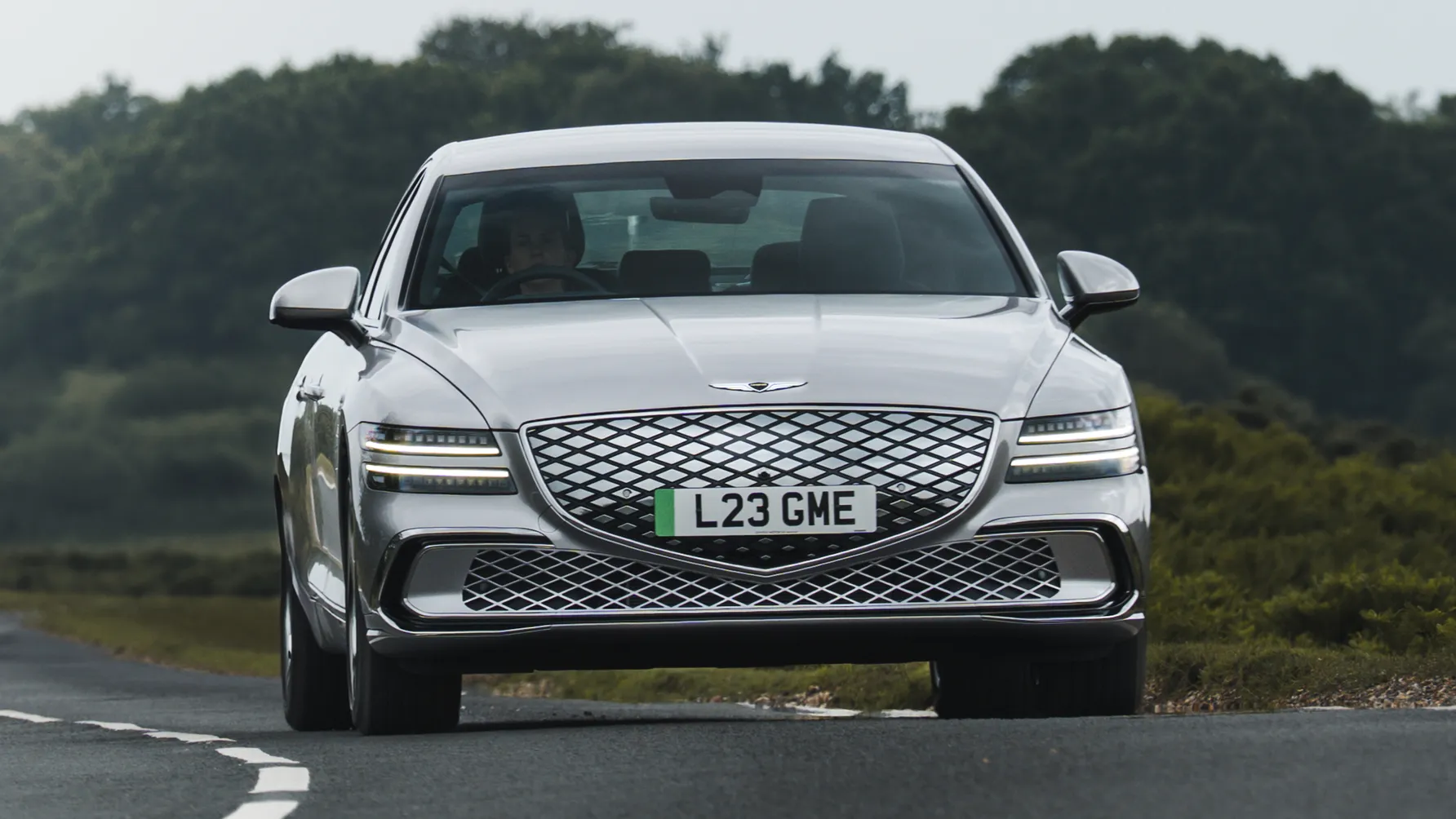
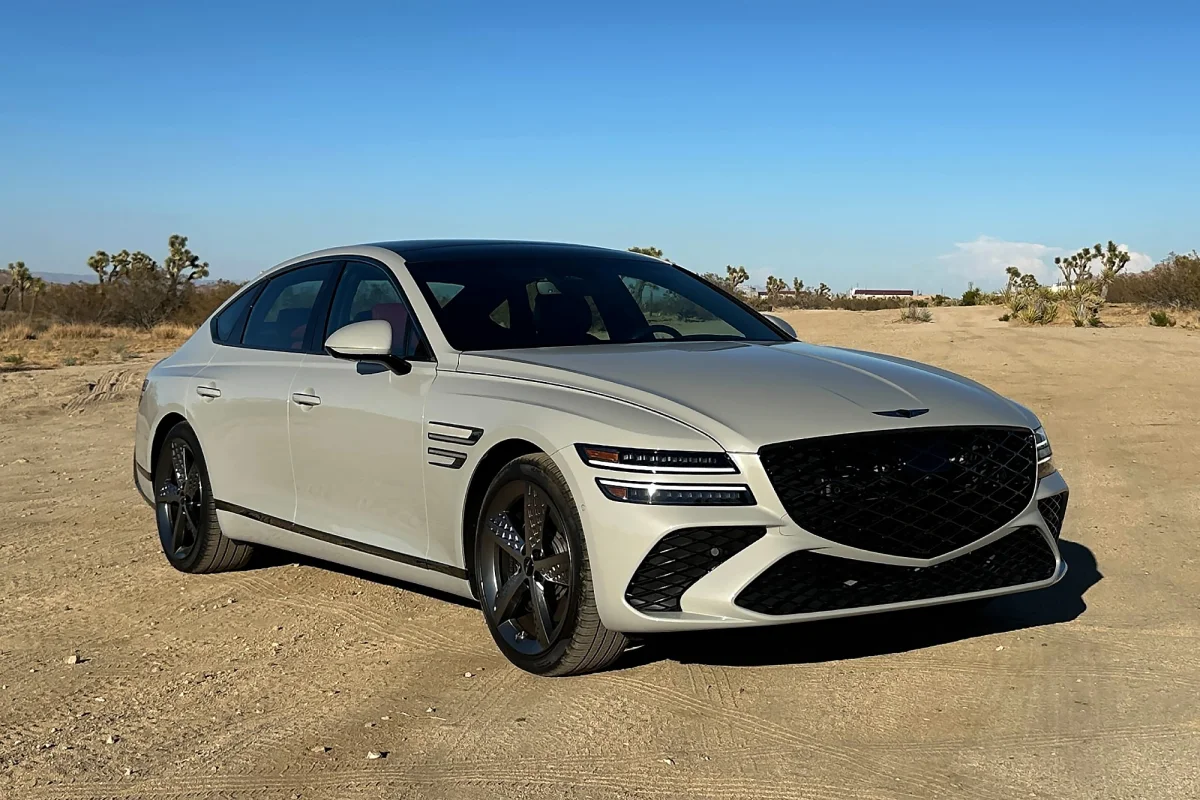
9. Genesis G80
The Genesis G80 is worth considering for tall drivers who want a more premium sedan experience. iSeeCars places the G80 at the top of its comfortable luxury midsize sedan category, based on a combination of interior dimensions and comfort-related characteristics.
The model provides a spacious cabin designed to accommodate occupants who want more room than a compact luxury sedan typically provides.
A luxury sedan can offer a different kind of comfort from a mainstream model. Instead of concentrating only on maximum legroom, premium vehicles often place greater emphasis on seat cushioning, adjustment range, lumbar support, materials, and the driving environment. These details can become increasingly important during journeys lasting several hours.
The G80’s larger cabin gives tall drivers more flexibility when positioning the driver’s seat. This matters because the ideal seating position is not necessarily the one that provides the maximum possible legroom.
A driver should still be able to reach the steering wheel naturally and maintain proper pedal control without stretching.
Another advantage of a premium sedan is the quieter cabin environment. Road and wind noise can contribute to fatigue during extended driving, so a calm interior can complement a supportive seat. The G80 is therefore suited to drivers who want their seating comfort to be part of a broader luxury driving experience.
For long-legged drivers considering a luxury sedan, the G80 deserves attention alongside larger European competitors.
It offers a combination of spaciousness and premium cabin design without requiring the size of a full-size SUV. A test drive should focus on thigh support, lumbar placement, steering adjustment, and whether the seat remains comfortable after an extended period.
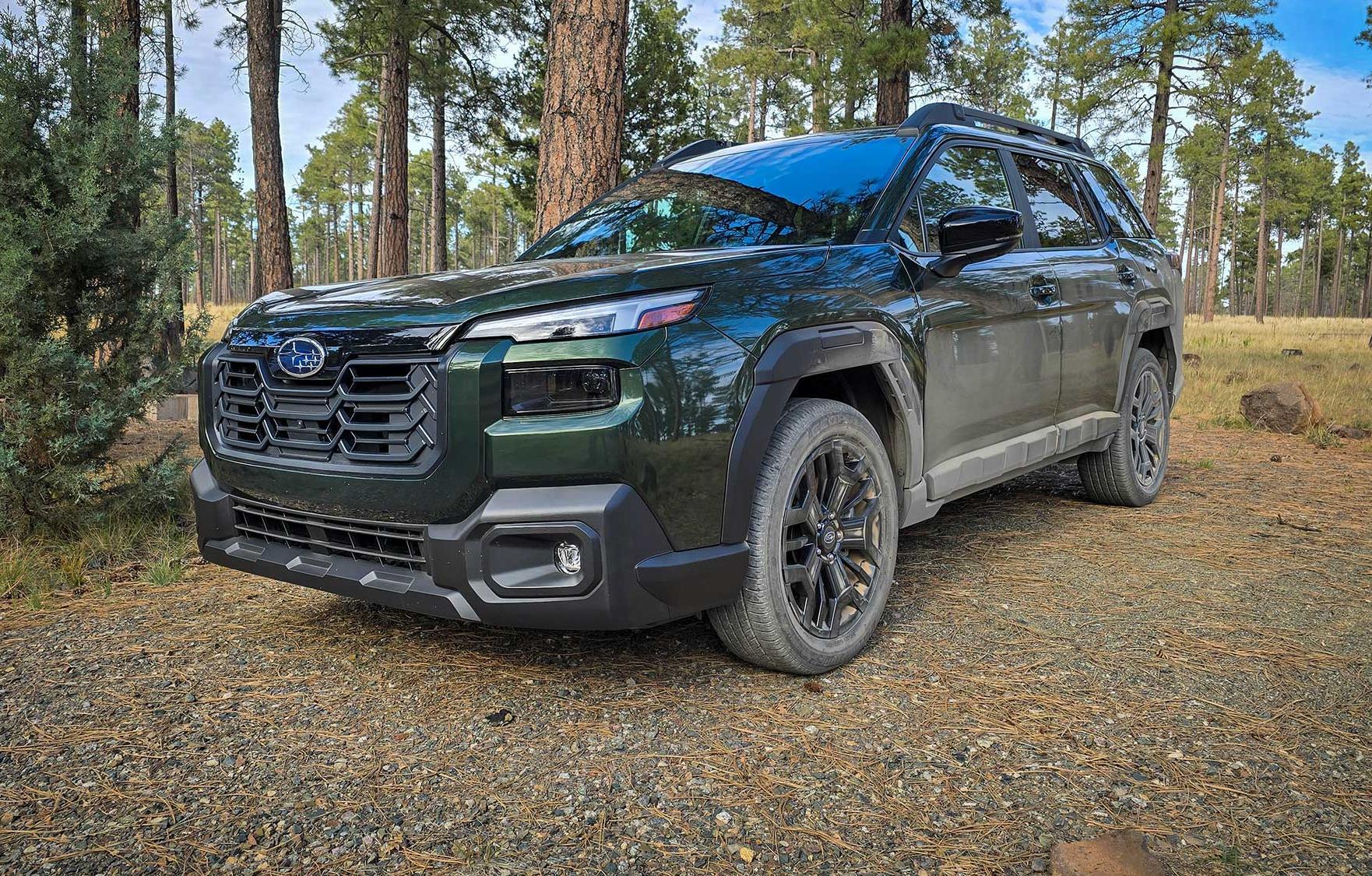
10. Subaru Outback
The Subaru Outback has traditionally appealed to buyers who want the practicality of an SUV with the driving characteristics and footprint of a wagon. Its relatively tall roof and spacious passenger compartment can be helpful for taller drivers, particularly those who prefer a more upright seating position.
For long-legged occupants, the Outback’s cabin provides useful flexibility.
Drivers can adjust the seat to create additional distance from the pedals while using the steering wheel adjustment to maintain a comfortable arm position. This is important because excessive seat travel without corresponding steering adjustment can cause poor posture.
The Outback also makes sense for drivers who regularly combine commuting with road trips. Its practical cabin, generous cargo area, and comfortable seating arrangement make it suitable for extended journeys where a compact sedan may feel restrictive.
The elevated seating position can also make getting in and out easier for some taller occupants.
Seat comfort should still be assessed personally because body proportions vary considerably. A driver with long legs but a shorter torso may require a different combination of seat height and steering wheel position from someone who has a long torso and shorter legs. No published measurement can completely replace a personal fitting.
The Outback is therefore a useful choice for drivers who want space, practicality, and a relaxed seating position without the bulk of a full-size SUV. It belongs on the shortlist for tall buyers who spend significant time driving and want a vehicle that can handle both daily transportation and longer road journeys.
