
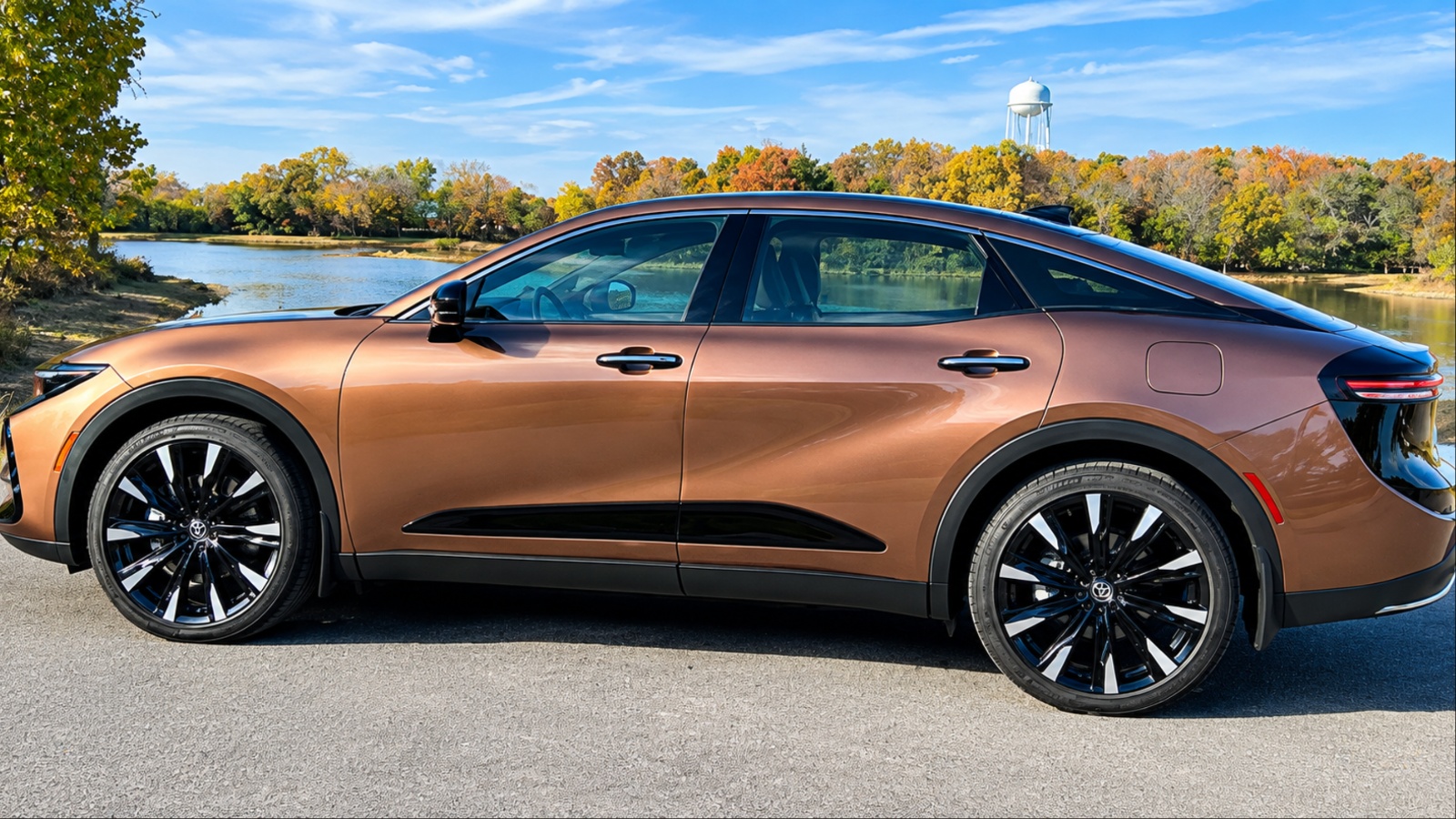
Finding a car with a supportive headrest can make a major difference for drivers who experience neck discomfort during daily travel. A poorly positioned headrest may leave your head pushed forward or unsupported, making long journeys feel tiring.
The best cars for neck pain combine adjustable headrests with supportive seats, useful lumbar adjustment, a comfortable driving position, and a well-designed cabin. This guide covers eight cars known for offering strong seating comfort and useful headrest adjustment.
It also explains what to look for before buying, so you can choose a vehicle that keeps your head, neck, shoulders, and back in a more natural position.
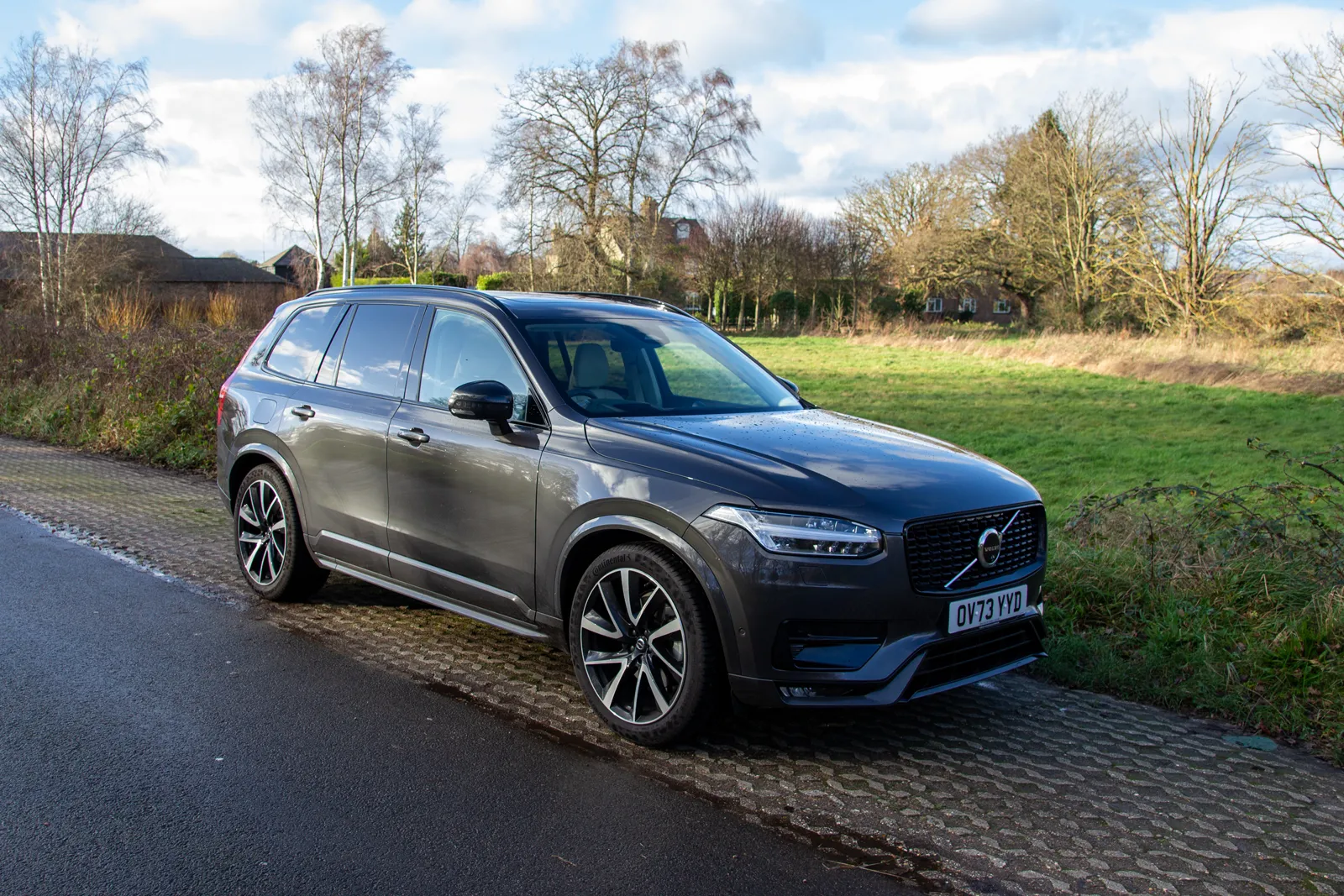
1. Volvo XC90
The Volvo XC90 is a strong choice for drivers who place a high value on seating comfort and head support. Its front seats are designed around long-distance comfort, with extensive adjustment available on higher trims.
Depending on the version and equipment, the front headrest can be adjusted vertically and forward or backward, giving drivers more control over where the headrest meets the back of the head.
A useful headrest should not force your head into an unnatural position. The XC90 gives drivers the opportunity to adjust the headrest according to their height and preferred seating position.
This matters because people with different body proportions can require very different headrest settings. A driver with a long torso, for example, may need a different position from someone with a shorter torso.
The seat itself also contributes to the experience. The XC90 offers extensive seat adjustment, including lumbar support and thigh support on suitably equipped versions.
When the seat, backrest, lumbar area, and headrest are adjusted together, the driver can create a more balanced posture instead of relying on the headrest to compensate for an uncomfortable seating position.
Rear passengers also receive adjustable headrests, while the second row provides height adjustment for head support. Volvo’s guidance emphasizes positioning the restraint so it covers the back of the head when occupied.
That is important for both comfort and occupant protection, meaning headrest adjustment should never be treated purely as a comfort feature.
For people who frequently drive long distances, the Volvo XC90 deserves serious consideration. It combines a supportive seating design with a wide range of adjustment options. Buyers should still spend time sitting in the driver’s seat before purchasing because neck comfort depends heavily on individual body shape and the relationship between the headrest, seatback, steering wheel, and pedals.
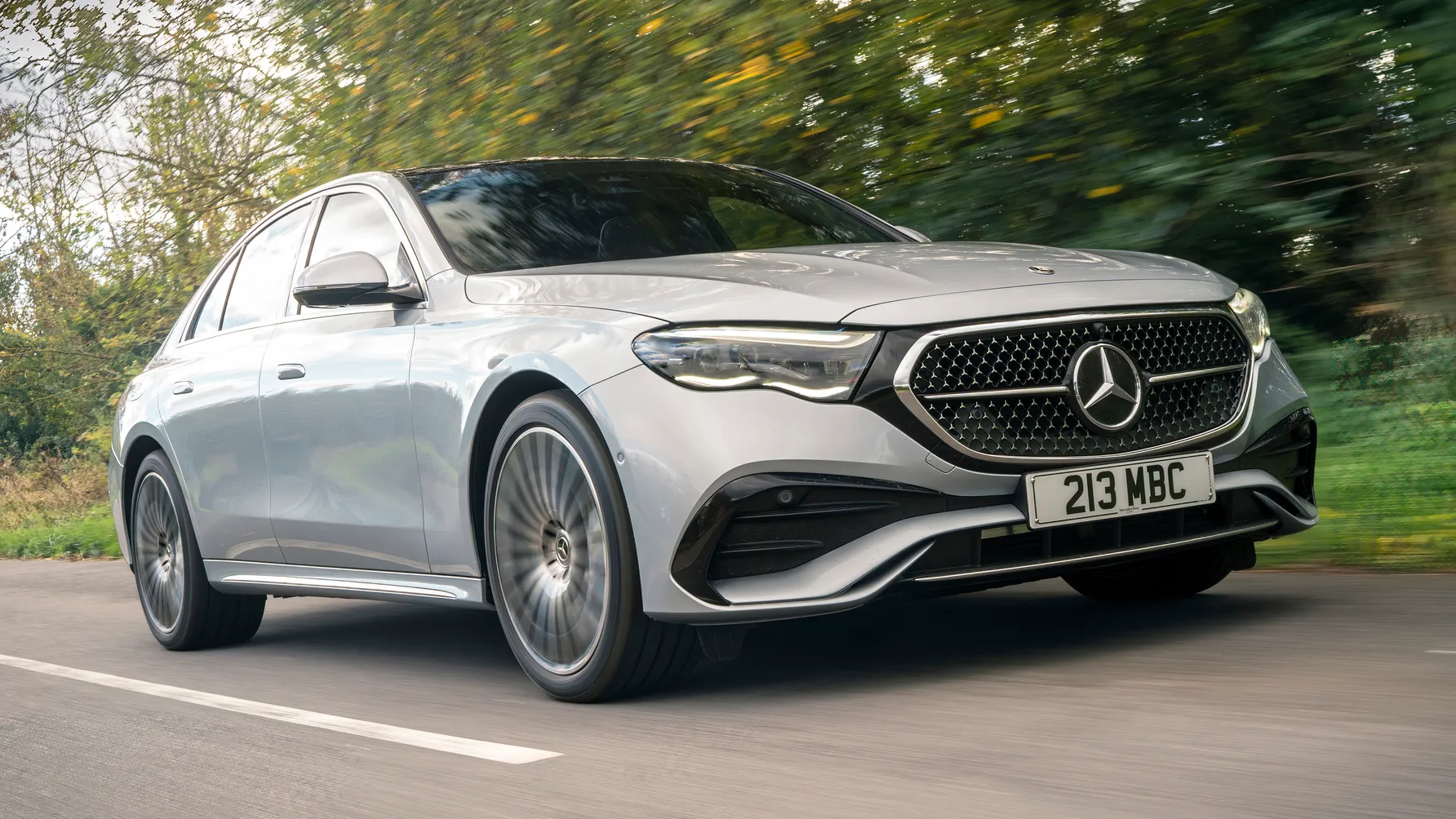
2. Mercedes-Benz E-Class
The Mercedes-Benz E-Class has traditionally placed considerable emphasis on seat comfort, making it an appealing option for drivers who spend many hours behind the wheel.
Depending on the model year and trim, its front seats can provide extensive electrical adjustment. Certain versions also provide headrest height and forward or backward adjustment, which can help create a more personalized driving position.
The ability to move the headrest forward is particularly useful for some drivers. A fixed headrest can sometimes sit too far behind the head, especially when the driver’s body shape or seatback angle creates a large gap. Forward adjustment allows the restraint to sit closer to the head without requiring the driver to sit unnaturally upright.
Seat adjustment also plays a major role in neck comfort. The E-Class can provide adjustment for the seat base, backrest, lumbar area, height, and other seating elements depending on configuration. Properly combining these controls can reduce the tendency to lean forward while driving, which may help reduce muscular fatigue during longer journeys.
Rear-seat passengers can also benefit from adjustable headrests. Some versions provide additional rear-seat adjustment, giving passengers greater flexibility when settling into the cabin.
A passenger who spends several hours in the rear seat can benefit from being able to position the head restraint at an appropriate height rather than simply accepting its factory setting.
The E-Class is particularly worth considering if you want a luxury sedan with a strong focus on seating ergonomics. Before buying, test the car for at least several minutes in your normal driving posture.
Move the seat into your preferred position, adjust the steering wheel, and then position the headrest so it supports your head without pushing it forward.
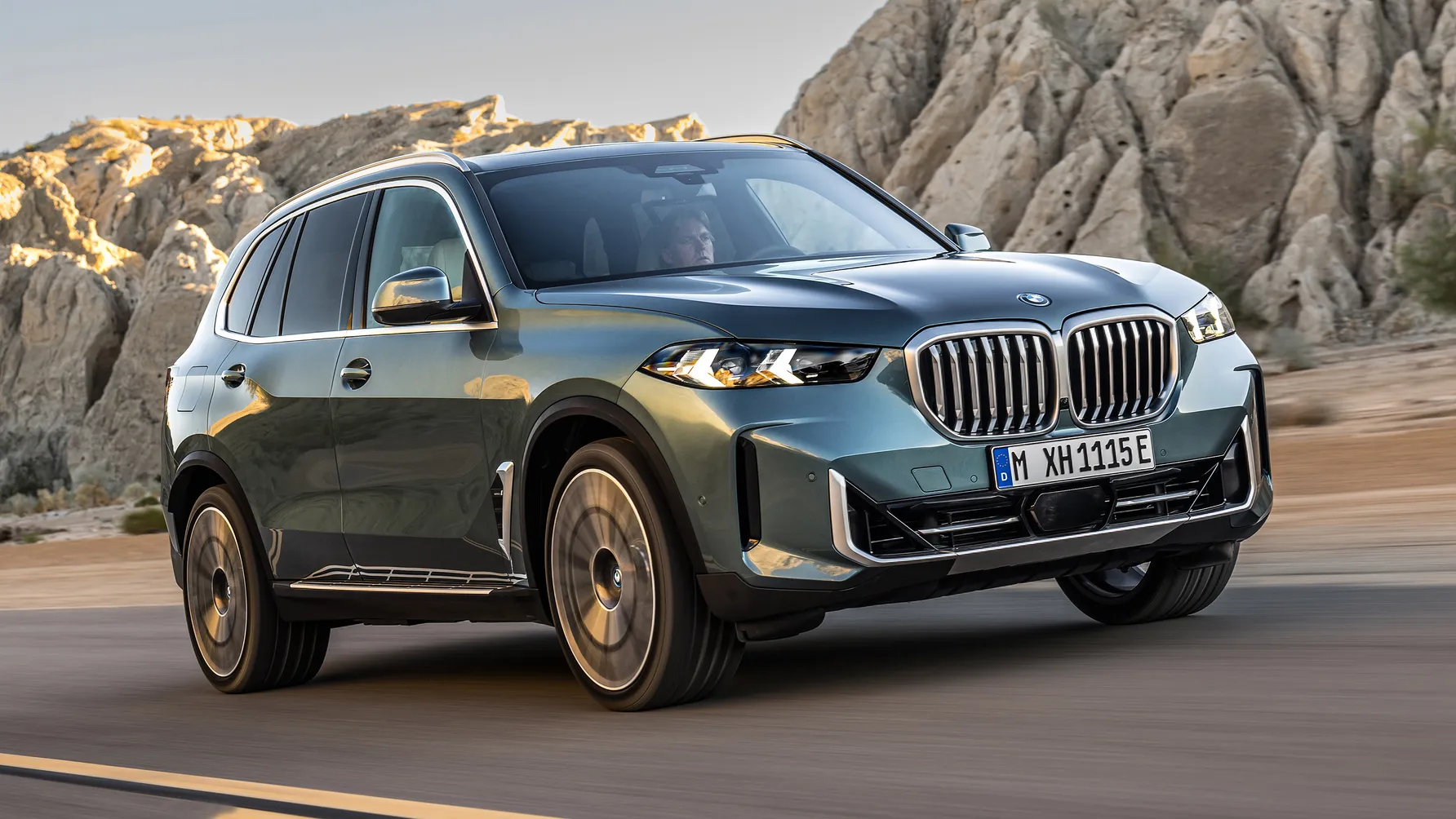
3. BMW X5
The BMW X5 combines a relatively upright SUV driving position with highly adjustable front seats on well-equipped versions. Its seating configuration can include numerous electrical adjustments, while the headrest can provide vertical and forward or backward positioning depending on the specification.
This flexibility makes the X5 a useful option for drivers who struggle to find a comfortable position in less adjustable vehicles.
For neck comfort, adjustability is valuable because there is no single ideal position that works for every driver. The headrest needs to sit at an appropriate height while remaining close enough to provide support.
BMW’s available seat controls allow drivers to fine-tune their relationship with the seatback and steering wheel, helping create a more relaxed driving posture.
The X5 also provides useful lumbar and seat-base adjustment on suitably equipped models. These controls can influence how naturally your pelvis and lower back sit against the seat. A stable lower-body position can make it easier to keep the shoulders relaxed rather than using the upper body to maintain balance during driving.
The SUV body style can also appeal to drivers who prefer a higher seating position. A higher seat does not automatically mean better neck support, but some drivers find the more upright posture easier to manage.
The important factor is whether your particular body shape works well with the seat and headrest combination.
If you are considering the BMW X5 because of neck discomfort, focus on the actual seating position rather than the number of adjustment controls. More controls can be useful, but they only help when they allow you to achieve a comfortable posture. Spend time adjusting every available setting before making a purchase decision.
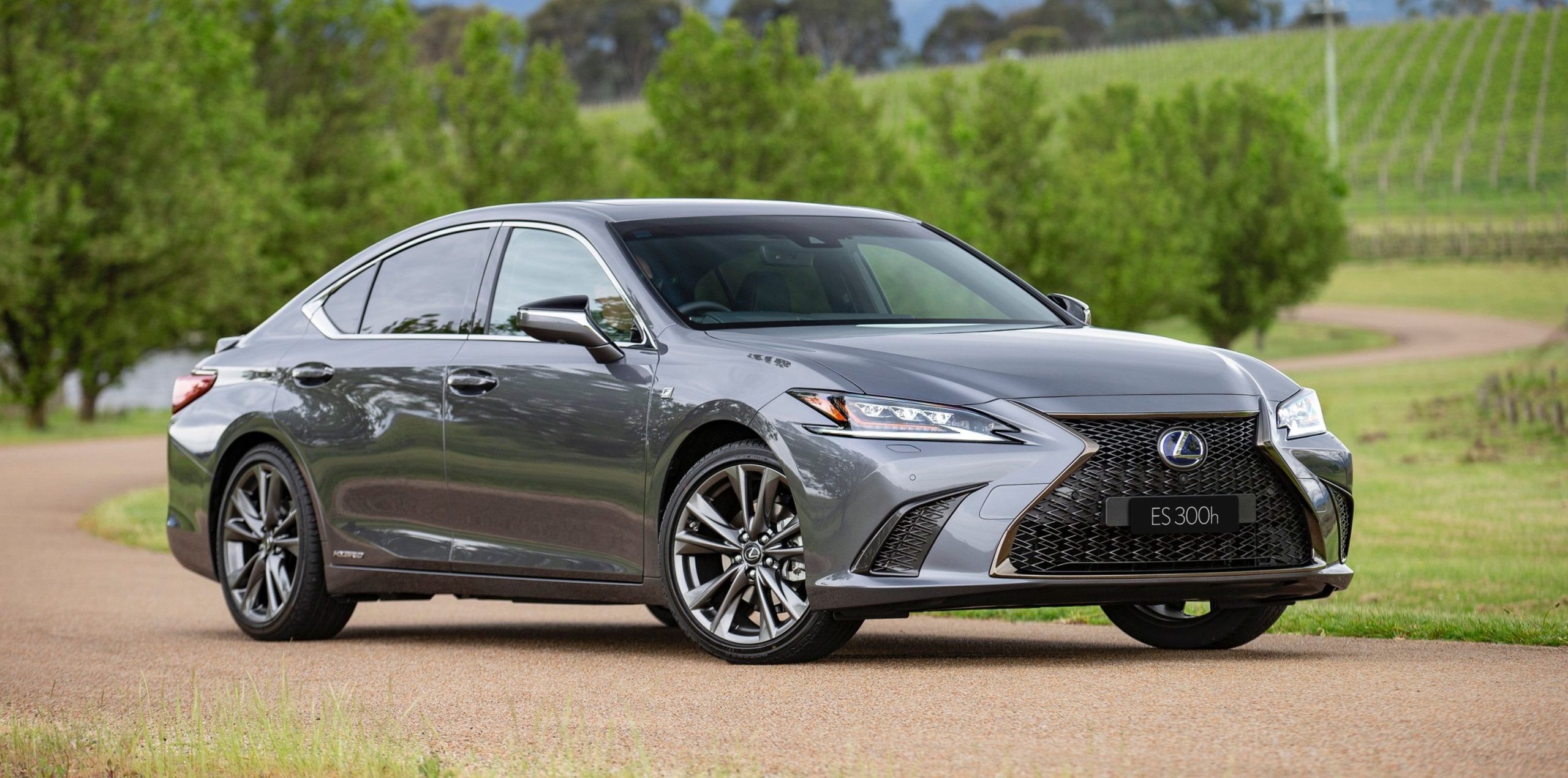
4. Lexus ES
The Lexus ES is another sedan worth considering for people who want a comfortable driving environment. Its seats are designed with relaxed cruising in mind, and suitably equipped versions offer multiple adjustment functions.
The combination of seat positioning, lumbar support, and headrest adjustment can help drivers create a comfortable posture for commuting and highway travel.
The headrest is important because it should support the head without becoming a source of pressure. If it sits too high, it may fail to provide useful support.
If it sits too low, it may not provide the protection and positioning intended by the manufacturer. Drivers should adjust the headrest after setting the seat height and backrest.
The Lexus ES also benefits from a cabin designed for quiet, relaxed travel. Reduced cabin stress can make long drives feel less tiring, particularly when the driver can maintain a stable posture. A comfortable seat does not eliminate existing neck problems, but it can make it easier to maintain a neutral position while driving.
Rear passengers can also receive adjustable headrests, depending on the configuration. The rear seating area is suitable for people who frequently travel as passengers, and proper headrest positioning remains important in every seating position. Passengers should adjust the restraint before starting a longer journey rather than waiting until discomfort appears.
The Lexus ES is a sensible option for buyers searching for a comfortable sedan rather than a sporty driving experience. Its seating characteristics suit people who prioritize relaxed travel.
As with any vehicle, personal testing is essential because the ideal headrest position varies according to height, torso length, shoulder shape, and preferred seatback angle.
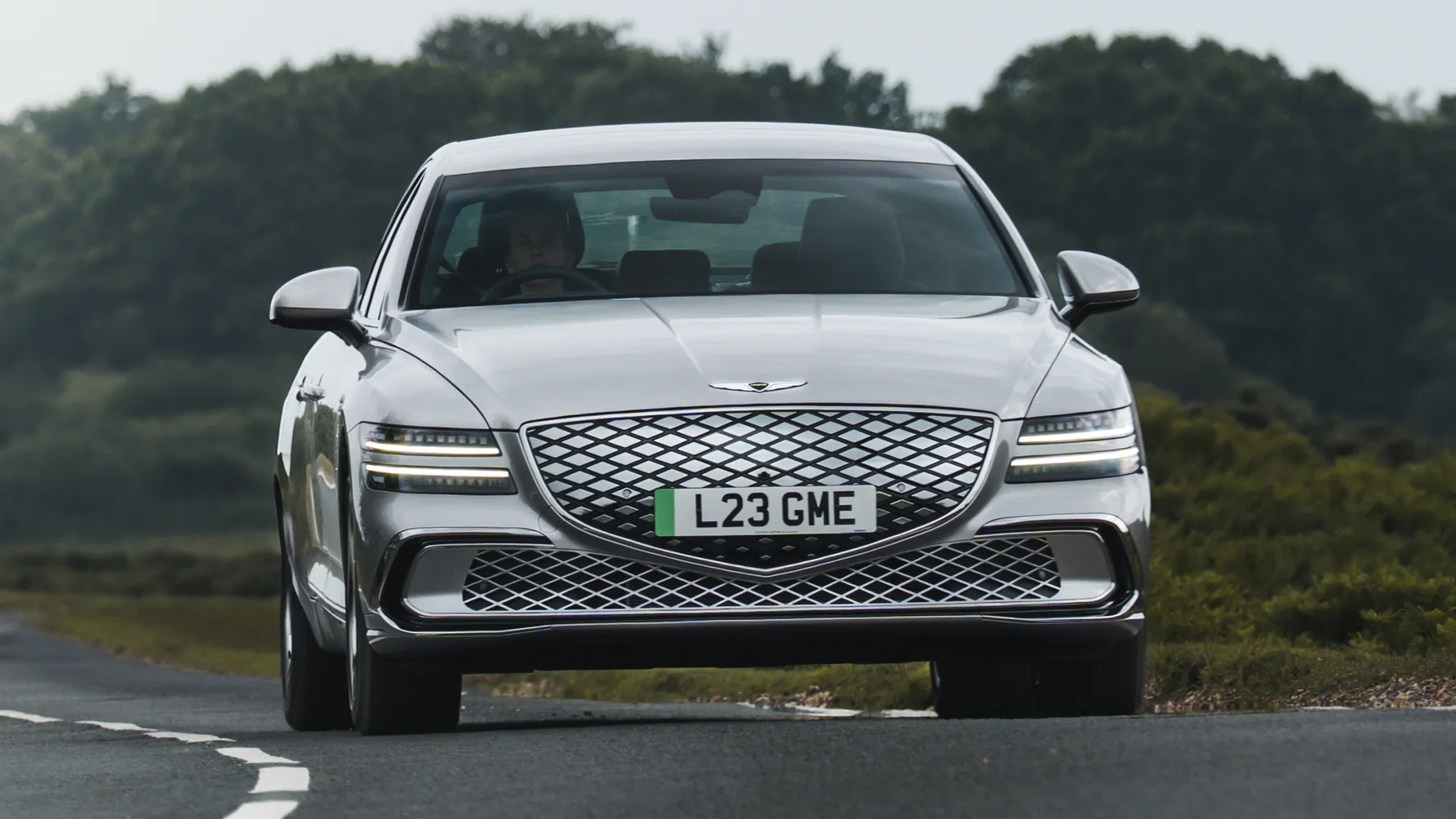
5. Genesis G80
The Genesis G80 offers a premium cabin with an emphasis on seating comfort and driver adjustment. Its appeal for people with neck discomfort comes from the combination of supportive seats, adjustable seating positions, and a cabin layout intended for relaxed long-distance travel.
Higher specifications can add more sophisticated seat functions that give drivers additional control over their position.
A good driving seat should support the body without making the driver feel restricted. The G80’s seating design allows the driver to establish a position where the shoulders can remain relaxed and the head can stay naturally aligned.
This can be helpful for commuters who spend a significant amount of time sitting in traffic or traveling on highways.
Headrest positioning should be handled after adjusting the seat. Start by setting the seat height, then position the backrest, adjust the steering wheel, and finally move the headrest. This sequence helps prevent the driver from changing the headrest repeatedly because of adjustments made elsewhere.
Another advantage of a premium sedan such as the G80 is the broad range of comfort equipment available in higher specifications.
Features such as seat ventilation, heating, lumbar adjustment, and memory settings can make it easier to maintain a preferred seating position during different journeys and weather conditions.
The Genesis G80 is worth considering if you want a spacious luxury sedan and place strong emphasis on seating comfort. Its headrest should still be tested personally because comfort is highly individual.
A feature list cannot tell you whether the cushion shape, headrest angle, and seatback contour will suit your neck and shoulders.
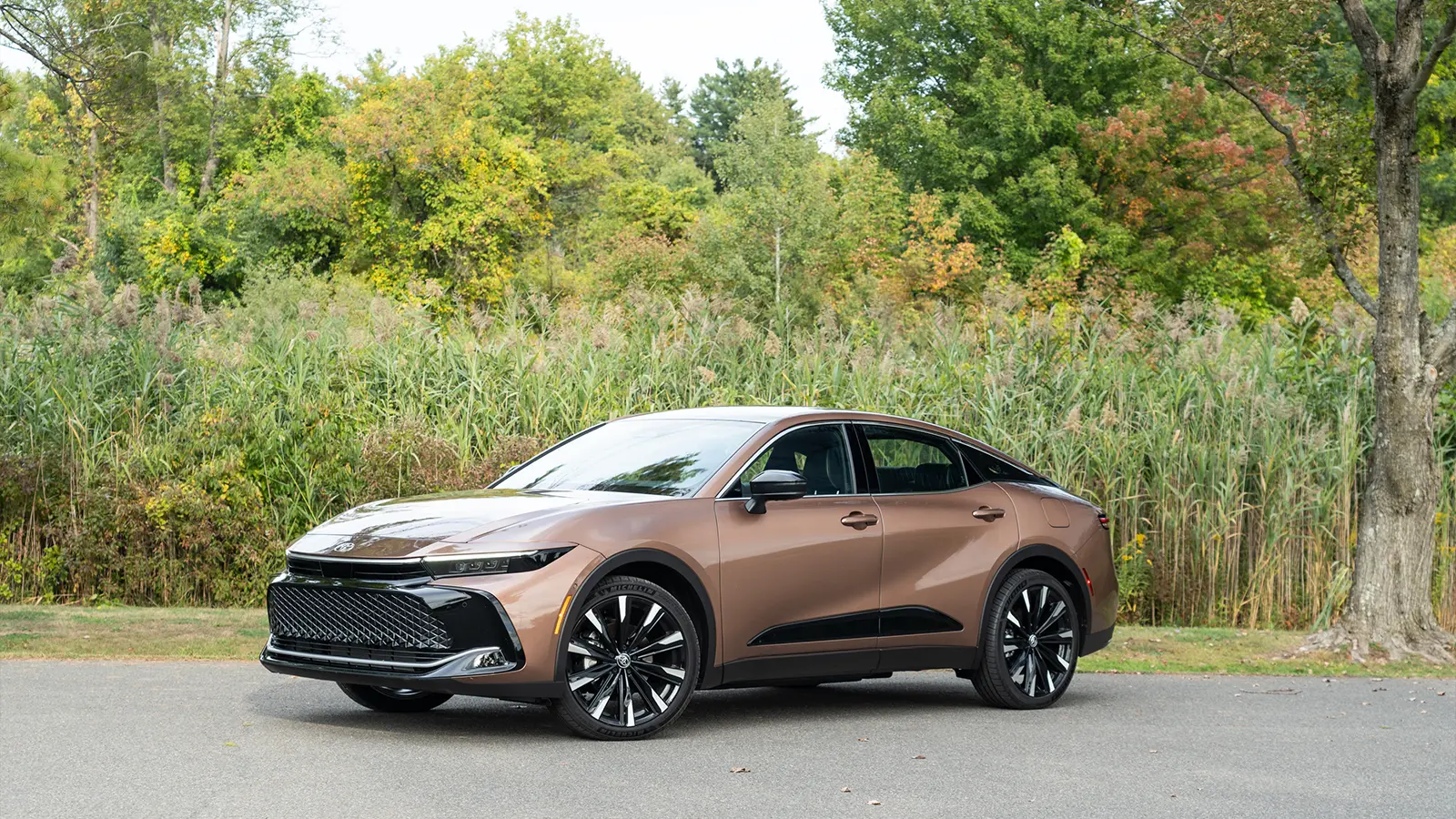
6. Toyota Crown
The Toyota Crown provides an interesting combination of sedan-like comfort and a relatively elevated seating position. For drivers dealing with neck fatigue, that combination can be appealing because it provides good visibility without requiring the seating position of a traditional low-slung sedan.
Headrest comfort depends heavily on the relationship between the seatback and the driver’s head. The Crown’s adjustable seating configuration gives drivers an opportunity to establish a position that feels natural.
The best setup should allow your head to remain balanced rather than requiring your neck muscles to hold it forward.
Drivers should pay attention to the distance between the back of the head and the headrest. A large gap can reduce the feeling of support, while excessive forward pressure can become uncomfortable. Adjust the seatback first and then fine-tune the headrest to achieve a comfortable relationship between the two.
The Crown can also make sense for people who spend considerable time commuting. A relaxed seating position, supportive cushion, and good visibility can reduce the physical effort associated with driving. However, comfort should be judged during a proper test drive rather than based purely on specifications.
If neck support is your priority, take the Toyota Crown for a longer test drive before buying. Try both city streets and faster roads if possible. Pay attention to whether your shoulders remain relaxed and whether you naturally lean forward after driving for 20 to 30 minutes.
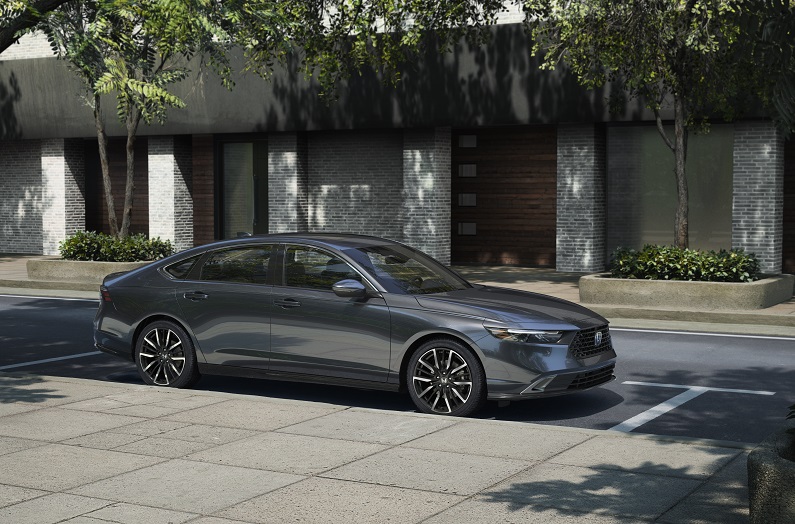
7. Honda Accord
The Honda Accord has long been a practical choice for drivers seeking a comfortable midsize sedan. Its seating position is easy to adjust, and the cabin provides a straightforward driving environment.
For people experiencing occasional neck discomfort, this simplicity can be beneficial because drivers can establish a natural position without dealing with an overly complicated cockpit.
The headrest should be positioned according to your height. The upper portion should provide appropriate support without interfering with your natural head position.
Drivers should avoid using the headrest as a cushion for leaning backward because its primary purpose is to provide support and help protect occupants during a collision.
The Accord’s seating design can work well for commuters because the seat offers a balanced combination of support and everyday comfort. Lumbar support, where available, can also help maintain a stable posture. The driver’s seat should support the lower back and pelvis so the upper body does not need to compensate.
Steering wheel position matters as much as the headrest. If the wheel is too far away, you may lean forward and increase tension through the neck and shoulders. Bringing the wheel toward you while maintaining a comfortable seat position can help keep your upper body relaxed.
The Honda Accord is particularly appealing if you want a comfortable car without moving into luxury-car pricing. It may not offer the same level of seating customization as a highly equipped premium vehicle, but a properly adjusted Accord can still provide excellent everyday comfort for many drivers.
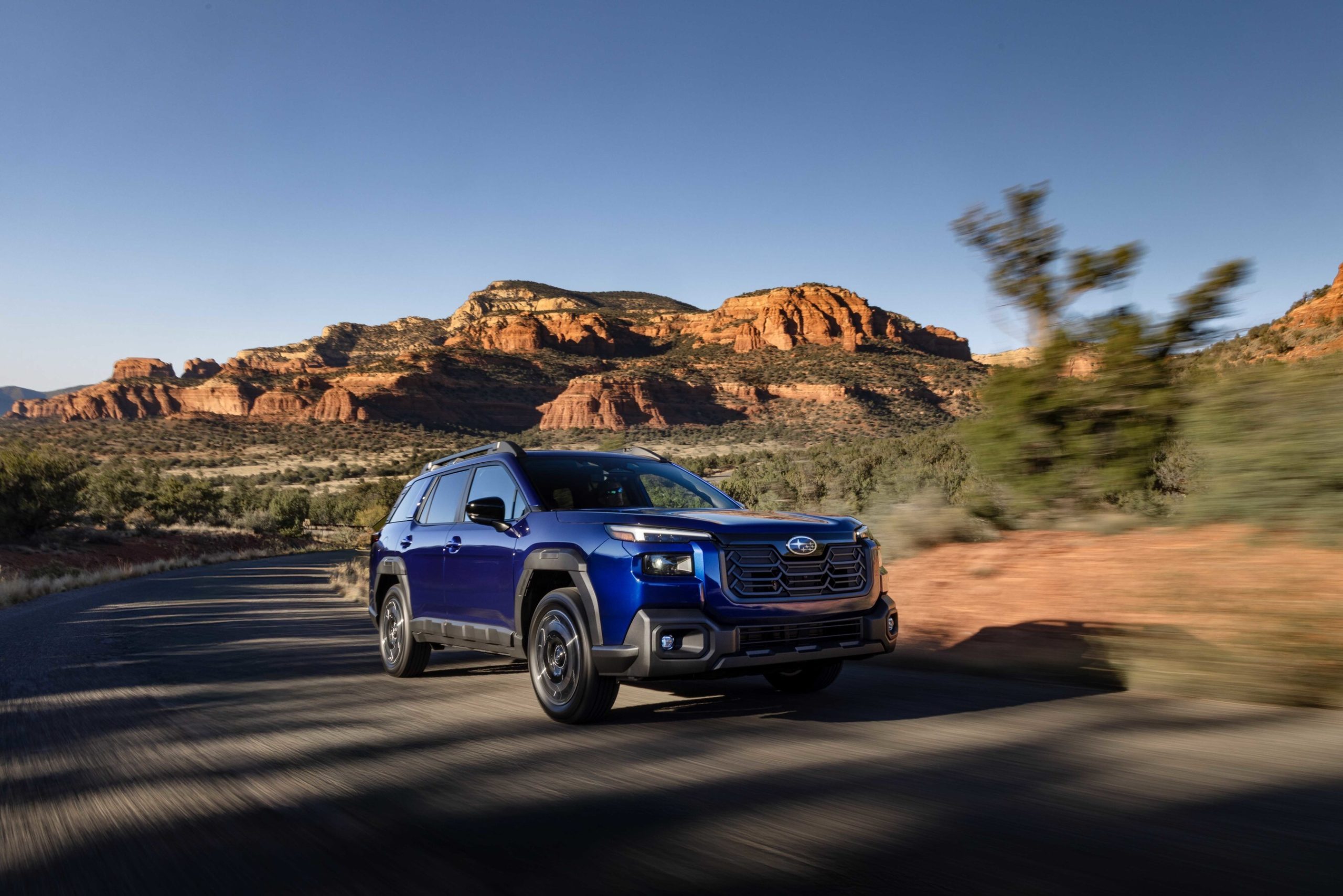
8. Subaru Outback
The Subaru Outback offers a different seating experience from traditional sedans. Its higher driving position, roomy cabin, and upright seating arrangement can work well for drivers who prefer a more elevated view of the road. The seating position may also feel more natural for people who find low sedan seats uncomfortable.
Headrest positioning remains essential. A high driving position does not automatically solve neck discomfort. The driver should adjust the seat so the thighs receive adequate support, position the backrest comfortably, and then adjust the headrest. This sequence helps create a balanced posture.
The Outback can be particularly practical for drivers who frequently travel long distances. Its seats provide a supportive base, while the upright driving position can make it easier to maintain a clear view of the road.
A relaxed posture is useful during extended highway journeys when small ergonomic problems can become more noticeable.
Drivers should also consider the firmness of the seat cushion. Some people prefer a softer seat, while others find that firmer support keeps their body more stable. Neither preference is universally correct. What matters is whether your body remains supported without excessive pressure on your hips, shoulders, or neck.
The Subaru Outback is a good candidate for buyers who want an SUV-like driving position with comfortable seating and practical interior space.
If neck pain is your main concern, test the driver’s seat carefully. Spend enough time in the vehicle to determine whether the headrest supports your head naturally without pushing it forward.
