

Car batteries may look similar, but replacing them is not always a simple matter of removing the old unit and fitting a new one. Some vehicles can accept a replacement battery with little more than the correct size, capacity, and terminal arrangement.
Modern vehicles with battery management systems can be more demanding. They may require battery registration, coding, or programming after installation so the charging system knows that a new battery has been fitted.
This article compares five cars that generally use a straightforward battery replacement process with five vehicles that can require electronic registration or programming, helping drivers understand what happens after the battery is changed.
5 Cars That Generally Use a Normal Battery Replacement

1. Toyota Corolla
The Toyota Corolla has been produced in many generations and with several engine and electrical configurations, so the exact battery specification depends on the model year, engine, market, and equipment level.
Many conventional Corolla models use a standard 12-volt lead-acid battery and do not require battery registration after a normal replacement. When the correct battery is installed, the charging system generally continues operating without requiring a technician to enter a new battery identification code into the vehicle computer.
This makes battery replacement relatively straightforward for many Corolla owners, especially on older petrol models with fewer electronic energy management features.
A typical replacement involves switching off the ignition, opening the bonnet, disconnecting the negative terminal, disconnecting the positive terminal, removing the battery hold-down, and installing the replacement unit.
The terminals are then connected in the correct order, and the battery is secured firmly. Drivers still need to select a battery that matches the original specifications.
Physical size, terminal position, cold cranking ability, reserve capacity, and battery technology all matter. Installing a battery that physically fits but has unsuitable electrical characteristics can create starting or charging problems.
Some newer Corolla models can have more sophisticated charging and electrical systems, particularly hybrid versions. A hybrid Corolla is not equivalent to a conventional petrol Corolla when it comes to battery service. Hybrid vehicles contain a high-voltage traction battery as well as a separate 12-volt auxiliary battery.

2. Honda Civic
The Honda Civic has used conventional 12 volt batteries across many generations, and numerous petrol versions can have their batteries replaced without formal battery registration or coding. The exact procedure varies according to model year and equipment.
Older Civics in particular tend to have relatively simple battery replacement requirements. Once the correct battery is physically installed and the terminals are connected properly, the car can normally be started and driven without a scan tool being used to tell the vehicle that a new battery has been fitted.
Battery selection remains important for a Civic. The replacement needs to have suitable dimensions and electrical specifications. A battery with insufficient cold cranking performance may struggle during cold starts, while an incorrectly sized battery may not sit securely in the tray.
A loose battery can cause vibration, terminal problems, and premature damage. The battery hold-down should always be installed correctly rather than relying on the weight of the battery to keep it in position.
Disconnecting the battery can reset certain electronic features. Depending on the generation, the vehicle may lose the clock and radio presets, while some models may require an anti-theft radio code or additional setup after power has been disconnected. Power windows may also need a relearning procedure on some vehicles.
These steps can sometimes make a straightforward battery replacement appear more complicated than it really is. They are separate from battery registration, which is the process of informing a vehicle’s battery management system that a replacement battery has been installed.
Civic models equipped with more advanced stop-start technology deserve additional attention. Start-stop systems can place greater demands on a battery because the engine is repeatedly shut down and restarted during driving.
Such vehicles may use enhanced flooded batteries or AGM batteries rather than a basic conventional battery. Installing the wrong battery technology can affect durability and system operation. The vehicle’s service information should therefore be checked before choosing a replacement.
For a driver with a conventional petrol Civic, battery replacement can usually be handled by a competent home mechanic if the correct safety procedures are followed.
The negative terminal should be disconnected before the positive terminal during removal, and the battery should be secured properly after installation. Anyone uncomfortable working around electrical terminals should use a professional technician.
A normal battery replacement does not mean that every Civic is identical, but many Civic variants remain considerably simpler to service than modern vehicles that require battery registration.
3. Ford F-150
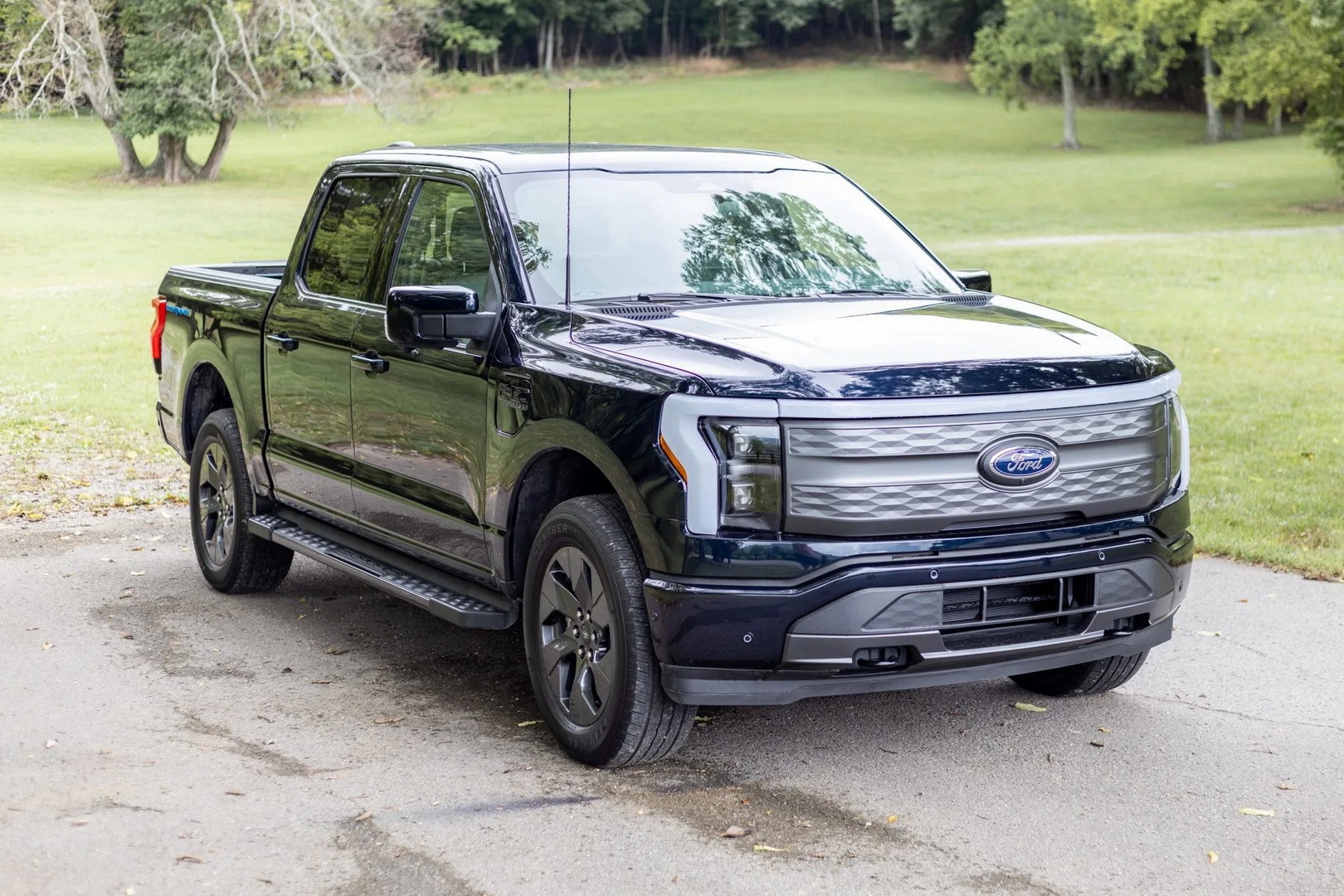
Many Ford F-150 models use a 12 volt battery system, but the level of electronic battery management varies by generation and configuration.
Older F-150 trucks with conventional electrical systems can generally have their batteries replaced without the type of battery coding associated with some European luxury vehicles. The process usually involves selecting a compatible battery, removing the existing unit, fitting the replacement, and reconnecting the electrical terminals correctly.
The size and specification of an F-150 battery can vary substantially because the truck is available with different engines and equipment packages. A vehicle with a larger engine or heavy electrical demands may require a battery with a higher cold cranking rating.
Some trucks also have additional electrical equipment, such as trailer-related systems, heated features, powerful audio systems, or auxiliary accessories. The replacement battery should therefore be selected using the vehicle’s exact specifications rather than relying on a generic battery recommendation.
Newer F-150 models have increasingly sophisticated electrical architecture. Certain versions can use battery monitoring systems that track battery condition and charging behavior. This means the statement that an F-150 never needs any electronic procedure would be too broad.
Some vehicles may benefit from a battery monitoring system reset or relearn procedure following replacement. A reset is not necessarily the same as battery coding or programming, and the distinction matters when deciding whether a scan tool is required.
After replacing the battery, drivers should check the vehicle for warning messages and confirm that major electrical features work correctly. If the truck starts normally and there are no battery-related warnings, the replacement may be complete.
If the vehicle displays charging, battery, or electrical system warnings, further diagnosis is appropriate. Repeatedly replacing the battery without determining why it failed can waste money because alternator problems, parasitic electrical drains, poor connections, and excessive accessory loads can all cause battery issues.

4. Chevrolet Silverado
The Chevrolet Silverado has traditionally offered straightforward 12 volt battery replacement on many configurations, particularly older trucks. The battery is normally located in the engine compartment and can be removed using standard hand tools.
The replacement must match the vehicle’s required physical and electrical specifications. For many conventional Silverado models, there is no requirement to enter a unique battery serial number into the vehicle after installation.
Battery capacity is particularly important in pickup trucks because they can have substantial electrical loads. Larger engines, cold climates, towing equipment, work accessories, and frequent short journeys can place additional demands on the starting battery.
A battery with the correct dimensions but inadequate capacity may not provide dependable starting performance. Checking the recommended group size and cold cranking rating is therefore more useful than simply buying the cheapest battery that fits the tray.
Some Silverado generations use battery monitoring or energy management systems. Depending on the year and configuration, a battery replacement may call for a battery monitoring system reset or relearn rather than traditional battery coding.
The terminology can cause confusion because drivers and repair shops sometimes use “programming” as a general term for any electronic reset. In practice, battery registration, battery monitoring resets, and module programming can involve different procedures.
The vehicle should also be inspected for corrosion around the terminals. Corroded connections can increase electrical resistance and create starting problems even when the battery itself is new.
Cleaning the terminals and ensuring that the cables are tight can help prevent repeat failures. The battery hold-down should also be secure because trucks often experience vibration and rough road conditions that can damage an unsecured battery.
A Silverado with a conventional electrical configuration can therefore be a relatively simple battery replacement project, but newer versions deserve more careful consideration.
Owners should consult the vehicle-specific service information before assuming that no electronic procedure exists. The key point is that a “normal battery” does not necessarily mean every Silverado can be treated identically. Model year and equipment determine the correct process.

5. Mazda3
Many Mazda3 petrol models use a conventional 12-volt battery, though battery requirements differ across generations and markets.
Older versions can generally have the battery replaced without entering a battery serial number or capacity into the car’s computer. For these vehicles, the primary concern is installing the correct battery and reconnecting it properly.
The Mazda3 has also been offered with systems designed to reduce fuel consumption, including stop-start technology in certain markets and model years. Such systems can require batteries with specific characteristics.
A conventional battery may not be suitable if the vehicle was designed for an AGM or enhanced flooded battery. The battery type should therefore be matched to the original equipment requirements rather than selected solely by physical size.
A battery replacement can also affect electronic settings. The vehicle may lose stored information when power is disconnected, and some systems may need to relearn their normal operating conditions.
This can include automatic window functions or other convenience settings. These relearning steps are not equivalent to programming a replacement battery into a battery management system. They are generally consequences of the vehicle temporarily losing electrical power.
Drivers should pay attention to symptoms that existed before the battery was replaced. If the old battery repeatedly went flat overnight, replacing it may only provide a temporary solution.
A parasitic electrical drain could be keeping the vehicle from entering its normal sleep mode. An alternator that is not charging correctly can also shorten battery life. A proper battery test and charging-system inspection can identify these issues.
5 Cars That Can Need Battery Registration or Programming

1. BMW 3 Series
The BMW 3 Series is a well-known example of a vehicle where battery replacement can involve more than simply fitting a new battery.
Many BMW models use an intelligent battery sensor and an energy management system that monitors battery condition. When the battery is replaced, the vehicle may need to be told that a new battery has been installed. This process is commonly called battery registration.
Battery registration allows the vehicle’s charging strategy to account for the replacement battery. The process is particularly important because the car may monitor battery age and electrical usage.
If the vehicle continues operating with charging assumptions based on an older battery, the charging strategy may not be optimized for the replacement unit. Proper registration helps the energy management system recognize the change.
Battery type also matters on BMW vehicles. Some models use AGM batteries, while others may use different specifications depending on the engine, equipment, and production year.
If the replacement battery has a different capacity or battery technology from the original, additional coding may be required. Registration and coding are related but not identical. Registration confirms that the battery has been replaced, while coding can configure the vehicle for a different battery specification.
The procedure often requires a compatible diagnostic scan tool or a BMW-specific diagnostic system. A technician can connect the tool to the vehicle, access the appropriate battery management functions, and perform the required procedure.
Some owners attempt to replace BMW batteries themselves and use aftermarket diagnostic equipment afterward. This can work when the equipment supports the relevant vehicle functions, but the process should be followed carefully.

2. BMW 5 Series
The BMW 5 Series uses sophisticated electrical systems across many generations, and battery registration is common on models equipped with intelligent battery monitoring.
After replacing the battery, the vehicle may need a diagnostic procedure to register the new unit. This tells the car’s energy management system that the battery is fresh and allows its charging strategy to adapt accordingly.
A major consideration is whether the replacement battery matches the original specification. If the vehicle originally used an AGM battery of a particular capacity and the replacement is the same type and capacity, the procedure may involve registration without extensive coding.
If the capacity or technology changes, coding or configuration may also be necessary. The correct process depends on the vehicle’s production year and electrical system.
The 5 Series can have substantial electrical demands. Features such as navigation, advanced lighting, heated equipment, powered seats, infotainment systems, driver assistance equipment, and other electronic modules can consume significant electrical energy.
Battery management is therefore important for maintaining reliable operation. The vehicle monitors electrical conditions so it can manage charging and protect the battery from excessive discharge.
A replacement battery that is installed without completing the appropriate electronic procedure may still start the car. That can lead some owners to assume that no registration is necessary.
Starting successfully does not prove that the battery management system has been correctly updated. The vehicle can continue operating while retaining information associated with the old battery, which is why the recommended service procedure should be followed.

3. Audi A4
Many Audi A4 models use sophisticated battery management systems, particularly newer generations with extensive electronic equipment.
Battery replacement may require the new battery to be registered or configured through the vehicle’s diagnostic system. This procedure can allow the car to recognize the replacement battery and manage charging correctly.
Audi vehicles can use different battery technologies and capacities depending on engine type and equipment. AGM batteries are common in vehicles with higher electrical demands and start-stop systems.
Replacing an AGM battery with a basic flooded battery can create compatibility problems if the vehicle’s electrical system expects a different battery technology. Matching the replacement battery to the original specification is therefore essential.
Battery adaptation can involve entering information about the battery’s manufacturer, capacity, and technology into the vehicle. The exact information required varies by model and diagnostic system. Some service procedures use battery adaptation or coding rather than the word programming.
Drivers may encounter different terminology depending on the repair shop or diagnostic tool, but the purpose is generally to make the vehicle’s battery management system aware of the replacement.
An Audi A4 can continue starting after a battery is replaced without immediate warning signs, but that does not necessarily mean the electronic service procedure has been completed correctly.
Modern vehicles can hide problems until the battery experiences repeated charging cycles or heavy electrical loads. Correct battery adaptation is therefore preferable to treating the replacement as a purely mechanical job.

4. Mercedes-Benz C-Class
The Mercedes-Benz C-Class has evolved through several generations, with newer versions featuring increasingly sophisticated electrical systems.
Depending on the generation and battery configuration, replacing the 12 volt battery can require electronic adaptation or a battery management reset. Some models monitor battery condition and charging requirements through dedicated control systems.
Battery specifications are important because C-Class vehicles can use different battery types and capacities. Vehicles equipped with stop-start systems may require an AGM battery or another battery designed for frequent cycling.
Installing an unsuitable battery can reduce service life and potentially interfere with energy management functions. The correct battery should be identified using the vehicle’s VIN or manufacturer specifications where possible.
The electronic procedure can vary between C-Class generations. Some vehicles may need a simple battery replacement acknowledgment, while others can require additional configuration depending on the replacement battery’s specifications.
A diagnostic scan tool can determine what procedures are supported by the particular vehicle. This is why generic advice based only on the C-Class badge can be misleading.
Mercedes-Benz vehicles also have numerous electronic control modules that can be affected by low voltage. If a battery becomes severely discharged, several warning messages can appear even when individual components are functioning correctly.
Replacing the battery may resolve some issues, but fault codes can remain stored and may need to be checked. A professional battery replacement can include a charging-system test and diagnostic scan to verify that the vehicle is operating correctly.
The C-Class is therefore a useful example of how modern battery replacement differs from older vehicles. The physical installation may still involve the same basic principles of disconnecting the old battery and securing the new one.
The difference is the electronic communication between the battery and vehicle. When the manufacturer specifies battery adaptation or registration, completing that procedure is an important part of the replacement.
5. Volkswagen Golf
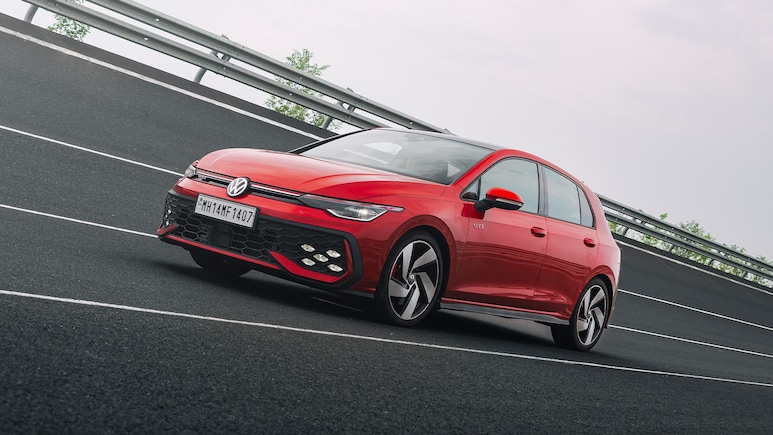
The Volkswagen Golf has been sold with a wide range of engines and electrical systems. Newer versions, particularly those equipped with start-stop technology and advanced battery management, can require battery adaptation or coding after the battery is replaced.
The vehicle may need information about the battery’s capacity and technology so its energy management system can operate correctly.
Golf models equipped with start-stop systems often have higher battery requirements than older vehicles. Frequent engine restarts create additional cycling demands, so the battery needs to be designed for that type of use.
AGM and EFB batteries are commonly associated with modern start-stop applications, depending on the vehicle. The replacement battery should match the required technology rather than being selected solely by dimensions.
Battery adaptation can be performed using compatible diagnostic equipment. Depending on the vehicle generation, the procedure may involve entering battery information into the appropriate control module.
A technician may also check whether the vehicle has any stored faults associated with low voltage or battery failure. These checks are useful because a weak battery can sometimes cause unrelated-looking warning lights when several electronic modules experience low voltage.
Older Golf models may have much simpler battery replacement procedures. This illustrates why the model name alone is insufficient when discussing battery programming.
A Golf from an earlier generation can have a conventional electrical system, while a newer Golf can use sophisticated energy management. The difference is related to vehicle architecture, equipment, and production year rather than simply the badge on the boot.
