
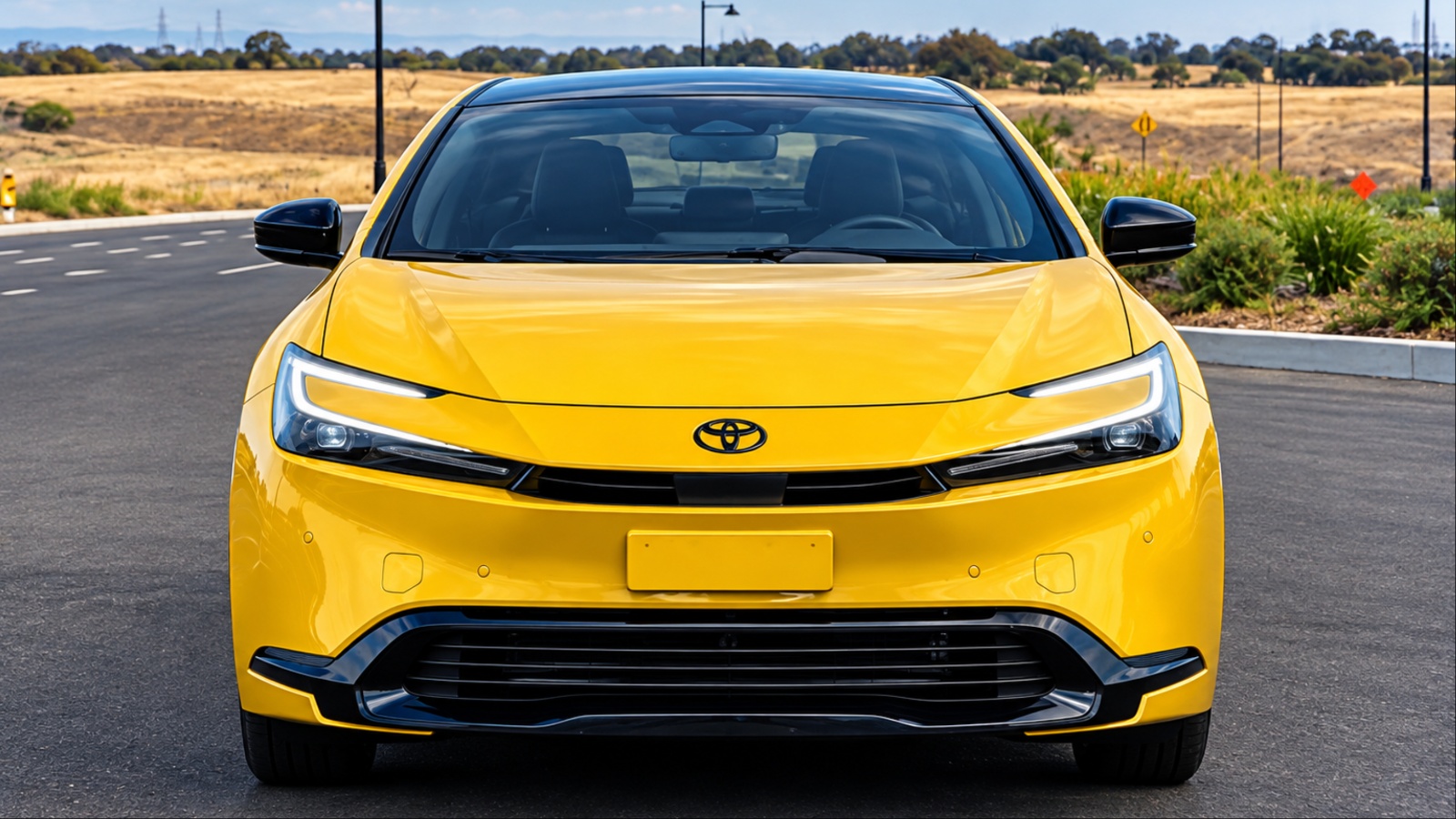
Choosing a car is about more than its purchase price, especially when fuel, servicing, insurance, tires, repairs, and depreciation are considered. The Honda Civic has a strong reputation for efficiency and dependable ownership, but several cars can cost less to operate in the right conditions.
This article looks at 10 practical alternatives that may deliver lower running costs through better fuel economy, simpler maintenance, strong reliability, or lower ownership expenses. Some are hybrids, while others are compact cars designed to use fewer resources every day.
Comparing these factors can help buyers find a vehicle that saves money over years of regular driving without giving up comfort or useful features.
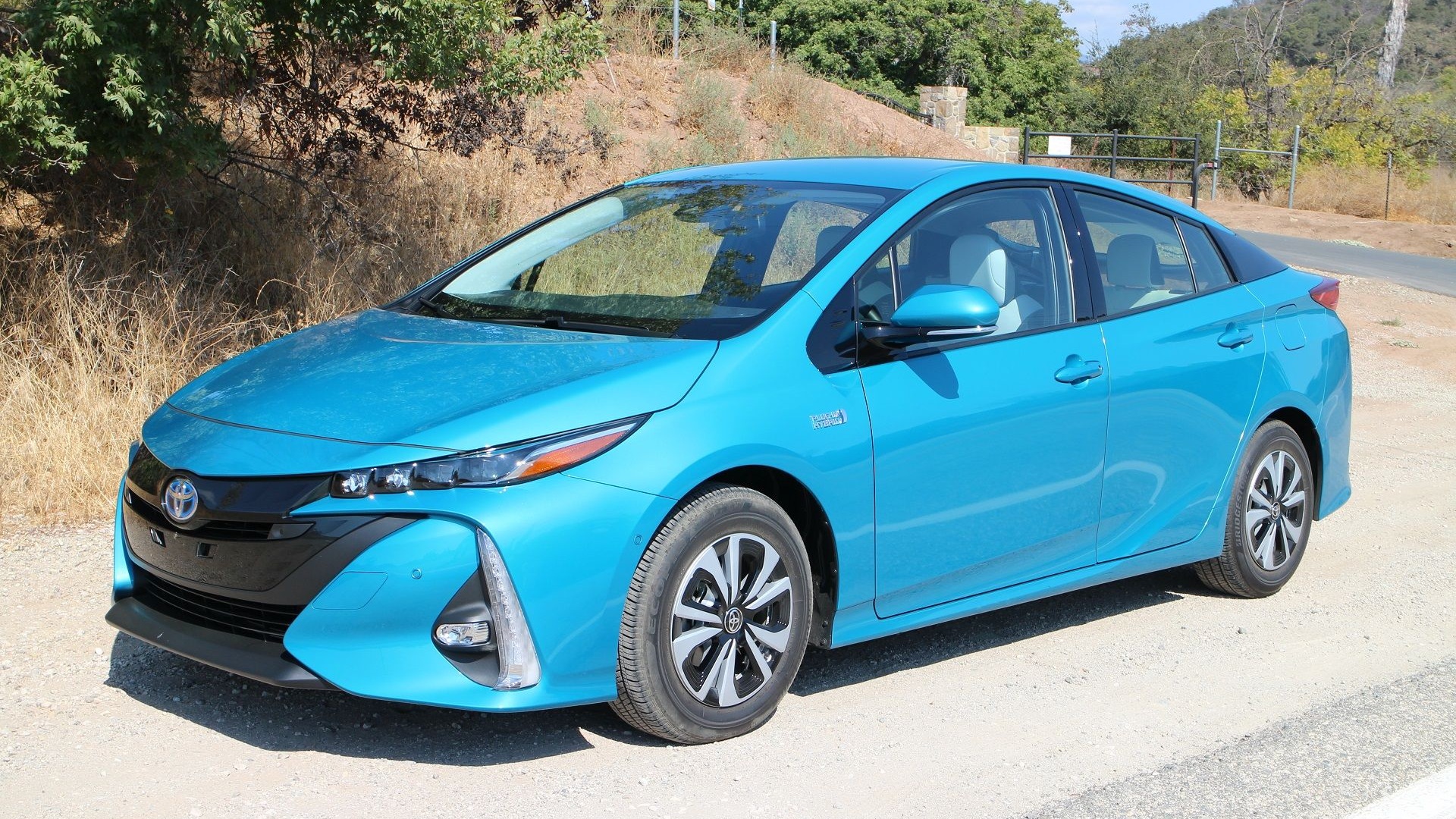
1. Toyota Prius
The Toyota Prius is a natural choice for drivers who want to reduce everyday running costs. Its hybrid powertrain was designed around fuel efficiency, combining a gasoline engine with electric motors and a battery system.
Depending on the generation, trim, and market, Prius models have achieved fuel economy figures that are considerably better than many conventional compact cars. This can make a noticeable difference for people who drive long distances, commute frequently, or spend considerable time in urban traffic.
The hybrid system also benefits from regenerative braking, which converts some of the vehicle’s kinetic energy into electrical energy rather than wasting all of it as heat through the brakes.
Fuel savings are the biggest attraction when comparing the Prius with a conventional Civic. A driver covering 15,000 miles a year can accumulate substantial savings when moving from a vehicle that uses significantly more fuel to a highly efficient hybrid.
The actual difference depends on the Civic generation and powertrain being compared. A newer Civic Hybrid, for example, is itself very efficient and can narrow the gap considerably.
Still, older or non-hybrid Civic versions may use more gasoline during everyday driving. Fuel prices also change from place to place, so the financial advantage is greatest where gasoline costs are high.
Maintenance is another area where the Prius can make sense. Hybrid vehicles have additional components that may appear complicated, but Toyota’s hybrid system has been used for decades and has a long track record.
The gasoline engine does not need to run continuously, especially at lower speeds, which can reduce some mechanical wear.
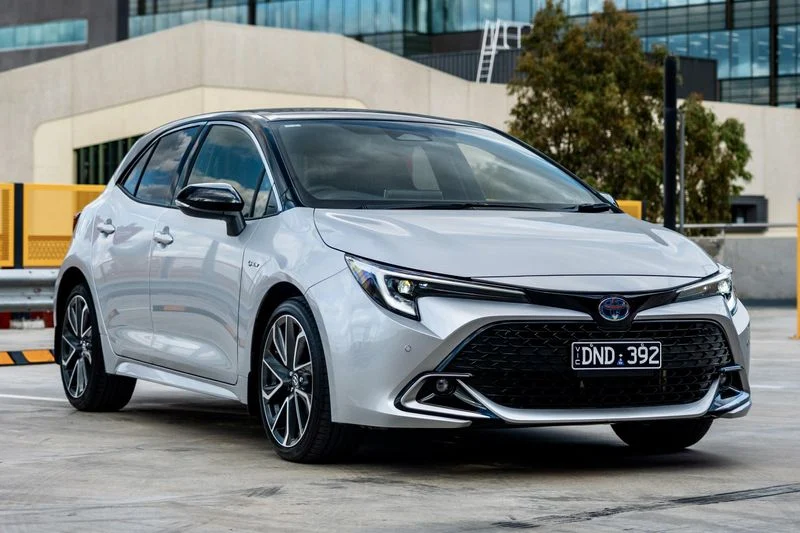
2. Toyota Corolla Hybrid
The Toyota Corolla Hybrid offers another compelling route toward lower running costs. The Corolla name is associated with straightforward transportation, reliability, and reasonable ownership expenses, while the hybrid version adds electric assistance to improve fuel economy.
The result is a compact sedan or hatchback, depending on market availability, that can consume substantially less gasoline than many traditional gasoline-powered vehicles. For people who want a familiar compact-car layout rather than the distinctive shape of a Prius, the Corolla Hybrid can be an appealing alternative.
The hybrid powertrain is particularly useful in city driving. Frequent stops and starts normally reduce fuel economy because a conventional engine repeatedly accelerates a vehicle from low speeds. A hybrid can recover energy during deceleration and use electric power during suitable conditions.
This helps the Corolla Hybrid maintain strong efficiency in traffic. Highway drivers can still benefit from the system, though the advantage may be smaller than it is in urban environments. Your individual driving pattern therefore has a major effect on whether the Corolla Hybrid actually costs less to operate than a Civic.
Routine servicing is generally familiar and straightforward. Owners still need oil changes, filters, tire replacements, brake inspections, and other scheduled maintenance. Hybrid components require appropriate technical knowledge, so servicing should be carried out by qualified technicians.
Toyota’s hybrid systems have been produced in large numbers for many years, which means there is broad experience with the technology. Parts availability can vary by location, and repair pricing is never guaranteed, but the Corolla Hybrid has the benefit of being based on a mainstream compact-car platform.
Depreciation is worth examining as part of the ownership calculation. A car that saves money on gasoline but loses value rapidly may not be cheaper to own over several years.
Toyota hybrids have generally attracted strong demand in many used-car markets, though resale values depend heavily on mileage, condition, age, local demand, and broader market conditions.
Buying a used Corolla Hybrid at a sensible price can improve the financial equation. Buyers should still compare several vehicles rather than assuming that the hybrid version will automatically be cheaper in every situation.
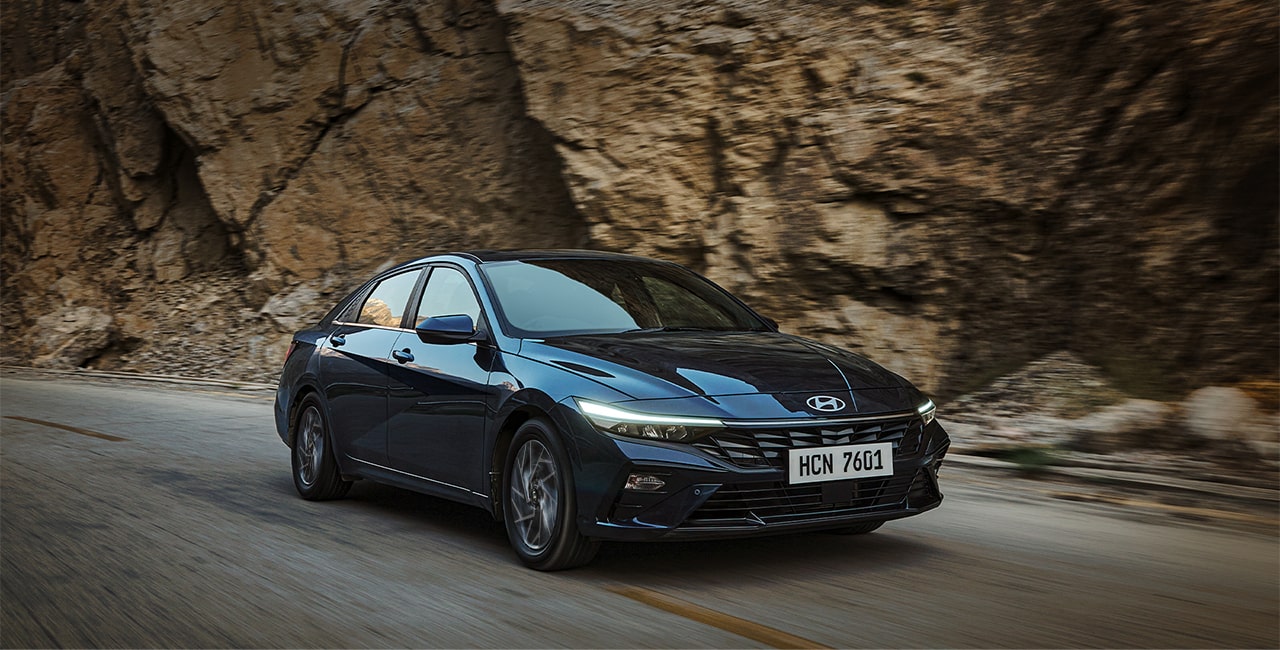
3. Hyundai Elantra Hybrid
The Hyundai Elantra Hybrid combines compact-car practicality with a fuel-saving hybrid powertrain. The standard Elantra is already designed around efficiency, while the hybrid version adds electric assistance to reduce gasoline consumption.
This makes it a strong candidate for buyers comparing running costs with a Civic. Depending on model year and configuration, the Elantra Hybrid can deliver impressive official fuel economy figures, making it particularly attractive to drivers who travel many miles each year.
Fuel economy is only part of the appeal. The Elantra offers a relatively spacious cabin for its class, along with a trunk that works well for everyday luggage and shopping. Its equipment levels can also be generous, depending on trim and market.
Drivers who want modern technology without moving into a larger and more expensive vehicle may find the Elantra Hybrid appealing. Lower fuel consumption can make a meaningful difference over thousands of miles, especially when fuel prices rise.
Maintenance costs can vary between vehicles, but Hyundai’s mainstream compact-car parts and service network can help keep routine work manageable. Buyers should follow the manufacturer’s maintenance schedule and pay attention to tires, fluids, filters, brakes, and the hybrid system.
Warranty coverage is another factor worth checking when shopping for a new or relatively recent used model because coverage differs by market and model year. A longer warranty can reduce the financial risk associated with unexpected mechanical or electrical repairs during the ownership period.
4. Toyota Camry Hybrid
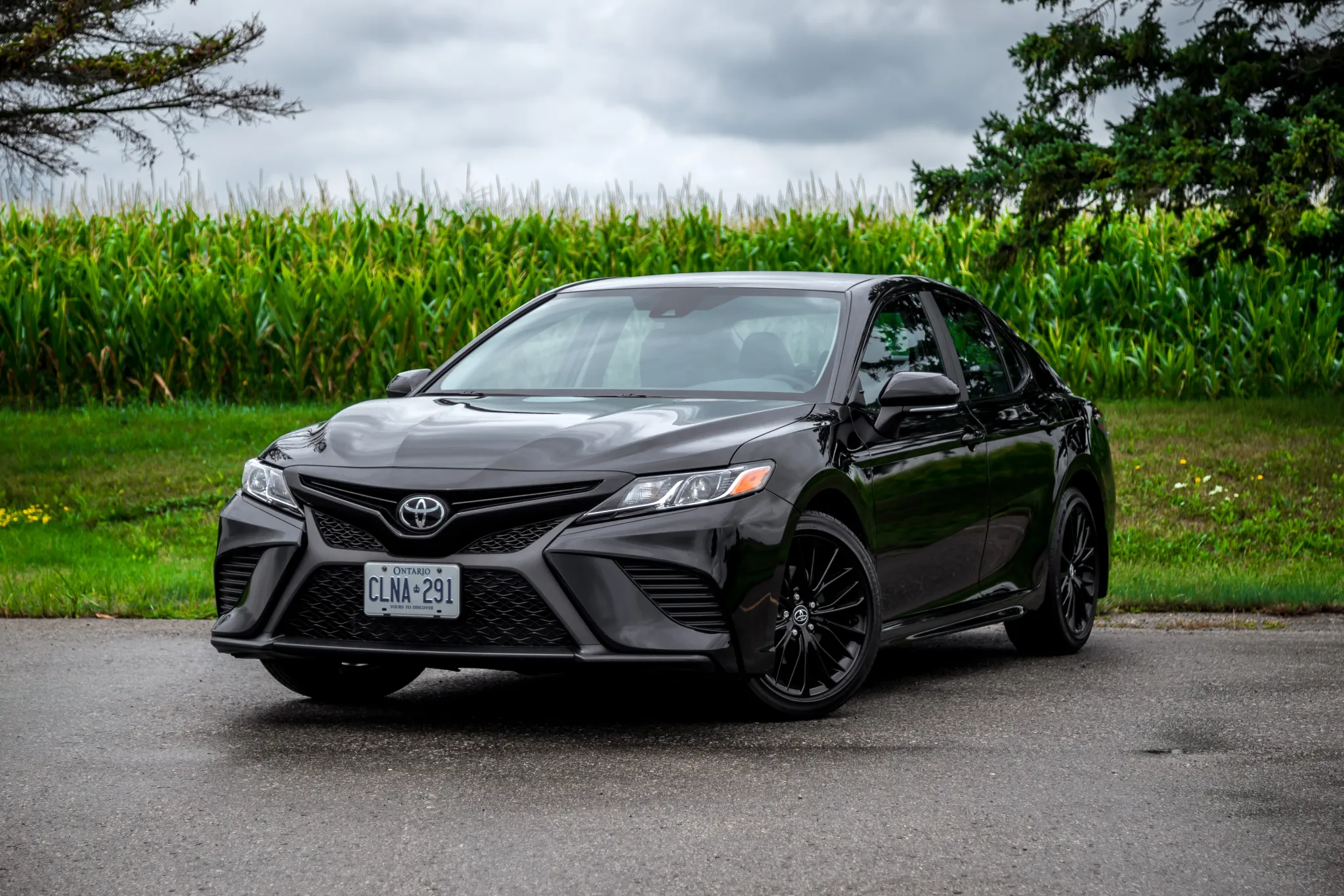
The Toyota Camry Hybrid is larger than the Civic, yet it can still be cheaper to operate in some circumstances because of its efficient hybrid powertrain. That makes it an interesting choice for buyers who need additional passenger space but do not want to accept high fuel consumption.
A well-designed hybrid system can make a midsize sedan surprisingly economical, particularly when driven in urban areas. The Camry also has a long history as a mainstream family sedan, giving buyers access to a large used market.
The most obvious financial benefit comes from gasoline consumption. The Camry Hybrid uses an electric motor and battery alongside its gasoline engine, allowing it to rely on electric assistance under appropriate conditions.
During braking and deceleration, energy can be recovered and stored for later use. This is particularly useful in stop-and-go traffic. A driver covering a substantial annual distance can potentially save a meaningful amount compared with a less efficient gasoline-powered midsize car.
The Camry Hybrid’s larger size can create a different ownership equation. Tires may be more expensive than those for a smaller compact car, and certain replacement parts can cost more. The vehicle itself can also cost more to purchase.
Therefore, calling it cheaper to run than a Civic does not mean it is cheaper in every category. It means its fuel efficiency and established hybrid technology can produce lower day-to-day operating expenses under suitable circumstances.
Reliability is another reason the Camry Hybrid deserves attention. Toyota has extensive experience with hybrid systems, and the Camry has traditionally been built for high-mileage use. Proper maintenance remains essential.
5. Honda Insight
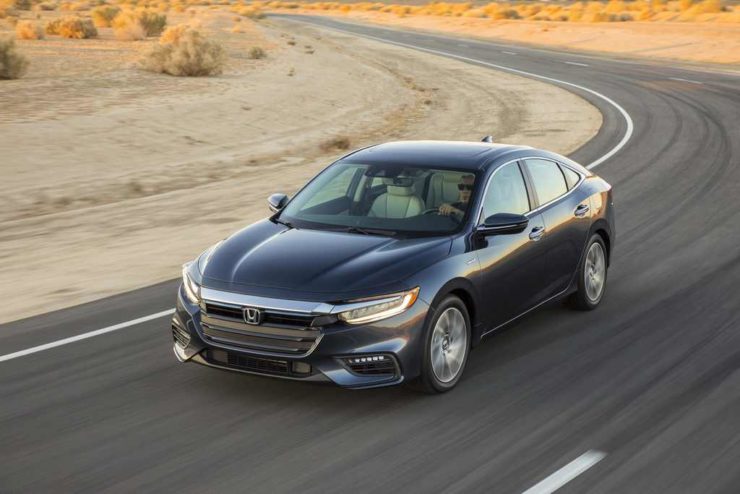
The Honda Insight deserves consideration because it shares some of the Civic’s engineering philosophy while emphasizing fuel economy.
Earlier generations used hybrid technology to reduce gasoline consumption, and later versions adopted a hybrid system that delivered strong efficiency in a conventional sedan format. For shoppers who like Honda’s approach to ergonomics, driving manners, and build quality, an Insight can provide an economical alternative.
Fuel consumption is where the Insight makes its strongest case. Hybrid assistance allows the gasoline engine to operate efficiently while electric power helps under conditions where it can be useful. Regenerative braking captures energy during deceleration, and the system can reduce engine workload in certain driving situations.
Drivers who spend much of their time in city traffic can benefit significantly. Highway efficiency can also be strong, though the precise result depends on speed, weather, load, tires, and driving habits.
The used market is particularly important with the Insight because availability depends heavily on location and model year. Buyers should focus on condition rather than simply choosing the cheapest example.
A low purchase price can be misleading if the vehicle requires tires, suspension repairs, brake work, or hybrid-system repairs soon after purchase. A well-maintained example with complete service records is usually a better financial choice than a neglected car with a bargain price.
Honda’s established dealer and independent repair network can make routine servicing relatively convenient in many markets. Owners should still follow the correct maintenance schedule, especially for fluid changes and inspections.
Hybrid vehicles have additional components compared with conventional cars, but the technology has matured considerably. A qualified inspection is useful when purchasing an older hybrid because it can reveal issues that are not obvious during a short test drive.
For Honda fans who want to reduce fuel expenses, the Insight can be an attractive choice. It may not have the same popularity or availability as the Civic, but its efficient hybrid design gives it a distinct financial advantage for high-mileage drivers.
If a good used example can be purchased at a reasonable price, the combination of fuel economy, practical size, and Honda engineering can make it a sensible long-term commuter.
6. Toyota Yaris
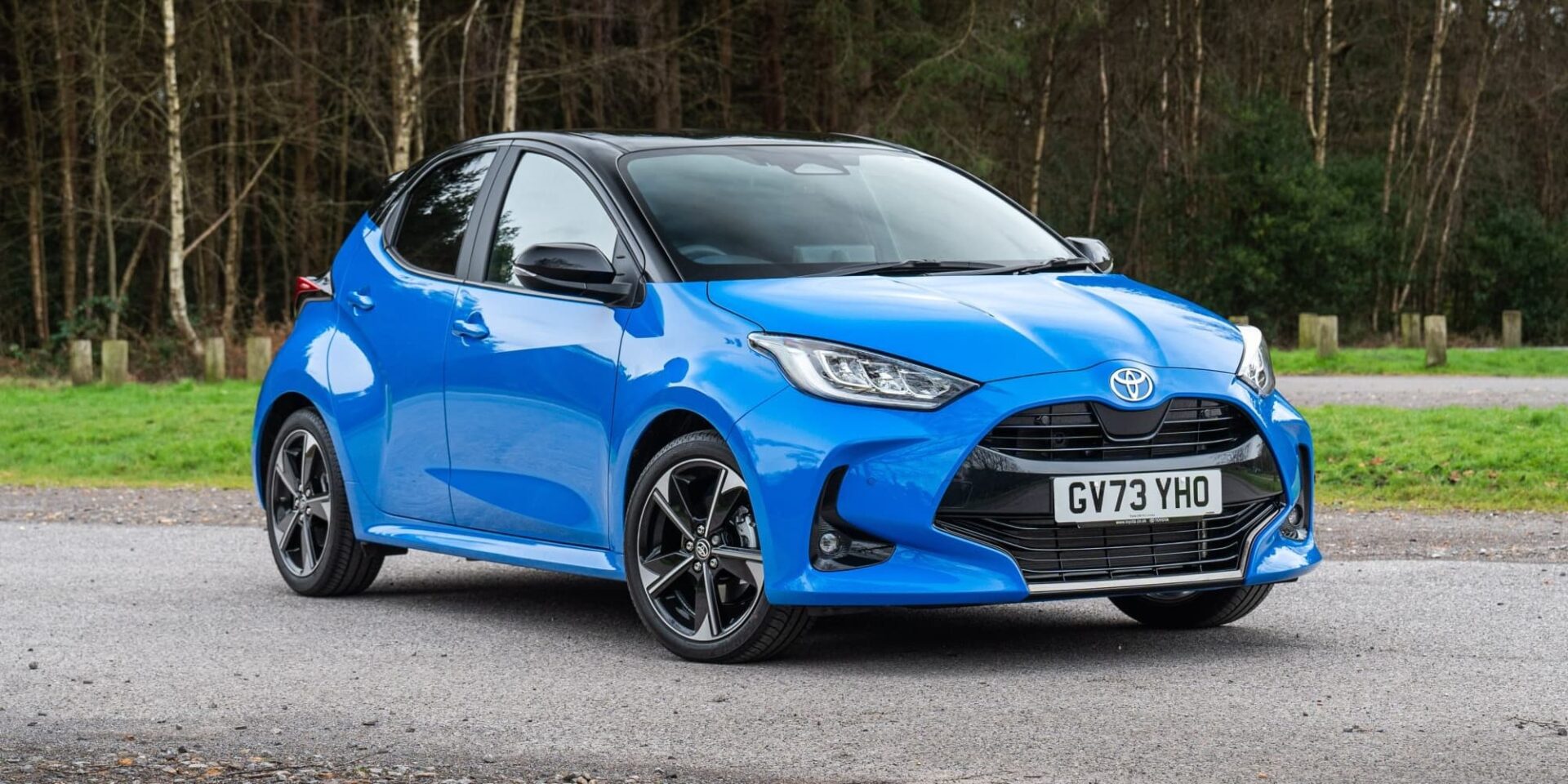
The Toyota Yaris has historically been positioned as a small, economical car, making it a strong candidate for buyers seeking low running costs. Its compact dimensions reduce weight, and smaller engines generally require less fuel than larger powertrains.
Depending on the market and model year, the Yaris has been sold with gasoline and hybrid powertrains. This variety means buyers should compare the exact version available in their region rather than relying on the name alone.
Small cars can provide savings beyond fuel. Tires tend to be smaller and potentially less expensive than those fitted to larger vehicles, while routine replacement parts may be affordable because of the vehicle’s mainstream design. Parking is easier, and urban maneuverability can reduce the stress associated with daily driving. These benefits may seem minor individually, but they can contribute to lower ownership expenses over several years.
The Yaris is particularly well suited to city residents and commuters who do not need a large trunk or spacious rear seats. Its smaller footprint can make parking and tight streets easier to manage.
Drivers who regularly carry several adults or large amounts of cargo may find a Civic more practical. Running cost comparisons therefore need to account for how well the car matches the owner’s lifestyle. A vehicle that is extremely economical but unsuitable for your daily needs may not be a genuine financial saving.
Reliability is a major consideration when purchasing an older Yaris. Toyota has built a strong reputation for durable small cars, but any used vehicle can develop problems with age and mileage.
Suspension components, air-conditioning systems, transmissions, batteries, tires, and other wear items eventually require attention. A detailed inspection and service history can help distinguish a genuinely economical used car from one that is simply inexpensive to buy.
For drivers who spend most of their time in urban environments, the Yaris can be an efficient and practical choice. It does not offer the same amount of space or road presence as a Civic, but that is partly why its running expenses can be lower.
Less weight, compact dimensions, and efficient engines can reduce fuel and maintenance demands. Buyers should compare the specific generation available locally because specifications vary significantly between markets.
7. Hyundai Accent
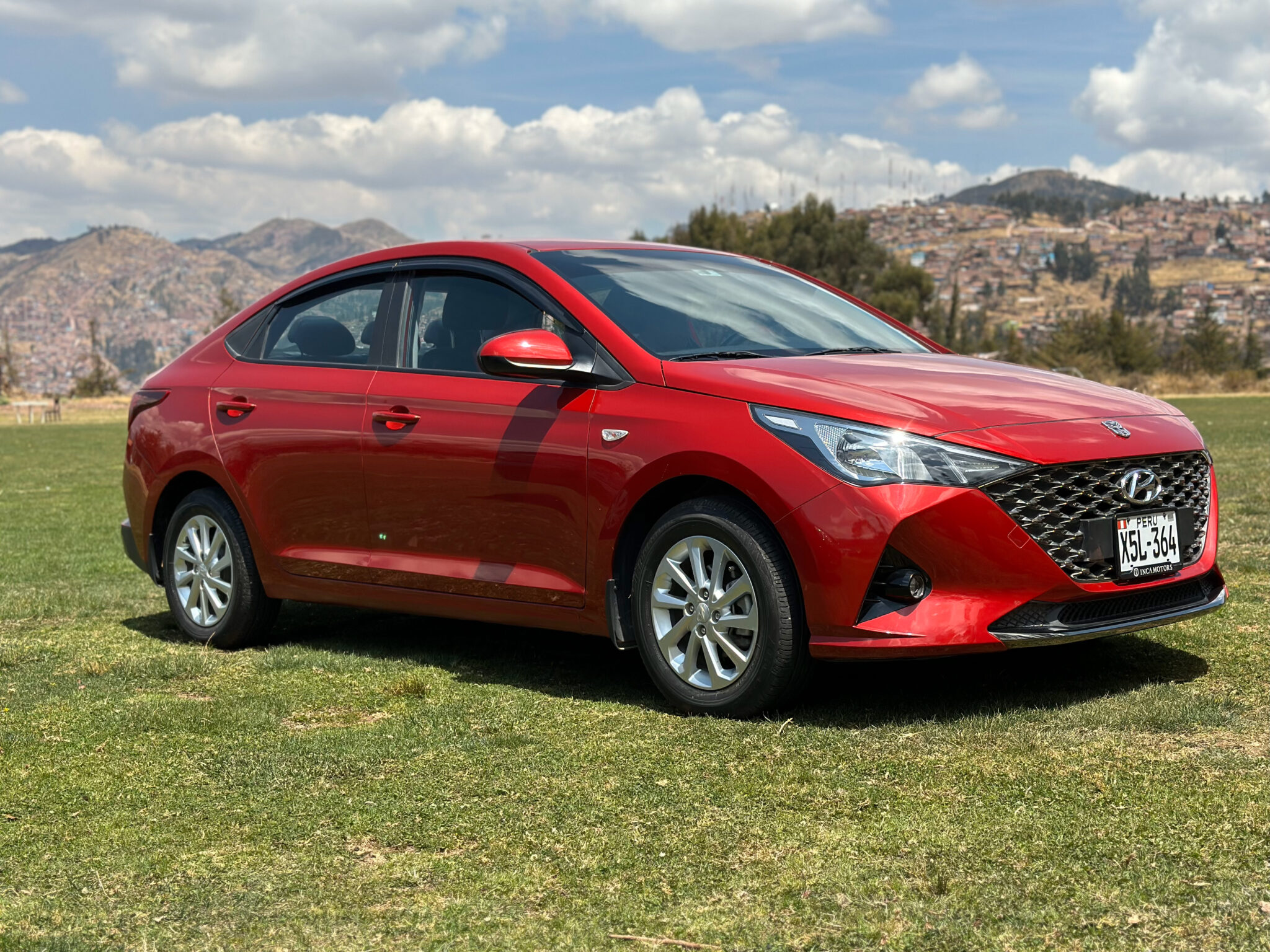
The Hyundai Accent has traditionally competed in the affordable subcompact segment, where low purchase and operating costs are major priorities. Its smaller engines and lightweight construction can help reduce gasoline consumption.
For a driver whose primary goal is inexpensive transportation, an Accent can sometimes make more financial sense than purchasing a larger compact car. It is especially relevant in used markets where depreciation has already reduced the purchase price.
Fuel economy can differ based on the engine, transmission, model year, and driving conditions. Even so, the Accent follows a simple approach to efficiency. Its relatively light weight and modest engine size help keep fuel consumption under control.
This can result in reasonable gasoline consumption without requiring hybrid technology. For drivers who do not cover huge distances each year, the lower purchase price can be more important than achieving the absolute best fuel economy.
Insurance can also be favorable in some markets because the Accent belongs to a lower-cost vehicle category. However, insurance rates are individual and cannot be predicted simply from the model name. Buyers should obtain actual quotations before purchasing.
Used-car pricing is similarly dependent on mileage, condition, location, and demand. A well-maintained Accent with a clean history can be an economical transportation tool, while a neglected example can become expensive quickly.
Maintenance is relatively straightforward for a conventional gasoline vehicle. There is no hybrid battery system to consider, and many independent workshops are familiar with the mechanical layout.
Routine items such as engine oil, filters, spark plugs, brakes, tires, and fluids still need attention. Neglecting these services can lead to higher expenses later, so the cheapest car to run is generally the one that receives proper preventive maintenance.
8. Kia Forte
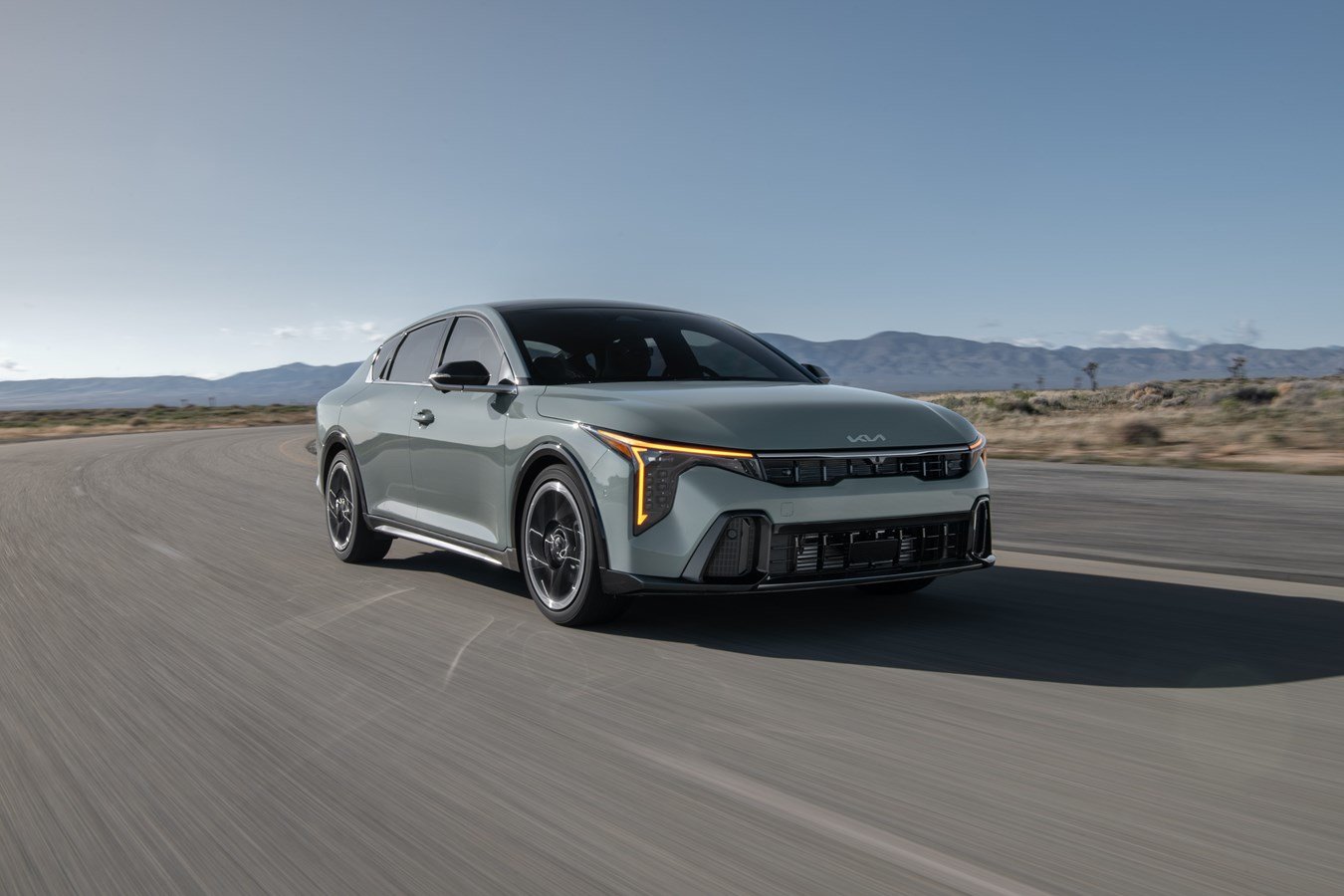
The Kia Forte is another compact sedan that can offer competitive running costs. It has generally been positioned as an affordable alternative to established compact cars, giving buyers access to useful equipment without necessarily paying a premium for the badge.
Depending on the model year and engine, fuel economy can be quite good. That makes the Forte worth considering for people who want a conventional gasoline vehicle without the additional purchase cost associated with some hybrids.
The Forte’s compact dimensions help keep fuel consumption under control. A smaller engine does not automatically guarantee low fuel use, since driving style and transmission design matter, but efficient powertrains can deliver respectable results.
Drivers who accelerate smoothly, maintain correct tire pressures, avoid unnecessary idling, and keep the vehicle properly serviced can improve real-world fuel economy. These habits matter regardless of whether the car is a Civic, Forte, or another compact model.
Purchase price can be a major advantage. If a Forte costs significantly less to buy than a similarly equipped Civic, the buyer can start with a lower financial commitment. The savings can then be used for insurance, maintenance, fuel, or simply retained as part of the household budget.
Depreciation should still be considered because a lower purchase price does not guarantee stronger resale value. Comparing total ownership costs over the expected period is more useful than focusing on the sticker price.
The interior and technology offerings can also make the Forte attractive. Depending on trim and model year, features can include modern infotainment systems, driver-assistance equipment, smartphone connectivity, and other conveniences.
Equipment levels differ considerably, so buyers should compare specific trims. A lower-priced base model and a heavily equipped higher trim can have very different ownership economics.
9. Mazda3
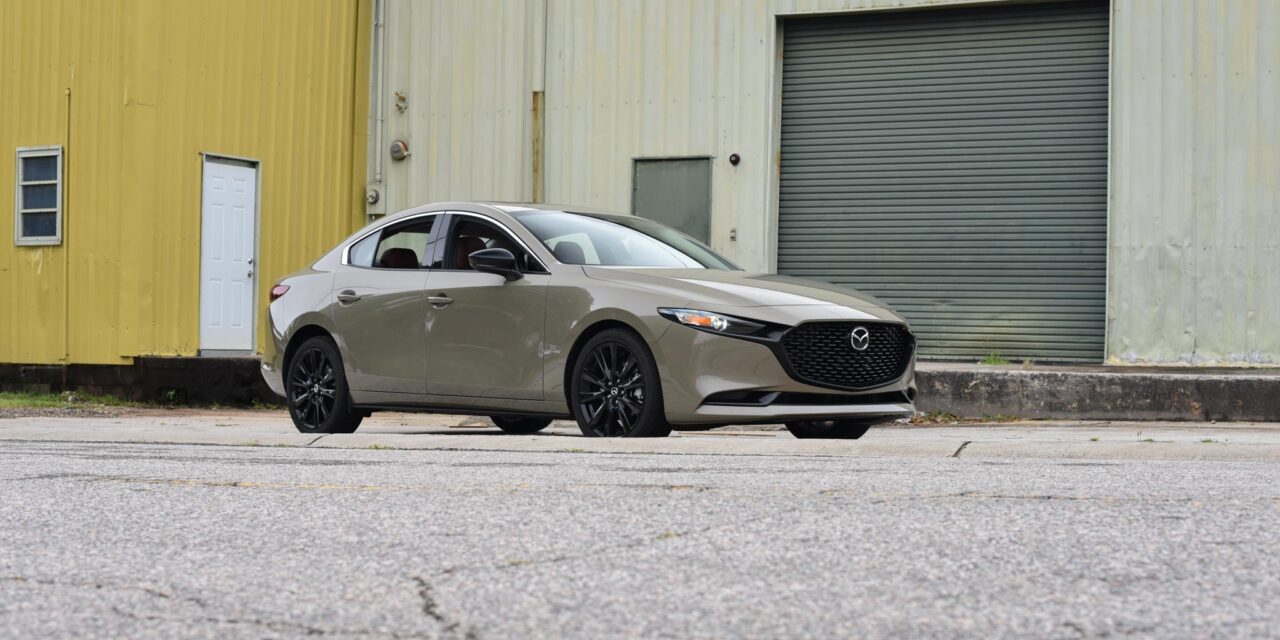
The Mazda3 takes a slightly different approach. Fuel economy remains respectable, but the car places greater emphasis on driving enjoyment, interior quality, and responsive handling.
For buyers who believe an economical vehicle has to feel dull, the Mazda3 provides an interesting middle ground. Its naturally aspirated gasoline engines in many generations avoid some of the complexity associated with turbocharged performance models while providing useful everyday efficiency.
Running costs depend heavily on the engine and transmission selected. A naturally aspirated engine can be straightforward to maintain, while larger or turbocharged versions may have different fuel and maintenance requirements.
Buyers searching specifically for a car cheaper to run than a Civic should therefore focus on efficient configurations rather than assuming every Mazda3 has identical ownership expenses.
The Mazda3 can also benefit from good build quality and a strong reputation for driving dynamics. A well-maintained vehicle can provide years of dependable service, but maintenance remains important.
Oil changes, filters, brake inspections, tire rotations, fluid checks, and suspension inspections all contribute to long-term reliability. Tires can be particularly important because higher-performance versions may use more expensive rubber.
Insurance costs can vary considerably depending on engine, trim, location, driver profile, and insurer. Sportier versions may cost more to insure than basic models.
Buyers should therefore compare insurance quotes before deciding whether the Mazda3 will actually reduce annual expenses. The same principle applies to fuel because an aggressive driving style can quickly erase the efficiency advantage of a smaller engine.
The Mazda3 is a strong choice for someone who wants reasonable operating costs without giving up driving enjoyment. It may not be the absolute cheapest car on this list, particularly when compared with smaller economy cars or hybrids.
Its appeal comes from balance. It can provide respectable efficiency, a quality interior, engaging handling, and practical compact-car dimensions. For many buyers, that combination makes it a worthwhile Civic alternative.
10. Mitsubishi Mirage
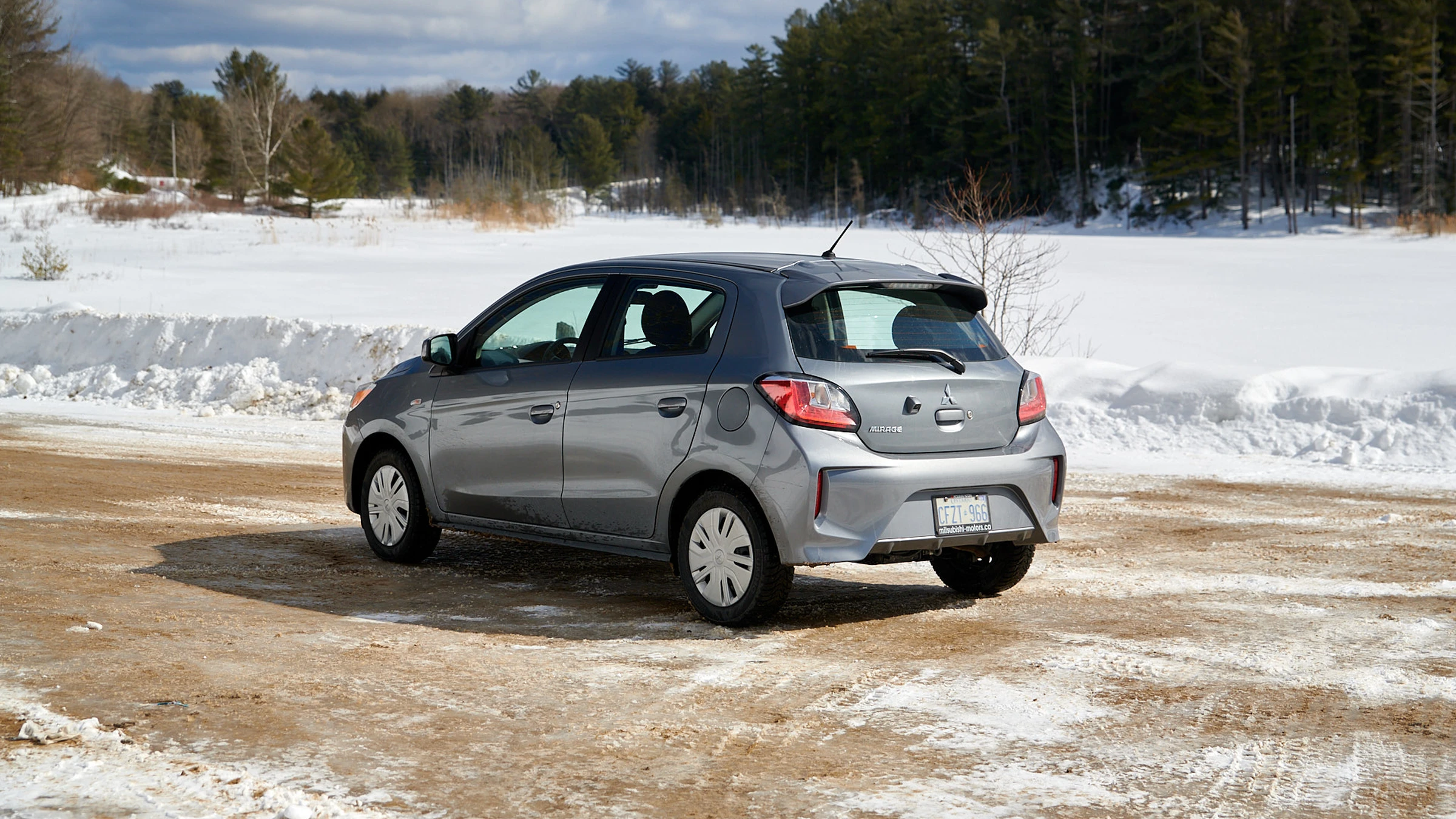
The Mitsubishi Mirage has long focused on simple, inexpensive transportation. Its small engine, light construction, and compact dimensions help keep fuel consumption low.
It is not designed to compete with the Civic on performance, refinement, or cabin quality. Instead, it targets buyers who place low operating expenses and affordable transportation near the top of their priorities.
The Mirage’s lightweight construction is central to its efficiency. Moving a lighter vehicle requires less energy, which can help reduce fuel consumption. Its small engine is also suited to basic commuting duties.
Real-world fuel economy depends on speed, traffic, weather, road conditions, and driving style, but the underlying design is clearly oriented toward economy rather than performance.
Maintenance can be relatively simple because the vehicle uses conventional mechanical systems. Owners still need to budget for regular servicing, tires, brakes, fluids, and other consumables.
The low purchase price can also make the Mirage appealing to buyers who need transportation without taking on a large car payment. However, buyers should not confuse low price with universal superiority. Interior quality, acceleration, highway stability, cargo capacity, and safety equipment can differ substantially from what is offered in a Civic.
Used-car buyers should pay particular attention to condition. An inexpensive vehicle can become expensive if it has been poorly maintained or involved in an accident.
Service records, tire condition, brake condition, fluid leaks, suspension noise, air-conditioning performance, and transmission behavior should all be checked. A professional inspection is worthwhile when purchasing an older example, particularly if the vehicle will be relied on for daily transportation.
