
Buying a new car can feel exciting, but its value can fall quickly once it leaves the dealership. Some models lose far more money than others within the first four years of ownership.
Luxury vehicles, large SUVs, and several electric cars are particularly exposed to steep depreciation because their high original prices, changing technology, and used-car demand can push resale values down. Knowing which vehicles depreciate quickly can help buyers make smarter financial decisions.
This guide looks at 10 cars that can suffer major value losses and explains why their resale prices can fall so sharply during the early years of ownership.
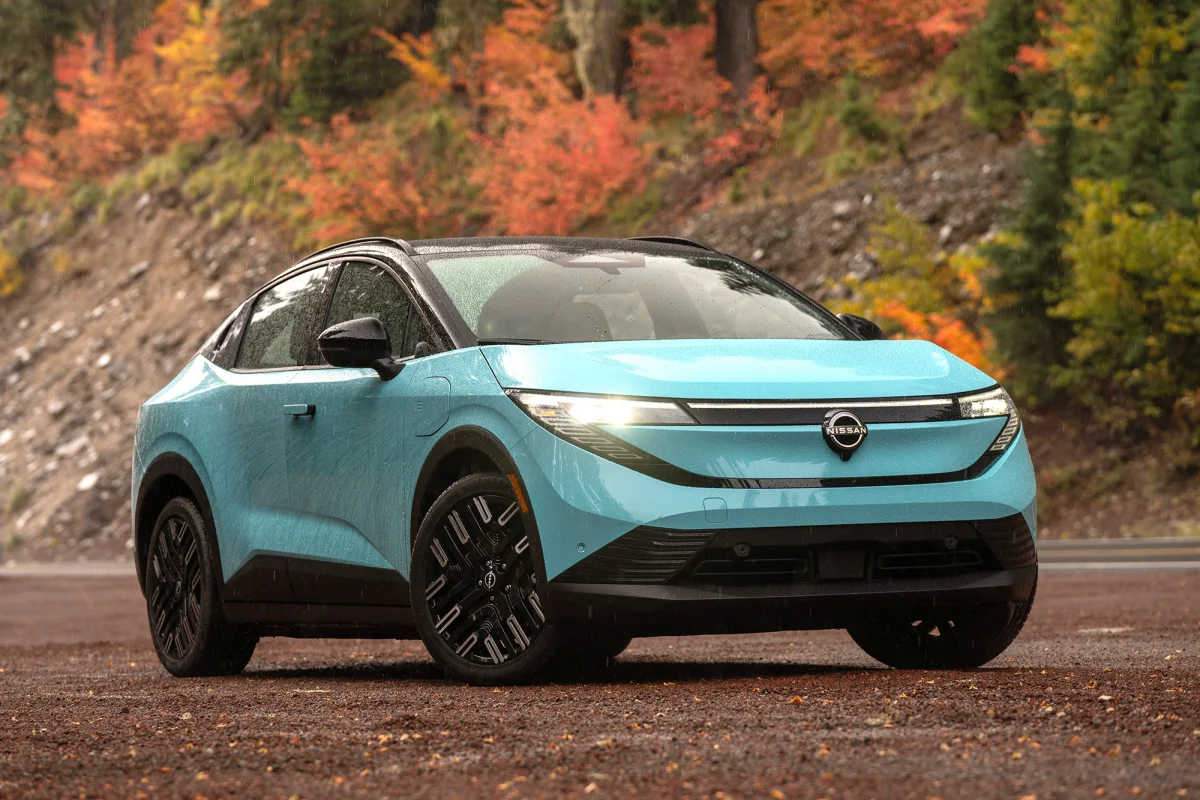
1. Nissan Leaf
The Nissan Leaf has been available for years as a practical electric vehicle, but its resale performance has become a concern for buyers focused on long-term ownership costs.
Used electric vehicles have faced significant pricing pressure as newer models arrive with improved range, charging technology, interior features, and software.
That creates a difficult situation for an older Leaf because buyers in the used market can compare it with newer electric cars that may offer considerably better specifications. The result can be a substantial gap between what the car originally cost and what someone is willing to pay for it several years later.
Current depreciation research places the Nissan Leaf at the top of the highest-depreciating vehicles, with an average five-year depreciation rate of 63.1 percent. The study estimates an average difference of about $17,743 between its original price and its used-market value after five years.
These figures are not an exact four-year measurement, but they show how aggressively the Leaf can lose value during the first ownership cycle. A buyer who sells around the fourth year can still face a large reduction in value.
Battery technology is another factor affecting the Leaf’s resale position. Electric-car buyers often pay close attention to driving range, charging speed, battery condition, and warranty coverage.
As battery technology improves, older electric vehicles can appear less attractive even when they remain perfectly usable for daily transportation. A Leaf that was competitive when new may have a harder time commanding a strong price when buyers can choose from newer electric vehicles with longer range and more advanced charging systems.
The Leaf also demonstrates an important difference between depreciation percentage and actual money lost. Its original price is considerably lower than that of several luxury vehicles, so the percentage decline can be severe without producing the largest dollar loss on the list.
A buyer spending less money at the start may still lose a substantial portion of the vehicle’s original value. This makes depreciation particularly important for shoppers who plan to replace their vehicle after only a few years.
For buyers considering a Leaf, purchasing used can make more financial sense than buying new if the vehicle meets their needs. A large portion of the depreciation may already have occurred by the time a used example reaches the market.
Buyers who plan to keep the vehicle for several more years may also place less importance on resale value. The main takeaway is that the Leaf can be an appealing option on the used EV market because of its affordability. However, buying one new requires careful consideration of how quickly its value may depreciate.
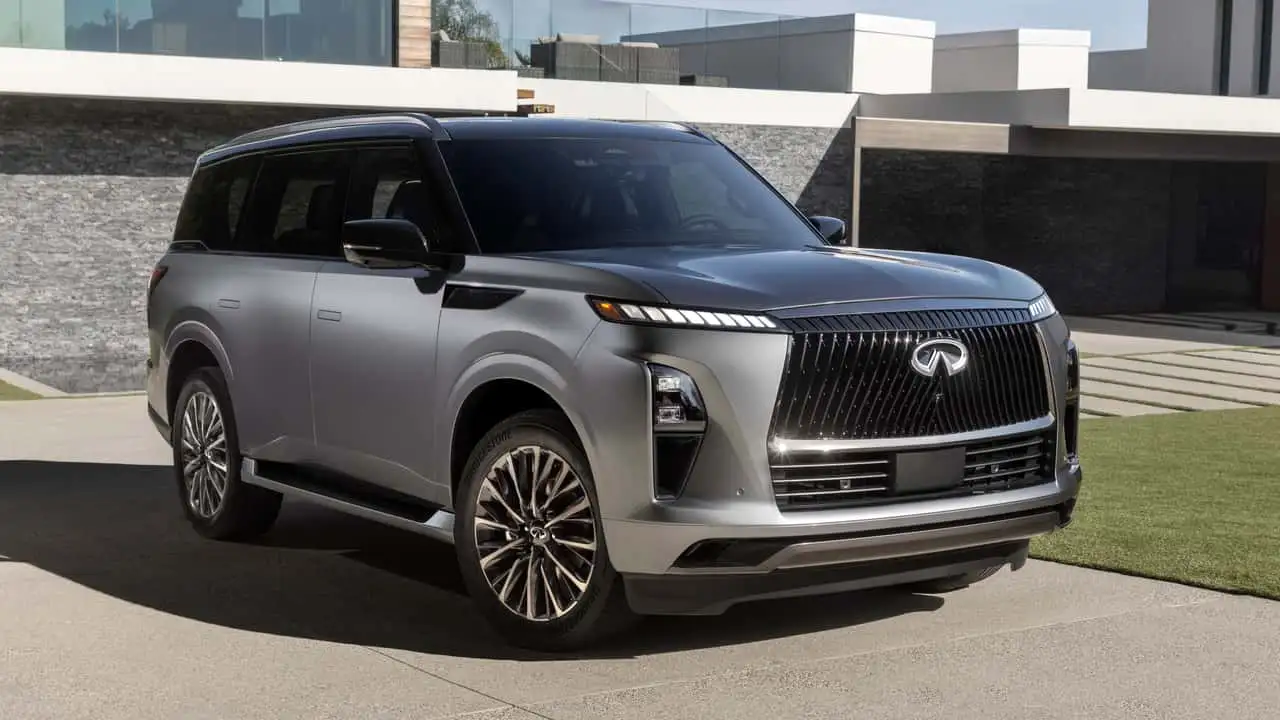
2. Infiniti QX80
Large luxury SUVs often combine high purchase prices with expensive equipment, which can create significant depreciation. The Infiniti QX80 fits this pattern. It provides substantial interior space, a powerful engine, premium features, and the presence expected from a large luxury SUV.
Those qualities can make it appealing when new, yet used-car shoppers do not always place the same value on luxury features that new-car buyers do. As a result, the vehicle can lose a considerable amount of its original price within several years.
The latest iSeeCars study estimates five-year depreciation for the Infiniti QX80 at 62.8 percent, placing it second among all vehicles in the study’s highest-depreciation ranking. The estimated average dollar loss is about $52,631.
That is a major financial decline for a vehicle that begins with a high transaction price. A four-year owner could therefore face a substantial loss when selling or trading the SUV.
Model changes can also influence resale values. When a manufacturer introduces a redesigned generation, buyers may become less interested in an older version.
The QX80 recently went through a major redesign after a long production run, and that kind of transition can place additional pressure on previous-generation vehicles. Buyers shopping for used examples may prefer the newer design, leaving older versions competing mainly on price.
Large SUVs also carry substantial running costs. Fuel consumption, insurance, tires, maintenance, and repairs all influence what a used buyer is prepared to pay.
A person comparing several used SUVs may accept a higher purchase price for a model with better fuel economy or a stronger reputation for long-term ownership. This can push down the value of a large luxury SUV even when the vehicle itself remains comfortable and capable.
The QX80 can still make sense as a used purchase for someone who needs its size and capabilities. The important point is that the steep depreciation can become an advantage for the second owner.
Someone who buys after the initial depreciation period may receive a large luxury SUV for far less than its original cost. For the first owner, however, the same depreciation represents a major financial expense.
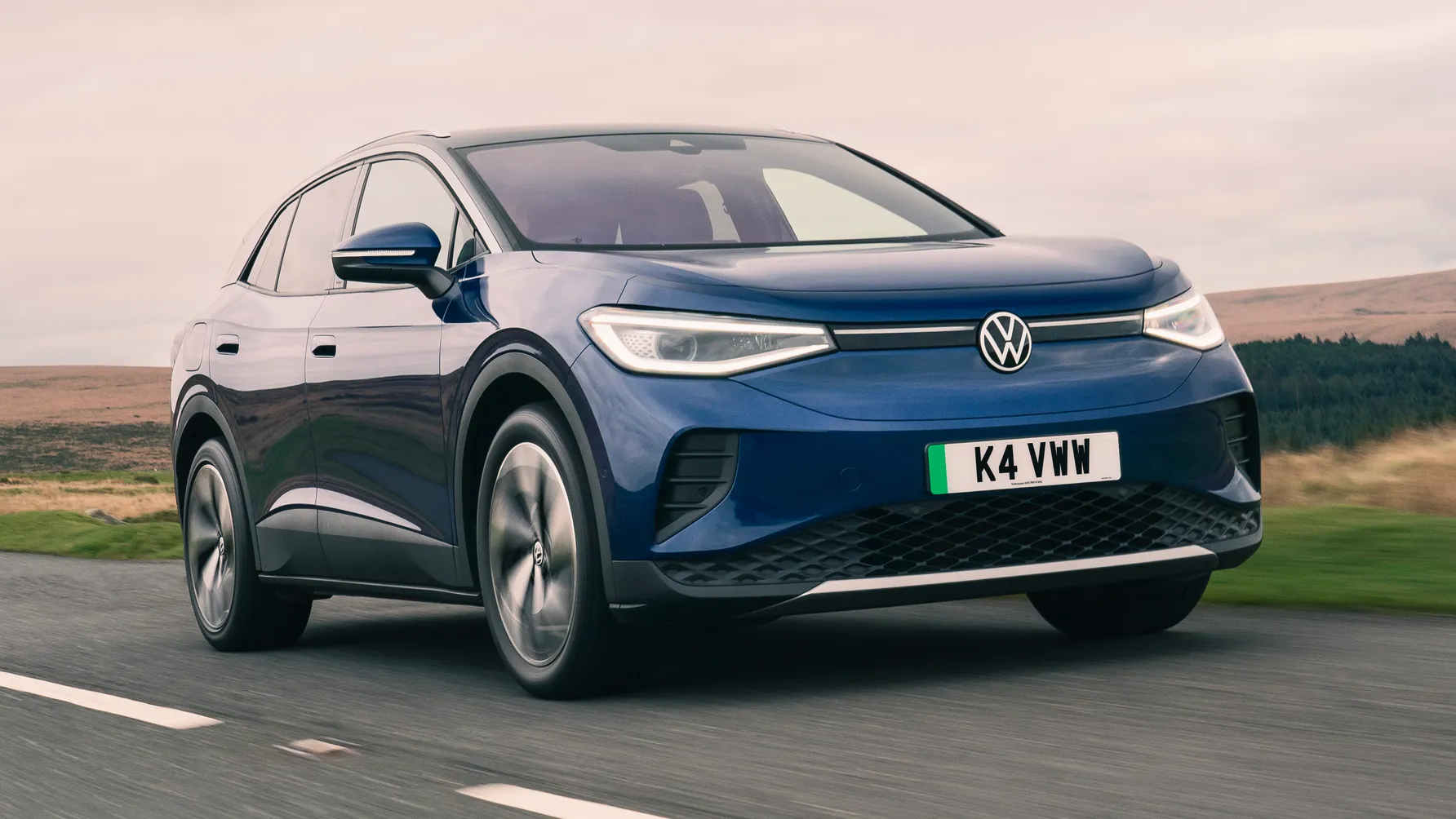
3. Volkswagen ID.4
The Volkswagen ID.4 entered the electric SUV market with a practical design, comfortable cabin, and the appeal of an established automotive brand. Its position has become more challenging as competition in the electric SUV market has grown.
New electric vehicles continue to receive improvements in range, charging, technology, and pricing, which can reduce demand for earlier versions. Used buyers have more choices than they did when the ID.4 first arrived, and that competition affects resale prices.
The latest iSeeCars data puts the Volkswagen ID.4 at 62.1 percent depreciation after five years, with an estimated average dollar loss of $28,010.
That level of depreciation places it near the top of the list of vehicles losing the greatest share of their original value. For someone planning to sell after four years, the financial impact can be substantial.
Electric vehicles face a unique depreciation challenge because technology changes quickly. A vehicle purchased several years ago can have specifications that seem ordinary when compared with a newer model.
Range is particularly important because buyers want flexibility for longer journeys. Charging speed can also influence demand, since faster charging can make an EV easier to use for frequent travel.
Pricing strategies can create additional pressure. Manufacturers sometimes reduce new-vehicle prices, introduce incentives, or offer attractive financing packages.
When a new vehicle becomes cheaper to buy, used examples generally need to become cheaper as well to remain competitive. This can reduce the resale value of vehicles purchased earlier at higher prices.
The ID.4 illustrates why buyers should look beyond the monthly payment when purchasing a new car. A low financing payment can make a vehicle appear affordable, yet depreciation may become the largest ownership expense.
Buyers planning to keep an ID.4 for many years may care less about this issue, while people who change vehicles every three or four years should pay closer attention to expected resale performance.
4. Tesla Model S
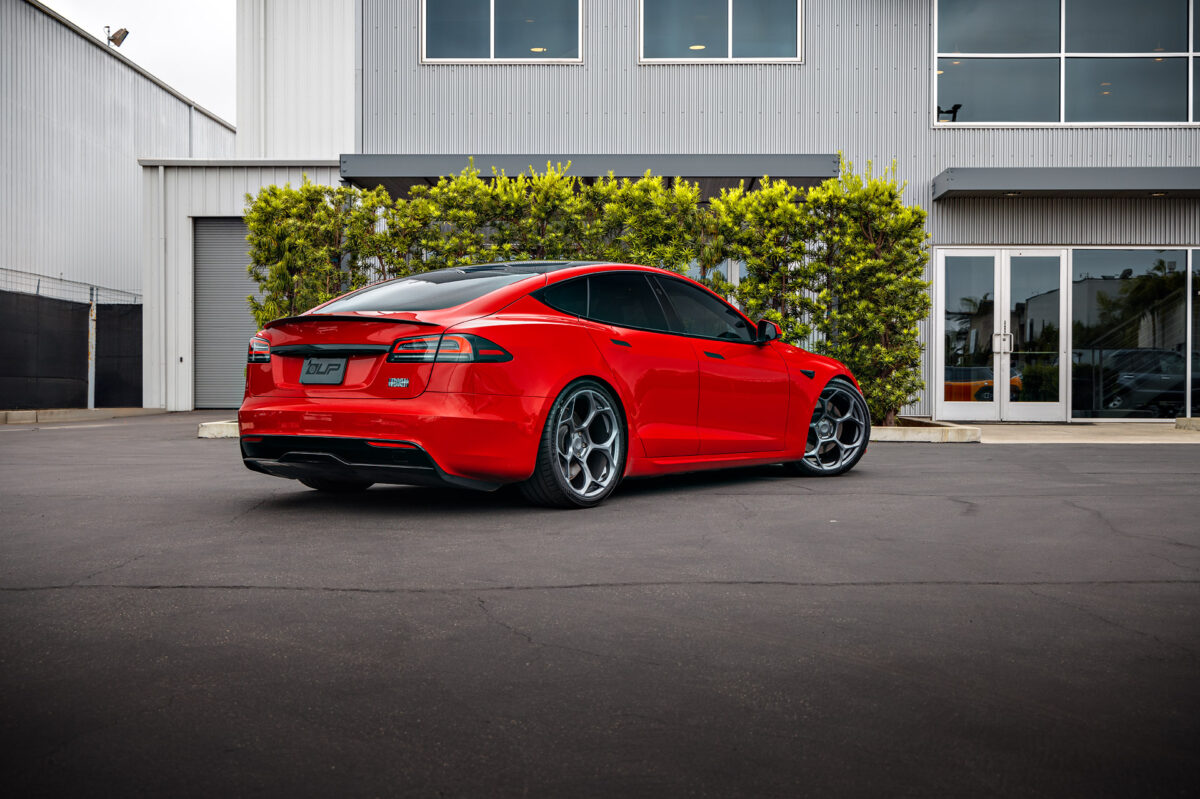
The Tesla Model S helped establish the idea that an electric car could deliver high performance, long-distance capability, and advanced technology.
Its premium positioning also means that depreciation can involve a large dollar amount. A vehicle that costs significantly more when new has more room to lose value as the used market adjusts its pricing.
Current iSeeCars research estimates five-year depreciation for the Model S at 62.0 percent. The study puts the average dollar difference between its original price and five-year used value at approximately $58,907.
Tesla has also changed vehicle pricing over time, which can affect used values. When new-car prices move lower, used examples can become harder to sell at their previous market values.
Buyers tend to compare a used Model S against newer electric cars, including other Tesla models, rather than comparing it only with traditional luxury sedans.
Technology plays a large role as well. Electric-car buyers may consider battery range, charging performance, driver-assistance features, infotainment systems, and software capabilities.
Features that once helped justify a premium price may become less valuable when newer cars offer similar or better technology. This creates a faster depreciation cycle than buyers may expect.
The Model S can therefore be an interesting used-car opportunity. A buyer who does not need the latest technology can potentially obtain a high-performance electric sedan for a fraction of its original price.
For the original owner, however, the financial calculation is much less favorable. The large gap between new and used pricing makes depreciation a major factor to consider before buying.
5. Land Rover Range Rover
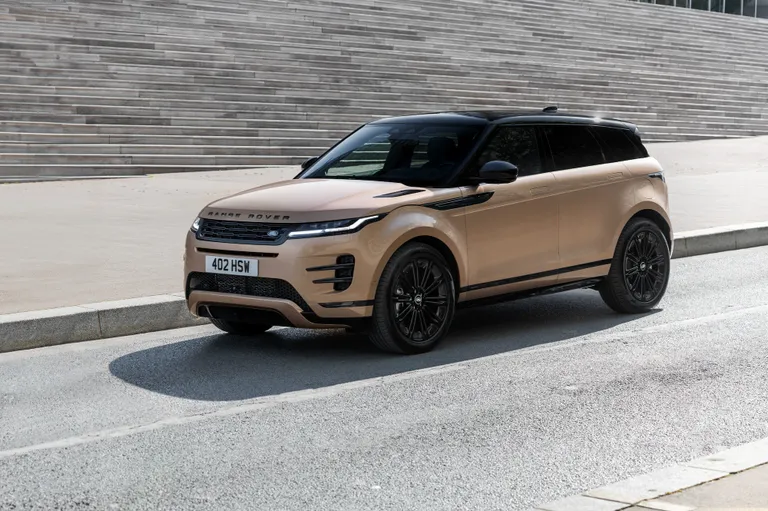
The Range Rover has a strong reputation for luxury, comfort, design, and off-road ability. It also commands a high price when new. That combination creates a large potential depreciation bill because even a moderate percentage decline can translate into tens of thousands of dollars.
The latest iSeeCars study estimates that the Range Rover loses 61.7 percent of its value over five years. The average dollar difference is estimated at approximately $69,856, making it the most expensive vehicle in the study in terms of average dollar depreciation. A four-year owner can therefore face a significant financial loss before reaching the five-year mark.
Luxury vehicles tend to depreciate faster because their buyers often prioritize the newest styling, technology, and equipment.
A premium SUV that looks exceptional when new may face strong competition from newer versions within only a few years. Used buyers can also become more cautious about expensive maintenance and repair bills as the vehicle ages outside its initial warranty period.
The Range Rover’s complex technology and premium components can add to ownership concerns. Used buyers may calculate not only the purchase price but also potential maintenance expenses.
A vehicle that is cheap compared with its original price may still be less attractive if buyers expect higher running costs. This can push resale prices down further.
For a used-car buyer, the same depreciation that hurts the first owner can create an appealing opportunity. A well-maintained Range Rover with a documented service history may provide a luxury experience at a much lower purchase price than a new model.
The buyer needs to budget carefully for maintenance and repairs. For new-car shoppers, however, the high depreciation rate deserves serious attention.
6. BMW 7 Series
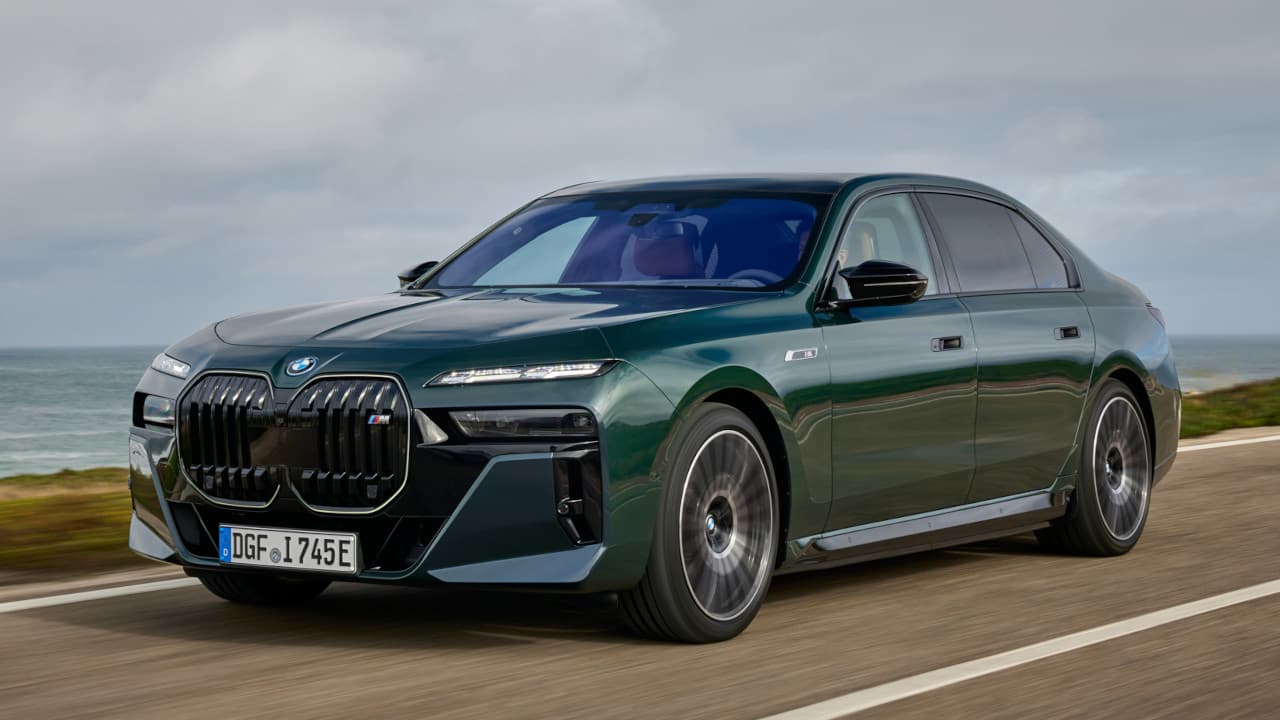
The BMW 7 Series occupies the flagship luxury sedan category, where technology, comfort, performance, and premium materials are major selling points.
These qualities contribute to a high original price, but they do not guarantee strong resale value. Used-car buyers may not be willing to pay a premium for features that were expensive when new.
The current depreciation study estimates a 61.6 percent five-year value loss for the BMW 7 Series. Its average dollar depreciation is estimated at $61,141. Flagship sedans face another challenge because their target audience often prefers newer vehicles.
Buyers shopping for a high-end sedan may have the budget to purchase a newer model, while used buyers seeking value may prioritize less expensive alternatives. This creates a narrow market in which the vehicle’s original luxury premium becomes difficult to recover.
Technology can accelerate the process. Large luxury sedans frequently receive advanced screens, driver-assistance systems, premium audio equipment, sophisticated suspension systems, and other features. New generations bring improved versions of these technologies, reducing the perceived advantage of an older model.
The 7 Series can therefore be a strong example of why buying used may be financially attractive. A person who values comfort and performance can find substantial savings after several years.
Buyers purchasing new should focus on how long they intend to keep the vehicle. Keeping it for a long period can spread the initial depreciation over more years, while replacing it after four years can expose the owner to a large resale loss.
7. Tesla Model X
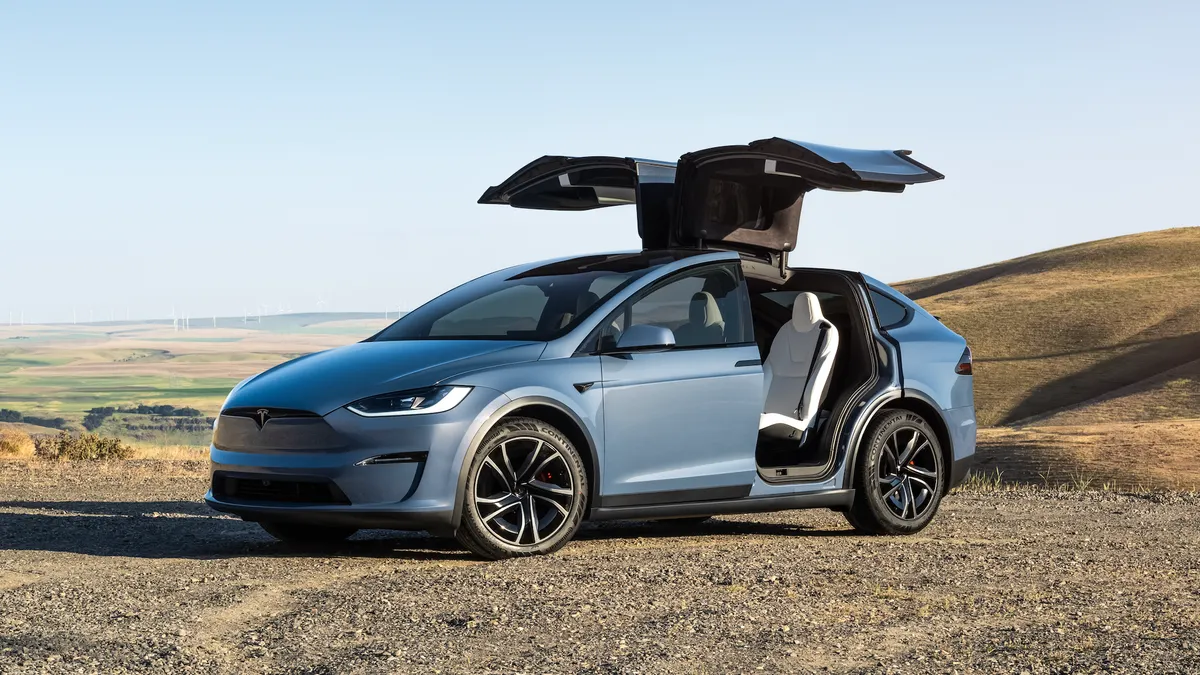
The Tesla Model X combines electric power with the large SUV format, giving it a premium position in the market. Its distinctive design and technology helped separate it from traditional luxury SUVs. However, the used market has become much more competitive as electric SUVs have become more common.
The Model X has an estimated five-year depreciation rate of 61.2 percent, according to current iSeeCars research. The study estimates an average dollar loss of about $61,216.
The size of the financial loss is especially important for buyers who plan to change vehicles after four years. A high-priced vehicle does not need to lose most of its value to create a large monetary loss.
Even a percentage decline that looks manageable can represent tens of thousands of dollars when the starting price is high.
Electric SUVs also face rapid product development. New models can offer better range, charging systems, interior designs, and technology. This gives used buyers more choices and puts pressure on older premium EVs. The Model X remains distinctive, but distinctiveness alone does not guarantee strong resale value.
For someone buying used, the Model X can offer significant value compared with its original price. Buyers should pay attention to battery condition, service records, tire wear, warranty coverage, and the vehicle’s configuration.
For a new-car buyer, the main consideration is whether the ownership experience is worth the depreciation cost.
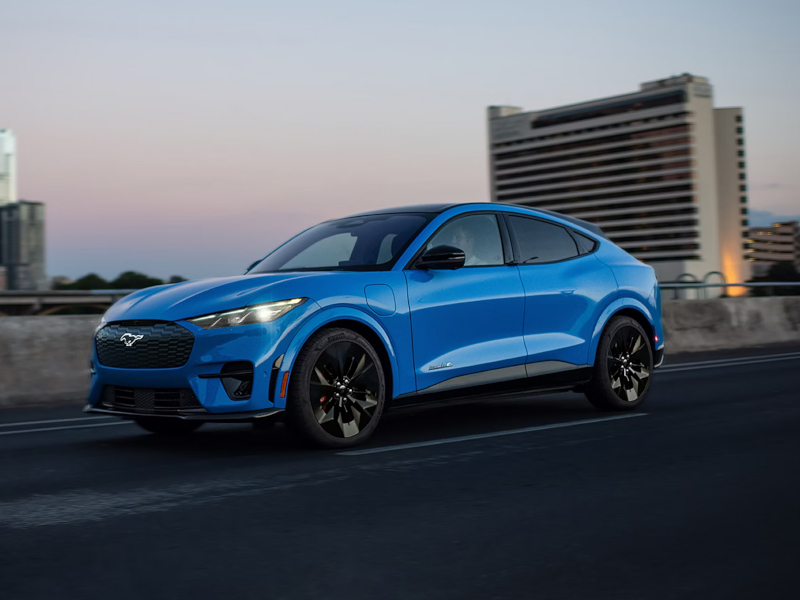
8. Ford Mustang Mach-E
The Ford Mustang Mach-E brought an established American automotive brand into the electric SUV segment. Its crossover design, performance-focused versions, and practical interior made it competitive with several newer electric vehicles. Yet electric vehicle pricing has changed quickly, affecting the value of earlier purchases.
According to the latest iSeeCars study, the Mustang Mach-E loses an estimated 60.8 percent of its value after five years. Its average dollar depreciation is approximately $22,976.
Buyers can compare driving range, charging speed, interior space, technology, warranty coverage, and purchase incentives. As manufacturers release new products, older models have to compete with vehicles that may provide more equipment for similar money.
Price changes can also affect used values. When new EVs receive discounts or incentives, buyers may expect similar reductions in the used market. A vehicle that originally sold at a premium may therefore lose value faster than its owner expected.
The Mach-E can still be appealing as a used vehicle because depreciation may make it accessible to buyers who could not justify its original price. Its performance and practicality remain useful even after its market value has fallen. For new buyers, keeping the car for many years can reduce the significance of depreciation, while short-term ownership makes the loss more important.
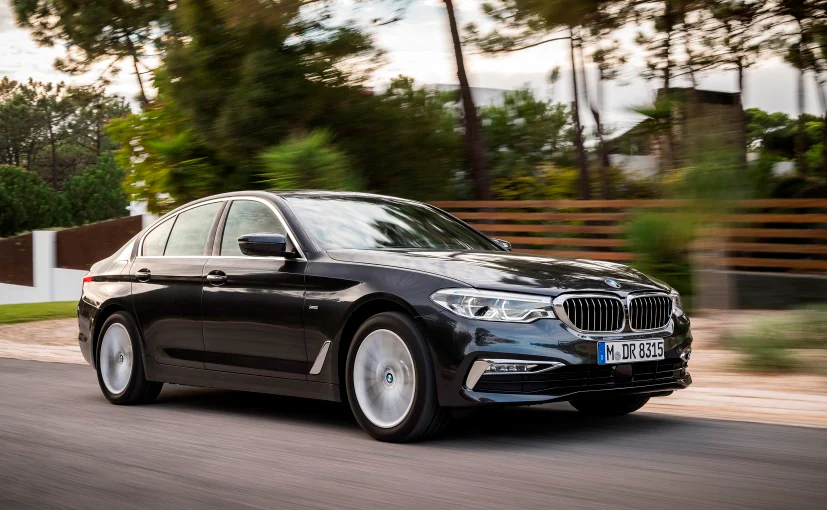
9. BMW 5 Series Hybrid
Hybrid luxury vehicles sit between conventional gasoline cars and fully electric models, but their resale performance varies widely. The BMW 5 Series hybrid offers premium styling, sophisticated technology, and improved efficiency, yet those advantages come with a high original price.
The latest iSeeCars data estimates five-year depreciation of 59.5 percent for the BMW 5 Series hybrid. The average dollar loss is approximately $44,921.
Hybrid systems can become less valuable to used buyers when newer technology arrives. Consumers may have questions about battery condition, warranty coverage, fuel savings, and long-term repair costs. These concerns can influence the price buyers are prepared to pay for an older premium hybrid.
Luxury sedans also face competition from SUVs. Many consumers who previously considered midsize and large sedans now prefer crossovers and SUVs because of their seating position and cargo flexibility. Reduced demand can put additional pressure on resale values, especially for expensive sedans.
The 5 Series hybrid may therefore be better suited to buyers who appreciate its driving experience and plan to keep it for a long time. Used buyers can benefit from the depreciation that affects the original owner. Anyone purchasing new should compare the expected resale value with the vehicle’s fuel savings and ownership period before deciding.
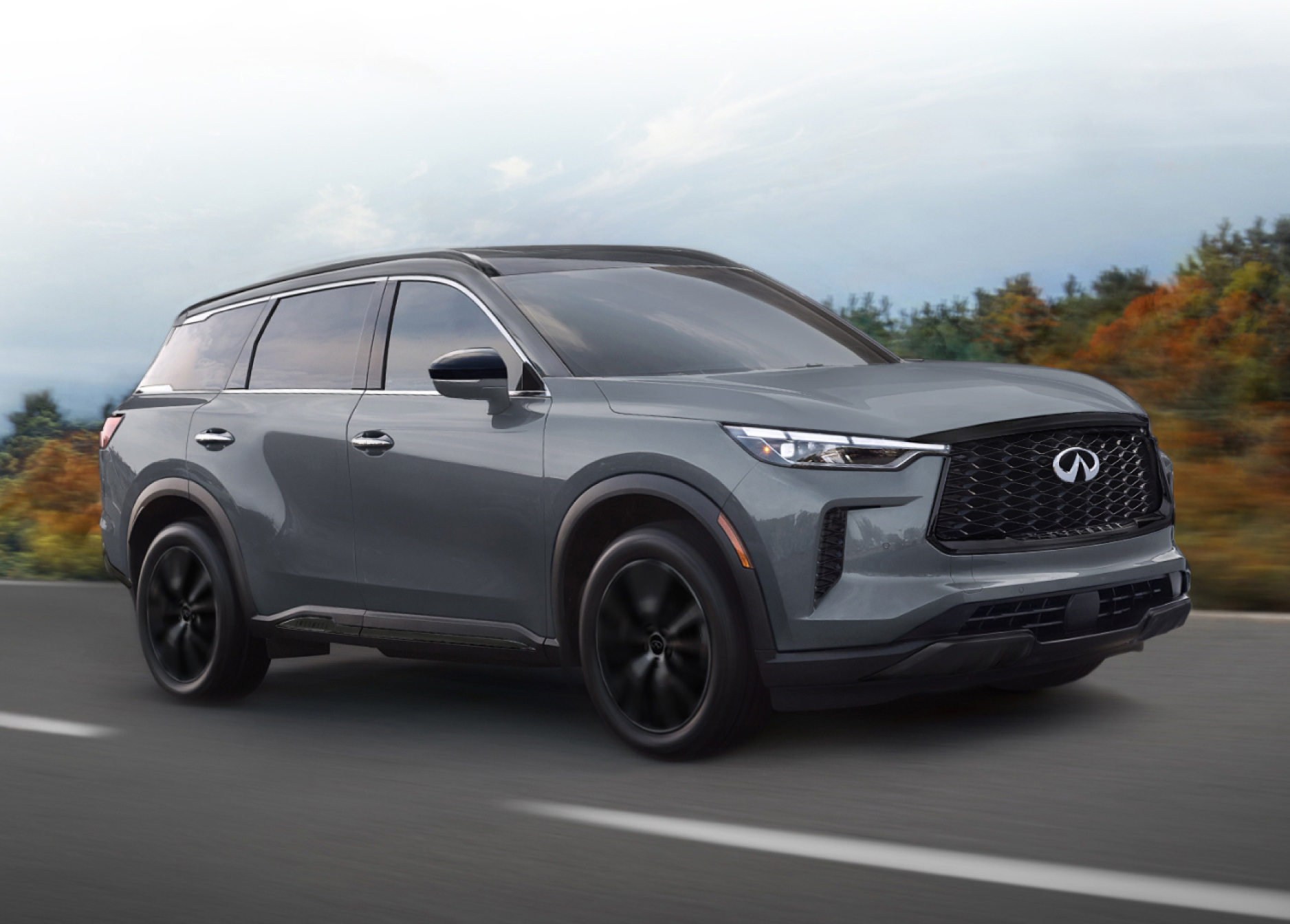
10. Infiniti QX60
The Infiniti QX60 is a midsize luxury SUV designed for buyers who want family-friendly space with premium features. SUVs generally have strong consumer demand, but luxury SUVs do not automatically retain their value. High purchase prices and strong competition can produce significant depreciation.
The latest iSeeCars research estimates five-year depreciation for the QX60 at 58.3 percent. The average dollar loss is approximately $30,099.
The vehicle competes in a crowded segment that includes mainstream and luxury SUVs. Buyers can choose models with similar passenger capacity, technology, and comfort at different price points. Used shoppers may therefore question whether a premium badge is worth paying extra for when several alternatives are available.
Luxury SUVs can also face higher ownership costs than mainstream models. Insurance, tires, maintenance, and repairs may influence a used buyer’s decision. If consumers expect higher expenses after the warranty period, they may demand a lower purchase price. That expectation can contribute to depreciation.
For a buyer searching for a used luxury SUV, the QX60 can become more attractive after several years of depreciation. The first owner absorbs much of the initial loss, while the second owner can purchase the vehicle at a significantly reduced price.
Anyone buying new should consider the expected resale value before committing to a short ownership cycle.
