
A modern car can offer far more than transportation, and factory-fitted audio systems have become a major part of the premium driving experience.
Some luxury vehicles now carry dozens of speakers throughout the cabin, creating a detailed soundstage for music, films, navigation alerts, and other audio content. These systems use carefully positioned speakers, powerful amplifiers, subwoofers, and advanced tuning to make the cabin feel like a private listening room.
From large luxury SUVs to high-end electric sedans, manufacturers are pushing speaker counts far beyond traditional car stereos. Here are eight cars known for offering exceptionally high speaker counts from the factory, along with what makes their audio systems special.
1. Cadillac Escalade
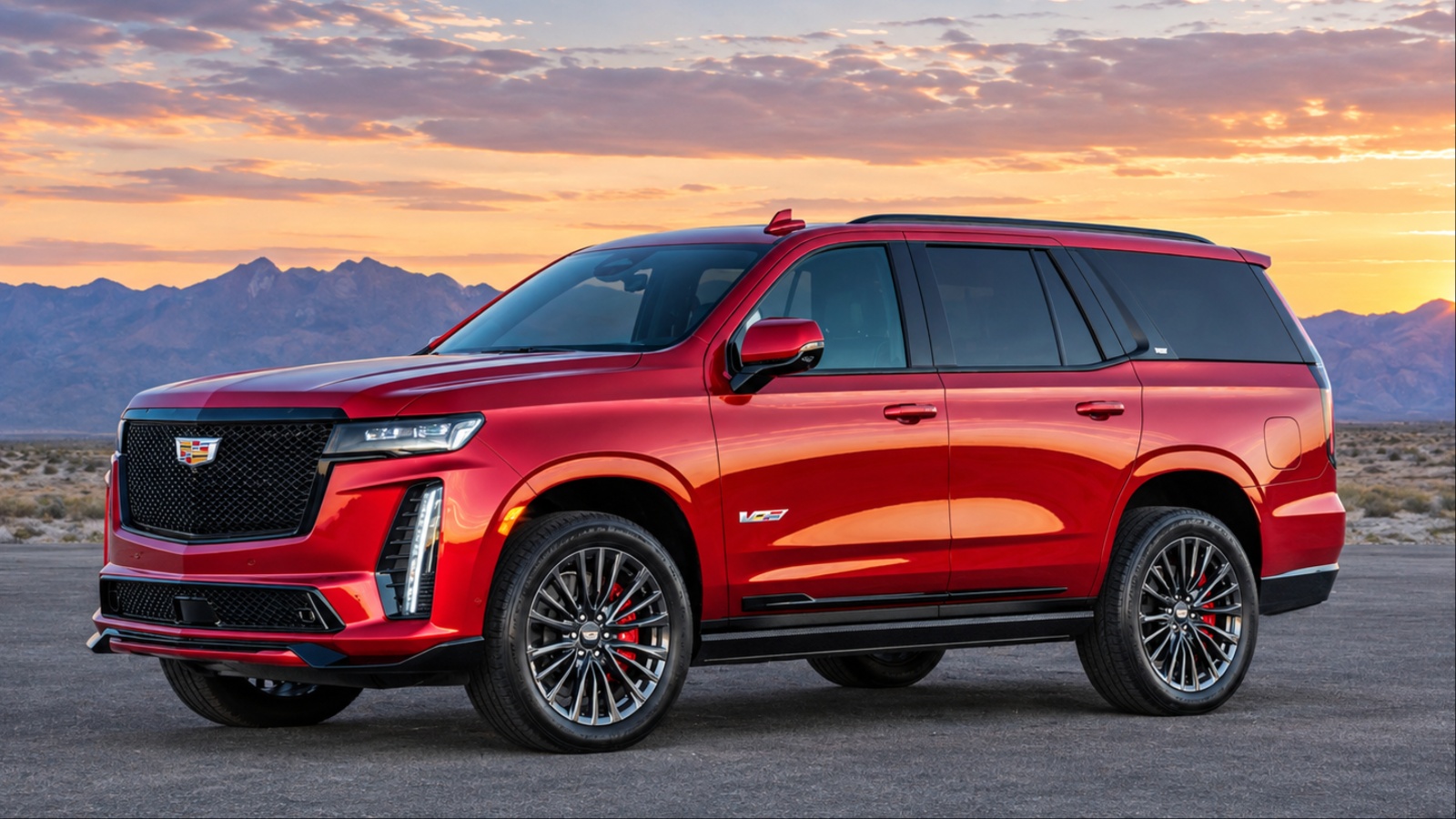
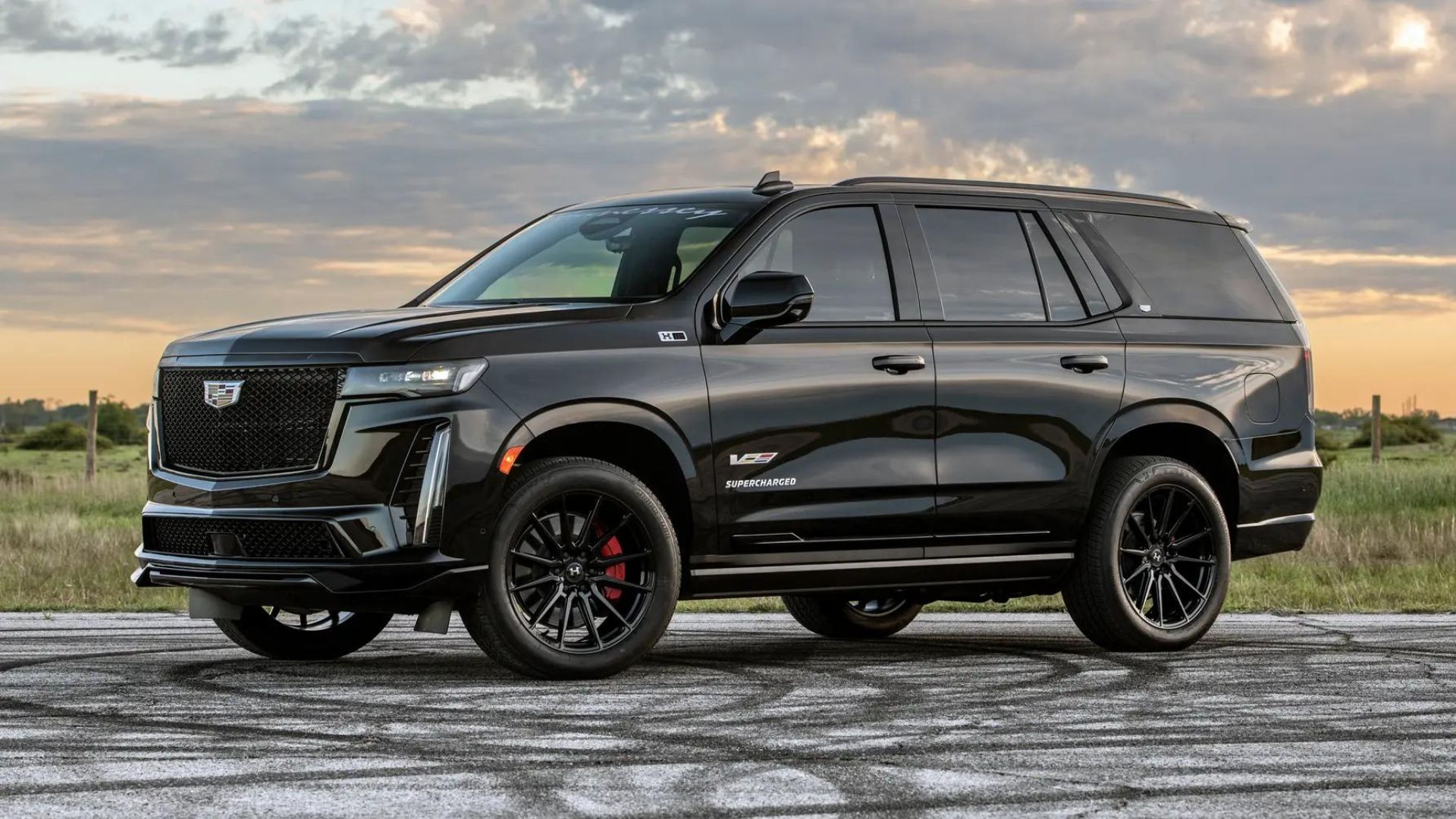
The Cadillac Escalade has become a standout choice for buyers who want an enormous luxury SUV with an equally impressive factory audio system. Its available AKG Studio Reference system has 36 speakers, giving the Escalade one of the highest speaker counts available in a production vehicle.
On certain newer versions, the available Executive Second Row package can increase the total to 40 speakers. That makes the Escalade particularly interesting for passengers who spend long hours travelling in the rear seats.
The 36-speaker AKG system is designed around the shape and size of the Escalade’s large cabin. Instead of simply placing speakers in the doors, Cadillac uses multiple locations and different speaker types to create a more immersive listening environment.
The system is powered by multiple amplifier channels, allowing different areas of the cabin to receive carefully controlled audio. This approach helps maintain clarity even when passengers are seated several rows apart.
Cadillac developed the Escalade’s AKG system with a strong focus on acoustic tuning. The company worked with AKG to create a system that could deliver detailed sound throughout the cabin rather than concentrating the listening experience around the driver.
That distinction matters in a three-row SUV because the distance between the front and rear passengers can be considerable. The additional speakers help create a more consistent presentation for people sitting in different positions.
The system also includes features designed specifically for a luxury SUV. Passenger volume controls allow occupants to adjust their own listening experience, while additional audio technology helps improve communication between people inside the cabin.
The sheer number of speakers is impressive, but the real purpose is to create a controlled acoustic environment in a large interior. A 36-speaker system would be excessive in a small car, but the Escalade’s size provides enough cabin space to make the arrangement practical.
The Escalade therefore earns its place near the top of this list because it combines an unusually high speaker count with sophisticated amplification and cabin-specific tuning.
Buyers who choose the highest-level AKG setup can get 36 speakers, while certain configurations can reach 40. It demonstrates how luxury SUV manufacturers are treating in-car entertainment as a major part of the passenger experience rather than a simple radio upgrade.
2. BMW 7 Series
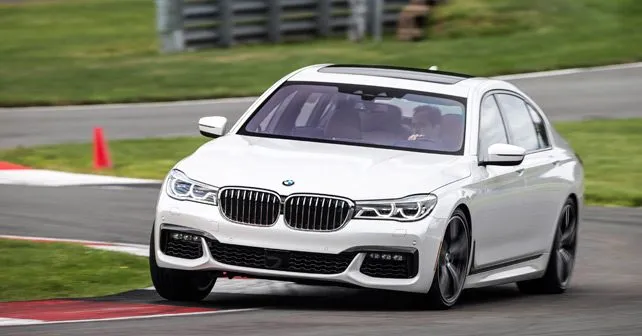
The BMW 7 Series is another luxury car that takes factory audio technology to an unusually high level. With the optional Bowers & Wilkins Diamond Surround Sound System, the flagship sedan can be equipped with 36 speakers.
The system is designed to provide a detailed and immersive listening experience across the spacious passenger compartment. Its large speaker count reflects the 7 Series’ role as a technology-focused luxury sedan.
Bowers & Wilkins uses a combination of speaker sizes and positions rather than relying on identical units throughout the cabin.
The arrangement includes dedicated speakers for different frequency ranges, helping reproduce vocals, instruments, bass, and high-frequency details with greater precision. Some of the speakers are also visually integrated into the interior, turning the audio hardware into part of the cabin’s design.
The 7 Series offers an environment particularly suited to a high-end sound system. The cabin is heavily insulated from outside noise, reducing unwanted road and wind sounds that can interfere with music.
This quieter environment gives the audio system a better foundation because subtle details are easier to hear. The result is not simply a louder stereo, but a system capable of producing a wide and carefully controlled soundstage.
BMW and Bowers & Wilkins have also paid attention to the position of individual speakers. Their placement allows sound to reach passengers from different directions instead of making the front doors the primary source.
This can make music feel more spacious and balanced, particularly for passengers sitting in the rear. In a car designed to carry executive passengers, rear-seat audio quality is especially important.
With 36 speakers, the BMW 7 Series sits firmly among the cars with the most elaborate factory audio systems. The speaker count is only part of the story, since amplifier technology, digital signal processing, speaker positioning, cabin acoustics, and tuning all influence the final result.
Still, having 36 individual speakers gives BMW and Bowers & Wilkins a huge amount of flexibility when shaping the listening experience.
3. Mercedes-Maybach S-Class
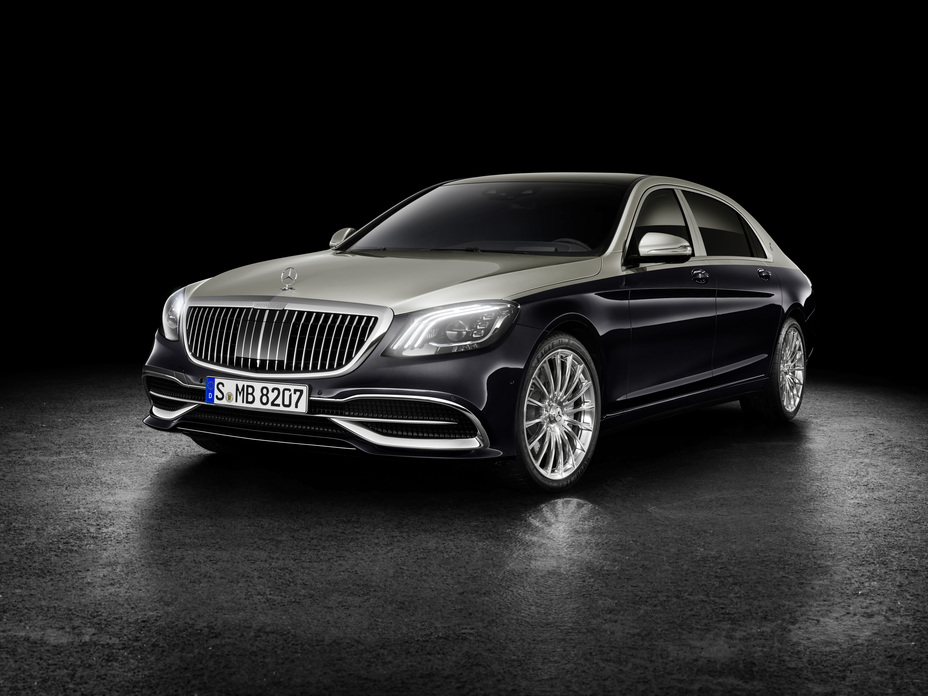
The Mercedes-Maybach S-Class takes factory-fitted car audio to an extremely sophisticated level with its Burmester 4D surround sound system.
The system can use 31 speakers and a powerful amplifier setup, creating an acoustic environment designed specifically for the Maybach’s exceptionally quiet cabin. The car is engineered around rear-seat comfort, so the audio system has been developed with passengers throughout the cabin in mind.
The Burmester system uses more than traditional loudspeakers. Some components work as sound transducers or exciters, creating additional physical sensations through the seats.
This technology forms part of the system’s 4D concept. Rather than treating music as sound coming from a few fixed locations, Mercedes aims to make the audio experience feel more enveloping.
The system’s 31 speakers are positioned around the cabin, including areas above the occupants. This allows the audio processor to create a sense of height as well as width and depth.
The arrangement is particularly useful with compatible immersive audio formats because individual sounds can be assigned to different locations within the vehicle’s acoustic space.
Mercedes has also used Dolby Atmos compatibility in several high-end models equipped with its advanced Burmester systems.
Dolby Atmos can place compatible audio elements around the listener instead of restricting them to traditional left and right channels. In a luxury sedan with multiple rows and an unusually quiet cabin, that technology can produce an especially impressive result.
The Maybach S-Class shows that speaker count alone does not determine audio quality. Its 31-speaker arrangement works alongside powerful amplification, digital processing, seat exciters, subwoofer technology, and careful acoustic tuning.
For passengers travelling in the rear, the system can transform the cabin into something closer to a private entertainment space than a conventional car interior.
4. Volvo EX90
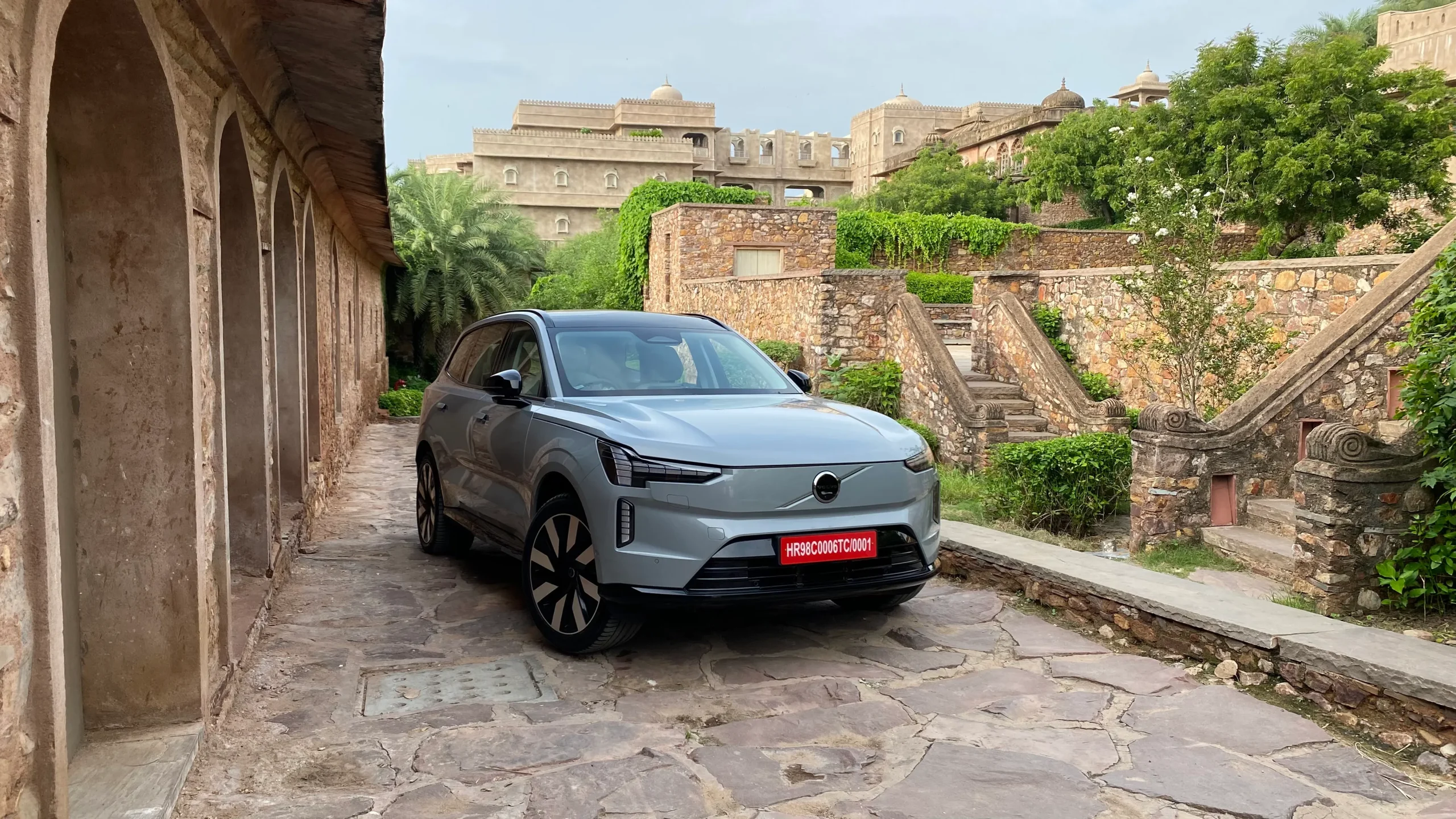
The Volvo EX90 brings a high speaker count to the electric SUV segment through its optional Bowers & Wilkins audio system.
The system uses 25 speakers positioned throughout the cabin, providing a substantial upgrade over conventional factory stereo arrangements. Volvo’s large electric SUV is particularly suitable for this type of setup because its quiet electric powertrain reduces background noise.
Electric vehicles can provide an excellent environment for premium audio systems because their drivetrains generally produce less mechanical noise than combustion engines.
Road and tyre noise remain present, but the absence of a conventional engine can make subtle musical details easier to appreciate. Volvo has used this quieter environment to create a cabin where the audio system plays a major role in the passenger experience.
The Bowers & Wilkins system includes speakers positioned at different heights and locations within the EX90. This gives the digital audio processor more opportunities to create a convincing sense of space.
The system is also designed around the physical shape of the cabin, so the placement of each speaker is not simply based on achieving a high numerical total.
The EX90’s audio technology also fits with Volvo’s broader focus on calm and comfortable interiors. The cabin uses high-quality materials, extensive sound insulation, and a minimalist design.
A sophisticated audio system complements that approach because music becomes a central part of the interior rather than an accessory added after the vehicle has been designed.
With 25 speakers, the EX90 has considerably more audio hardware than most mainstream SUVs. The system demonstrates how premium electric vehicles are competing on interior technology as much as range and charging performance.
For buyers who spend significant amounts of time travelling, the combination of a quiet electric cabin and a high-end multi-speaker system can be a compelling feature.
5. NIO ET7
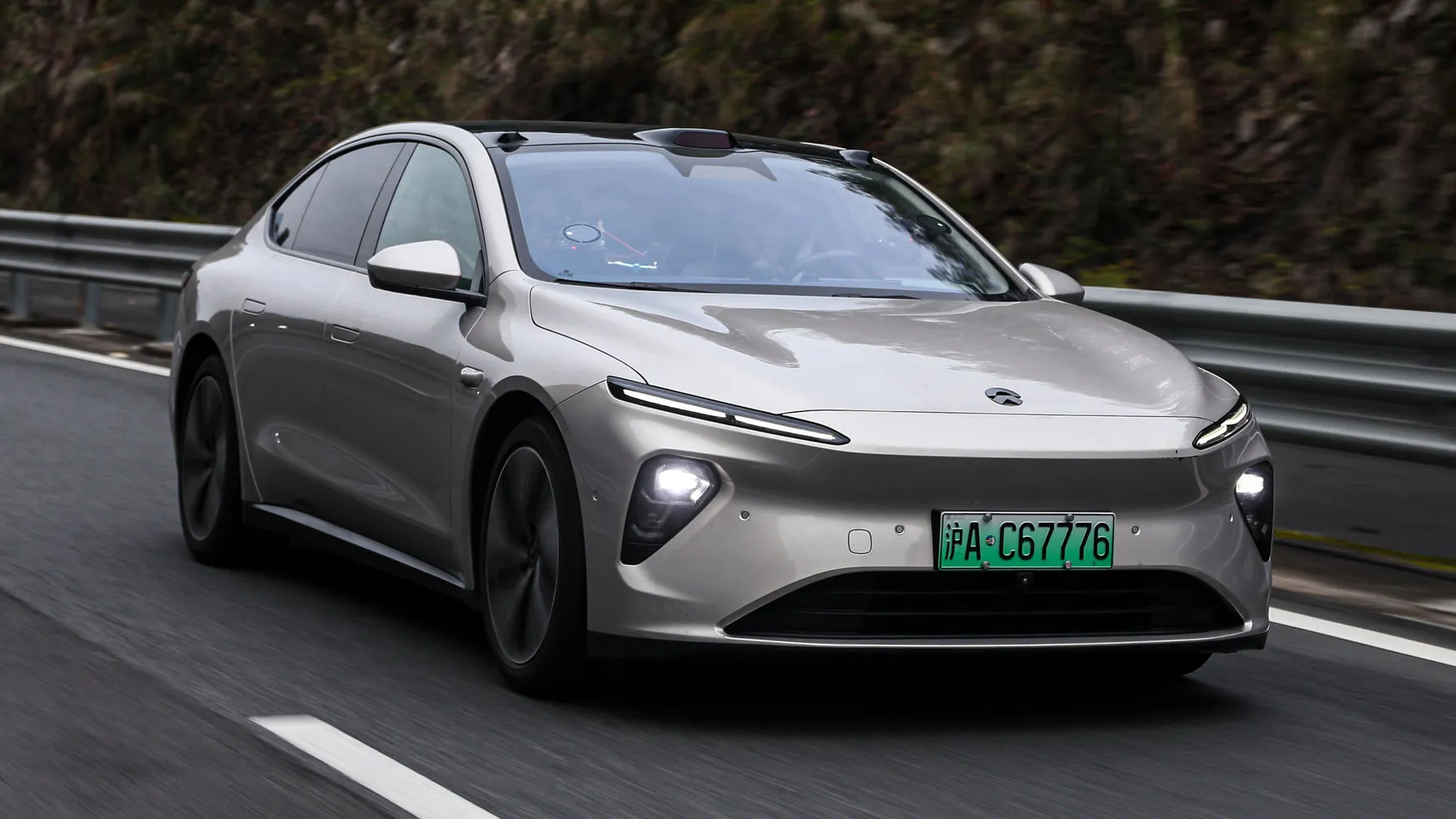
The NIO ET7 is a luxury electric sedan that has attracted attention for its advanced factory audio setup. Its available audio system uses 23 speakers, placing it comfortably among vehicles with unusually high speaker counts.
The system is designed around immersive sound, with speakers positioned throughout the cabin rather than relying on a conventional front-focused stereo layout.
NIO has positioned the ET7 as a technology-heavy luxury sedan, and its audio system reflects that philosophy. The cabin includes multiple speakers designed to reproduce music with greater spatial detail.
The system is also intended to work with immersive audio formats, giving passengers a more three-dimensional listening experience than traditional two-channel systems.
The quietness of the electric drivetrain provides another advantage. Like other premium electric cars, the ET7 does not have a conventional engine producing continuous mechanical noise in the background.
This allows the audio system to operate in a relatively controlled acoustic environment. Sound insulation and cabin design still matter, but the basic platform is well suited to premium entertainment technology.
The 23-speaker arrangement also illustrates how manufacturers are changing their approach to in-car audio. Older factory systems generally concentrated speakers in the doors, dashboard, and rear parcel shelf.
Modern premium systems can place additional units higher in the cabin and closer to individual passengers. This gives engineers greater control over where sounds appear to originate.
The NIO ET7 therefore deserves recognition for combining electric vehicle technology with a sophisticated factory sound system. Its 23 speakers put it well above ordinary premium audio packages in terms of hardware count.
More importantly, the system shows that Chinese luxury EV manufacturers are competing aggressively in areas such as cabin technology, entertainment, and passenger comfort.
6. Lexus LS
The Lexus LS has long been associated with quietness, refinement, and high-end interior technology, making it a natural candidate for a high-speaker-count factory audio system.
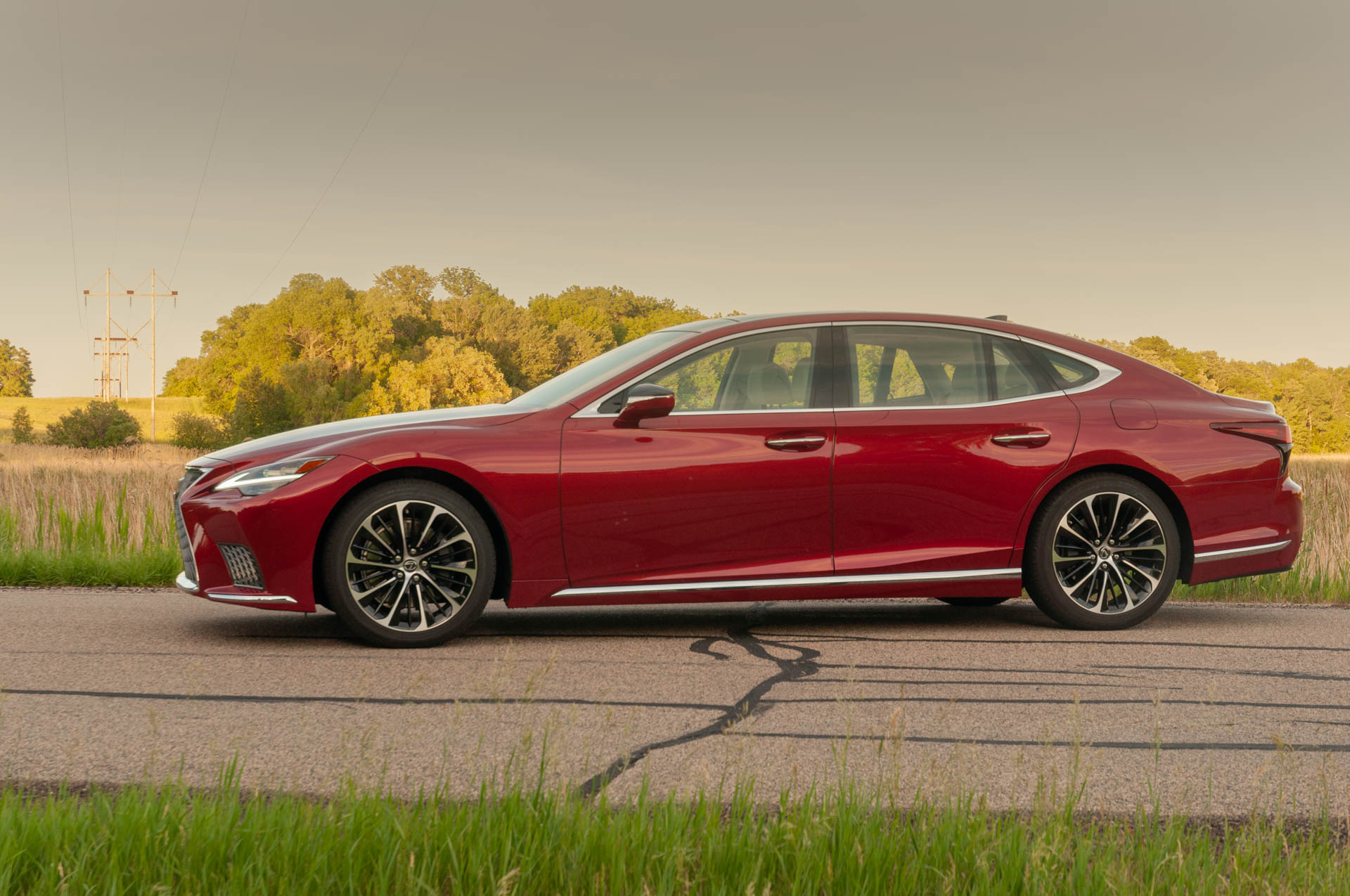
Its available Mark Levinson Reference Surround Sound system can feature 23 speakers, depending on specification and market. The system is engineered specifically for the LS cabin and is intended to provide detailed sound to both front and rear passengers.
Mark Levinson has a long association with premium automotive audio, and Lexus has used the brand across several of its luxury models.
In the LS, the system is integrated carefully into the interior rather than simply adding a large collection of speakers. Speaker grilles and components are positioned to complement the cabin while maintaining a clean appearance.
The LS is also an excellent platform for premium audio because Lexus places considerable emphasis on reducing cabin noise.
Sound insulation, acoustic glass, and careful engineering help create a quiet environment at highway speeds. This matters because even an expensive audio system cannot reproduce subtle musical details effectively if the cabin is filled with excessive road and wind noise.
The 23-speaker arrangement provides multiple sources around the passenger compartment. This allows the system to create a wider soundstage and helps reduce the sense that music is coming from a small number of locations.
Digital processing further helps compensate for the unusual shape and materials found inside a vehicle, where reflections from glass, leather, and trim can affect sound.
The Lexus LS demonstrates that a high-quality factory stereo is about more than adding speakers. The 23-speaker Mark Levinson system is part of a broader engineering package that includes amplification, digital processing, speaker positioning, and cabin acoustics.
For buyers seeking a quiet luxury sedan with a serious factory audio system, the LS remains a strong option.
7. Lucid Air
The Lucid Air helped push factory car audio into a new era with its Surreal Sound system.
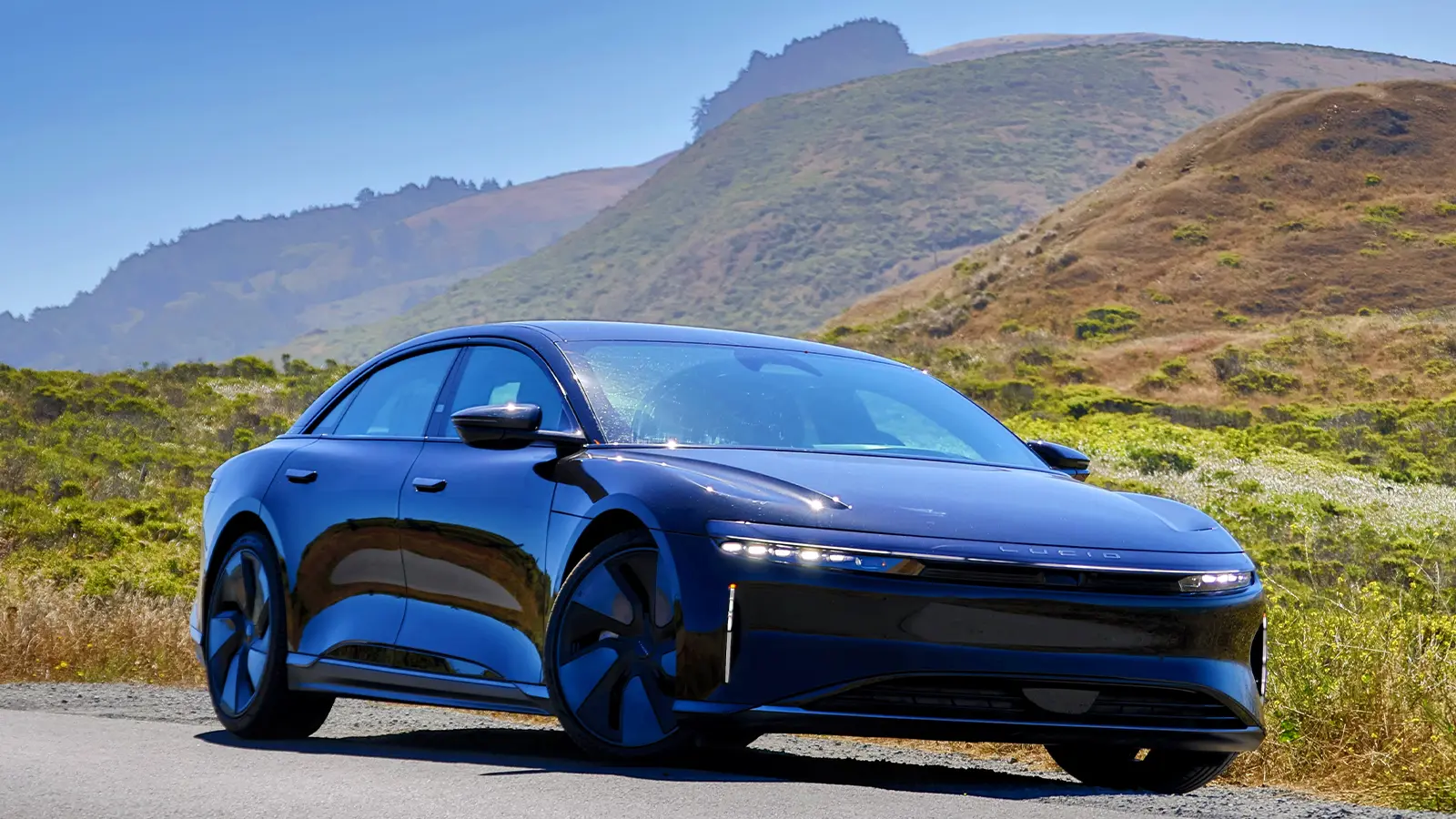
The available Surreal Sound Pro setup uses 21 speakers, with units positioned around the cabin to support an immersive listening experience. Lucid worked with Dolby on the system, making the Air particularly notable for its integration of Dolby Atmos technology.
The 21 speakers are arranged across the front, rear, sides, and upper areas of the cabin. This positioning gives the audio system the ability to reproduce sound from multiple directions. Instead of hearing music primarily from the front doors and dashboard, passengers can experience a much broader acoustic field.
Lucid developed the system with a strong emphasis on spatial audio. Compatible Dolby Atmos content can use the additional speaker positions to create greater separation between different elements of a recording.
A vocalist, instrument, or other sound can be positioned within the sound field rather than being restricted to a traditional left-right arrangement.
The Lucid Air is also a good example of how electric vehicles can provide a strong platform for premium audio. Its electric powertrain operates quietly compared with a traditional combustion engine, while the car’s luxury positioning places considerable emphasis on cabin comfort.
The audio system consequently becomes part of the sensory experience rather than a simple entertainment feature.
With 21 speakers, the Lucid Air does not have the highest speaker count on this list, but its audio technology remains highly significant. Its early adoption of Dolby Atmos in a production car helped demonstrate where automotive audio could go next.
The system combines speaker quantity with precise positioning and advanced processing, showing why a lower speaker count can still deliver a sophisticated experience.
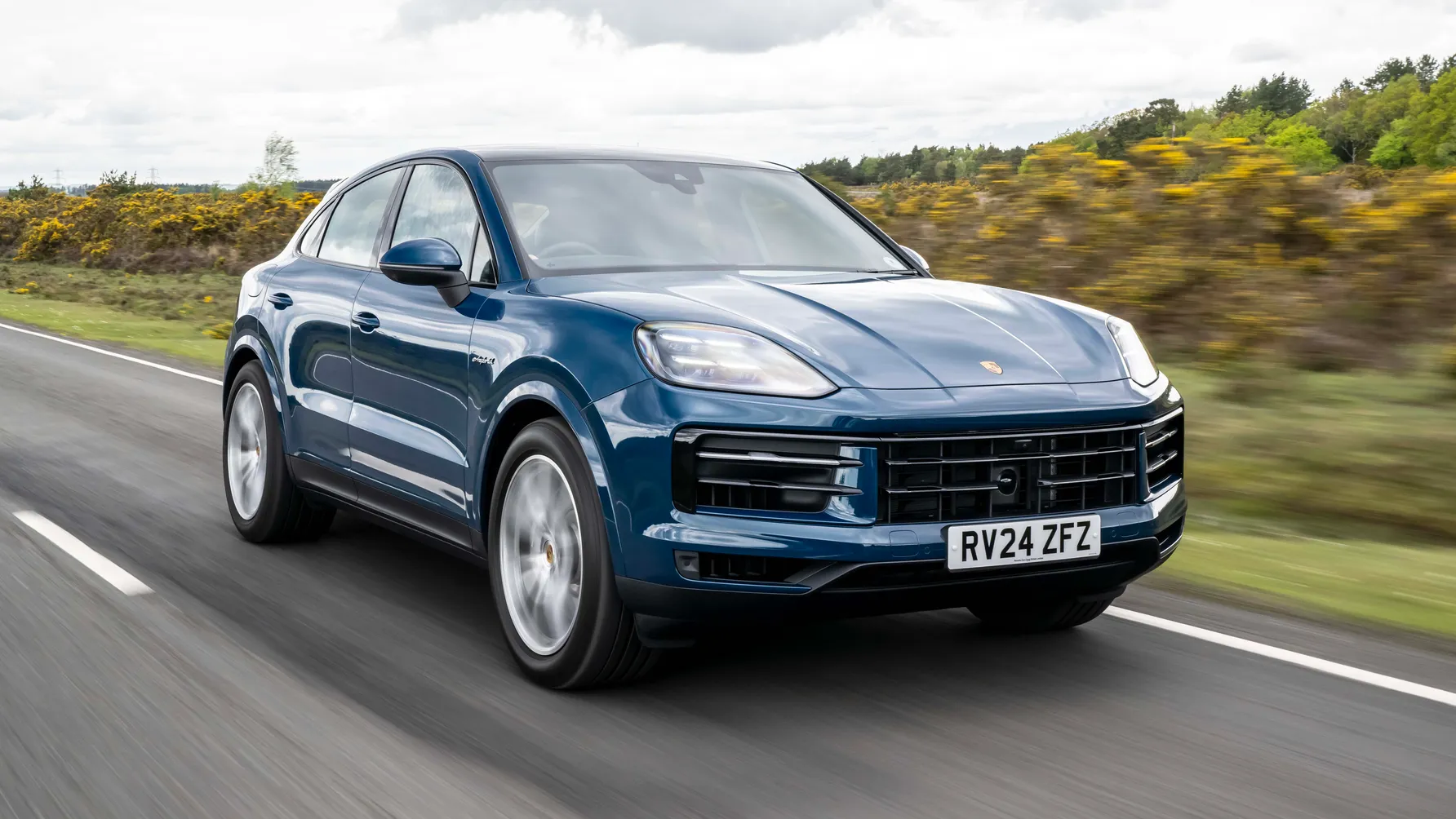
8. Porsche Cayenne
The Porsche Cayenne can be equipped with a high-end Burmester 3D High-End Surround Sound System featuring 21 speakers.
While Porsche is best known for performance, the Cayenne also offers a luxury-focused interior where premium audio technology has become increasingly important. The Burmester setup provides a substantial upgrade over standard factory audio and is designed to deliver a detailed listening experience.
The system uses multiple speaker types positioned throughout the cabin, including dedicated units for different frequency ranges.
A subwoofer provides low-frequency reproduction, while additional speakers help create a broad soundstage. Digital processing then works with the hardware to control how audio reaches occupants in different seats.
The Cayenne’s cabin is somewhat different from that of a large limousine, but Porsche still provides a carefully engineered acoustic environment.
The system is designed to maintain clarity while the vehicle is moving, with sound processing helping account for the cabin’s dimensions and passenger positions. This is important in an SUV that may be used for everything from long-distance travel to spirited driving.
Burmester’s involvement also gives Porsche access to technology developed specifically for premium audio applications.
The focus is not simply on maximum volume. Instead, the system aims to reproduce music with a convincing balance between bass, midrange, and treble. Speaker placement and tuning are used to create a more coherent listening environment.
The Porsche Cayenne rounds out this list with 21 factory-fitted speakers in its highest-end Burmester configuration. Its system may not match the 36-speaker setups available in certain luxury vehicles, but it still represents a significant level of audio engineering.
For Porsche buyers who want strong performance without sacrificing cabin entertainment, the system offers a compelling combination of technology and refinement.
