
Car repair costs in the United States have climbed sharply over the past decade. A repair that once cost a few hundred dollars can now require a much larger budget, especially when labor, replacement parts, electronics, and specialized equipment are involved.
Since 2016, drivers have seen higher prices for brake work, air conditioning, suspension components, clutch replacements, electrical repairs, cooling systems, and major engine work.
Not every repair has literally doubled, but many common jobs can approach twice their earlier cost depending on the vehicle and location. Here are 12 repairs that show how dramatically the cost of keeping a car running has changed.
1. Brake Pad and Rotor Replacement
2016 Price: $250 to $500
2026 Price: $500 to $1,000+
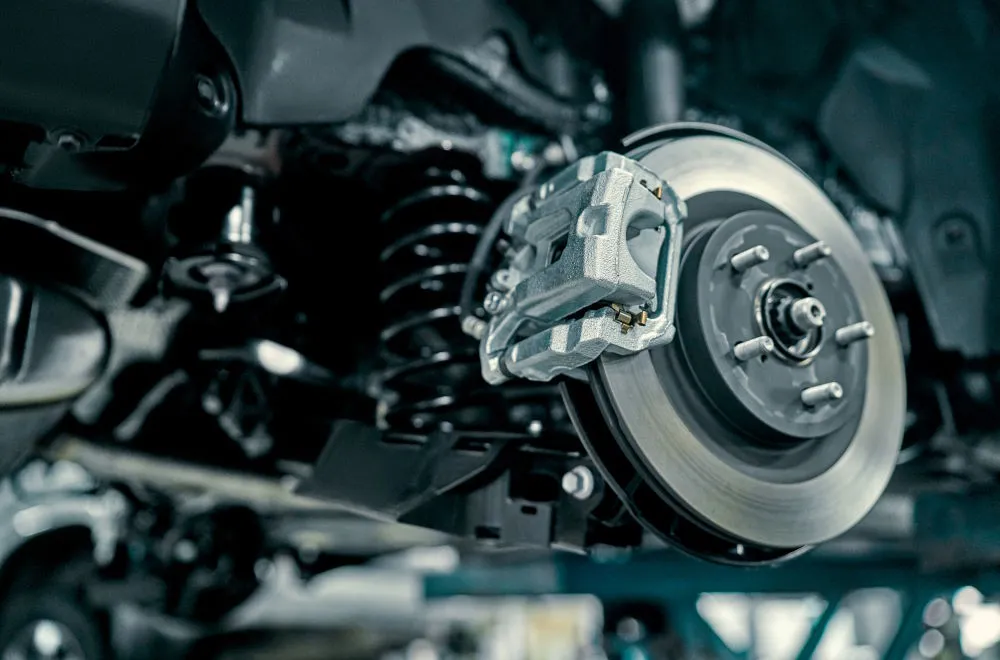
Brake repairs have become considerably more expensive for American drivers. A decade ago, replacing brake pads and rotors on a typical mainstream sedan might have cost around $250 to $500 at an independent repair shop.
Today, the same type of service can easily reach $500 to $1,000, particularly when higher-quality parts, increased labor rates, and larger vehicle components are involved. Luxury vehicles and larger SUVs can push the bill considerably higher.
The basic job has not changed much. A technician removes the worn components, inspects the braking system, installs replacement pads and rotors, and checks the system before returning the vehicle to the customer.
The difference is the price of performing that work. Replacement parts cost more, shop labor rates have increased, and modern vehicles can require additional procedures during brake service.
Vehicle size also has a major effect on the final bill. A compact car generally uses smaller rotors and pads than a three-row SUV or full-size pickup. Performance vehicles may require specialized brake components that cost significantly more. Some newer vehicles also use electronic parking brakes, which can require additional procedures or diagnostic equipment during service.
Drivers who ignore worn brakes can face a much larger repair. A brake pad that is allowed to wear down completely can damage the rotor, creating additional replacement costs.
Problems with calipers, brake lines, wheel bearings, or other related components can further increase the invoice. What begins as routine brake maintenance can therefore become a much more expensive braking-system repair.
The best way to control brake costs is to deal with wear before it causes secondary damage. Drivers should pay attention to squealing, grinding, steering vibration, pulsation, or a change in braking performance.
Regular inspections can identify worn pads and rotors before the problem becomes severe. While brake repairs cost more than they did in 2016, timely maintenance can still prevent a much larger bill.
2. Air Conditioning Compressor Replacement
2016 Price: $700 to $1,200
2026 Price: $1,400 to $2,500+
A working air conditioning system is more than a comfort feature for many American drivers. During a hot summer in states such as Texas, Arizona, Florida, Nevada, or Georgia, reliable cooling can make daily driving far more comfortable.
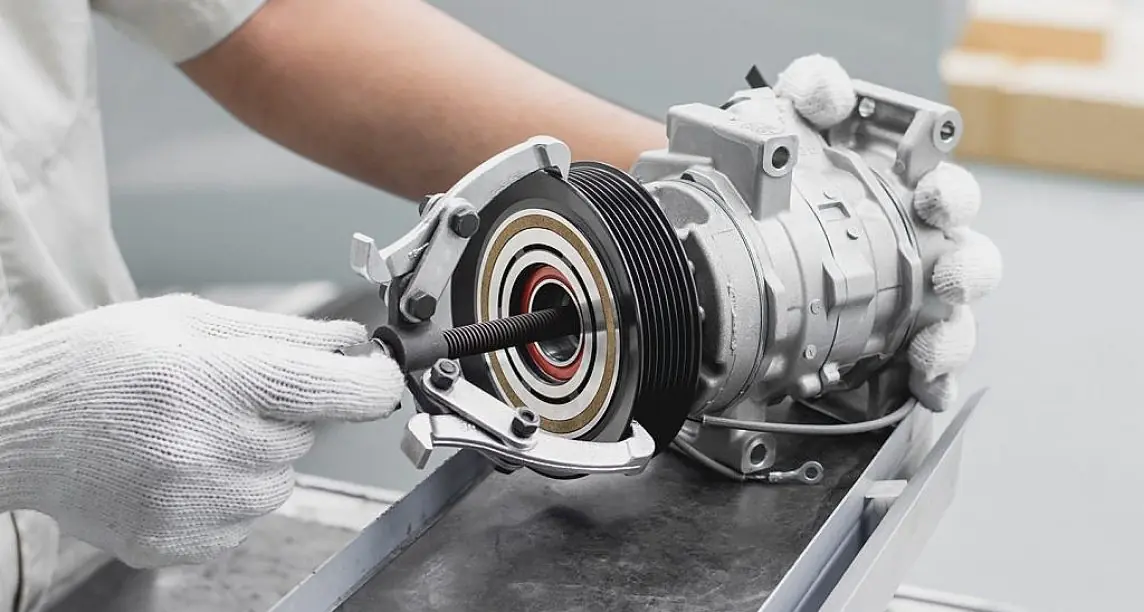
Unfortunately, compressor problems can produce a major repair bill. Around 2016, a compressor replacement on a typical vehicle could often fall somewhere between $700 and $1,200. Today, comparable repairs can reach $1,400 to $2,500 or more.
The compressor is responsible for circulating refrigerant through the air conditioning system. When it fails, the system may stop producing cold air or make unusual noises.
A failing compressor can also contaminate other AC components with debris, meaning a simple replacement may not always solve the entire problem. Technicians sometimes need to flush the system or replace additional components.
Labor contributes heavily to modern AC repair costs. Technicians need specialized equipment to recover and recharge refrigerant, check system pressures, locate leaks, and test components.
Refrigerant regulations and changes in refrigerant types have also affected service procedures and costs. A repair shop must use the correct refrigerant and equipment for the specific vehicle.
Another problem is that drivers may mistake a refrigerant leak for a compressor failure. A low refrigerant level, damaged condenser, faulty expansion valve, electrical problem, or leaking hose can produce similar symptoms.
Replacing the compressor without identifying the underlying problem can result in unnecessary spending. A proper diagnostic procedure should come before approving a major AC repair.
Regular AC inspections can help reduce the chance of a major bill. Drivers should pay attention to weak cooling, unusual noises, inconsistent temperature, strange odors, and visible refrigerant leaks.
Replacing a cabin air filter and addressing small problems early can also help the system operate efficiently. When a compressor genuinely fails, however, the repair can be far more expensive in 2026 than it was a decade earlier.
3. Clutch Replacement
2016 Price: $800 to $1,500
2026 Price: $1,600 to $3,000+
Clutch replacement remains a significant expense for owners of manual-transmission vehicles. In 2016, a clutch replacement on a mainstream car might have cost approximately $800 to $1,500, depending on the vehicle and repair shop.
In 2026, a similar job can cost $1,600 to $3,000 or more. The exact figure depends heavily on the car’s design and whether additional components need replacement.
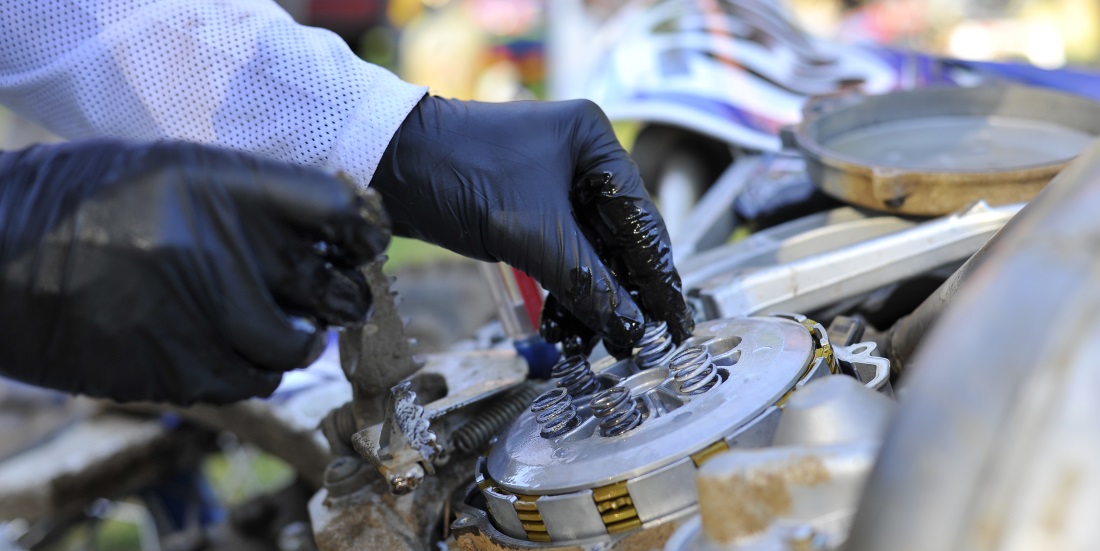
The clutch connects the engine to the transmission and allows the driver to change gears smoothly. A typical clutch job can involve replacing the clutch disc, pressure plate, and release bearing. Because these parts are located between the engine and transmission, accessing them requires substantial labor. That labor has become a major part of modern repair bills.
Some vehicles add another layer of expense through dual-mass flywheels or more specialized clutch systems. If the flywheel is damaged or excessively worn, replacing it at the same time can increase the bill substantially.
A mechanic may recommend replacing related components while the transmission is already removed because returning to the same area later would require much of the same labor.
Driving habits can determine how quickly a clutch wears out. Frequent stop-and-go traffic, riding the clutch pedal, holding the vehicle on hills with clutch slip, and aggressive acceleration can shorten clutch life. A vehicle driven mostly on highways may go much longer between clutch replacements than a car used every day in congested urban traffic.
Signs of clutch trouble include slipping during acceleration, difficulty shifting, unusual noises, a burning smell, and changes in pedal feel.
Drivers who notice these symptoms should have the vehicle inspected rather than continuing to drive until the clutch fails completely. Early diagnosis will not always prevent replacement, but it can help identify related problems before they create additional damage.
4. Suspension and Shock Absorber Repairs
2016 Price: $500 to $1,000
2026 Price: $1,000 to $2,000+
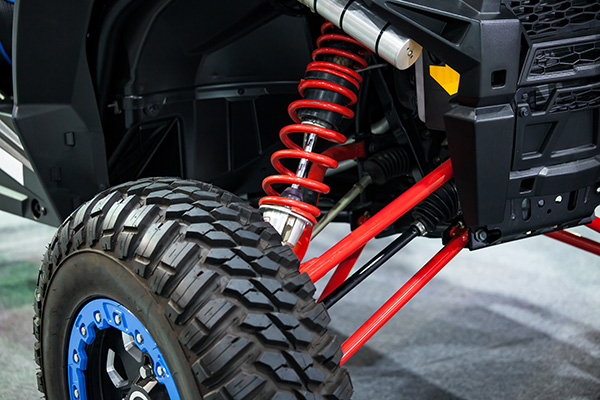
Suspension repairs have become another major expense for American motorists. Replacing shocks or struts on a typical vehicle could cost roughly $500 to $1,000 in 2016. In 2026, comparable work can approach $1,000 to $2,000 or more. Larger SUVs, trucks, luxury vehicles, and vehicles with advanced suspension systems can cost substantially more.
Suspension components have to deal with potholes, rough pavement, speed bumps, road debris, and constant movement. American drivers in areas with harsh winters can also face additional wear from poor road conditions and corrosion.
Salt used on roads can accelerate corrosion around suspension components and other underbody hardware.
A complete suspension repair may involve more than replacing shocks or struts. Mechanics can find worn control-arm bushings, ball joints, sway-bar links, mounts, bearings, or other components during an inspection. Replacing several parts during the same visit can quickly turn a routine suspension job into a four-figure repair.
Modern vehicles can also use more sophisticated suspension technology. Adaptive dampers, electronic controls, air suspension, and other systems can add complexity. These components can improve ride quality and handling, but they can also increase the cost of diagnosing and repairing a fault.
Drivers should watch for excessive bouncing, uneven tire wear, clunking sounds, steering instability, or a vehicle that feels unsettled over bumps.
A damaged suspension can affect handling and braking, so postponing repairs indefinitely is not a sensible cost-saving strategy. Addressing worn components before they damage other parts can help keep the final repair bill under control.
5. Alternator Replacement
2016 Price: $400 to $800
2026 Price: $800 to $1,600+
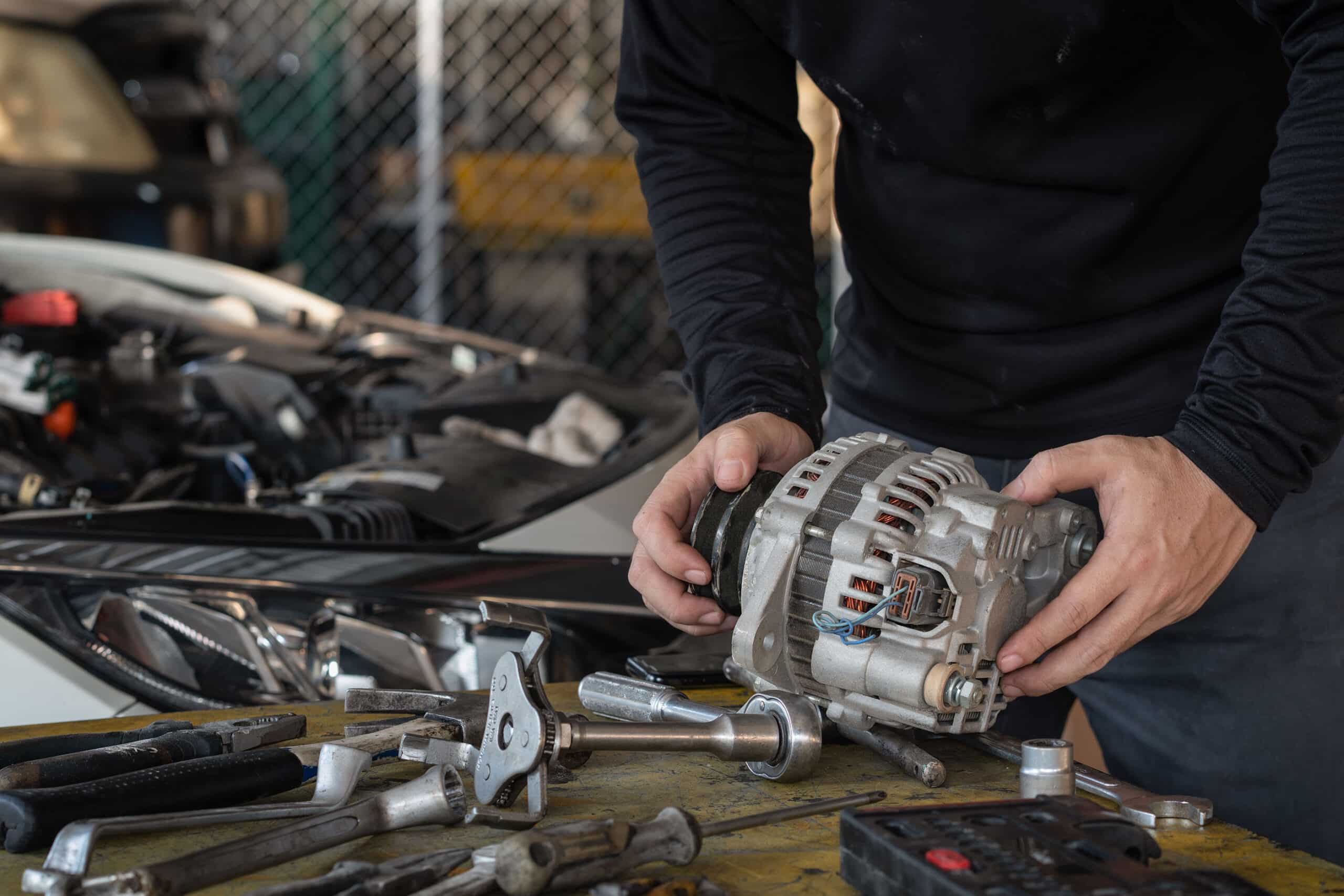
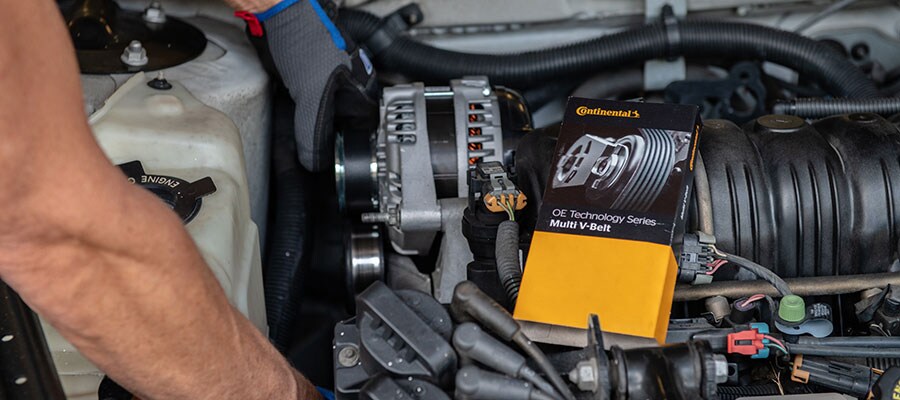
Alternator replacement has become more expensive as vehicles have become increasingly dependent on electrical systems. Around 2016, replacing an alternator on a mainstream vehicle could commonly cost between $400 and $800.
In 2026, a comparable repair can range from approximately $800 to $1,600 or more, depending on the vehicle and parts selected.
The alternator produces electricity while the engine is running and helps keep the battery charged. It also supplies power to the vehicle’s electrical systems. Modern cars can have large infotainment displays, cameras, advanced lighting, multiple computers, driver-assistance systems, heated seats, and numerous sensors. All of these features increase electrical demands.
Not every charging problem requires a new alternator. A weak battery, damaged wiring, corroded connection, worn belt, or faulty voltage regulator can produce similar symptoms. A professional diagnostic test can determine whether the alternator itself has failed or whether another part of the charging system is responsible.
Replacement parts also vary significantly in price. Rebuilt alternators may cost less than new units, while original-equipment or premium replacements can be considerably more expensive.
The appropriate choice depends on the vehicle, warranty requirements, expected lifespan, and recommendation from the repair shop.
Drivers should watch for a battery warning light, dim headlights, electrical accessories that behave strangely, slow starting, or repeated battery failure. Ignoring these symptoms can result in a vehicle that suddenly loses electrical power.
Addressing a charging-system problem early can be much less expensive than dealing with a breakdown and multiple damaged components.
6. Starter Motor Replacement
2016 Price: $350 to $700
2026 Price: $700 to $1,400+
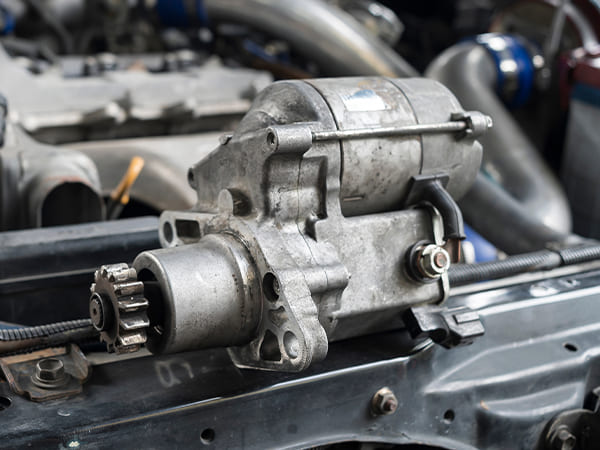
Starter motor repairs have also experienced significant price increases. In 2016, a typical starter replacement might cost around $350 to $700 for a mainstream vehicle. By 2026, the same category of repair can reach $700 to $1,400 or more. Larger engines, difficult access, and premium vehicles can produce higher totals.
The starter motor turns the engine when the driver starts the vehicle. When it begins to fail, the engine may crank slowly, make a clicking noise, or fail to crank at all.
However, these symptoms do not automatically mean that the starter is defective. A weak battery or poor electrical connection can cause similar behavior.
Modern vehicles have more sophisticated starting systems than many older cars. Push-button ignition, electronic immobilizers, computer-controlled systems, and additional security features can make diagnosis more involved.
A technician may need diagnostic equipment to determine whether the issue is mechanical or electronic.
Some starters can be rebuilt instead of replaced. A shop may replace worn internal components and return the unit to service. This approach can sometimes lower the bill, but rebuilding is not appropriate for every vehicle or every failed starter. The condition of the starter and availability of quality components should be considered.
Repeated attempts to start a vehicle with a failing starter can place additional strain on the electrical system. Drivers who hear unusual clicking, grinding, or slow cranking should have the vehicle checked promptly. A relatively straightforward starter problem can become more disruptive if the vehicle eventually refuses to start away from home.
7. Radiator Replacement
2016 Price: $500 to $900
2026 Price: $1,000 to $1,800+
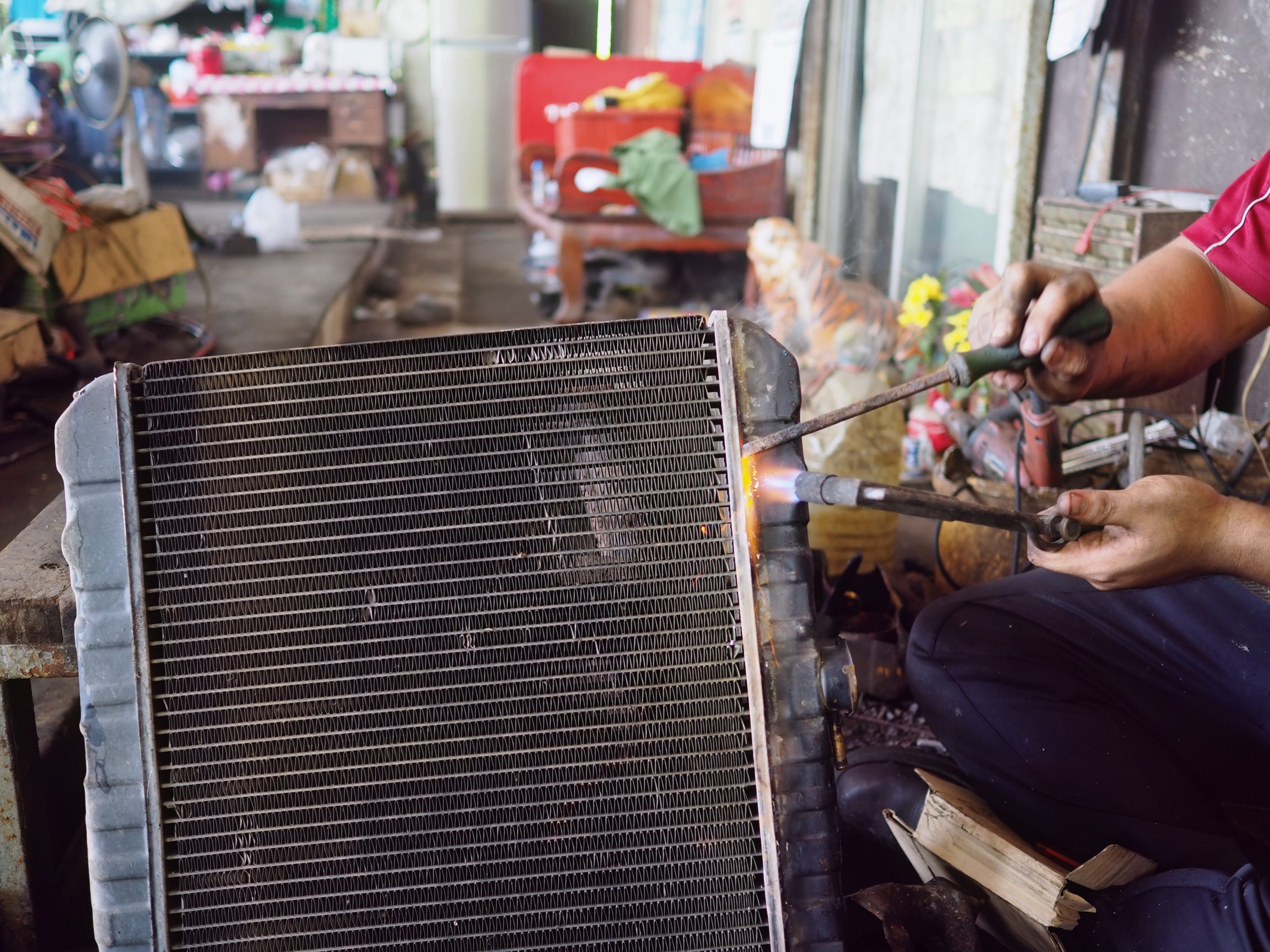
Radiator replacement is another repair that can be substantially more expensive than it was a decade ago. In 2016, many mainstream vehicles could have a radiator replaced for approximately $500 to $900. In 2026, drivers may face $1,000 to $1,800 or more, depending on the vehicle, labor requirements, and parts.
The radiator removes heat from engine coolant. If it develops a serious leak or becomes damaged, the engine may not remain at its correct operating temperature. Overheating can cause severe engine damage, so radiator problems should not be ignored.
The radiator is also only part of the cooling system. A vehicle that overheats could have a failed thermostat, water pump, cooling fan, hose, temperature sensor, or other component. Diagnosing the actual cause is essential because replacing the radiator will not fix a different underlying problem.
Vehicle design affects labor costs. Some modern vehicles have tightly packed engine compartments that make cooling-system components difficult to access.
Trucks and SUVs may also use larger cooling systems with more expensive parts. Additional components such as transmission coolers can be integrated into some radiator designs.
Drivers should watch for coolant beneath the vehicle, an overheating temperature gauge, steam from the engine compartment, or a sweet coolant odor. Continuing to drive an overheating vehicle can turn a radiator repair into an engine rebuild. A prompt inspection is usually the cheaper option.
8. Water Pump Replacement
2016 Price: $500 to $900
2026 Price: $1,000 to $2,000+
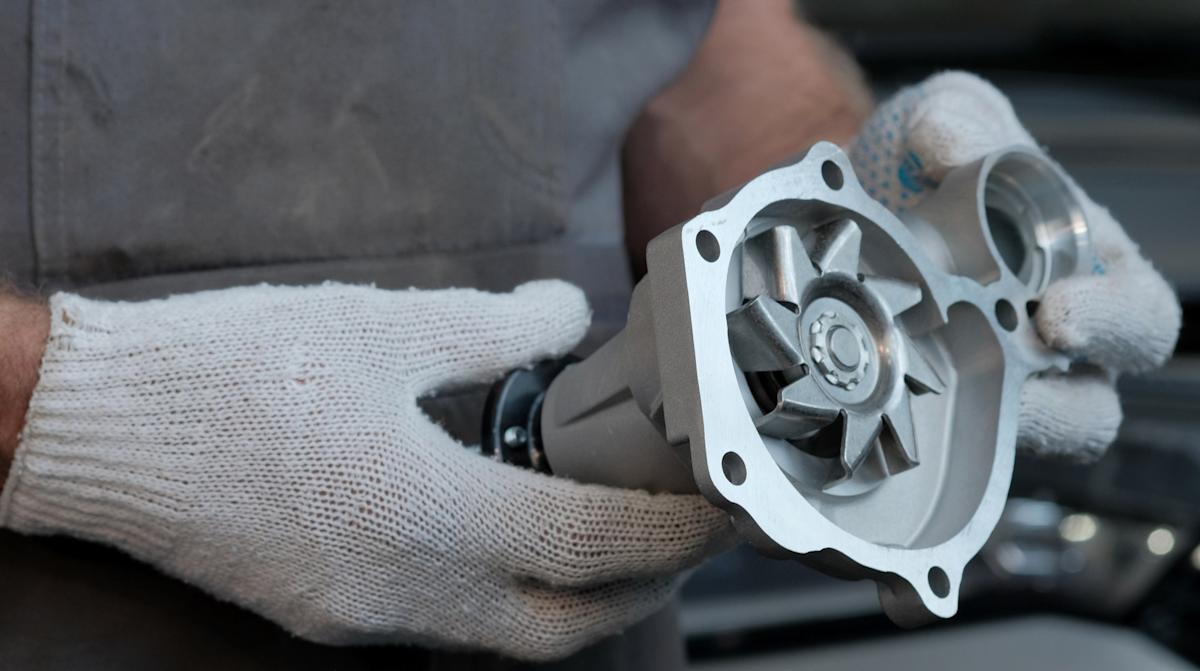
Water pump replacement can be a surprisingly expensive repair. A typical job that might have cost $500 to $900 in 2016 can now approach $1,000 to $2,000 or more. The cost depends heavily on engine design, access to the pump, parts pricing, and the amount of labor required.
The water pump circulates coolant through the engine and cooling system. A failed pump can result in overheating, coolant leakage, unusual noises, or poor temperature control. Because overheating can cause major engine damage, water pump problems require prompt attention.
Some vehicles make water pump replacement relatively straightforward, while others position the component behind several engine parts. In certain engines, the water pump is connected to the timing-belt system. Replacing the pump may then involve significant additional labor and related parts.
A mechanic may recommend replacing associated components during the same repair. This can make the initial invoice larger, but it may prevent paying for the same labor again later. The right decision depends on the vehicle’s maintenance schedule and the condition of related parts.
Drivers should not assume that repeatedly adding coolant solves a cooling-system problem. If coolant is disappearing, the vehicle needs to be inspected for leaks or component failure. Addressing a water pump problem early can help prevent overheating and protect the engine from much more expensive damage.
9. AC Evaporator Replacement
2016 Price: $800 to $1,500
2026 Price: $1,600 to $3,000+
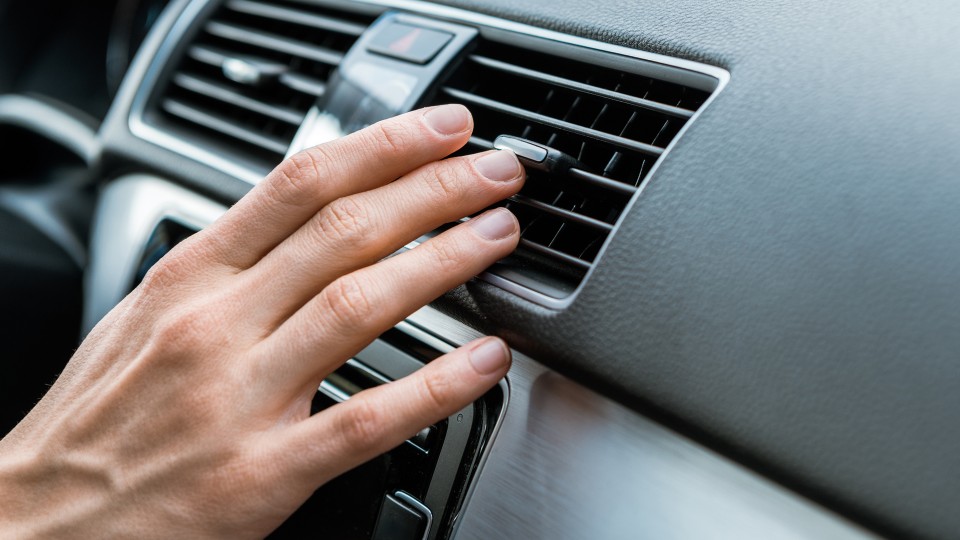
Air conditioning evaporator replacement can be among the more labor-intensive repairs in a vehicle. Around 2016, an evaporator replacement might have cost approximately $800 to $1,500 on a typical vehicle. In 2026, that same category of work can reach $1,600 to $3,000 or more.
The evaporator sits inside the vehicle’s HVAC housing and absorbs heat from the cabin. Because it is located behind or beneath dashboard components in many vehicles, accessing it can require significant disassembly. The replacement part may not be the most expensive element of the job, but labor can add substantially to the bill.
A leaking evaporator can cause the AC system to lose refrigerant. Drivers may notice warm air, inconsistent cooling, unusual smells, or other signs that the system is not operating correctly. However, similar symptoms can come from other AC components, so testing is necessary before approving a major repair.
The repair can also require refrigerant recovery and recharging after the system has been opened. Shops need appropriate equipment and trained technicians to perform this work correctly. Additional seals, refrigerant, or related components may also appear on the final invoice.
Because evaporator repairs are expensive, accurate diagnosis is particularly important. A small refrigerant leak elsewhere should not lead to unnecessary dashboard removal and evaporator replacement. If the evaporator genuinely has failed, however, repairing it promptly can restore the AC system and prevent continued refrigerant loss.
10. Engine Mount Replacement
2016 Price: $400 to $800
2026 Price: $800 to $1,600+
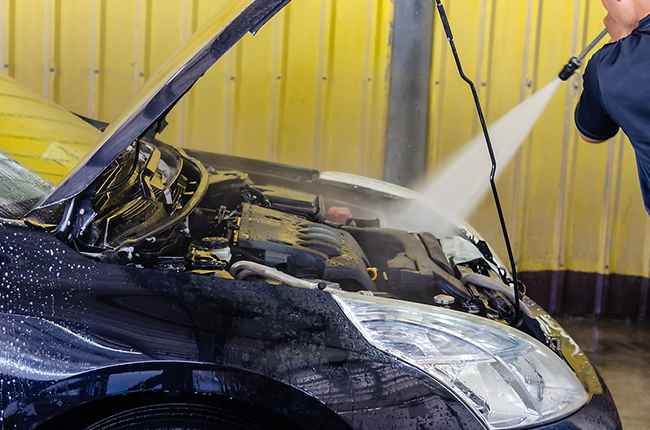
Engine mounts support the engine and help isolate vibration from the vehicle’s cabin. In 2016, replacing engine mounts on many mainstream cars could cost around $400 to $800. In 2026, a similar job can reach $800 to $1,600 or more, particularly when multiple mounts need replacement.
Mounts can deteriorate because of age, heat, vibration, fluid exposure, and normal engine movement. A damaged mount may cause excessive vibration at idle or a noticeable clunk when accelerating, braking, or shifting gears.
Some vehicles have several engine and transmission mounts. If more than one has deteriorated, replacing them together can substantially increase the repair cost. Hydraulic mounts and specialized designs can also cost more than basic rubber components.
Ignoring a severely damaged mount can create additional problems. Excessive engine movement may place stress on hoses, wiring, exhaust components, and drivetrain connections. A driver attempting to save money by postponing the repair could eventually face a larger bill.
A vibration that suddenly appears should be inspected rather than automatically blamed on tires or engine tuning. A mechanic can inspect the mounts and determine whether replacement is necessary. Fixing a worn mount early can restore smooth operation and protect surrounding components.
11. Wheel Bearing and Hub Assembly Replacement
2016 Price: $300 to $600
2026 Price: $600 to $1,200+
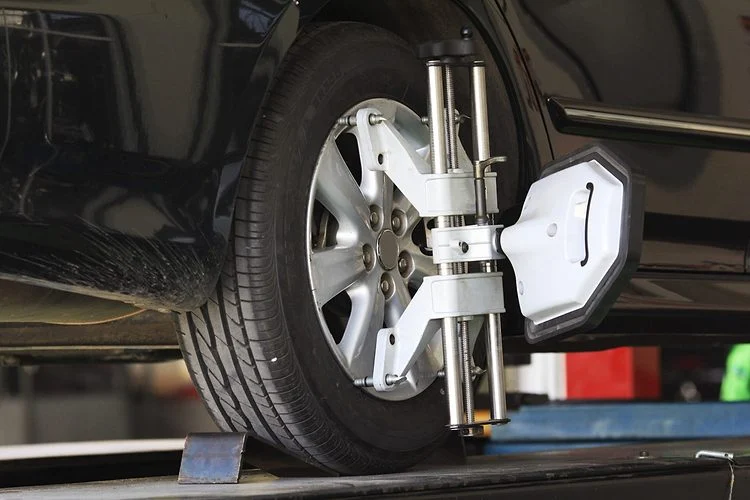
Wheel bearing repairs have become more expensive as vehicle designs and replacement parts have changed. In 2016, replacing a wheel bearing on a mainstream vehicle might cost around $300 to $600. In 2026, many drivers can expect approximately $600 to $1,200 or more, particularly when a complete hub assembly must be replaced.
Wheel bearings allow the wheels to rotate smoothly. When a bearing begins to fail, drivers may hear humming, growling, or grinding that becomes louder as the vehicle increases speed. The sound can sometimes be difficult to identify because it travels through the vehicle’s structure.
Modern vehicles often use integrated hub assemblies. Instead of replacing a small bearing separately, the technician may need to install a complete hub unit containing the bearing and other components. This can make the replacement part more expensive than older designs.
Labor costs also vary according to the vehicle. A seized or corroded assembly may take considerably longer to remove, particularly in regions where road salt is commonly used. Additional components may be damaged or require replacement during the process.
Drivers should not ignore persistent wheel-bearing noise. A deteriorating bearing can affect vehicle operation and may eventually create a serious mechanical problem. Having unusual wheel noise diagnosed early can help identify the faulty component before additional damage occurs.
12. Major Engine Repair
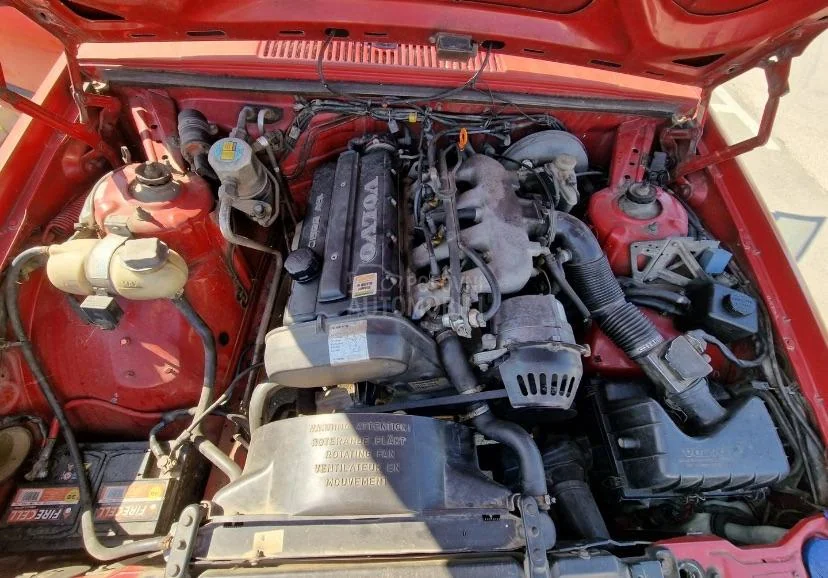
2016 Price: $3,000 to $6,000
2026 Price: $6,000 to $12,000+
Major engine repair represents the largest potential expense on this list. In 2016, a substantial engine repair or rebuild on a mainstream vehicle might cost roughly $3,000 to $6,000.
In 2026, similar work can reach $6,000 to $12,000 or more. Certain engines, luxury vehicles, performance cars, and modern turbocharged powertrains can exceed these figures.
Engine repairs can involve extensive labor and numerous components. Depending on the failure, a repair might include pistons, rings, bearings, gaskets, cylinder-head work, seals, timing components, machining, fluids, and other parts. The final cost depends on how much internal damage has occurred.
Modern engines also contain sophisticated technology. Turbochargers, direct fuel injection, variable valve timing, emissions equipment, electronic controls, and other systems can add complexity. A serious failure may therefore involve both mechanical repairs and electronic diagnosis.
Overheating and poor lubrication are common pathways to major engine damage. Continuing to drive after an overheating warning or ignoring a low-oil warning can cause damage that might have been prevented with earlier intervention. Timing-system failures can also cause severe internal damage on some engines.
A major engine repair should begin with thorough diagnosis. Compression testing, leak-down testing, oil inspection, cooling-system testing, and computer diagnostics can help determine what has failed.
Depending on the vehicle’s age and value, owners may need to compare the cost of rebuilding the existing engine with replacing it or purchasing another vehicle.
