
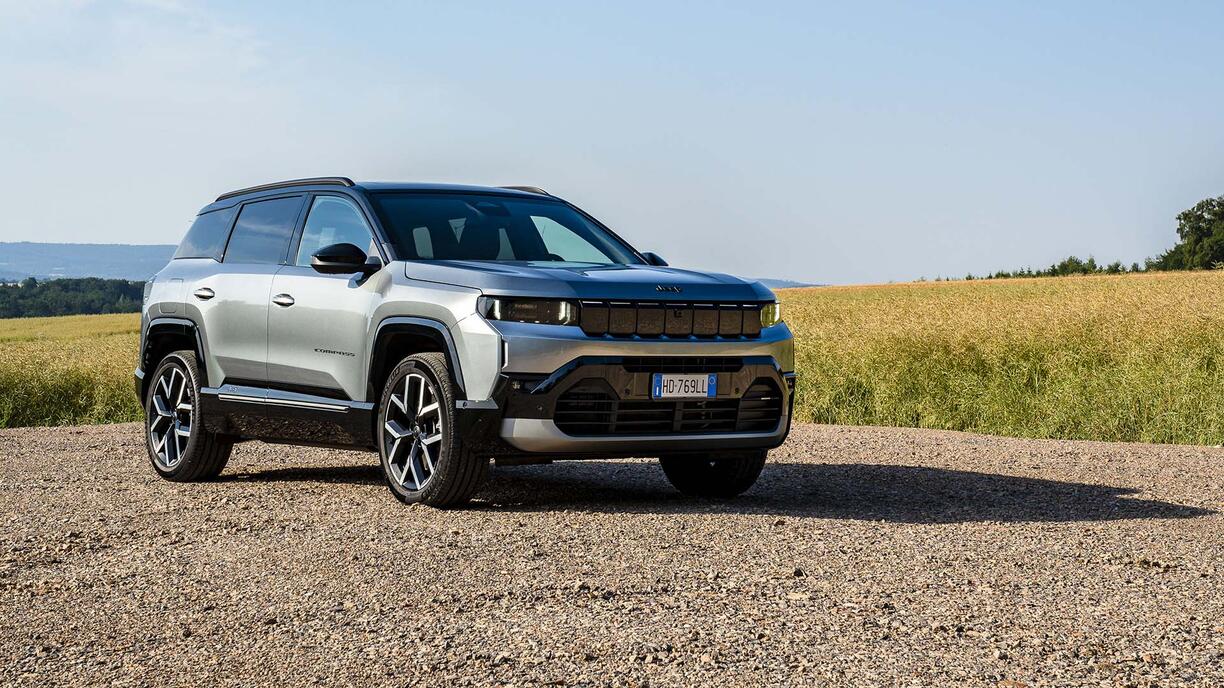
Crash-test ratings can change how shoppers view a vehicle, especially when a familiar model earns fewer stars than expected. For 2026, the U.S. safety picture deserves a closer look because NHTSA continues updating its testing program and publishing results for new model years.
Some vehicles carry four-star overall ratings, while others score lower in specific crash categories even when their overall result remains strong.
This article examines nine U.S. market vehicles with less-than-perfect NHTSA results for 2026, explains their previous and current ratings where reliable data exists, and shows why a single star should never be viewed without the full crash-test breakdown.
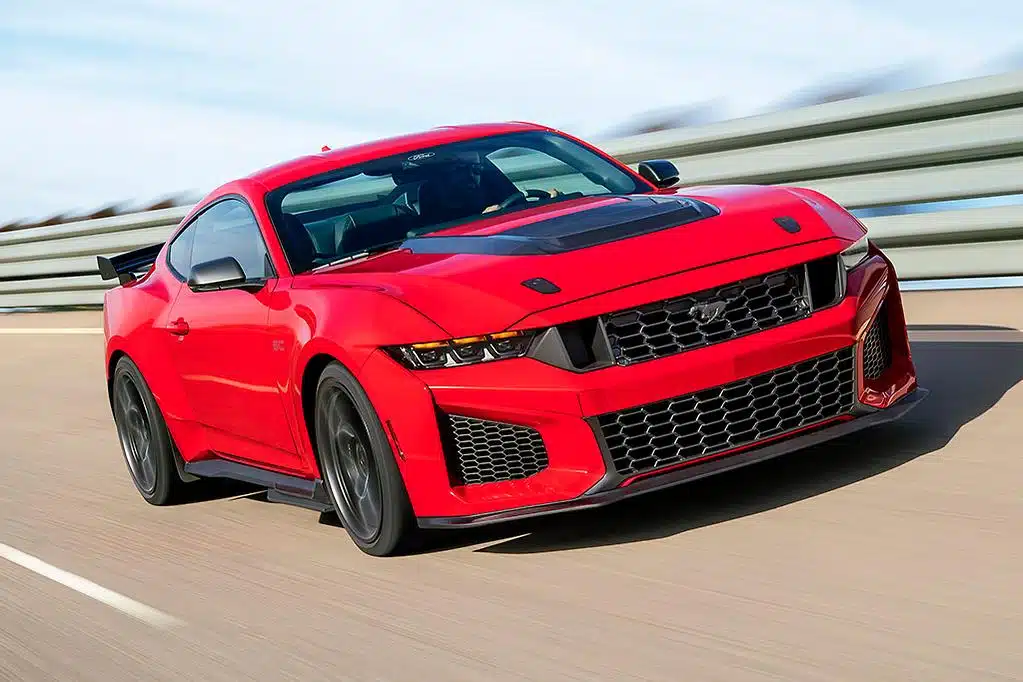
1. 2026 Ford Mustang
Previous overall rating: 5 stars
Current 2026 rating: 5 stars in current NHTSA-linked listings
Change: No confirmed overall star loss
The Ford Mustang is important to include because it demonstrates why headlines about crash-test ratings need careful checking. The 2025 Mustang received a five-star overall NHTSA rating, including five stars for frontal crash performance, side crash performance, and rollover resistance.
Current 2026 information also lists the Mustang at five stars overall. That means the car should not be described as a vehicle that definitively lost an overall star in 2026.
The Mustang’s individual results still deserve attention. NHTSA’s ratings break the overall score into separate areas, and a five-star overall vehicle can have four-star results for particular occupants or seating positions.
The Mustang’s current generation arrived for the 2024 model year, so its basic structure is relatively new. Ford has continued the seventh-generation car into 2026 with changes focused more on trims, equipment, and performance than on a completely new body structure.
That helps explain why the fundamental crash rating can carry forward rather than changing dramatically from one model year to the next.
For buyers, the Mustang’s rating should be considered alongside its body style. A two-door performance coupe has a different size, weight, and seating layout from a family SUV.
NHTSA ratings are useful for comparing vehicles, but shoppers should avoid treating a five-star coupe and a five-star large SUV as identical in every real-world crash situation. Vehicle size and mass still matter when two different classes collide.
The key takeaway is simple. The 2026 Mustang should not be described as a confirmed one-star vehicle. Its five-star overall rating remains the relevant headline based on current listings. What has changed is the amount of information available to shoppers, not a verified drop in the Mustang’s overall NHTSA rating.
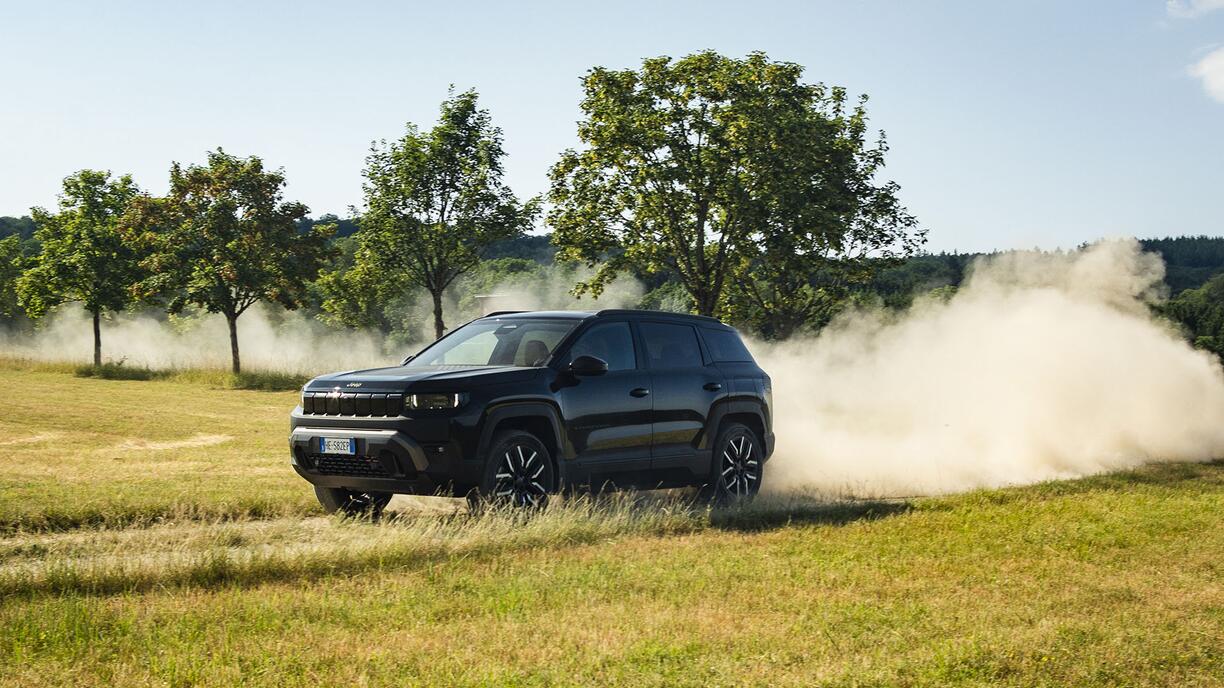
2. 2026 Jeep Compass
Previous overall rating: 4 stars
Current overall rating: 4 stars
Change: No overall star loss
The Jeep Compass is a better example of a 2026 vehicle that sits below the five-star maximum without actually losing a star from its previous model year.
The 2025 Compass received four stars overall from NHTSA, with four stars for frontal crash protection, five stars for side protection, and three stars for rollover resistance. Current 2026 information also lists the Compass at four stars overall.
The three-star rollover result is particularly important because it shows why the overall score cannot tell the entire story. The Compass is a compact SUV, and its height and body design influence how it performs in rollover evaluations.
NHTSA combines different parts of the testing program into an overall rating, so a strong side-impact score does not automatically produce five stars if other areas are weaker.
The frontal result also sits at four stars. That means the Compass did not reach the highest possible rating in that part of the assessment. For shoppers comparing compact SUVs, this can be useful information because competing models may achieve five stars overall while having stronger results across several individual categories.
The 2026 Compass is still a modern vehicle with electronic stability control and a range of driver assistance technologies. Crash-test stars measure specific standardized tests, however, and they should not be confused with the equipment list.
Safety technology can help prevent a collision or reduce its severity, while crashworthiness ratings focus heavily on what happens when an impact occurs.
The most accurate way to describe the Compass is therefore not as a vehicle that “lost a star.” It is a four-star vehicle that remained at four stars. That distinction matters for an SEO article because readers searching for crash-test information deserve a comparison based on actual model-year results rather than an exaggerated claim.
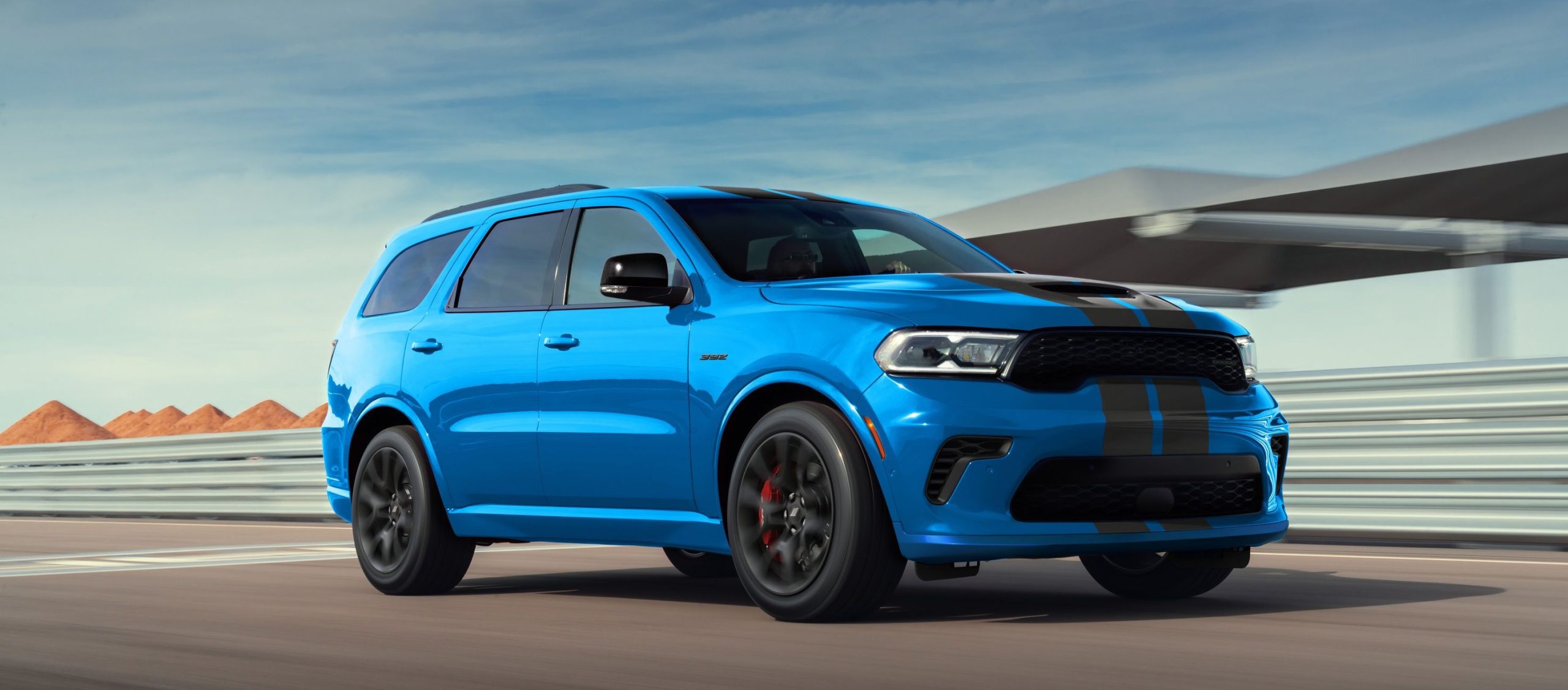
3. 2026 Dodge Durango
Previous overall rating: 4 stars
Current overall rating: 4 stars
Change: No confirmed overall star loss
The Dodge Durango also belongs in a discussion of vehicles with four-star NHTSA results, but it does not support the claim that a five-star vehicle dropped to four stars in 2026.
The 2025 Durango carried a four-star overall rating. Its frontal crash rating was four stars, its side rating was five stars, and its rollover rating was lower. Current 2026 information continues to identify the Durango with a four-star overall result.
The Durango’s body design is relevant to the result. It is a large, tall SUV with a long-running platform, and rollover performance is an important part of its NHTSA assessment. A vehicle can perform very well in side-impact testing while receiving a lower rollover score, and the combined rating reflects those different areas.
Another point worth considering is that NHTSA ratings apply to tested configurations. The Durango lineup includes several engines and performance variants, and not every version necessarily receives a separate federal crash test.
A vehicle that has not been individually tested should not be described as having a poor crash rating. “Not rated” and “four stars” are two completely different situations.
The Durango remains competitive in several aspects of occupant protection. Its five-star side result shows that the SUV can perform strongly in a major area of crash testing. At the same time, the four-star overall rating tells shoppers that the vehicle does not reach the maximum NHTSA score across the complete assessment.
For 2026 buyers, the Durango is therefore better described as a four-star SUV than as a vehicle that lost a star. That wording is less dramatic, but it is more useful. A trustworthy safety article should tell readers what the federal rating actually says instead of turning an unchanged score into a model-year downgrade.
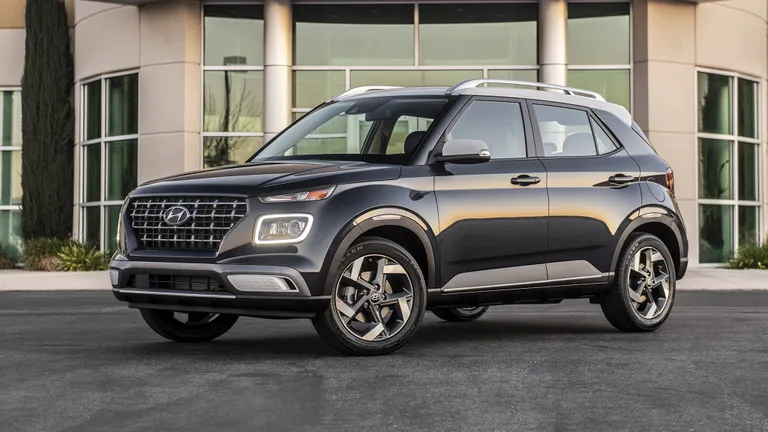
4. 2026 Hyundai Venue
Previous overall rating: 4 stars
Current overall rating: 4 stars
Change: No overall star loss
The Hyundai Venue is another small SUV that currently carries a four-star NHTSA overall rating. The 2025 Venue received four stars overall, with four stars in frontal crash testing, five stars in side testing, and four stars for rollover resistance. Current 2026 information also places the Venue at four stars overall.
The Venue’s side crash result is particularly strong compared with its overall score. Receiving five stars in that category shows that the vehicle can provide strong protection under NHTSA’s standardized side-impact conditions. The lower frontal and rollover scores are what prevent the vehicle from receiving a perfect overall result.
Vehicle size can influence crash-test performance. The Venue is a small crossover, which means it has less mass and a smaller footprint than larger SUVs. That does not automatically make it unsafe, but it helps explain why shoppers should compare vehicles within similar size classes instead of using the star rating as the only measurement.
The Venue also offers modern driver assistance features, including forward collision avoidance technology and lane-related systems depending on configuration.
These technologies are important because avoiding a crash in the first place is different from protecting occupants during an impact. A vehicle can have a respectable crashworthiness score while still differing from rivals in the amount of standard driver assistance equipment.
The most important fact for 2026 shoppers is that the Venue did not suddenly fall from five stars to four. Its four-star rating is consistent with the previous model year. That makes it a useful example of why the phrase “lost a crash-test star” should be used carefully.
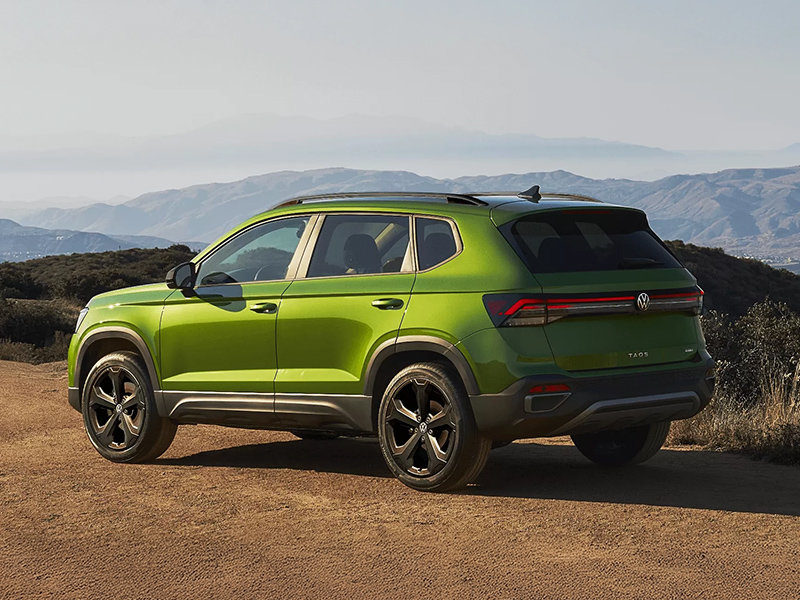
5. 2026 Volkswagen Taos
Previous overall rating: 4 stars
Current overall rating: 4 stars
Change: No confirmed overall star loss
The Volkswagen Taos carries another four-star NHTSA result in the U.S. market. The 2025 model received four stars overall, with four stars in frontal crash performance, five stars in side testing, and four stars for rollover resistance. Current 2026 information also places the Taos at four stars.
The Taos therefore does not provide evidence of a one-star overall downgrade. Its rating has remained below the five-star maximum, but that is different from starting with five stars and then losing one. This distinction becomes especially important when comparing model years because a vehicle can carry the same federal result for several years.
The individual results provide more useful information. Five stars in side crash testing is a strong point, while four-star frontal and rollover results leave room below the maximum. Buyers who regularly carry family members should look at the complete breakdown rather than stopping at the overall number.
The Taos also has a broad set of driver assistance equipment, with features such as forward collision warning and automatic emergency braking available as part of its safety technology package.
These systems address crash prevention rather than the physical structure of the vehicle. Both areas matter when assessing the safety of a new car.
The Taos is therefore best described as a four-star compact SUV in the current U.S. NHTSA system. It has not been shown to have suffered a confirmed overall star loss in 2026. For an accurate article, that should be stated plainly rather than implying a downgrade that the federal data does not support.
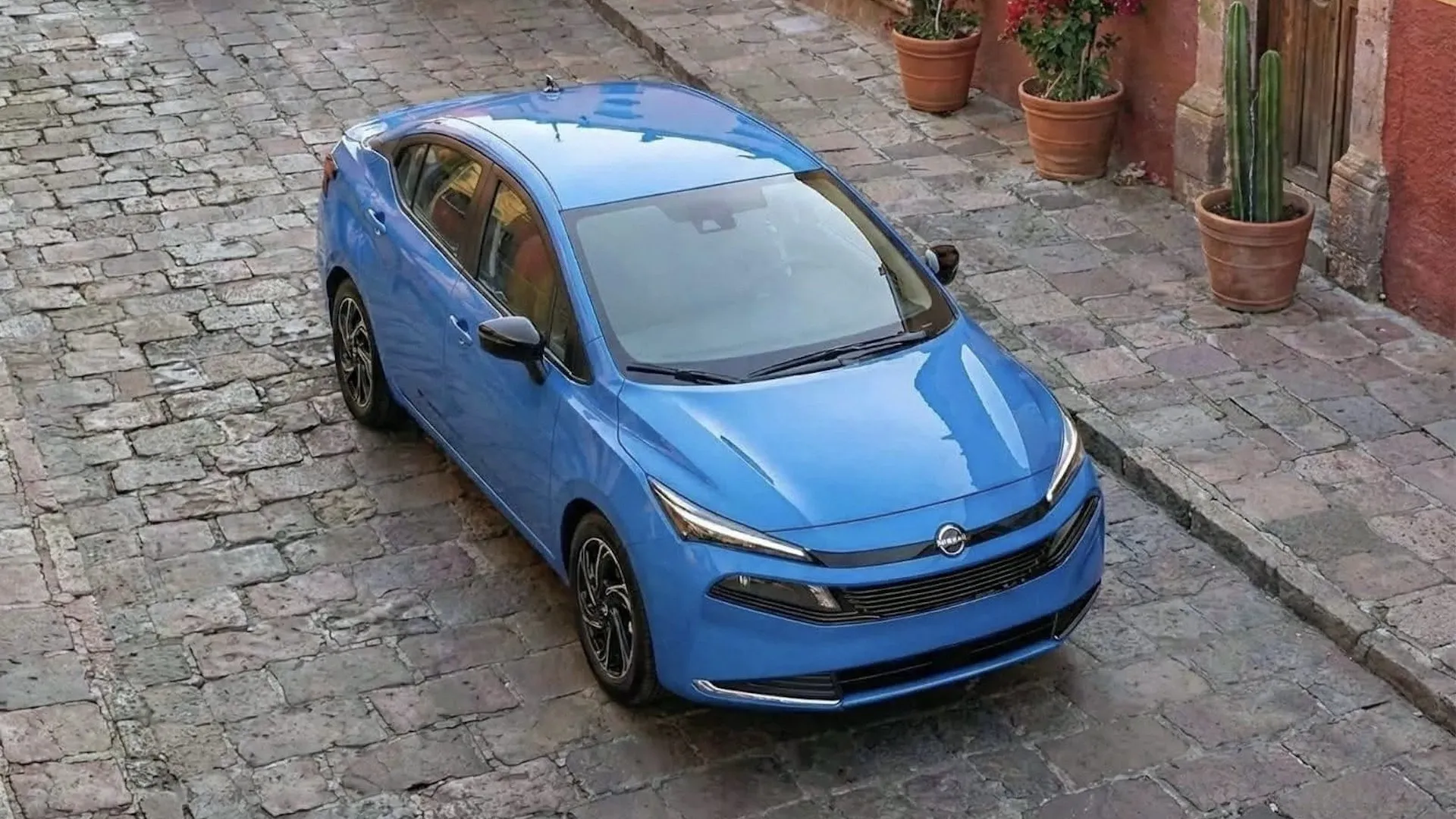
6. 2026 Nissan Versa
Previous overall rating: 5 stars
Current overall rating: 4 stars in some current model-year data sources
Change: Requires confirmation from the final NHTSA 2026 result
The Nissan Versa is particularly interesting because its 2025 model carried a five-star overall NHTSA rating. Nissan itself promoted the 2025 Versa’s five-star overall safety result, while detailed NHTSA information showed four stars for frontal crash performance, five stars for side protection, and four stars for rollover resistance.
Some current 2026 secondary databases list the Versa at four stars overall. That could make the vehicle appear to fit the headline perfectly, moving from five stars in 2025 to four in 2026.
However, because NHTSA’s 2026 ratings are still being updated and the current evidence is not sufficiently consistent, it would be premature to present this as a definitive federal one-star downgrade without the final NHTSA record.
The Versa is a small sedan, and its four-star frontal result in the previous model year shows where its performance was below the maximum. Its side rating was stronger, earning five stars. This pattern demonstrates how the final overall result is influenced by multiple test areas rather than a single collision.
For shoppers, the Versa’s size and weight are also worth remembering. Compact and subcompact vehicles can offer strong occupant protection while still facing different crash physics from larger vehicles.
A five-star rating is not a promise that a small car will provide the same protection as a much heavier vehicle in every possible collision.
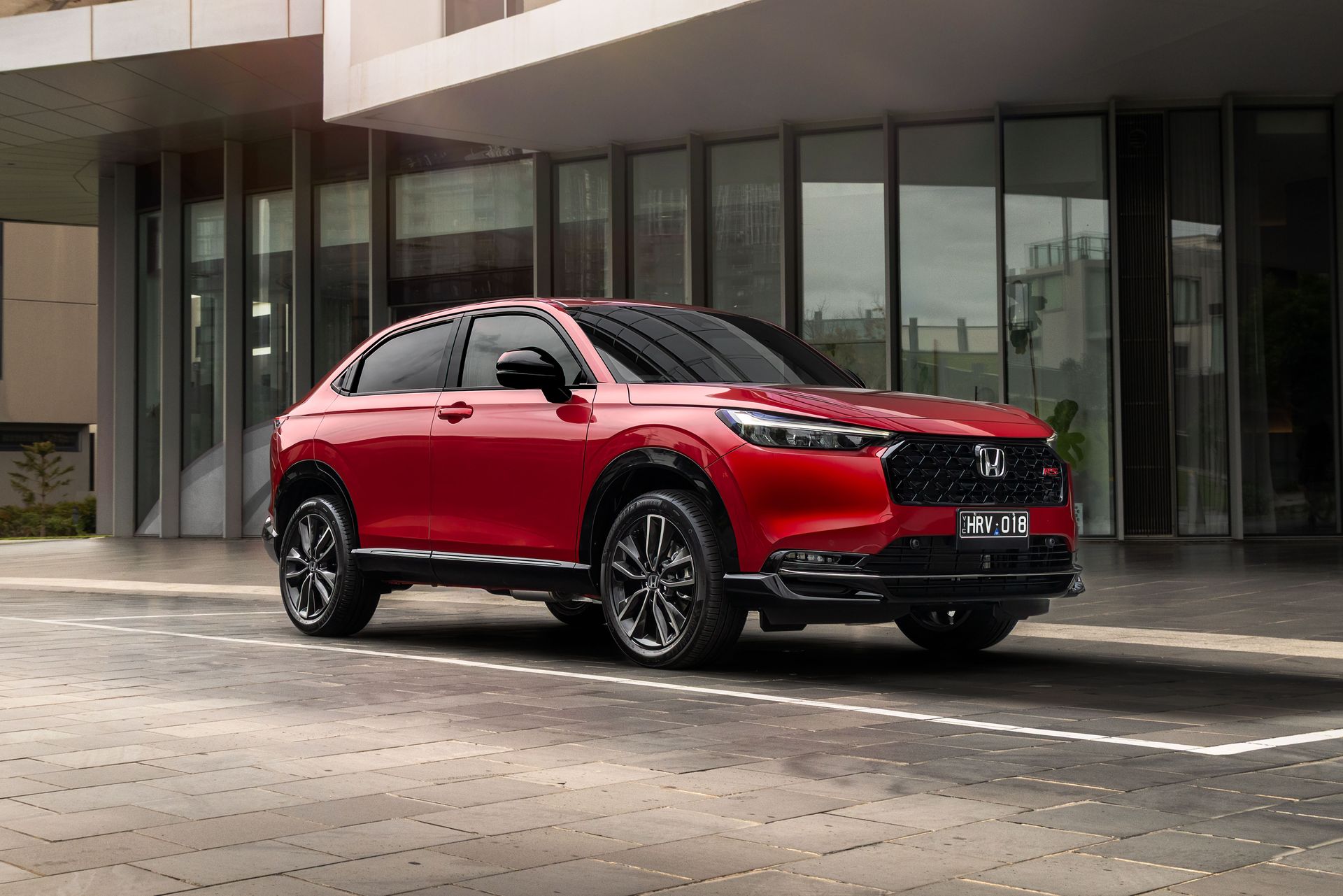
7. 2026 Honda HR-V
Previous overall rating: 5 stars
Current overall rating: 5 stars in current NHTSA-linked data
Change: No confirmed overall star loss
The Honda HR-V demonstrates another important issue with the 2026 safety conversation. The 2025 HR-V received five stars overall from NHTSA, with five stars in frontal and side crash ratings and four stars for rollover resistance. Current 2026 NHTSA-linked data also identifies the HR-V with a five-star overall rating.
That means the HR-V should not be listed as a vehicle that lost an overall crash-test star. It remains a five-star vehicle overall. Its four-star rollover rating is still worth mentioning because it shows that a vehicle can receive five stars overall without earning five stars in every individual category.
The HR-V has also performed well in other U.S. safety evaluations. The 2025 model was named an IIHS Top Safety Pick+, although IIHS and NHTSA use different testing systems and should not be treated as interchangeable. A vehicle’s federal star rating and its IIHS award answer related but different questions about safety.
The HR-V’s strong overall rating makes it a useful benchmark for shoppers comparing small SUVs. A buyer looking at the four-star Venue, Taos, or Compass can use the HR-V as a reference point, while still remembering that ratings should be compared within appropriate vehicle classes.
For a 2026 article, the correct statement is that the HR-V retained its five-star overall NHTSA rating. Calling it a one-star loser would be inaccurate. Its inclusion is useful because it shows how quickly online discussions can confuse a lower category result with a lower rating.
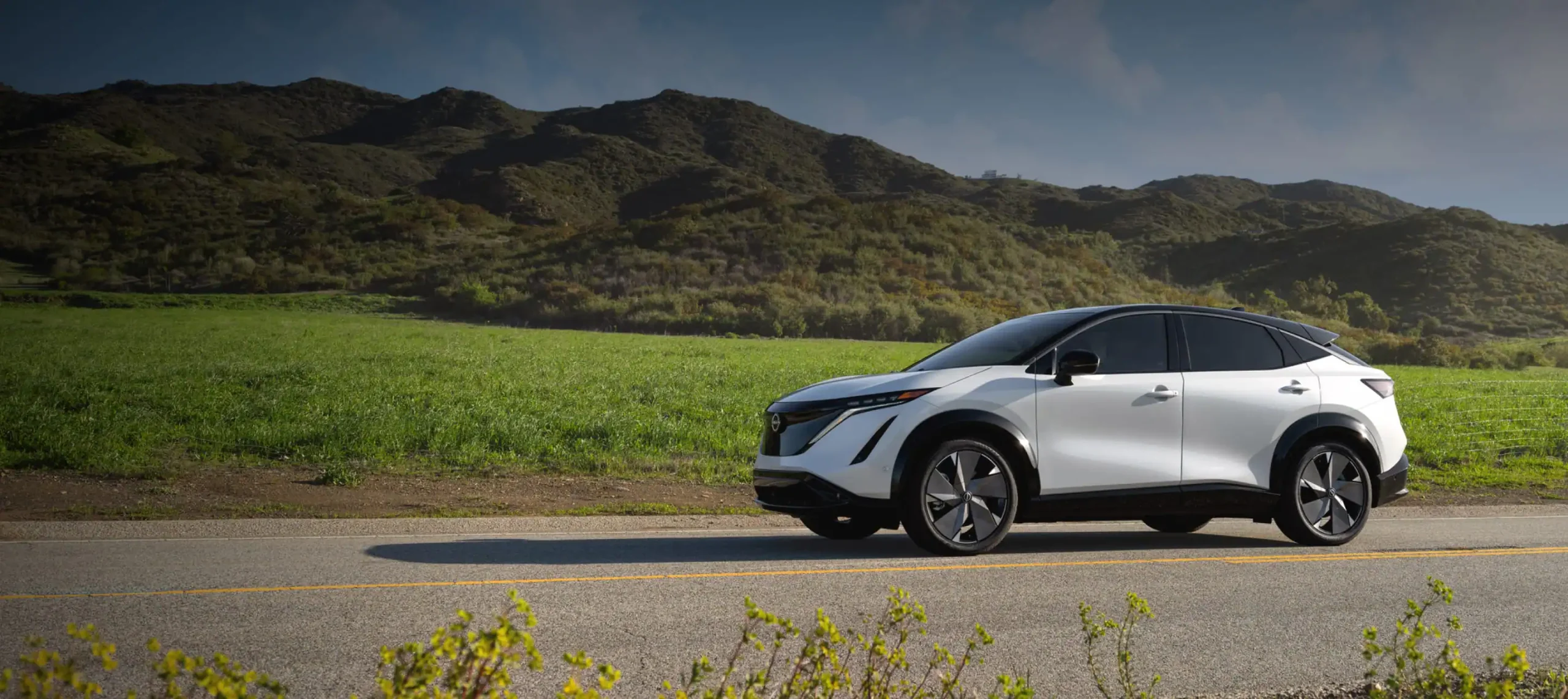
8. 2026 Nissan Ariya
Previous overall rating: 5 stars
Current 2026 overall rating: Not consistently published as a new 2026 NHTSA result
Change: No confirmed one-star overall loss
The Nissan Ariya is another vehicle that needs careful wording. The 2025 Ariya received five stars overall from NHTSA, with strong side protection and four-star frontal performance. Its overall result remained five stars even though not every individual test received the maximum score.
Some current secondary sources describe the 2026 Ariya as carrying a four-star result, but other sources indicate that a new 2026 NHTSA overall rating has not been clearly published. That makes it unsafe to state that Nissan’s electric crossover definitely dropped from five stars to four stars.
This is a useful example of how model-year data can be carried forward or interpreted by third-party databases. When a vehicle’s structure remains substantially unchanged, older test results may continue to be relevant, but that does not automatically mean NHTSA has performed a fresh crash test for the new model year.
The Ariya’s previous five-star result remains significant. Its four-star frontal result did not prevent it from receiving five stars because its other performance areas contributed to the final rating. Buyers should therefore avoid reading a single category as though it were the vehicle’s complete safety score.
For the 2026 model year, the safest wording is that the Ariya has a strong previous five-star NHTSA record, while its current-year federal rating needs to be confirmed before calling it a one-star loser. That is more accurate than turning an uncertain database entry into a definitive downgrade.
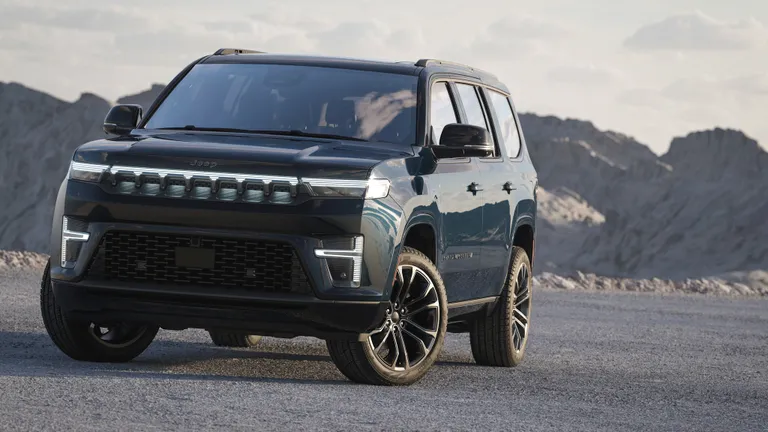
9. 2026 Grand Wagoneer
Previous overall rating: 4 stars
Current overall rating: 4 stars
Change: No confirmed overall star loss
The Jeep Grand Wagoneer rounds out this list as another large U.S. SUV with a four-star overall NHTSA result. Current information lists five stars for frontal performance, five stars for side performance, and three stars for rollover resistance, producing a four-star overall rating.
The rollover score is the most important part of the Grand Wagoneer’s results. Large SUVs with a high seating position can face different rollover dynamics from low-slung passenger cars. NHTSA includes rollover resistance in its overall assessment, which means a strong crash-protection result cannot automatically guarantee five overall stars.
The Grand Wagoneer also shows why vehicle technology and crash-test results need to be considered separately. Modern SUVs can offer extensive airbags, electronic stability control, collision warning systems and automatic emergency braking, but those features do not erase differences revealed during physical crash testing.
For shoppers considering a large luxury SUV, the four-star rating is not necessarily a reason to reject the vehicle.
It is information to weigh against competing models, especially if crash-test performance is a major purchasing priority. A buyer can then compare the full NHTSA breakdown instead of relying only on marketing language.
The Grand Wagoneer has not been established as a vehicle that dropped from five stars to four stars in 2026. Its value in this list is different. It demonstrates that even large and expensive SUVs can receive less than the maximum overall rating, while individual categories can help explain the result.
