
Electric vehicles do lose usable range as their batteries age, but the amount varies greatly by model, battery chemistry, cooling system, charging habits, mileage, and climate. Real-world data shows that some older EVs can experience noticeable capacity loss after four years, while many newer models retain most of their original battery health.
Geotab’s large-scale battery studies found average EV degradation of 1.8% per year in its 2024 analysis, while its newer analysis puts the average at 2.3% annually. This article examines ten EVs with documented evidence of battery or range degradation, while separating measured data from projections and individual owner reports.
1. 2015 Nissan Leaf
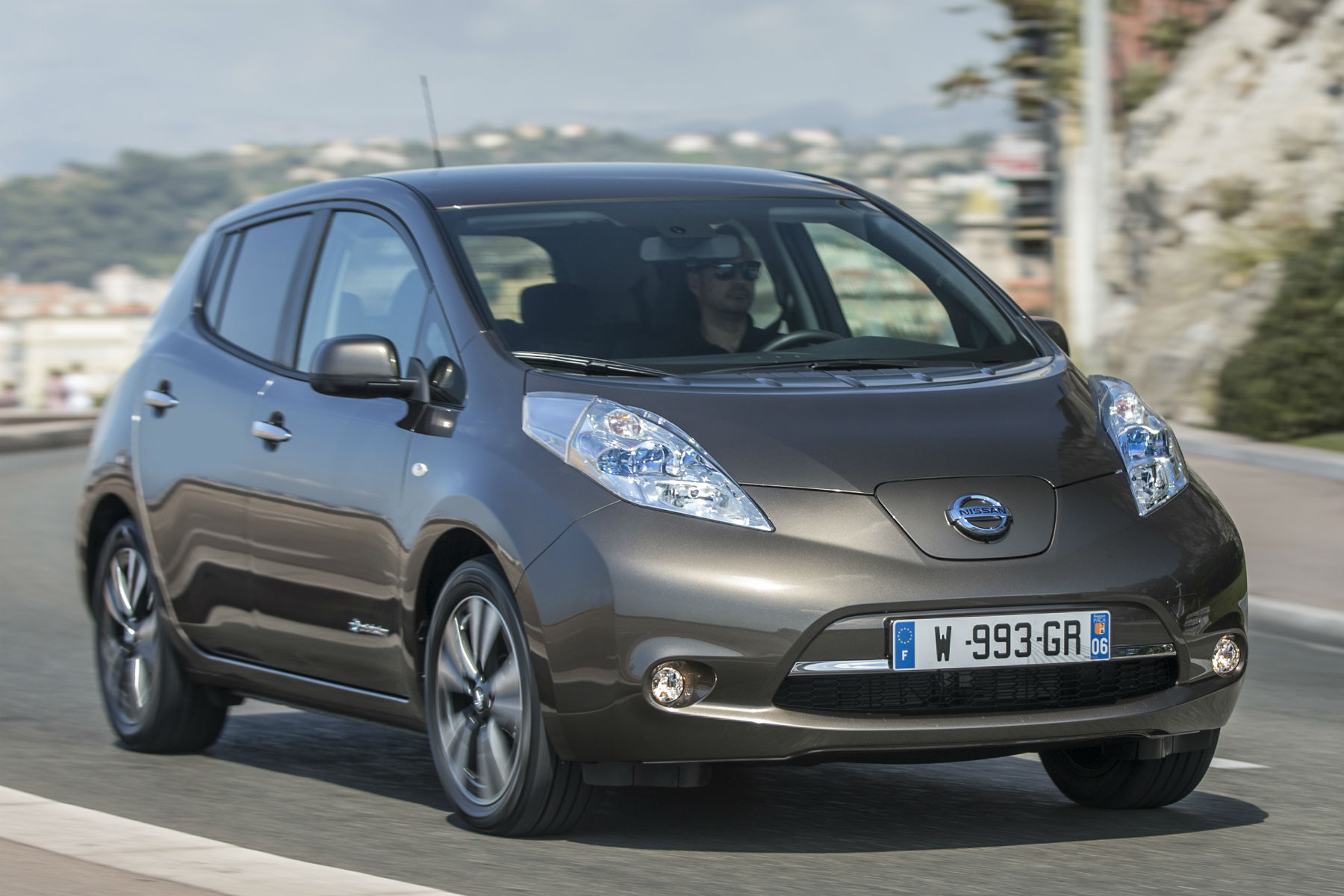
The 2015 Nissan Leaf has some of the clearest real-world evidence of significant battery degradation among older mass-market EVs. Geotab’s battery-health research puts the average degradation rate for the 2015 Leaf at approximately 4.2% per year. That is considerably higher than the 2.3% annual rate recorded for the 2015 Tesla Model S in the same comparison.
The difference is strongly associated with battery thermal management. The 2015 Leaf used passive air cooling rather than the liquid thermal management system found in the Model S. Geotab specifically used these two vehicles to illustrate how battery temperature control can influence long-term battery health.
A 4.2% annual degradation rate does not mean every Leaf loses exactly 4.2% each year, but it does provide useful fleet-level evidence of comparatively rapid capacity loss.
Using that annual rate as a simple illustration, four years at 4.2% would correspond to approximately 16.8 percentage points of capacity loss under a linear calculation.
Actual degradation is not perfectly linear, and individual vehicles can perform much better or worse. Geotab itself notes that EV degradation is generally more complicated than a straight-line decline, with an initial drop followed by a slower period of deterioration.
The Leaf’s history also matters because battery temperature has a major influence on degradation. A vehicle used in a hot climate or subjected to demanding charging conditions may age differently from a similar Leaf operated in a cooler environment.
This is particularly important for used-car buyers because two Leafs of the same model year can have very different remaining range.
The evidence does not mean that every four-year-old Leaf needs a replacement battery. Recurrent’s large EV dataset shows that battery replacements are uncommon outside major recalls, and many older EVs continue operating with their original packs.
2. 2015 Tesla Model S
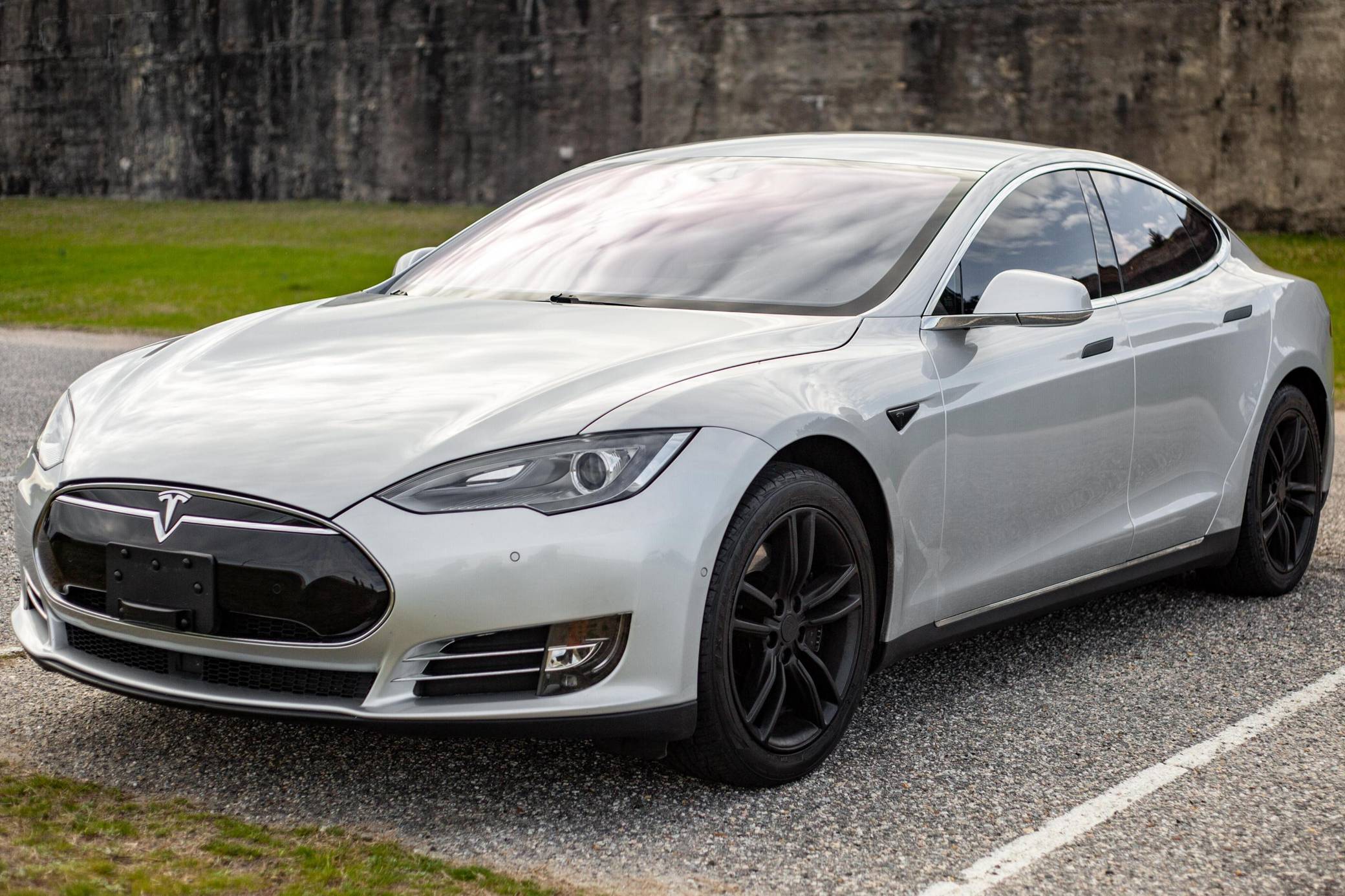
The 2015 Tesla Model S provides an interesting comparison because it experienced measurable degradation but performed considerably better than the 2015 Leaf in Geotab’s analysis. The Model S recorded an average degradation rate of about 2.3% per year in Geotab’s dataset.
At 2.3% per year, a simple four-year calculation would suggest approximately 9.2 percentage points of capacity loss. That would leave around 90.8% of original capacity if the rate were perfectly linear. Real battery aging does not follow such a precise formula, so this figure should not be interpreted as a guarantee for every 2015 Model S.
The comparison becomes particularly useful because both vehicles are from the same model year. The Leaf’s 4.2% annual degradation rate was substantially higher than the Model S’s 2.3%.
Geotab links much of this difference to thermal management, with the Tesla using liquid cooling while the Leaf relied on passive air cooling.
Tesla owner data also demonstrates that high mileage does not automatically mean a battery is near the end of its useful life. Recurrent has reported very high-mileage EVs continuing to receive good or excellent battery ratings, including vehicles exceeding 200,000 miles.
For a four-year-old Model S, range loss should therefore be expected, but the available data does not support describing the model as an unusually poor performer. Its inclusion here reflects measurable range-related capacity loss rather than a claim that the vehicle suffers from abnormal battery failure.
3. Nissan Leaf, Early Generation
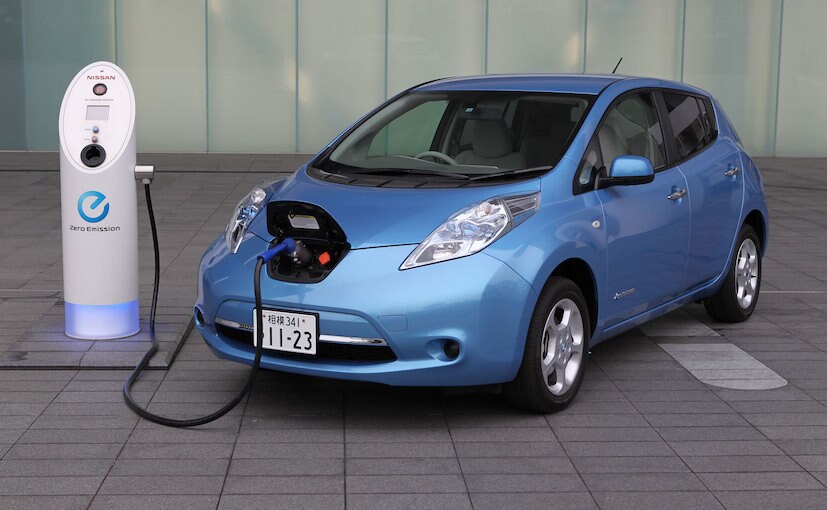
The early Nissan Leaf deserves separate attention from later versions because its battery technology and thermal-management strategy differed from many newer EVs. The first-generation Leaf used a 24 kWh battery and passive cooling, making it particularly sensitive to operating temperature.
Recurrent notes that early Leafs have some of the highest battery-replacement rates in its community, though the company also emphasizes that many of these vehicles are among the oldest EVs on the road.
Historical data from FleetCarma also found clear degradation patterns in Nissan Leafs. Its research collected battery state-of-health information from hundreds of EVs over several years and identified the 2011 and 2012 Leafs as having the largest dataset with clear degradation and limited seasonal effects.
The historical evidence is particularly important because early Leaf batteries were exposed to conditions that could accelerate aging. Battery temperature management was less sophisticated than in many later EVs, and hot climates could be especially demanding. Owners in warmer regions therefore had reason to monitor battery health more carefully.
A documented owner example illustrates how significant the difference can become. One long-term 2011 Leaf owner reported approximately 23% nominal capacity loss after four years, while estimating about 12.5% actual loss in available charge based on external measurements. This is an individual vehicle report rather than a controlled fleet study, so it should not be treated as a model-wide average.
The broader evidence nevertheless supports that early Leafs can lose noticeable range by their fourth year. Buyers considering a used example should therefore prioritize a battery-health assessment over the dashboard’s estimated remaining range. The age of the vehicle alone cannot tell you exactly how much capacity remains.
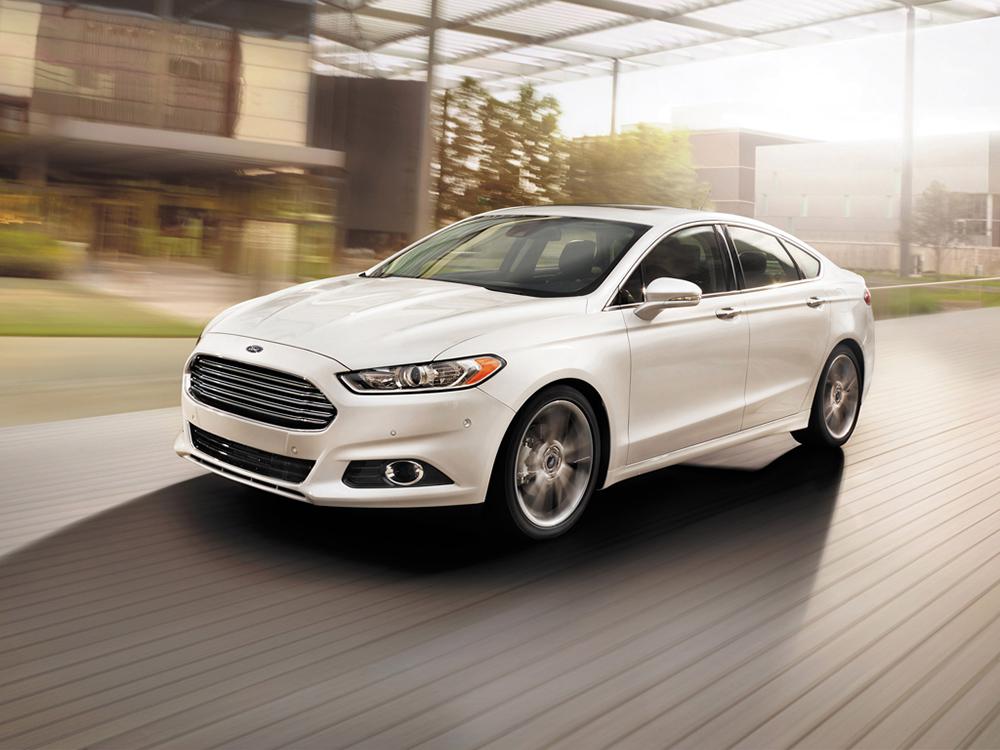
4. 2013 Ford Fusion Energi
The Ford Fusion Energi is a plug-in hybrid rather than a pure battery-electric vehicle, but it belongs in discussions about EV-style battery degradation because its electric driving range depends on its rechargeable lithium-ion battery. Its relatively small battery means that even modest capacity loss can have a noticeable effect on electric-only driving distance.
The U.S. Department of Energy conducted controlled testing on the 2013 Fusion Energi and documented its battery energy and range characteristics under standardized conditions. The testing recorded measurable battery energy output and electric driving range at different speeds.
There is also documented field evidence of capacity loss. A 2013 Fusion Energi owner reported a battery inspection showing a roughly 30% decline in capacity at around 32,000 miles.
The report also stated that a problem involving the battery cooling system had been identified. This is an individual complaint, not a statistically representative study, so it cannot establish a 30% average degradation rate for the model.
That distinction is important. A vehicle experiencing a cooling-system problem should not be used as evidence that every Fusion Energi loses 30% of its capacity after four years. Battery degradation caused by a mechanical or thermal-management fault is different from normal calendar and cycle aging.
Still, the Fusion Energi demonstrates why battery-health data matters for older plug-in hybrids. When the battery is relatively small, a loss of several kilowatt-hours can remove a substantial percentage of electric-only range.
Buyers should check actual electric range and battery condition rather than assuming that the vehicle’s original specification still reflects its current performance.
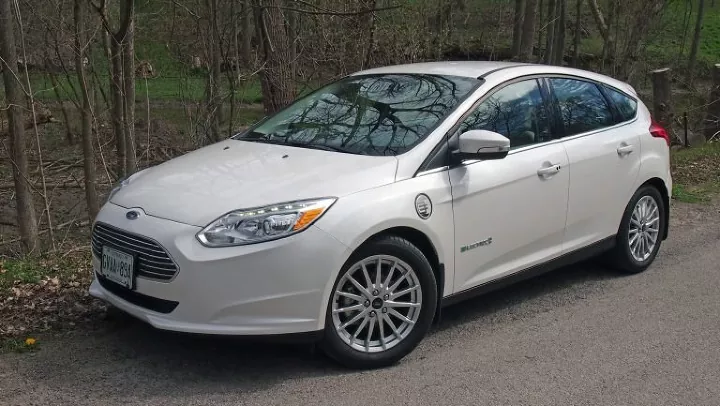
5. Ford Focus Electric
The Ford Focus Electric is another early EV for which long-term battery-health data exists. Research published through the EVS conference examined battery state of health across multiple model years of the Focus Electric using FleetCarma telematics data. The analysis found signs of degradation in the 2012, 2013, and 2014 model years.
The study found particularly interesting differences between model years. The 2013 vehicles had the lowest observed state of health, followed by the 2012 cars, while the 2014 vehicles showed different behavior. Researchers also noted that mileage played a role, since the 2013 vehicles had higher average odometer readings than the 2012 vehicles.
This is useful because it demonstrates that battery degradation cannot be explained by calendar age alone. Two vehicles with similar ages can have different battery health depending on how much they have been driven, how frequently they were charged, and the conditions in which they operated.
The research also found seasonal effects for the 2014 Focus Electric. That matters because drivers can mistake temporary changes in range caused by temperature for permanent battery degradation. Cold weather can reduce available range without permanently damaging the battery to the same degree as long-term capacity loss.
The Focus Electric therefore belongs on a four-year degradation watchlist, but the available evidence does not justify assigning it a single percentage loss after four years. The strongest factual statement is that real-world telematics data documented degradation across its early model years, with differences linked to model year, mileage, and seasonal conditions.
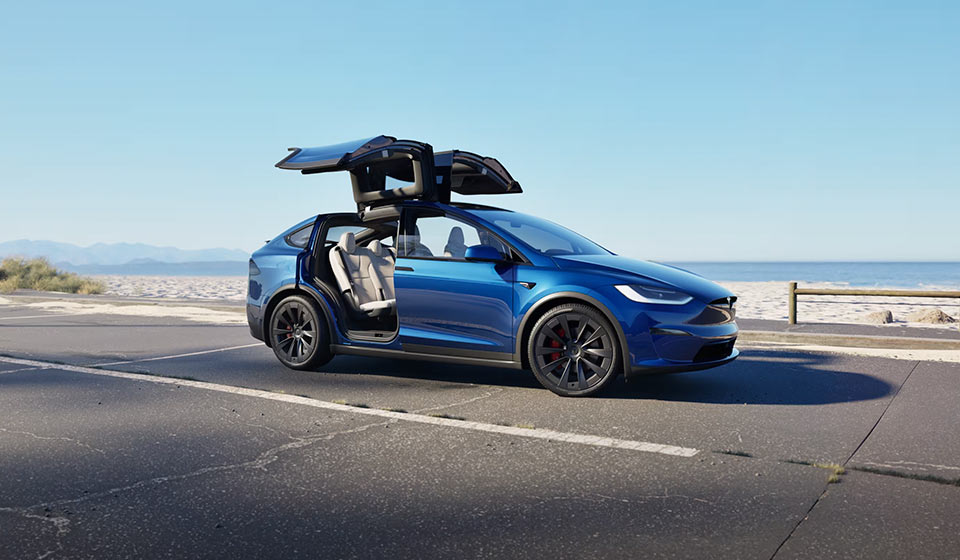
6. Tesla Model X
The Tesla Model X demonstrates how substantial range loss can eventually appear even in vehicles with liquid-cooled battery systems. Recurrent’s analysis of EV battery health has used observed vehicle data to show the relationship between mileage and estimated range, including Tesla vehicles.
A separate reported example involved a Tesla Model X that had accumulated approximately 330,000 miles. Its estimated range had declined from about 260 miles to 200 miles, representing approximately 23% range loss.
This example goes well beyond four years of use for many drivers, so it should not be taken as evidence that a typical Model X loses 23% of its capacity after four years. Its significance is different. It shows that battery capacity and displayed range can decline substantially at very high mileage while the vehicle remains operational.
The Model X also illustrates why mileage should be considered alongside age. An EV used as a high-mileage commuter or commercial vehicle can experience considerably more cycling than a lightly driven private car.
Geotab’s updated research found that higher daily use is associated with somewhat greater degradation, though the company considers the difference manageable.
For someone evaluating a four-year-old Model X, the correct question is not simply whether range has fallen. The more useful questions concern the vehicle’s original battery capacity, present state of health, mileage, fast-charging history, and operating climate. Those factors provide a much better picture of expected remaining range.
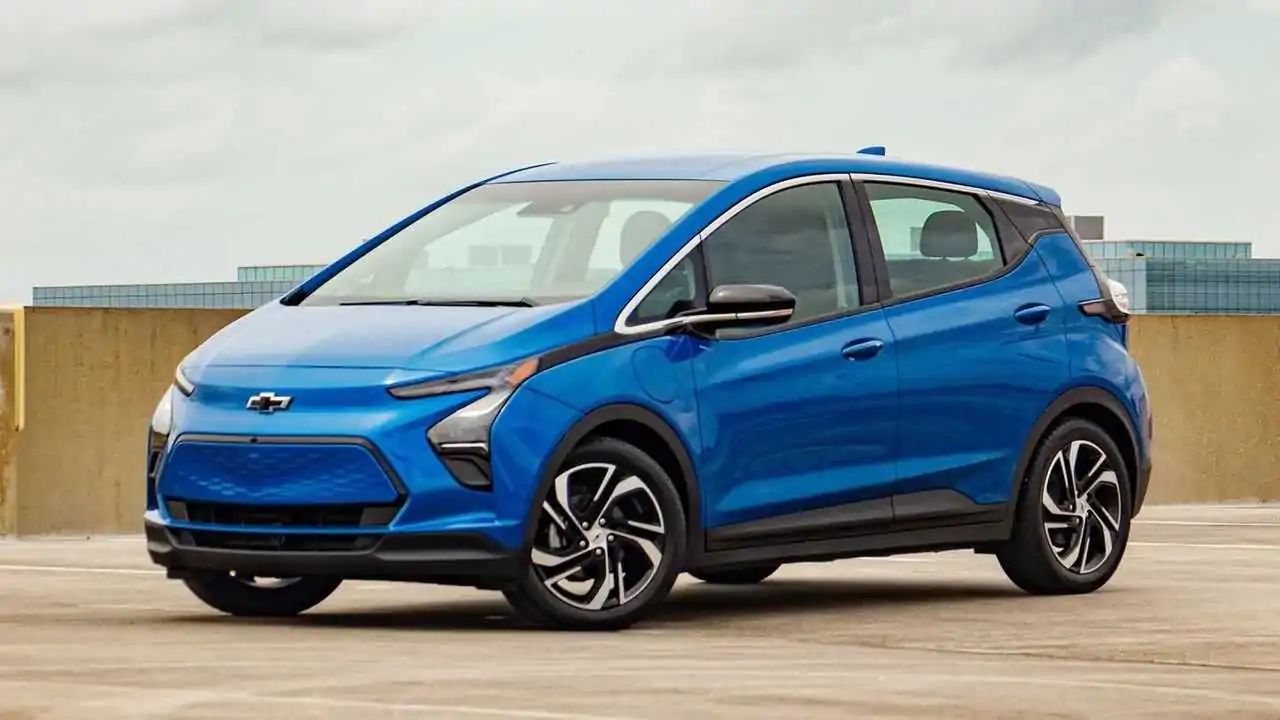
7. Chevrolet Bolt EV
The Chevrolet Bolt EV requires special treatment because battery degradation and battery replacement are not the same issue. Certain Bolt EV model years were subject to a major battery recall, with affected packs replaced by Chevrolet. Recurrent identifies the 2017 through 2022 Bolt EV among vehicles affected by the recall program.
A recall-related replacement should not be described as ordinary four-year battery degradation. A battery replaced under warranty effectively changes the starting point for the vehicle’s battery life. The car may be four or five years old while its replacement pack is significantly newer.
Recurrent’s broader data provides encouraging evidence for the Bolt’s battery durability outside the recall situation. The company reports that second-generation EVs, a category that includes early Chevrolet Bolt EVs and Tesla Model 3s, had an approximately 2% battery replacement rate in its community.
The Bolt also demonstrates why used-EV buyers should check vehicle history. A four-year-old Bolt may have its original pack, a replacement pack, or a battery that received recall-related work. Those situations can produce very different expectations for remaining range.
Therefore, the Bolt belongs on a battery-health checklist, but not because reliable evidence shows that every Bolt loses a particular percentage of range after four years. The stronger end is that buyers should determine whether the vehicle was affected by the battery recall and establish the condition and history of the installed pack.
8. Hyundai Kona Electric
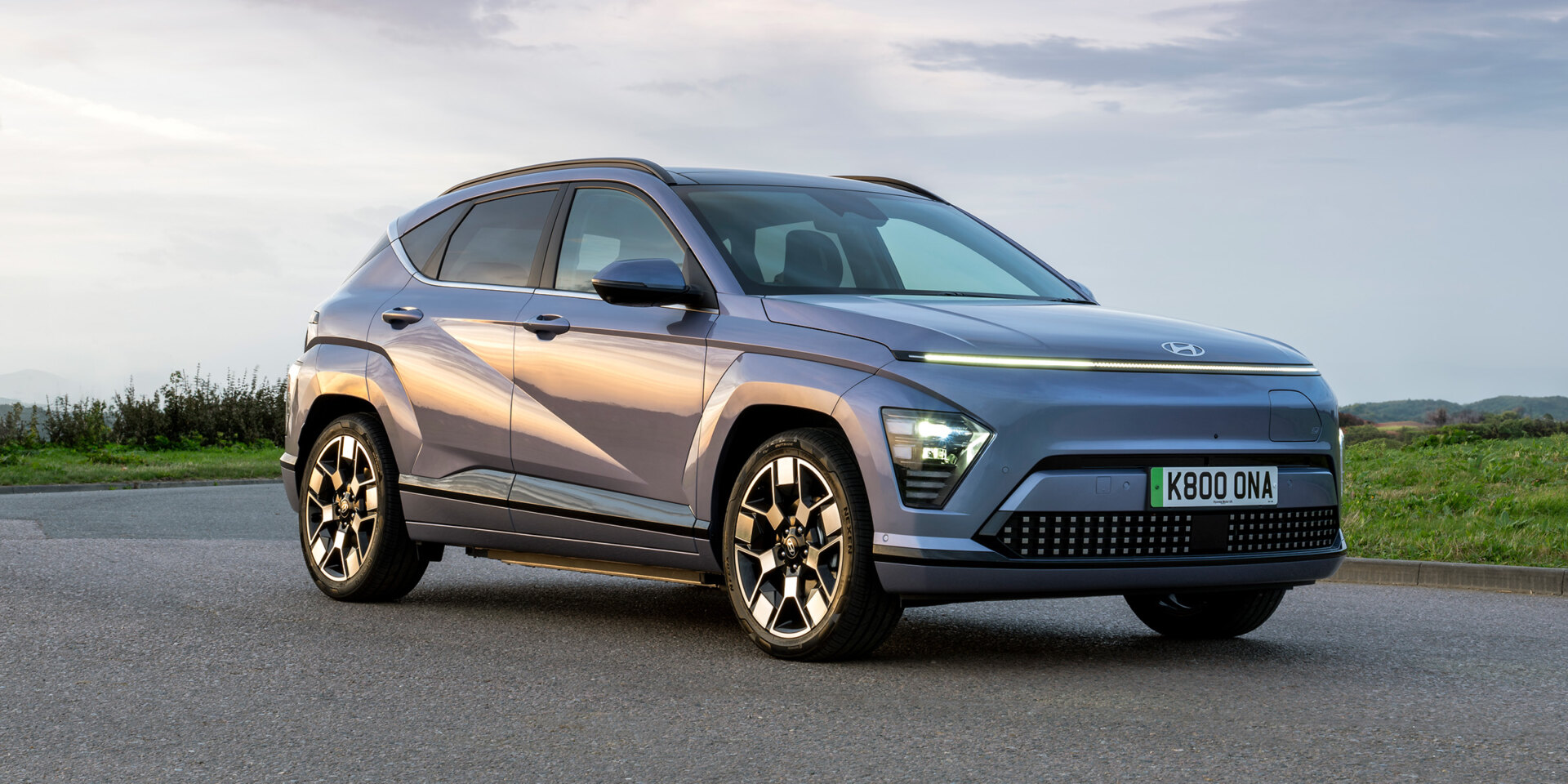
The Hyundai Kona Electric has also been affected by battery-related recalls. Recurrent identifies the 2019 through 2022 Kona Electric among vehicles involved in a battery recall program, with replacements covered by the manufacturer.
This is important because a recall can be confused with ordinary battery aging. If a Kona Electric received a replacement battery, its current state of health cannot be inferred simply from its registration year. A 2020 vehicle with a recently replaced battery may have very different battery characteristics from another 2020 example that still carries its original pack.
Recurrent’s used-EV analysis has also rated the 2021 Kona EV positively for range reliability. Its evaluation gave the model a strong range-reliability score, indicating that the presence of a battery recall does not mean every vehicle suffers from poor everyday range.
The Kona also highlights a broader point about modern EV batteries. Battery replacement rates are generally low outside major recall campaigns. Recurrent’s analysis of more than 30,000 EVs found that fewer than 4% of batteries across all years and models had been replaced outside the major recall context, including vehicles more than ten years old.
For a four-year-old Kona Electric, buyers should therefore distinguish between capacity degradation and recall history.
Checking whether the battery was replaced, confirming the current battery health, and comparing the vehicle’s real-world range with its original specification provides a much more accurate assessment than simply assuming that four years means significant range loss.
9. Tesla Model 3
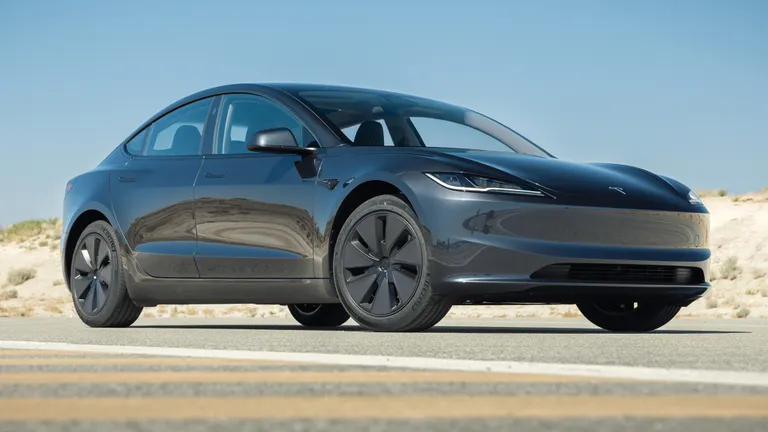
The Tesla Model 3 is a useful example of a newer EV with extensive real-world battery data. Recurrent has analyzed estimated range against odometer readings using data from more than 2,000 Model 3 vehicles in its community. Its research shows a relationship between increasing mileage and declining estimated range.
The Model 3 is also included in Recurrent’s second-generation EV category, where the company reports an approximately 2% battery replacement rate. This figure concerns replacement rather than capacity degradation, so it should not be presented as saying that Model 3 batteries lose 2% of range per year.
The model has also appeared in Recurrent’s used-EV evaluations. Its 2020 Model 3 received strong scores for range reliability and charging-related factors in the company’s 2025 used-EV assessment.
These findings suggest that the Model 3 does experience gradual range loss, as expected from a lithium-ion battery, but the available data does not support describing a typical four-year-old Model 3 as suffering severe range degradation. Battery condition varies considerably from car to car.
That variation is worth remembering when buying a used Model 3. A vehicle with extensive fast charging, high mileage, or long periods at extreme states of charge may age differently from a lightly driven car that spent most of its life charging at home.
Geotab’s latest research specifically identifies high-power DC charging as the strongest operational factor associated with faster degradation.
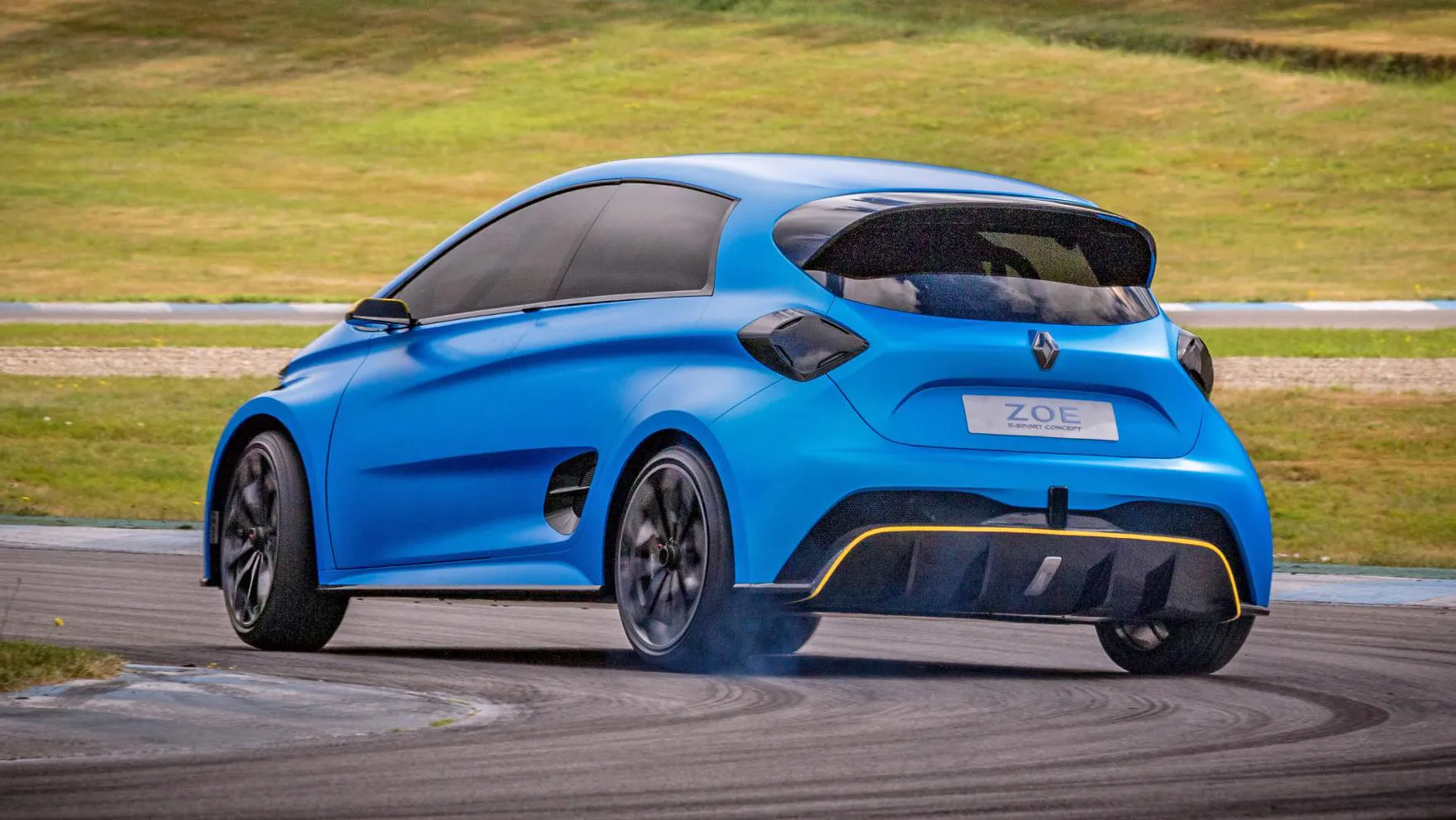
10. Renault Zoe
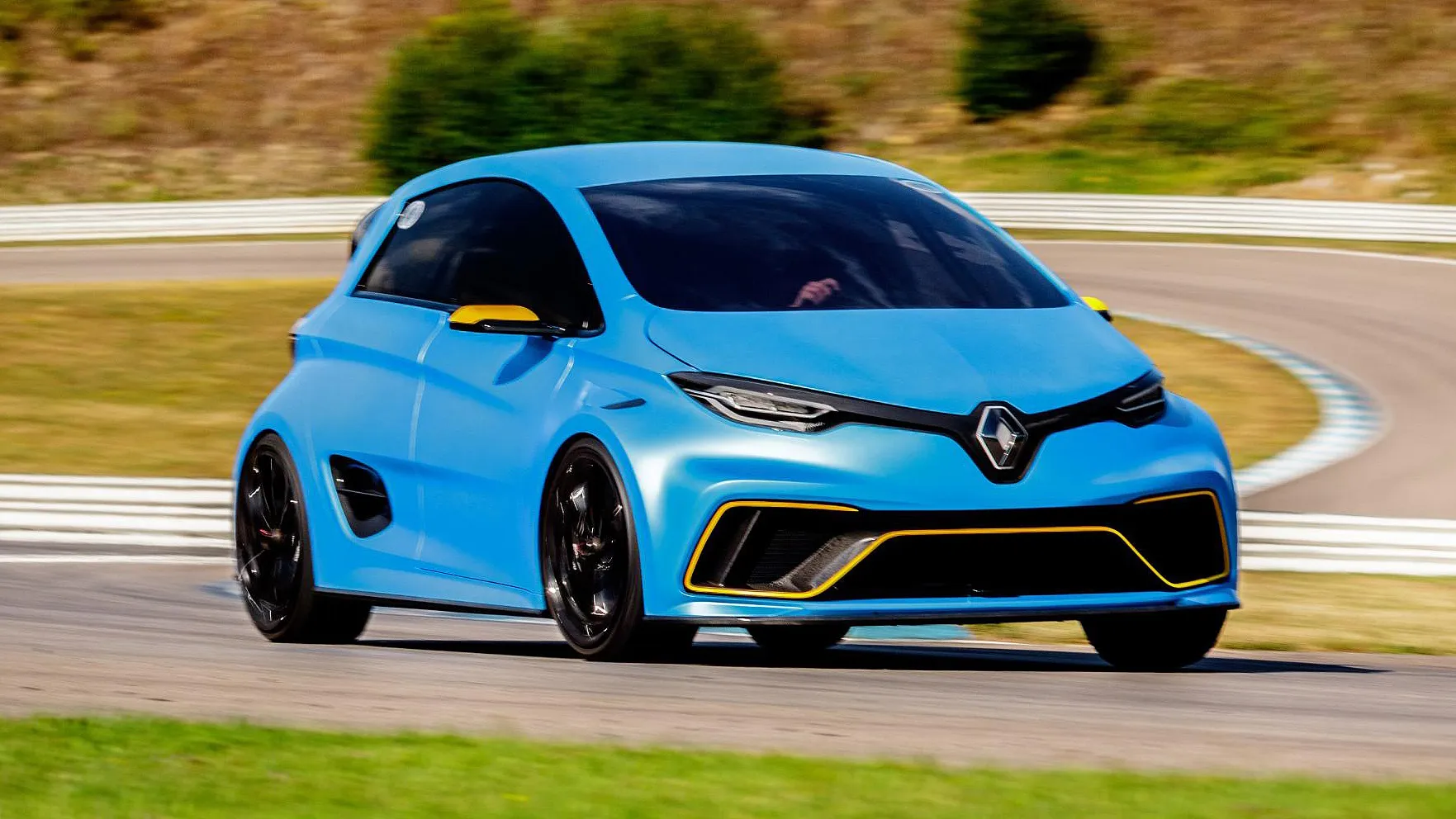
The Renault Zoe is another older EV for which large-scale battery-health testing has produced evidence of capacity loss. AVILOO recently analyzed more than 500,000 battery-health tests across 20 EV models using data collected from 2022 through 2026. The company’s analysis found significant differences between models and between individual examples of the same model.
AVILOO’s findings indicate that the Renault Zoe showed lower battery state of health than several larger modern EVs in its analysis.
The company’s results also showed that battery health can vary substantially between individual vehicles of the same model, with differences of up to 13.5 percentage points between the strongest and weakest examples in the dataset.
That variation is especially important for a four-year-old Zoe. A single average cannot tell you exactly how much range a particular vehicle has lost. Mileage, battery version, charging patterns, and environmental conditions can all influence the result.
The data also supports a broader finding in EV research. Smaller battery packs may undergo more frequent cycling when drivers regularly use a large portion of their available capacity. AVILOO specifically notes that smaller batteries subjected to frequent charging cycles can experience faster aging on average.
For used Zoe buyers, the most useful evidence is therefore an actual battery-health test. A four-year-old vehicle with strong SOH can remain perfectly practical, while another example of the same age and model may have noticeably less usable range. The model’s name alone cannot determine which situation applies.
