
Hybrid cars promise lower fuel bills, smoother driving, and fewer trips to the gas station, but paying extra for a hybrid does not always make financial sense. The real answer depends on the vehicle, purchase price, fuel economy gap, annual mileage, driving conditions, and how long you plan to keep it.
Some hybrids deliver such a strong efficiency advantage that the extra cost can be justified fairly quickly. Others offer a small improvement that may take years to recover. This guide compares five cars where choosing the hybrid can be a smart financial decision with five where keeping the conventional gasoline version may be the better choice.
5 Cars Where the Hybrid Pays Off
1. Toyota Camry Hybrid
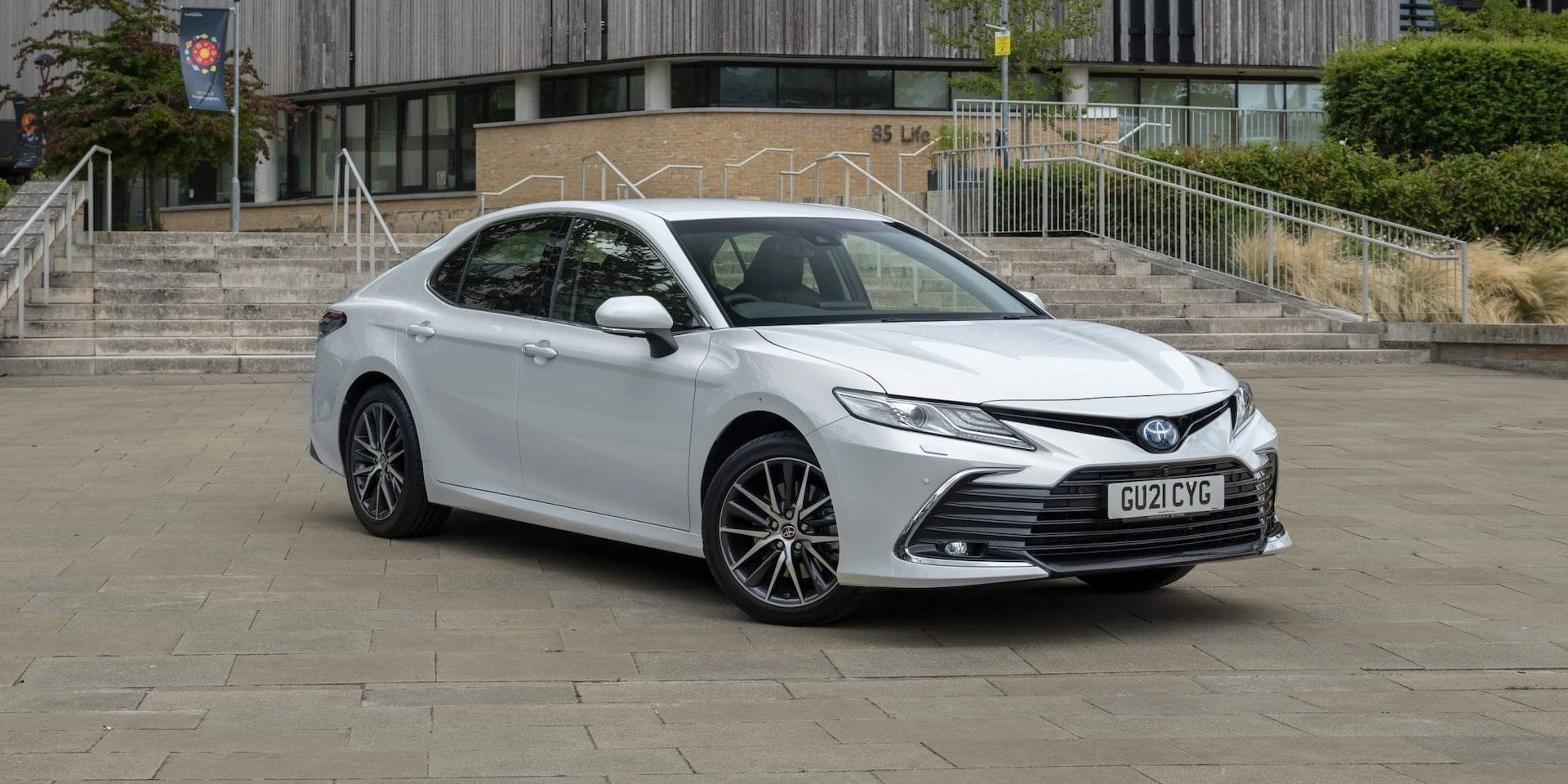
The Toyota Camry is a clear example of a car where the hybrid powertrain can make sense for buyers who drive regularly. The current Camry lineup is hybrid-focused, and the efficiency figures are particularly impressive for a midsize sedan.
The 2026 Camry LE Hybrid is rated at 53 mpg in city driving, 50 mpg on the highway, and 51 mpg combined according to Toyota. That is a substantial level of efficiency for a comfortable family sedan with 225 horsepower.
The biggest advantage appears in daily commuting. Hybrid systems can recover energy during braking and use electric assistance during low-speed driving, conditions that are common in urban traffic.
A conventional gasoline engine is generally less efficient when repeatedly accelerating, slowing, and sitting in traffic. The Camry’s hybrid system can reduce wasted energy during those situations, making the fuel savings more noticeable for drivers who spend much of their week in cities.
Fuel savings also become more meaningful as annual mileage rises. Someone covering 20,000 miles per year will have a much stronger opportunity to recover the cost of a more efficient powertrain than someone who drives 5,000 miles annually.
A driver covering long daily distances can potentially save hundreds of dollars in fuel each year, depending on gasoline prices and real-world mileage. The calculation should always use your own driving habits rather than relying solely on EPA estimates.
The Camry Hybrid also avoids a common concern with plug-in vehicles because there is no requirement to charge it from an external outlet. The battery is replenished through the vehicle’s hybrid system and regenerative braking. That makes it relatively simple for drivers who want improved efficiency without changing their routine.
Toyota’s current comparison also shows the Camry Hybrid delivering stronger fuel economy than the comparable Accord Hybrid in the cited 2026 comparison.
For a buyer who wants a practical sedan and plans to keep it for many years, the Camry Hybrid is easy to justify. It combines strong fuel economy with useful power and familiar gasoline-car convenience.
The strongest case comes from people who commute frequently, drive in traffic, and intend to keep the car long enough for fuel savings to accumulate. For a low-mileage driver, the calculation becomes less convincing, but for a high-mileage owner, this is exactly the type of vehicle where hybrid technology can pay off.
2. Honda Civic Hybrid
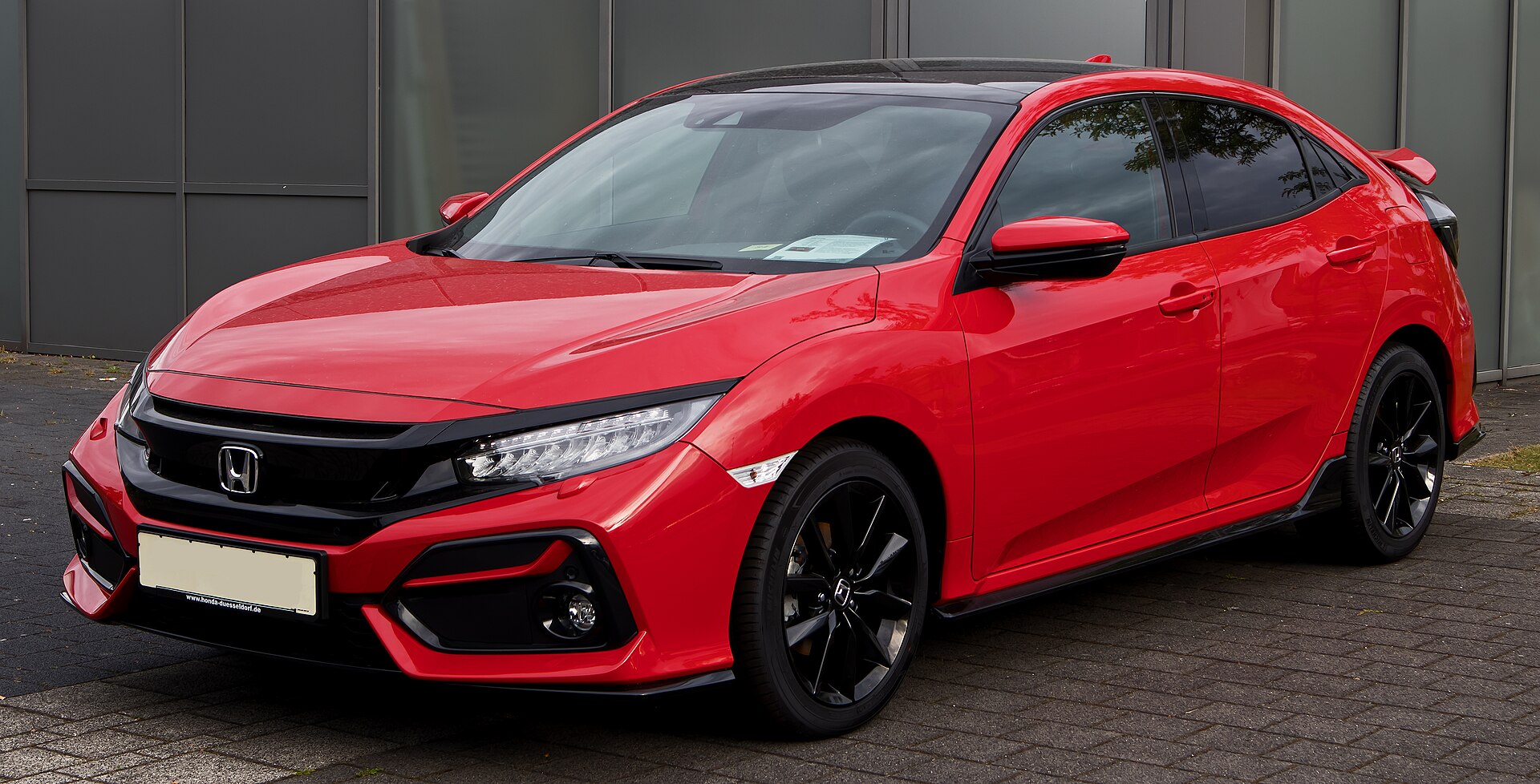
The Honda Civic Hybrid is another strong candidate for buyers who want to reduce fuel spending without moving into a larger vehicle.
Honda lists the 2026 Civic Sedan Hybrid at a 49 mpg combined rating, with the broader hybrid lineup offering impressive efficiency figures. The Civic’s smaller size also means that buyers are not paying for a large vehicle simply to obtain better fuel economy.
The Civic makes particular sense for commuters. A compact sedan is already relatively efficient because it does not carry the weight and aerodynamic penalty associated with larger SUVs.
Adding a hybrid powertrain can push fuel consumption even lower. That combination is valuable for people who spend several hours each week traveling to work, school, appointments, or other regular destinations.
There is also a practical advantage to choosing a hybrid Civic instead of purchasing a much larger vehicle and hoping that its hybrid system will offset the additional mass. Vehicle size matters.
A compact hybrid can achieve impressive efficiency without requiring a massive battery or oversized body. For someone who does not need three rows of seating, the Civic’s approach can provide a better balance between transportation needs and fuel consumption.
The financial calculation becomes especially interesting when fuel prices rise. Every improvement in mpg becomes more valuable when gasoline costs more.
A driver traveling 15,000 miles annually will use substantially less fuel with a car delivering around 49 mpg than with a vehicle returning 30 mpg. The exact savings depend on real-world conditions, fuel prices, and purchase costs, but the efficiency gap is large enough to deserve serious consideration.
The Civic Hybrid is therefore a good example of a hybrid that can make sense before the buyer starts adding complicated assumptions. You get a compact car that is already easy to live with, then gain significant fuel efficiency from the hybrid system.
It is particularly attractive for people who drive frequently and intend to keep their vehicle for several years. If annual mileage is very low, a conventional Civic or another inexpensive gasoline car may still have the lower total ownership cost.
3. Hyundai Tucson Hybrid
SUV shoppers often face a difficult compromise. Larger vehicles offer more passenger space, cargo capacity, and a higher seating position, but they generally consume more fuel than compact cars.
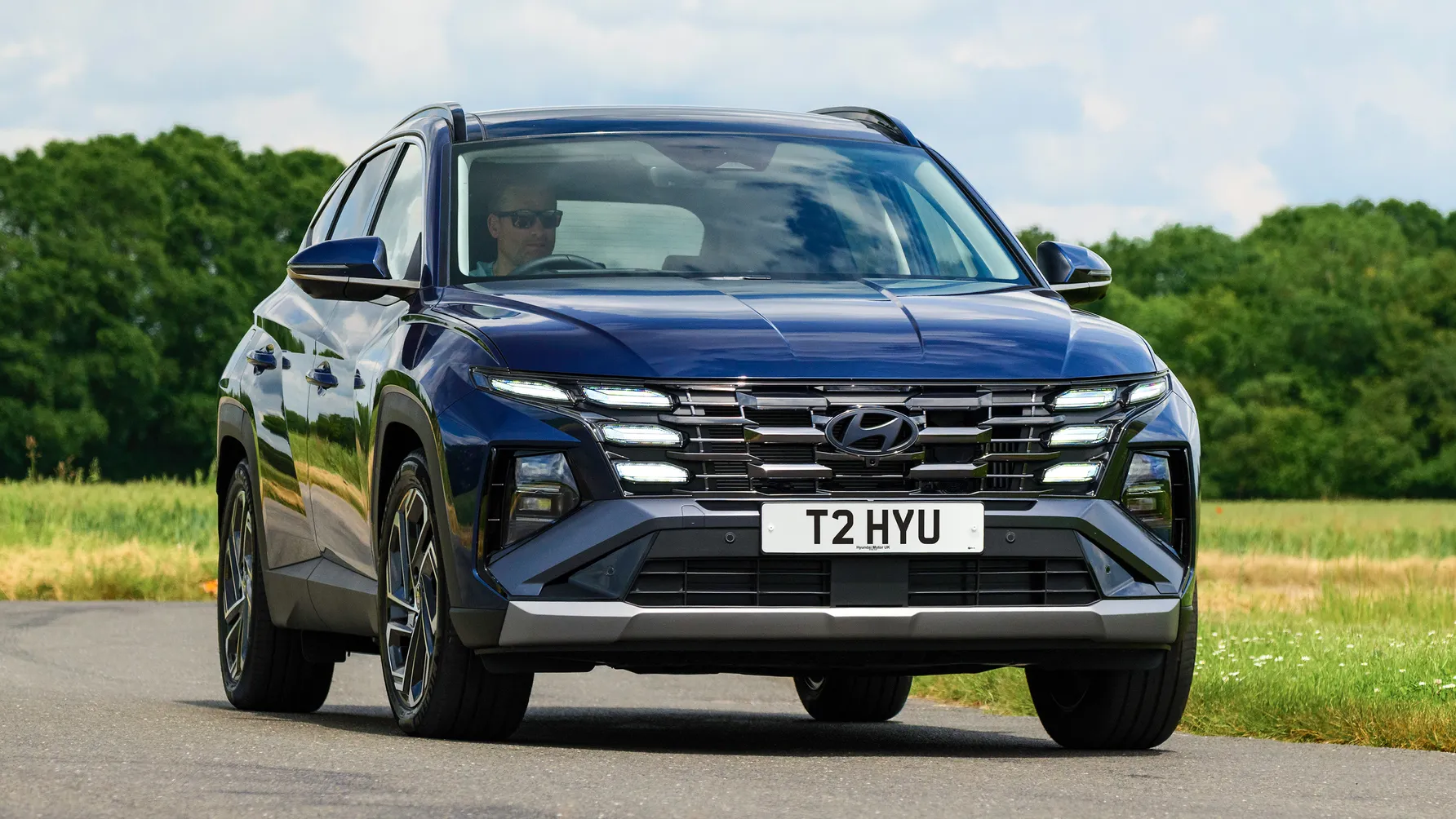
The Hyundai Tucson Hybrid provides a way to retain SUV practicality while cutting fuel consumption. For 2026, Hyundai lists the Tucson Hybrid at up to 40 mpg city and 35 mpg highway in the front-wheel-drive SE configuration, with 38 mpg combined.
The gasoline Tucson, by comparison, is rated at 25 mpg city and 33 mpg highway for front-wheel drive, with a 28 mpg combined rating. That creates a sizeable efficiency difference.
The hybrid also produces 231 combined horsepower, giving buyers more than just an economy advantage. The result is an SUV that does not require a major sacrifice in everyday performance while providing a meaningful reduction in fuel consumption.
This is where hybrid technology can be particularly valuable. A buyer who already needs an SUV may not want to switch to a sedan purely for fuel savings. The hybrid Tucson gives that driver another option.
If the vehicle is used for commuting, school runs, shopping, and family trips, the fuel savings can accumulate throughout the year. City driving can further favor the hybrid system because regenerative braking and electric assistance are useful in stop-and-go traffic.
The Tucson Hybrid can also appeal to buyers who want all-wheel drive. Hyundai offers HTRAC all-wheel drive on the hybrid, though fuel economy falls compared with the most efficient front-wheel-drive version.
The 2026 Tucson Hybrid SE HTRAC is rated at 38 mpg city, 38 mpg highway, and 38 mpg combined. That still compares favorably with the conventional Tucson’s all-wheel-drive rating of 26 mpg combined.
The financial argument is strongest for SUV owners who cover significant mileage. A small difference in fuel economy might not justify a higher purchase price, but a large gap can change the calculation.
The Tucson Hybrid has a particularly strong case because the buyer is not simply paying more for a badge or a minor efficiency improvement. The hybrid powertrain creates a noticeable difference in fuel consumption while retaining the basic practicality that attracts buyers to compact SUVs.
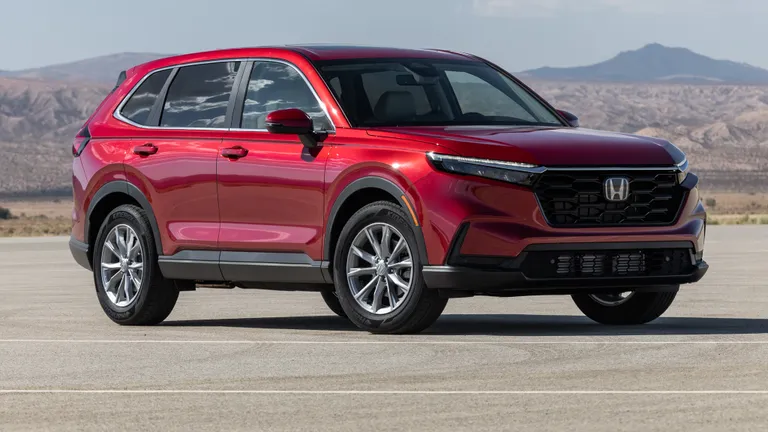
4. Honda CR-V Hybrid
The Honda CR-V Hybrid fits a similar formula. It gives buyers SUV practicality while reducing fuel consumption compared with a conventional gasoline-powered crossover.
Honda lists the CR-V Hybrid at a 40 mpg combined rating for the applicable current configuration. That makes it a strong candidate for drivers who want a family-friendly vehicle but expect to put plenty of miles on it.
The CR-V is especially appealing to households that use a vehicle for several different purposes. A car that handles commuting during the week, family transportation on weekends, and longer road trips can accumulate mileage quickly. The more miles the vehicle travels, the more opportunities there are for a higher-efficiency powertrain to produce fuel savings.
Hybrid systems also tend to work well in mixed driving. A conventional gasoline engine can be efficient on a steady highway journey, but urban driving creates frequent acceleration and braking events.
The hybrid system can capture some braking energy and reuse it later. That process does not eliminate fuel consumption, but it can reduce the amount of gasoline required for certain types of driving.
The CR-V Hybrid is not automatically the right choice for every buyer. Purchase price matters, and a buyer who drives very little may never save enough in fuel to compensate for a higher upfront cost.
Financing costs also matter because paying interest on a larger amount can reduce the financial benefit of better fuel economy. The calculation needs to include the actual transaction prices available to the buyer.
For someone driving 15,000 to 20,000 miles a year, the CR-V Hybrid deserves serious attention. It combines the popular compact SUV format with a substantial efficiency improvement.
If the vehicle is kept for a long period, the cumulative fuel savings can become meaningful. The hybrid is therefore most compelling for buyers who need an SUV rather than simply wanting one.
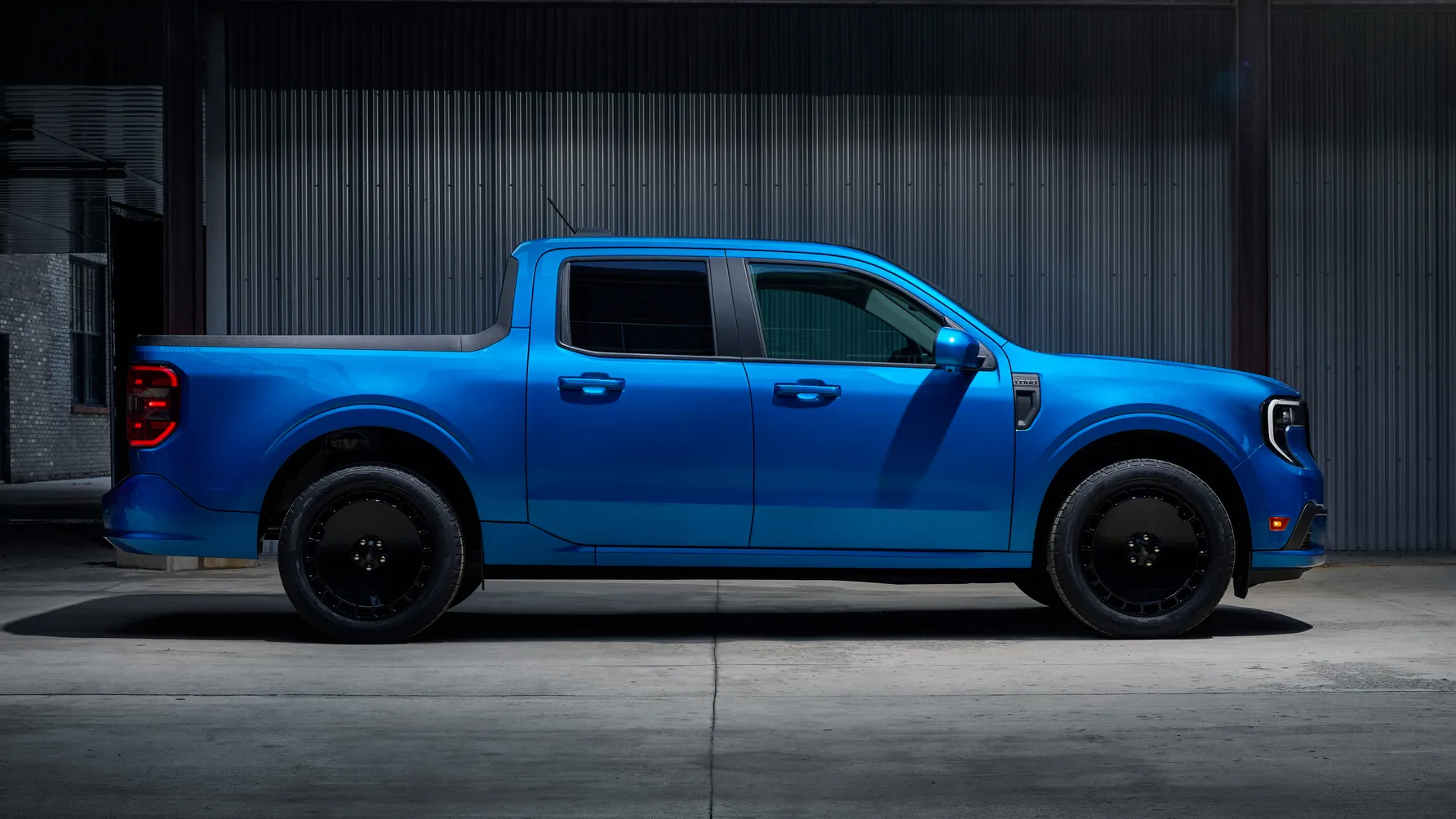
5. Ford Maverick Hybrid
Pickup trucks usually bring fuel economy concerns because they are heavier and designed around utility. The Ford Maverick Hybrid changes that equation by combining a compact pickup format with a hybrid powertrain.
That makes it particularly interesting for people who need the consumption associated with a larger pickup. For people who occasionally carry equipment, gardening supplies, bicycles, home-improvement materials, or recreational gear, the an open cargo bed but does not require the capability of a larger truck.
The Maverick’s strongest argument is not that it turns a pickup into an economy car. It does not. Its appeal comes from providing useful truck functionality without forcing the owner into the fuel consumption associated with a larger pickup.
For people who occasionally carry equipment, gardening supplies, bicycles, home-improvement materials, or recreational gear, the compact truck format can be more practical than a sedan or SUV.
Hybrid technology also suits the type of driving many compact truck owners encounter. If the truck spends much of its time in urban areas and is used for errands rather than constant heavy towing, the efficiency advantage has more opportunity to appear.
A truck that spends most of its life carrying light loads around town is a different financial proposition from a truck that spends every weekend hauling a heavy trailer.
There is an important distinction between needing a truck and wanting a truck. If you genuinely require high towing capacity, heavy-duty components, or serious off-road capability, the Maverick Hybrid may not be the correct tool.
It attracts a different type of buyer, particularly those who value the practicality of a pickup bed but do not need a full-size truck that may be larger than necessary for their everyday lifestyle.
5 Where It Never Does
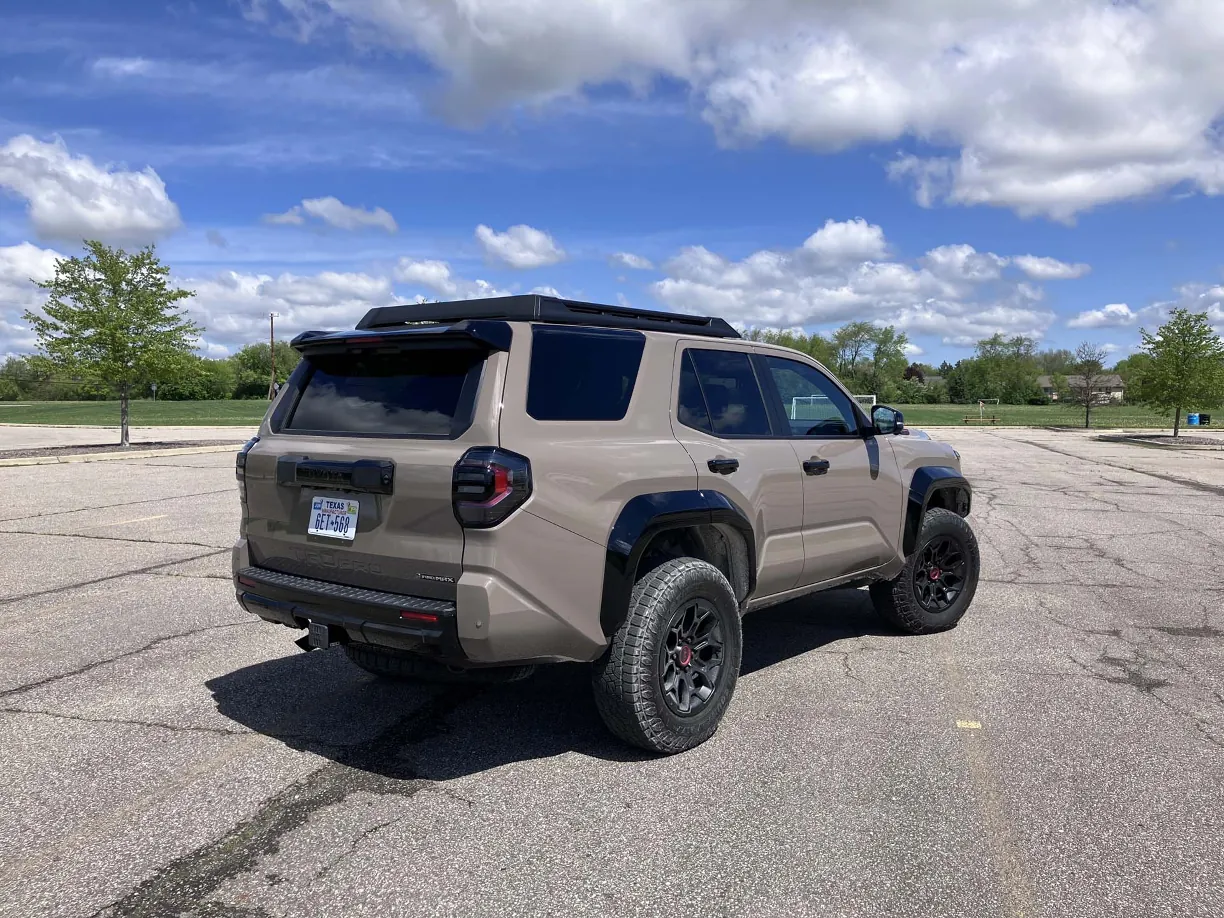
1. Toyota 4Runner
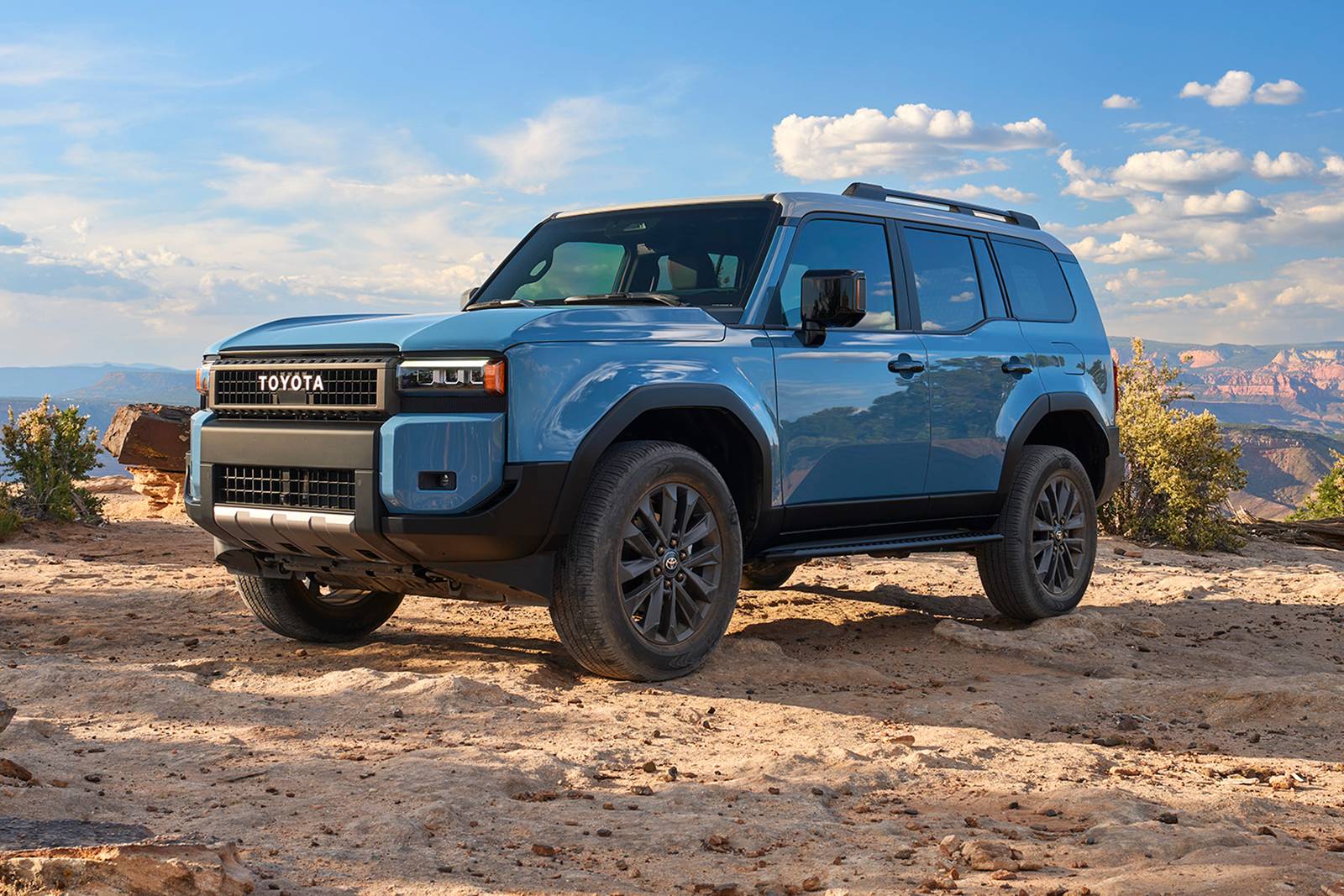
The Toyota 4Runner is a very different case. A hybrid powertrain can improve efficiency and provide additional performance, but the financial calculation becomes more complicated when the vehicle is chosen primarily for its rugged capability.
Buyers who select a 4Runner for its body-on-frame construction, off-road equipment, towing needs, or adventure-oriented design may not care enough about fuel economy for the hybrid premium to dominate the decision.
A hybrid powertrain can reduce fuel consumption, but the vehicle itself remains a substantial SUV. That means the starting point is very different from a compact sedan such as the Civic. If your daily driving consists of long highway trips at steady speeds, the fuel advantage would otherwise justify the purchase.
Paying several thousand dollars more to save a few gallons of fuel each month can produce a long payback period. If the vehicle is sold before, economy is only one part of the ownership equation.
Towing heavy loads, carrying passengers and equipment, using four-wheel drive, driving on trails, and operating in the city may be less dramatic than it would be for someone driving through congested city streets.
The economics also depend on how much the hybrid version costs relative to the conventional model you would otherwise purchase. Paying several thousand dollars more to save a few gallons of fuel each month can produce a long payback period. If the vehicle is sold before that point, the owner may never recover the original premium through fuel savings.
There is another consideration for buyers who prioritize towing or demanding use. Fuel economy is only one part of the ownership equation.
Towing heavy loads, carrying passengers and equipment, using four-wheel drive, driving on trails, and operating in extreme conditions can all change fuel consumption significantly. A hybrid’s advertised efficiency figure should never be treated as a guarantee for every driving scenario.

2. Toyota Land Cruiser
The Toyota Land Cruiser presents a similar situation. A hybrid powertrain can improve efficiency compared with a conventional setup, but the vehicle remains designed around durability, off-road ability, passenger capacity, and long-distance adventure use. Those priorities mean that fuel economy is only a single part of the purchase decision.
For an owner who drives thousands of highway miles every year, the hybrid version may provide useful savings. Yet the buyer should compare the price difference carefully. Fuel savings are not free.
The hybrid system adds hardware, and the vehicle’s purchase price, financing cost, insurance, and depreciation all affect the real cost of ownership.
Large SUVs also tend to spend more time carrying passengers, cargo, or equipment than smaller cars. Added weight can reduce real-world fuel economy.
Tires, roof accessories, towing, aggressive acceleration, cold weather, and off-road driving can also affect consumption. As a result, an advertised efficiency advantage may not translate into the same percentage reduction at the fuel pump.
The Land Cruiser makes more sense as a hybrid when the buyer values both efficiency and the characteristics of the hybrid powertrain. If you are already committed to a rugged SUV and plan to keep it for a long time, improved fuel consumption can be a useful secondary benefit. It should not be confused with the economics of buying a small hybrid sedan.
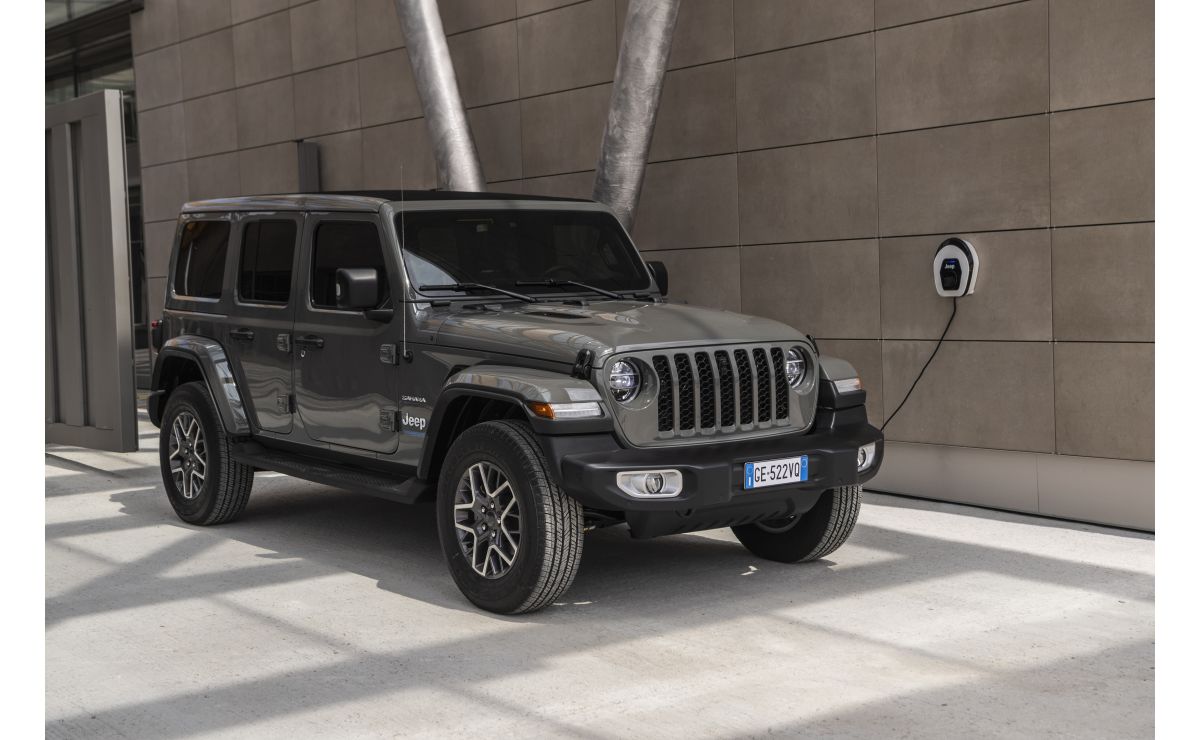
3. Jeep Wrangler 4xe
The Jeep Wrangler 4xe is an interesting example because its hybrid system can deliver impressive benefits in the right circumstances, but those benefits do not automatically make it a financially smart purchase.
The biggest issue is that the Wrangler 4xe is not simply a conventional Wrangler with a small efficiency upgrade. It is a more complex powertrain aimed at combining electric driving with the traditional characteristics that Wrangler buyers expect.
For someone who has access to regular charging and uses the vehicle for short daily trips, the 4xe can reduce gasoline consumption considerably.
That changes the calculation because the owner may complete some journeys using electricity rather than gasoline. A buyer who cannot charge regularly, however, loses much of that advantage. Once the battery’s usable electric energy is depleted, the vehicle relies more heavily on its gasoline-hybrid system.
The Wrangler’s basic design also matters. It is a boxy, heavy SUV built around off-road capability rather than aerodynamic efficiency.
Large tires, increased weight, four-wheel-drive hardware, and frequent off-road use can all affect energy consumption. Someone expecting hybrid technology to turn the Wrangler into an economical commuter vehicle is likely to be disappointed.
The financial equation becomes even more complicated when the buyer does not keep the vehicle for many years. A higher purchase price needs time and sufficient driving to be recovered through lower energy costs. Charging costs also need to be included when calculating savings. Electricity is not free, and the cost per mile depends heavily on local electricity and gasoline prices.
4. Lexus GX Hybrid
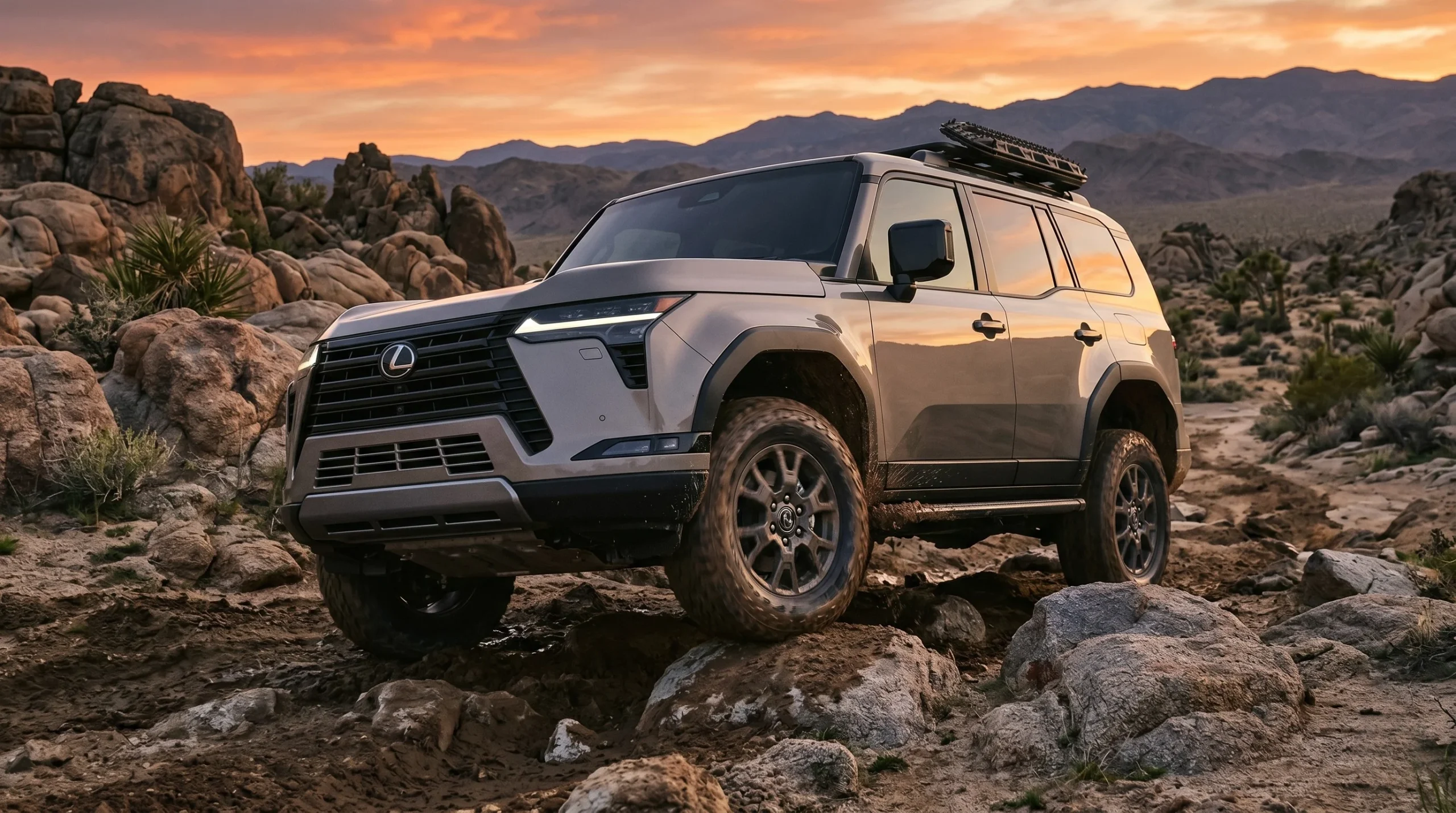
The Lexus GX Hybrid sits in a luxury SUV category where purchase price can make fuel savings difficult to recover. Its hybrid powertrain provides additional efficiency and strong performance, but the vehicle remains a large, body-on-frame SUV designed for serious utility. Buyers are paying for far more than fuel economy.
The GX is particularly appealing to drivers who value its towing ability, rugged construction, comfortable interior, and off-road capability. Those features come with weight and mechanical complexity. Even an efficient hybrid system cannot completely erase the energy required to move a large luxury SUV through traffic.
The difference between official fuel economy and real-world consumption can also become significant when the vehicle is used for its intended purposes.
Carrying several passengers, loading the cargo area, towing a trailer, using roof equipment, or driving off pavement can all increase energy consumption. A buyer who expects laboratory fuel economy figures during demanding use may find the savings less impressive.
There is also the upfront cost to consider. A buyer should compare the hybrid GX with the gasoline alternatives available at the time of purchase, then calculate how many miles would be required to recover the price difference. If annual mileage is modest, that recovery period can become very long.
5. Toyota Tundra Hybrid
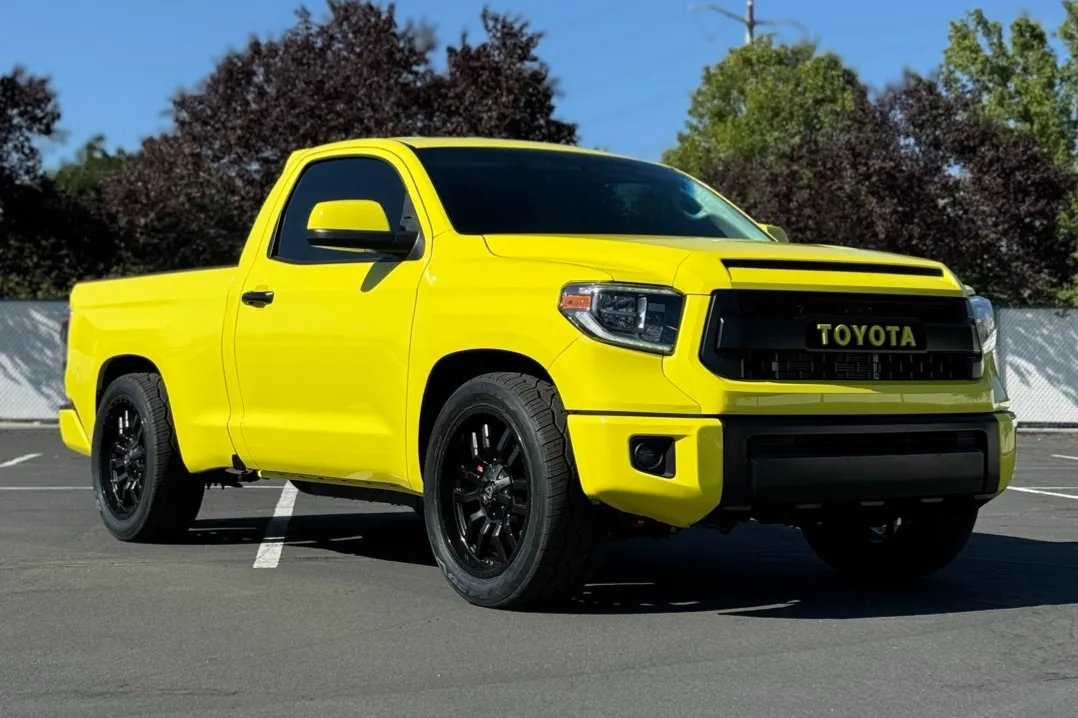
The Toyota Tundra Hybrid demonstrates why pickup trucks require a different approach to hybrid economics. The available i-FORCE MAX hybrid powertrain provides strong performance and useful torque, making it attractive for drivers who want a powerful full-size pickup. Fuel economy, however, is only part of the ownership equation.
A full-size truck has a fundamentally different job from a compact sedan. Buyers may use it for towing, hauling, construction work, outdoor recreation, or transporting large loads. These activities require substantial energy.
When the truck is heavily loaded or towing a trailer, the real-world fuel economy can fall significantly compared with standardized ratings.
The hybrid system can still provide advantages. Electric assistance can contribute strong low-speed torque and smoother power delivery. It can also improve efficiency during certain types of driving. But those benefits do not necessarily translate into enough fuel savings to recover a significant price premium quickly, particularly for owners who drive relatively few miles.
Truck buyers should also think about how often they actually use the vehicle for work. Someone who commutes 60 miles every day in an unloaded Tundra has a different calculation from a contractor who spends most of the week hauling equipment.
The first driver may have enough annual mileage to benefit from improved efficiency, while the second needs to examine fuel consumption under the conditions in which the truck is actually being used.
