
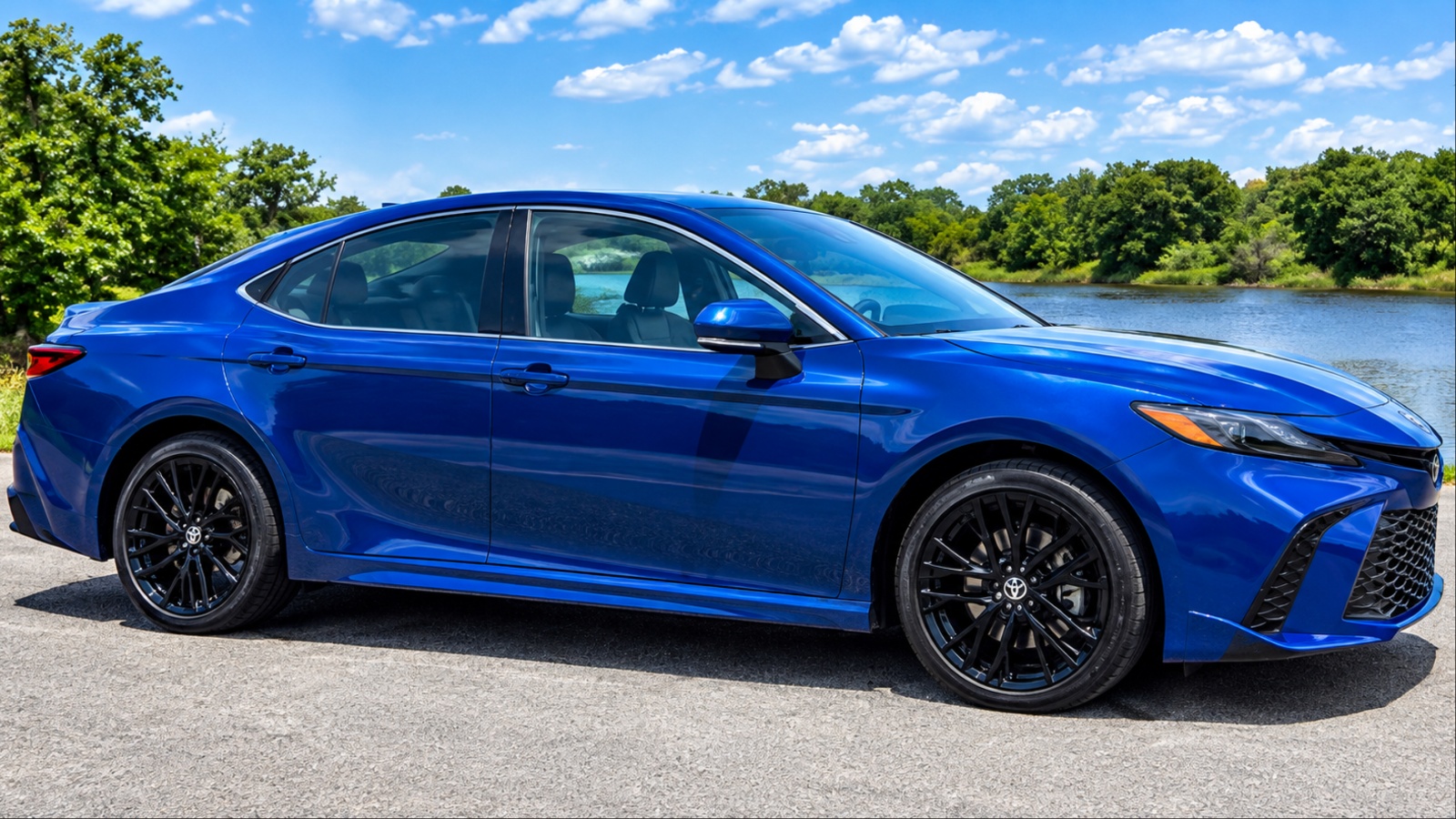
Driving more than 100 miles every day puts unusual demands on a car, making fuel economy, comfort, reliability, and maintenance costs especially important. A vehicle that feels fine during a short trip can become tiring and expensive when used for several hours daily.
Long-distance commuters need a car that can handle repeated highway miles while keeping fuel consumption reasonable and providing a comfortable driving position. Hybrid cars, efficient sedans, and electric vehicles can all make sense depending on charging access, budget, road conditions, and personal preferences.
The right choice can reduce running costs while making lengthy daily journeys less stressful, predictable, and comfortable.
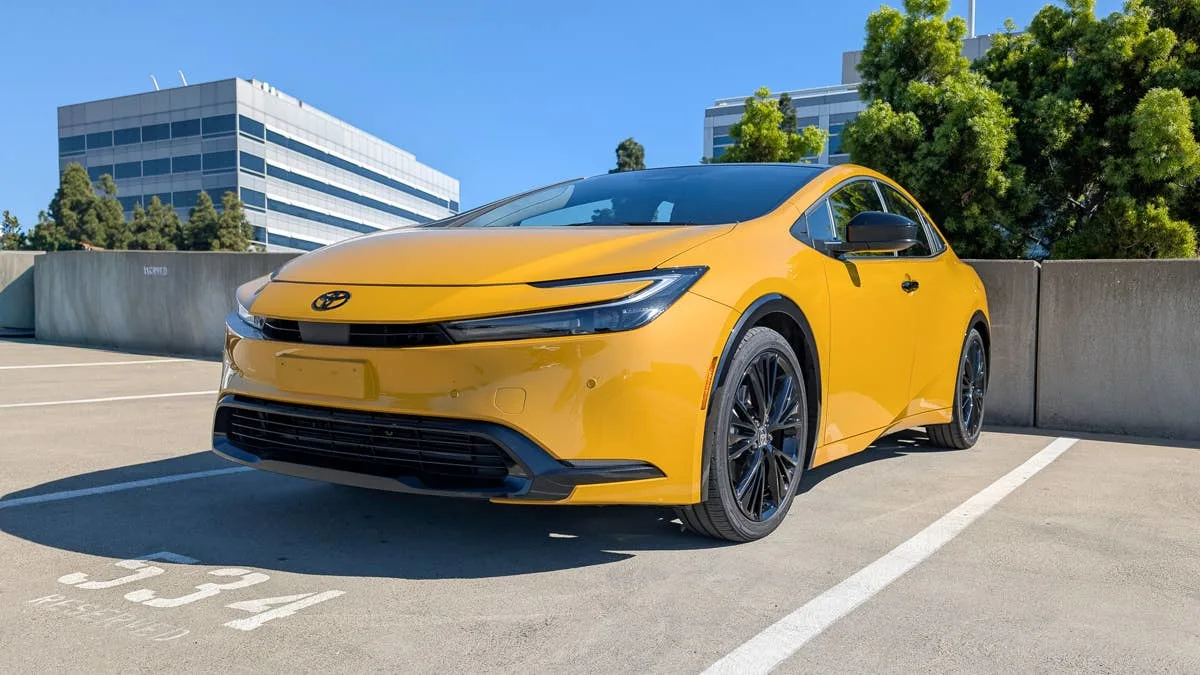
1. Toyota Prius
The Toyota Prius remains a strong choice for commuters who regularly drive more than 100 miles per day. Its hybrid powertrain is designed around efficiency, making it particularly attractive to drivers who want to reduce fuel consumption without depending on charging stations.
The Prius combines a gasoline engine with electric motors and a battery system that recovers energy during braking. That setup allows the car to use energy efficiently during changing traffic conditions and highway travel.
Fuel economy is the biggest reason the Prius deserves consideration from high-mileage drivers. When a person drives 100 miles every weekday, small differences in fuel consumption become significant over a full year.
A vehicle that uses less fuel can reduce the amount spent at filling stations and make long-distance commuting easier on the household budget. Actual fuel economy varies with speed, weather, traffic, tires, temperature, and driving style.
Comfort also matters when the daily commute stretches beyond 100 miles. The Prius provides a practical cabin with enough room for adults and useful cargo capacity for everyday belongings.
Its relatively compact dimensions make it easy to maneuver in parking lots and urban areas while still providing stable highway manners. The driving position is suited to extended trips, and modern driver assistance features can reduce some of the workload during lengthy journeys.
Reliability is another important consideration for a commuter vehicle. A person who depends on a car every weekday cannot easily tolerate frequent mechanical problems or extended repair periods.
Toyota has a long history with hybrid technology, and the Prius has been sold across multiple generations. Buyers should still follow the recommended maintenance schedule and inspect any used example carefully. Service records are especially valuable when purchasing a high-mileage Prius.
For commuters covering 100 miles or more every day, the Prius makes the most sense when fuel economy is a priority. It is less focused on sporty handling or large amounts of power and more focused on efficient transportation.
That character suits people who spend many hours behind the wheel and want predictable operating costs. For a long-distance commuter seeking an efficient gasoline-powered vehicle without regular charging stops, the Prius remains a compelling option.
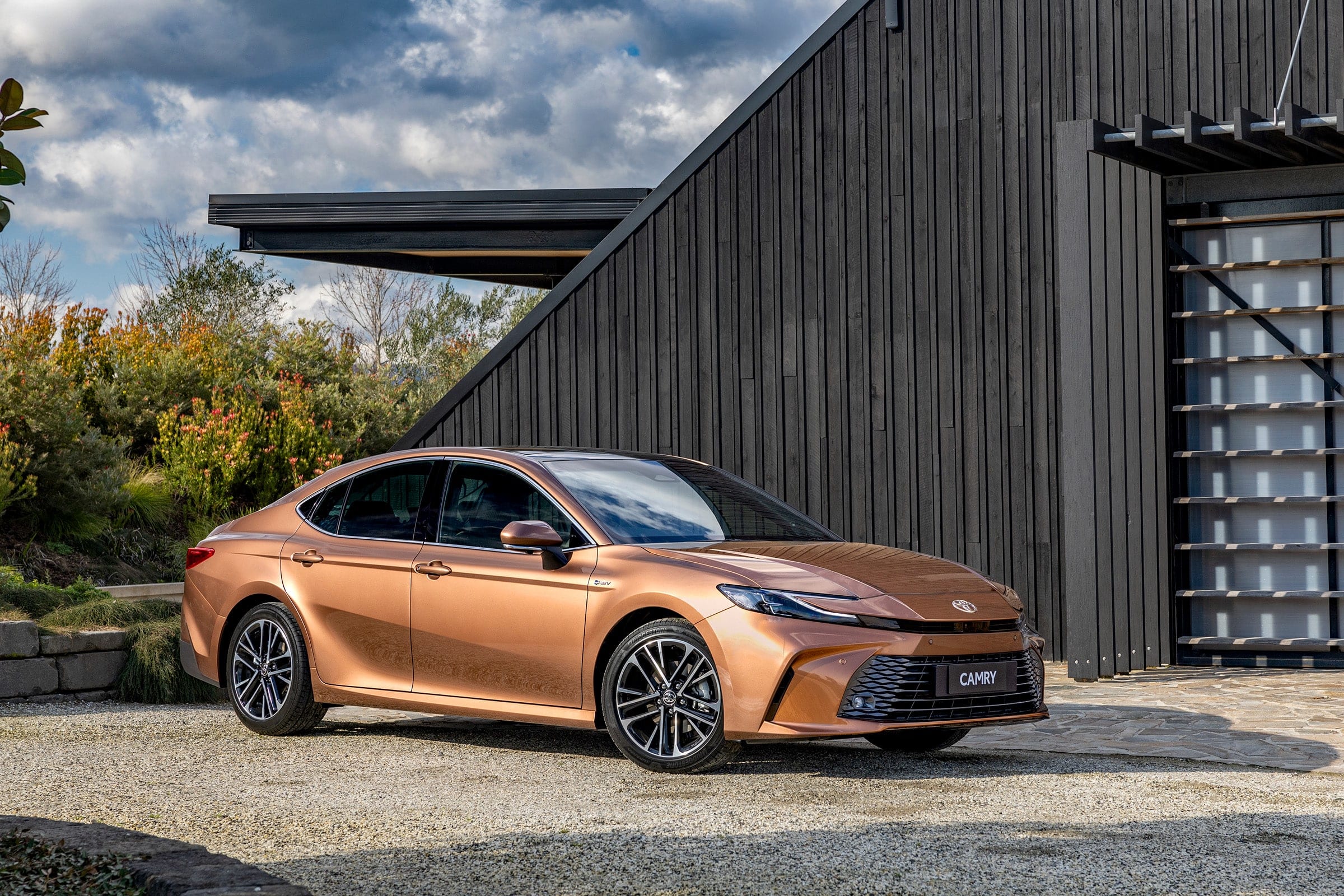
2. Toyota Camry Hybrid
The Toyota Camry Hybrid is a good fit for drivers who want efficiency without moving into a smaller compact car. Its midsize sedan layout gives commuters more cabin space and a more substantial highway presence than many economy-focused models.
The hybrid system combines gasoline power with electric assistance, allowing the vehicle to achieve strong fuel economy while providing enough performance for merging, passing, and maintaining highway speeds.
Long commutes can expose weaknesses in a vehicle that might not become noticeable during short journeys. A cramped seat, excessive road noise, poor suspension tuning, or an awkward driving position can become frustrating after thousands of miles.
The Camry has traditionally emphasized comfort, making it suitable for people who spend considerable time traveling between home and work. Its larger interior also makes it useful for commuters who regularly carry passengers.
Fuel efficiency remains a major advantage for a Camry Hybrid. Driving 100 miles every day means fuel consumption deserves serious attention when choosing a vehicle.
Hybrid assistance can help reduce gasoline use, particularly during lower-speed sections and traffic conditions where conventional engines may operate less efficiently. Highway fuel economy can differ from city results, so buyers should consider their actual route rather than relying only on a single advertised figure.
The Camry Hybrid also works well for people who want a conventional ownership experience. It does not require the driver to plan charging sessions or depend on public charging stations.
Refueling takes only a few minutes, which can be important for people whose daily schedule is already demanding. This flexibility becomes particularly useful when a commute includes unexpected detours, road trips, or additional errands after work.
For drivers who value comfort, efficiency, and practicality in roughly equal amounts, the Camry Hybrid is a sensible choice. It may cost more than a basic compact car, but a high-mileage commuter should consider the complete ownership picture rather than the purchase price alone.
Fuel expenses, maintenance, insurance, comfort, depreciation, and expected reliability all matter. The Camry Hybrid offers a balanced package for someone who spends a large portion of each weekday on the road.
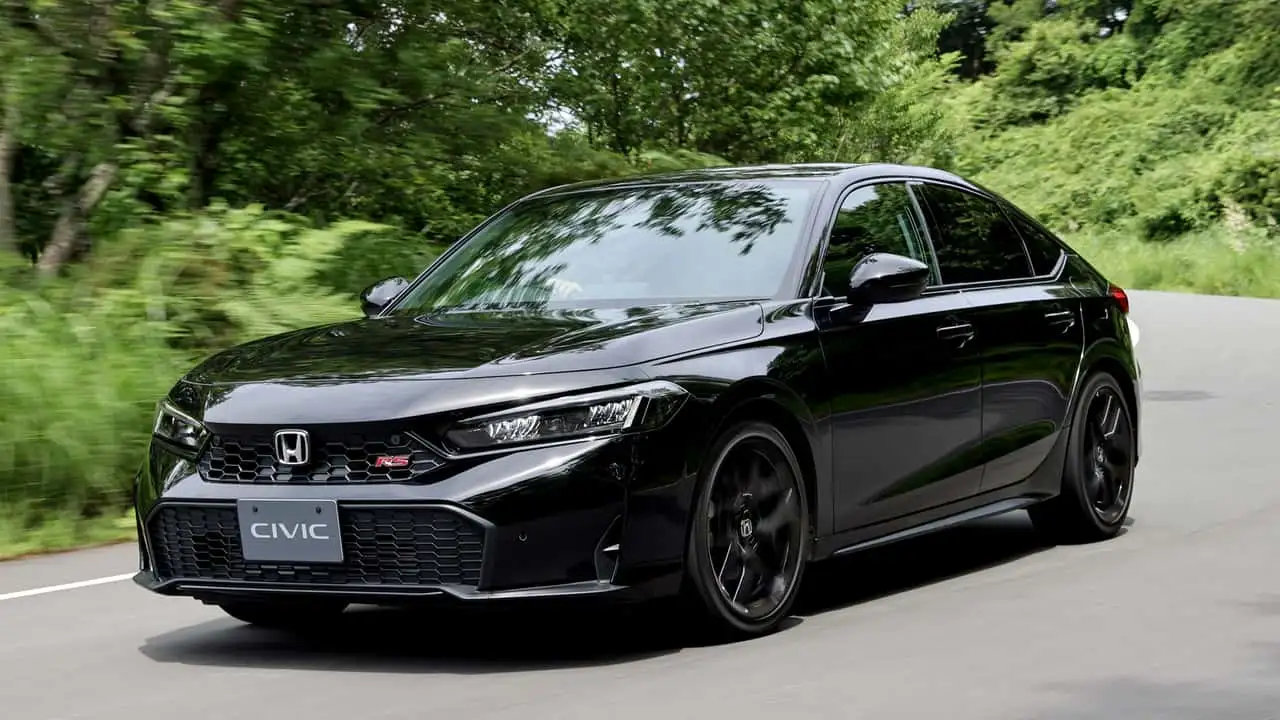
3. Honda Civic Hybrid
The Honda Civic Hybrid offers an appealing combination of compact dimensions, modern hybrid technology, and strong efficiency. It is particularly suitable for drivers who want a smaller vehicle that does not feel overly basic during long trips.
The Civic has a reputation for practical packaging, and the hybrid version adds an efficient powertrain that can help reduce fuel use. For a commuter covering more than 100 miles each day, that combination can be valuable.
A long commute makes seating comfort and driving behavior just as important as fuel economy. The Civic’s relatively compact footprint makes it convenient for urban parking and busy roads, while its sedan or hatchback practicality can accommodate normal commuting needs.
A good driving position can reduce fatigue during extended trips. Buyers should spend enough time in the driver’s seat before purchasing because seat comfort varies considerably from person to person.
The hybrid powertrain provides electric assistance while retaining the convenience of gasoline refueling. This can be useful for commuters whose daily distance exceeds what they want to manage with frequent charging stops.
Fuel savings can become significant when annual mileage rises into the tens of thousands. Even a modest reduction in fuel consumption can add up over several years when the vehicle is driven more than 25,000 miles annually.
The Civic Hybrid also has an advantage for drivers who want a car that feels easy to live with outside commuting hours. A high-mileage vehicle still needs to handle grocery trips, weekend drives, airport runs, and family activities.
A compact sedan or hatchback can provide enough flexibility without the additional size and weight of a larger SUV. Lower weight can also contribute to efficient operation and responsive handling.
For someone who drives 100 miles or more every day, the Civic Hybrid deserves attention when efficiency and manageable size are high priorities. It provides a useful middle ground between a tiny economy car and a larger midsize sedan.
Drivers who prefer a smaller footprint can benefit from easier parking and potentially lower operating expenses. With regular maintenance and sensible driving habits, the Civic Hybrid can serve as a practical daily workhorse for high-mileage use.
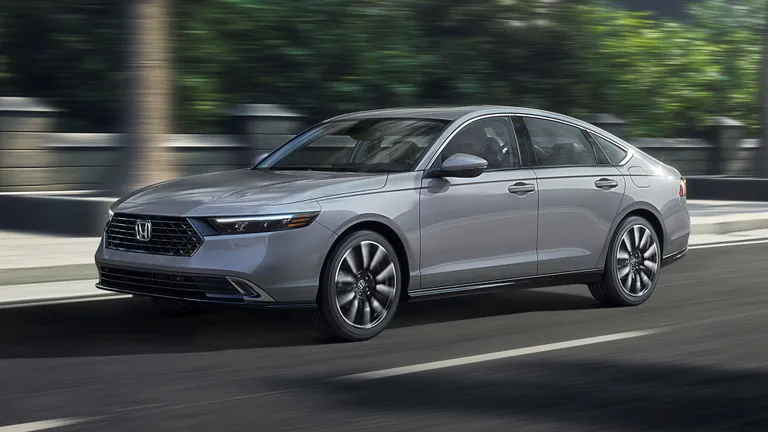
4. Honda Accord Hybrid
The Honda Accord Hybrid is aimed at commuters who want additional interior space and highway comfort without giving up the benefits of hybrid technology.
Its midsize sedan format provides enough room for adults, luggage, work equipment, and everyday items. That matters when a car is used for several hours every day. The Accord’s design also gives it the road manners expected from a vehicle intended for longer journeys.
High-mileage drivers often spend more time evaluating comfort than acceleration. A smooth ride, supportive seats, good visibility, and a quiet cabin can make a noticeable difference after months of repeated commuting.
The Accord Hybrid is designed to provide a comfortable driving experience while maintaining efficient operation. Buyers should consider the condition of the roads on their commute because suspension comfort can have a major effect on fatigue.
Hybrid assistance can help lower gasoline consumption compared with many conventional midsize sedans. For someone driving more than 100 miles each day, this advantage becomes increasingly important.
A commuter covering 500 miles during a typical five-day workweek could easily exceed 25,000 miles annually before accounting for personal travel. At that mileage, fuel efficiency is not simply a specification on a brochure. It directly affects the yearly cost of owning the vehicle.
The Accord also provides a useful balance for households that need a single car to handle commuting and personal transportation.
A compact hybrid may be more economical, but the Accord offers additional room and a more substantial cabin. That can be helpful for couples, families, or professionals who regularly carry equipment. The sedan body also remains relatively easy to drive and park compared with larger crossovers and SUVs.
For long-distance commuters who want efficiency without sacrificing space, the Accord Hybrid is worth considering. It is particularly attractive for drivers whose route contains a mixture of highway cruising and slower traffic.
Buyers should compare its purchase price and expected fuel savings against smaller hybrids before making a decision. For someone who values a comfortable cabin and plans to keep the vehicle for many years, the Accord Hybrid can be a strong long-term commuter.
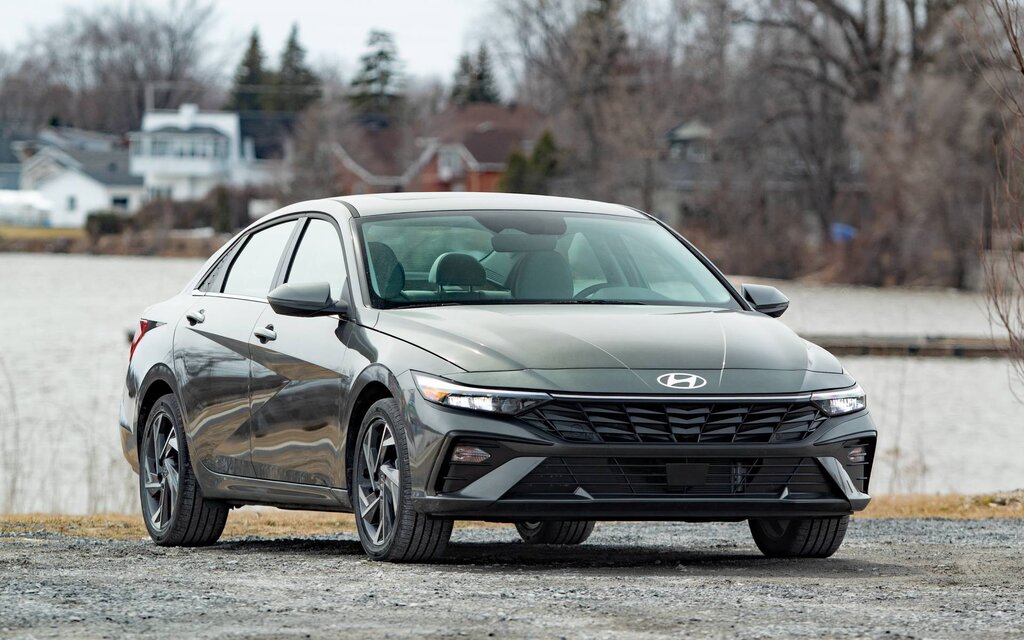
5. Hyundai Elantra Hybrid
The Hyundai Elantra Hybrid provides an efficient compact-sedan option for drivers who need to control commuting costs. Its relatively small size can make it practical for urban areas, while its hybrid powertrain is designed to reduce gasoline consumption.
For a person traveling more than 100 miles every day, a compact hybrid can be attractive because it combines reasonable purchase and operating costs with the convenience of gasoline refueling.
A commuter vehicle must also be comfortable enough for repeated long-distance use. The Elantra offers a modern cabin with technology designed around everyday driving.
Features such as smartphone connectivity, a clear instrument display, and available driver assistance systems can make a lengthy trip more manageable. Drivers should pay attention to seat comfort and steering-wheel position during a test drive, especially if the vehicle will be used for several hours every weekday.
Fuel economy is central to the Elantra Hybrid’s appeal. Someone traveling 100 miles per day can accumulate more than 2,000 miles in a typical month when commuting five days per week.
That creates a much stronger financial incentive to choose an efficient vehicle than someone who drives only a few thousand miles annually. Fuel prices fluctuate, but lower consumption provides some protection against increases at the pump.
The Elantra’s compact dimensions also bring practical advantages. It can be easier to maneuver through crowded streets, fit into smaller parking spaces, and navigate busy commercial areas.
For a commuter who drives on highways for much of the trip and then encounters urban traffic near work, that flexibility can be useful. The car can also serve as a normal family vehicle rather than being limited to work-related transportation.
The Elantra Hybrid is best suited to drivers who prioritize efficiency, manageable dimensions, and reasonable everyday practicality. It may not provide the space of a midsize sedan, but that is part of its appeal for people who prefer a smaller car.
A commuter covering 100 miles daily should compare real-world fuel consumption, comfort, warranty coverage, service availability, and purchase price before choosing. Those factors matter more than a single fuel-economy figure.
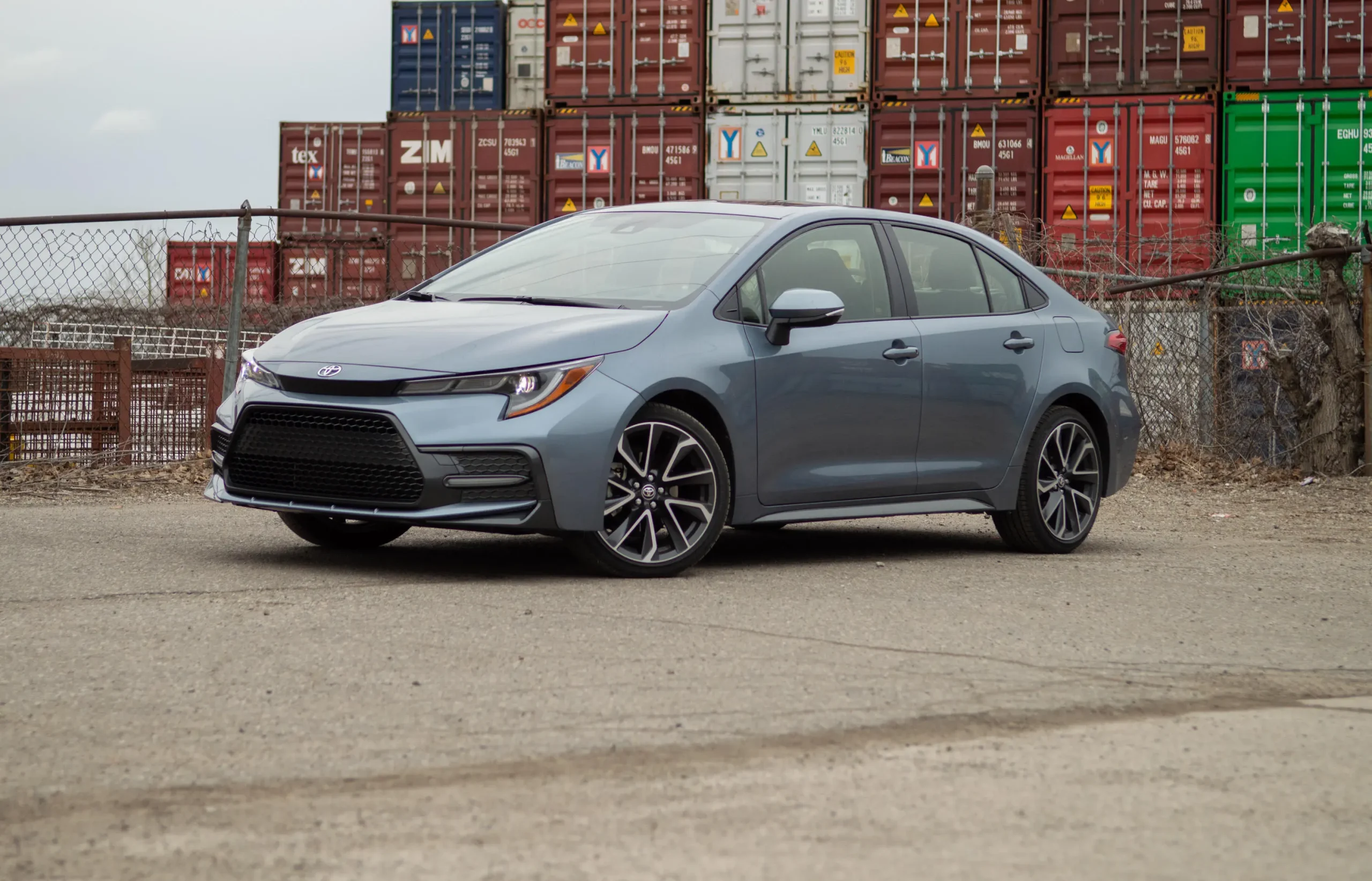
6. Toyota Corolla Hybrid
The Toyota Corolla Hybrid is another practical option for commuters who spend a large amount of time traveling. Its compact dimensions and hybrid powertrain make it suitable for drivers who want efficient transportation without purchasing a larger vehicle.
The Corolla name has also been associated with practical ownership for decades. For a high-mileage driver, a straightforward vehicle that is easy to maintain can be more valuable than unnecessary performance.
The smaller footprint can make daily driving easier in crowded areas. Parking, maneuvering through narrow streets, and dealing with heavy traffic can all be less demanding in a compact sedan.
That becomes useful when a long commute includes both highway travel and urban driving. The Corolla Hybrid can provide a comfortable enough environment for daily use while keeping its size manageable.
Fuel economy is particularly important for a Corolla Hybrid buyer who drives more than 100 miles each day. At 100 miles per day, a five-day work schedule can produce roughly 500 commuting miles every week.
Over a full year, the total distance can become enormous. A highly efficient vehicle can therefore save substantial amounts of fuel compared with a larger, less efficient sedan or SUV.
Another advantage is the Corolla’s everyday practicality. The car does not require special driving habits to benefit from its hybrid system. The driver can simply refuel with gasoline and continue traveling.
Regenerative braking and electric assistance work automatically, allowing the powertrain to manage energy without requiring constant attention. That simplicity can be valuable for commuters who already spend enough time dealing with traffic.
The Corolla Hybrid is especially appealing to drivers who want to keep running costs under control. It is not intended to provide the space or premium feel of a larger sedan, yet its efficient design makes sense for someone whose primary objective is dependable daily transportation.
For a 100-mile-per-day commute, a smaller hybrid can be financially sensible when it provides adequate comfort and space for the driver’s needs.
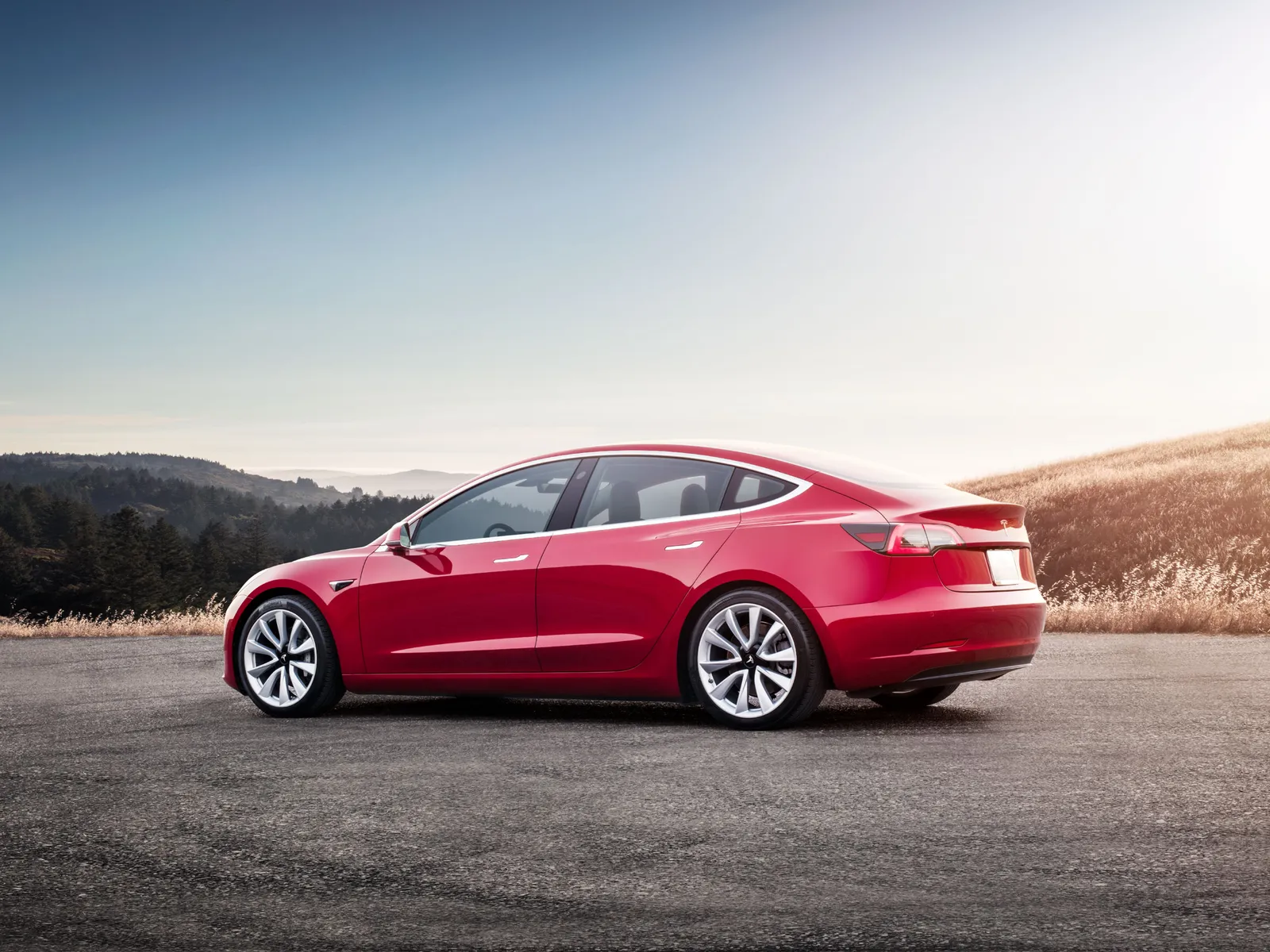
7. Tesla Model 3
The Tesla Model 3 gives high-mileage commuters an electric alternative to gasoline and hybrid vehicles. For drivers with dependable home charging, an EV can eliminate regular visits to gasoline stations and potentially reduce energy costs.
The Model 3 has also become known for its strong electric efficiency and long-distance capability. Its suitability depends heavily on charging access, route planning, climate, and the availability of reliable charging infrastructure.
Driving more than 100 miles each day can actually suit an electric vehicle well when the owner can charge at home overnight. Instead of stopping at a gas station during the workweek, the driver can replenish the battery while the car is parked.
This arrangement can be particularly convenient for people with a garage, driveway, or dedicated charging location. Without convenient home charging, the ownership experience can become more complicated.
The Model 3 is also attractive to commuters because electric motors provide immediate response and smooth power delivery. Highway acceleration can be strong, and the absence of traditional engine operation can create a different cabin experience.
Road and wind noise still exist, particularly at highway speeds, so prospective buyers should take an extended test drive rather than assuming every EV will feel equally quiet.
Operating costs can be another advantage. Electric vehicles have fewer traditional powertrain components than gasoline-powered cars, meaning there is no engine oil to replace and fewer mechanical systems associated with combustion.
Tire wear, brakes, suspension components, cooling systems, and other maintenance needs still exist. Electricity prices also vary by location and charging method, so drivers should calculate their actual energy costs before assuming an EV will automatically be cheaper.
8. Hyundai Ioniq 6
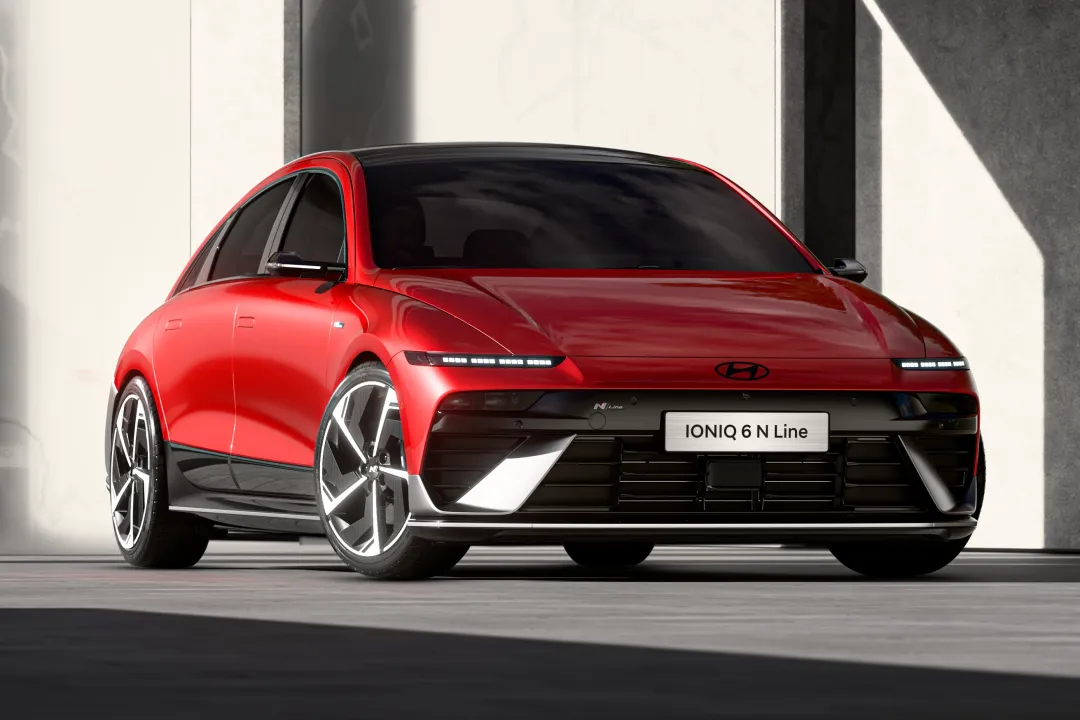
The Hyundai Ioniq 6 is another electric vehicle worth considering for people who drive very long distances. Its streamlined body is designed with aerodynamic efficiency in mind, which can help reduce energy consumption at highway speeds.
That characteristic is particularly relevant to commuters because a large percentage of a 100-mile daily journey may take place on highways. Lower energy consumption can translate into fewer charging requirements.
The Ioniq 6 also offers a spacious modern cabin with a design focused on long-distance comfort. EVs can provide a smooth driving experience because the electric powertrain delivers power without conventional transmission shifts. That can make stop-and-go traffic less tiring.
For a driver spending several hours on the road each day, a comfortable seat, sensible controls, good visibility, and effective climate control can matter just as much as acceleration.
Charging capability is an important part of the Ioniq 6 ownership equation. Drivers with home charging can begin each morning with a predictable energy supply. Fast charging can also make longer journeys easier when compatible infrastructure is available.
A commuter should investigate charging locations along the actual route before buying. A car with impressive specifications may still be inconvenient if charging facilities are difficult to access.
The Ioniq 6 can also appeal to people who want an EV with a distinctive design rather than a traditional sedan appearance. Its low roof and aerodynamic shape contribute to its visual identity and efficiency goals. Buyers should check rear-seat access and cargo requirements before purchasing because its design prioritizes aerodynamic performance. Families carrying bulky items may prefer a hatchback or SUV with a more conventional shape.
For commuters covering more than 100 miles each day, the Ioniq 6 can be a strong choice when charging access is dependable. Its electric powertrain eliminates gasoline consumption, while its aerodynamic design is suited to efficient highway travel.
The ideal buyer is someone who can charge at home and is comfortable planning occasional longer trips around charging. Fuel economy should be near the top of the checklist when selecting a vehicle for a commute exceeding 100 miles. Annual mileage can rise rapidly when the distance is repeated five days a week.
A difference that looks small on a specification sheet can become meaningful after thousands of miles. Buyers should estimate their yearly mileage, local fuel or electricity prices, and expected consumption before deciding on availability. With those conditions in place, the Ioniq 6 can provide an efficient and refined daily commuting experience.
