
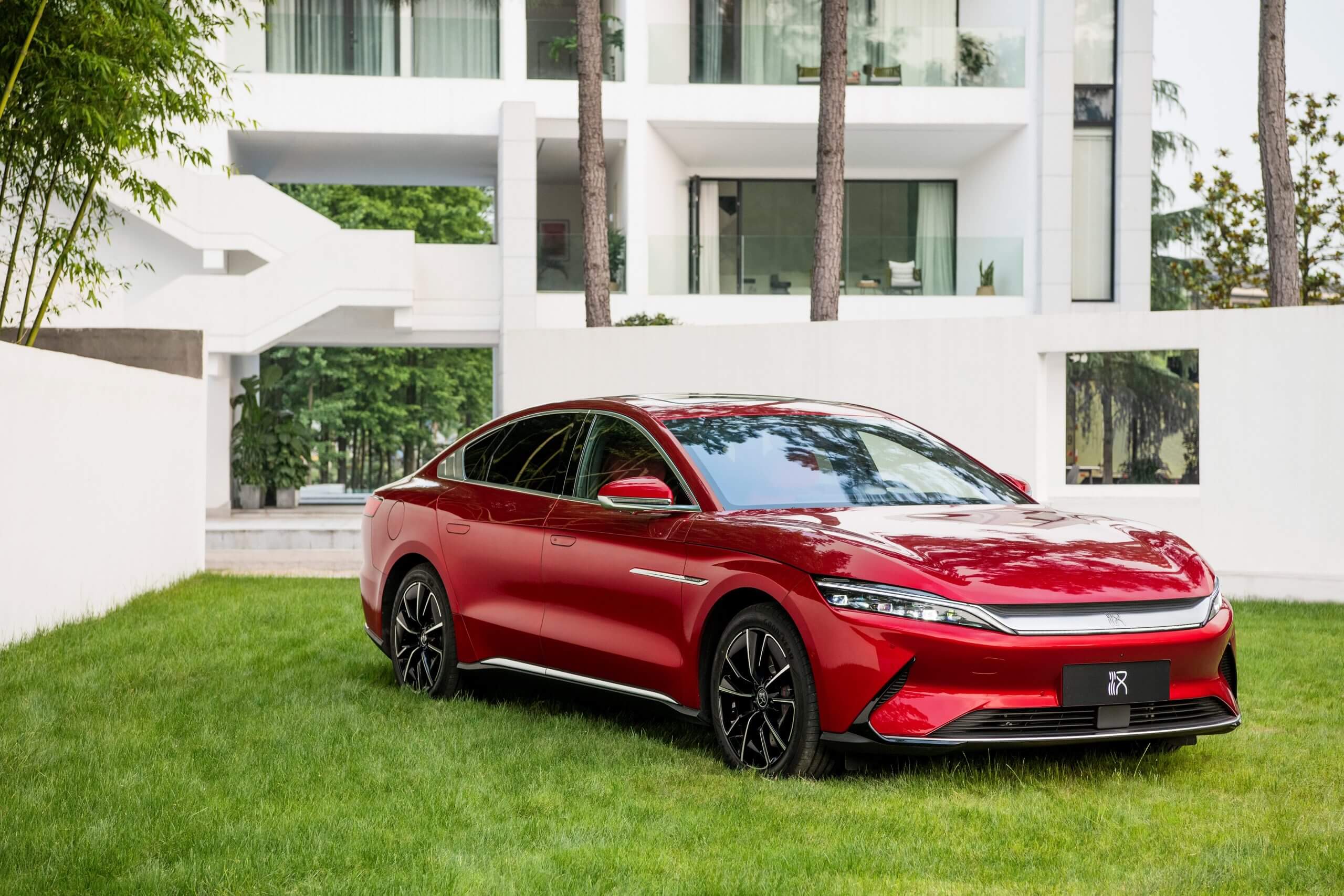
American car buyers have more choices than ever, but the next wave of international brands could change the market even further. Several automakers from Europe and Asia are studying the United States, preparing new models, or building strategies for a future American launch.
Some could bring fresh designs, advanced electric technology, competitive pricing, and vehicles that fill gaps left by established manufacturers. Others face tariffs, regulatory hurdles, limited dealer networks, or uncertain launch plans that make waiting a risky decision. This guide looks at five overseas brands worth watching for U.S. buyers and five that may not justify the wait over the next few years.
5 Overseas Car Brands Worth Waiting For
1. CUPRA
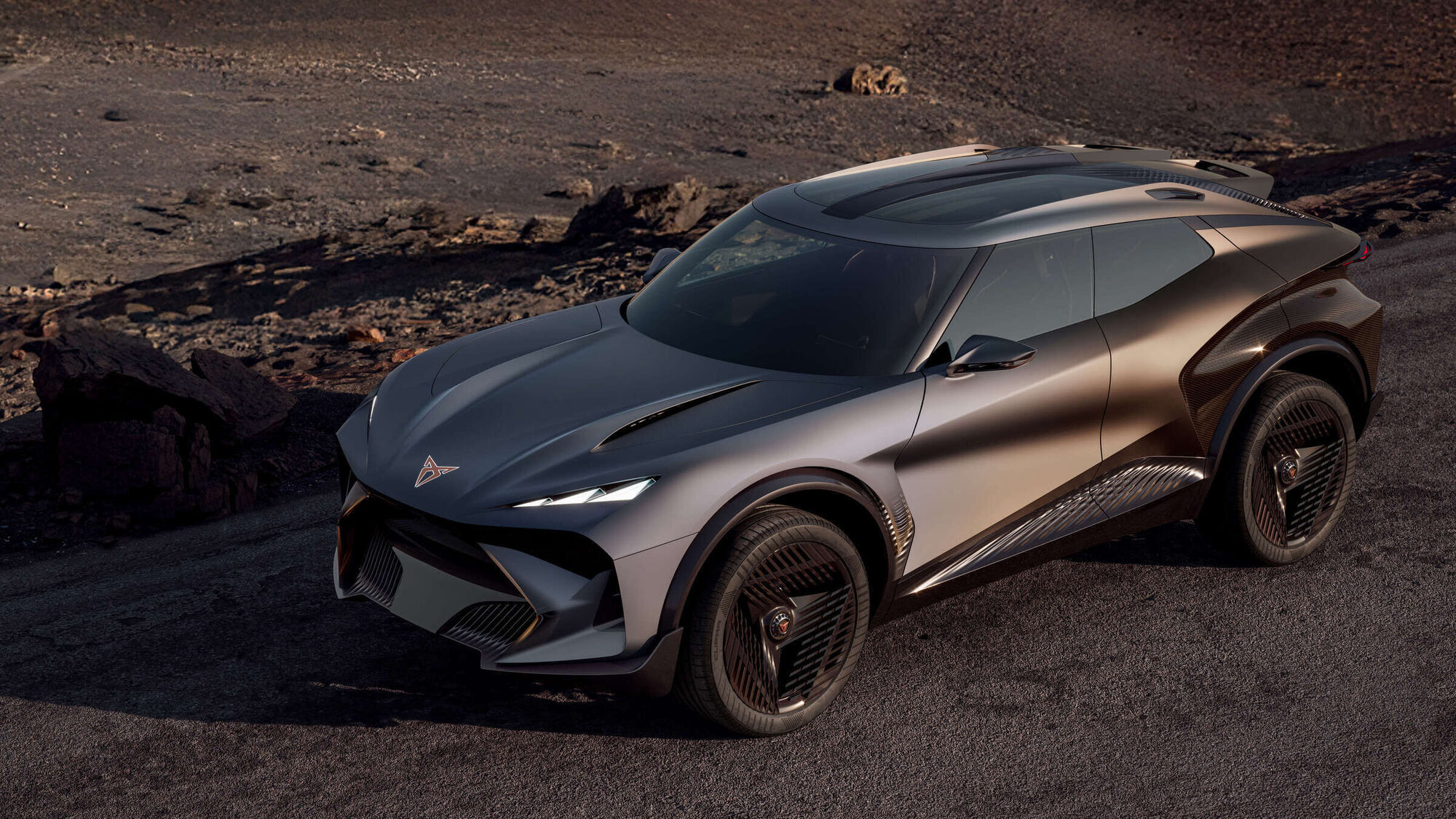
CUPRA is a Spanish performance-focused brand operating under Volkswagen Group that has developed a distinct identity between mainstream Volkswagen models and more premium vehicles. Known for aggressive styling, sporty driving characteristics, and electrification, its European lineup includes the Formentor, Leon, Born, Terramar, and Tavascan.
The brand has identified North America as an important part of its long-term growth strategy, making a future U.S. presence more plausible than for many smaller overseas automakers. CUPRA could appeal to American buyers seeking alternatives to increasingly similar mainstream vehicles, thanks to distinctive bodywork, angular details, unique lighting, and youthful interiors.
Electrification is another key part of its strategy. The Born provides experience with dedicated electric vehicles, while the Tavascan extends that approach into the crossover segment. Since SUVs and crossovers are particularly important to American consumers, future models tailored to North American preferences could give CUPRA an opportunity to occupy a space between mainstream EVs and expensive luxury performance vehicles.
Its Volkswagen Group backing also provides access to shared platforms, engineering resources, powertrains, software development, and manufacturing expertise. While that support does not guarantee success, it gives CUPRA a stronger foundation for entering the competitive U.S. market. For now, American availability remains a future possibility rather than a confirmed reality.
2. Ineos
Ineos Automotive has taken a remarkably different approach to building cars. Rather than chasing mass-market crossover buyers, the company has focused on rugged vehicles designed for people who value durability, off-road capability, towing ability, and mechanical simplicity.
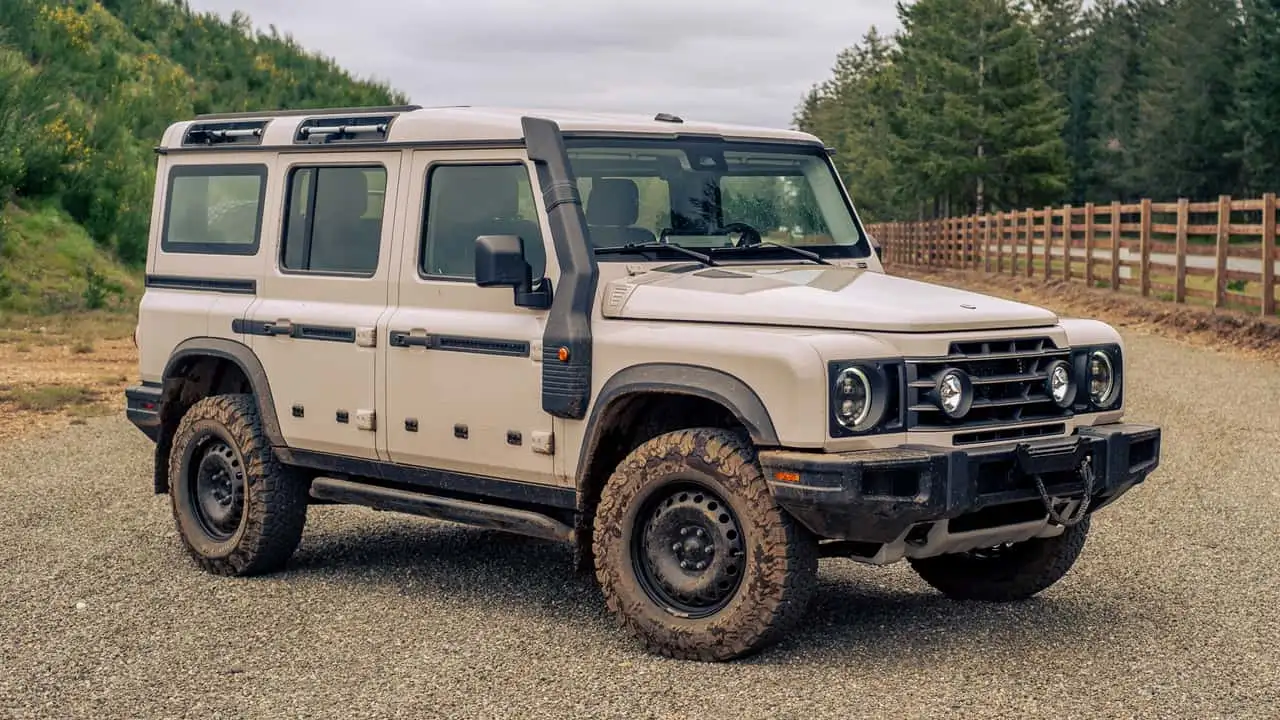
Its Grenadier SUV has already entered the American market, so it does not technically represent a completely new brand waiting to arrive. However, its continued expansion and future products make Ineos worth watching for American buyers searching for something outside the conventional SUV formula.
The Grenadier was clearly designed with a purpose. Its upright shape, body-on-frame construction, solid axles, high ground clearance, and available four-wheel-drive hardware give it a personality that modern crossovers often lack.
It is not intended to compete purely on fuel economy, touchscreen technology, or urban comfort. Instead, Ineos is targeting customers who might otherwise consider vehicles such as the Toyota Land Cruiser, Jeep Wrangler, or Ford Bronco.
Ineos also benefits from having a relatively clear brand identity. Many new automakers arrive in the United States without consumers understanding why they exist.
Ineos has a simple answer. It builds tough, utilitarian vehicles for people who spend time away from paved roads. That clarity can be valuable in a market where consumers increasingly care about a vehicle’s lifestyle image as much as its specifications.
The company’s future will be more important than its initial launch. Expanding the lineup, improving service coverage, establishing dependable parts availability, and building consumer confidence will determine whether Ineos becomes a lasting American presence or remains a niche curiosity.
A great vehicle is not enough when customers are spending tens of thousands of dollars. Buyers need confidence that repairs, warranty work, software updates, and replacement parts will remain accessible years later.
For Americans who want a genuinely different SUV experience, Ineos deserves consideration. It is not a recommendation for every driver because its rugged engineering comes with compromises in efficiency, refinement, and price.
Yet that is precisely what makes the brand interesting. Ineos is trying to serve a group of customers who feel that many modern SUVs have become too polished and too similar. Its continued development is worth watching.
3. BYD
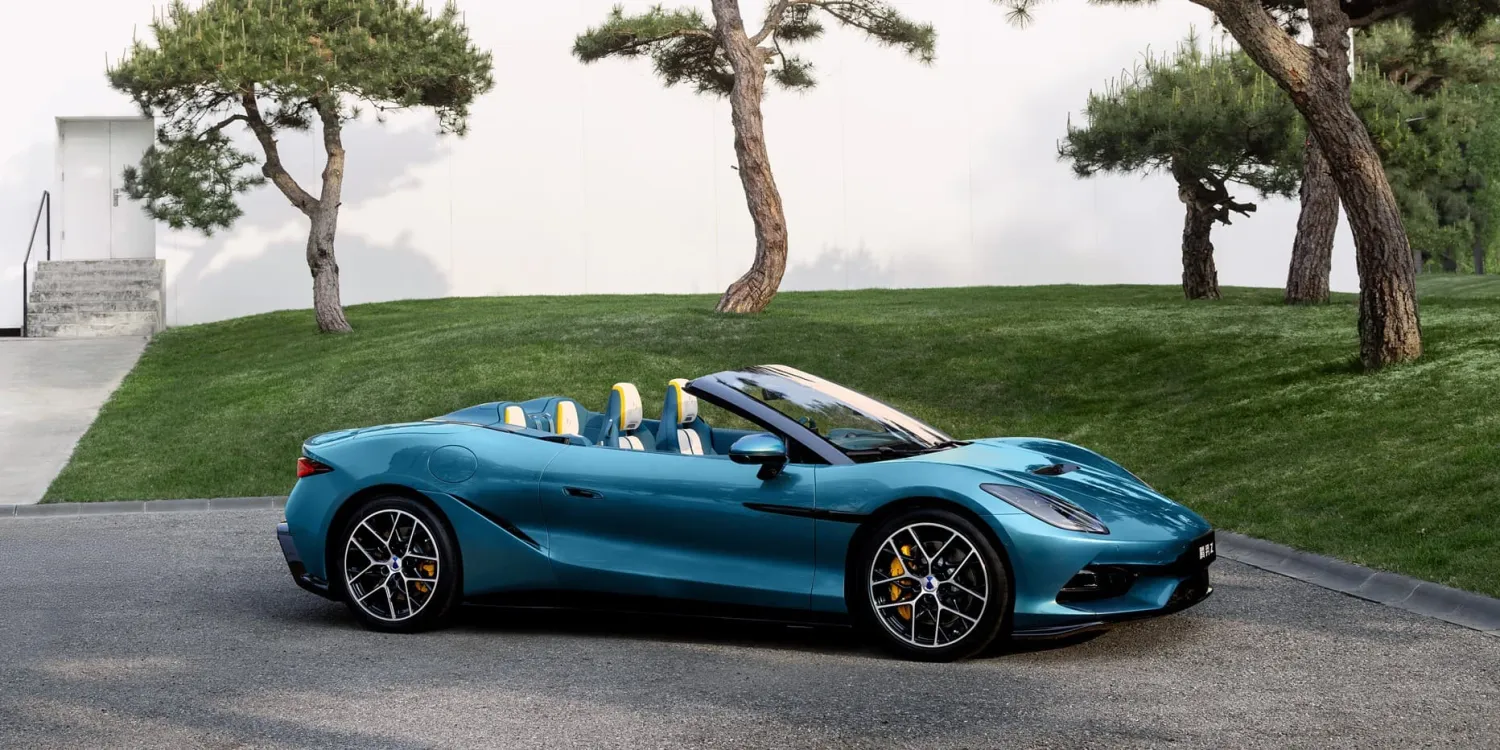
BYD is perhaps the biggest name on this list in terms of global automotive influence, but it is also among the most complicated brands from a U.S. perspective.
The Chinese automaker has become a major force in electric vehicles and plug-in hybrids, producing everything from compact cars to large SUVs and luxury-oriented models.
Its rapid international expansion has made it impossible for the global automotive industry to ignore. American consumers, however, cannot simply assume that BYD’s success overseas will translate into an immediate U.S. launch.
The reason for that uncertainty is largely political and regulatory. Chinese-made electric vehicles face extremely high U.S. tariffs, while Washington has also imposed restrictions affecting Chinese connected-vehicle technology.
These measures make direct entry into the American passenger-car market far more difficult than entering markets in Europe, Southeast Asia, Latin America, or other regions. BYD would need a carefully designed manufacturing and supply-chain strategy to make a serious U.S. push economically viable.
Even with those obstacles, BYD is worth watching because of what its vehicles demonstrate. The company has developed a broad range of electric and plug-in hybrid products, while its Blade Battery technology has become a significant part of its engineering identity.
BYD’s ability to combine batteries, electric motors, electronics, and vehicle manufacturing within a large corporate structure has helped it compete aggressively in international markets.
For American shoppers, the interesting question is not simply whether a BYD badge will appear at local dealerships. The bigger question is whether the company’s technology and business model will eventually influence the U.S. market indirectly.
Chinese automakers are already pushing global competitors to improve pricing, battery technology, vehicle features, and manufacturing efficiency. If BYD eventually finds a workable route into the United States, the competitive impact could be substantial.
Still, consumers should not put off a purchase today simply because they expect BYD to arrive in 2027. There is no reason to assume a broad U.S. passenger-car launch will happen on a predictable timetable.
BYD is therefore a brand worth watching rather than a brand worth waiting for. Its global success is impressive, but American buyers should make decisions based on vehicles actually available in their market.
4. Chery
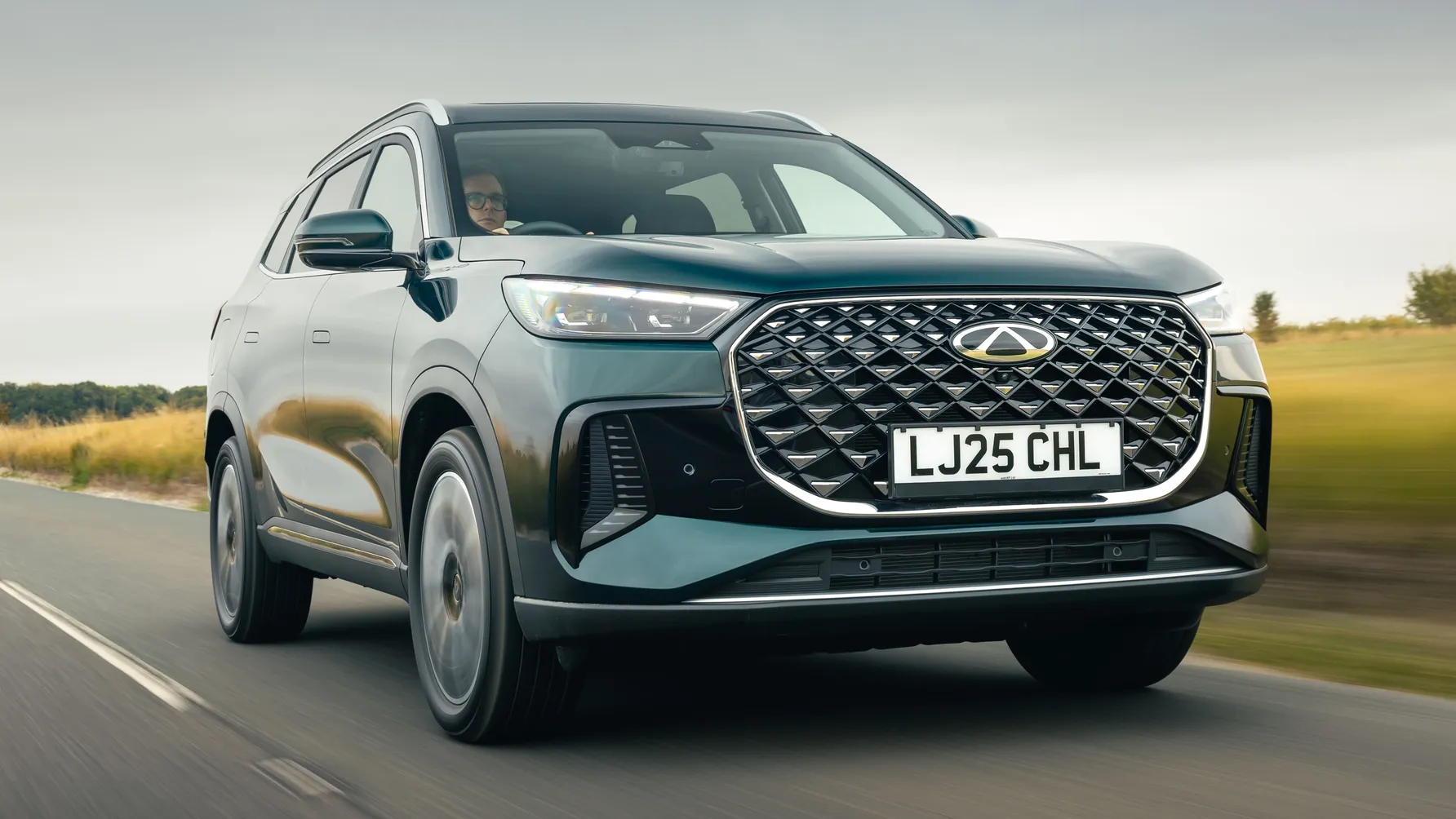
Chery is another Chinese automaker that deserves attention because of its rapid international growth. The company has expanded well beyond its domestic market through brands and products aimed at Europe, Asia, the Middle East, Latin America, and other regions.
Its growing global presence demonstrates that Chinese automakers are no longer competing only inside China. They are developing vehicles specifically for international consumers and increasingly challenging established manufacturers on price and equipment.
The Chery group has also experimented with multiple brand identities, including Omoda and Jaecoo. That approach is particularly interesting because it allows the company to target different types of customers instead of selling every vehicle under a single name.
Omoda generally focuses on modern styling and crossover buyers, while Jaecoo has emphasized a more rugged and premium character. Such segmentation could be useful if the group eventually decides to establish a serious U.S. operation.
There are clear reasons to be interested in Chery’s products. International models from the group frequently emphasize generous equipment, modern infotainment systems, hybrid technology, and aggressive pricing.
Those characteristics could appeal to American consumers who increasingly expect advanced features even from relatively affordable vehicles. The challenge is that attractive specifications do not automatically create a successful U.S. brand.
The American market demands substantial investment in safety certification, service infrastructure, parts distribution, dealerships, marketing, financing, and warranty support.
Chery would also have to navigate the difficult political environment surrounding Chinese automotive technology. Those factors make a U.S. arrival considerably more complicated than simply shipping cars across the Pacific.
Chery is therefore best viewed as a brand to monitor rather than a guaranteed 2027 purchase option. If the company eventually develops a credible American manufacturing or distribution strategy, its vehicles could create significant competition in the value-focused crossover market.
Until there is a clear launch plan, however, shoppers should not delay buying an existing vehicle solely because they expect Chery to arrive soon.
5. Mahindra
Mahindra is an unusual case because the Indian automaker has already developed a recognizable presence in parts of the American market through its agricultural and utility operations.
Its passenger vehicles, however, have not established a conventional U.S. dealership footprint. That makes Mahindra an intriguing brand to watch as the company continues to develop SUVs and expand internationally.
Mahindra’s strongest advantage is its experience building vehicles for difficult conditions and cost-sensitive markets. Its SUVs are often designed with rugged roads, practicality, and durability in mind.
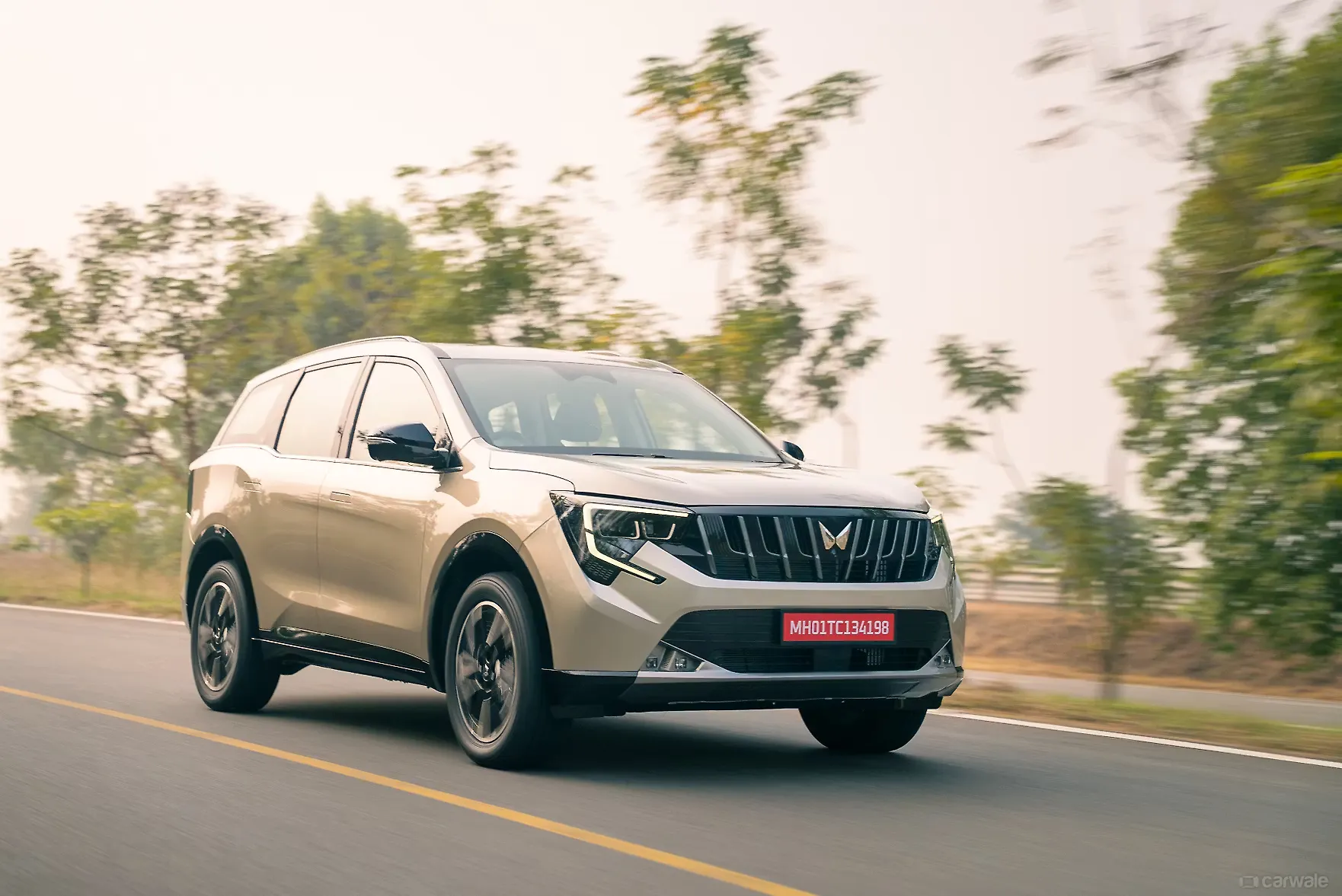
Models such as the Scorpio and Thar have built strong recognition in India, while the newer XUV700 demonstrates that the company can produce more sophisticated vehicles with modern technology and premium features.
The Thar is particularly interesting for American enthusiasts because its basic concept fits the U.S. appetite for compact, rugged SUVs.
The problem is that the American market has strict regulatory requirements, intellectual-property considerations, and a highly competitive off-road segment. Vehicles such as the Jeep Wrangler and Ford Bronco already have decades of brand recognition, extensive dealer networks, and huge aftermarket support.
Mahindra would therefore need more than a good SUV to make an impact. It would need dependable service, competitive pricing, strong crash-test performance, extensive parts availability, and a clear strategy for dealing with established rivals. Building that infrastructure would take considerable time and money.
For now, Mahindra is an interesting company rather than a brand American buyers should assume will deliver a large new passenger-vehicle lineup next year.
Its international ambitions make it worth following, particularly for enthusiasts who like rugged SUVs. But consumers should wait for confirmed U.S. products and official launch details before making purchasing plans around the brand.
5 That Are Not
1. NIO
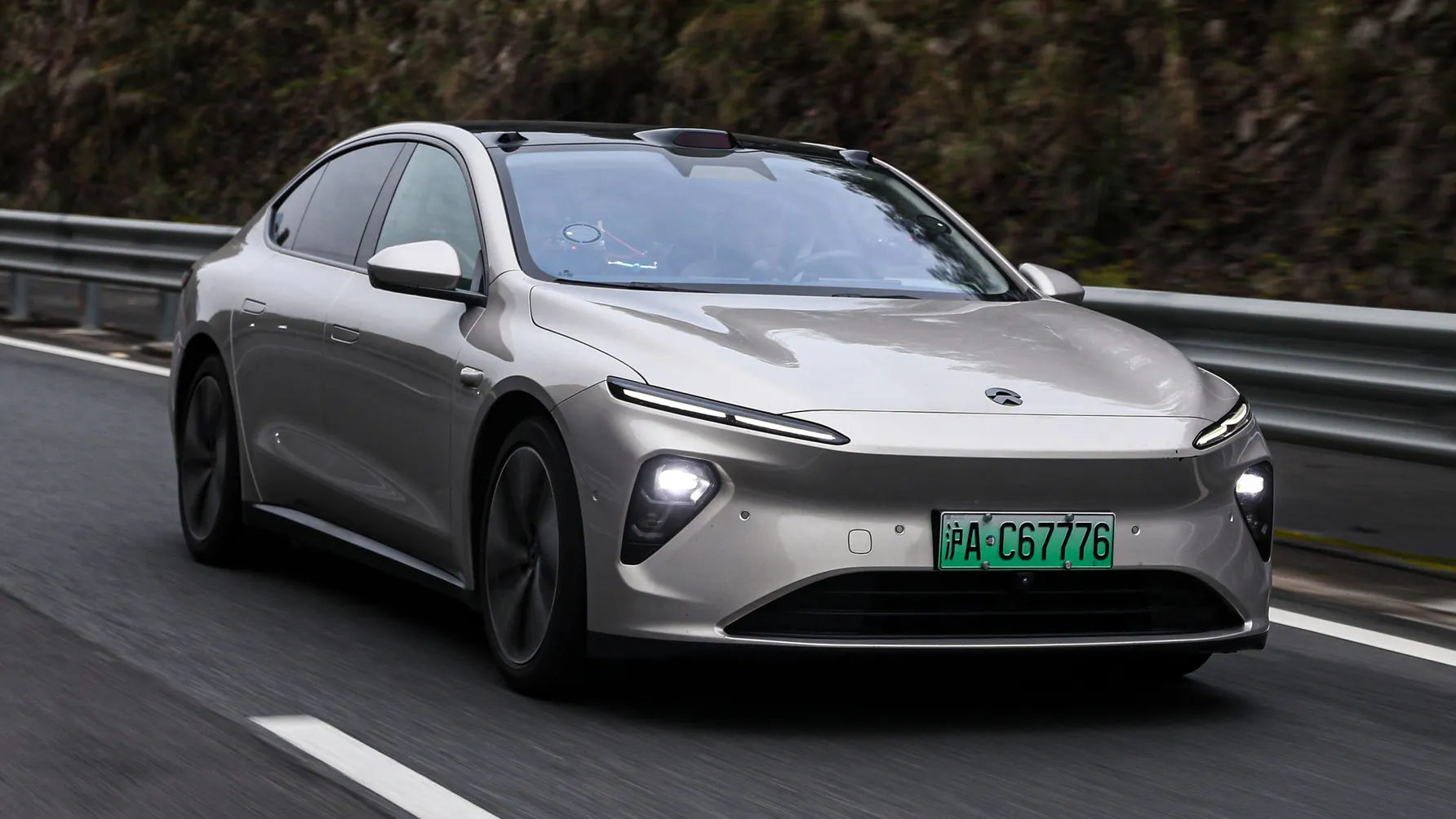
NIO is frequently mentioned whenever future Chinese automakers are discussed, largely because of its reputation for premium electric vehicles and battery technology.
The company has developed attractive electric sedans and SUVs, along with its distinctive battery-swapping system. In Europe, NIO has established a presence in selected markets, giving the company experience operating outside China.
The problem for American consumers is the enormous gap between having an interesting product and being able to sell it successfully in the United States.
NIO would have to navigate tariffs, technology restrictions, regulatory requirements, political scrutiny, and the practical challenge of establishing a service network. Those barriers make a near-term U.S. launch far from straightforward.
NIO’s battery-swapping concept is genuinely interesting. Instead of waiting for a battery pack to recharge, compatible vehicles can visit specialized stations where the depleted battery is mechanically replaced with a charged unit. The concept addresses charging time in a different way, although it requires a substantial network of specialized infrastructure to work effectively.
That infrastructure requirement illustrates why American expansion would be difficult. A new brand needs enough vehicles on the road to justify investment, but it also needs infrastructure before customers feel comfortable buying its vehicles.
Established brands have already spent years building service and charging ecosystems, while a newcomer would have to create much of that foundation.
NIO could eventually become an important international automaker, but there is little reason for a U.S. buyer to postpone purchasing a vehicle while waiting for it. Unless the company provides a concrete American launch strategy with vehicles, pricing, service locations, and regulatory approvals, consumers should treat its U.S. prospects as uncertain.

2. Xiaomi
Xiaomi’s move into electric vehicles has generated enormous attention because the Chinese technology company already has a huge global consumer-electronics business.
Its SU7 electric sedan showed that Xiaomi could produce a technologically sophisticated vehicle with impressive performance and an interface designed around the company’s broader digital ecosystem.
For American consumers, however, the brand’s biggest strength is also part of the problem. Xiaomi’s identity is heavily connected to consumer electronics, smartphones, software, and connected devices.
That creates a natural advantage in developing a technology-focused car, but it also places the company directly inside America’s growing debate over data security and connected-vehicle technology originating from China.
The SU7 has demonstrated that Xiaomi can compete in areas traditionally dominated by established automakers. Its vehicle combines strong performance, a modern cabin, extensive software integration, and a highly recognizable technology ecosystem. The company has also attracted considerable attention in China, showing that the project is more than a simple technology experiment.
None of that means American shoppers should expect a Xiaomi dealership in their neighborhood next year. The regulatory and political obstacles are significant, and Xiaomi has not established a conventional U.S. passenger-vehicle operation.
Importing cars into America would also expose the company to tariffs and regulatory requirements that do not apply equally across every international market.
Xiaomi is therefore fascinating from an industry perspective but not a sensible brand to wait for as a U.S. consumer. If the company eventually enters America, its technology-first approach could shake up the market. For now, however, buyers who need a new car should focus on products that have confirmed U.S. availability rather than betting on Xiaomi’s future plans.
3. Zeekr
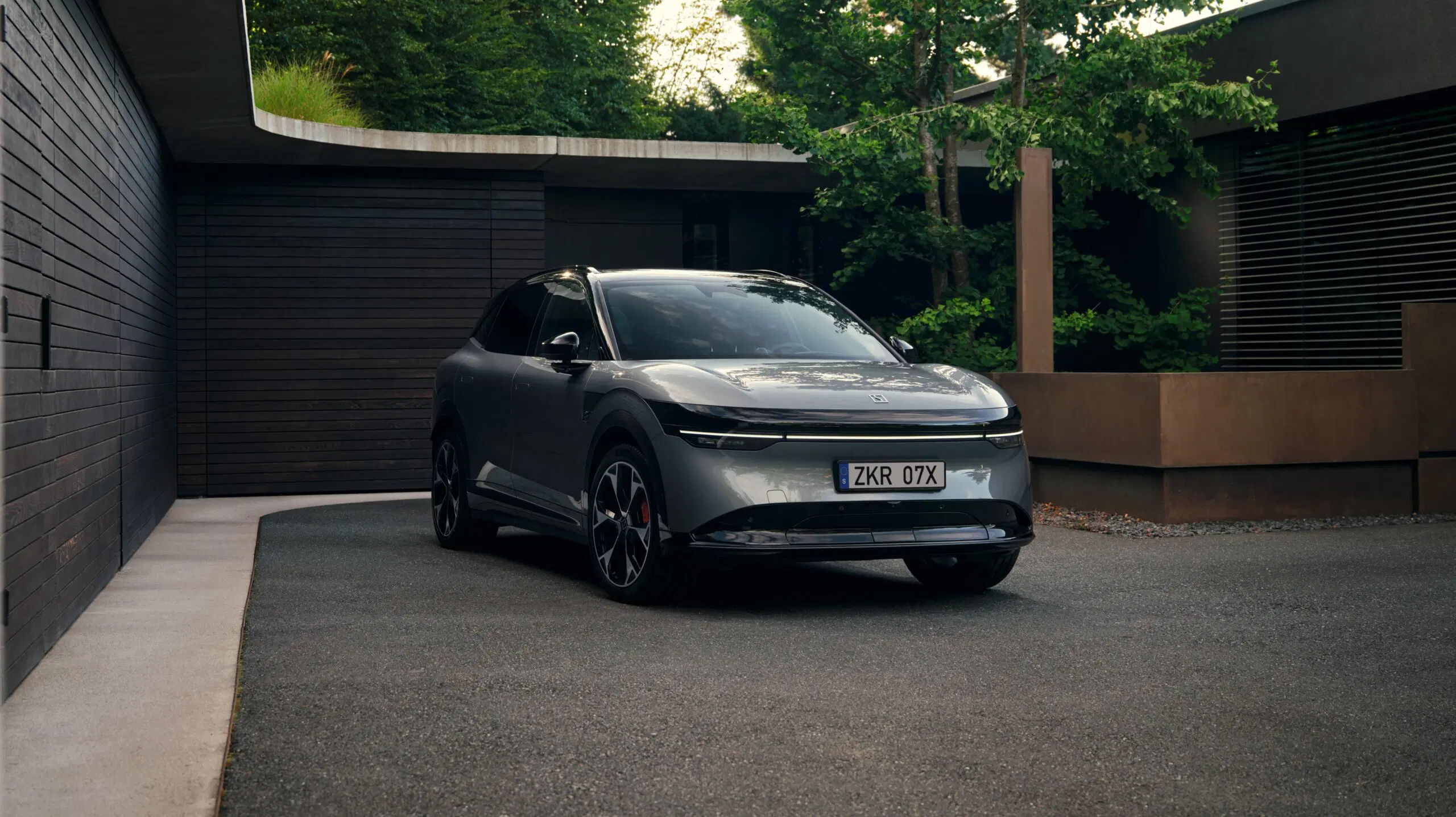
Zeekr has emerged as a significant premium electric vehicle brand within the Geely automotive group. Its vehicles have received attention for attractive styling, strong electric performance, and upscale interiors.
Geely’s broader automotive portfolio gives Zeekr access to considerable engineering and manufacturing resources, which is a major advantage compared with many independent startups.
The problem is that a strong international product does not automatically translate into a realistic American launch. Zeekr would face the same broad challenges affecting Chinese automotive brands, including tariffs, regulatory scrutiny, connected-vehicle restrictions, and questions about how Chinese technology would be treated by U.S. authorities.
The company has already demonstrated ambitions beyond China, with international operations in selected markets. That makes Zeekr more credible as a global automaker than a brand that has never attempted to sell outside its home market.
Its vehicles also show how quickly Chinese companies have developed in areas such as electric powertrains, cabin technology, design, and software.
American buyers might be tempted to wait because Zeekr’s products can look highly competitive on paper. That would be premature.
A U.S. launch would require a substantial commitment to dealerships, service centers, parts distribution, warranty support, financing, and regulatory compliance. Without those elements, even an excellent electric vehicle would be difficult to own comfortably.
Zeekr is worth watching because of its connection to Geely and its growing international ambitions, but it is not a brand American buyers should plan their next purchase around. The situation could change if trade policies or corporate strategies shift, yet a future possibility is not the same thing as a confirmed showroom arrival.
4. Huawei’s Automotive Efforts
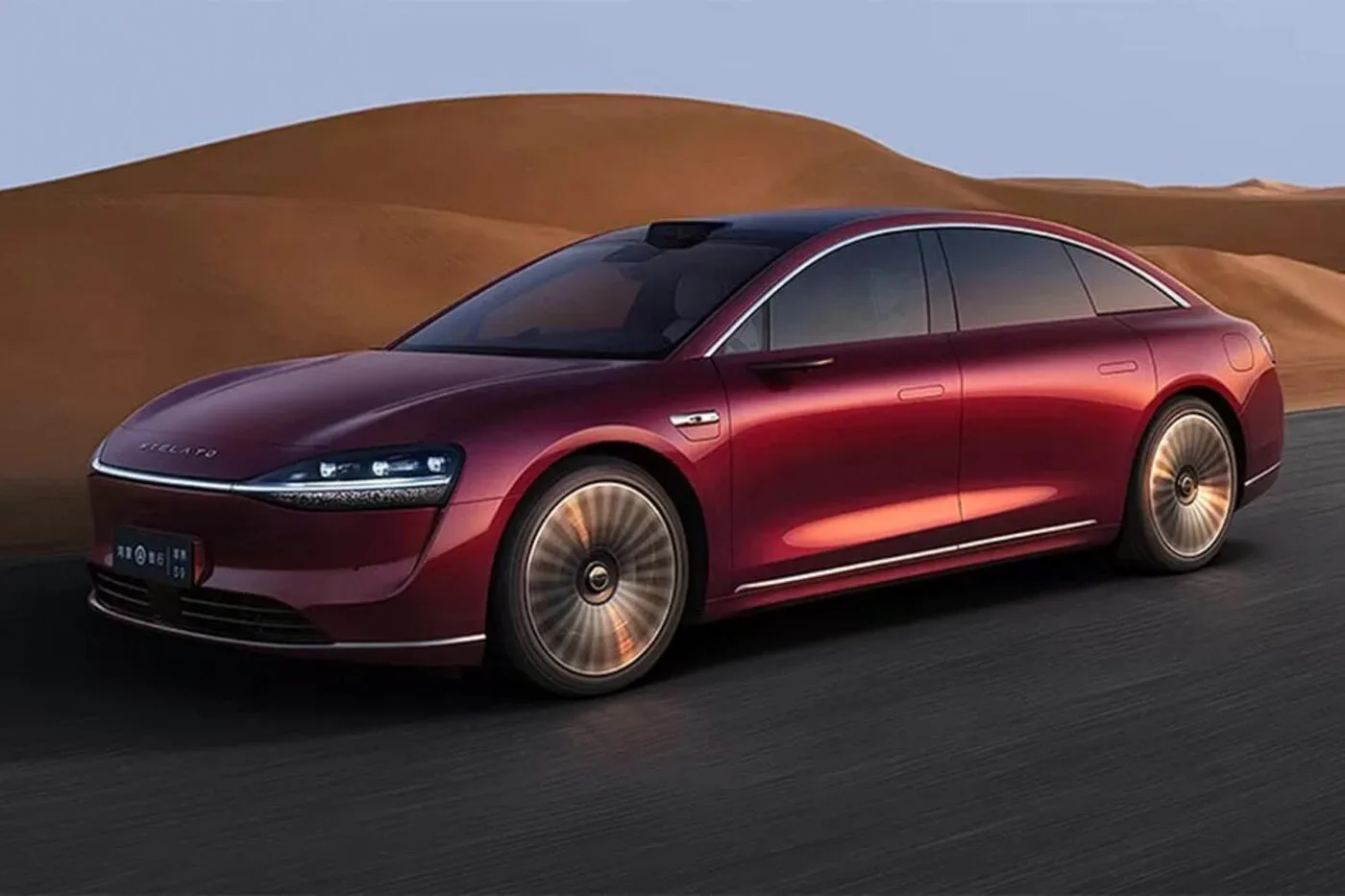
Huawei is not a traditional automaker in the same way as Toyota, BMW, or Hyundai. Instead, the Chinese technology company has worked with automotive manufacturers through technology partnerships, supplying software, electronics, intelligent driving systems, and other components.
Its automotive activities have produced vehicles that have attracted considerable attention in China’s rapidly developing electric-car market.
From a technology perspective, Huawei’s automotive work is impressive. The company has significant expertise in communications, computing, sensors, software, and consumer electronics.
Those capabilities are highly relevant to modern cars, which increasingly function as connected computers with wheels rather than purely mechanical machines.
The problem for U.S. consumers is obvious. Huawei has been subject to extensive U.S. government restrictions for years, making a conventional American automotive presence exceptionally difficult.
Even if Huawei-backed vehicles become increasingly sophisticated, that does not mean they are likely to appear in American dealerships in the near future.
There is also the broader issue of connected-car security. Modern vehicles collect and transmit significant amounts of information, and governments are increasingly concerned about how that data is handled. A Chinese technology company with extensive expertise in communications infrastructure would face particularly close scrutiny in the United States.
For those reasons, Huawei’s automotive developments are interesting to follow but not worth waiting for as a U.S. car shopper. Its technology could influence the global automotive industry through partnerships and overseas products, yet the obstacles to a direct American presence make a near-term consumer launch highly uncertain.
5. Leapmotor
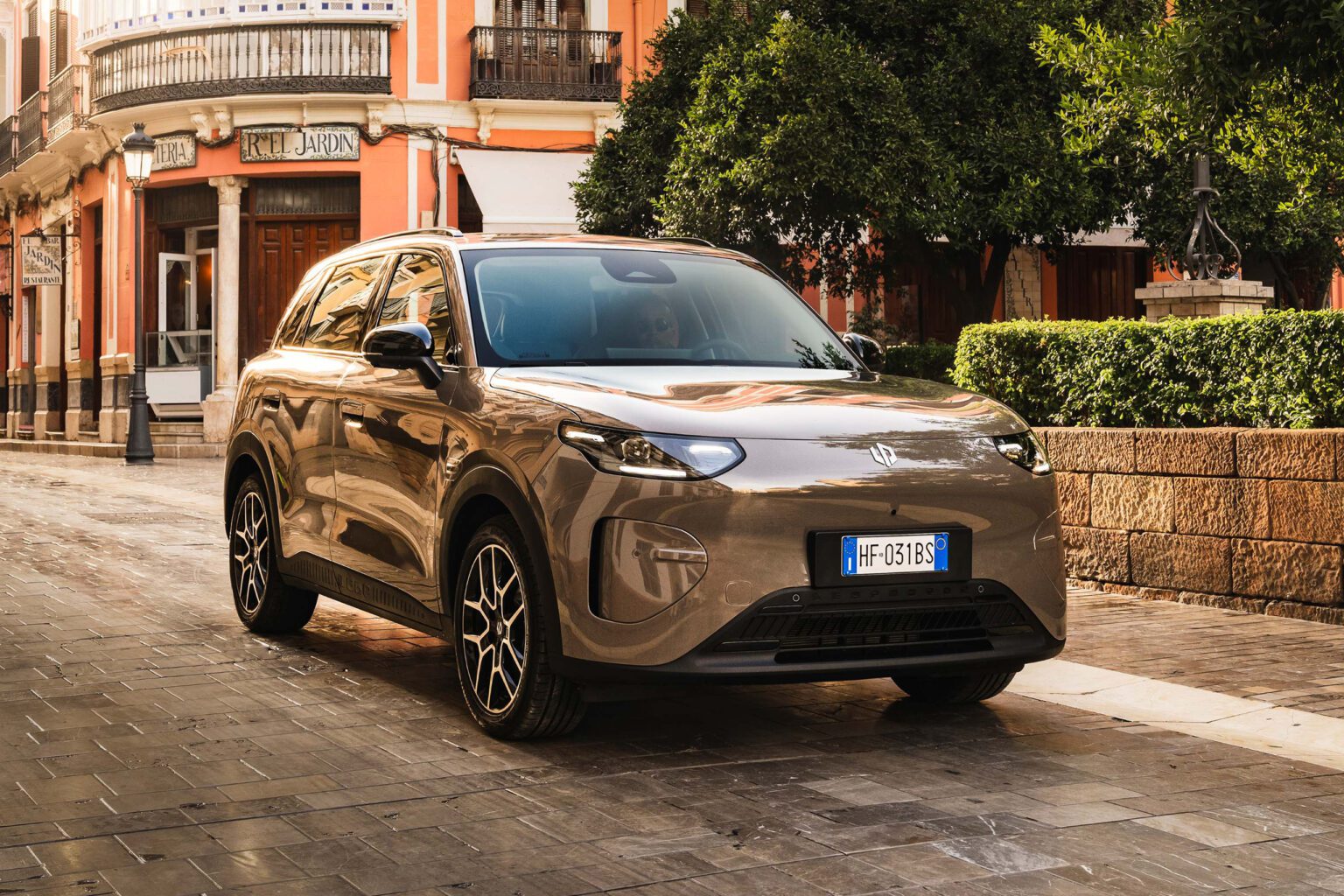
Leapmotor is perhaps a better example of how quickly the global automotive industry can change. The Chinese EV manufacturer has attracted attention for affordable electric vehicles and has gained international reach through a partnership with Stellantis.
The partnership gives Leapmotor an advantage that many young automakers lack. It provides access to an established global automotive organization with proven experience in manufacturing, distribution, and international markets.
On paper, that makes Leapmotor more credible than a startup attempting to enter the United States alone. Stellantis has extensive knowledge of the American market through brands such as Jeep, Ram, Dodge, Chrysler, and Fiat. A strong international partnership could theoretically provide Leapmotor with resources that would otherwise take decades to build.
The major problem is the current U.S. trade environment. Chinese electric vehicles face extraordinarily high tariffs, making direct imports economically unattractive. The United States has also adopted restrictions concerning connected vehicles and Chinese technology, creating further obstacles for Chinese automakers seeking American customers.
Leapmotor’s progress is therefore worth following, particularly because its Stellantis relationship could become an important part of the global automotive story.
However, American shoppers should not assume that the partnership means Leapmotor vehicles will soon appear at U.S. dealerships. European and other international expansion does not automatically translate into an American launch.
