
Big engines are usually associated with sports cars, but history has produced plenty of exciting machines that prove displacement is not everything. From lightweight Japanese kei roadsters to tiny European two-seaters, these cars used remarkably small engines while focusing on low weight, sharp handling, clever engineering, and driver involvement.
Some had barely enough displacement to power a modern motorcycle, yet they became memorable performance cars. In this list, we rank 12 sports cars with the smallest engines ever made by engine capacity, starting with tiny microcar-based machines and moving toward larger compact sports cars that still offered an entertaining driving experience with surprisingly modest displacement.
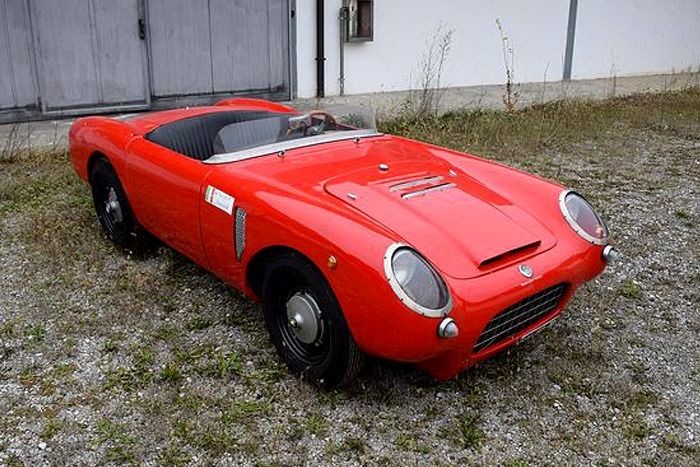
1. Berkeley SE492, 492 cc
The Berkeley SE492 deserves attention for its remarkably small engine and lightweight construction. Produced in Britain during the late 1950s, the Berkeley sports car was created around the idea that performance could come from keeping mass extremely low rather than installing a large engine. The SE492 used a 492 cc two-cylinder engine, making it dramatically smaller than the engines found in most conventional sports cars of its era.
The Berkeley concept was unusual because the car was tiny in almost every respect. Its compact body, small engine, and low weight allowed it to provide an experience that was much closer to a motorcycle-inspired sports machine than a traditional British roadster. The company also experimented with several engine capacities and configurations during the model’s short production history.
The small engine was not intended to compete with powerful MGs or Triumphs in outright acceleration. Instead, the Berkeley relied on its modest weight and simple mechanical layout. Drivers could enjoy the sensation of speed without requiring enormous horsepower. That philosophy would later become important in the development of lightweight sports cars.
Its diminutive engine also made the Berkeley interesting from an engineering perspective. Designers had to extract useful performance from very limited displacement while keeping the chassis light enough to respond quickly. This approach helped make Berkeley cars distinctive among British sports cars.
With only 492 cc, the SE492 takes the top position in this ranking by engine capacity. It represents an early example of the idea that a sports car does not need a large engine to deliver an engaging driving experience.
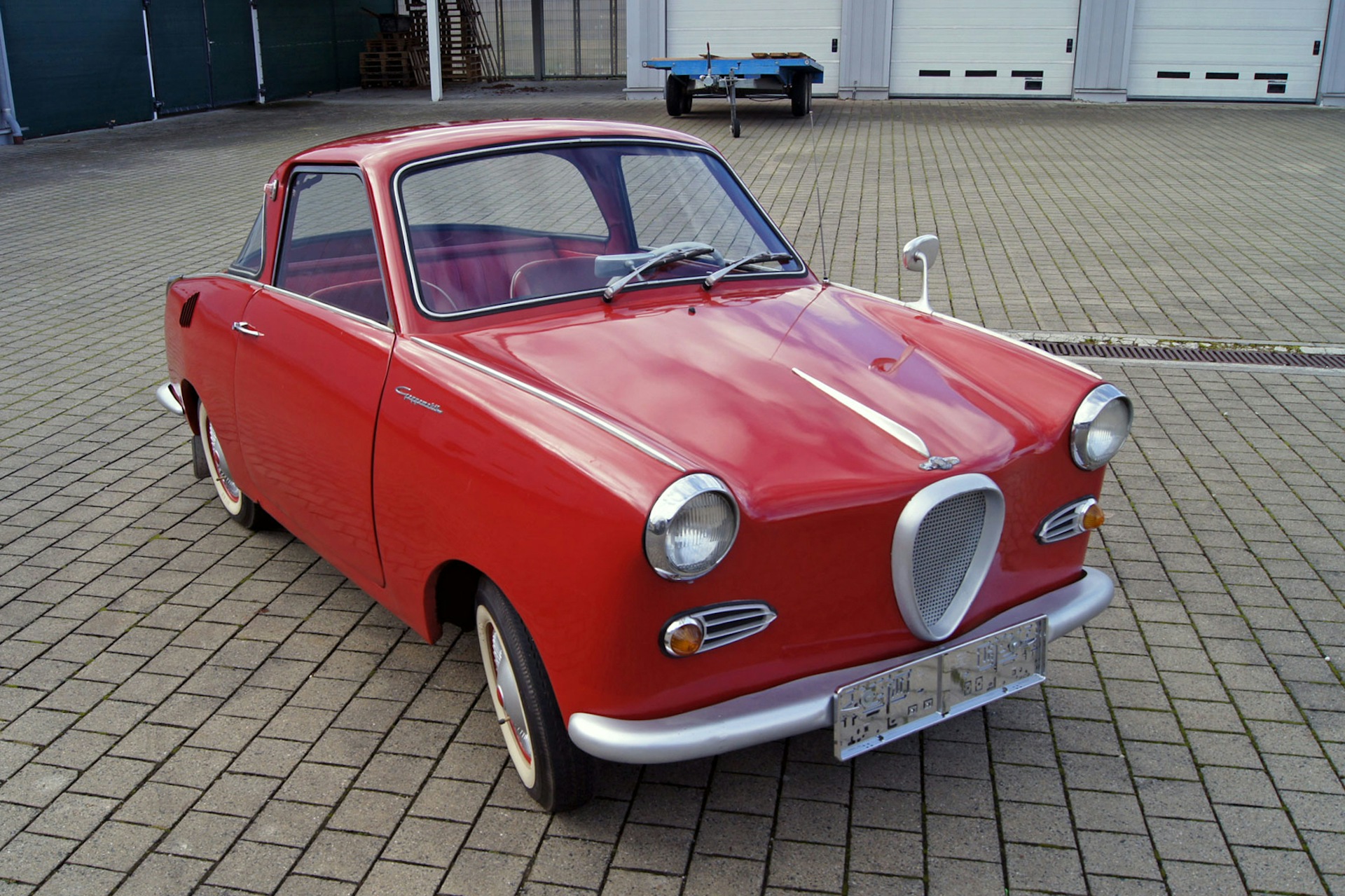
2. Goggomobil TS 250, 245 cc
The Goggomobil TS is an unusual entry because it sits closer to the microcar category than the traditional sports-car segment. Still, its tiny coupe body and performance-oriented versions make it relevant when discussing very small-engined sporting automobiles. The TS 250 used a two-cylinder engine with approximately 245 cc of displacement.
Produced by Hans Glas in Germany, the Goggomobil became famous for its compact dimensions and small two-stroke engines. The TS coupe gave the little car a sporty appearance, with a low roofline and two-door body. Its proportions made it look far more like a miniature grand tourer than a basic economy vehicle.
The engine produced modest power, so straight-line performance was never the main attraction. Instead, the car’s low mass made the available power more useful than the displacement figure might suggest. Lightweight construction was critical to giving the Goggomobil a lively character.
The two-stroke engine also gave the car a distinctive mechanical personality. Small engines of this type could deliver surprisingly energetic performance when paired with a lightweight body. Drivers had to work with the limited power rather than relying on effortless torque.
At roughly 245 cc, the Goggomobil TS 250 shows just how far manufacturers once pushed the concept of miniature automobiles. It may not fit modern definitions of a sports car perfectly, but its sporting coupe design and tiny engine make it an important part of the story.
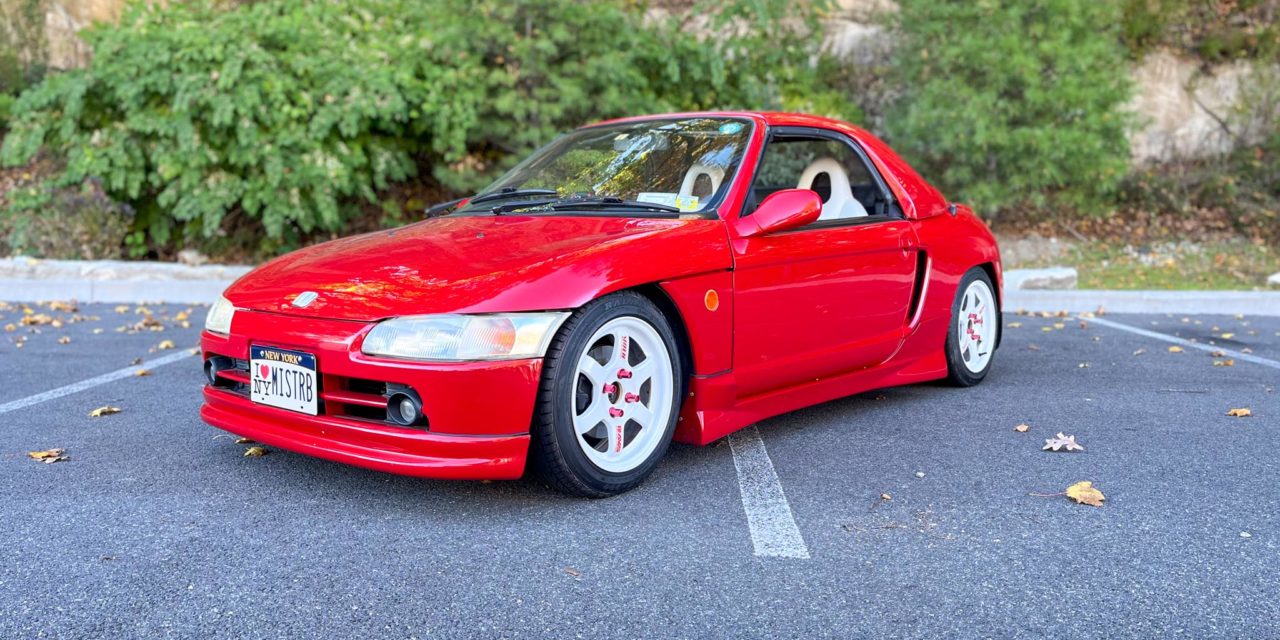
3. Honda Beat, 656 cc
The Honda Beat is perhaps the best-known modern example of a genuinely tiny sports car. Honda produced the mid-engine, rear-wheel-drive roadster in Japan from 1991 to 1996. Its naturally aspirated three-cylinder engine displaced just 656 cc and produced around 64 PS at 8,100 rpm.
What made the Beat particularly interesting was its approach to performance. Rather than using turbocharging, Honda developed the E07A engine with its MTREC system and individual throttle bodies. The result was a high-revving engine that encouraged drivers to keep the revs high and use the five-speed manual gearbox frequently.
The mid-engine layout gave the Beat a strong foundation for handling. With the engine positioned behind the seats and power sent to the rear wheels, the little roadster had the basic architecture associated with much larger sports cars. Its small dimensions also made it feel responsive on narrow roads and tight corners.
The Beat was built to comply with Japan’s kei-car regulations, which helped explain its tiny dimensions and engine. Honda managed to create a car that looked and behaved like a genuine sports machine while remaining extremely compact. The model was sold exclusively in Japan during its production run.
The Honda Beat remains highly regarded among enthusiasts because it demonstrates how much character can come from a 656 cc engine. Its high-revving nature, rear-wheel drive, mid-engine layout, and manual transmission make it far more interesting than its engine size suggests.
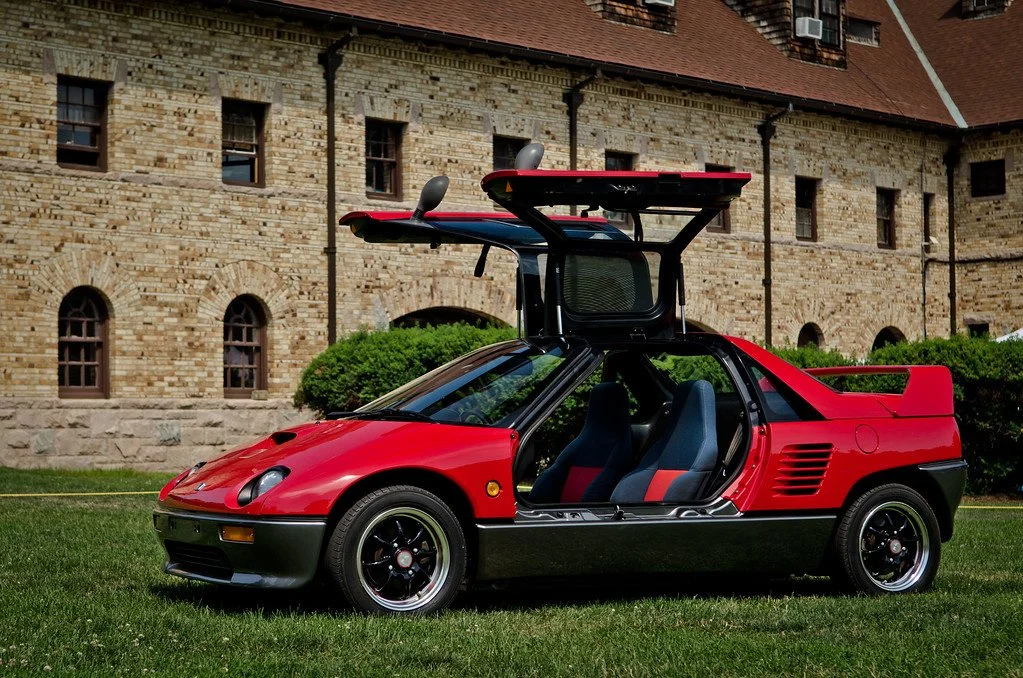
4. Autozam AZ-1, 657 cc
The Autozam AZ-1 pushed the small-engine sports-car formula in a completely different direction. Built in Japan during the early 1990s, it was a tiny two-seat coupe with gullwing doors and a mid-mounted turbocharged three-cylinder engine. The engine displaced 657 cc and produced the kei-class maximum of roughly 64 PS.
The AZ-1 was developed under Mazda’s Autozam brand, while Suzuki also sold a closely related version called the Cara. Its dramatic appearance helped distinguish it from the softer styling of other kei sports cars. The gullwing doors gave the little coupe an exotic appearance far beyond its engine capacity.
The turbocharged engine gave the AZ-1 a different personality from the naturally aspirated Honda Beat. Forced induction helped the tiny three-cylinder produce useful power from such limited displacement. In a lightweight car, that combination could provide lively acceleration and a sense of urgency.
Handling was another major part of the AZ-1’s appeal. The compact body and mid-engine configuration placed the car firmly within the tradition of lightweight, rear-driven sports machines. Its dimensions were tiny, but its engineering was ambitious.
At 657 cc, the Autozam AZ-1 demonstrates how Japan’s kei regulations encouraged manufacturers to create unusual performance cars. It remains memorable because few cars combine gullwing doors, mid-engine packaging, rear-wheel drive, turbocharging, and such a tiny engine.
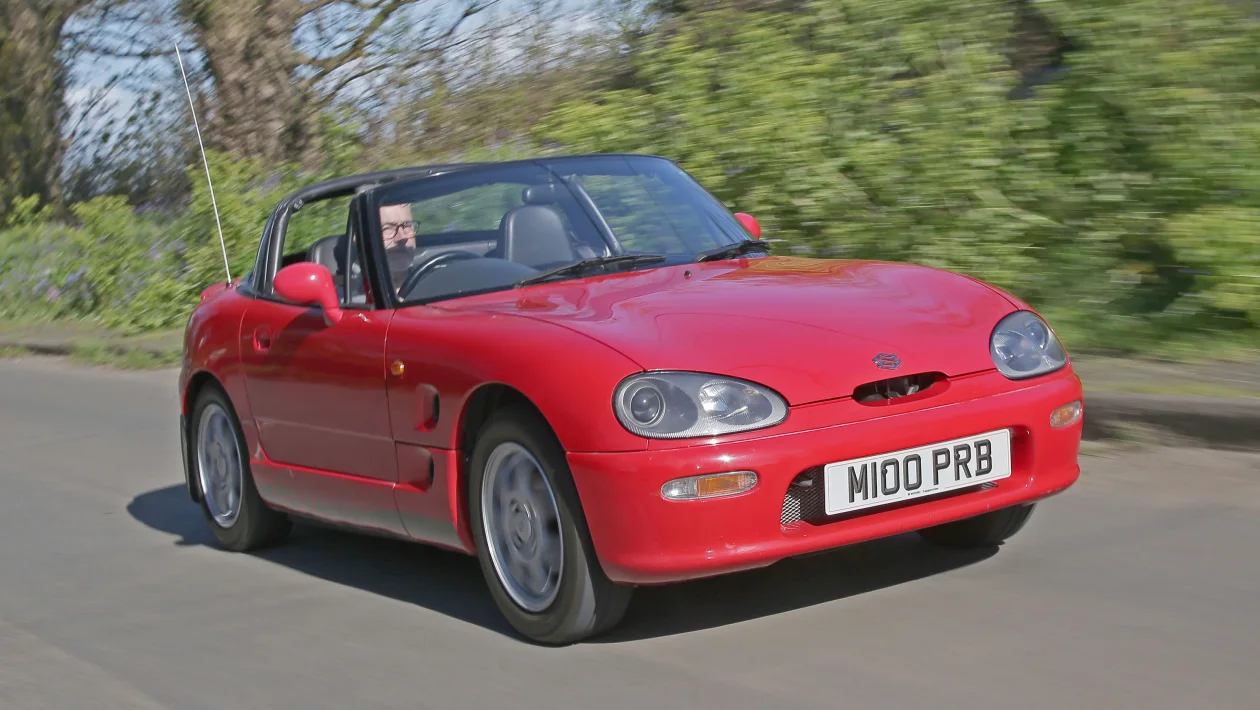
5. Suzuki Cappuccino, 657 cc
The Suzuki Cappuccino is another famous kei sports car powered by a 657 cc engine. Produced during the early 1990s, it was designed as a compact two-seat roadster with rear-wheel drive. Its engine capacity was kept within Japan’s kei regulations, while turbocharging helped deliver strong performance for such a small automobile.
Unlike the Honda Beat, which used a mid-engine layout and natural aspiration, the Cappuccino placed its engine at the front and drove the rear wheels. This gave it a more traditional sports-car configuration. Its compact proportions also allowed Suzuki to keep weight low and make the car feel agile.
The Cappuccino’s roof design added to its versatility. Different roof sections could be removed or arranged to create different open-air configurations. That made the car more than a simple lightweight runabout and gave it a distinctive character among Japanese sports cars.
Its three-cylinder turbocharged engine was small, but the forced induction system helped produce the maximum power permitted under the kei-car rules at the time. The result was a car that could feel considerably quicker than its engine displacement suggested.
The Suzuki Cappuccino became a cult favorite outside Japan because it offered classic sports-car ingredients in an extremely compact package. A 657 cc turbo engine, rear-wheel drive, two seats, and a manual gearbox created a formula that still appeals to enthusiasts today.
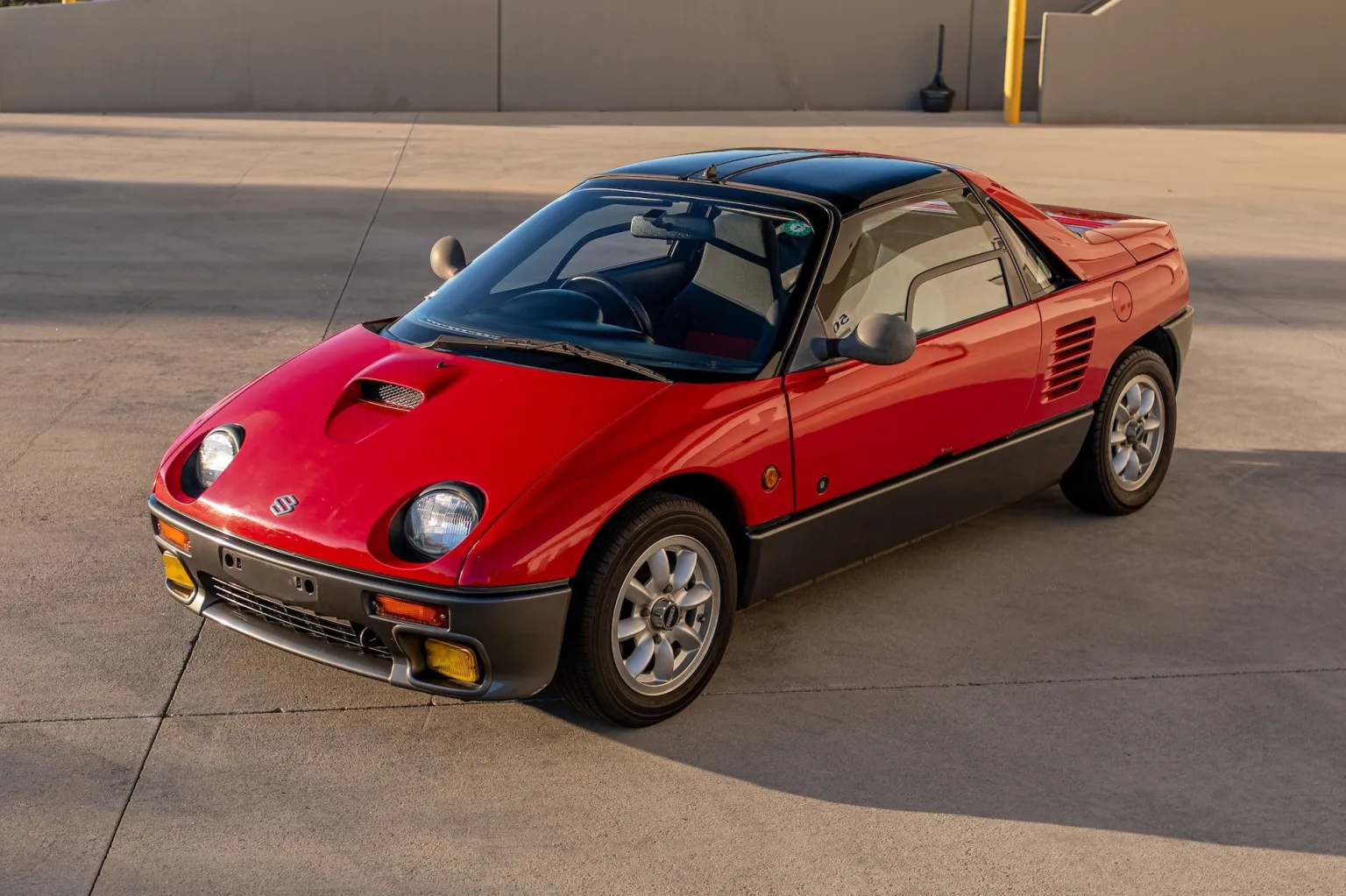
6. Suzuki Cara, 657 cc
The Suzuki Cara is closely related to the Autozam AZ-1 and used the same basic 657 cc turbocharged three-cylinder formula. It was Suzuki’s version of the tiny gullwing-door sports coupe, giving buyers another way to experience the unusual AZ-1 concept.
Because the Cara was mechanically related to the AZ-1, its place in this ranking requires some context. It was not an entirely separate engineering concept in the same way as the Honda Beat or Suzuki Cappuccino. Still, it was sold as a distinct model and therefore deserves recognition when ranking production sports cars by engine size.
The 657 cc engine made use of turbocharging to produce approximately 64 PS. That figure might seem insignificant next to modern sports cars, but the Cara’s lightweight construction made the power more meaningful. The car was designed around responsiveness rather than massive acceleration.
The gullwing doors were the visual highlight. They gave the Cara an exotic appearance that would have been unusual even on a car with a much larger engine. The tiny body made the dramatic doors even more striking.
The Cara illustrates the creativity that emerged from Japan’s kei-car market. Manufacturers were not simply making small economy cars. They were experimenting with sports-car layouts, turbocharged engines, lightweight construction, and distinctive styling, all while remaining within strict size and displacement limits.
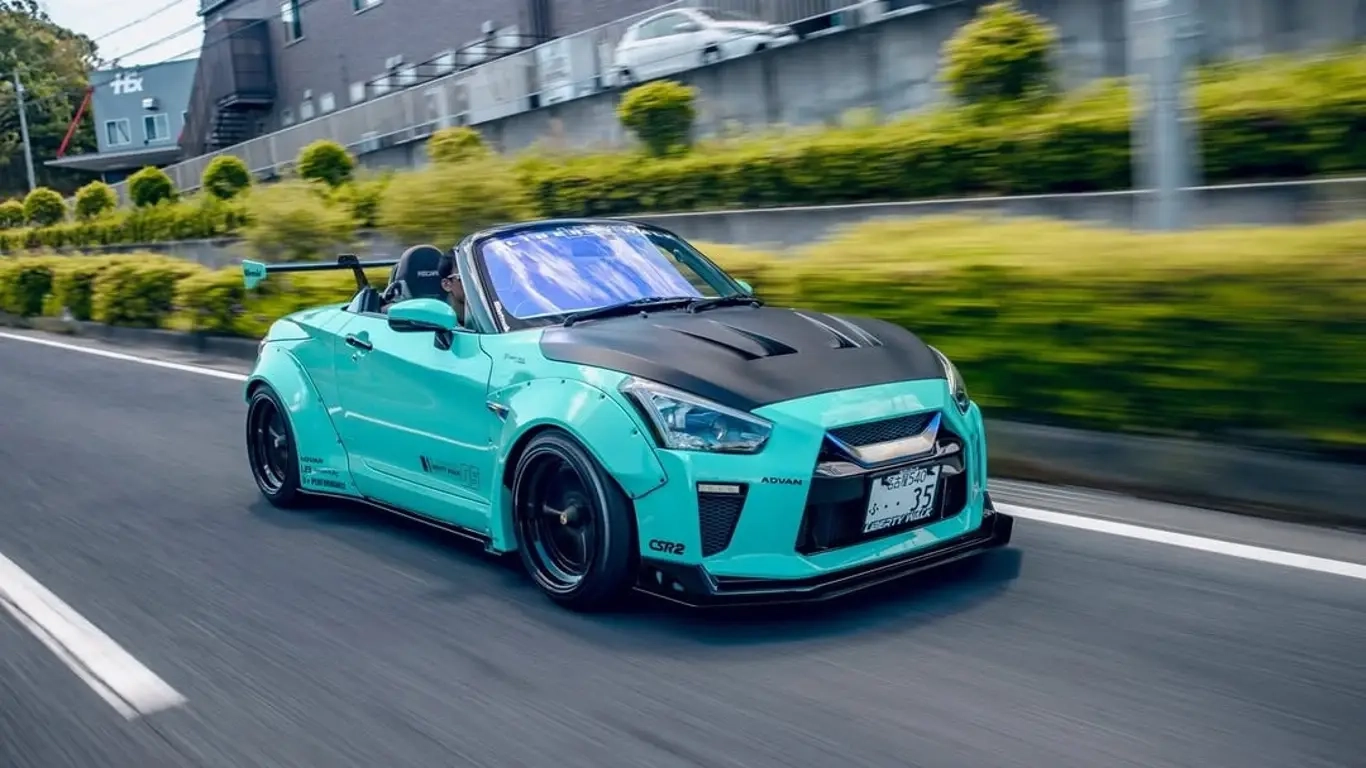
7. Daihatsu Copen, 659 cc
The first-generation Daihatsu Copen brought the kei sports-car formula into the new millennium. It arrived in Japan with a 659 cc turbocharged three-cylinder engine and a compact two-seat convertible body. The Copen combined the small dimensions required by kei regulations with a more modern approach to comfort and styling.
The Copen differed from earlier kei sports cars in several important ways. Its styling was rounded and friendly, while the interior was designed to feel more like a conventional modern car. The folding hardtop also gave it a distinctive character and allowed owners to switch between coupe-like and convertible driving.
Its turbocharged 659 cc engine produced the power needed to make the lightweight car entertaining. The engine was tiny by normal automotive standards, yet turbocharging helped compensate for the limited displacement. The car’s small size also meant that modest power could still feel lively on winding roads.
The Copen became popular because it delivered a simple formula in an accessible package. Drivers received two seats, front-wheel drive, a small turbo engine, and convertible capability without stepping into the dimensions or running costs associated with larger sports cars.
With 659 cc, the early Copen remains a strong example of Japanese lightweight engineering. It also shows how kei sports cars evolved from stripped-down enthusiast machines into vehicles that could combine fun with everyday usability.
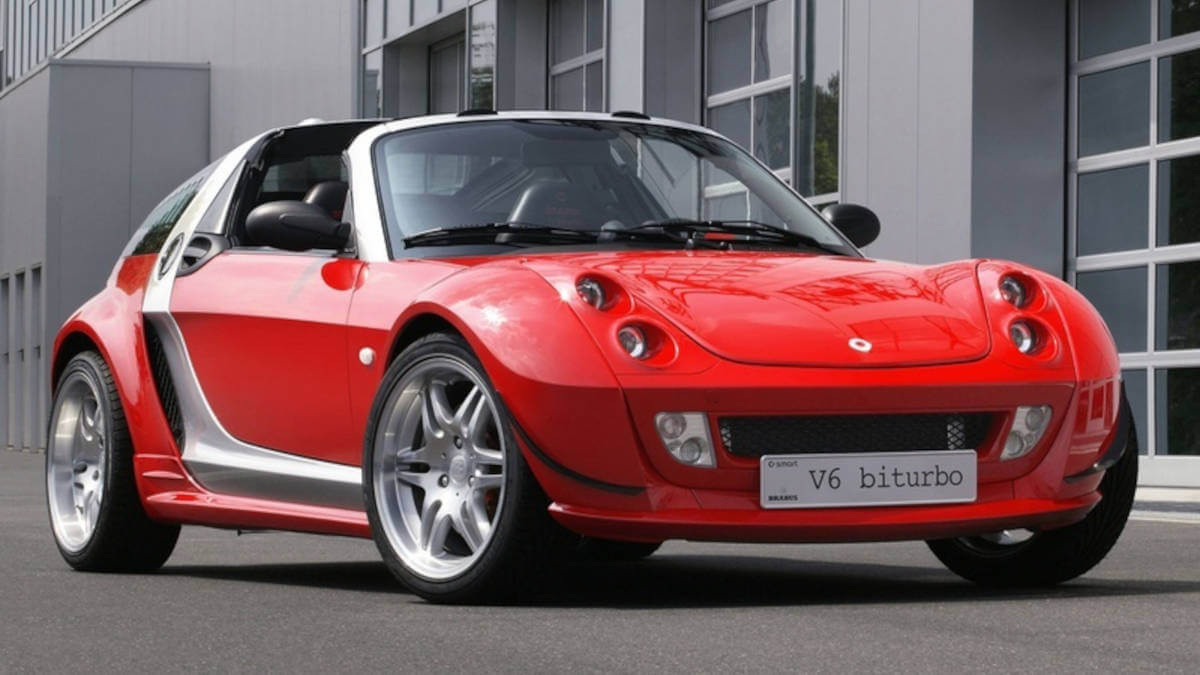
8. Smart Roadster, 698 cc
The Smart Roadster took the tiny sports-car concept from Japan to Europe. Introduced in the early 2000s, it used a 698 cc turbocharged three-cylinder engine and a lightweight body. The engine was mounted at the rear, while the car used rear-wheel drive.
Smart designed the Roadster around low weight and compact dimensions. Its proportions were dramatically smaller than those of mainstream European sports cars, yet the chassis was engineered to provide an engaging driving experience. A coupe version was also offered, giving the range additional practicality.
The engine produced roughly 82 horsepower in standard form, depending on specification. That figure was enough to give the lightweight car reasonable performance, although the automated manual transmission became a common point of criticism. Later Brabus versions offered increased power, including a 100 hp variant.
The Roadster’s low weight was essential to its character. A 698 cc engine would struggle to move a heavy sports car quickly, but the Smart was designed around a much smaller mass. This helped it feel nimble and responsive even without a large engine.
Production lasted only a few years, ending in 2005. The Smart Roadster therefore became a rare example of a European manufacturer attempting to recreate the lightweight philosophy seen in Japanese kei sports cars. Its unusual proportions and tiny turbo engine still make it memorable.
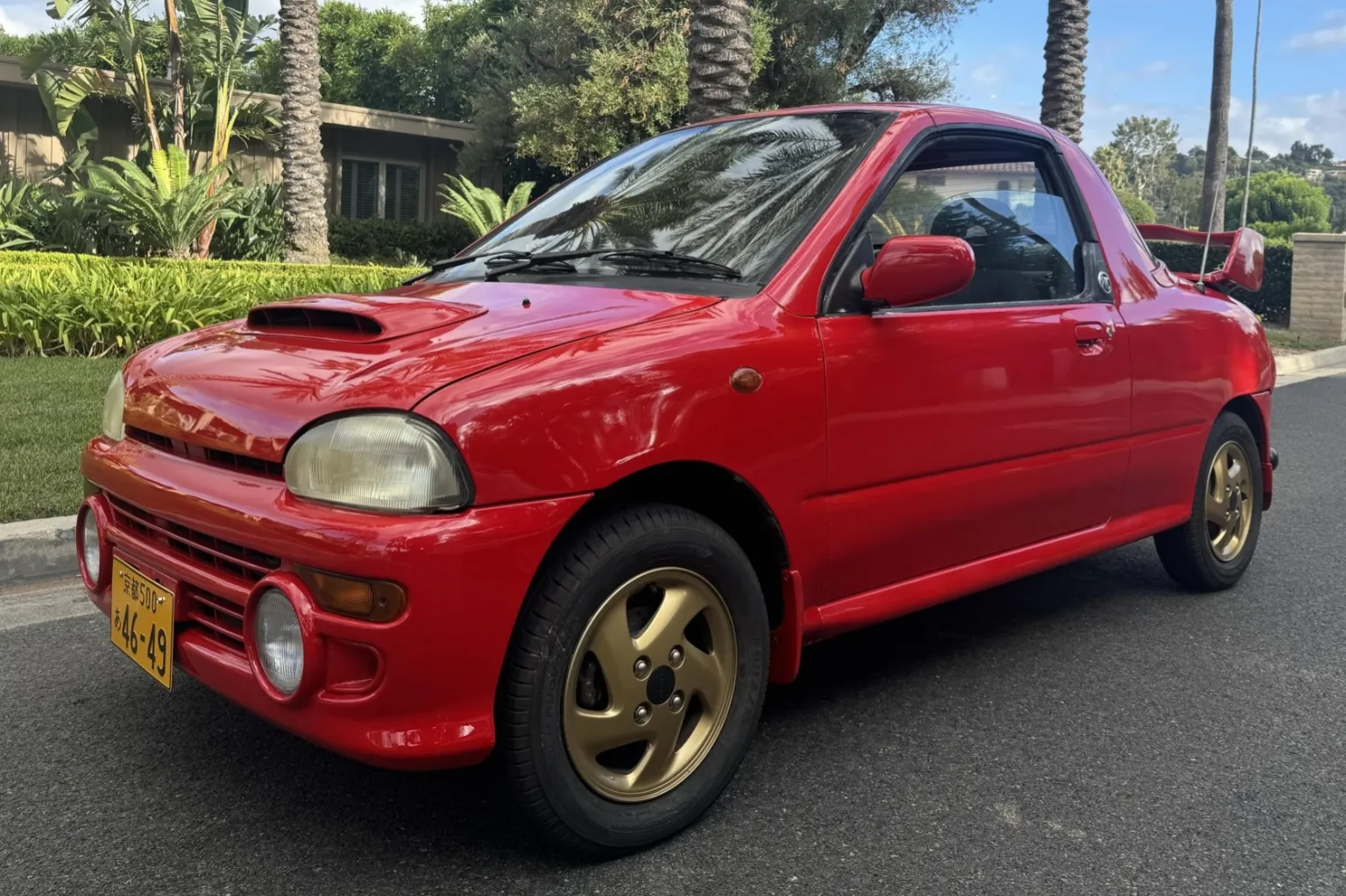
9. Subaru Vivio T-Top, 658 cc
The Subaru Vivio T-Top is another Japanese kei car that deserves consideration for its sporting character. The Vivio range used small engines designed around Japan’s kei regulations, while the T-Top body style gave the compact car a more recreational personality.
Its 658 cc engine was small even by the standards of compact cars. The T-Top design gave occupants the ability to enjoy open-air driving while retaining the compact footprint of the standard Vivio. That made it an interesting alternative to conventional small hatchbacks.
Subaru’s engineering background also influenced the Vivio family. The company had considerable experience with compact powertrains and small cars, allowing it to create a vehicle that could make useful performance from limited displacement.
The T-Top was not a traditional rear-wheel-drive sports car like the Honda Beat or Suzuki Cappuccino. Its sporting appeal came from its compact dimensions, low weight, open-air configuration, and distinctive styling.
At 658 cc, it shows that the small-engine sports-car idea was not limited to dedicated roadsters. Japanese manufacturers regularly created special body styles and performance-oriented variants from kei platforms, giving buyers plenty of unusual alternatives.
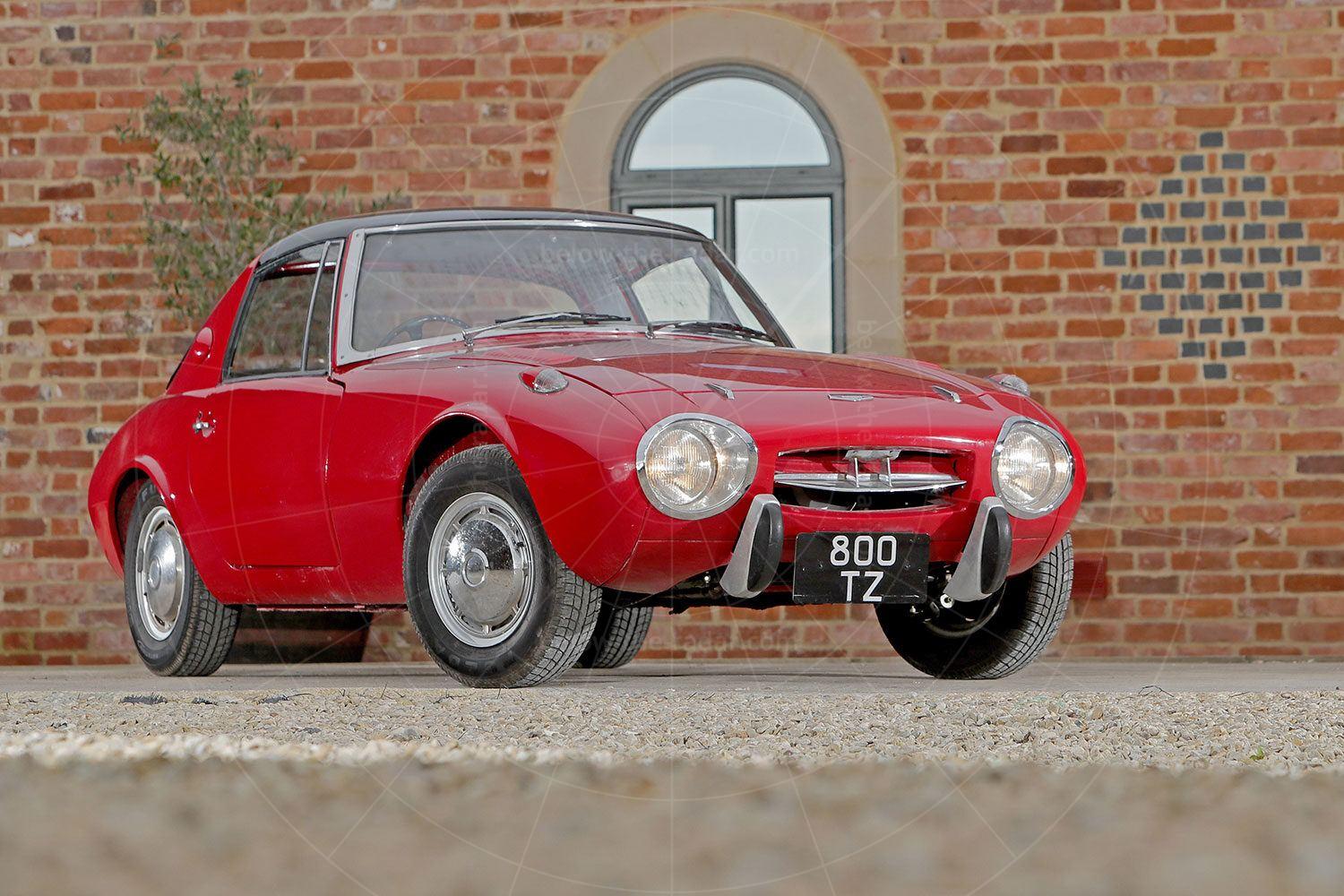
10. Toyota Sports 800, 790 cc
The Toyota Sports 800 is an important historical sports car because it demonstrated the benefits of low weight long before tiny kei roadsters became fashionable. Produced from the 1960s, it used a 790 cc horizontally opposed two-cylinder engine and a lightweight body.
The Sports 800 was developed from Toyota’s Publica economy-car platform, but its body was transformed into a small two-seat sports coupe. The result was a remarkably compact machine with a distinctive aerodynamic shape and an engine far smaller than those found in many contemporary sports cars.
Weight reduction played a central role in the car’s performance. Toyota used lightweight construction techniques to keep mass under control, allowing the 790 cc engine to move the car without requiring huge amounts of power.
The car also had a distinctive removable roof section, adding an open-air element to its sporting personality. Its compact proportions made it visually different from larger British and European sports cars of the same period.
The Toyota Sports 800 is significant because it represents an early Japanese interpretation of the lightweight sports-car formula. With only 790 cc, it proved that careful engineering, aerodynamic design, and low mass could create a genuine enthusiast car.
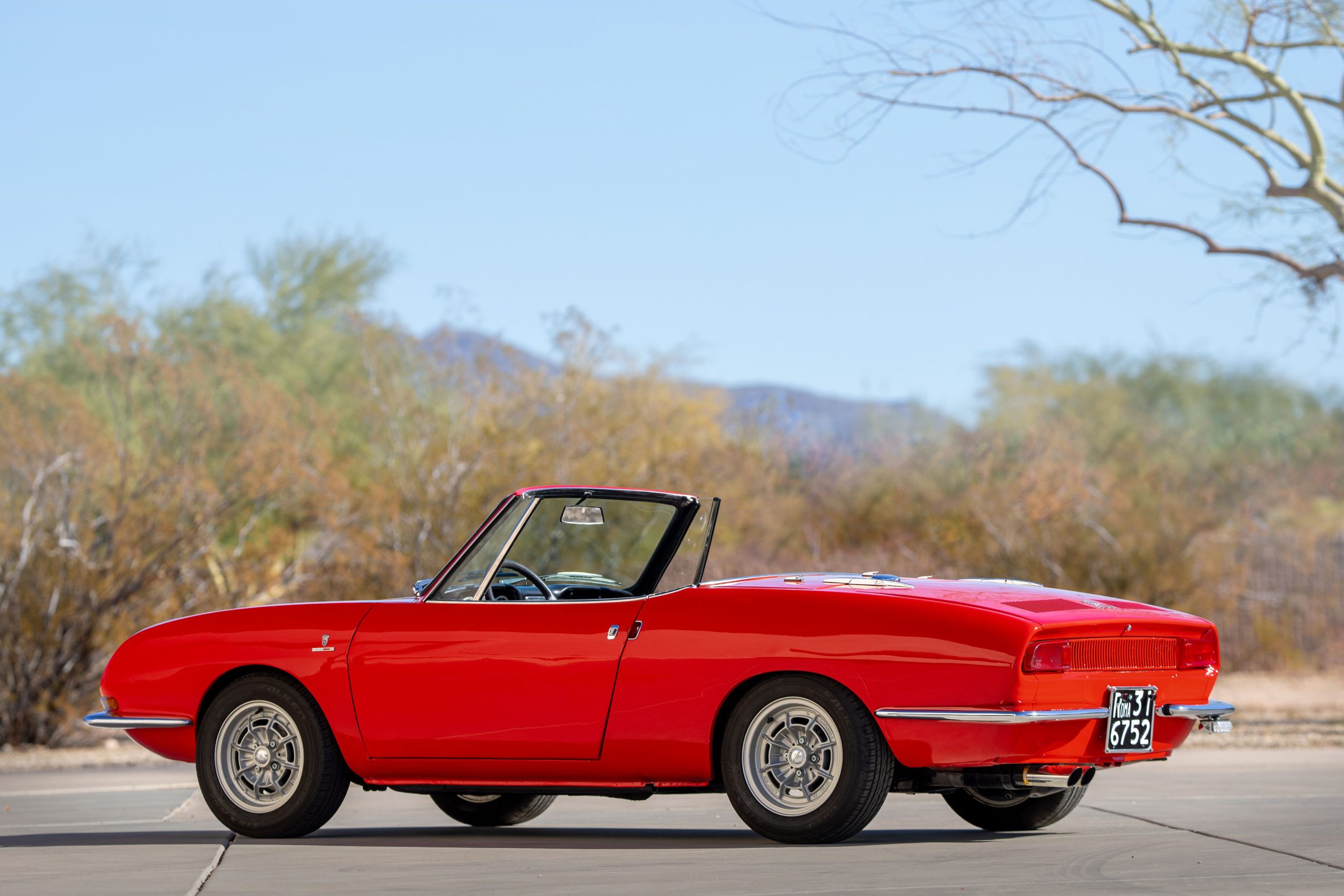
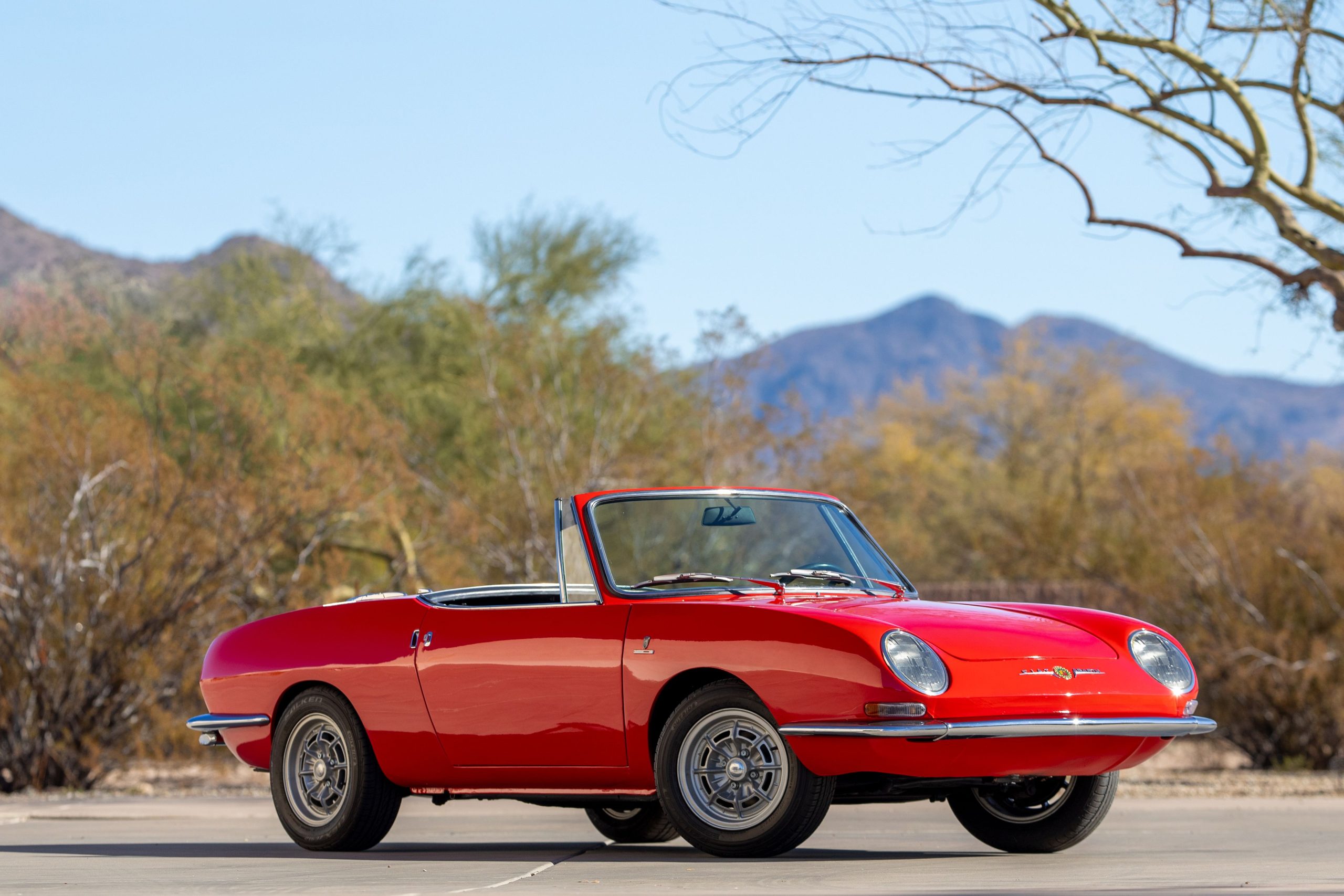
11. Fiat 850 Spider, 843 cc
The Fiat 850 Spider brought Italian styling to the small-engine sports-car category. Designed with a compact two-seat body, it used an 843 cc rear-mounted four-cylinder engine. The car was considerably smaller and less powerful than many famous European sports cars, but its proportions and styling gave it a clear sporting identity.
The 850 Spider was based on the mechanical architecture of the Fiat 850 family. Its engine sat at the rear, allowing the designers to create a low and compact front section. The result was a distinctive little convertible that looked much more expensive and exotic than its engine size suggested.
Its modest displacement reflected the car’s intended role. Rather than competing with large-engine grand tourers, the Fiat focused on affordability, compactness, and enjoyable open-top driving. The lightweight design helped make its limited power usable.
The car also benefited from Italian styling expertise. Its body had clean proportions and a low stance, making it visually appealing without requiring oversized wheels or aggressive bodywork. It demonstrated that a sports car could be attractive without relying on a large powertrain.
At 843 cc, the Fiat 850 Spider sits above the smallest Japanese kei machines in this ranking, but it remains remarkably small by sports-car standards. It represents a different path toward lightweight performance and shows how displacement alone does not define a sporting automobile.
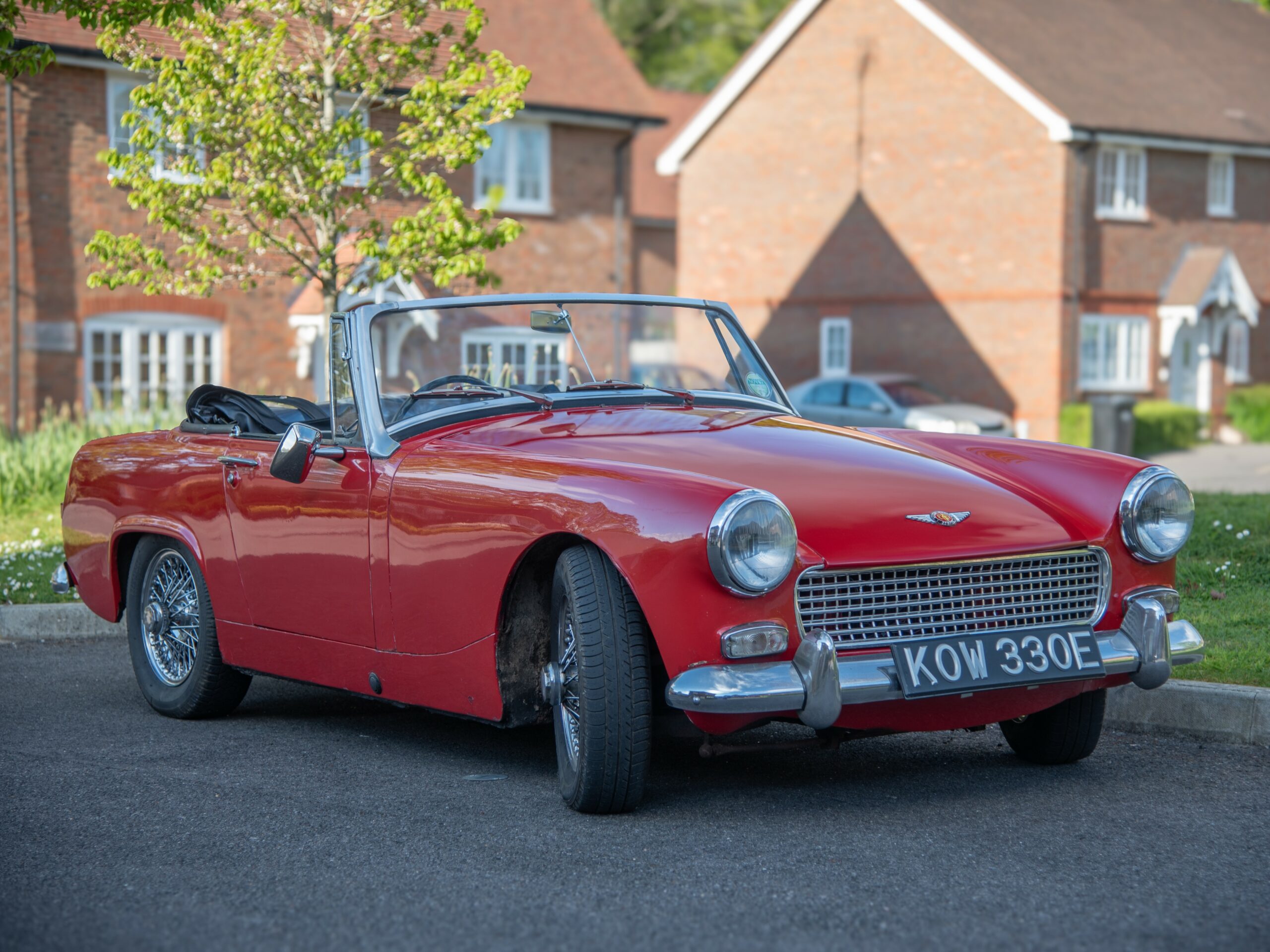
12. Austin-Healey Sprite, 948 cc
The Austin-Healey Sprite closes this list with a 948 cc four-cylinder engine. Introduced in the late 1950s, the Sprite became famous for its compact dimensions, simple mechanical construction, low weight, and approachable sports-car character.
The first Sprite was deliberately designed as an affordable sports car. It did not need a huge engine because its lightweight body kept performance reasonably lively. The car’s small dimensions also helped create the direct, mechanical driving experience that became associated with classic British roadsters.
Early Sprites were famous for their distinctive appearance, particularly the original “Frogeye” design. The headlights were mounted high on the front bodywork, creating an instantly recognizable face. The unusual styling helped make the car memorable even though its engine was less than one litre.
The 948 cc engine produced modest output compared with larger sports cars of the period. Yet the Sprite’s lightweight construction meant that drivers could enjoy acceleration, cornering, and open-top motoring without requiring enormous horsepower. The car’s simplicity was part of its charm.
The Austin-Healey Sprite demonstrates why lightweight sports cars have remained popular for generations. Its engine was small, but the car’s proportions, responsive chassis, manual transmission, and low weight created a package that felt genuinely sporting.
